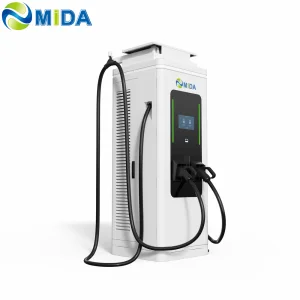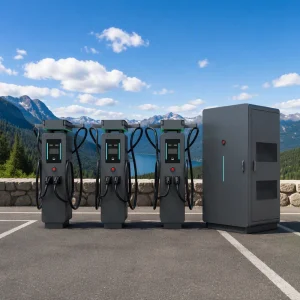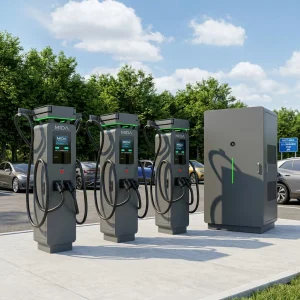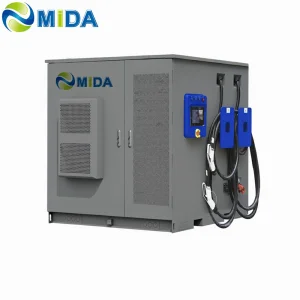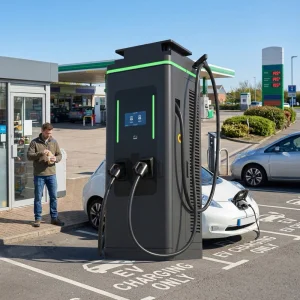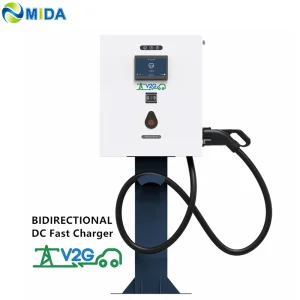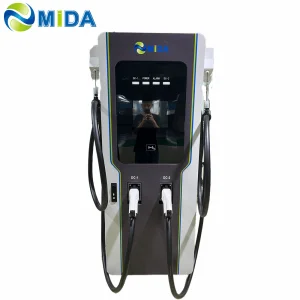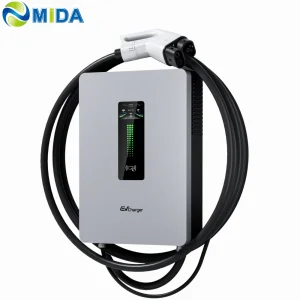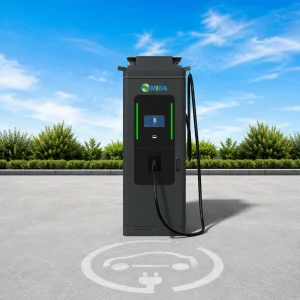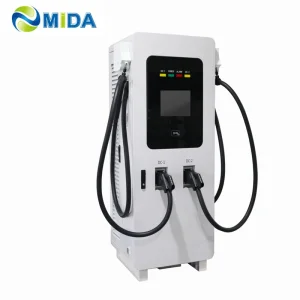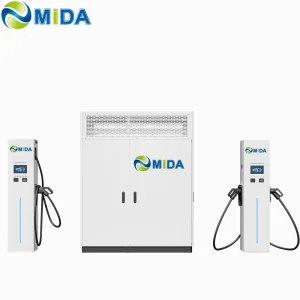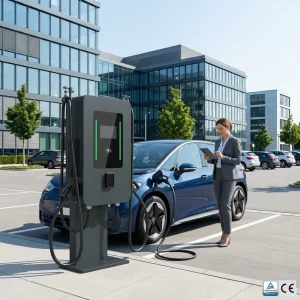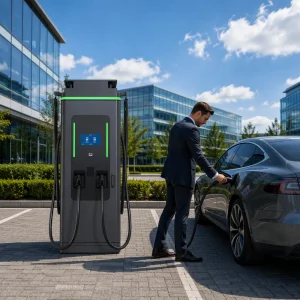
Engineered for absolute resilience, safety, and rapid deployment in urban hubs and depot network yards.
In the rapidly maturing global Electric Vehicle (EV) landscape, the demand for fast charging has shifted from a convenience to a critical infrastructure requirement. Among various power classes, the 120kW DC Fast Charging Station has emerged as the definitive "sweet spot" for commercial operators, fleet dispatchers, and metropolitan planners alike. It serves as an optimized bridge balancing grid constraint limits, operational total cost of ownership (TCO), and fleet turnaround dynamics.
Unlike 22kW AC options that require hours of dwell time, or high-MW systems that demand costly substations and grid enhancements, a 120kW DC EV charger delivers meaningful energy increments—replenishing approximately 150-200 kilometers of driving range in 20 to 30 minutes. This speed is perfectly aligned with driver dwell times at motorway rest stops, supermarkets, business parks, and logistical transfer yards.
Procuring 120kW chargers directly from a tier-one manufacturer ensures that the hardware integrates high-efficiency power modules, comprehensive environmental protections, and standard-compliant firmware. MIDA Group coordinates the engineering forces of its specialized subsidiaries to deliver standardized, reliable, and highly scalable hardware architectures. To maximize asset availability, we rely on modular configurations. By populating a 120kW station with four 30kW or three 40kW power conversion modules, we ensure high redundancy; even if a single module encounters an error, the charger keeps running at a adjusted load capacity, minimizing service callouts and downtime.
Shanghai Mida Cable Group Ltd. operates through its wholly owned subsidiaries: Shanghai Mida EV Power Co., Ltd., Shenzhen Mida EV Power Co., Ltd., and Shanghai Mida New Energy Co., Ltd. This integration of research, component supply chain control, and end-product assembly empowers us to innovate rapidly.
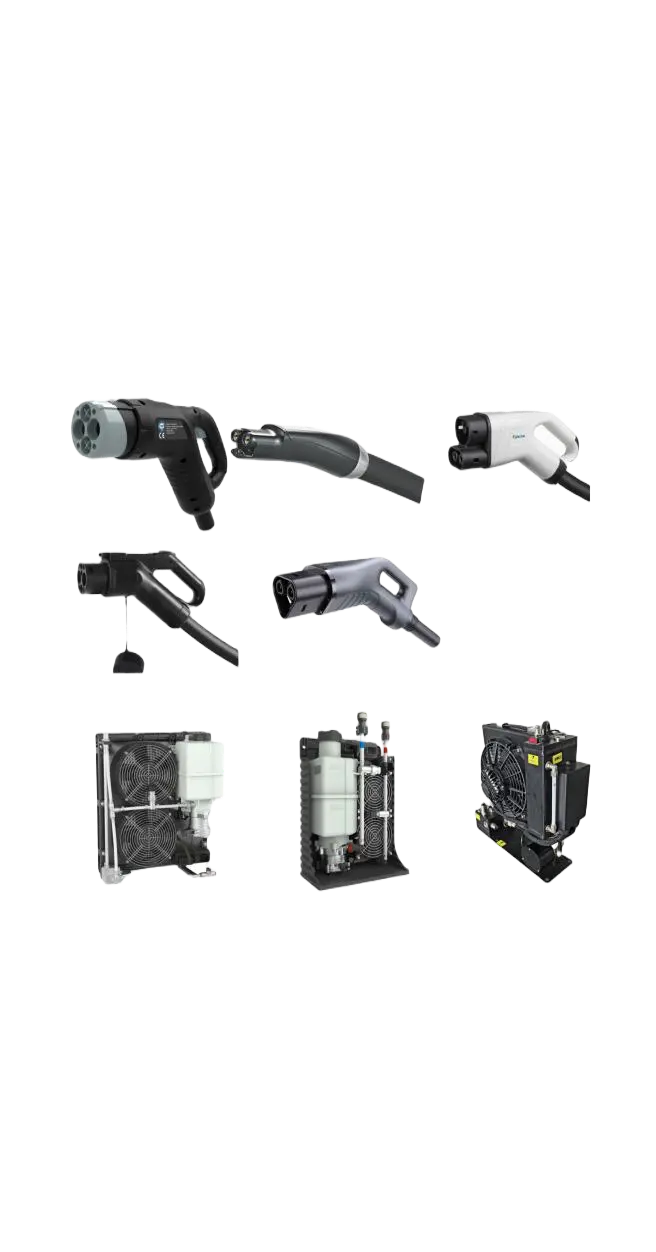
Mida Cable manufactures a comprehensive range of EV charging cables, including 16A–80A J1772 cables, 16A–63A IEC 62196-2 Type 2 cables, and DC fast charging cables: CCS1 (80A–500A), CCS2 (125A–1000A), CHAdeMO (125A–300A), GBT (200A–1000A), and NACS connectors (250A–600A).
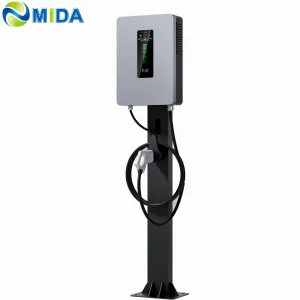
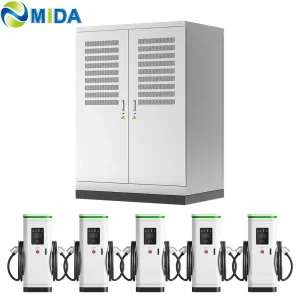
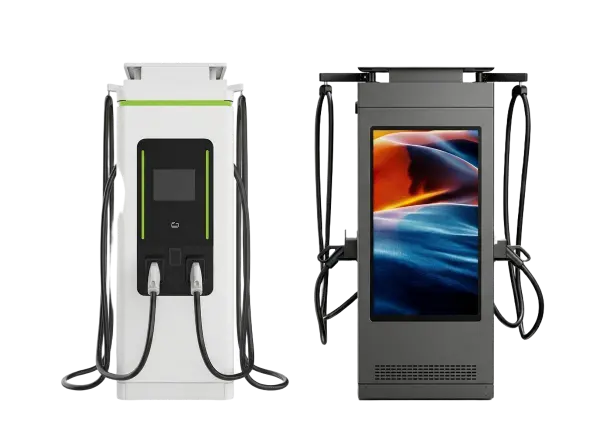
MIDA EV Power produces a full lineup of EV charging stations, such as 7kW–50kW mobile chargers, 3.6kW–7.2kW portable DC chargers, 360kW–1440kW split-type DC fast chargers, 20kW–50kW wall-mounted DC chargers, and 60kW–480kW floor-standing DC fast charging stations.
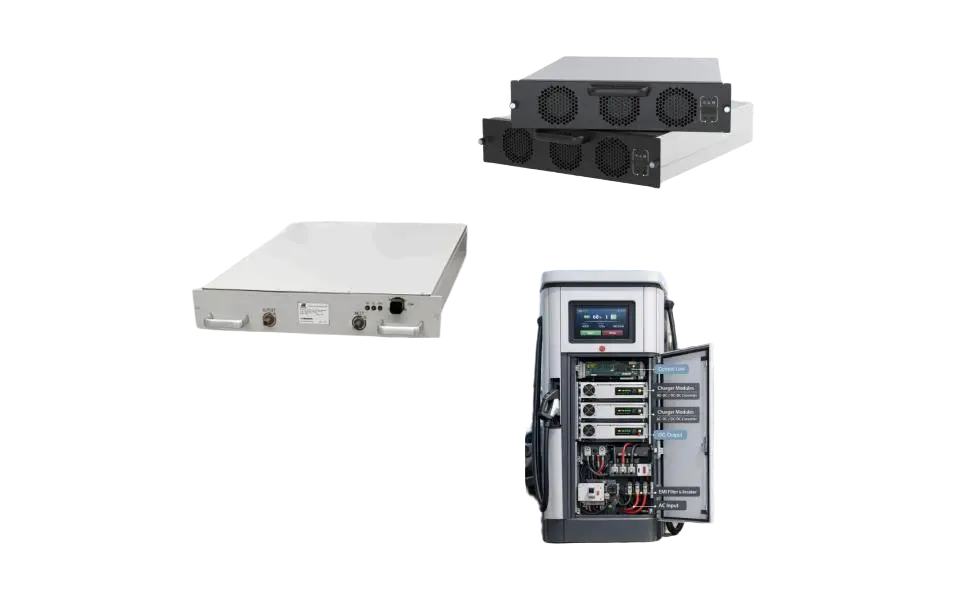
MIDA New Energy specializes in EV charger power modules, offering 20kW–60kW standard modules, 40kW–125kW liquid-cooled modules, 30kW–62.5kW bidirectional modules, and 20kW–45kW V2G charging modules.

Explore our technical clusters engineered to simplify the supply chain for global CPOs and distributors.
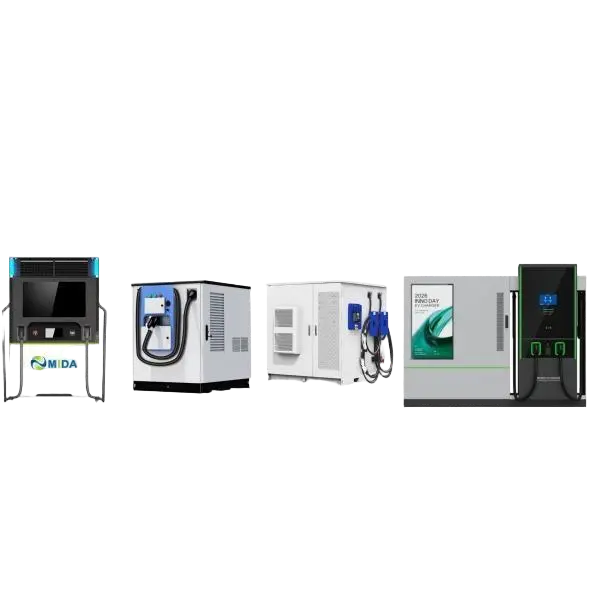
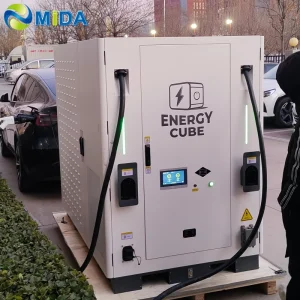
Integrating 15kW–480kW chargers with storage units (60kWh to 2MkWh). Ideal for high-demand microgrids, load-shedding defense, solar peak shaving, and mobile rescue vehicles.
The adaptability of a 120kW charger depends heavily on its software compatibility and ambient design features. In cold climates (e.g., Northern Europe and Canada), internal heaters and ruggedized cabling systems prevent connector freeze-ups and maintain low cable stiffness. In high-ambient dust and high-temperature environments (e.g., the Middle East), thermal engineering must balance high power output with closed-loop ventilation or liquid-cooled modules to prevent dust buildup on critical PCB elements. For commercial centers, dynamic load balancing shares the 120kW output intelligently. If a single vehicle is charging, it receives the full 120kW; when a second car plugs in, the power allocates dynamically (e.g., 60kW + 60kW or 80kW + 40kW) to optimize turnover rates.
Partnering with a Chinese manufacturer like MIDA Group offers significant advantages in component sourcing, manufacturing scale, and raw material integration. China's mature EV ecosystem provides direct access to copper processing hubs, advanced magnetic core manufacturers, and stable high-speed semiconductor foundries. Our production lines utilize automated tooling, visual inspection sensors, and climate chambers to test units before dispatch. This high level of vertical integration translates to shorter lead times, lower cost-per-watt metrics, and the flexibility to accommodate custom OEM cabinet requests, customized software setups, and alternative connector layouts without compromising delivery schedules.
The charging industry is moving towards native smart grid integration. Our technical roadmap incorporates bidirectional conversion topologies (Vehicle-to-Grid, V2G) and Silicon Carbide (SiC) semiconductor configurations. Implementing SiC modules increases conversion efficiency above 97%, reduces heat generation, and minimizes passive footprint requirements. In addition, software architectures are transitioning to ISO 15118 (including "Plug & Charge" features), which securely links vehicle identifiers with backend payment protocols, eliminating the need for RFID cards or smartphone applications. Future updates will also integrate Megawatt Charging System (MCS) protocols to bridge the gap between heavy duty commercial vehicles and standard EV passenger networks.
Expanding fast-charging hardware across various global regulatory frameworks requires deep familiarity with local grid requirements and safety compliance standards. MIDA Group's product catalog is designed to comply with CE, TUV, and UL guidelines. We provide localized troubleshooting configurations, complete system schematics, and modular replacement guides to ensure local technicians can easily maintain our installations. Furthermore, our support for standard OCPP 1.6J/2.0.1 protocols allows operators to connect our systems with any standard billing software or network management platform seamlessly.
Follow our engineering developments in fleet charging, high-voltage systems, and public infrastructure design.

Technical clarifications concerning the design, integration, and performance of our 120kW DC fast charging systems.
Explore our wider catalog of residential fast chargers, high-voltage depot dispensers, and mobile battery systems.