DC Charger Station Suppliers & Factories

High-Power Smart EV Charging Systems, Liquid-Cooled Infrastructure & Advanced Power Module Technologies for Global Infrastructure Operators

Demystifying DC Charging Infrastructure: Industry Whitepaper & Procurement Guide

The global transition to sustainable mobility has moved beyond consumer adoption to fleet electrification, public transit, and ultra-high-power highway charging. To support this massive transition, Charge Point Operators (CPOs), fleet operators, municipal authorities, and system integrators require deep, reliable technical insights into grid-tied charging equipment. This technical guide outlines the structural advantages of partnering with top-tier suppliers like MIDA Group to build scalable charging infrastructure that meets international safety, efficiency, and compliance standards.

The Power Architecture of Modern DC Charging Stations

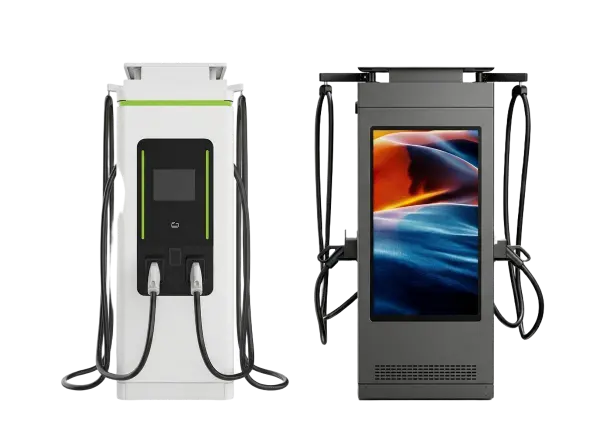
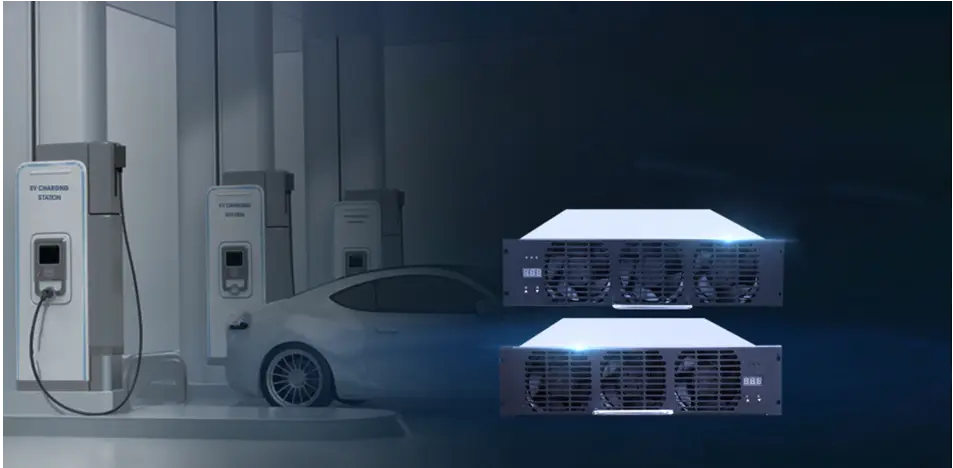
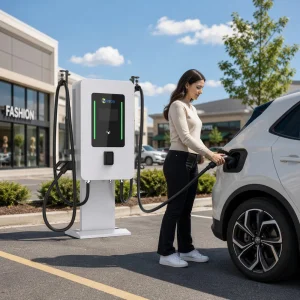
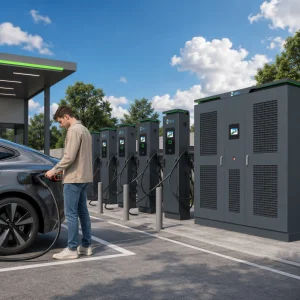
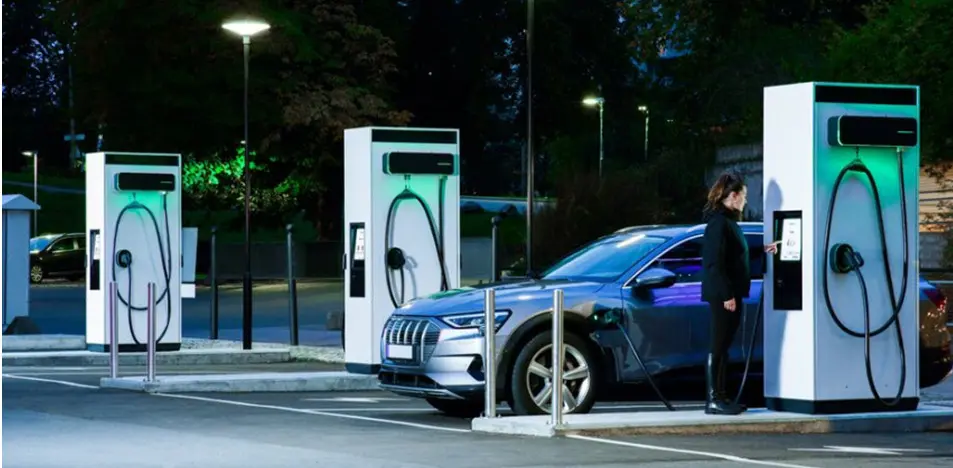
Unlike AC charging stations that rely on the vehicle's internal on-board charger (OBC) to convert Alternating Current to Direct Current, a DC Charging Station houses high-efficiency power modules inside the cabinet. This structure feeds DC electricity directly to the vehicle’s high-voltage battery system, bypassing the speed limitations of OBCs. This allows DC stations to deliver massive power loads (from 30kW up to 1200kW+), significantly reducing charging times from hours to minutes.

Power Modules

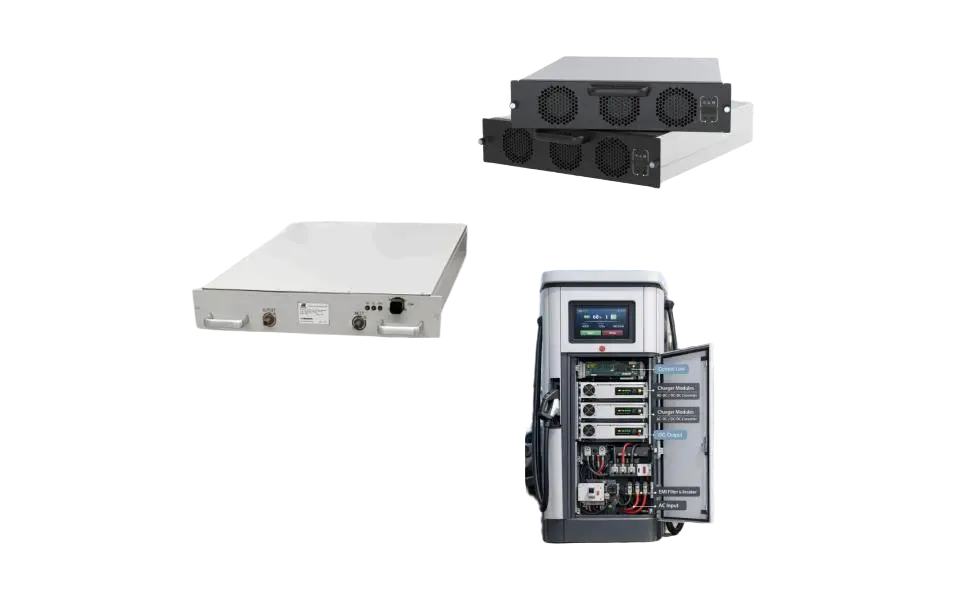
The core engine of the system. Utilizing SiC (Silicon Carbide) semiconductors to convert AC grid power to stable DC output at up to 98% efficiency.

Smart Power Distribution

Dynamic matrix power allocation ensures multiple vehicles connected to a single charging stack dynamically share power modules based on demand.

Thermal Management

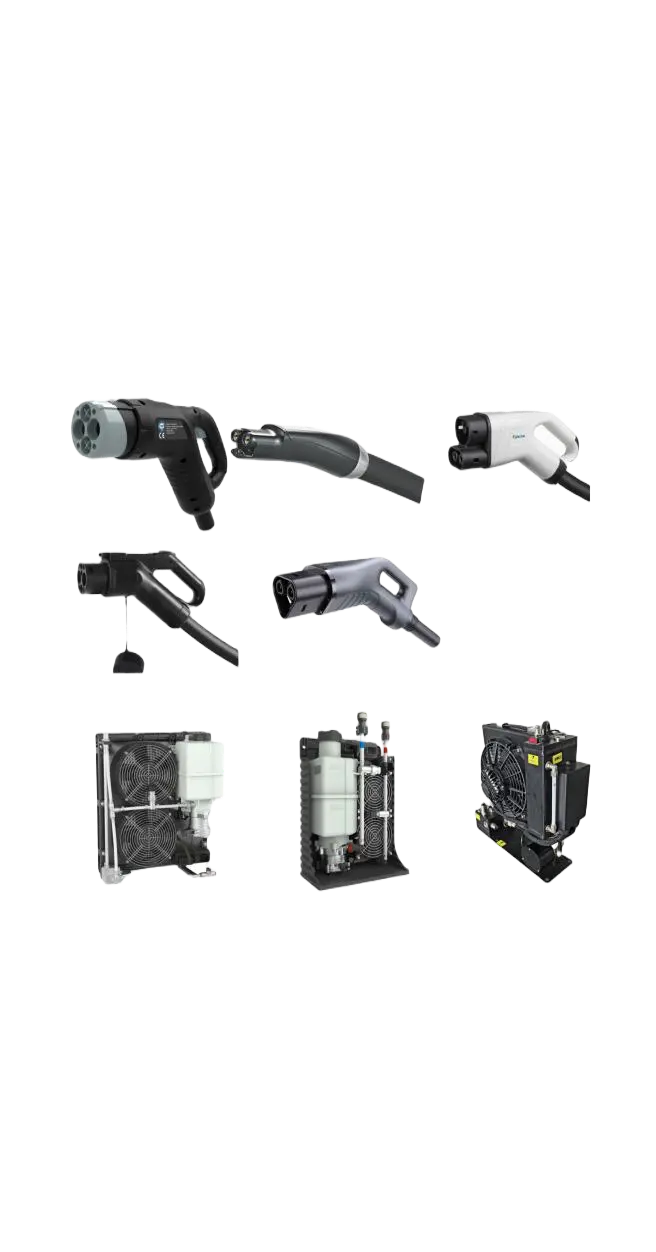
For high-current charging (above 250A), advanced liquid cooling systems run through cables, connectors, and cabinets to maintain optimal operating temperatures.

Empowering Global Electrification

WELCOME TO MIDA GROUP

Shanghai Mida Cable Group Ltd. operates through its wholly owned subsidiaries: Shanghai Mida EV Power Co., Ltd., Shenzhen Mida EV Power Co., Ltd., and Shanghai Mida New Energy Co., Ltd. This integrated corporate ecosystem enables us to handle every stage of the charging supply chain—from high-voltage raw copper cable production and silicon-carbide power module R&D, to complete DC fast charger assembly.

  • Mida Cable: Manufactures a comprehensive range of EV charging cables, including 16A–80A J1772 cables, 16A–63A IEC 62196-2 Type 2 cables, and DC fast charging cables: CCS1 (80A–500A), CCS2 (125A–1000A), CHAdeMO (125A–300A), GBT (200A–1000A), and NACS connectors (250A–600A).
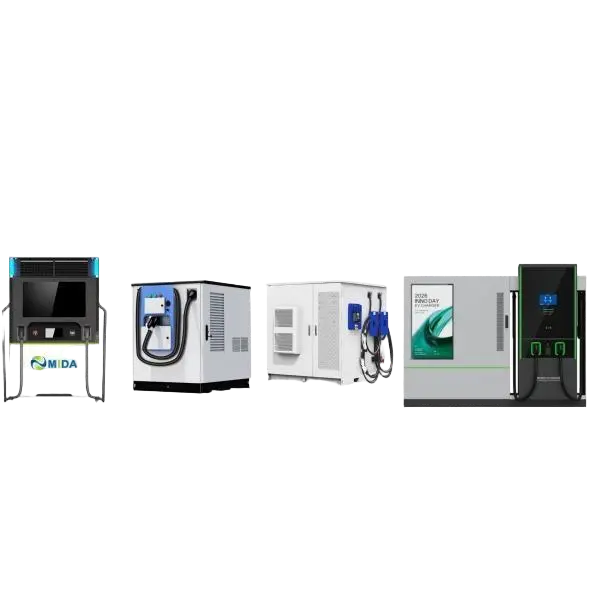
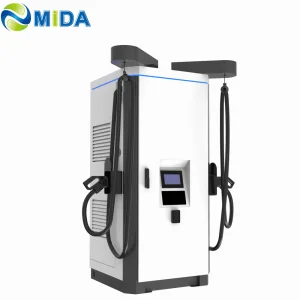
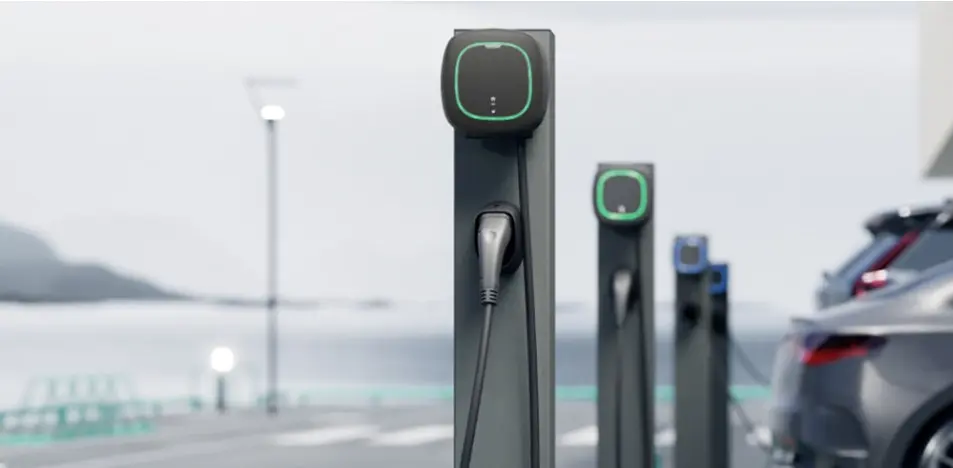
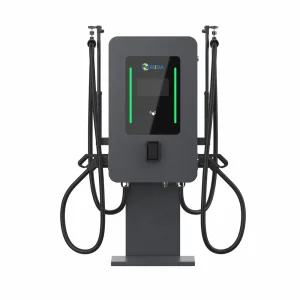
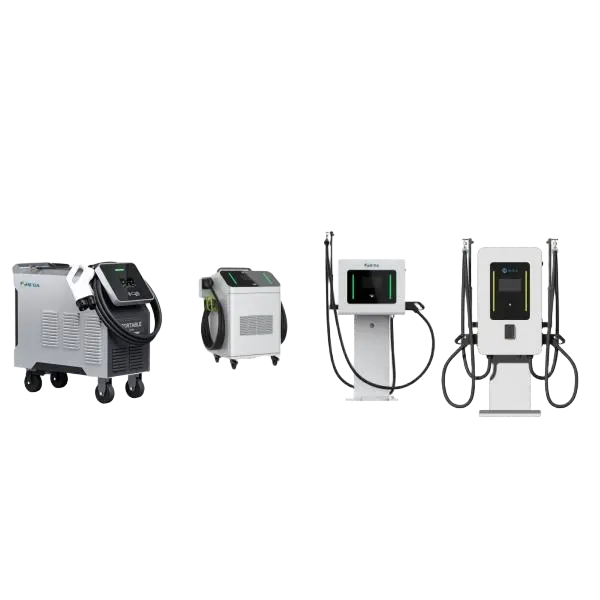
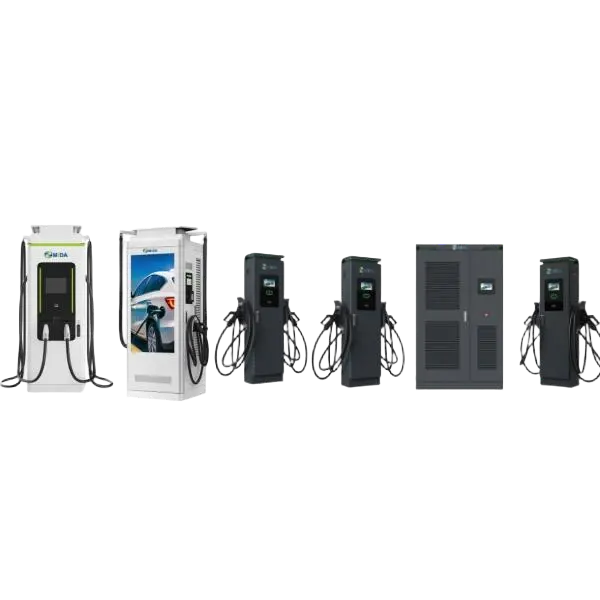
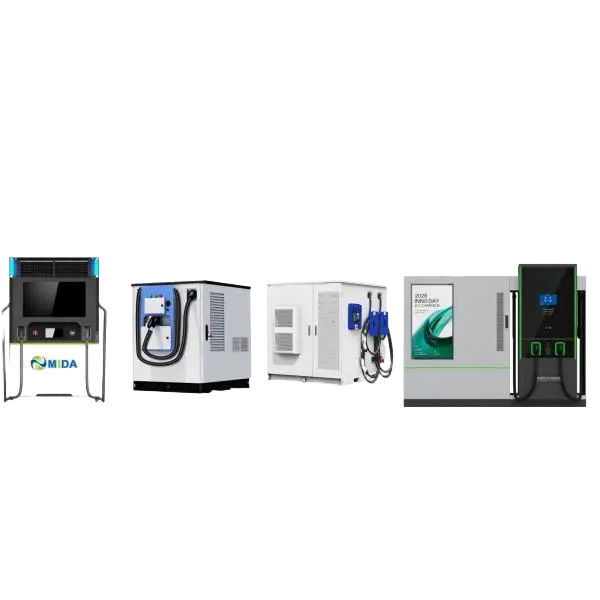
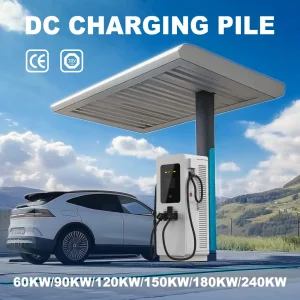
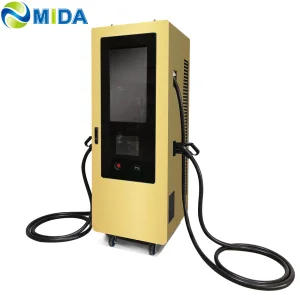
  • MIDA EV Power: Produces a full lineup of EV charging stations, such as 7kW–50kW mobile chargers, 3.6kW–7.2kW portable DC chargers, 360kW–1440kW split-type DC fast chargers, 20kW–50kW wall-mounted DC chargers, and 60kW–480kW floor-standing DC fast charging stations.
  • MIDA New Energy: Specializes in EV charger power modules, offering 20kW–60kW standard modules, 40kW–125kW liquid-cooled modules, 30kW–62.5kW bidirectional modules, and 20kW–45kW V2G charging modules.
MIDA EV Power Logo

Innovative Infrastructure Portfolio

Explore our foundational equipment categories built to support light passenger transport, heavy commercial fleets, and advanced microgrids.
AC EV Charger
Reliable destination charging for workplace and commercial real estate.
AC EV Charger
AC Charger Details

AC EV Charger Solutions

Engineered for high durability and ease of installation.

View More
Wall-Mounted/Mobile EV Charger
7kW, 20kW, 30kW, 40kW, 60kW, 80kW power levels.
Wall-Mounted EV Charger
Wall Mounted Charger Detail

Wall-Mounted/Mobile Series

Flexible DC fast charging in a compact form factor.

View More
DC Charger Station
60kW-480kW and 360kW-1440kW split configurations.
DC Charger Station
DC Charger Details

DC Charger Station

Megawatt-level systems built for high-throughput depots.

View More
BESS Charging Station (Battery Energy Storage System)
60kWh, 261kWh, 418kWh, 625kWh, to 2MWh containerized installations.

Enable rapid DC charging in areas with grid constraints. Store energy off-peak and deploy it during peak high-power demands.
BESS Charging Station
BESS Details

Battery Energy Storage Systems (BESS)

Clean energy buffer integration for megawatt-level EV superhub sites.

View More

Why Chinese EV Charger Factories Offer Unmatched Technical & Economic Advantages

China is the global leader in EV infrastructure development, manufacturing capacity, and technological deployment. Over the past decade, Chinese factories have refined their supply chains to deliver unparalleled reliability, performance, and cost-effectiveness. Key advantages of sourcing from top-tier Chinese manufacturers like MIDA include:

1. Fully Integrated Supply Chain Ecosystem

From core power module semiconductors to raw high-conductivity copper cabling, top Chinese manufacturers control their entire supply chain. This vertical integration reduces production lead times, guarantees strict component compatibility, and minimizes margins typical of third-party part sourcing.

2. Rapid Iteration and Advanced R&D

Chinese tech clusters (Shenzhen and Shanghai) house the world's most advanced EV charging research centers. This allows factories to quickly integrate emerging technologies like Silicon Carbide (SiC) power modules, Liquid-Cooled Megawatt Charging Systems (MCS), and bidirectional Vehicle-to-Grid (V2G) power modules long before they reach western mass markets.

3. Global Compliance & Testing Infrastructures

Top-tier suppliers invest millions in state-of-the-art testing laboratories. Equipment is certified under internationally recognized systems such as TÜV Rheinland, ETL, CE, RCM, FCC, and UL, ensuring seamless approvals for installation and operation in Europe, North America, Oceania, and Asia-Pacific.

4. Mass Economies of Scale

Deploying high-volume manufacturing lines allows Chinese factories to lower cost-per-watt metrics. This cost advantage allows global CPOs to maximize their ROI, deploy more ports per location, and scale their infrastructure footprint within budget.

The Emerging Trends Shaping Global DC EV Charging Infrastructure

Staying competitive in the fast-evolving EV space requires deploying hardware that is future-proof. Understanding key technological shifts is essential when sourcing hardware:

  • Liquid-Cooled HPC (High Power Charging): Standard air-cooled charging cables are too heavy and bulky above 250A. Liquid-cooled systems run coolant through the cable and connector to maintain a slim design, supporting charging rates up to 1000A at 1000V (equivalent to 1MW charging).
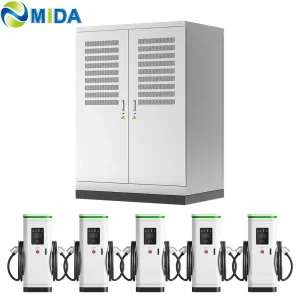
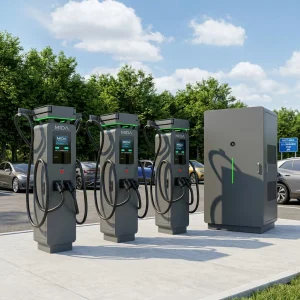
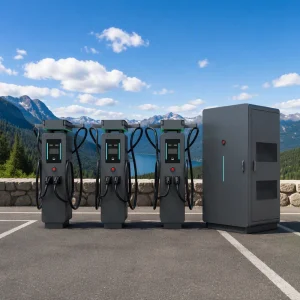
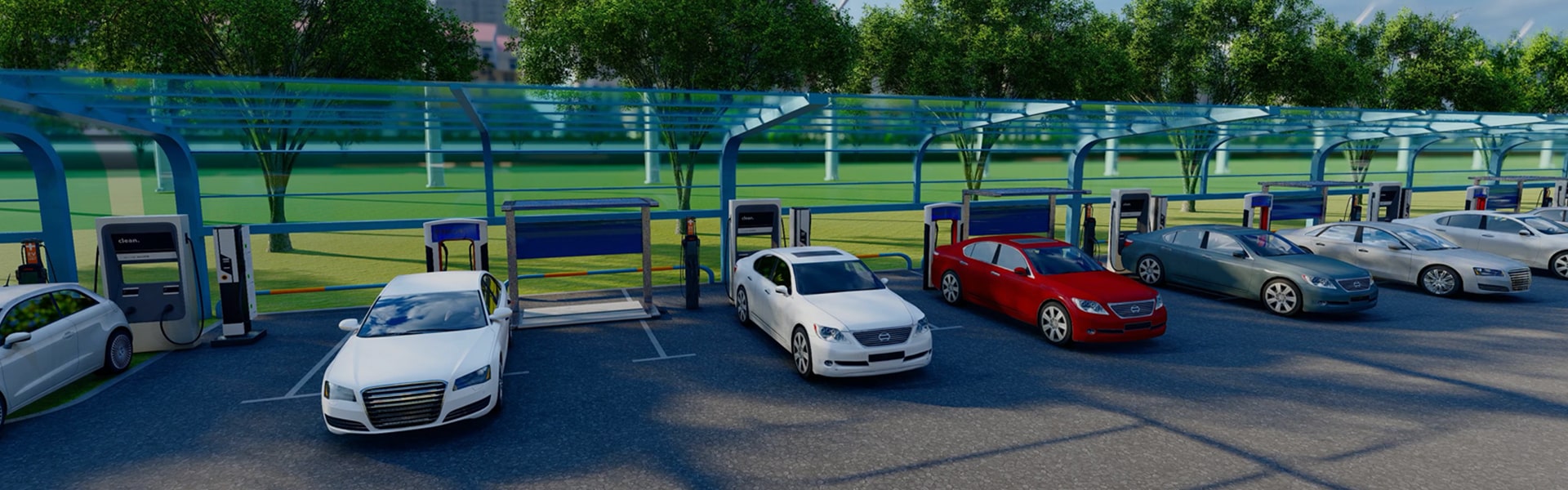
  • Smart Power Matrix Sharing (Split-Cabinet Systems): Instead of dedicating fixed power to each connector, a centralized split-cabinet power stack dynamically distributes capacity in 30kW or 40kW increments to active dispensers based on vehicle demand, maximizing overall site utilization.
  • ISO 15118-20 and OCPP 2.0.1 Protocols: Integrating these software layers enables advanced security features, Plug & Charge functionality (seamless authentication without cards or apps), and dynamic grid communication for automated demand response.
  • Bidirectional V2G Charging: Converting vehicle batteries into grid assets. Utilizing bidirectional modules allows fleets to feed power back into local distribution grids during peak tariff windows, opening new revenue streams for operators.

MAIN PRODUCTS CATALOG

Learn about our component ecosystems, including power modules, liquid cooling systems, split dispensers, and commercial ESS platforms.
EV Charging Power Module

  • 30kW 40kW 50kW 60kW 80kW AC DC EV Charger Module
  • 30kW 40kW 50kW 60kW DC DC EV Charger Module
  • 40kW 60kW 75kW 125kW Liquid Cooled Power Module
  • 20kW 22kW 30kW 40kW 45kW V2G Power Module
  • 30kW 40kW 50kW 60kW MPPT Power Module
  • 20kW 50kW 62.5kW Bidirectional AC DC Power Module
EV Charging Power Module

DC Charging Connector & Cooling

  • 500A 600A CCS1 & CCS2 & GBT Connector
  • 125A 250A 300A 350A NACS & CHAdeMO Connector
  • 1500A MCS Connector & CHAOJI Connector
  • 3.5kW 4.5kW 6kW 9kW Integrated Liquid Cooling Unit
  • 2.4kW 3.5kW Split Type Cooling Unit
  • 25kW ~72kW Cooling Unit for HPC Charging
DC Charging Connector

DC Fast Charger Station

  • 7kW~ 60kW Mobile DC Charging Station
  • 20kW ~80kW Wall Mounted DC Charging Station
  • 60kW ~480kW Floor Mounted Charging Station
  • 60kW~240kW Advertising Charging Station (43 / 55 inch)
  • 600kW ~1080kW Liquid Cooled Charging Station
  • 360kW ~ 1680kW Split Type DC Charging Station
DC Fast Charger Station

Energy Storage Charging

  • 15kW~480kW Mobile ESS Charging Station
  • 60kW ~ 400kW Integrated ESS Charging Piles
  • 65kWh~200kWh Emergency Rescue Charging Station
  • 165kwh Automatic Charging Robot
  • 800kwh~2000kwh Solar Energy Charging System
Energy Storage Charging Station

Deploying EV Charging Across Complex Local Scenarios

A single, standard charging setup does not fit every environment. Successful operators tailor their charging infrastructure to the unique requirements of their specific site and target users:

Commercial Highway Corridors

Drivers demand quick stops. Highway stations require ultra-fast 350kW+ liquid-cooled dispensers and split-cabinet setups to deliver up to 300km of range in under 15 minutes, ensuring high vehicle turnover and preventing station queues.

Municipal Bus & Fleet Depots

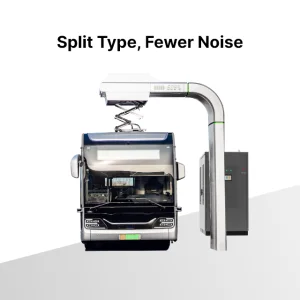
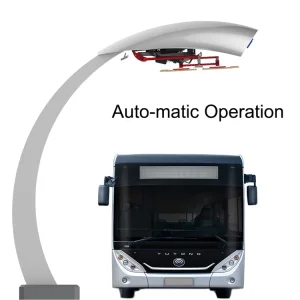
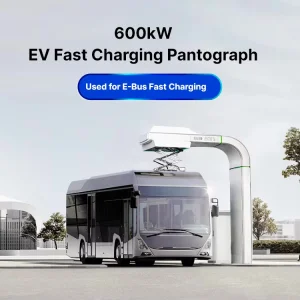
Commercial vehicles follow strict schedules. High-power pantograph charging systems (300kW to 600kW+) or overhead charging domes are ideal, enabling rapid, automated charging during brief layovers without manual operator handling.

Grid-Constrained Charging Hubs

Urban cores often lack the grid headroom to support megawatt-level loads. Integrating a Battery Energy Storage System (BESS) buffer stores power during low demand periods, releasing it to vehicles during peak hours without costly utility upgrades.

Macro-Level Smart Grid Integration & Energy Management

As electric vehicle deployment scales, their collective power demand puts significant strain on local distribution grids. Top-tier DC fast charging networks must implement smart load management technologies. Utilizing dynamic load balancing algorithms allows charging hubs to adapt their power draw in real time, preventing overloading of local substations.

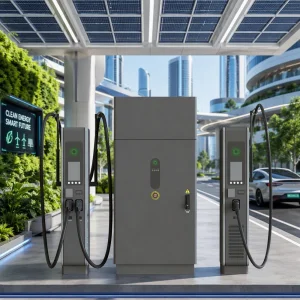
Additionally, integrating solar photovoltaic arrays and local storage systems enables CPOs to create self-contained microgrids. This green infrastructure design reduces operating costs through peak-shaving, while reinforcing grid stability by feeding clean, stored energy back into local distribution lines during peak demand windows.

>96%
Power Module Efficiency
1200 kW
Maximum Output Capability
ISO 15118
Global Communications Standard
150+
Countries Exported

CORPORATE NEWS & INSIGHTS

Stay updated on the latest transit electrification technologies, pantograph dome installation guides, and efficiency breakthroughs.

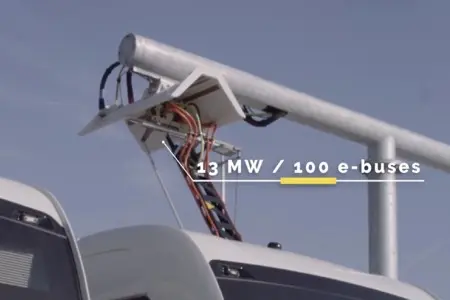
E-bus pantograph dome advantages
What are the advantages of an e-bus pantograph dome? In contrast to classic plug-in charging systems, e-bus pantograph domes offer automated connection, minimized footprint, and maximum safety...
2026-07-12 View More
E-bus pantograph charging speed
How long does it take to charge with an e-bus pantograph? The charging time depends on the battery capacity and the station's configuration, with high-power systems delivering full charges in minutes...
2026-07-12 View More
How to Install Pantograph Up Charger
How to Install the Pantograph Up Charger System Dome for Electric Bus. Installing a "Pantograph Up" system requires precise alignment, electrical grid synchronization, and structural engineering to...
2026-07-12 View More

Expert Q&A: Key Technical & Procurement Questions

In-depth technical answers addressing regulatory compliance, hardware selection, efficiency optimization, and grid integration.

What is the difference between air-cooled and liquid-cooled DC fast chargers?
Air-cooled DC fast chargers use internal fans to dissipate heat generated by the power modules. They are highly cost-effective and suitable for applications up to 150kW-240kW. However, for ultra-high-power applications (350kW-1000kW+), air cooling becomes inefficient. Liquid-cooled chargers circulate a coolant mixture through the charging cable and the dispenser. This allows for a much thinner, lighter cable that is easier to handle, while preventing thermal throttling during sustained high-current charging sessions.
How does dynamic power allocation work in split-type DC charging stacks?
Dynamic power allocation utilizes a centralized power cabinet housing multiple modular power units (e.g., 30kW or 40kW modules) coupled with a digital switching matrix. When a single vehicle connects, the system can route all available power modules to that dispenser. When multiple vehicles connect, the system communicates with each vehicle's BMS to distribute power dynamically in real-time, maximizing site utilization and throughput.
Which standards are critical for global EV charging compliance?
Hardware compliance depends on the deployment region. Essential standards include CE and TÜV for Europe, UL and ETL for North America, RCM for Oceania, and GB/T for China. Additionally, support for standard communication protocols like OCPP 1.6J or OCPP 2.0.1 is critical to ensure compatibility with third-party billing software, and ISO 15118 ensures support for plug-and-charge functionality.
How can fleet operators reduce peak demand charges when deploying high-power DC chargers?
Deploying high-power charging networks can lead to high peak demand fees from utilities. Operators can mitigate these costs by integrating a Battery Energy Storage System (BESS) to buffer power during low-demand periods, setting up smart load management to cap peak draw, and utilizing solar PV integration.

Partner with a Certified Tier-1 Supplier

MIDA Group provides high-performance, compliant EV infrastructure hardware. Contact our sales team to request specifications, certifications, and volume pricing.
MIDA EV Charger Production Facility
All DC Charger Station Products