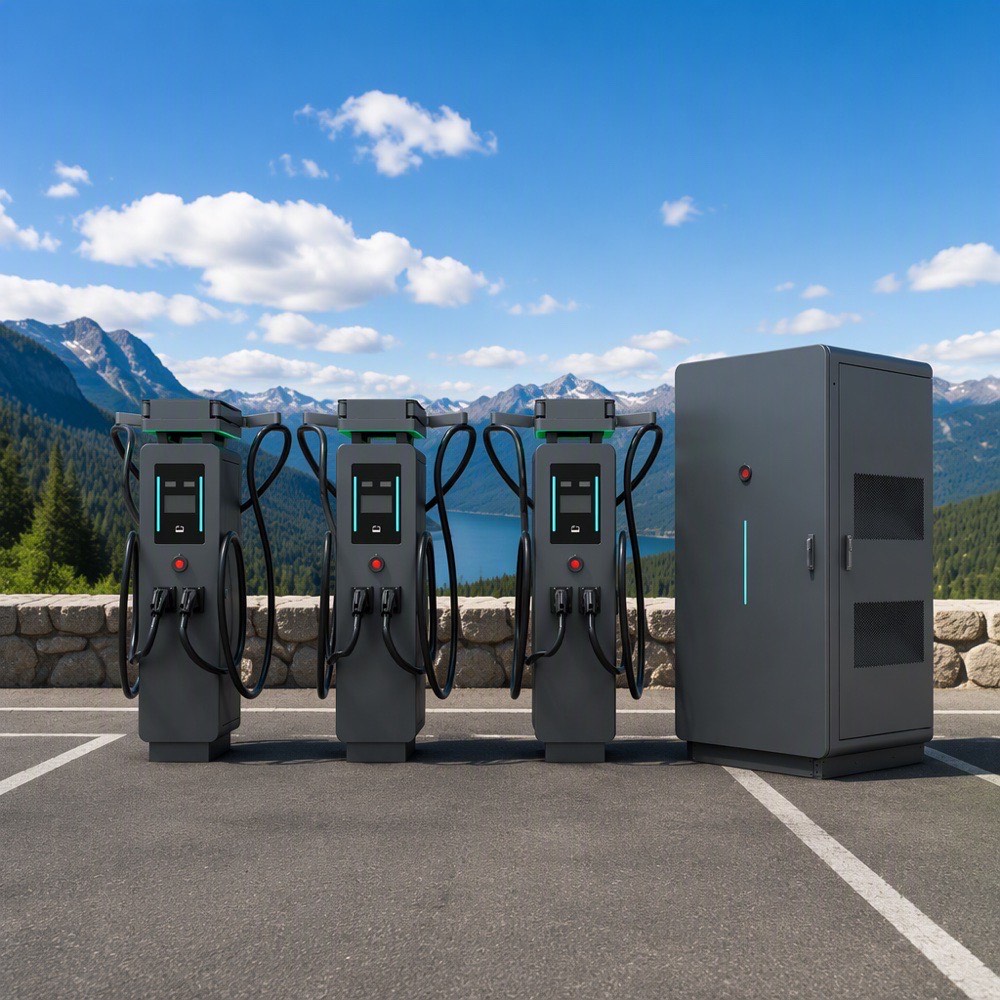
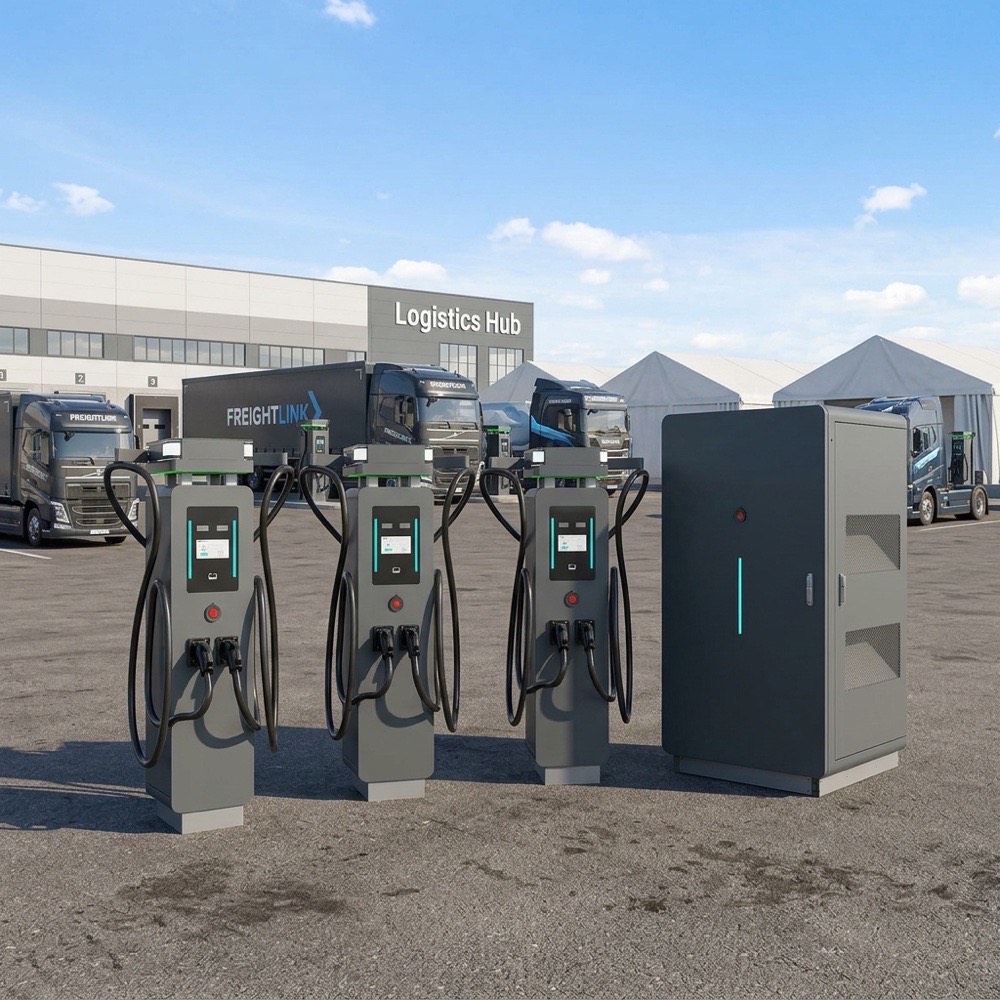
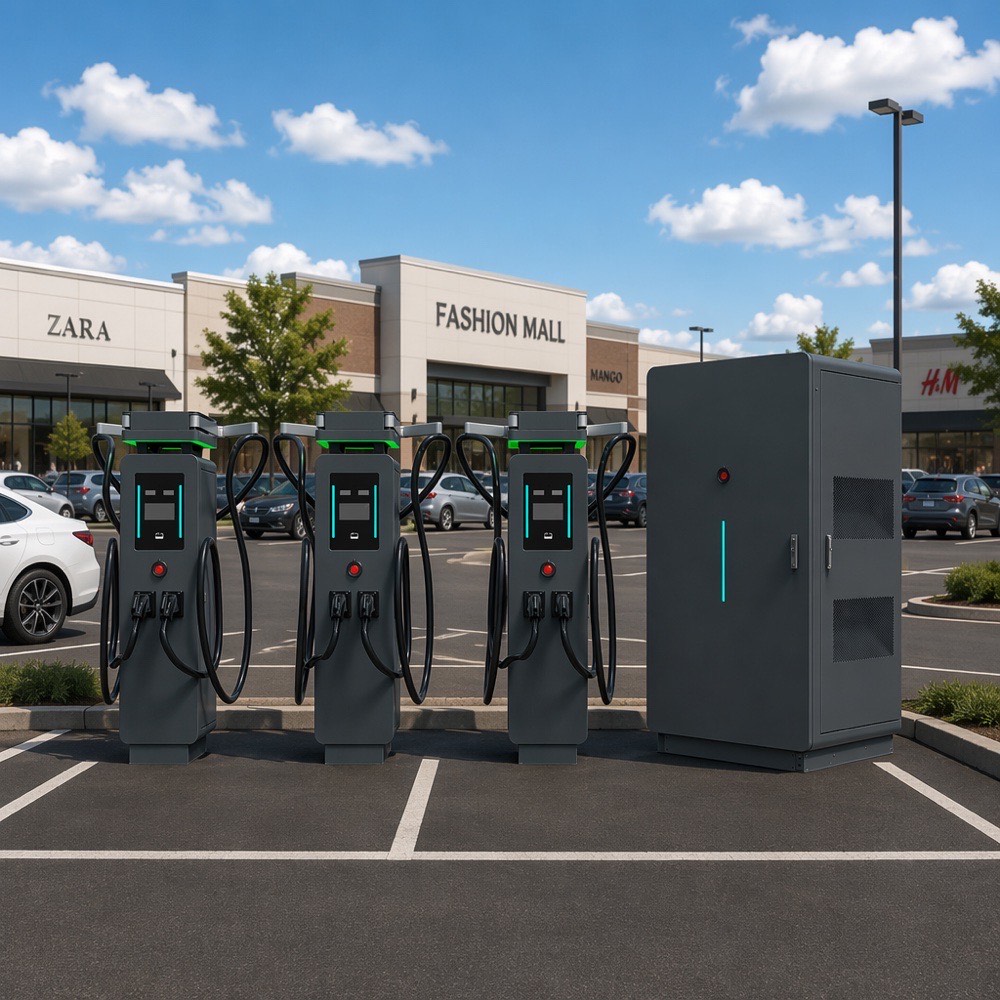
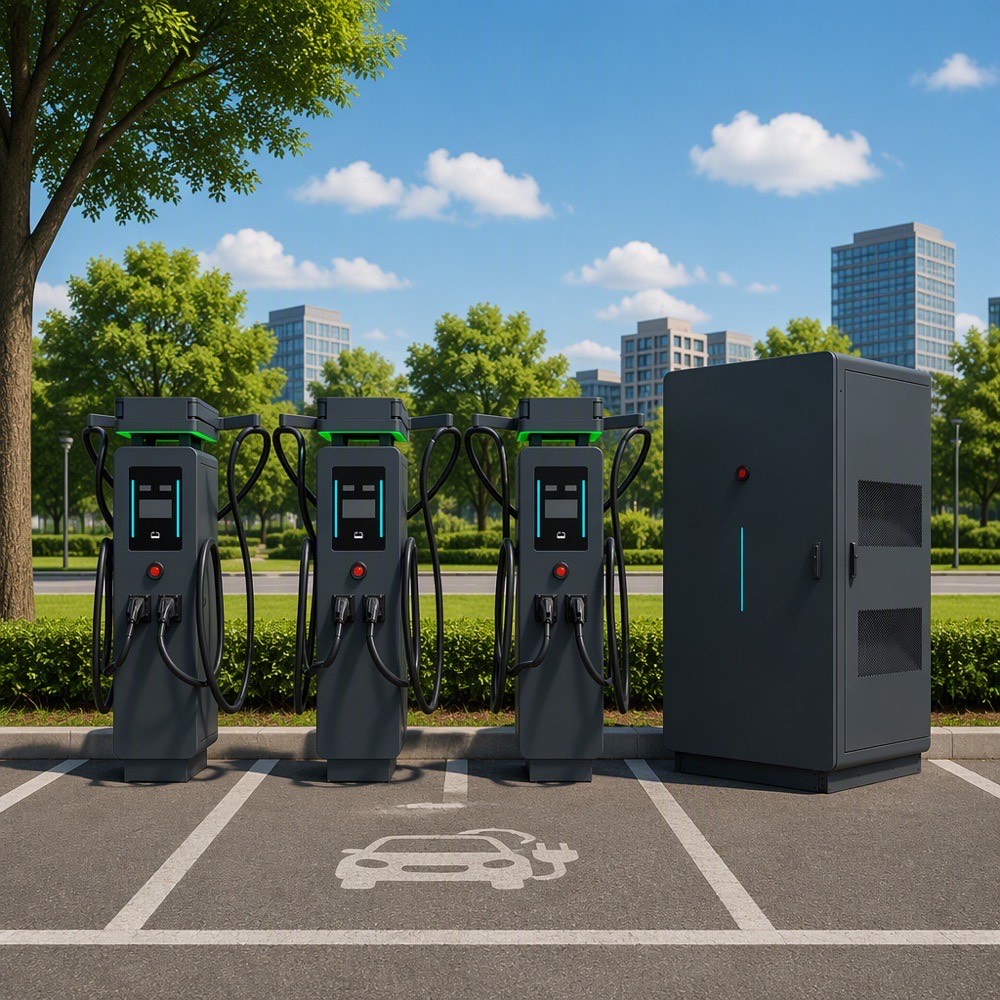
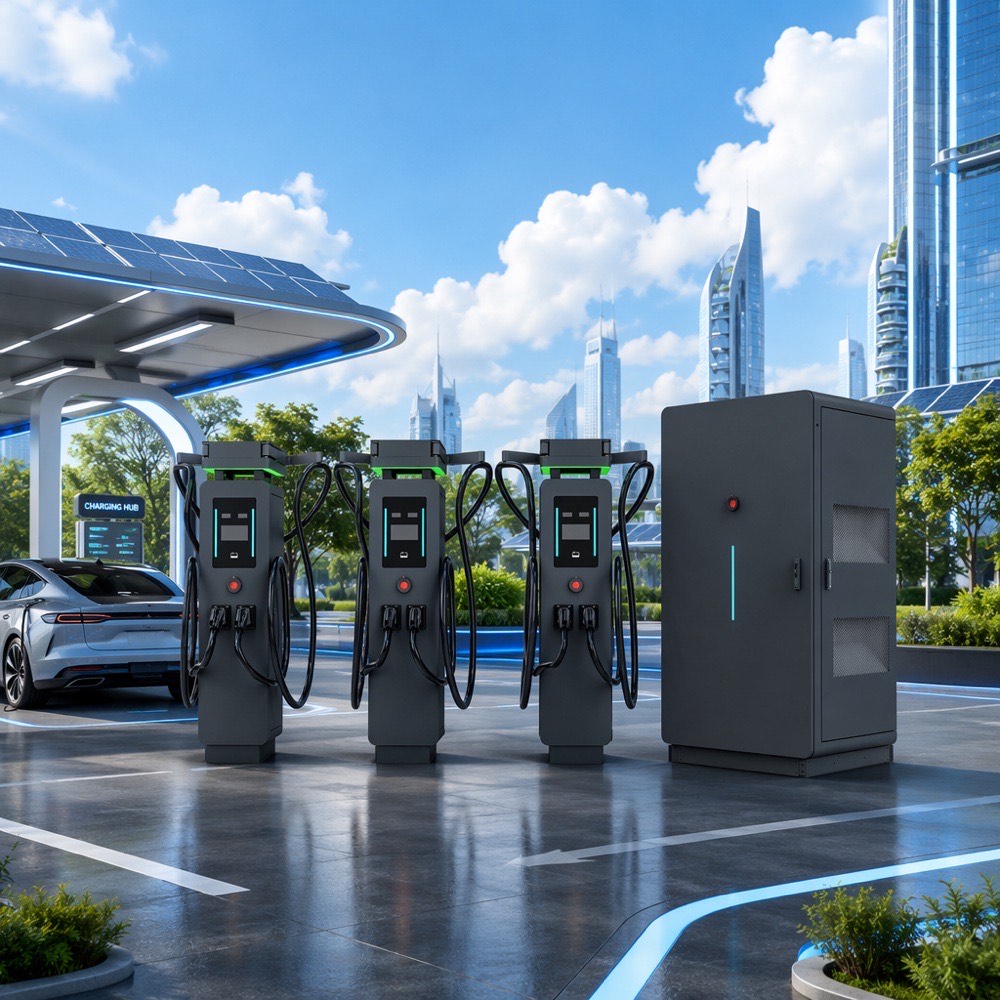
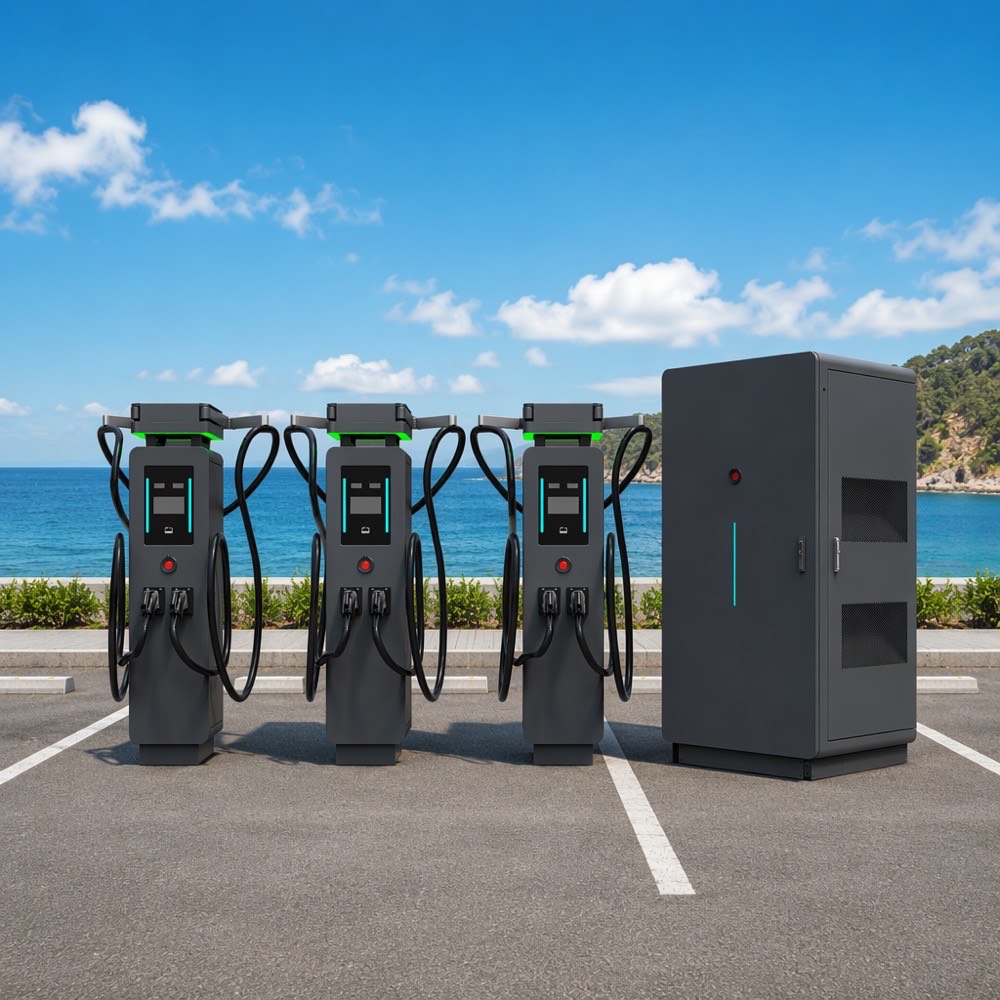
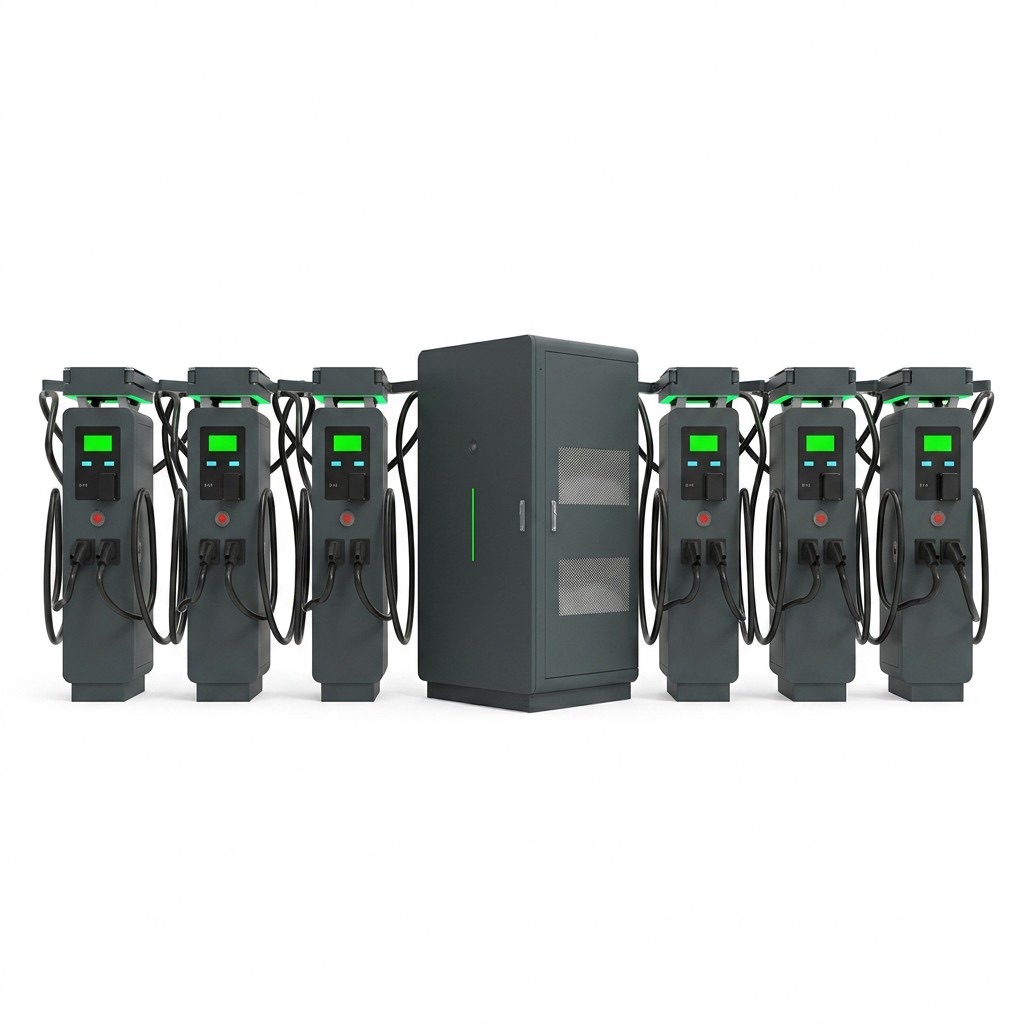
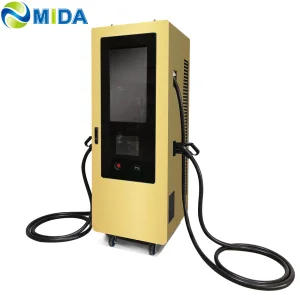
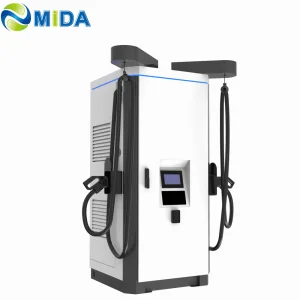
Multi-standard DC Fast Charging Station
- Supports CCS, CHAdeMO, GB/T, and AC connectors. Charging up to 3 vehicles at the same time
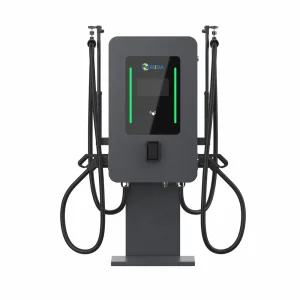
- Dual CCS2, GB/T, CHAdeMO DC Connector with Split Rapid Charger Station
- 240kw 360kw 480kw 600kw 700kw DC Charging Station With CCS2 GB/T CHAdeMO NACS Plug
- Split DC Charger Station 360kw 480kw 600kw 720kw DC Ultra Fast Electric Vehicle Charger Station
- 8’’ LCD touch screen with multi-language interface
- Secure authentication and payment through RFID, mobile Apps, or POS
- CCS2 GB/T Plug & Charge optional
- GPRS, COM, CAN2.0
- 480kw 600Kw 720kW 800kW CCS2 GB/T Split DC EV Fast Charging Station Charger, Split DC Fast EV Charger Station, 600kW 720kw 800kW Public Charging Station, DC Split Charging Systems Floor-mounted 480kw 720kw 800kw Commercial Electric Vehicle Charging Stations
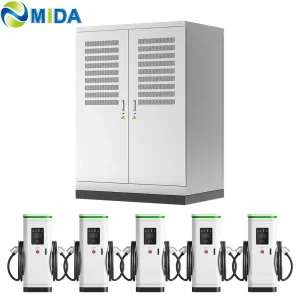
600kw 720kw 800kW Split EV Charging Stack DC EV Charging Station
Multi-standard DC Charging Station
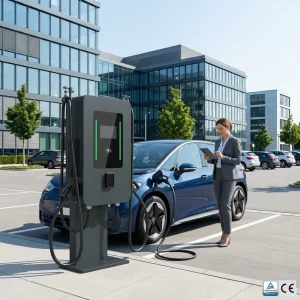
Simultaneously charging up to 3 EVs
- Flexible configurations 240kw 360kw 480KW 600KW 720KW 800kW DC Charging Station
- Supporting CCS, CHAdeMO, GB/T, and NACS Plug
- Ethernet, Wi-Fi, 4G connection
- OCPP 1.6J & OCPP 2.0
- Smart charging supports dynamic load balancing
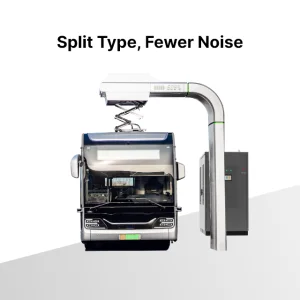
High-Power Charging: 600kW 720kW 800kW Split-Type EV Charger Ultra-Fast Charging Systems
600KW, 720KW, 800KW electric vehicle charging piles, featuring dynamic power allocation technology. Specifically designed for commercial EV charging parking lots, retail venues, and other application scenarios, with an efficiency of up to 96.5%.
A comprehensive product portfolio is featured, including distributed charging systems with 600kW, 720kW, and 800kW capacities, as well as standalone DC chargers (60–180kW DC chargers and 240–400kW EV charging stations). Among these, the 800kW distributed EV charging system stands out as a highlight. Certified with CE and CB standards, this system features an 800kW power unit, supports dual cabinet expansion, and achieves a maximum capacity of 1.6MW. It is compatible with 500A air-cooled, 600A and 800A liquid-cooled systems, as well as MCS distributors, with an output current range of 250A–1500A. The system supports various high-power charging scenarios, including passenger cars, commercial vehicle fleets, electric trucks, electric aircraft, and more, enabling scalable rapid charging infrastructure deployment.
Technical Summary Table
| Specification |
HPC 600kW |
HPC 800kW |
| Architecture |
Split-Type (Cabinet + Satellites) |
Split-Type (Cabinet + Satellites) |
| Max Output Voltage |
150V - 1000V DC |
150V - 1000V DC |
| Max Output Current |
600A (Liquid-Cooled) |
800A (Liquid-Cooled) |
| Efficiency |
≥ 96.5% |
≥ 96.5% |
| Power Modules |
SiC High-Frequency IP65 |
SiC High-Frequency IP65 |
| Communication |
OCPP 1.6J / 2.0.1 / ISO 15118 |
OCPP 1.6J / 2.0.1 / ISO 15118 |
| Protection Grade |
Cabinet IP55 / Module IP65 |
Cabinet IP55 / Module IP65 |
Frequently Asked Questions
What connector standards do these fast charging stations support?
The charging stations offer multi-standard compatibility, supporting CCS (CCS2), CHAdeMO, GB/T, NACS, and AC connectors to charge a wide range of electric vehicles.
Can these split-type charging systems charge multiple vehicles at once?
Yes, the systems support simultaneous charging for up to 3 electric vehicles and feature dynamic load balancing to optimize power distribution.
What are the available power configurations?
The split DC charging stations are available in flexible configurations including 240kW, 360kW, 480kW, 600kW, 720kW, and 800kW capacities.
What are the efficiency rating and protection grades of the system?
The charging systems achieve a high energy efficiency of ≥ 96.5% using SiC high-frequency power modules, with IP55 protection for the cabinet and IP65 for the power module.
How does the dynamic power allocation work for commercial applications?
Designed for commercial charging parks and fleets, the distributed system dynamically distributes power from the main cabinet to the satellites according to real-time charging demands.
What communication protocols and user authorization features are integrated?
The systems support OCPP 1.6J and OCPP 2.0 protocols for backend integration via Ethernet, Wi-Fi, and 4G, and support secure payment/access via RFID, mobile Apps, or POS.