Home >
DC Charger Station >
Best 300kw 600kw Super Charger Pantograph System Electric Bus EV Charging Station Factory, Factories
1 / 5
Best 300kw 600kw Super Charger Pantograph System Electric Bus EV Charging Station Factory, Factories
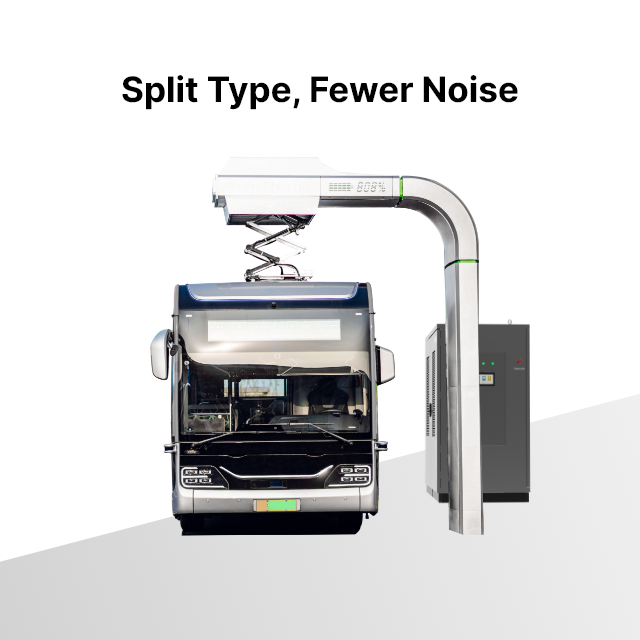
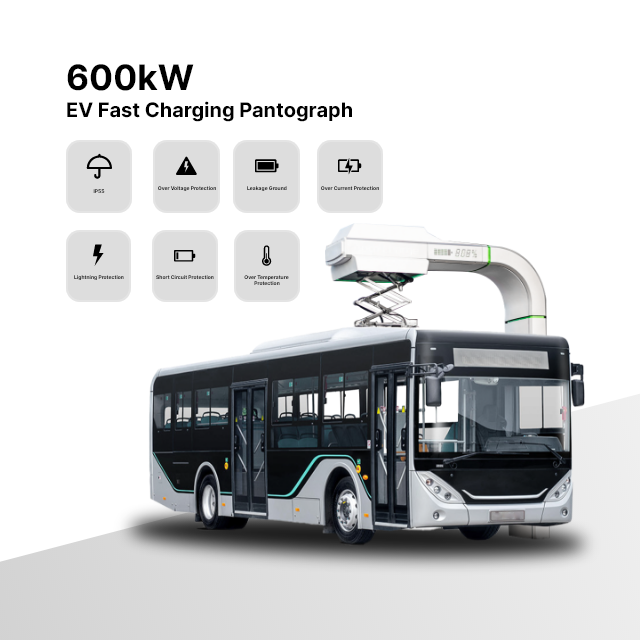
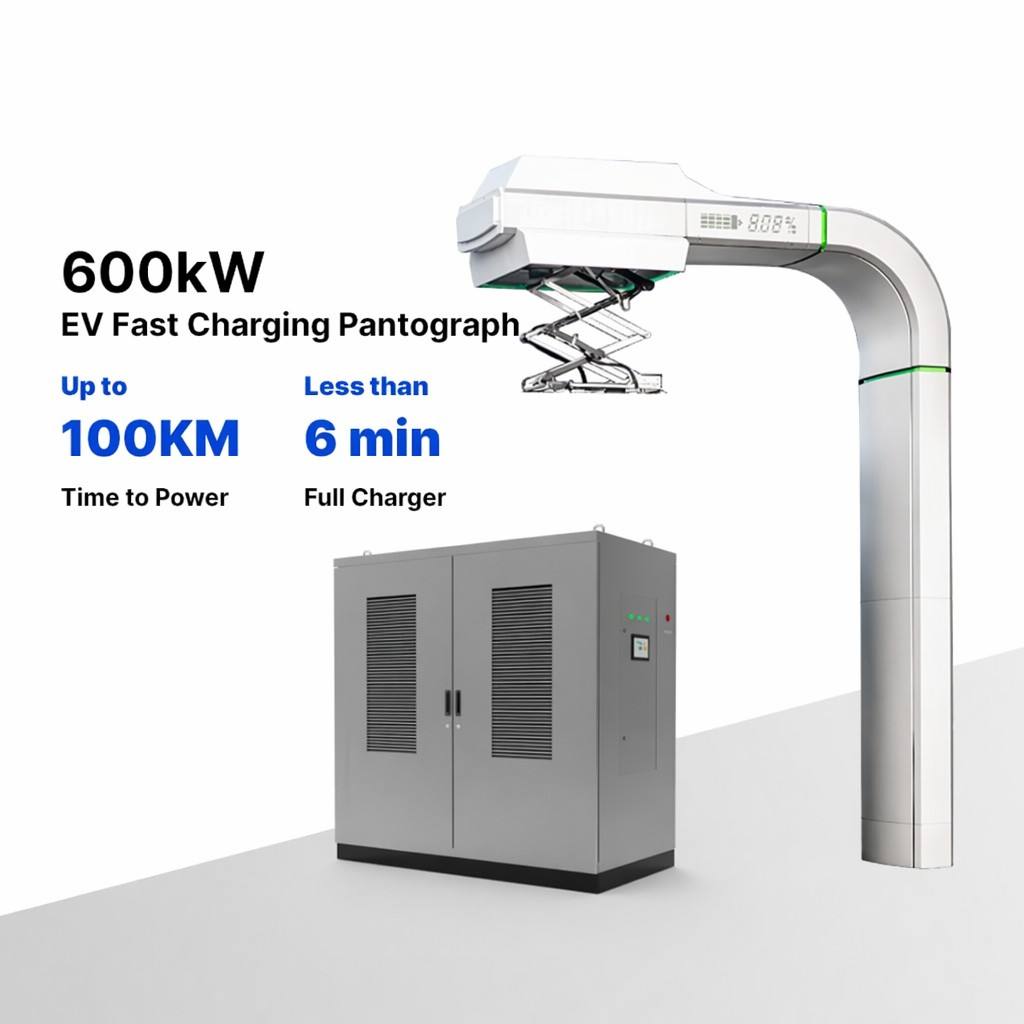
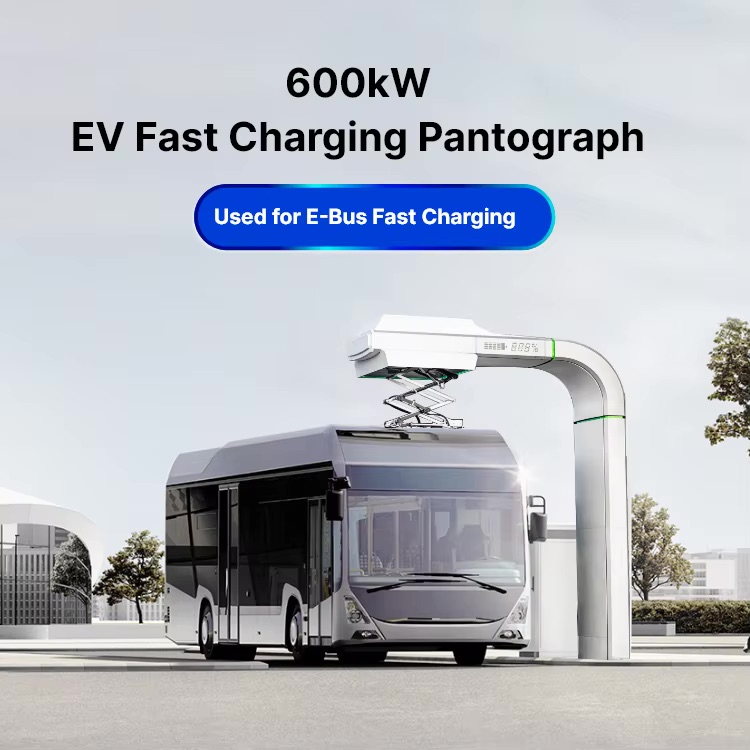
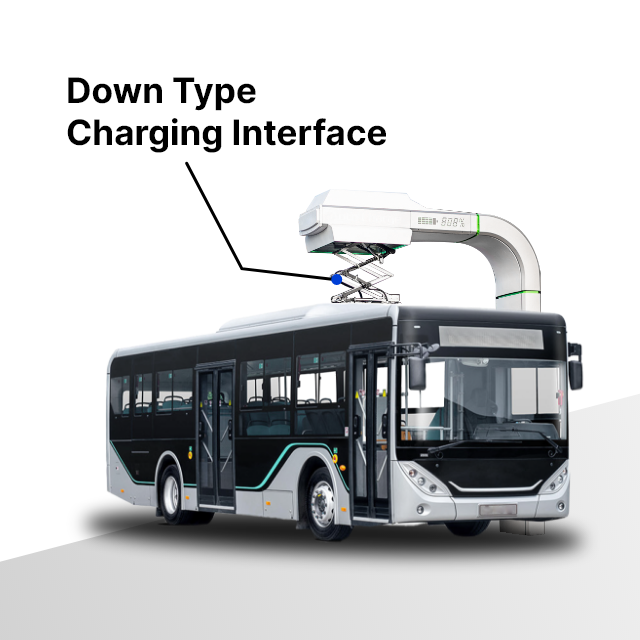
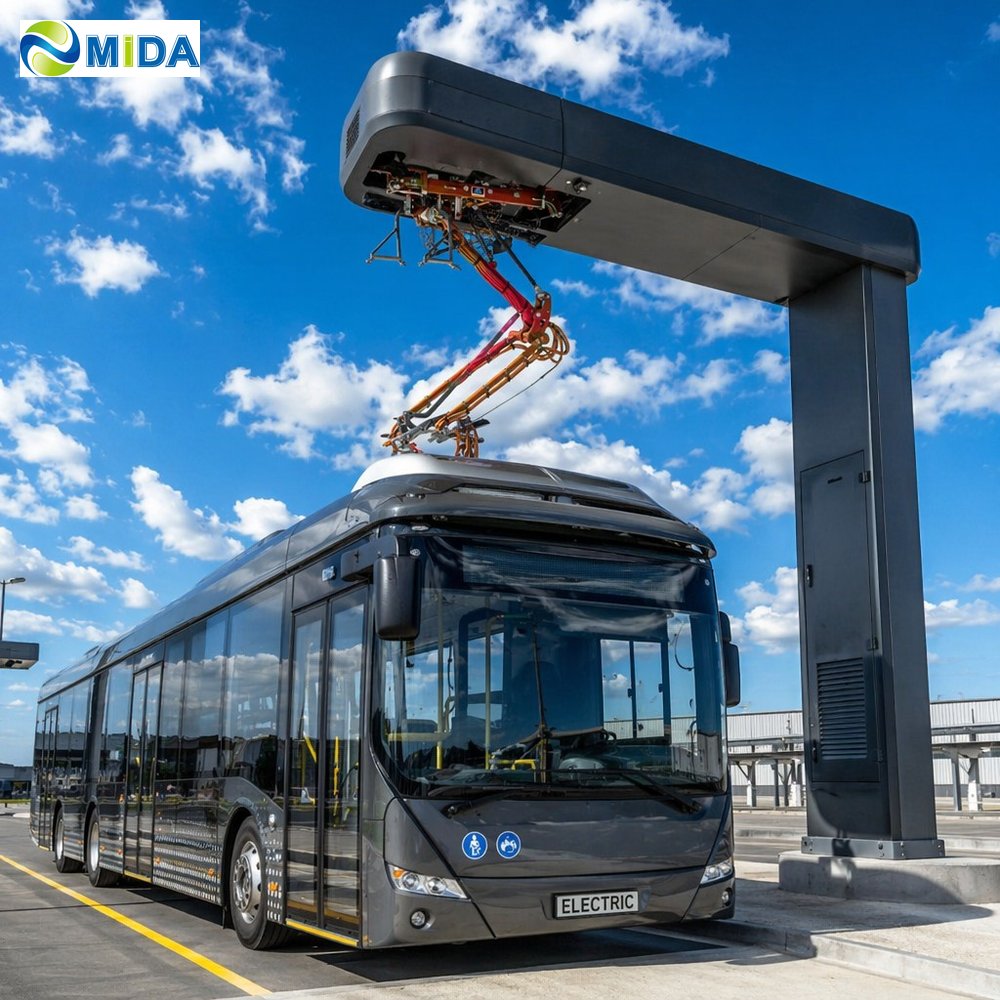
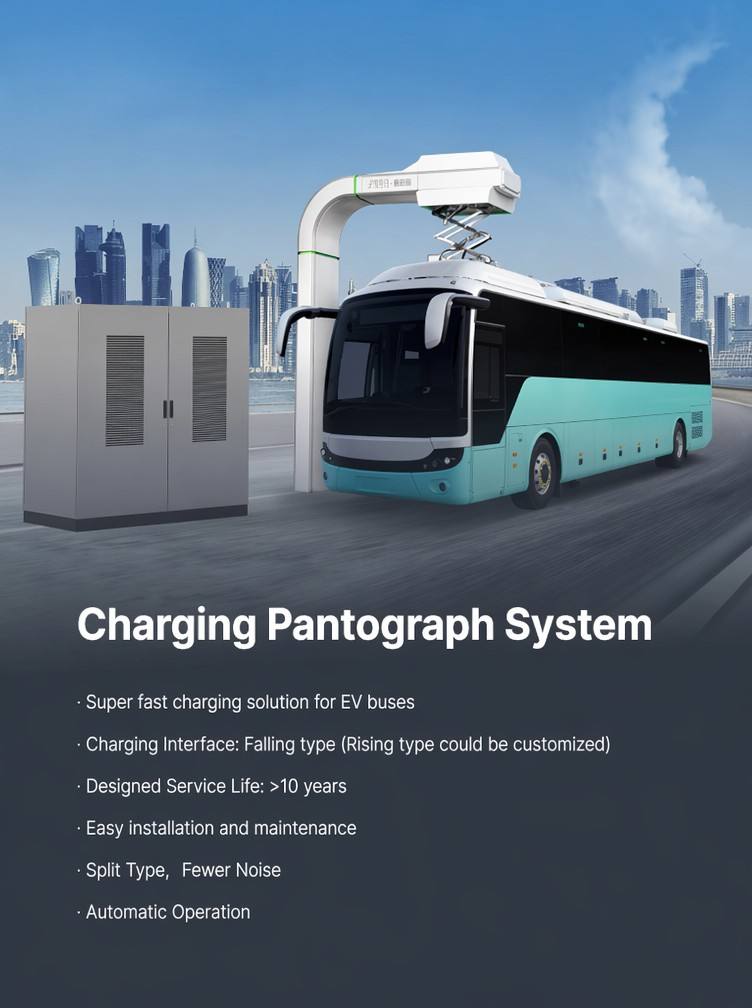
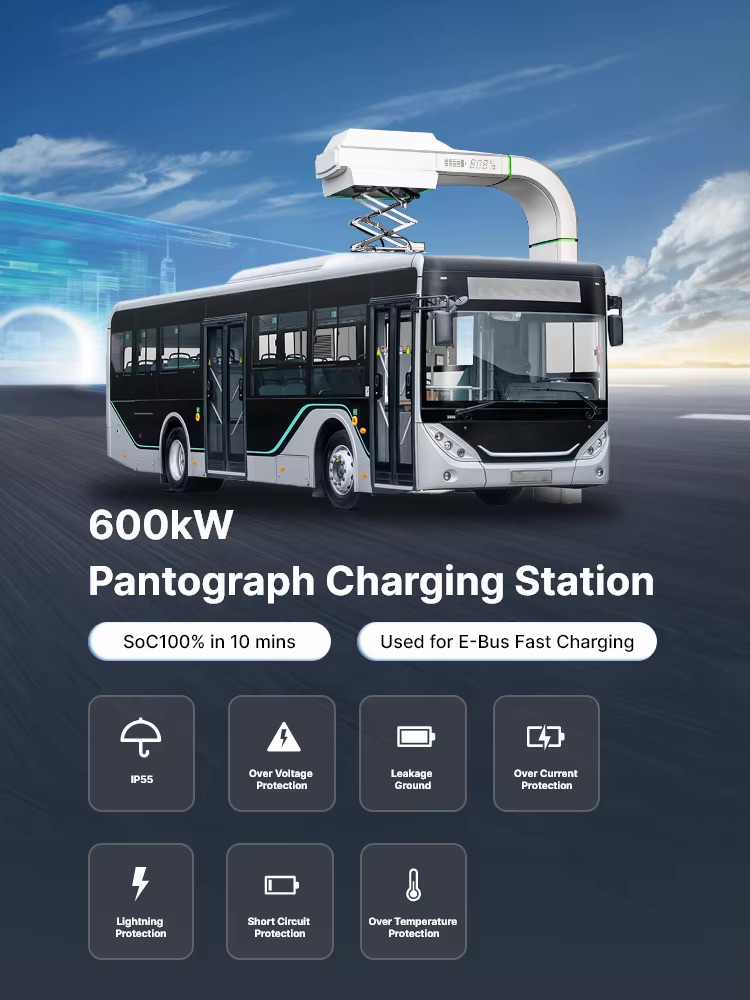
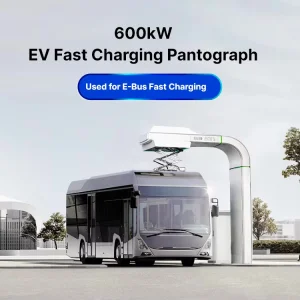
MIDA’s 300kW 600kW Integrated Inverted Pantograph Charging Station OppCharge BEV Bus for Electric Bus redefines urban transit efficiency. 600KW Ultra Fast Charging Pantograph Super Charger for Electric Bus Charging Station Designed for strategic installation at depots and route nodes, this 'Top-Down' charging system automatically descends to dock with the vehicle’s roof interface upon arrival. With ultra-fast power delivery of up to 600 kW, This versatile solution offers a high-capacity charging system with a roof-mounted pantograph high capacity charging system with an inverted pantograph.
New standards by advanced and patented drive system
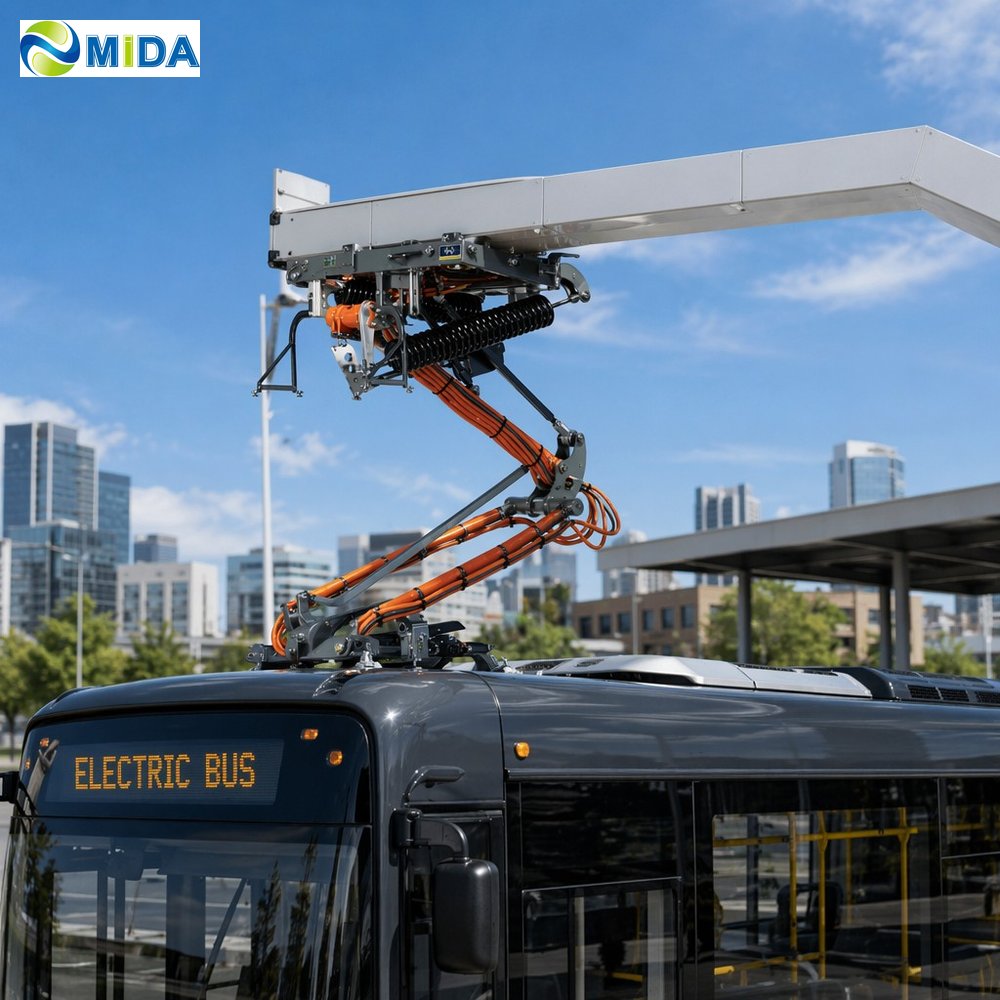
Our product has an extremely high number of cycles (> 400,000 cycles). The system enables contacting within five seconds and ensures that there is no loss of contact during the loading process. The combination of spring and drive system guarantees a constant contact force over the entire working range of the pantograph during the loading process. A built-in fail-safe function automatically returns the pantograph to the rest position in the event of a power failure or fault.
Product Features
Pantograph Up Electric Bus Main benefits:
Fast charging with a wide range of power levels to meet the charging needs that best fit your operating schedule.
Enabling high uptime, thanks to robust design, remote diagnostics and management tools.
Charge buses from different brands with the same charger, following the international standards and comprehensive interrop testing.
Electric bus Pantograph Up Main features:
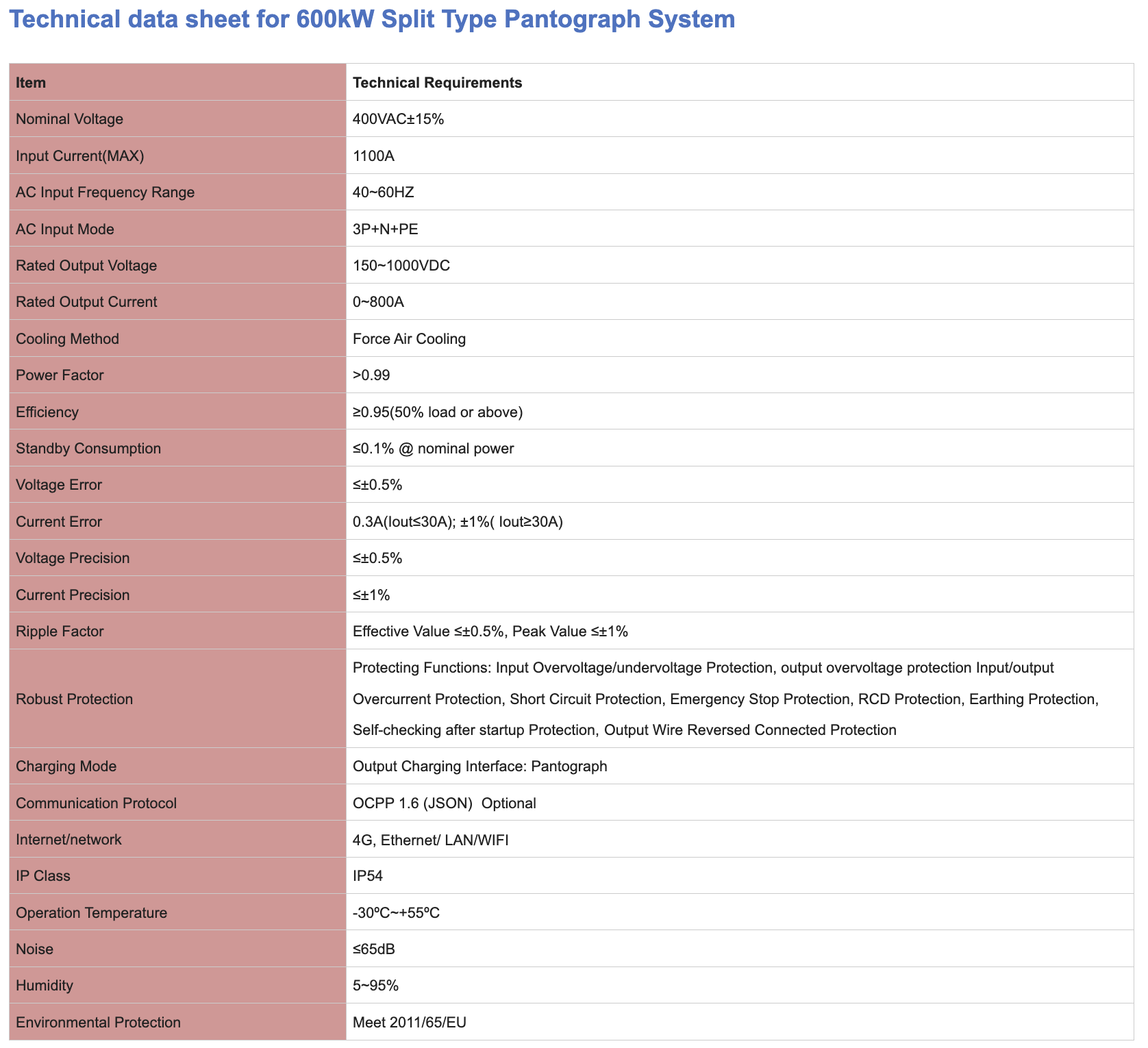
Voltage range from 150-1000 V
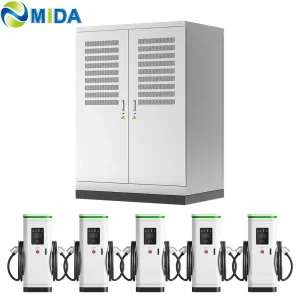
Power range of 50-100-150 kW for overnight charging
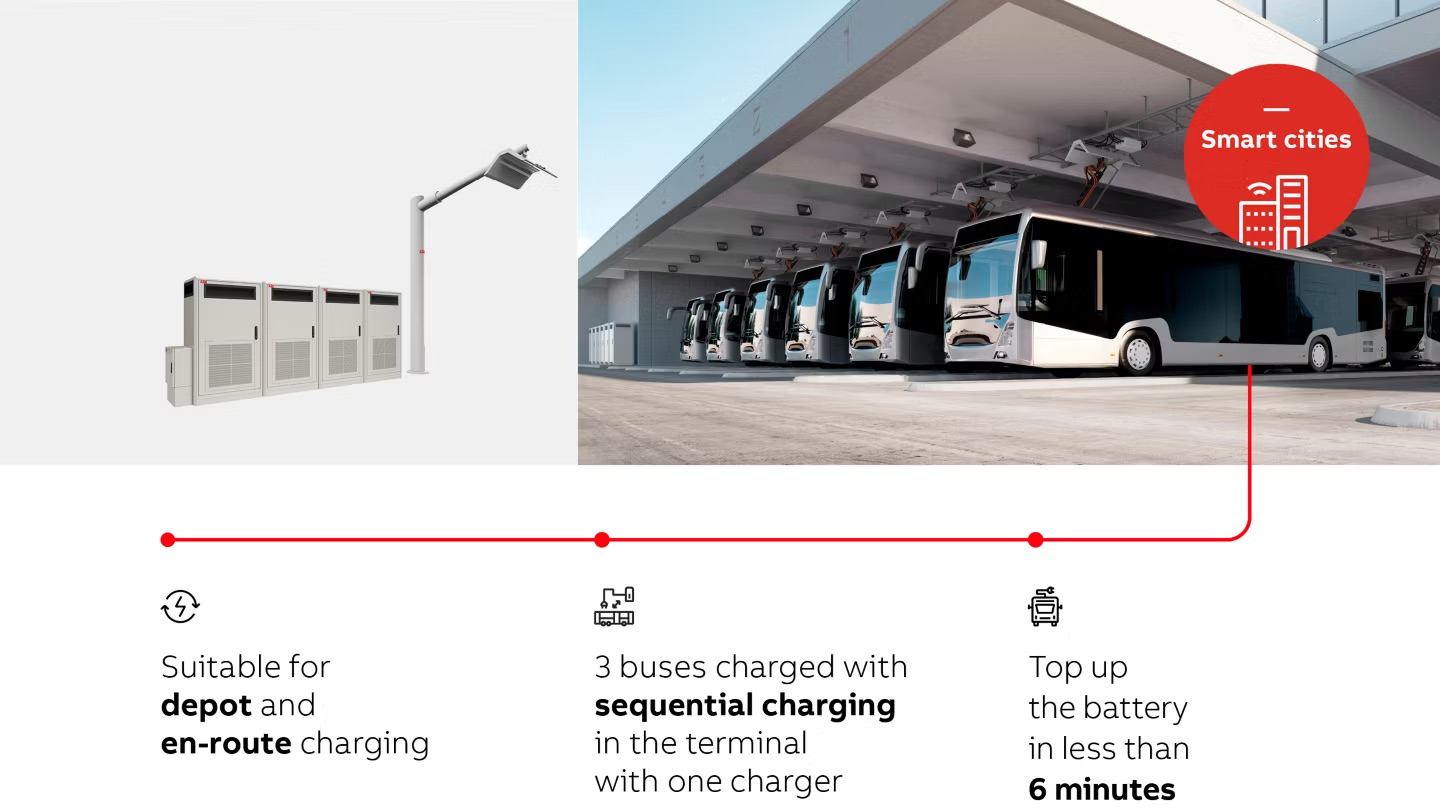
Sequential charging with up to 3 outlets for overnight charging
Power range of 150-300-450-600 kW for opportunity charging
Specification
600kW Electric Bus Pantograph Charger Station
An ideal electric bus pantograph solution is equipped with a roof-mounted pantograph. This allows you to charge larger fleets of electric buses overnight in a range of 50-150 kW per vehicle and during the day with 150 kW up to 600 kW for opportunity charging.
High-Power Inverted Pantograph Charging System (Top-Down Actuation)
This infrastructure-side solution facilitates automated energy transfer via a precision-guided downward connection mechanism. Strategically deployed within route networks or centralized depots, the unit establishes a high-current link with roof-mounted counterparts.
Performance: Scalable power output up to 600 kW.
Operational Modes: Optimized for Opportunity Charging, Flash Charging, and Depot Charging.
Charging Flexibility: Accommodates dynamic duty cycles ranging from 30-second bursts to sustained overnight sessions.
Key Types of Pantograph Systems
Pantograph Up: All moving arms and connection devices are mounted on the roof of the bus. This allows the bus to connect to charging hoods located at transit terminals or bus stops for quick "opportunity charging".
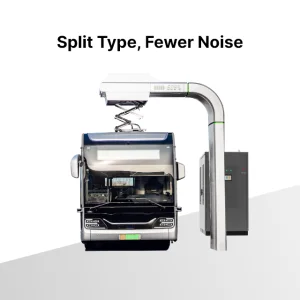
Pantograph Down (Inverted): The extendable pantograph arm is fixed to an overhead canopy or charging pole. The bus simply parks beneath the station, and the charging head lowers to make contact with conductive rails on the roof.
Advantages for Fleet Operators
Ultra-fast charging: Because these systems frequently supply 150 kW to 600 kW of direct current (DC), they can provide significant driving range (e.g., adding 10km) in just 3 to 10 minutes.
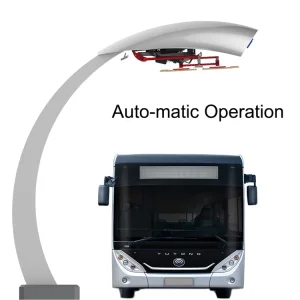
No manual cables: Drivers do not have to handle heavy, cumbersome charging cables. The connection process is automated via remote control or a simple button press.
Depot sequencing: Many inverted pantograph systems at depots use dynamic power management to sequentially charge a large line of buses overnight, reducing peak energy costs.
System Application & Demonstration
Frequently Asked Questions
What is the lifetime cycle count of the inverted pantograph system?
The inverted pantograph charging system is engineered for heavy-duty fleet operations, featuring an exceptionally high service life with over 400,000 completed cycles.
How fast does the connection process take?
The connection process is extremely rapid. Contact is fully established within five seconds of actuation, ensuring maximum efficiency during short stops.
What are the differences between Pantograph Up and Pantograph Down?
Pantograph Up systems feature physical mechanisms mounted on the bus roof that rise to connect to overhead hoods. Pantograph Down (Inverted) systems feature overhead infrastructure that lowers a contact connection to rails mounted on top of the bus.
What happens if there is a power failure during the charging process?
The system features a built-in fail-safe function. In the event of a power outage, fault, or unexpected interruption, the pantograph automatically and safely returns to its default rest position.
What power levels are supported for overnight vs. opportunity charging?
Overnight charging is typically managed sequentially at ranges from 50 to 150 kW per vehicle. Opportunity charging during active transit operations supports quick, high-power cycles ranging from 150 kW up to 600 kW.