1 / 5

| Item | 240kW DC Charger | 320kW DC Charger | 480kW DC Charger |
|---|---|---|---|
| Input | Input Voltage | 3-phase 400V ±15% AC | |
| Input Voltage Type | TN-S (Three Phase Five Wire) | ||
| Working Frequency | 45~65Hz | ||
| Power Factor | ≥0.99 | ||
| Efficiency | ≥94% | ||
| Output | Rated Voltage | DC - CHAdeMO 500Vdc; CCS 1000Vdc; GBT 1000Vdc; AC - Type-2 400V; GBT 400V | |
| Max. Output Current | DC - CHAdeMO 125A; CCS 200A; GBT 250A; | AC - Type-2 63A; GBT 32A | |
| Interface | Display | 8'' LCD Touchscreen | |
| Language | Chinese, English, French, German, Spanish, Russian, etc. | ||
| Payment | Mobile APP/RFID/POS | ||
| Communication | Network Connection | 4G(GSM or CDMA)/Ethernet | |
| Communication Protocols | OCPP1.6J or OCPP2.0 | ||
| Working Environment | Working Temperature | -30°C ~ +55°C | |
| Storage Temperature | -35°C ~ +55°C | ||
| Operating Humidity | ≤95% Non-Condensing | ||
| Protection | IP54 | ||
| Acoustic Noise | <60dB | ||
| Cooling Method | Forced Air-Cooling | ||
| Mechanical | Dimension(W x D x H) | 700*1900*650mm | |
| No. of Charging Cable | Single | Dual | |
| Cable Length | 5m or 7m | ||
| Regulation | Certificate | CE/IEC61851-1/IEC61851-23/IEC61851-21-2 | |


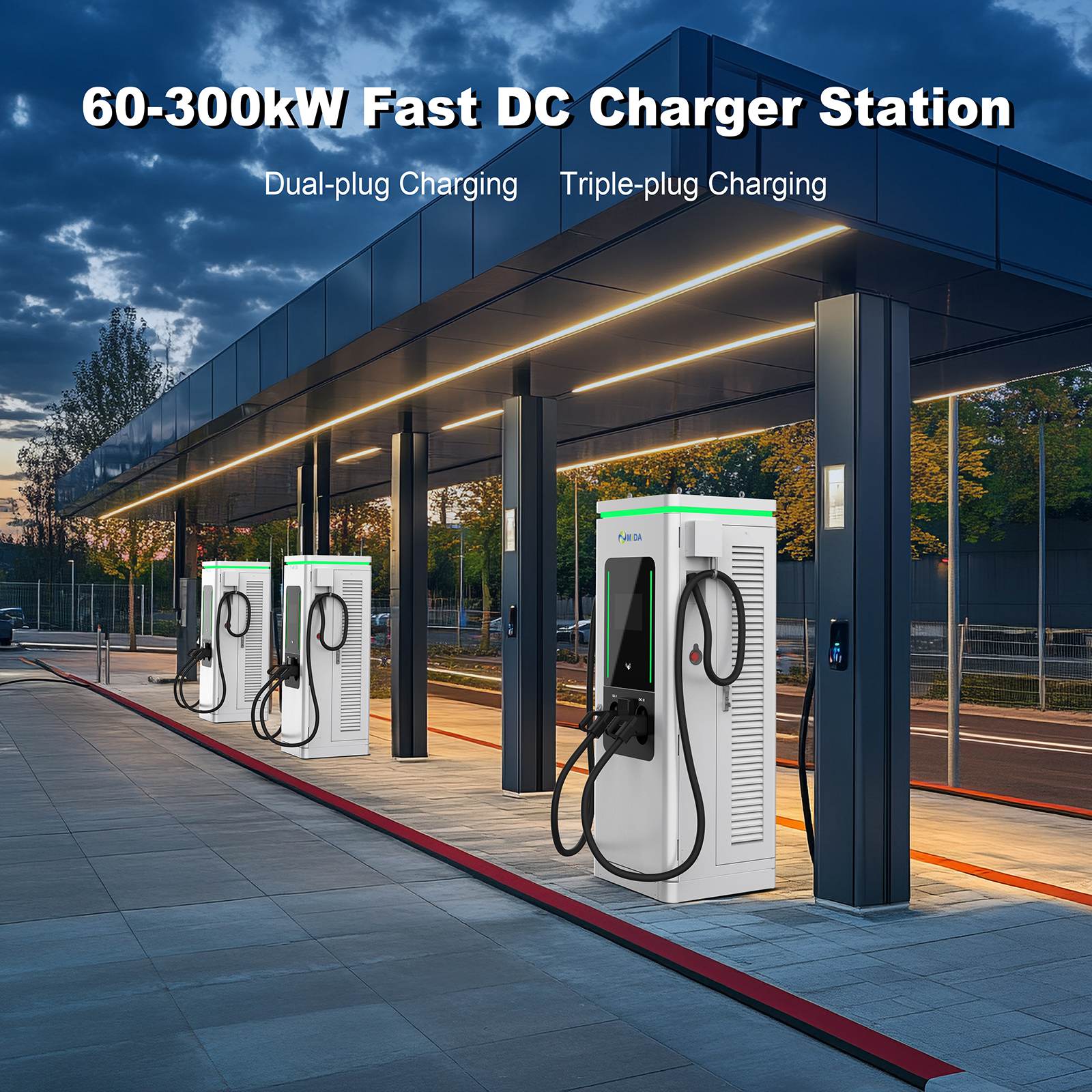
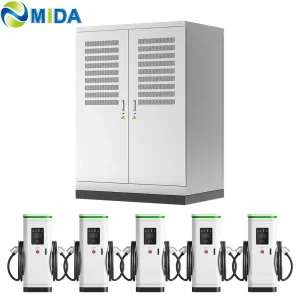
Simultaneously charging up to 3 EVs
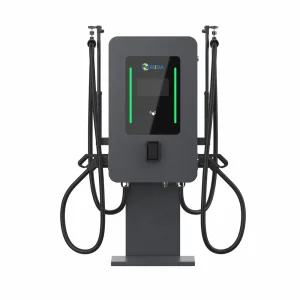
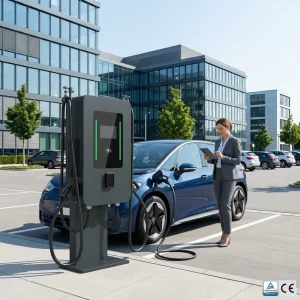
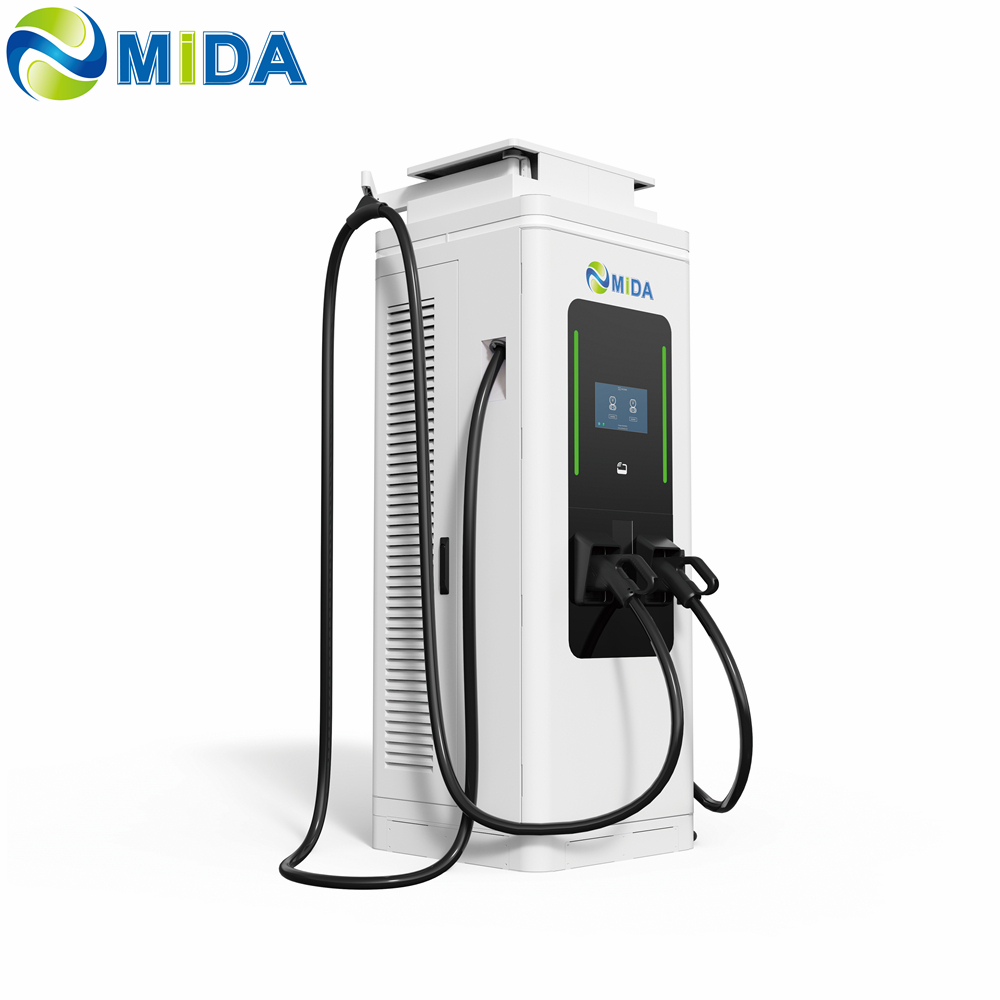
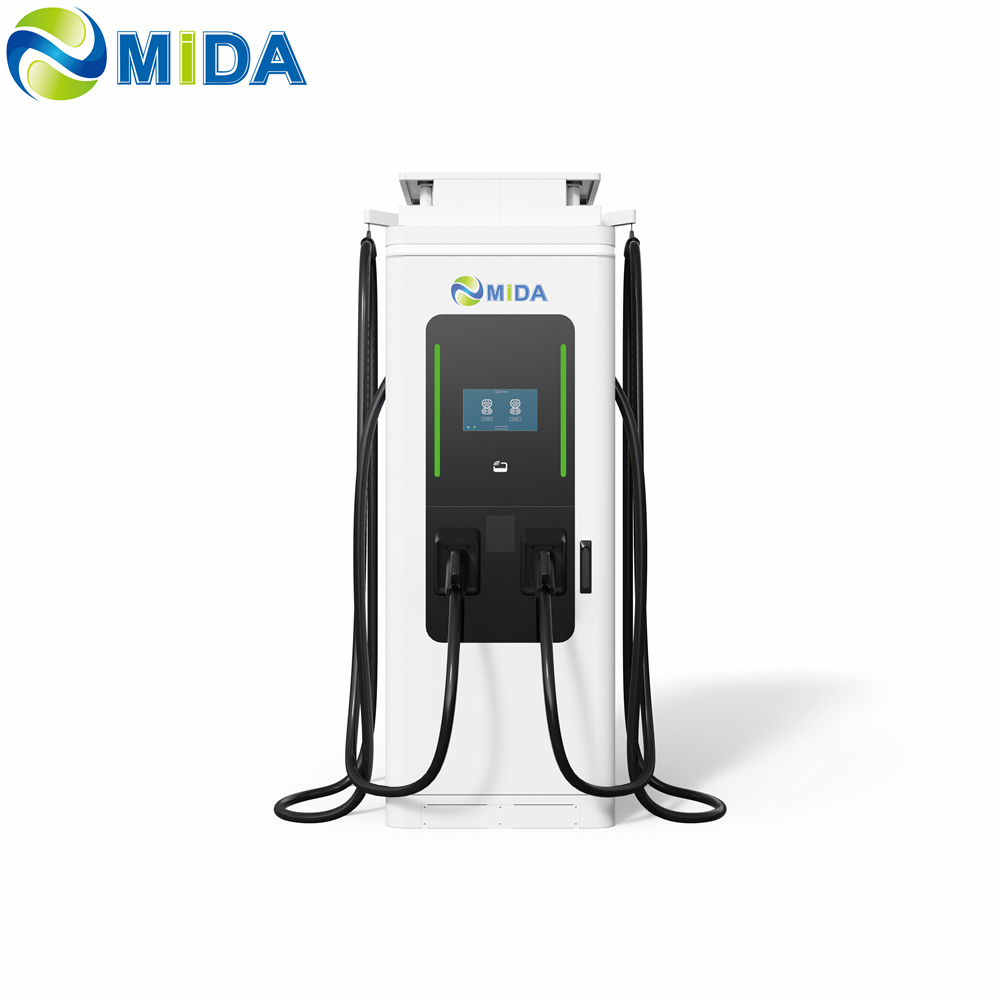
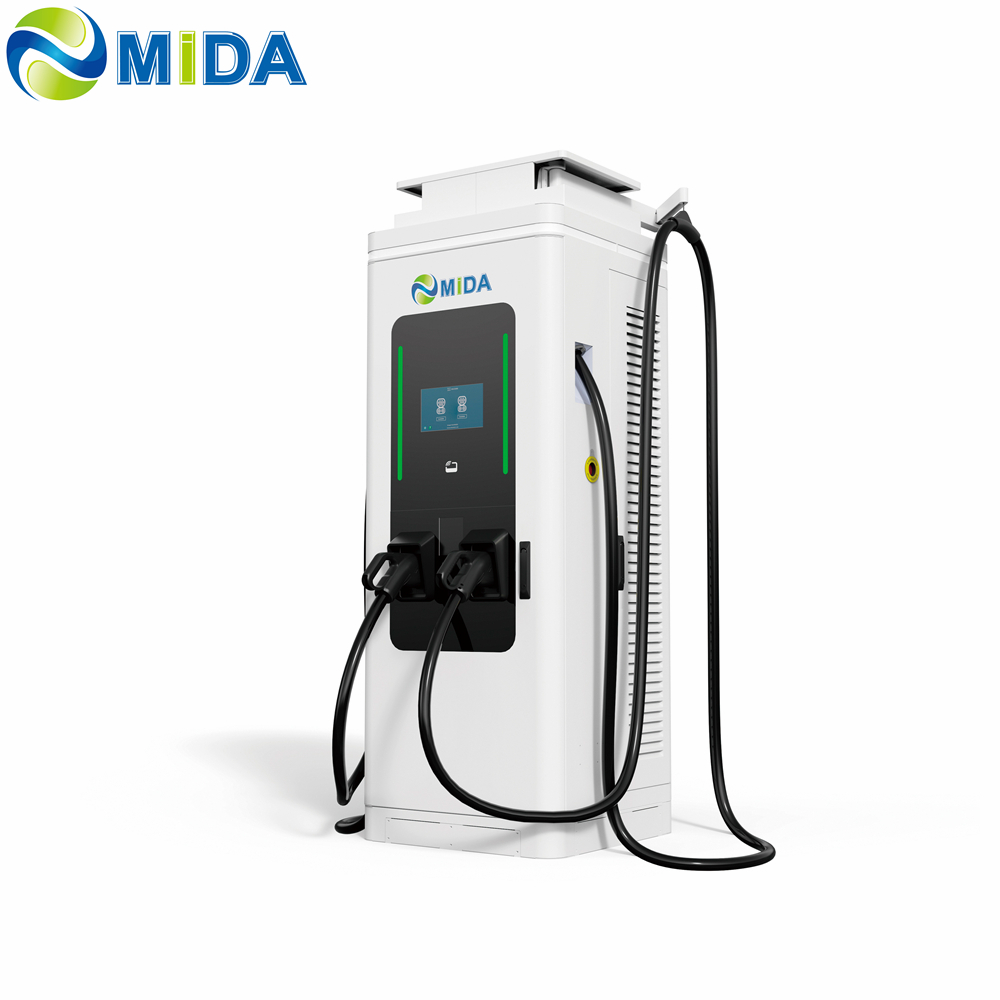
DC fast charging stations with up to 400kW. The 400kW EV charger offers a continuous output of up to 600A per socket, allowing for charging a wide range of EVs. The system is flexible and includes a distributor expansion with two DC charging points. 200kW-400kW EV charging station DC fast chargers (CCS Chademo GBT) are suitable for EV trucks and EV buses.
The 100kW to 400kW DC fast chargers are powerful charging devices capable of stacking power output to multiple devices.
A 400kW DC charger can charge an EV to 80% in 15 to 30 minutes, but the actual speed depends on the vehicle's charging capacity and the current state of the battery. Vehicles with lower maximum charging capacity will not charge faster simply because of a more powerful charger. Some vehicles may not be able to handle the full 400kW charge, while others utilize a high-voltage architecture, such as some Hyundai and Kia models.
A 400kW DC charger can charge a compatible EV up to 80% in 15 to 30 minutes. However, the actual charging rate depends on the vehicle's maximum intake capacity and current battery conditions.
These multi-standard DC charging stations are highly compatible, supporting CCS, CHAdeMO, GB/T, and AC Type-2 connectors. They allow up to 3 vehicles to charge simultaneously using different port configurations.
No, it will not. The vehicle's onboard battery management system controls the power rate. If a vehicle has a maximum limit of 170kW, it will only draw up to 170kW from the 400kW charger, remaining safe and protected.
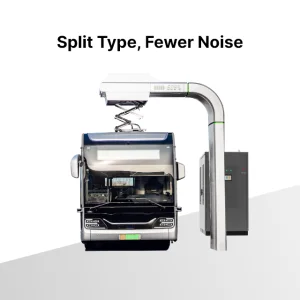
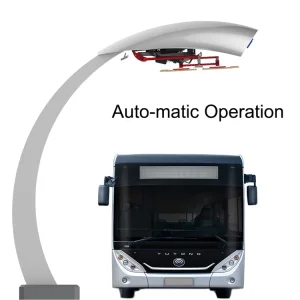
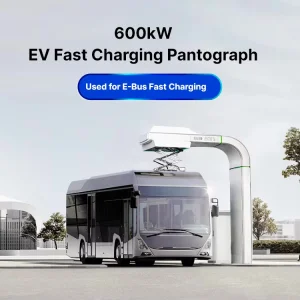
Yes. The DC fast chargers ranging from 200kW to 400kW are ideal for heavy-duty options, including EV trucks and EV buses, as well as public high-traffic fleet hubs.
Battery temperature is a crucial factor. In cold weather conditions, the battery chemistry becomes less active, which naturally reduces the speed at which the battery can safely receive current.
The systems support OCPP 1.6J and OCPP 2.0 communication protocols, offer Ethernet/Wi-Fi/4G connectivity options, and integrate dynamic load balancing for efficient smart energy distribution.