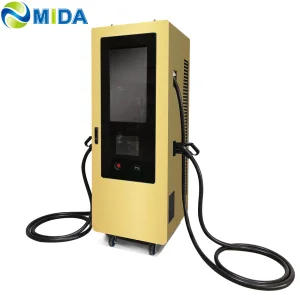
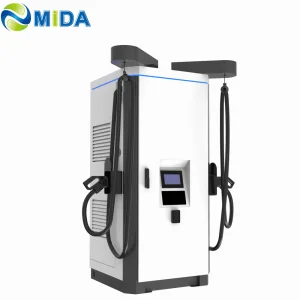
The Metropolitan Area of Naples, representing one of Southern Italy’s core industrial, logistical, and historical centers, is undergoing a pivotal transition towards complete fleet electrification. Strategically positioned along major maritime trade corridors and the Autostrada A1 network, the demand for fast-charging infrastructure serving Naples has shifted from municipal AC networks to mega-watt class DC charging architecture. As municipal regulations push towards zero-emission shipping zones, logistics facilities, and public transportation networks (such as the electrification initiatives surrounding EAV bus fleets and Capodichino Airport support systems), industrial managers require robust, future-proof EV charging platforms.
Serving Naples requires an acute understanding of the local energy grid constraints and historical layout. For instance, charging hubs at the Interporto di Nola or the Port of Naples must operate with dynamic grid load balancing. Standard electrical distribution networks in historical sites frequently suffer from peak capacity limits. MIDA Group’s high-power split DC cabinets and Battery Energy Storage Systems (BESS) charging hubs resolve this bottleneck. By pairing high-power charging points with integrated lithium battery energy storage, local commercial entities can draw power at off-peak rates, store it locally, and deploy it during high-turnover hours without exceeding contracted grid thresholds.
For fleet managers and EPC contractors sourcing DC charger solutions for deployment in Naples, reliability, compliance, and custom engineering are non-negotiable. MIDA Group bridges the gap between state-of-the-art Chinese manufacturing efficiencies and rigid European compliance frameworks. Our research divisions have specifically tailored our Level 3 DC charging systems to align with the CE, TUV, and ENEL grid codes prevalent across Italy, securing frictionless installation permits and ensuring safety under local standards (CEI 64-8 V5).
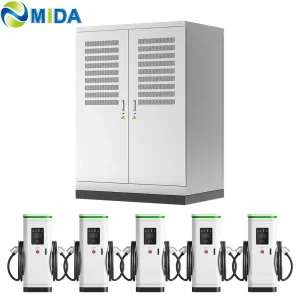
Shanghai Mida Cable Group Ltd. operates through its wholly owned subsidiaries: Shanghai Mida EV Power Co., Ltd., Shenzhen Mida EV Power Co., Ltd., and Shanghai Mida New Energy Co., Ltd. We offer a comprehensive suite of hardware and components engineered for vertical integration in high-capacity electric charging systems.
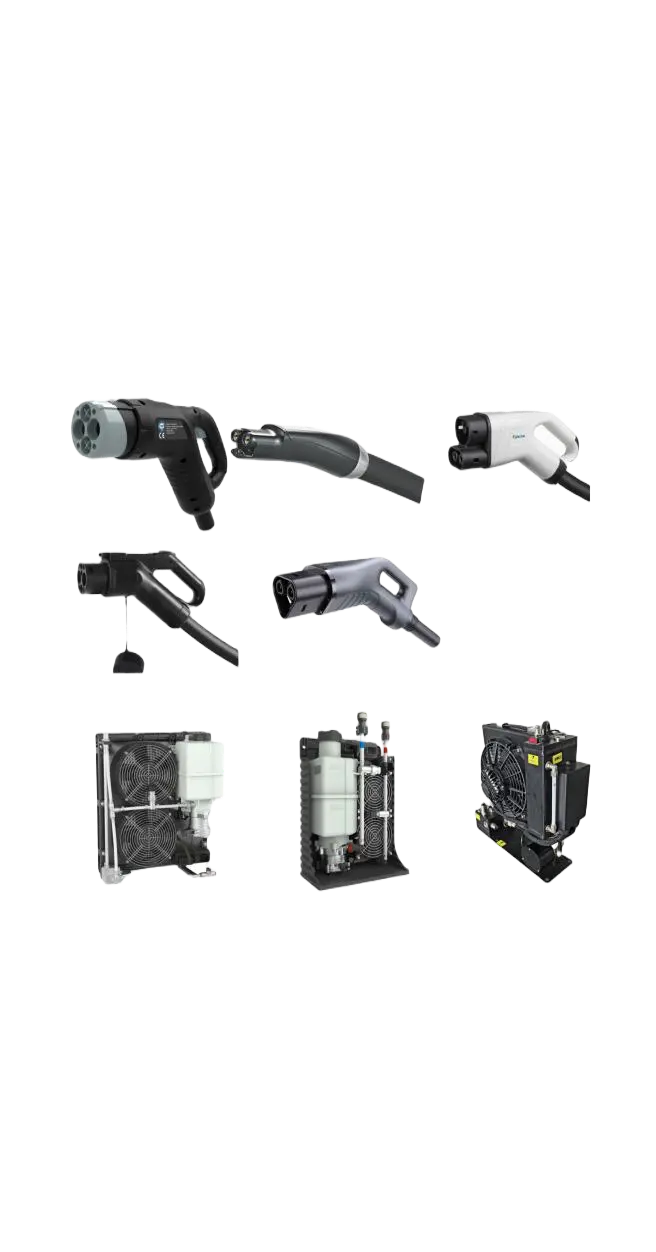
Mida Cable manufactures a comprehensive range of EV charging cables, including 16A–80A J1772 cables, 16A–63A IEC 62196-2 Type 2 cables, and DC fast charging cables: CCS1 (80A–500A), CCS2 (125A–1000A), CHAdeMO (125A–300A), GBT (200A–1000A), and NACS connectors (250A–600A).
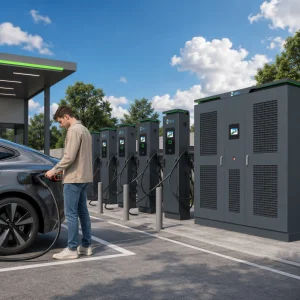
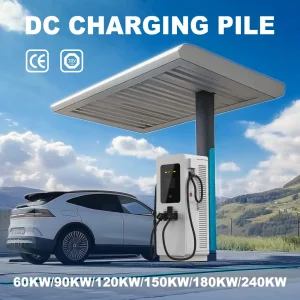
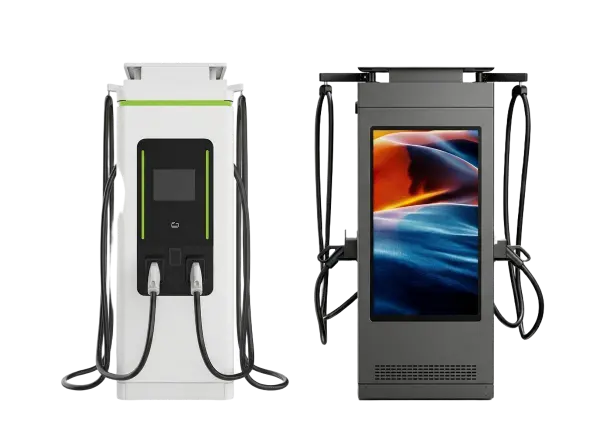
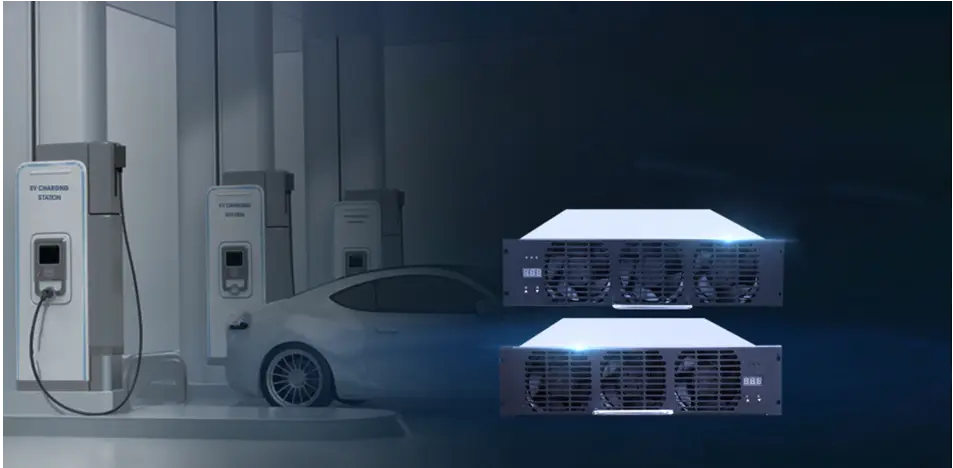
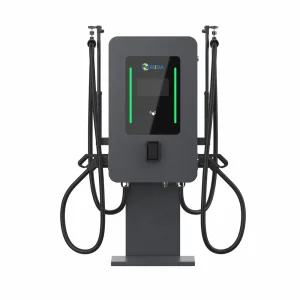
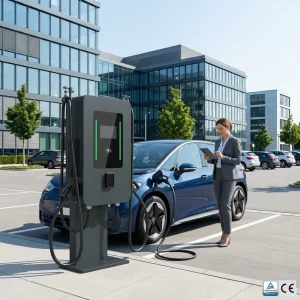
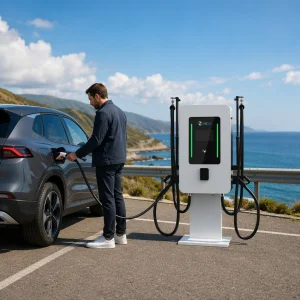
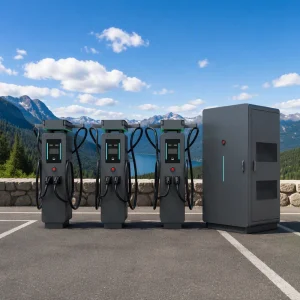
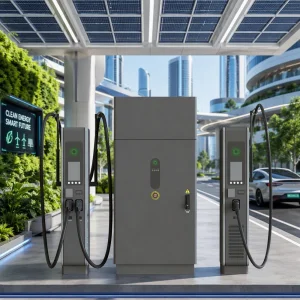
MIDA EV Power produces a full lineup of EV charging stations, such as 7kW–50kW mobile chargers, 3.6kW–7.2kW portable DC chargers, 360kW–1440kW split-type DC fast chargers, 20kW–50kW wall-mounted DC chargers, and 60kW–480kW floor-standing DC fast charging stations.
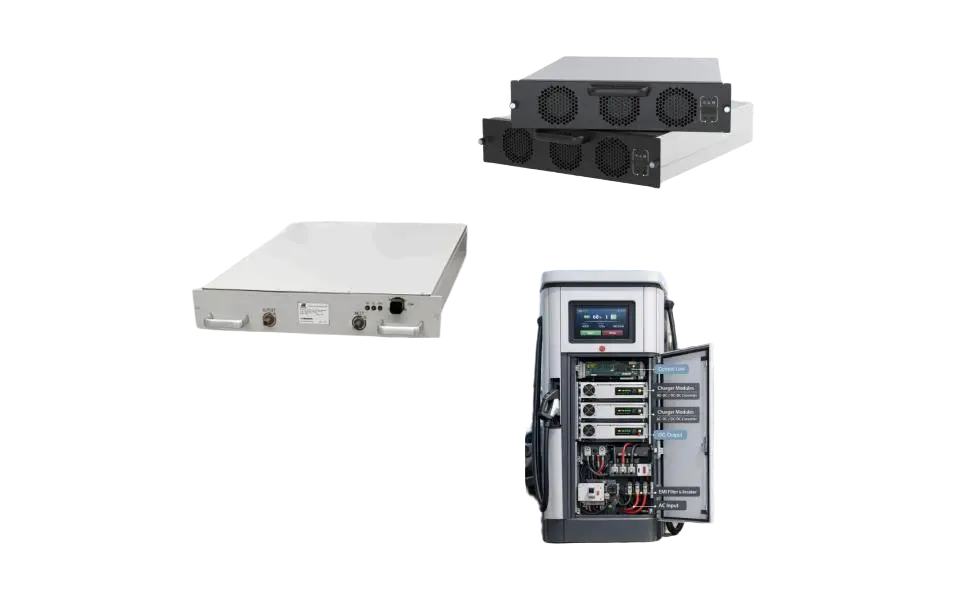
MIDA New Energy specializes in EV charger power modules, offering 20kW–60kW standard modules, 40kW–125kW liquid-cooled modules, 30kW–62.5kW bidirectional modules, and 20kW–45kW V2G charging modules.
Request Factory Tour & Quotation
Wall-Mounted / Mobile EV Charger
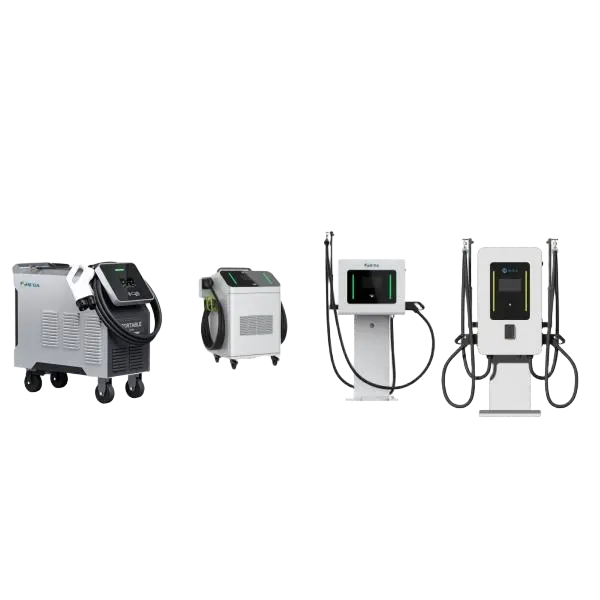
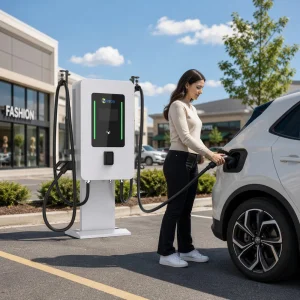
Deployments ranging from 7kW to 80kW for long-dwell residential and commercial parking scenarios.
 Wall-Mounted / Mobile series
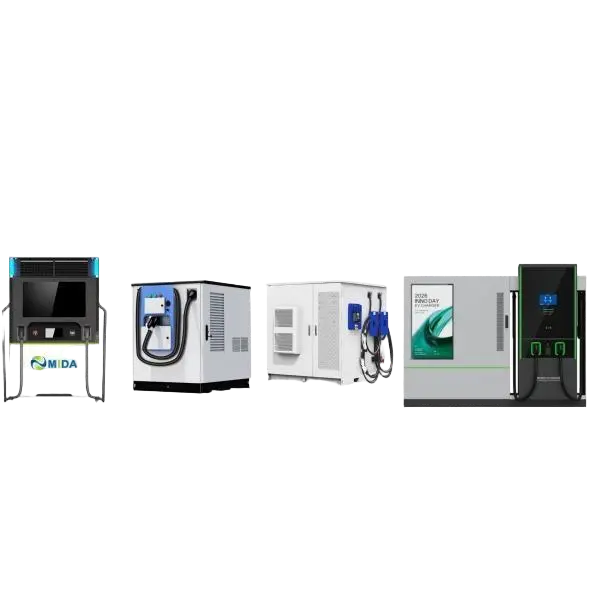
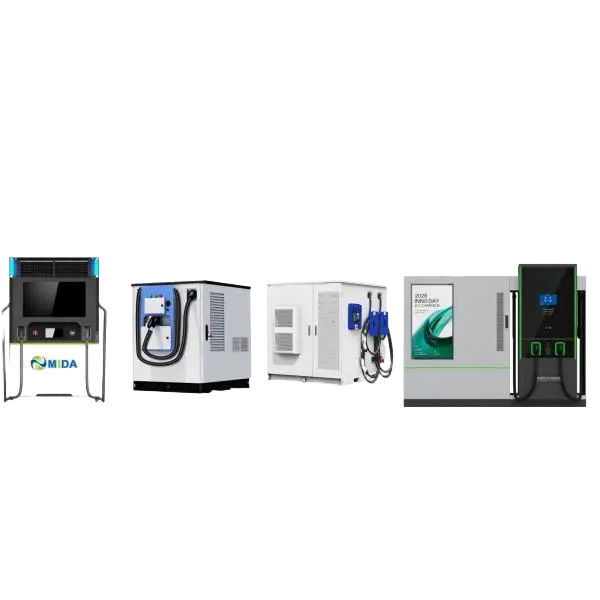
60kW-480kW / 360kW-1440kW
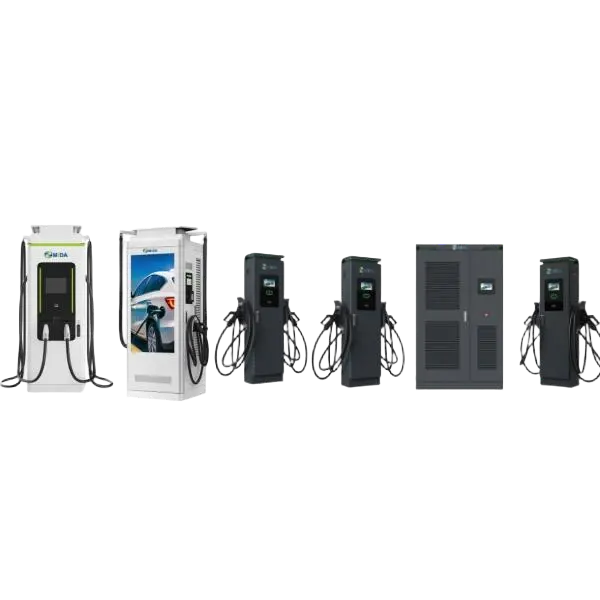
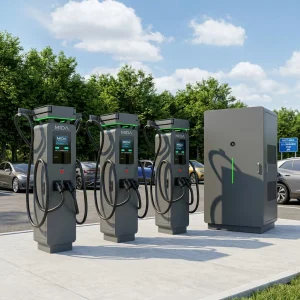
High-efficiency fast charging systems utilizing multi-dispenser configurations and SiC power modules.
 Floor-standing split models
60kWh - 2MkWh Battery Storage
Peak-shaving battery systems integrating energy buffer loops for highly restricted utility areas.
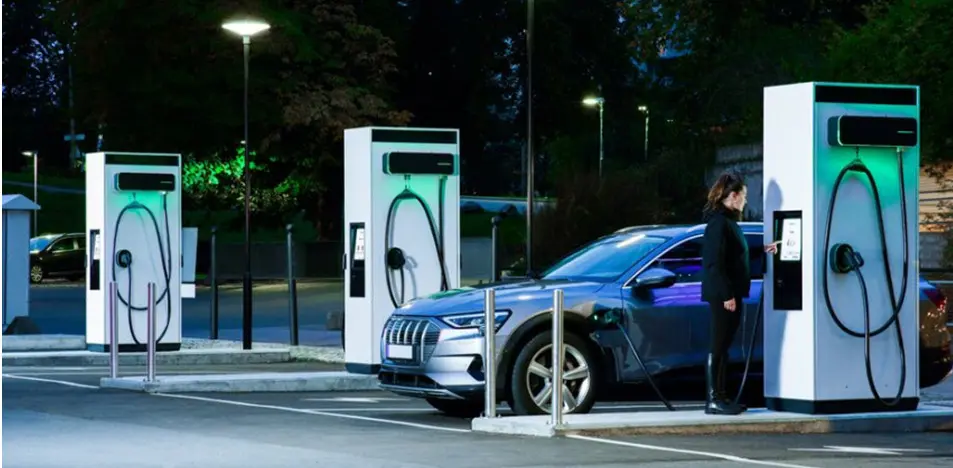 Megawatt Scale ESS Hubs
In municipal hubs like Naples, where grid infrastructure upgrades require lengthy approval cycles and massive capital expenditures, deploying multi-megawatt stations is a profound engineering challenge. MIDA Group introduces Dynamic Load Management (DLM) at the local hardware level. The charging station continuously polls the building's main breaker or local substation using Modbus or smart-meter telemetry. When grid loads rise, output power to the vehicles is scaled down dynamically in increments of 1 kW without severing the charging cycle. This prevents utility penalties and safeguards grid stability.
Additionally, our bidirectional V2G charging modules (from 20kW up to 45kW) allow electric vehicle fleets to act as mobile batteries. During emergency demand periods on the Naples grid, energy can be pushed back to the network or utilized to balance site loads. This makes MIDA installations not just consumption endpoints, but active components of the regional smart-grid ecosystem.
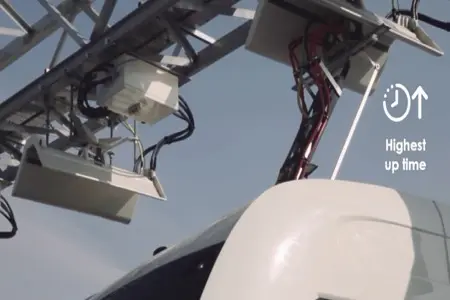
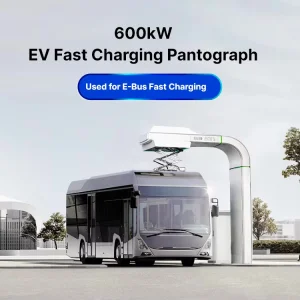
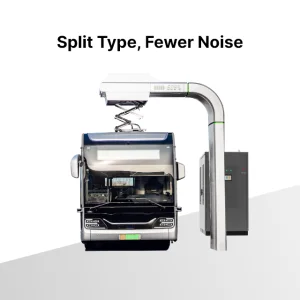
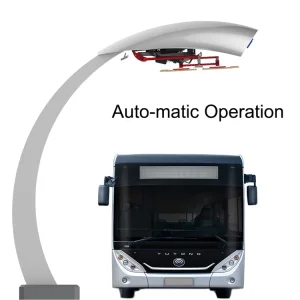
What are the advantages of an e-bus pantograph dome? In contrast to classic plug-in charging systems, e-bus pantograph systems offer automated connection capability, high power delivery, and minimal human intervention.
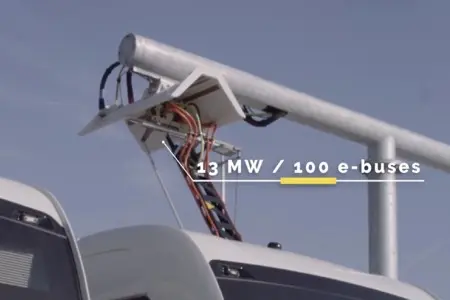
How long does it take to charge with an e-bus pantograph? The charging time depends on the battery capacity and the station's total output power, usually taking 5-10 minutes for opportunity charging.
How to Install the Pantograph Up Charger System Dome for Electric Bus: An engineering breakdown of physical alignment, civil concrete bases, and PLC station integration.
A1: Yes. For megawatt installations (such as the 600kW to 1500kW split charging hubs), MIDA systems can be configured with built-in or external step-down transformers to interface directly with regional medium-voltage lines, reducing localized installation costs.
A2: Our charging stations are manufactured with robust protection standards, utilizing IP54 (upgraded to IP55 upon request) enclosure ratings, coupled with specialized anti-corrosion treatments, double-layer powder coating, and condensation heaters to prevent inner moisture buildup.
A3: Yes, MIDA chargers can be customized with dual or triple connectors. We support simultaneous charging configurations, allowing distinct standard vehicles (such as CCS2 and NACS) to charge concurrently on a single dispenser unit, controlled by active power reallocation.
A4: Absolutely. MIDA Group hardware complies with all technical prerequisites set by Italian and EU regulations for municipal green transition funding (PNRR), including CE certification, MID-compliant billing meters, and full OCPP 1.6J/2.0.1 smart connectivity integrations.