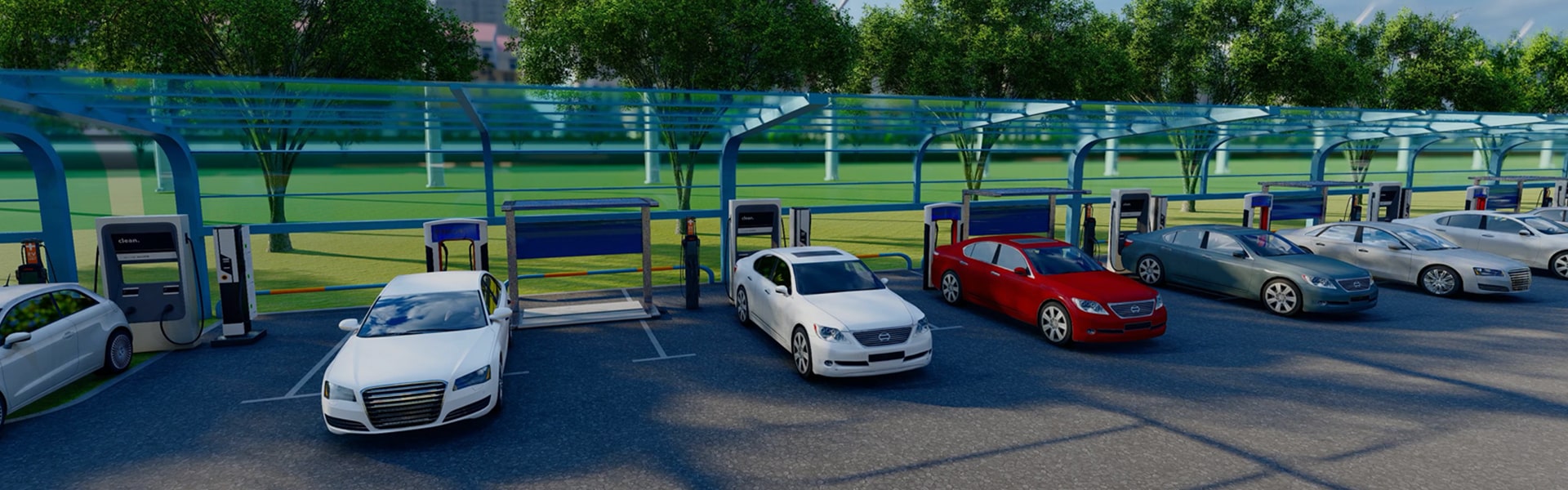
Engineered to withstand harsh midwestern climates, offering rapid refueling capability for transit networks, enterprise fleets, and retail parking applications.
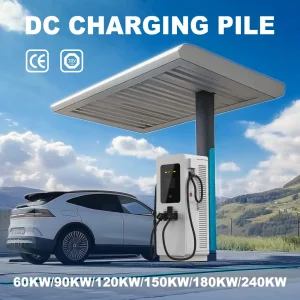
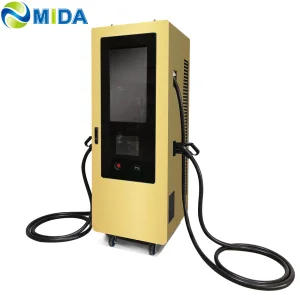
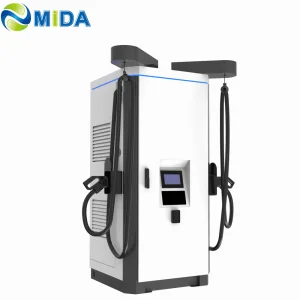
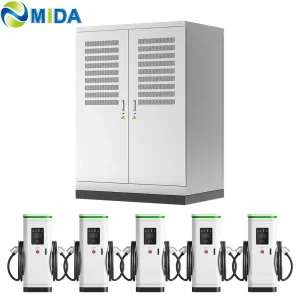
Analyzing local policies, transit electrification initiatives, and grid integration challenges across Cook County and the broader Illinois region.
The Chicago metropolitan area, historically a central node for North American logistics and rail transit, is undergoing a rapid transition toward electric transportation. Fueled by Illinois' ambitious Climate and Equitable Jobs Act (CEJA), which targets putting 1 million electric vehicles on the road by 2030, the demand for commercial-grade DC charging stations has skyrocketed. Municipal fleets, heavy-duty logistics providers operating near O'Hare Airport, and retail developers are actively deploying fast charging infrastructures to meet local regulatory mandates and future-proof their operations.
One of the primary drivers of DC charger adoption in Chicago is the rebate structure offered by Commonwealth Edison (ComEd). To alleviate grid strain and incentivize commercial electrification, ComEd provides substantial make-ready infrastructure rebates. These programs significantly reduce the capital expenditure for commercial fleets installing Level 3 DC fast chargers. Under these initiatives, businesses can recoup up to 70-80% of installation costs for qualified grid-interconnected charging hubs. Our dual-gun and split-type DC charging stacks are explicitly engineered to satisfy the strict power quality, safety, and grid-interface protocols mandated by ComEd’s interconnection agreements.
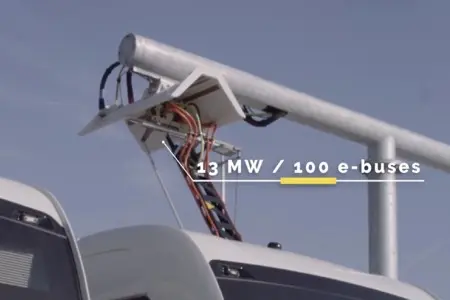
With the Chicago Transit Authority committed to transitioning to a 100% electric bus fleet by 2040, high-power pantograph charging systems and depot fast-charging infrastructure are critical. The brutal winters of Chicago—characterized by prolonged sub-zero temperatures—demand robust thermal management systems for chargers. Extreme cold degrades lithium-ion battery efficiency and increases vehicle energy consumption for cabin heating, meaning chargers must deliver consistent, high-amperage current under severe environmental stress. MIDA's split-cabinet liquid-cooled charging hubs and overhead pantographs are specifically designed for continuous operation down to -40°C, ensuring transit reliability even during polar vortex events.
Globally, the EV charging sector is shifting from low-power destination chargers to ultra-fast megawatt-scale systems. As heavy-duty transport, marine vessels, and long-haul logistics fleets transition to electric powertrains, the industry standard is evolving rapidly. While 150kW was once considered "ultra-fast," modern truck corridors require power levels scaling from 300kW to 1.2MW (Megawatt Charging System - MCS). Globally, standardized protocols like OCPP 2.0.1 and ISO 15118-20 are harmonizing secure communication, Plug & Charge functionality, and bidirectional power transfer (V2G), creating a unified framework for secure smart grid integration.
Shanghai Mida Cable Group Ltd. operates through its wholly owned subsidiaries: Shanghai Mida EV Power Co., Ltd., Shenzhen Mida EV Power Co., Ltd., and Shanghai Mida New Energy Co., Ltd.
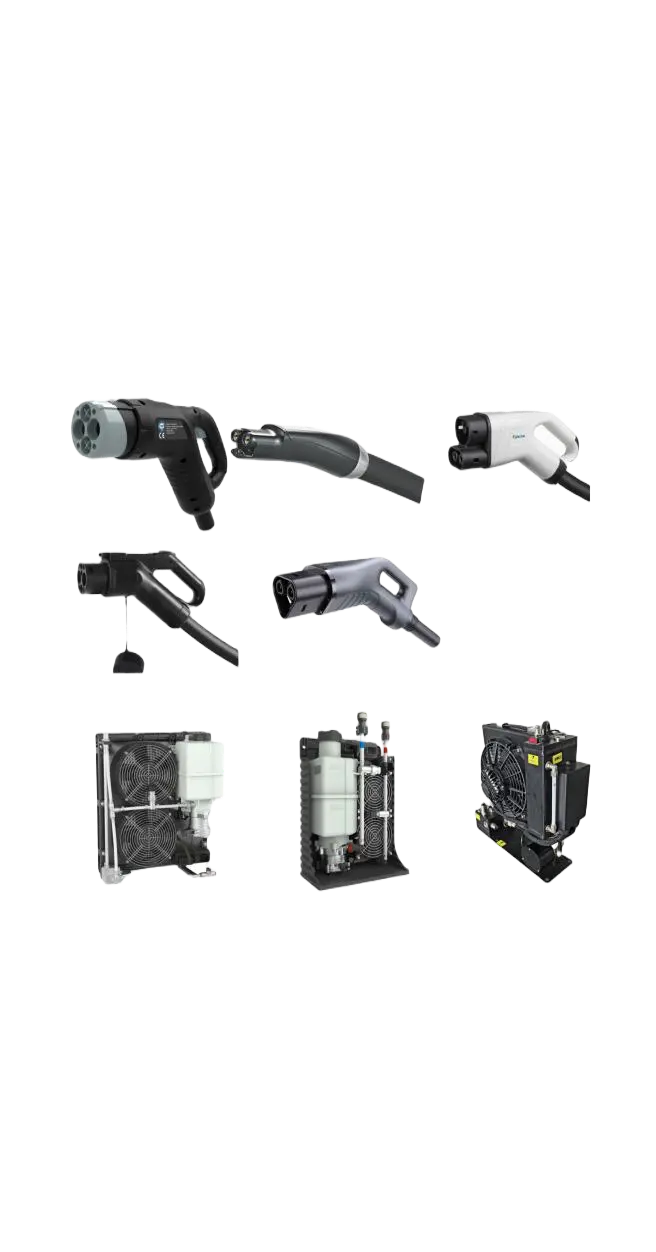
Mida Cable manufactures a comprehensive range of EV charging cables, including 16A–80A J1772 cables, 16A–63A IEC 62196-2 Type 2 cables, and DC fast charging cables: CCS1 (80A–500A), CCS2 (125A–1000A), CHAdeMO (125A–300A), GBT (200A–1000A), and NACS connectors (250A–600A).
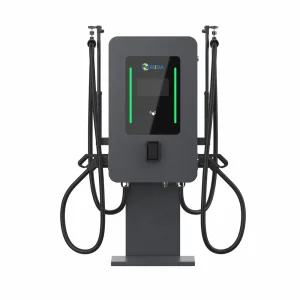
MIDA EV Power produces a full lineup of EV charging stations, such as 7kW–50kW mobile chargers, 3.6kW–7.2kW portable DC chargers, 360kW–1440kW split-type DC fast chargers, 20kW–50kW wall-mounted DC chargers, and 60kW–480kW floor-standing DC fast charging stations.
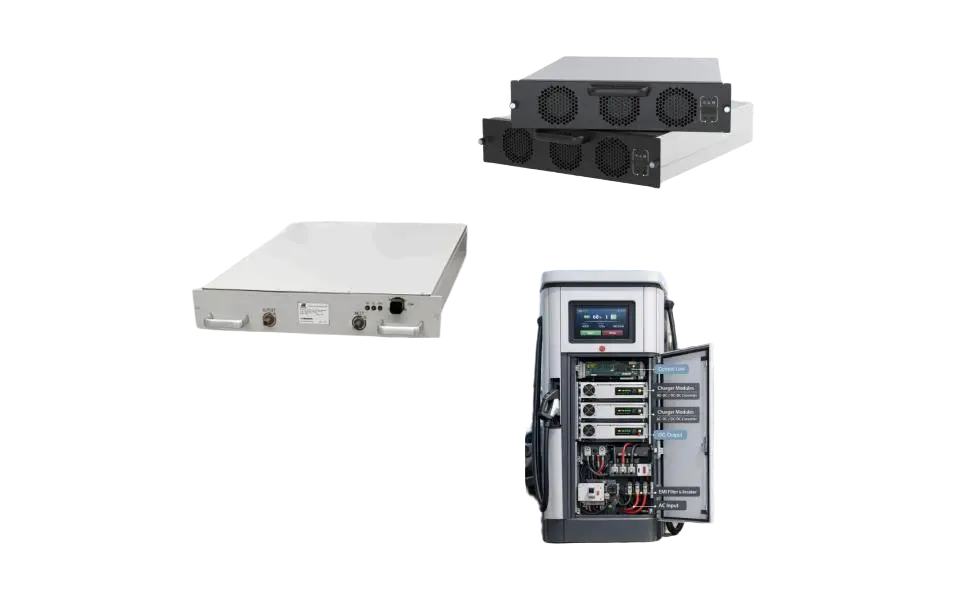
MIDA New Energy specializes in EV charger power modules, offering 20kW–60kW standard modules, 40kW–125kW liquid-cooled modules, 30kW–62.5kW bidirectional modules, and 20kW–45kW V2G charging modules.

From destination commercial hubs to heavy-duty industrial bus depots, explore our specialized hardware tiers.
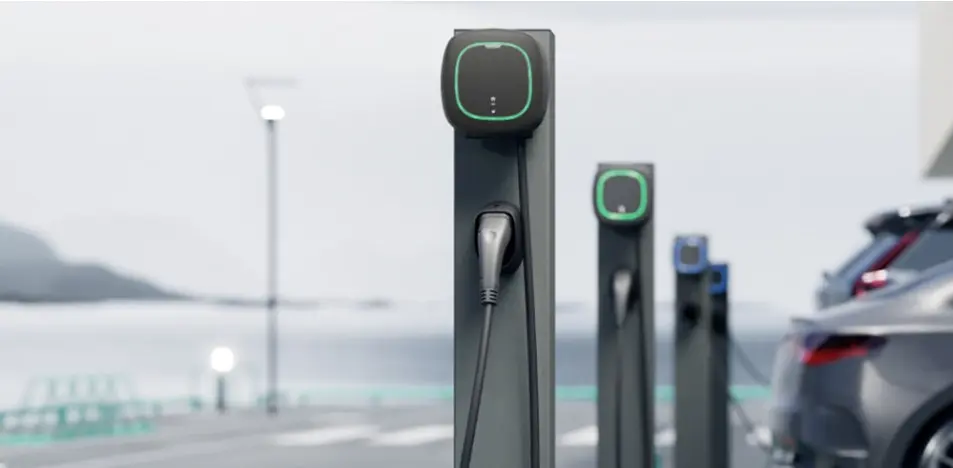
Designed for public parking, residential, and corporate workplace fleets requiring overnight or workplace charging.
View More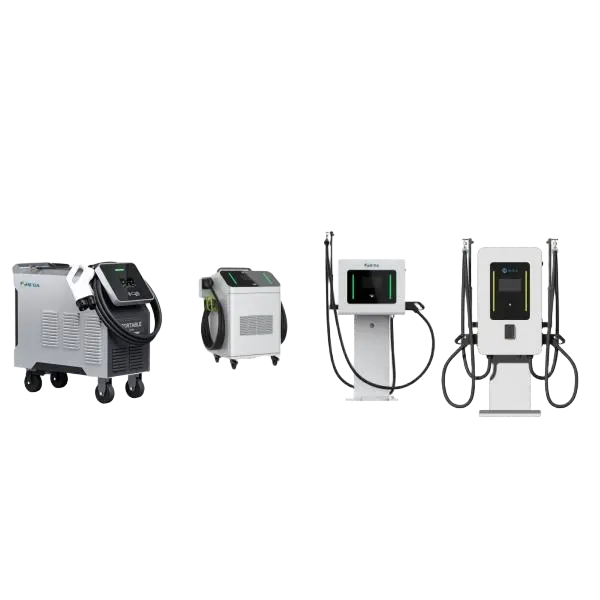
Versatile and compact units serving dealership service bays, commercial fleets, and residential luxury garages.
View More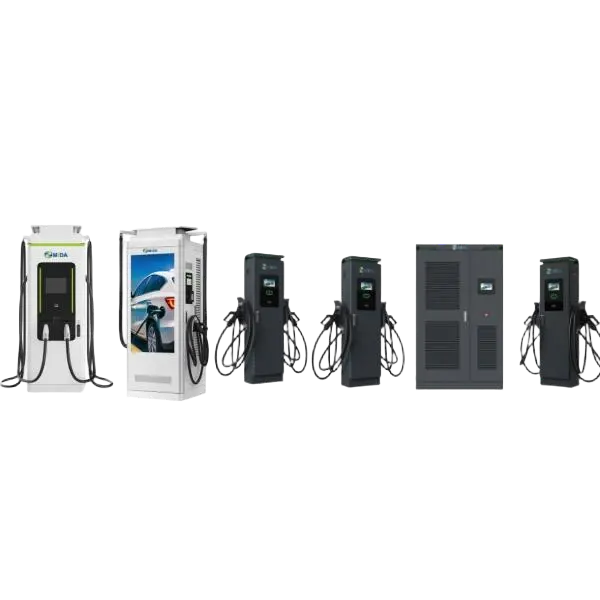
High-capacity charging grids engineered for highway service plazas, high-frequency logistics hubs, and fleet depots.
View More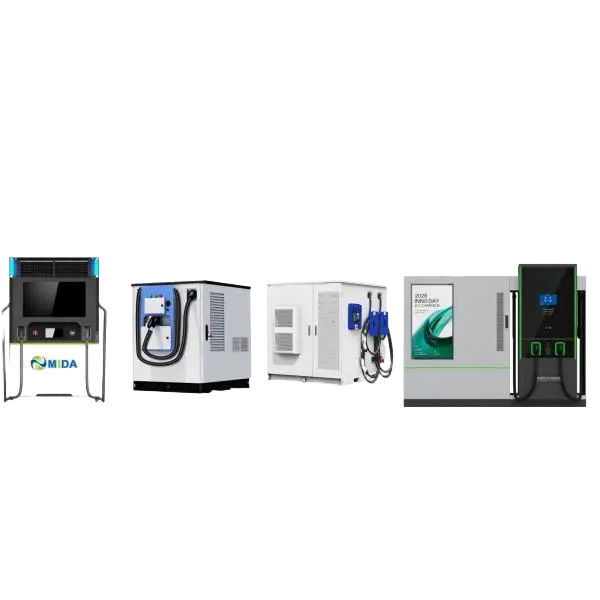
Smart energy storage integrated with DC chargers, utilizing peak-shaving technology to bypass local demand charges and reduce grid upgrade requirements.
View MoreUnder the hood of modern high-power charging technology: Liquid cooling, V2G bidirectional modules, and smart OCPP orchestration.
To deliver charging rates above 350kW, traditional air-cooled cable assemblies are no longer viable due to thermal safety limits. Heavy copper cables capable of carrying 500+ Amps without active cooling become too heavy and inflexible for practical operation. To address this challenge, MIDA's next-generation chargers integrate liquid cooling systems that pump synthetic coolant through a customized, lightweight cable directly to the connector pins, maintaining optimal operational temperatures during sustained high-current draws.
Our 600kW-1200kW supercharger stacks utilize internal chiller units that monitor temperatures at the power module, cooling cable, and connector contact points in real time, preventing thermal throttling.
By employing bidirectional V2G (Vehicle-to-Grid) power modules, our chargers allow fleet vehicles (like electric buses and delivery trucks) to act as mobile grid storage units, returning power to the grid during peak loads.
Security is integrated natively via cryptographic TLS handshakes between the vehicle and charger, enabling automatic driver authorization, billing, and grid management without manual app interaction.
Implementing large-scale EV fleet hubs requires a comprehensive solution architecture. This involves executing dynamic load balancing algorithms across hundreds of charging ports, coordinating battery energy storage systems (BESS) to lower electricity demand charges, and integrating solar generation to maximize green power utilization. MIDA provides custom industrial software suites that map site power limits against route schedules, ensuring every electric delivery vehicle is ready when scheduled without triggering municipal grid overload limits.
Engineered components and modular cabinets supplying global EV charging manufacturers.
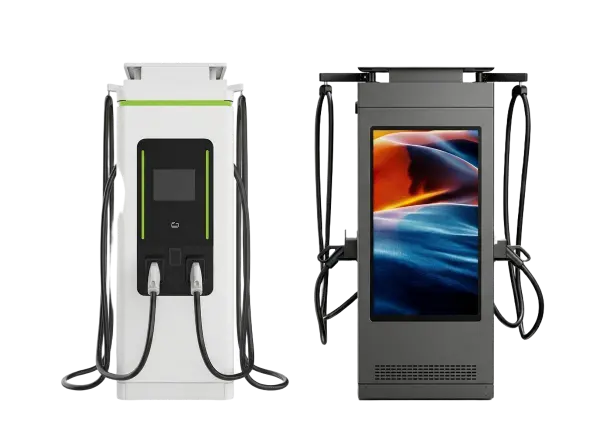
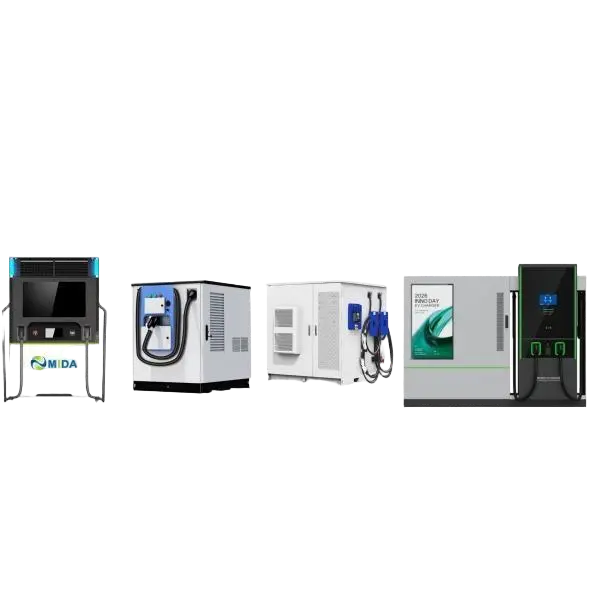
Engineered to support ultra-fast commercial operations with continuous high output.
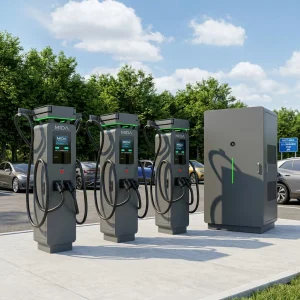
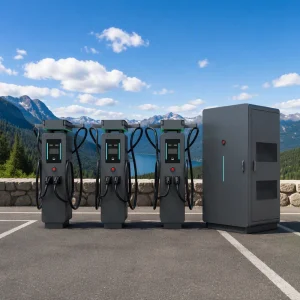
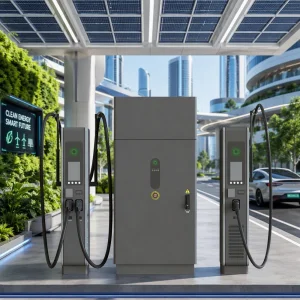
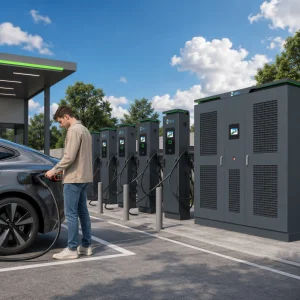
Flexible designs engineered for public highways, heavy-duty municipal bus depots, and fleet charging.
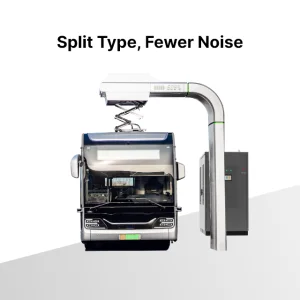
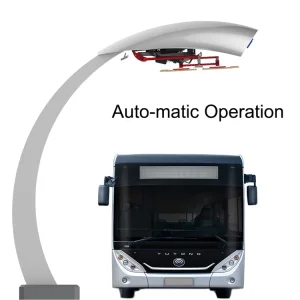
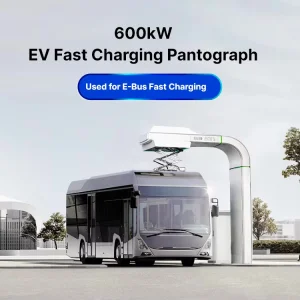
Stay updated with the latest technological developments in pantograph charging and commercial bus depot engineering.

Answers to technical, regulatory, and mechanical questions concerning DC fast charging station deployment.