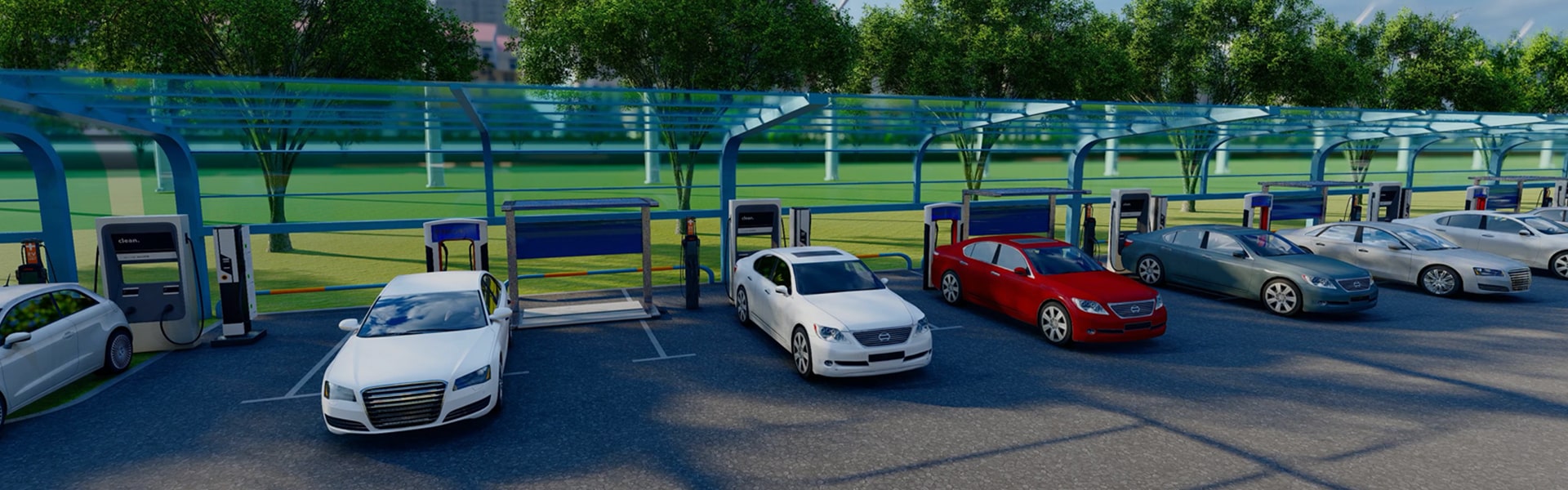
High-capacity charging architectures engineered for public corridors, logistic depots, and commercial hubs in Busan Metropolitan Area.
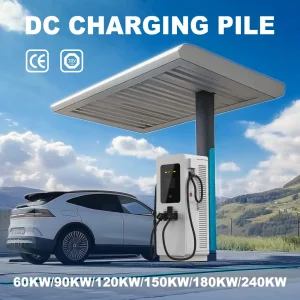
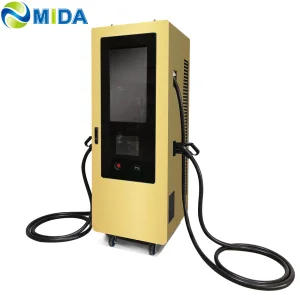
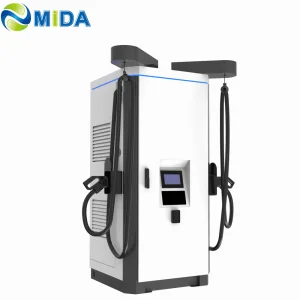
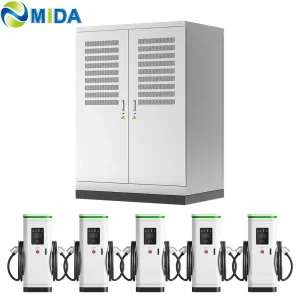
As South Korea’s primary maritime gateway and the world's sixth-busiest container port, the City of Busan represents a critical nexus for industrial logistics, public transit, and heavy duty vehicle operations. The municipal government of Busan, under the framework of South Korea's Net-Zero initiatives, has accelerated plans to convert harbor logistics vehicles, public transit bus lines, and regional delivery fleets to zero-emission drivetrains. This massive industrial pivot demands robust, high-performance DC Charging Stations capable of operating under punishing harbor conditions characterized by high salinity, airborne particulates, and intense duty cycles.
For global procurement managers, Busan represents not just a strategic region for supply-chain deployment, but a testing ground for ultra-fast charging systems. Electrification of heavy duty terminal tractors, AGVs (Automated Guided Vehicles) at the Busan Newport expansion, and multi-megawatt bus depots requires localized, ruggedized technology. Deploying split-cabinet chargers and megawatt liquid-cooled dispensers from trusted international OEMs ensures compliance with local KC standards, grid harmonic parameters, and K-EV100 corporate targets.
Moreover, the integration of BESS (Battery Energy Storage Systems) with DC charging stations is becoming a critical solution in Busan’s urban centers. Given the high grid load demands of simultaneously charging multi-megawatt transit vehicles, buffered charging topologies minimize grid stress, reduce peak demand charges, and offer emergency energy backup for key port infrastructure. Through modular DC technology, operators can scale power configurations dynamically, preserving initial capital investment while remaining future-proof for future megawatt charging (MCS) standards.
Shanghai Mida Cable Group Ltd. operates globally through its key subsidiaries: Shanghai Mida EV Power Co., Ltd., Shenzhen Mida EV Power Co., Ltd., and Shanghai Mida New Energy Co., Ltd.
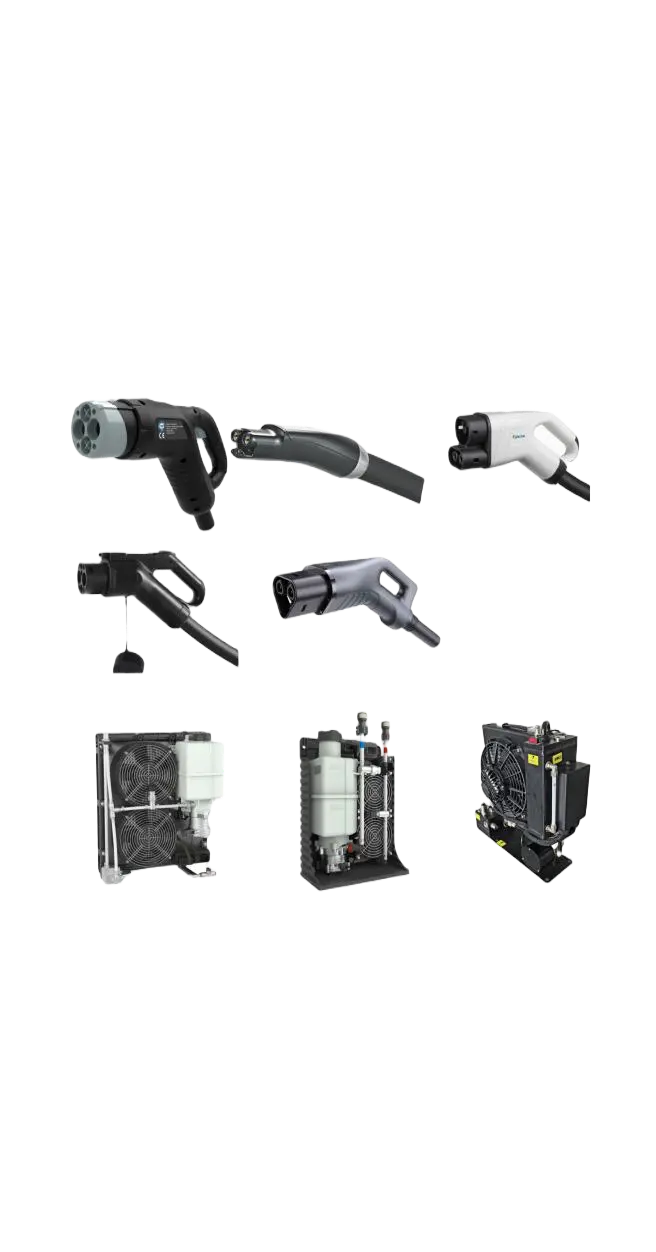
Our comprehensive production footprint integrates the entire EV infrastructure value chain. Mida Cable manufactures top-tier charging cables including 16A–80A J1772, 16A–63A IEC 62196-2 Type 2, and high-performance DC fast charging cables: CCS1 (80A–500A), CCS2 (125A–1000A), CHAdeMO (125A–300A), GBT (200A–1000A), and NACS connectors (250A–600A) optimized for regional networks.
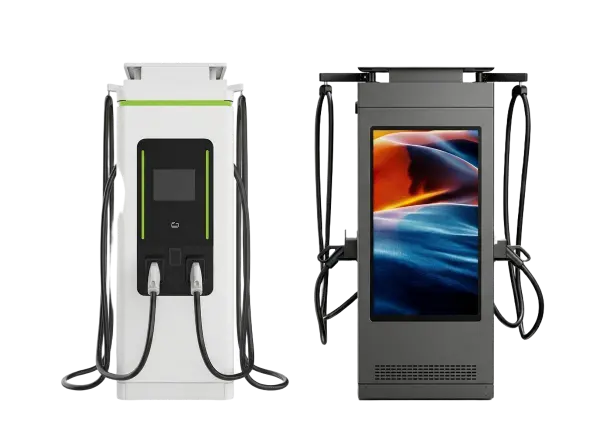
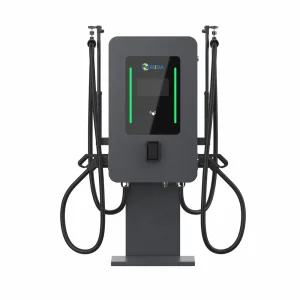
Our dedicated hardware unit, MIDA EV Power, manufactures standard-setting EV charging stations including 7kW–50kW mobile DC units, 20kW–50kW wall-mounted DC fast chargers, 60kW–480kW floor-standing stations, and scalable 360kW–1440kW split-type DC charging hubs designed for fleet charging complexes.
Additionally, MIDA New Energy focuses on critical power conversion electronics, engineering 20kW–60kW power modules, 40kW–125kW liquid-cooled conversion modules, and 30kW–62.5kW bidirectional/V2G (Vehicle-to-Grid) power modules that support microgrid optimization.

Engineered to support global fleet electrification, maritime logistics, and high-performance charging infrastructures.
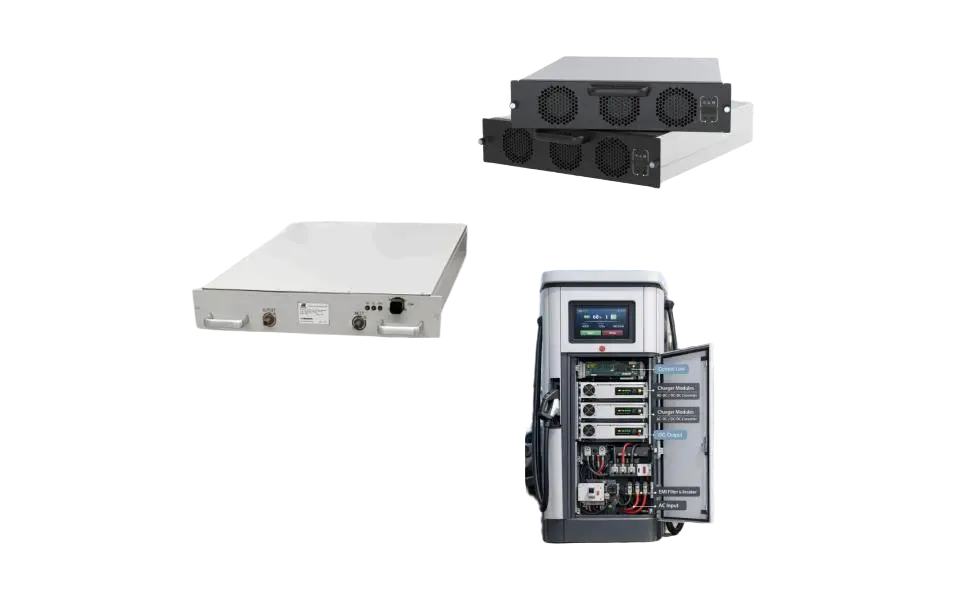
Mida's state-of-the-art Industry 4.0 facility integrates fully automated SMT (Surface Mount Technology) assembly lines for EV power modules. By minimizing human intervention during key component placement, we ensure extreme thermal stability and long-term hardware reliability under harsh grid conditions.
Every single power module and liquid-cooled dispenser undergoes rigorous burn-in testing, automatic electrical safety validation, and simulated climatic chamber runs. This ensures our products handle thermal shock, moisture ingress, and seismic vibrations during transit and installation in Busan.
By manufacturing copper wires, connector pins, power modules, liquid-cooling manifolds, and complete cabinet sheets under a single corporate umbrella, MIDA Group guarantees unmatched cost structures, complete material tracking, and compressed delivery lead times compared to typical OEMs.
Tailored topologies that address the complex operational profiles of heavy transit, public infrastructure, and logistics corridors.
Modern container terminals like Busan New Port require continuous operation. Automated AGVs and heavy-duty drayage trucks operate around the clock. By installing split-type liquid-cooled charging hubs with 600kW–1000kW dispensers, fleets can complete opportunity charges during driver shift changes, maximizing throughput.
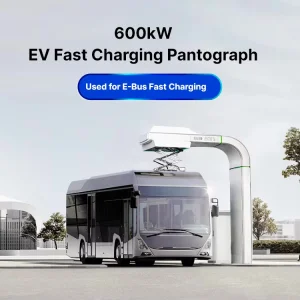
Electrification of Busan’s municipal bus fleet requires heavy-duty depot charging infrastructure. Liquid-cooled pantograph charging systems (both up and down models) rated at 300kW–600kW allow buses to pull up, connect, charge, and return to service in minutes, eliminating long plug-in wait times.
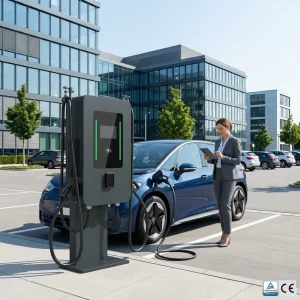
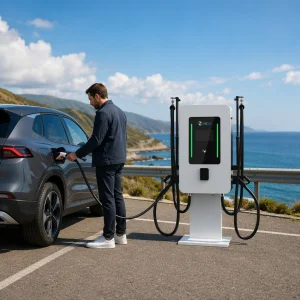
Highway service stations connecting Busan with Seoul and Ulsan require high-throughput DC chargers. Our 240kW–360kW dual-gun floor stations, optimized with dynamic load-sharing software, distribute power intelligently based on vehicle demand, reducing customer wait times and maximizing station ROI.
Technical analyses from our engineering labs concerning the adoption of automatic connection systems (pantographs) for public transit networks.
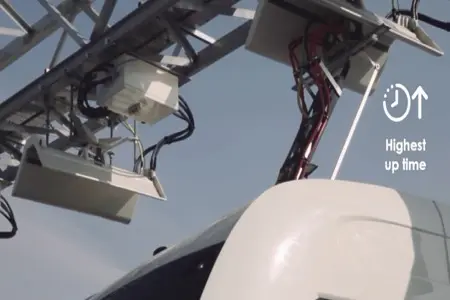
What are the advantages of an e-bus pantograph dome? In contrast to classic plug-in charging systems, e-bus pantograph domes provide hands-free operation, reduce wear and tear on physical connectors, and allow megawatts of power to flow safely without manual intervention.
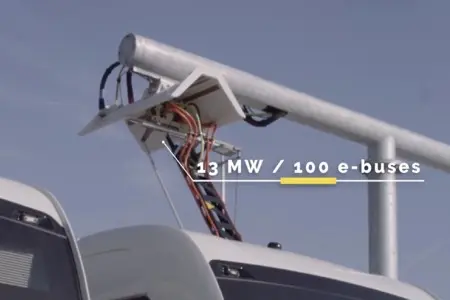
How long does it take to charge with an e-bus pantograph? The charging time depends on the battery capacity and the station configuration. Utilizing our 600kW ultra-fast architectures, typical transit buses can recover 80% state of charge in 10 to 15 minutes.
How to Install the Pantograph Up Charger System Dome for Electric Bus. Installing a “Pantograph Up” system requires precise mechanical alignment, structural support validation, grid capacity coordination, and reliable software integration via OCPP.
Select from our certified global product line to power transit hubs, depot networks, and heavy-duty logistic corridors.
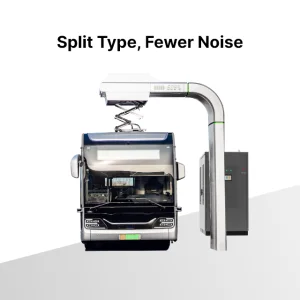
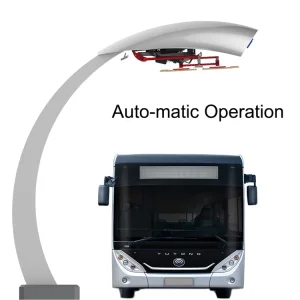
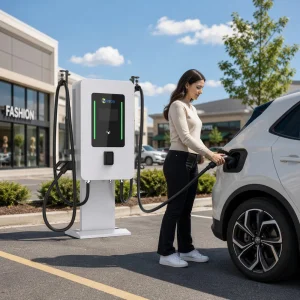
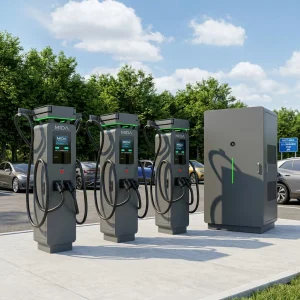
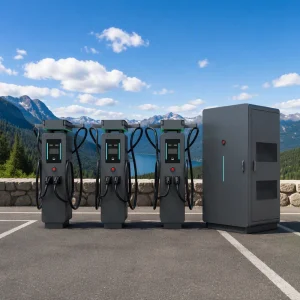
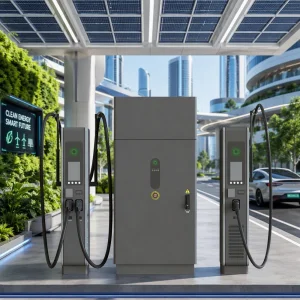
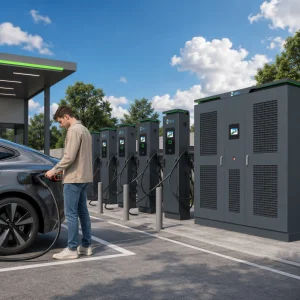
Everything you need to know about purchasing, certifying, and installing industrial DC charger stations for Busan and East Asian markets.
For the South Korean market, the official standard for DC fast charging is CCS Type 1 (CCS1). However, public networks are increasingly catering to diverse requirements, including CHAdeMO for legacy vehicles, and CCS2 / GBT / NACS for specialized imports and closed-loop commercial operations (such as seaport logistics and heavy machinery corridors). Our chargers can be configured with dual-gun systems featuring customized combinations (e.g., CCS1 + CCS2 or CCS1 + NACS) with full OCPP communication protocol compatibility.
For high-power charging (HPC) setups exceeding 360kW, we utilize liquid-cooled technology. Standard air cooling is insufficient to manage heat generated inside cables and connector pins during continuous 500A+ sessions. MIDA Group offers integrated liquid cooling cabinets with coolant mixtures (water/glycol) pumped directly to the cable and connector contacts. This keeps temperatures under safe operating limits, minimizes cable thickness for easier handling, and ensures continuous charging at peak speeds.
Yes. Our DC charging stations natively support OCPP 1.6J and OCPP 2.0.1 protocols, allowing seamless communication with local CPOs (Charging Point Operators) and municipal electricity grids. Features like Dynamic Load Balancing (DLB), Peak Shaving, and Bidirectional (V2G/V2H) functionality are standard. This is critical for locations like Busan's port authority, where charging power must be adjusted in real-time based on warehouse energy demand or peak grid pricing.
Our marine-grade charger enclosures feature IP65 / NEMA 3R protection ratings, double-chambered metal casings, and anti-corrosive powder coatings. Internally, the electronic boards are sealed with thick conformal coatings to protect critical components from salt air, humidity, and fine dust. Additionally, the liquid-cooling loops are closed systems, isolating active circuitry from coastal air exposure.
For standard floor-standing stations (60kW–240kW), our lead time is 4 to 6 weeks. For customized megawatt projects, split-cabinets, or liquid-cooled hubs, production is completed within 8 to 10 weeks. Shipping from our Shanghai hub to Busan is exceptionally fast, typically taking only 2 to 3 days by container vessel, ensuring rapid supply-chain execution.