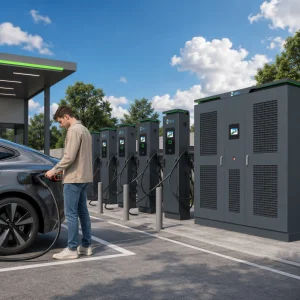
Engineered for high-temperature resilience, dust proofing, and smart load management in modern commercial grids and off-grid facilities.
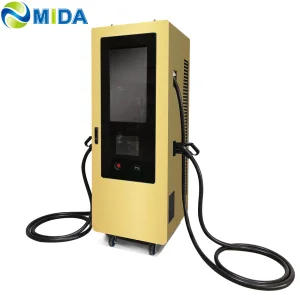
An in-depth whitepaper analysis of localized grid integration, heavy dust mitigation, and high-temperature performance.
South Sudan, primarily driven by urban expansion in Juba and growth within resource extraction sectors, stands at a critical energy crossroads. Traditionally reliant on diesel generation systems, commercial operations and public infrastructure developers are turning toward battery electrification to reduce long-term operational expenditures. The deployment of heavy-duty DC fast chargers is no longer a futuristic concept; it is an active strategy to reduce fuel dependency and minimize carbon output in logistics and transport.
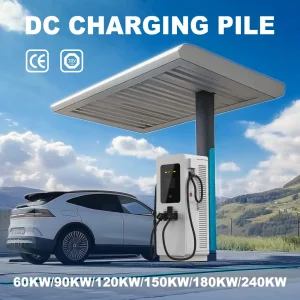
Unlike highly integrated Western grids, South Sudan’s localized power distribution networks require resilient, smart energy ecosystems. Standard charging infrastructure cannot handle voltage fluctuations or the high ambient dust concentrations unique to the region. Consequently, modular, highly protected DC charging piles with wide voltage tolerance are the preferred technology class for industrial applications.
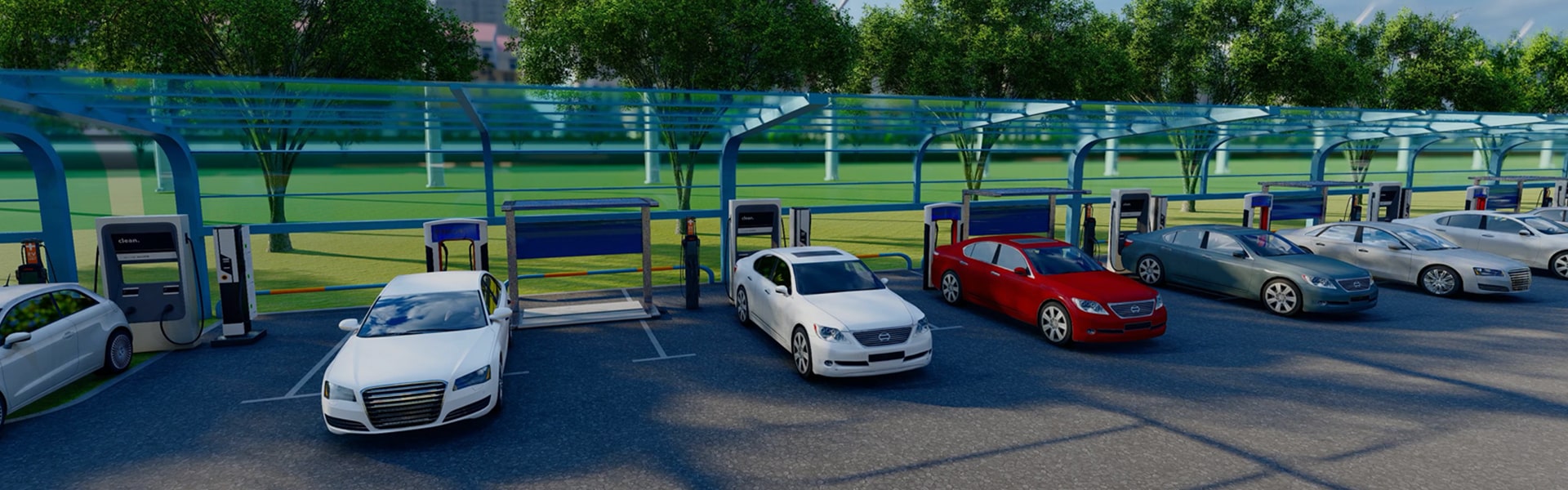
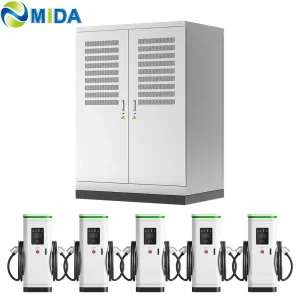
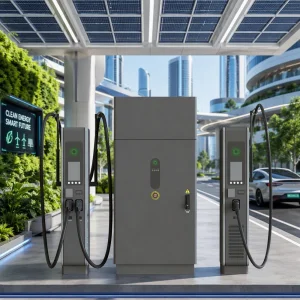
Successful electric vehicle deployment in Juba and neighboring regions relies on hybrid solar grids. By pairing high-capacity split DC chargers with solar arrays and Battery Energy Storage Systems (BESS), operators can bypass local grid bottlenecks, capturing solar energy during the day and discharging up to 1200kW of pure DC fast-charging capacity on demand.
Operating electrical infrastructure in South Sudan involves challenges such as extreme dry-season heat, high dust storms, and periodic heavy rainfall. EV charging equipment must feature:
Explore why global EPC developers and industrial fleets specify our DC Fast Charging systems.
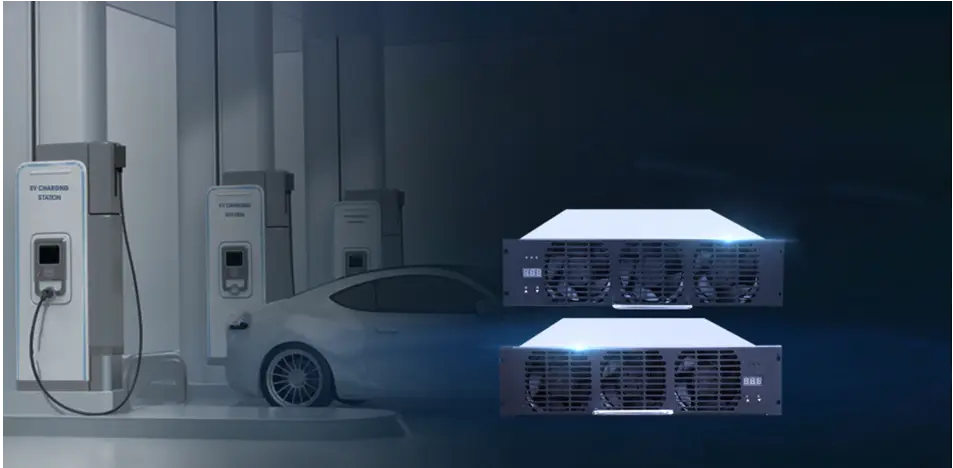
Power conversion modules utilizing wide bandgap SiC semiconductors achieving up to 96.5% efficiency. This reduces heat generation and minimizes cooling costs in high-temperature environments.
Built with hot-swappable 30kW, 40kW, or 60kW power modules. If one module encounters a fault, the system dynamically reroutes power, ensuring continuous operation for critical fleets.
Strictly compliant with CE, TUV, ETL, and RCM standards. Features built-in over-voltage, under-voltage, short-circuit, over-current, and surge protection (Type II SPD).
Explore our complete engineering scope, ranging from commercial AC units to grid-scale liquid-cooled megawatt charging stacks.
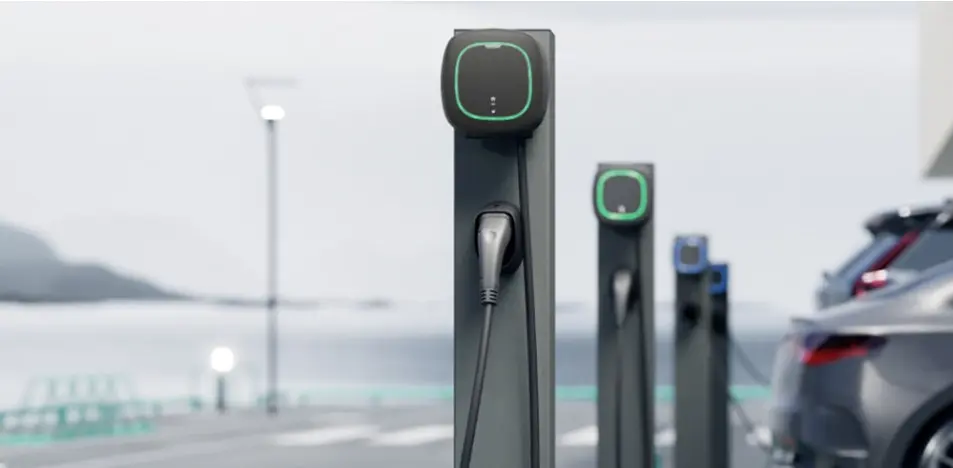
Leading Manufacturer of Advanced EV Cable assemblies, High-Power DC Chargers, and Battery Storage Solutions.
Shanghai Mida Cable Group Ltd. operates through its wholly owned subsidiaries: Shanghai Mida EV Power Co., Ltd., Shenzhen Mida EV Power Co., Ltd., and Shanghai Mida New Energy Co., Ltd. We provide vertically integrated infrastructure components globally.
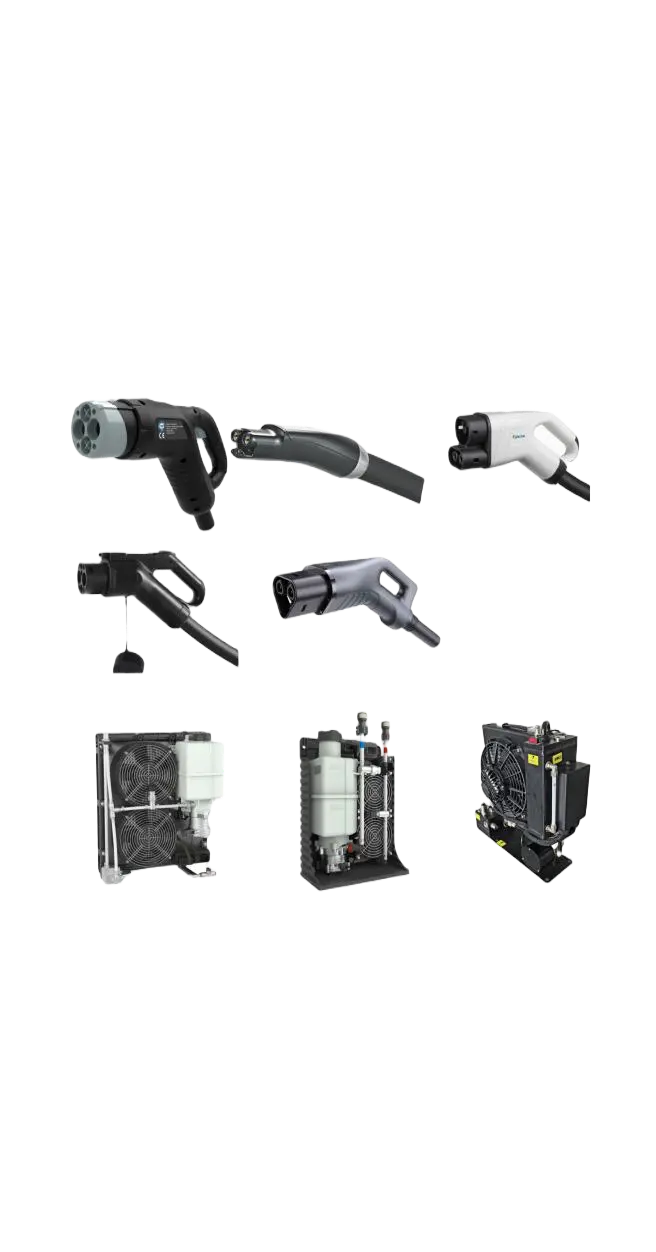
Mida Cable manufactures a comprehensive range of EV charging cables, including 16A–80A J1772 cables, 16A–63A IEC 62196-2 Type 2 cables, and DC fast charging cables: CCS1 (80A–500A), CCS2 (125A–1000A), CHAdeMO (125A–300A), GBT (200A–1000A), and NACS connectors (250A–600A).
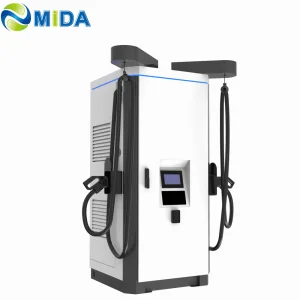
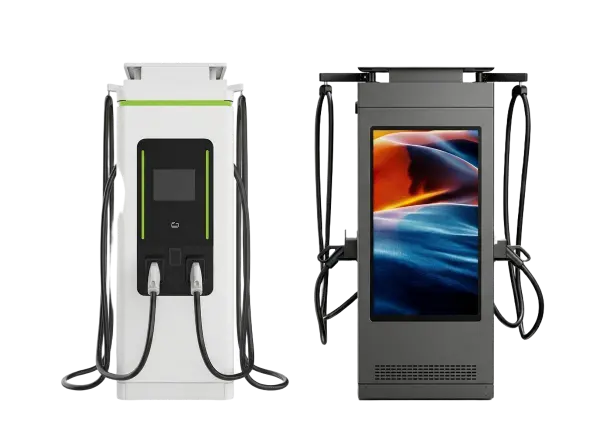
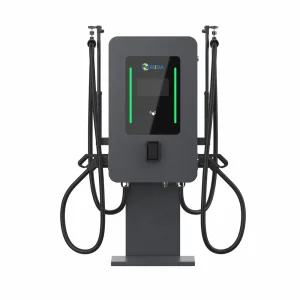
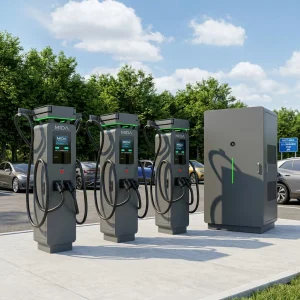
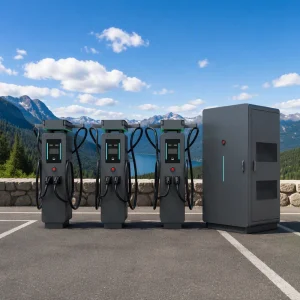
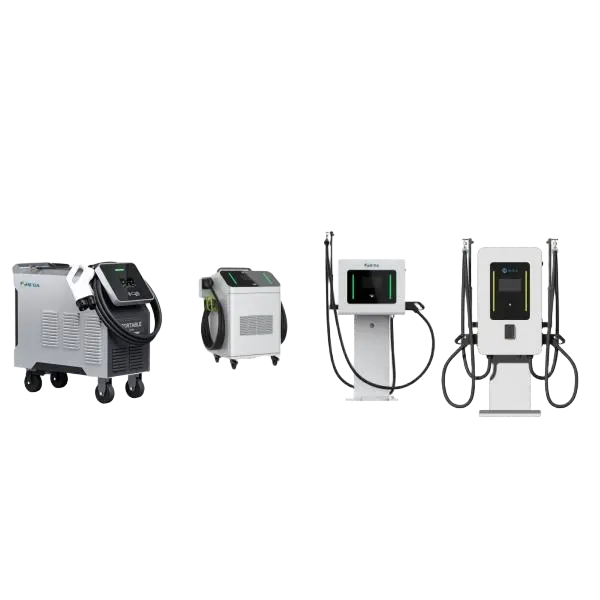
MIDA EV Power produces a full lineup of EV charging stations, such as 7kW–50kW mobile chargers, 3.6kW–7.2kW portable DC chargers, 360kW–1440kW split-type DC fast chargers, 20kW–50kW wall-mounted DC chargers, and 60kW–480kW floor-standing DC fast charging stations.
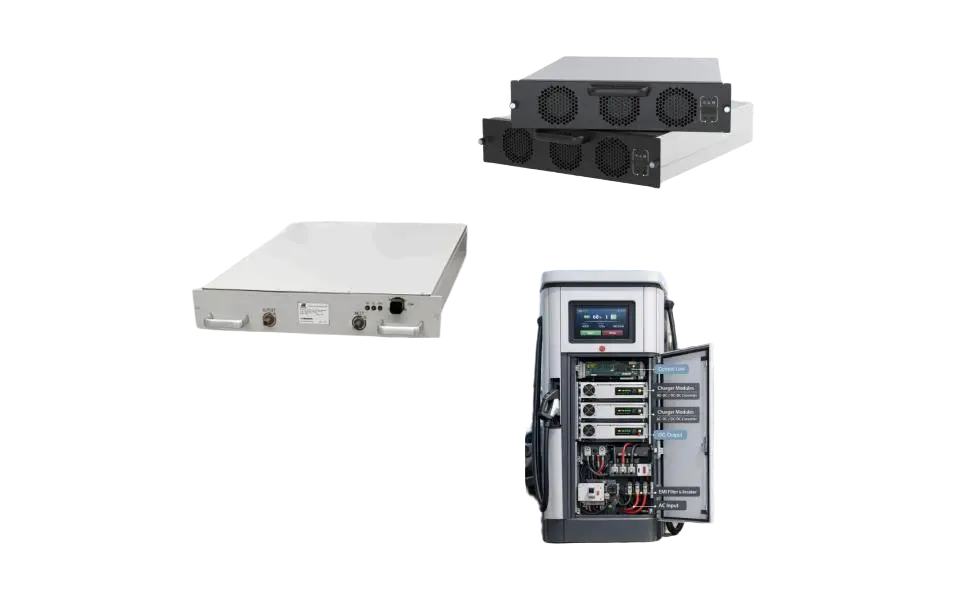
MIDA New Energy specializes in EV charger power modules, offering 20kW–60kW standard modules, 40kW–125kW liquid-cooled modules, 30kW–62.5kW bidirectional modules, and 20kW–45kW V2G charging modules.

Years R&D Experience
Exporting Countries
Installed Charging Capacity
Environmental Protection
Explore our engineering capabilities and structural options tailored for clean transportation infrastructure.
Deploying reliable charging technology through advanced manufacturing systems, strict quality assurance, and global compliance.
Procuring high-capacity infrastructure for regions like South Sudan requires a partner with complete upstream control. MIDA Group coordinates specialized production across modern factories in Shanghai and Shenzhen, manufacturing everything from EV cables and liquid-cooling modules to smart management software.
This vertical integration reduces supply chain bottlenecks. Standard components like rectifiers, copper cables, and protective relays are stocked and processed in-house. As a result, our production leads remain predictable even during global logistics delays, allowing clients to establish deployment timelines in East Africa with confidence.
No single charging platform fits every use case. Our systems are engineered to adapt to diverse applications across South Sudan:
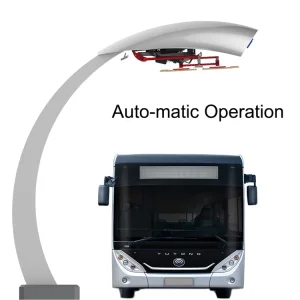
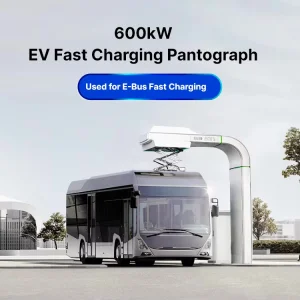
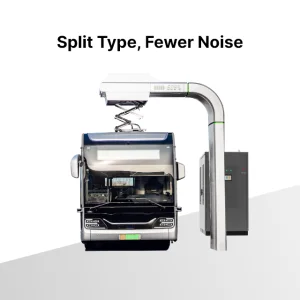
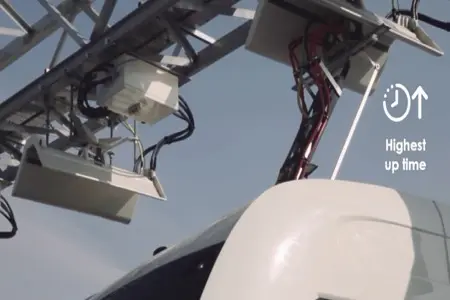
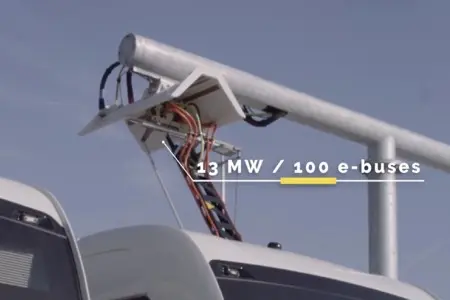
Our complete range of liquid-cooled, wall-mounted, and pantograph-based fast-charging systems engineered for critical infrastructure projects.
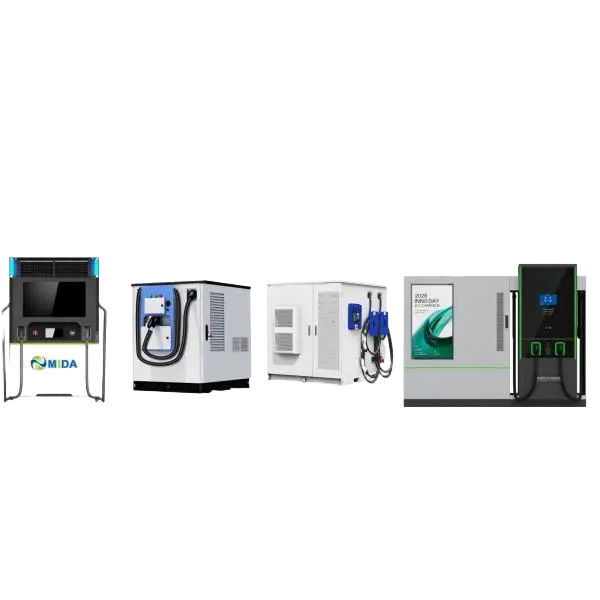
60kWh 261kWh 418kWh 625kWh 2MkWh Battery Storage Integration
To support the deployment of DC fast chargers on weaker grid networks, we integrate high-capacity Battery Energy Storage Systems (BESS). These systems buffer electricity during off-peak hours or capture solar energy, discharging high-current power during heavy vehicle use.
By combining energy storage with fast-charging piles, site operators can reduce peak demand fees and protect their electrical infrastructure from voltage spikes and sudden dropouts.
Stay up to date with the latest developments in transit electrification, pantograph technology, and commercial deployment guides.
Common technical and logistical questions answered by MIDA Group's engineering division.