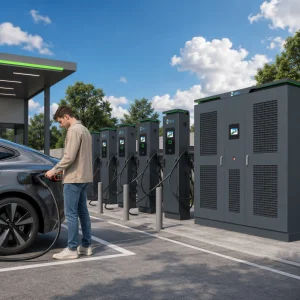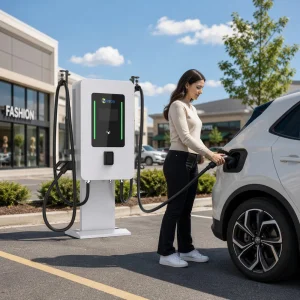
Selected ultra-high-efficiency charging platforms optimized for municipal grids, transport terminals, and commercial parking hubs in Costa Rica.
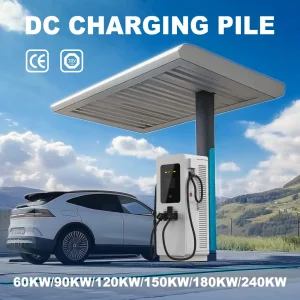
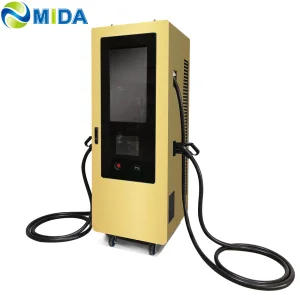
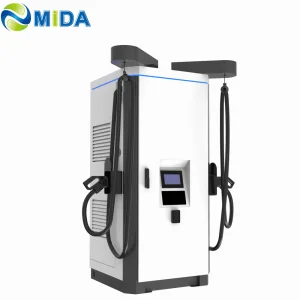
Costa Rica stands as a global beacon for renewable energy, with over 99% of its annual electricity derived from clean sources—primarily hydroelectric, geothermal, wind, and solar. Consequently, the carbon offset factor for electric vehicles (EVs) operated within the country is exceptionally high. In alignment with Costa Rica's National Decarbonization Plan 2018-2050, the electrification of public transit, heavy commercial fleets, and private transportation systems remains a critical economic mandate.
Deploying high-power charging infrastructure in Costa Rica presents unique technical opportunities and localized hurdles. The national utility provider, ICE (Instituto Costarricense de Electricidad), manages a dynamic grid characterized by complex geographical distribution. Industrial fleet operators and charging network concessionaires require DC charger stations that feature smart power allocation, harmonic suppression, and compliance with the stringent local safety standards defined by the *Ministerio de Obras Públicas y Transportes (MOPT)* and the *Autoridad Reguladora de los Servicios Públicos (ARESEP)*.
Whether configuring megawatt-class charging hubs in the urban core of San José or setting up corrosion-resistant corridors along Guanacaste's coastal highways, procurement managers must partner with factories that understand Central American grid tolerances, frequency conditions (60Hz), and local hardware compliance.
Your trusted manufacturing partner for comprehensive EV charging ecosystems across the Americas.
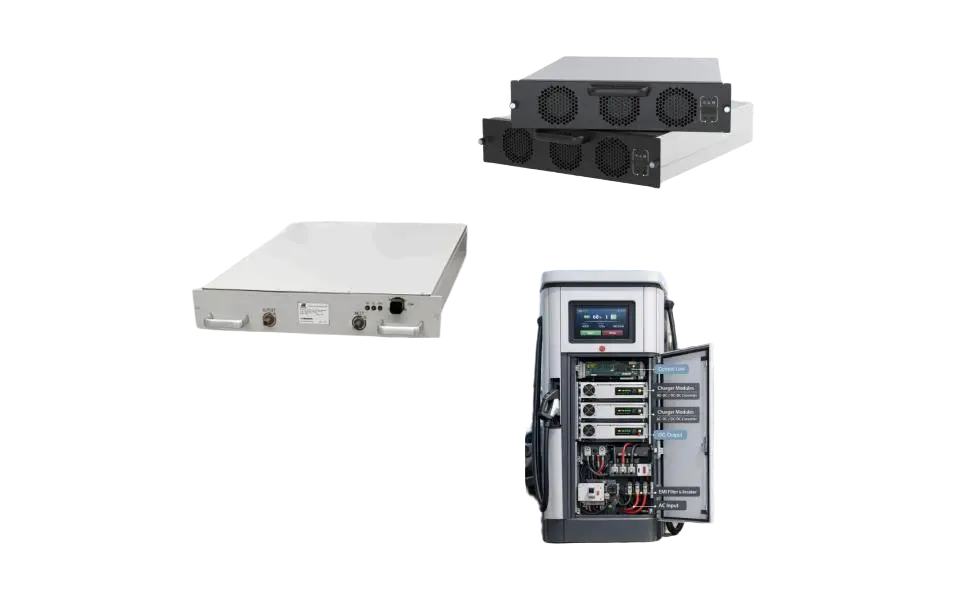
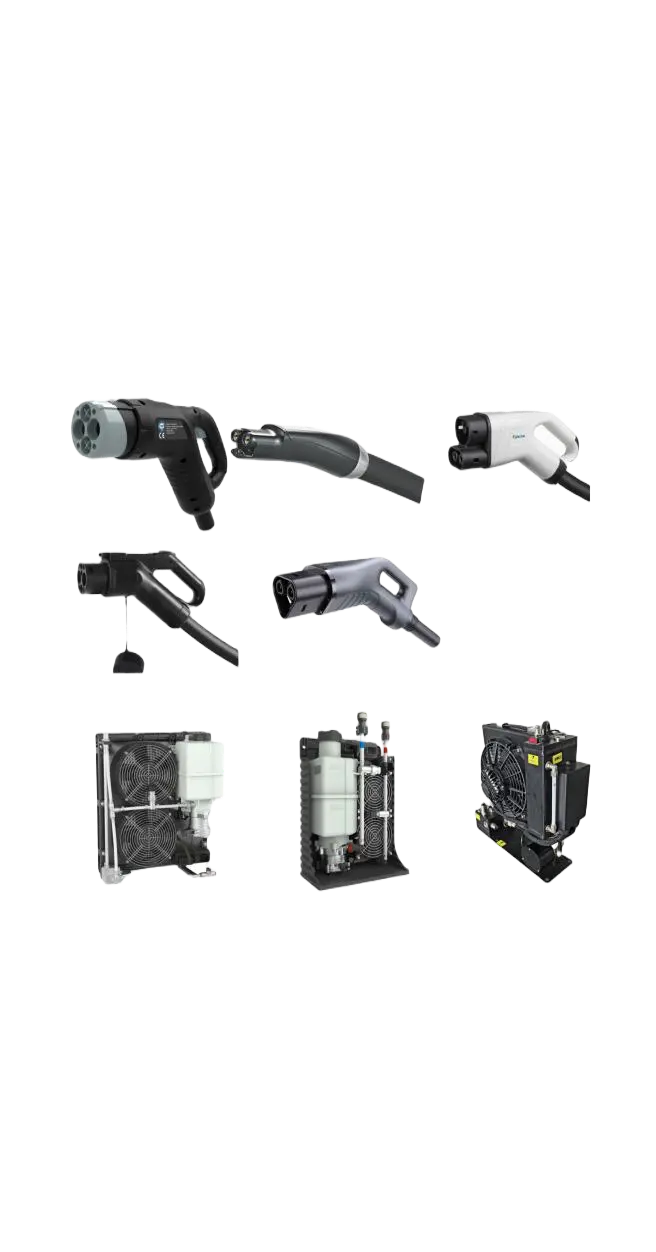
Shanghai Mida Cable Group Ltd. operates through its wholly owned subsidiaries: Shanghai Mida EV Power Co., Ltd., Shenzhen Mida EV Power Co., Ltd., and Shanghai Mida New Energy Co., Ltd. Together, we represent a fully integrated supply chain for EV charging technologies, spanning heavy-duty infrastructure cables, specialized connectors, robust power modules, and complete high-power DC charging stations.
Our engineering ecosystem is structured around three primary manufacturing divisions:
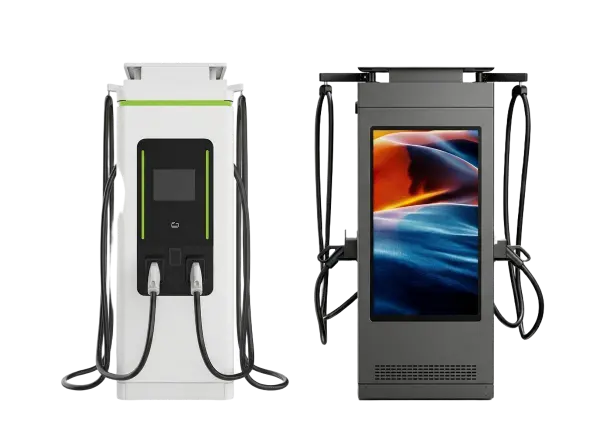
Engineered for depot charging, heavy commercial fleets, and highway fast-charging corridors in Central America.
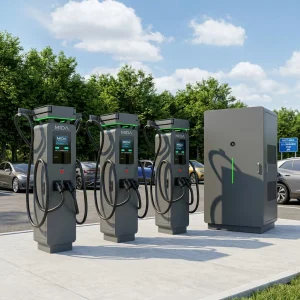
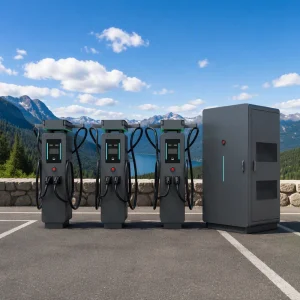
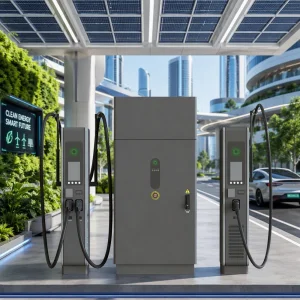
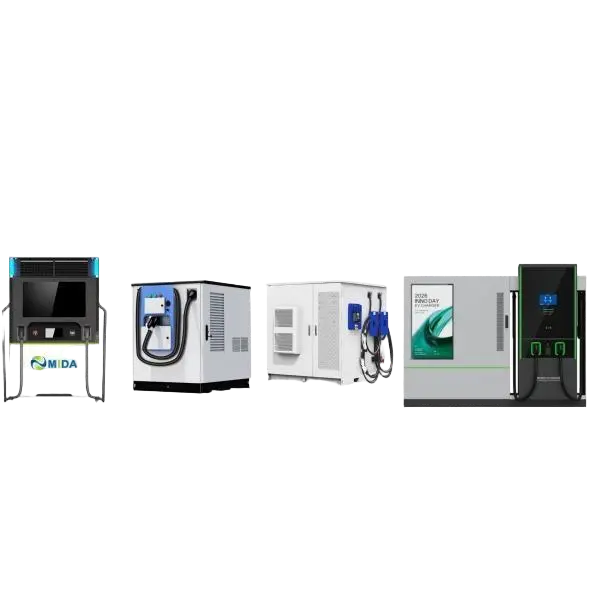
Our comprehensive portfolio ranging from residential smart chargers to utility-scale energy storage charging hubs.
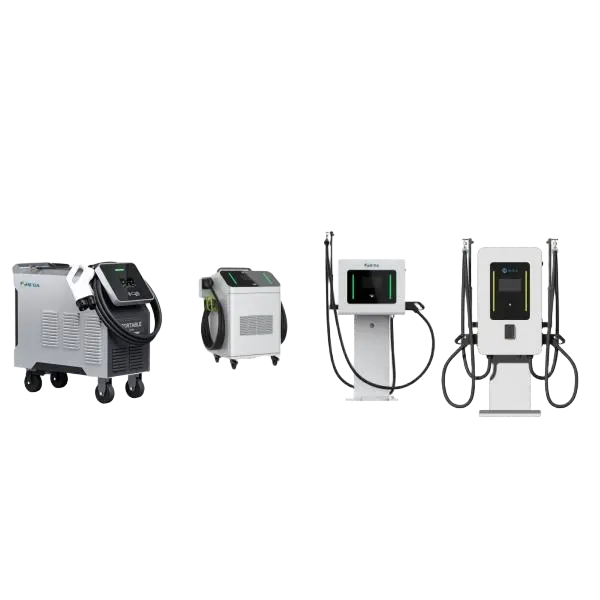
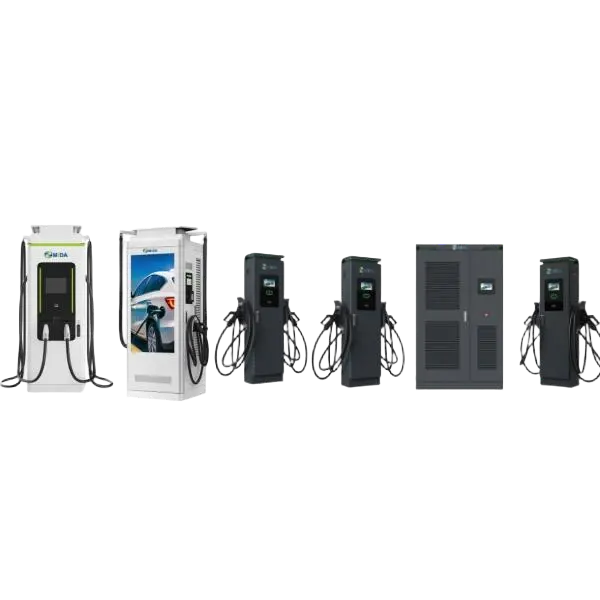
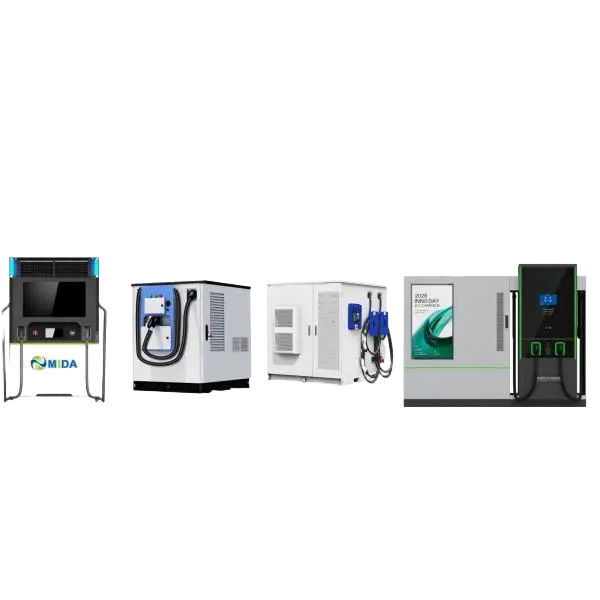
From modular power nodes to ultra-heavy high-power charging (HPC) liquid units.
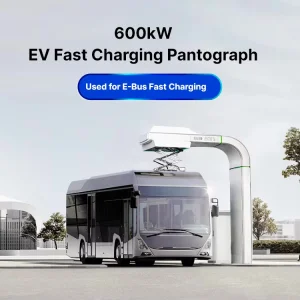
How high-power automated charging systems are revolutionizing modern bus depots in Central America.
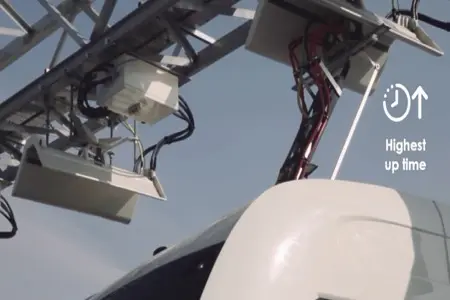
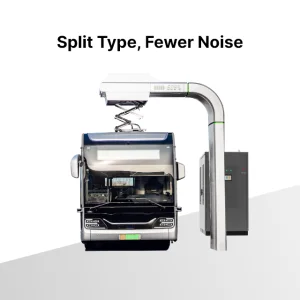
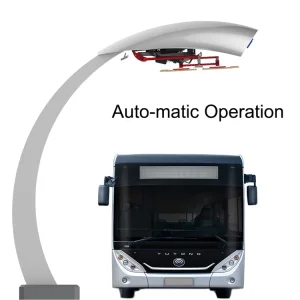
In contrast to classic plug-in charging systems, e-bus pantographs enable completely automated overhead charging, mitigating human contact risks and maximizing depot spatial layouts.
Read More →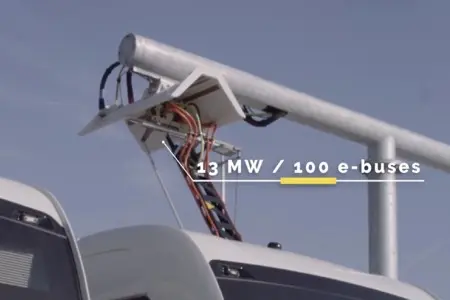
Charging speed is governed by active battery management configurations and grid capacity, but standard high-power overhead operations routinely deliver 150kW to 600kW fast-charging cycles.
Read More →
Installing a "Pantograph Up" dome system requires meticulous coordination between urban utility engineering, concrete foundation anchors, and integrated telematics transceivers.
Read More →Connecting megawatt-class DC charging stations to the ICE network requires strict adherence to power quality parameters. Industrial chargers must limit Total Harmonic Distortion (THD) of current to less than 5% at rated output capacity, preventing interference with regional transmission equipment and ensuring nearby distribution transformers do not overheat.
MIDA's proprietary charging architecture features integrated Active Power Factor Correction (APFC) circuits and specialized active filters, ensuring a constant Power Factor of ≥0.99 under typical operation load curves. Built-in protection suites guard against voltage sags, overcurrents, transient lightning surges, and ground-fault leakage, guaranteeing operational resilience in Costa Rica's high-lightning-strike density areas.
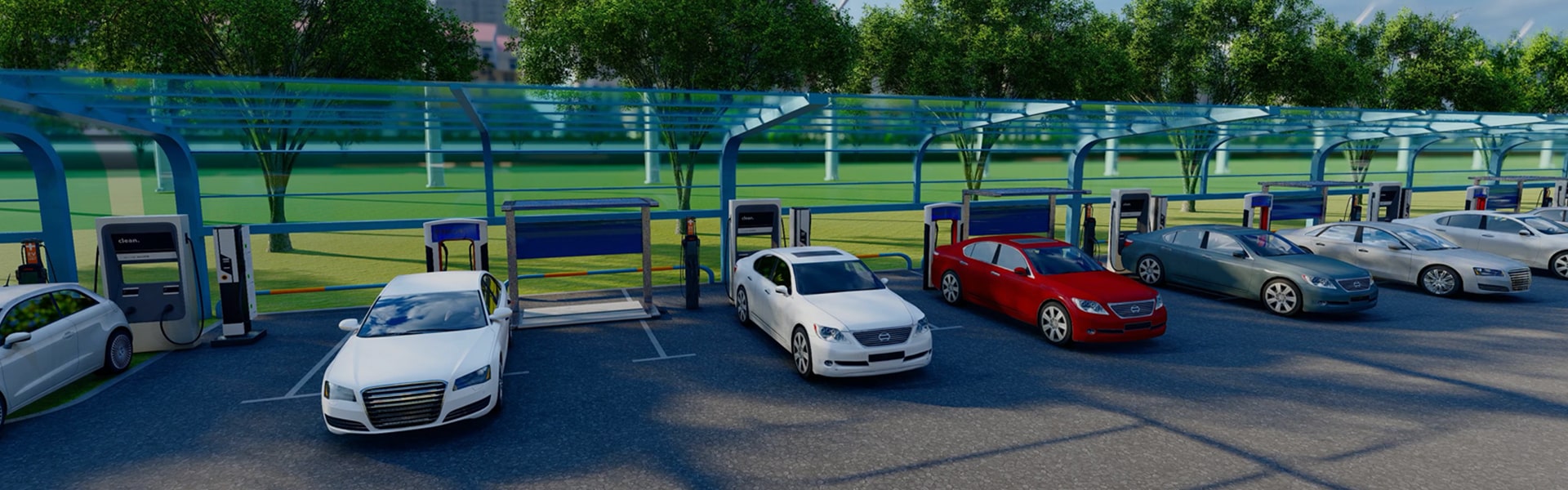
For municipal bus terminals in cities like San José and Cartago, simultaneous high-speed charging of multiple buses can severely stress local electrical grids. Our advanced split-architecture charging systems resolve this through dynamic load-balancing algorithms.
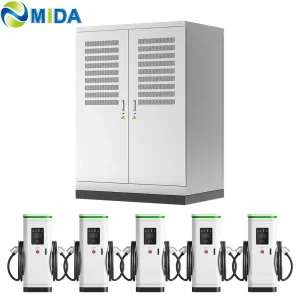
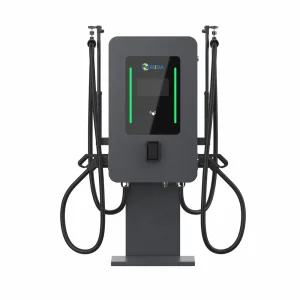
By routing power from a centralized charging stack to dynamic dual-gun dispensers, the system continuously adjusts voltage and amperage levels based on real-time vehicle battery management state-of-charge data. This ensures high-priority transit vehicles are charged rapidly, while standard logistics trucks receive steady, optimized overnight fills without breaching the facility's peak demand limits.
Frequently asked questions by local developers, utility representatives, and fleet procurement managers.
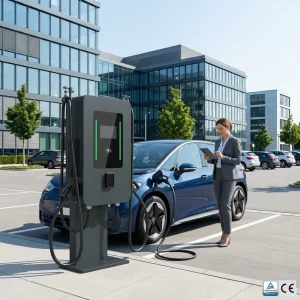
A comprehensive selection of certified Level 3 fast chargers and advanced charging setups.
Get in touch with our engineering team for customized configurations, grid-tie feasibility estimates, dynamic pricing sheets, and compliance verification papers.