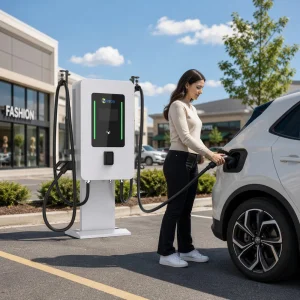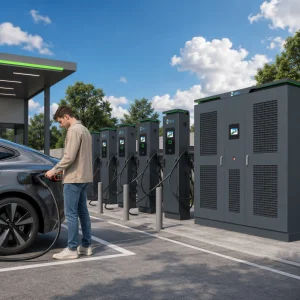
Highly optimized fast-charging architectures designed to meet Brazil's standard CCS2 infrastructure demands, complete with dynamic load-balancing capacities.
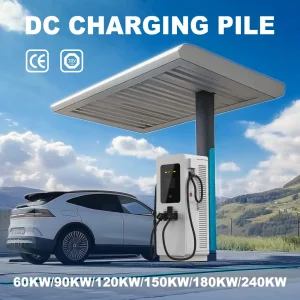
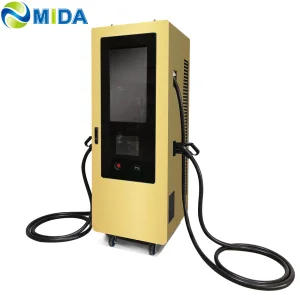
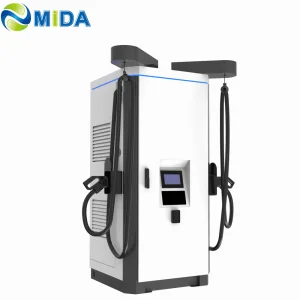
Brazil is experiencing an unprecedented surge in electric vehicle adoption, spearheaded by municipal fleet mandates, commercial logistics conversions, and high-density highway corridors. According to statistics from the Brazilian Electric Vehicle Association (ABVE), electrified vehicle sales have repeatedly shattered year-over-year records, creating an urgent demand for dependable, high-power DC fast-charging systems.
Unlike established regions like North America or Europe, Brazil's EV charging landscape possesses unique operational parameters. Local power generation is remarkably clean, fueled predominantly by hydroelectricity, solar, and wind. Aligning this clean energy mix with high-load fast charging requires localized grid compatibility, smart load management, and heavy-duty, climate-resistant hardware. The primary challenges in Brazil lie in optimizing voltage regulation over broad geographic regions, managing peak demand stress on metropolitan grids, and ensuring continuous operation in tropical high-humidity environments.
Key transportation arteries linking São Paulo, Rio de Janeiro, Curitiba, and Belo Horizonte are rapidly transforming into electrified cargo corridors, calling for scalable multi-gun DC systems from 150kW up to 360kW.
Imports and installations must comply with strict national regulations, highlighting the necessity of partnering with manufacturers who design specifically for local electrical grids and Inmetro standards.
Providing industrial grade solutions built to withstand extreme environmental parameters and high-frequency usage across commercial hubs.
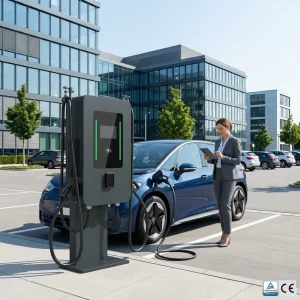
Major logistics networks in São Paulo and southern states require overnight fast charging solutions. Our 120kW to 240kW dual-gun stations optimize fleet downtime, supporting continuous shipping operation.
Connecting extensive municipal spaces requires ultra-high capacity hubs. The 360kW to 1080kW split-type charging stacks provide continuous highway corridor charging for passenger and light commercial vehicles.
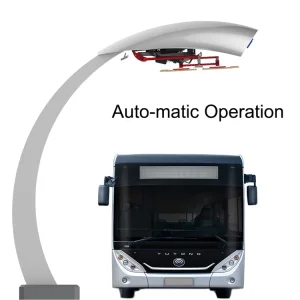
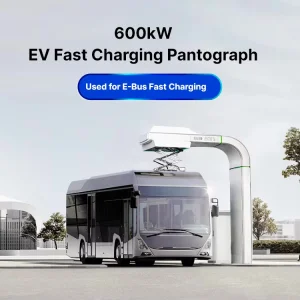
Metropolitan areas like São Paulo have strict public transport electrification directives. Our 300kW to 600kW automated pantograph systems and split-type DC bus chargers supply fast charging at end stations and depot yards.
Designed to bridge standard compatibility gaps, grid stability demands, and tropical climate performance requirements.
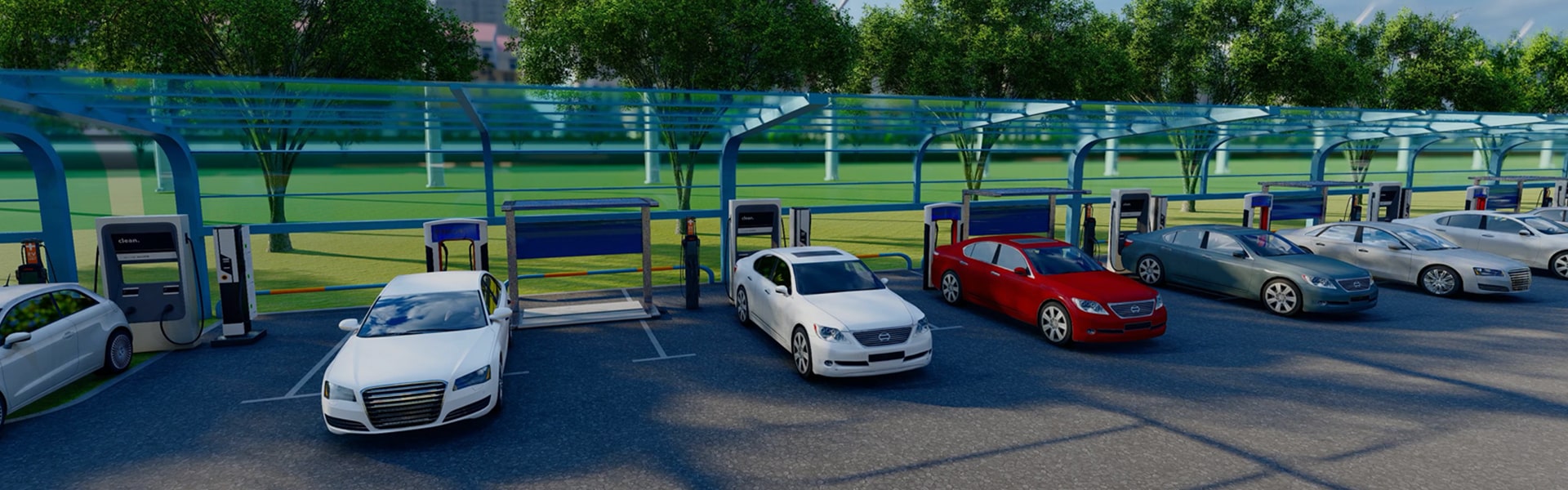
A premier global manufacturing leader in integrated EV infrastructure solutions, serving commercial networks across Brazil and South America.
Shanghai Mida Cable Group Ltd. operates through its wholly owned subsidiaries: Shanghai Mida EV Power Co., Ltd., Shenzhen Mida EV Power Co., Ltd., and Shanghai Mida New Energy Co., Ltd.
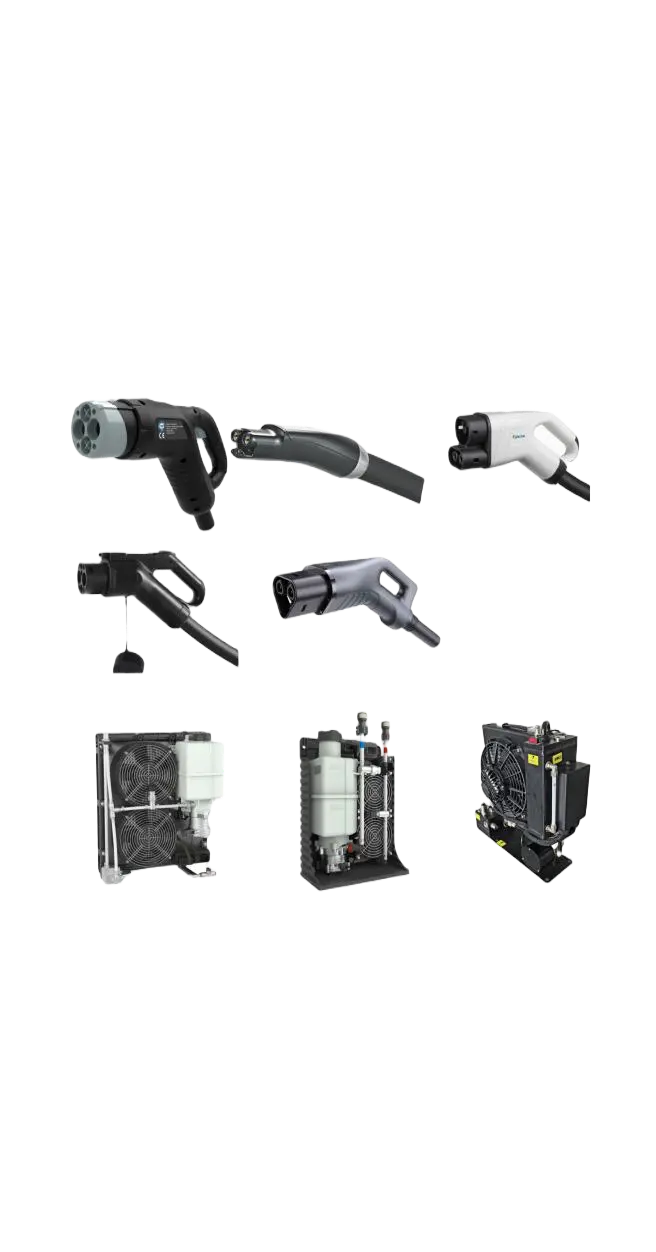
Mida Cable manufactures a comprehensive range of EV charging cables, including 16A–80A J1772 cables, 16A–63A IEC 62196-2 Type 2 cables, and DC fast charging cables: CCS1 (80A–500A), CCS2 (125A–1000A), CHAdeMO (125A–300A), GBT (200A–1000A), and NACS connectors (250A–600A).
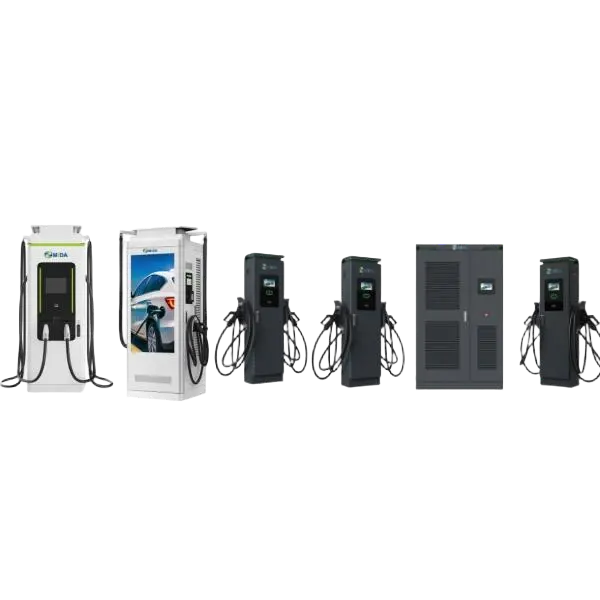
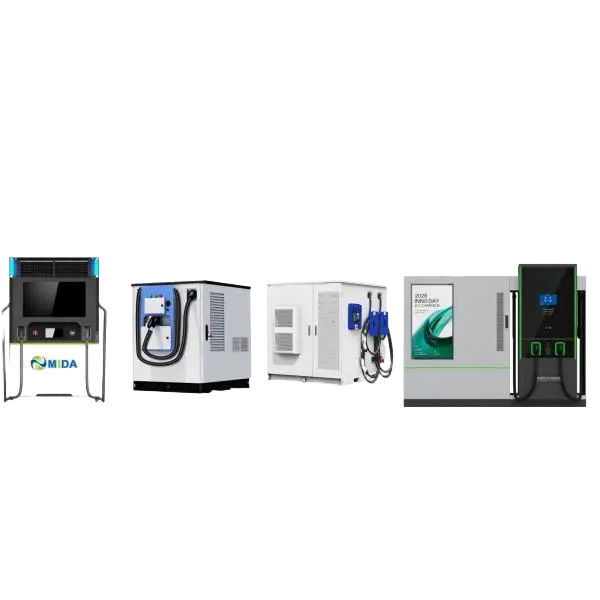
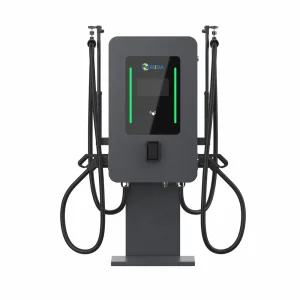
MIDA EV Power produces a full lineup of EV charging stations, such as 7kW–50kW mobile chargers, 3.6kW–7.2kW portable DC chargers, 360kW–1440kW split-type DC fast chargers, 20kW–50kW wall-mounted DC chargers, and 60kW–480kW floor-standing DC fast charging stations.
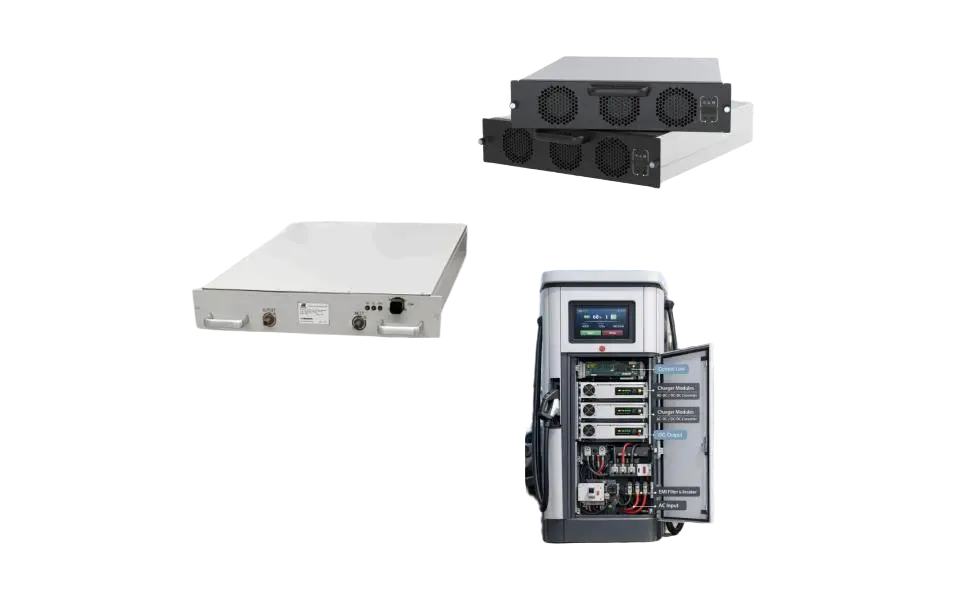
MIDA New Energy specializes in EV charger power modules, offering 20kW–60kW standard modules, 40kW–125kW liquid-cooled modules, 30kW–62.5kW bidirectional modules, and 20kW–45kW V2G charging modules.

Discover our comprehensive range of high-power components and integrated charging systems built to satisfy diverse local configurations.
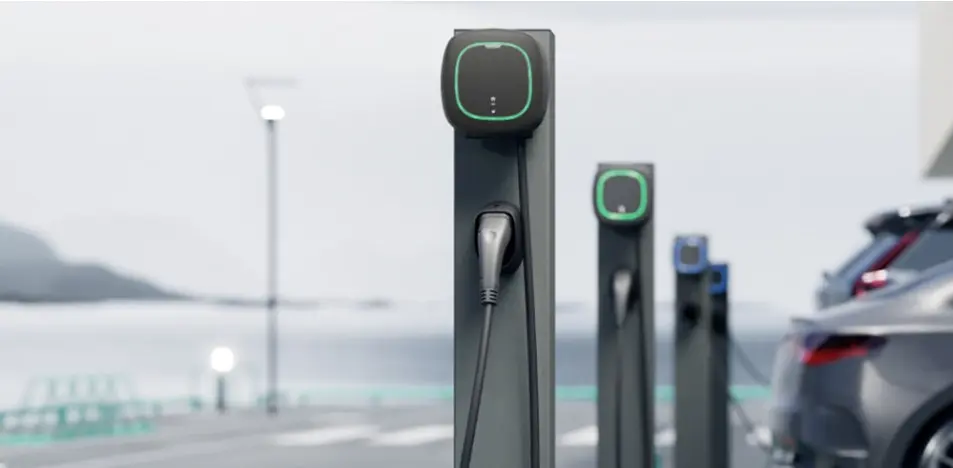
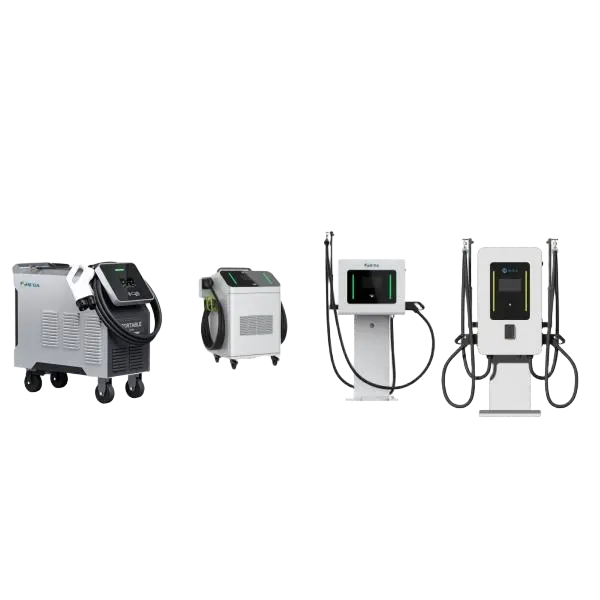
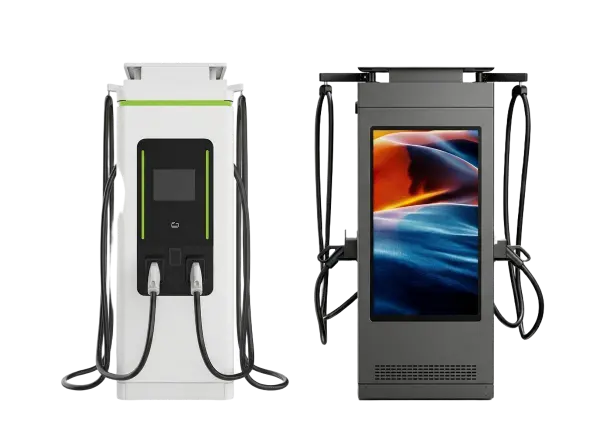
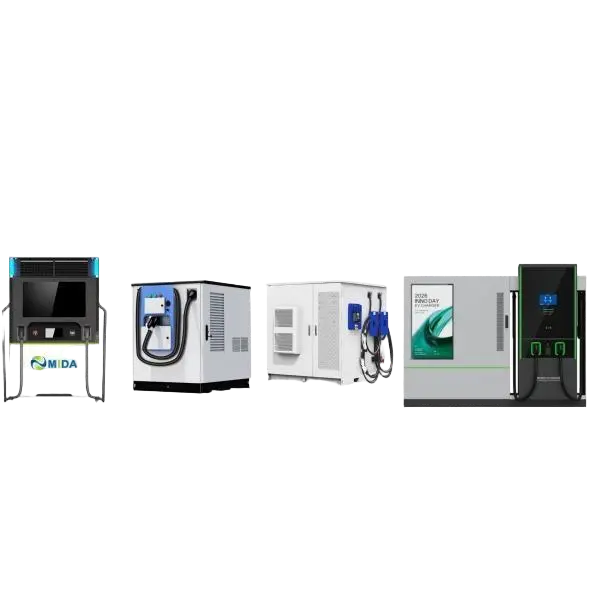
Why sourcing from MIDA Group ensures absolute supply chain resilience, advanced product engineering, and optimized TCO for Brazilian buyers.
Unlike typical assemblers, MIDA manufactures the power modules, liquid-cooled charging cables, and complex connectors in-house. This complete vertical stack ensures optimized quality control, lower production costs, and streamlined long-term parts compatibility.
With state-of-the-art production facilities in Shanghai and Shenzhen, we handle multi-megawatt cargo projects without delays. Our robust shipping pathways connect directly with key Brazilian ports (Santos, Paranaguá, Rio de Janeiro).
Every fleet in Brazil has distinct operating criteria. Our R&D team works closely with local engineering partners to modify voltage tolerances, implement specialized billing integrations, and construct tailored enclosure markings.
Engineered to support heavy commercial vehicles, high-speed public corridor systems, and regional transport networks in Brazil.
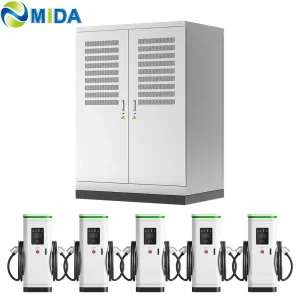
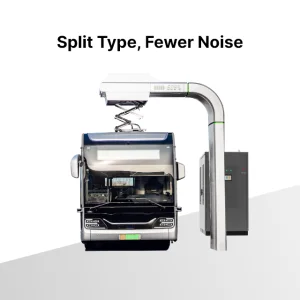
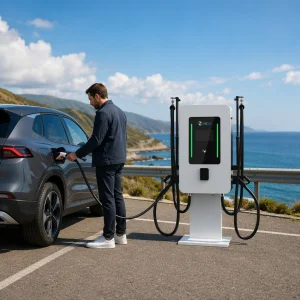
Designed for long-run charging networks, depot solutions, and logistics operators demanding quick turnaround speeds.
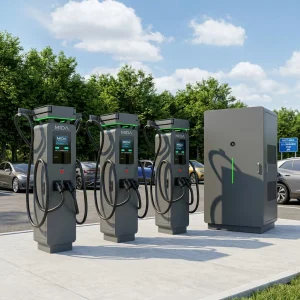
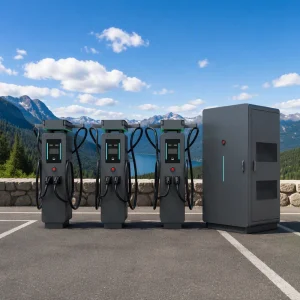
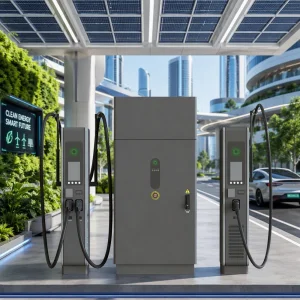
Stay updated with the latest in transit electrification, heavy duty pantographs, and fast-charging grid developments.
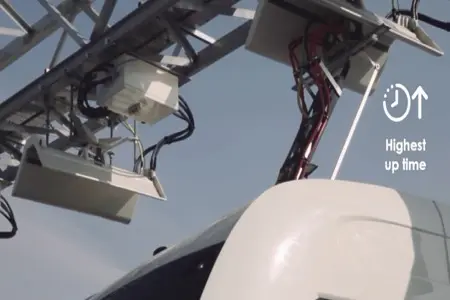
What are the advantages of an e-bus pantograph dome? In contrast to classic plug-in charging systems, e-bus pantograph systems allow for high-power, automated and contactless energy transfer, significantly reducing operational downtime in heavy public transit grids.
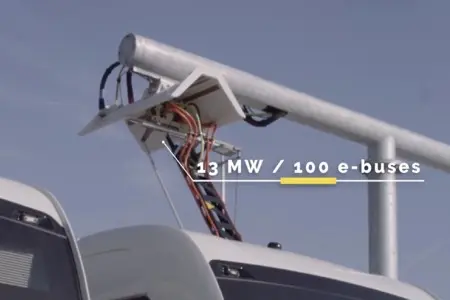
How long does it take to charge with an e-bus pantograph? The charging time depends heavily on the battery capacity and the operating voltage of the network. High-power systems operating at 600kW can charge standard bus batteries up to 80% capacity in under 10 minutes.
How to Install the Pantograph Up Charger System Dome for Electric Bus: Installing a "Pantograph Up" system dome requires precise alignment, robust concrete footings, grid interface calculations, and reliable communication integrations with transit management platforms.
Answers to key operational, technical, and regulatory concerns regarding deploying DC charging stations in Brazil.
Partner with MIDA Group for Inmetro-compliant, high-efficiency charging systems. Get in touch with our engineering team today to receive detailed technical specifications, structural drawings, and factory pricing.
Send Inquiry Now