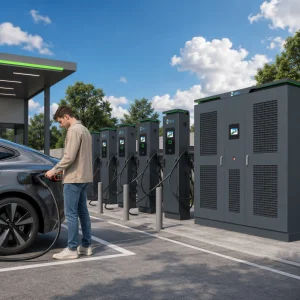
As the political and commercial capital of Saint Lucia, Castries is undergoing an unprecedented energy transformation. Dominated historically by fossil-fueled public transit and commercial fleets, the city is rapidly aligning with the nation’s National Determined Contributions (NDCs) target to achieve a transition to electric mobility. The decarbonization of the Castries transport sector is not merely an environmental goal; it is a critical macroeconomic necessity to insulate the island economy from volatile imported petroleum prices.
However, importing standard charging infrastructure into the Caribbean basin without considering localized environmental and grid realities leads to premature equipment failure. The tropical marine climate of Castries—characterized by high humidity, ambient temperatures constantly exceeding 30°C, and heavy salt-spray mist from the harbor—requires DC Fast Charging stations with specialized corrosion-resistant properties (such as C5-M marine-grade painting coatings and IP55/IP66 enclosure metrics). Furthermore, local power grids managed by Saint Lucia Electricity Services Limited (LUCELEC) necessitate intelligent power management, dynamic load balancing, and integrated energy storage (BESS) systems to mitigate peak-demand stress and avoid voltage sag on regional distribution feeders.
Globally, the Electric Vehicle Supply Equipment (EVSE) market has progressed from simple AC destination chargers to ultra-high-power DC charging networks. Standard charging modules are evolving from 20kW to 40kW, 60kW, and even 125kW liquid-cooled varieties. This increase in power density facilitates the deployability of 600kW to 1000kW supercharger stacks, minimizing vehicle dwell times at key logistic junctions.
Another major structural trend is the integration of Bidirectional Power Modules (V2G) and Battery Energy Storage Systems (BESS). In islands and microgrids, EV fleets act as virtual power plants (VPPs). During high-generation solar periods, charging hubs absorb excess energy. During peak evening load times, V2G-enabled fleets feed power back into the grid, stabilizing local distribution networks. MIDA EV Power is at the forefront of this technology, manufacturing V2G modules ranging from 20kW to 45kW and bi-directional AC-DC modules to support sustainable island grids.
Shanghai Mida Cable Group Ltd. operates through its wholly owned subsidiaries: Shanghai Mida EV Power Co., Ltd., Shenzhen Mida EV Power Co., Ltd., and Shanghai Mida New Energy Co., Ltd.
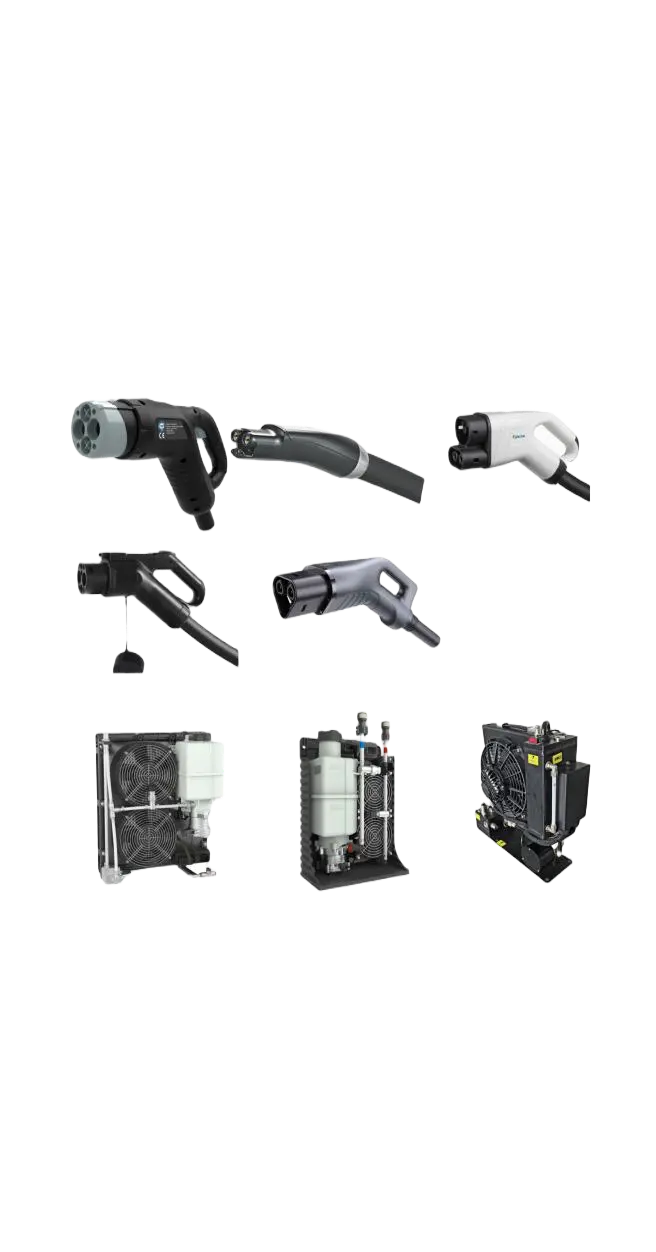
Mida Cable manufactures a comprehensive range of EV charging cables, including 16A–80A J1772 cables, 16A–63A IEC 62196-2 Type 2 cables, and DC fast charging cables: CCS1 (80A–500A), CCS2 (125A–1000A), CHAdeMO (125A–300A), GBT (200A–1000A), and NACS connectors (250A–600A).
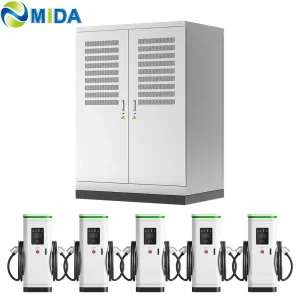
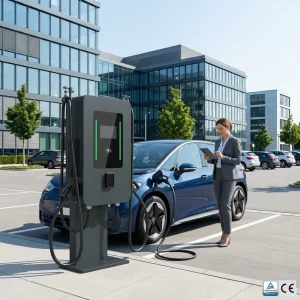
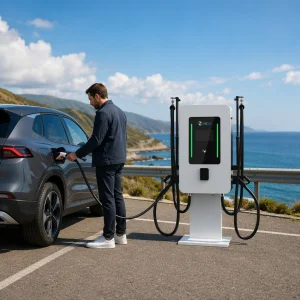
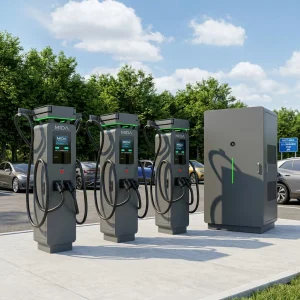
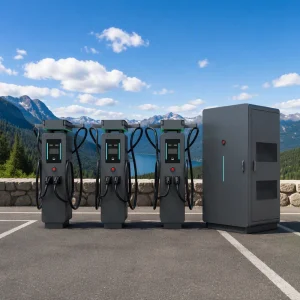
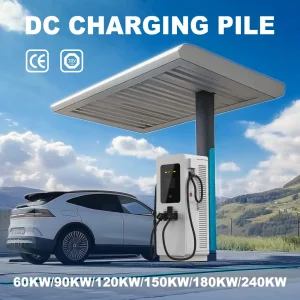
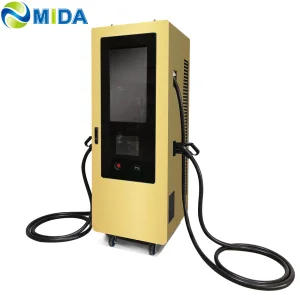
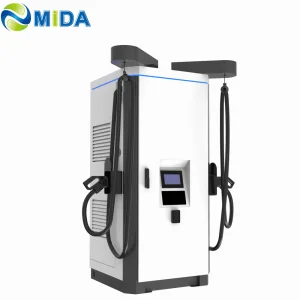
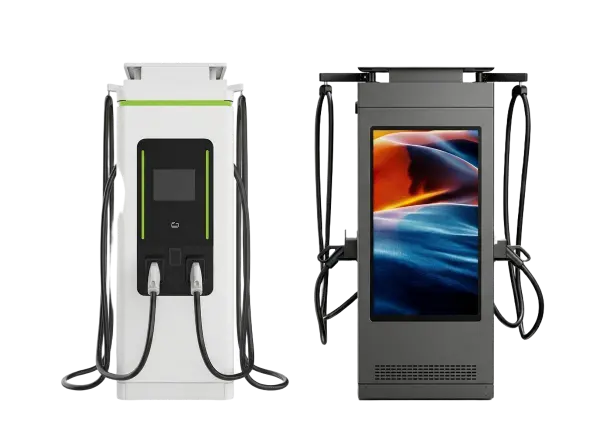
MIDA EV Power produces a full lineup of EV charging stations, such as 7kW–50kW mobile chargers, 3.6kW–7.2kW portable DC chargers, 360kW–1440kW split-type DC fast chargers, 20kW–50kW wall-mounted DC chargers, and 60kW–480kW floor-standing DC fast charging stations.
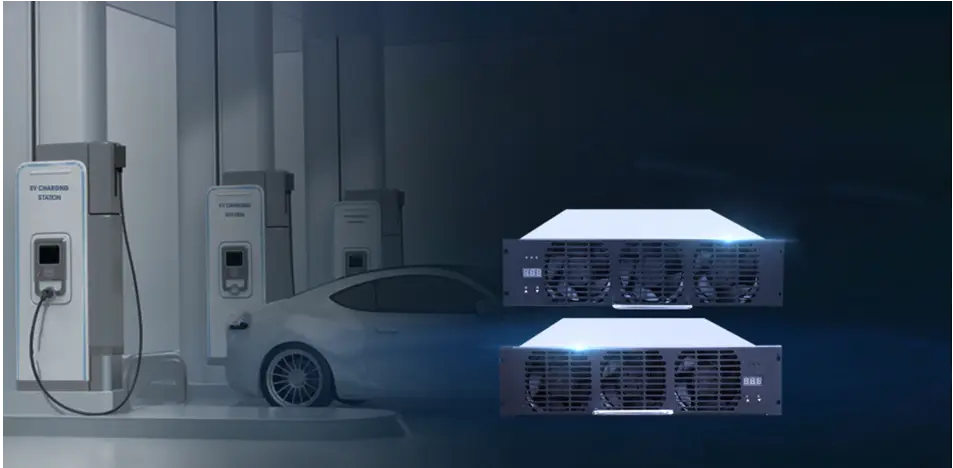
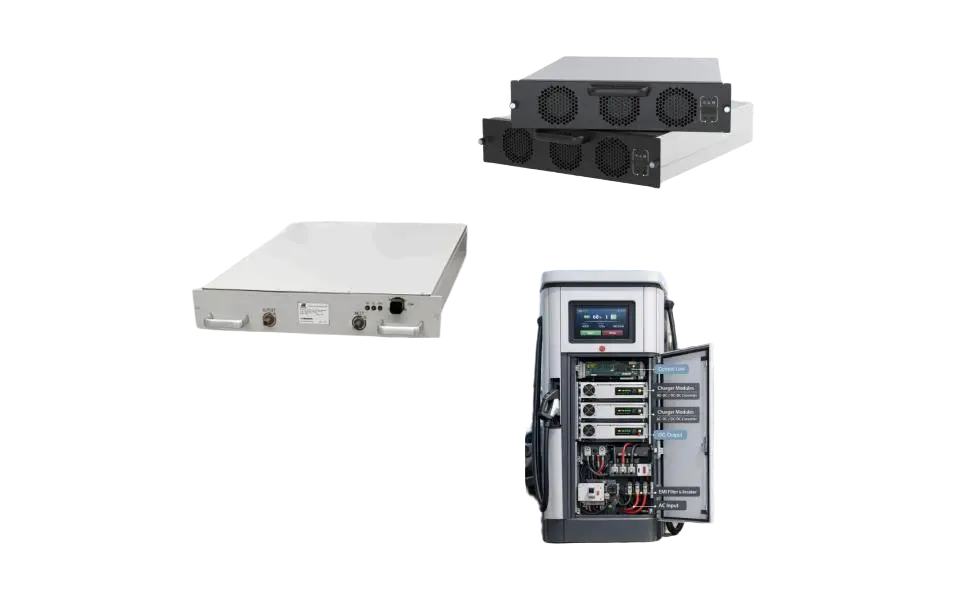
MIDA New Energy specializes in EV charger power modules, offering 20kW–60kW standard modules, 40kW–125kW liquid-cooled modules, 30kW–62.5kW bidirectional modules, and 20kW–45kW V2G charging modules.

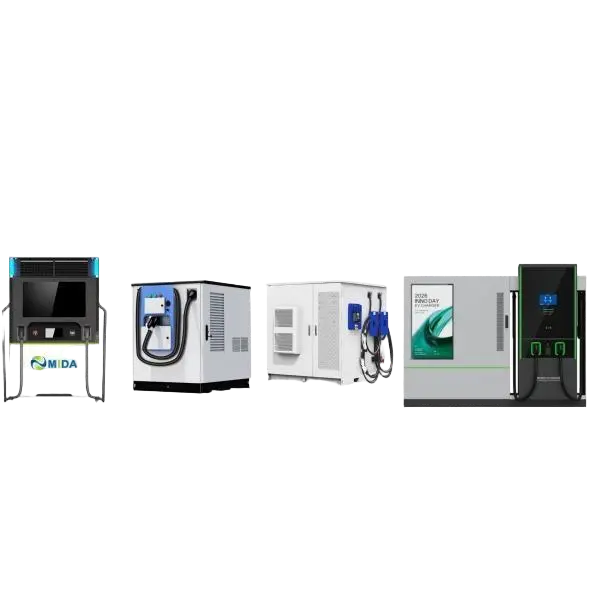
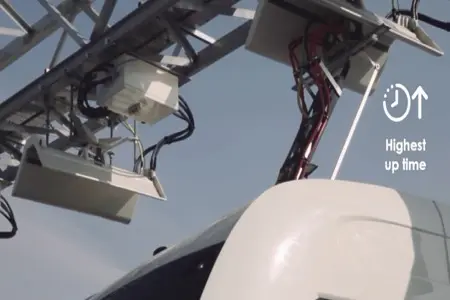
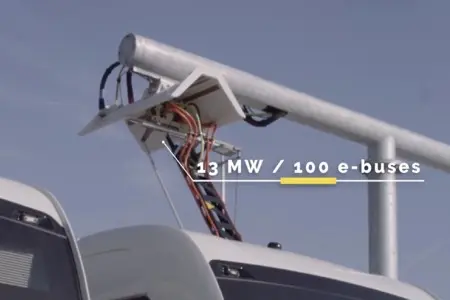
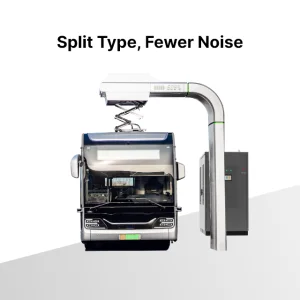
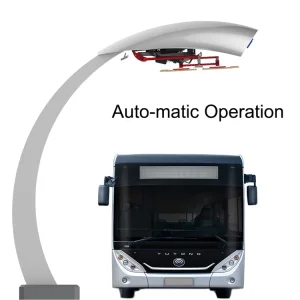
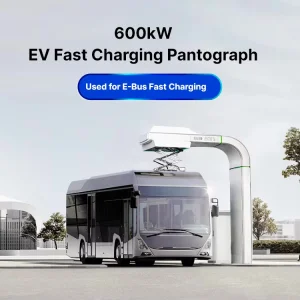
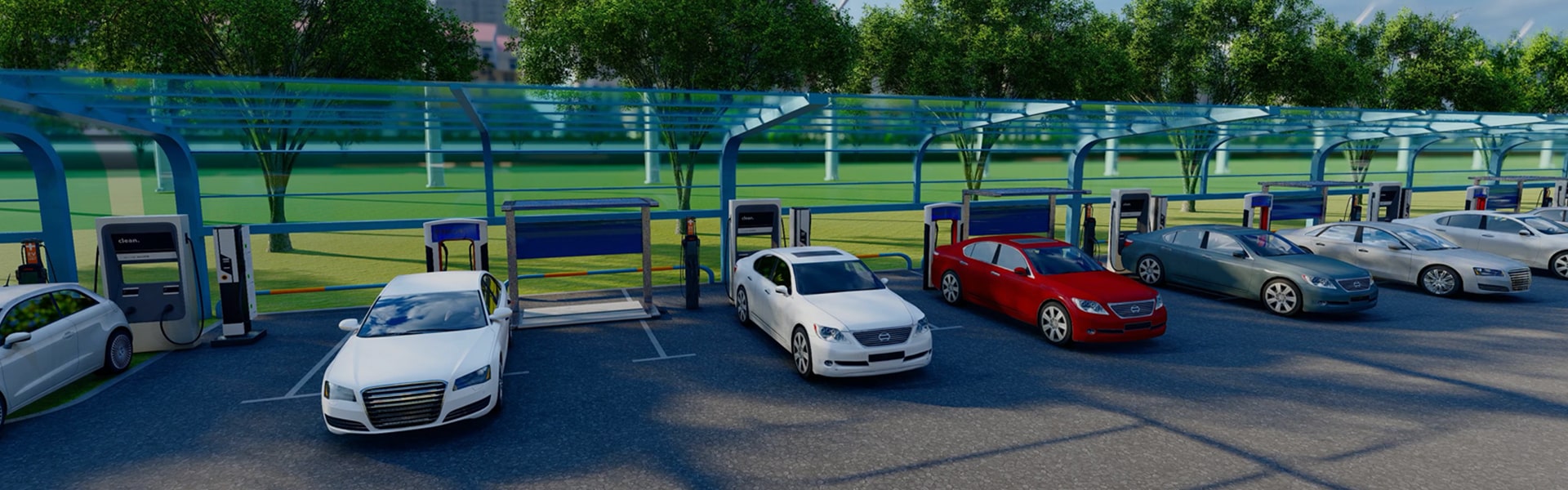
The Castries seaport handles significant regional shipping, cargo distribution, and cruise line arrivals. The surrounding logistical corridors support high-intensity heavy-duty drayage vehicle runs. Electrifying these transport corridors demands Megawatt Charging Systems (MCS) or ultra-fast, liquid-cooled charging split-architectures. By deploying split-cabinet DC piles (such as the 600kW–800kW configurations), multiple dispensers can share power dynamically, ensuring that shuttle buses and harbor transport vans charge to 80% capacity in under 20 minutes, reducing vehicle downtime.
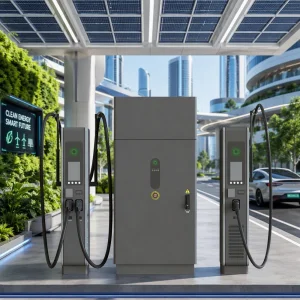
Saint Lucia’s tourism infrastructure centers around routes linking Castries, Rodney Bay, and Cap Estate. Providing charging facilities at hotels and resorts requires aesthetically integrated, high-reliability charging infrastructure. The 60kW to 80kW customized NACS/CCS1 wall-mounted chargers are optimized for hotel parking lots, enabling rapid charging for rental EVs and private shuttle fleets while preserving valuable resort footprint.
For locations on the Saint Lucian microgrid where drawing 300kW directly from LUCELEC’s primary line could overload local distribution transformers, battery-buffered DC fast chargers offer a stable solution. Energy storage charging stations charge their local battery reserves during off-peak hours and discharge at rates up to 480kW during high-demand EV connections. This mitigates grid demand fees, avoids peak-pricing structures, and ensures continuous charging operations during localized grid outages.
To achieve peak efficiency, our next-generation DC fast chargers use Silicon Carbide (SiC) power modules. Compared to traditional silicon-based architectures, SiC components reduce heat dissipation by 40%, improve switching frequency, and enable power conversion efficiencies exceeding 97.5%. In the tropical environment of Castries, minimizing internal heat generation inside charging cabinets extends component lifespan and reduces internal cooling requirements.
Furthermore, interoperability remains standard. All MIDA platforms natively support the OCPP 2.0.1 communication protocol, enabling remote diagnostics, smart billing integrations, and fleet load shedding. Integration with the ISO 15118-20 protocol facilitates secure "Plug & Charge" features and bidirectional power flow, future-proofing infrastructure investments for the next decade of automotive development.