
Specifically designed for dense metropolitan districts like Shinjuku, Minato, and Otemachi, where real estate is at a premium and grid stability is paramount.
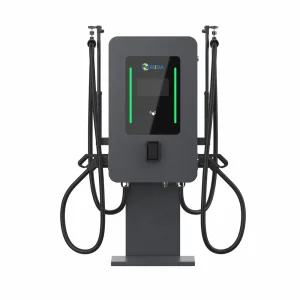
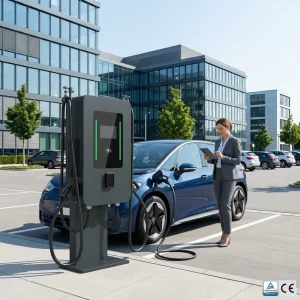
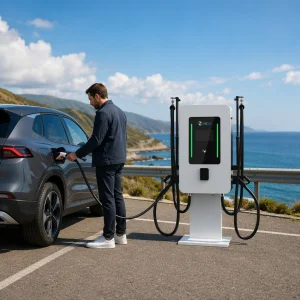
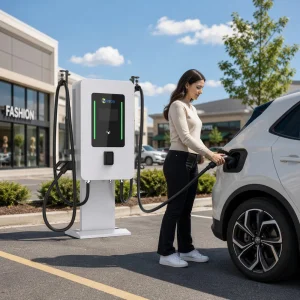
As the Tokyo Metropolitan Government (TMG) accelerates its mandate to achieve 100% zero-emission passenger car sales by 2030, real estate developers, fleet operators, and transit agencies are facing complex installation challenges. Space constraints, seismic resilience codes, and the historic reliance on the CHAdeMO standard demand specialized engineering capabilities.
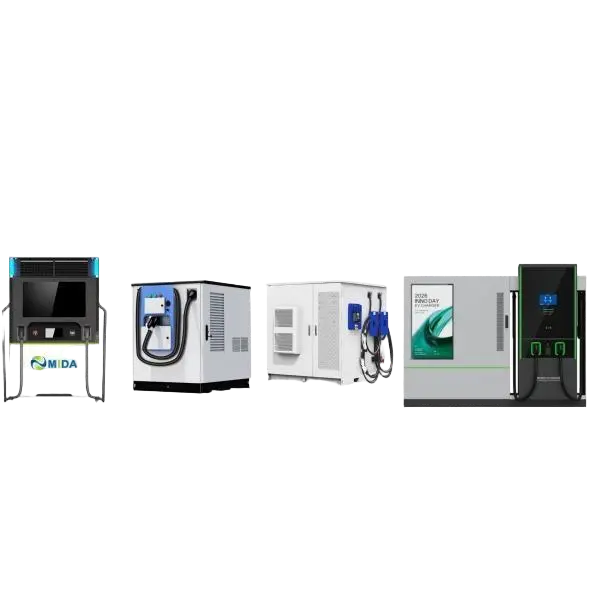
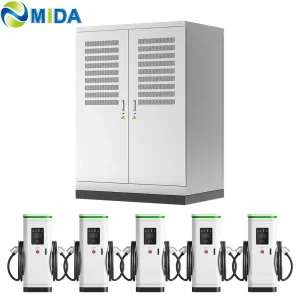
In Tokyo's central business districts (CBDs) like Chiyoda and Ginza, spatial restrictions prevent the deployment of large-footprint charging cabinets. Our range of wall-mounted and high-power split-system DC fast chargers are custom-engineered to meet these limitations. We offer split-architecture configurations where power modules are installed in remote equipment rooms, and compact, aesthetic dispensers are positioned at the active parking bays.
Furthermore, with Japan's unique grid properties (50Hz in East Japan/Tokyo vs. 60Hz in West Japan), our chargers utilize advanced digital active power-factor correction (APFC) circuits. This mitigates grid harmonic distortion and meets the strict requirements of local power suppliers like TEPCO (Tokyo Electric Power Company).
Fully certified to meet Japan’s Electrical Appliance and Material Safety Act guidelines.
V2H and V2G bidirectional features designed to support local emergency backup grids.
Effective from 2025, the Tokyo Metropolitan Government mandates that newly built condominiums and commercial facilities must install electric vehicle charging infrastructure for at least 3% to 20% of their parking spaces depending on building size.
MIDA Group provides scalable, modular power systems that allow developers to install the core cable infrastructure today and expand DC dispenser capacity systematically as tenant adoption scales.
Shanghai Mida Cable Group Ltd. operates through its wholly owned subsidiaries: Shanghai Mida EV Power Co., Ltd., Shenzhen Mida EV Power Co., Ltd., and Shanghai Mida New Energy Co., Ltd.
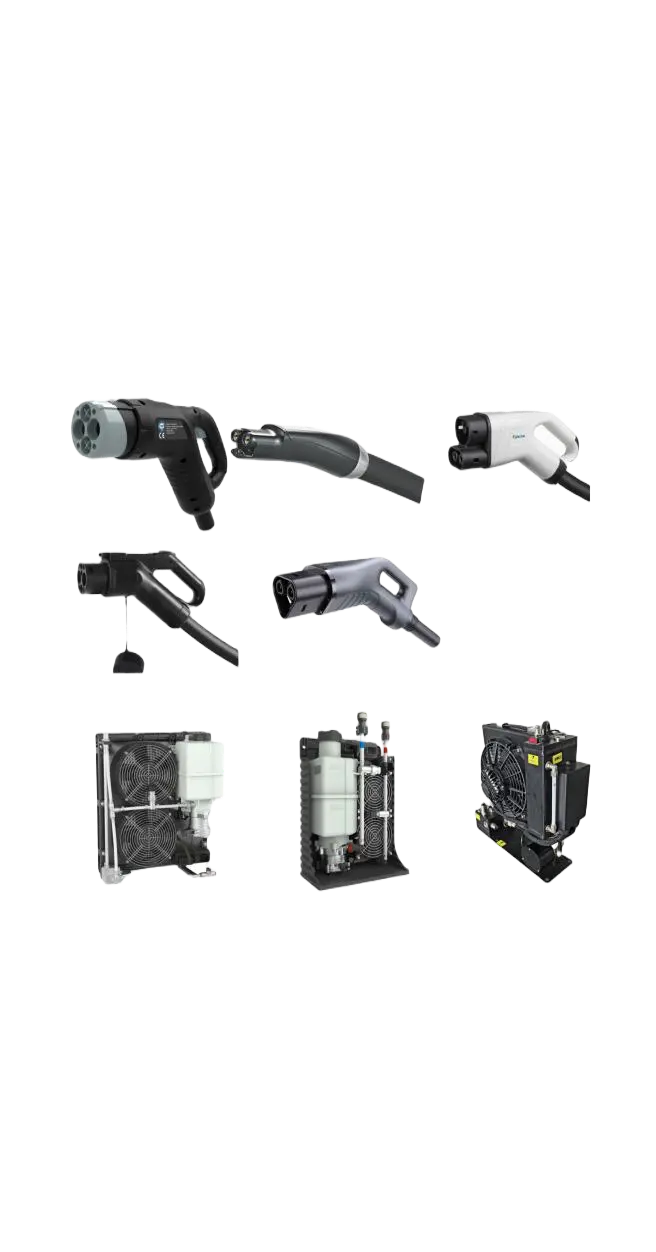
Mida Cable manufactures a comprehensive range of EV charging cables, including 16A–80A J1772 cables, 16A–63A IEC 62196-2 Type 2 cables, and high-power DC fast charging cables: CCS1 (80A–500A), CCS2 (125A–1000A), CHAdeMO (125A–300A), GBT (200A–1000A), and NACS connectors (250A–600A).
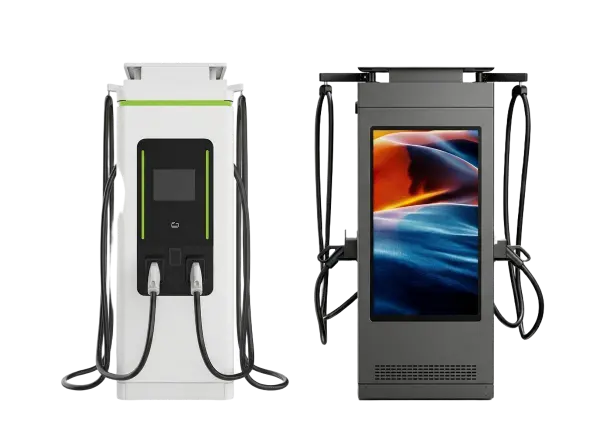
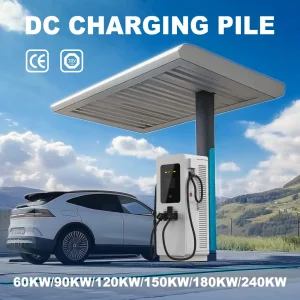
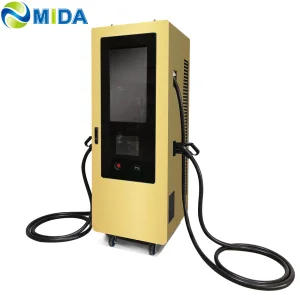
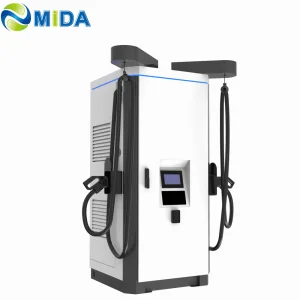
MIDA EV Power produces a full lineup of EV charging stations, such as 7kW–50kW mobile chargers, 3.6kW–7.2kW portable DC chargers, 360kW–1440kW split-type DC fast chargers, 20kW–50kW wall-mounted DC chargers, and 60kW–480kW floor-standing DC fast charging stations.
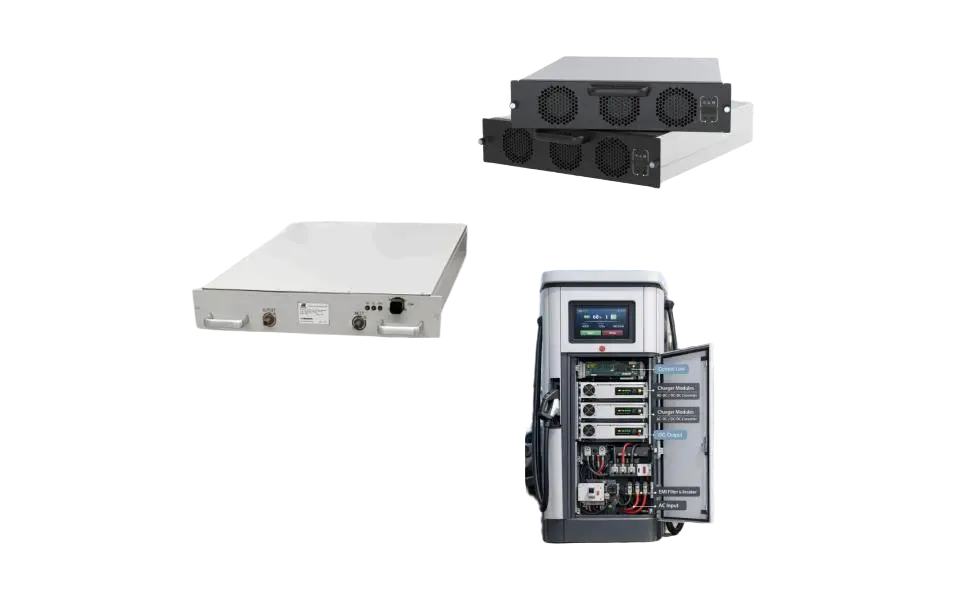
MIDA New Energy specializes in EV charger power modules, offering 20kW–60kW standard modules, 40kW–125kW liquid-cooled modules, 30kW–62.5kW bidirectional modules, and 20kW–45kW V2G charging modules.
Consult with our Application EngineersThrough integrated engineering and in-house manufacturing, we supply key components and full-assembly charging setups to system integrators, fleet managers, and charge point operators (CPOs).
For municipal transport, highway service hubs, and large-scale industrial depots where rapid charging turnarounds are critical.
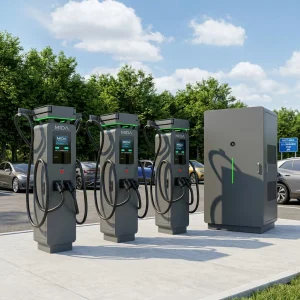
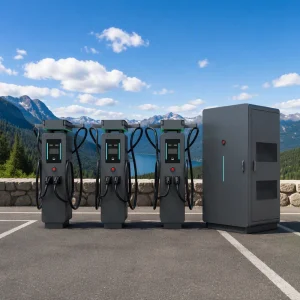
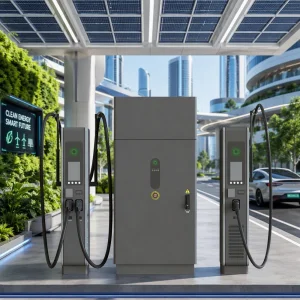
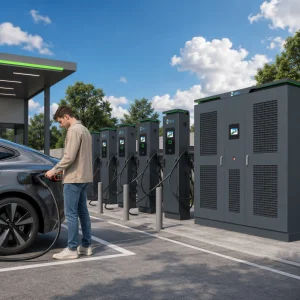
Deploying electric vehicle supply equipment (EVSE) in Tokyo involves navigatng a unique set of regulatory constraints, utility grid specifications, and microclimate characteristics. Achieving compliance requires careful component selection and expert power-electronics design.
Japan's strict building codes require all floor-mounted equipment to pass rigorous seismic simulation testing. Our charging stations feature reinforced structural steel chassis and dual-anchor base mounts designed to withstand severe tremors.
To counter Tokyo's high summer humidity and salty coastal breezes near Tokyo Bay, all external chassis panels undergo marine-grade multi-layer powder coating with a certified IP55 weather protection rating.
To protect Tokyo's power grid from harmonic noise, our high-power converters feature multi-phase active power factor correction (THD < 5% at full load). This complies with TEPCO's grid connection standards.
Our dynamic load management controllers monitor grid load limits at the building connection point, auto-scaling charging rates to prevent high-demand surcharges.
Our systems meet CHAdeMO 2.0 and ChaoJi standards. Crucially, our bidirectional power modules are compatible with V2H (Vehicle-to-Home) and V2G (Vehicle-to-Grid) protocols, allowing fleet vehicles to serve as power backup assets during emergencies.
Integrated IMD insulation monitoring devices continuously track loop integrity, shutting down supply power within milliseconds if ground faults are detected.
Designed for logistics centers, municipal bus depots, and fleet charging stations across the Kanto region.
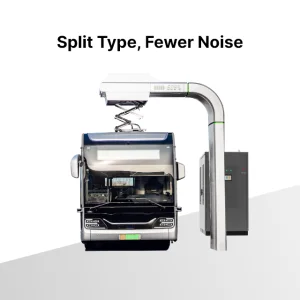
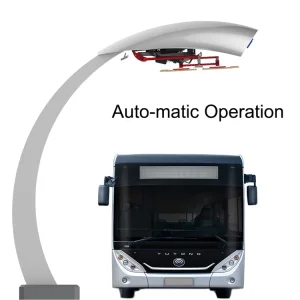
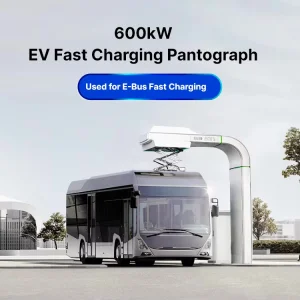
Insights from our application engineers on pantograph installations, depot configurations, and heavy duty vehicle support.
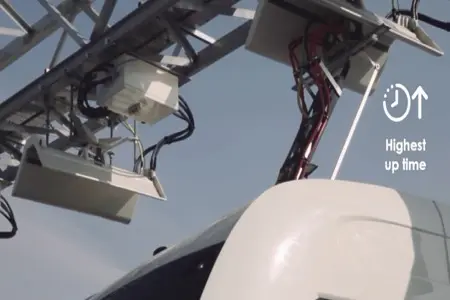
Unlike classic manual plug-in systems, e-bus pantograph terminals automate depot workflows, enabling hands-free charging and high safety profiles during high-voltage transfers.
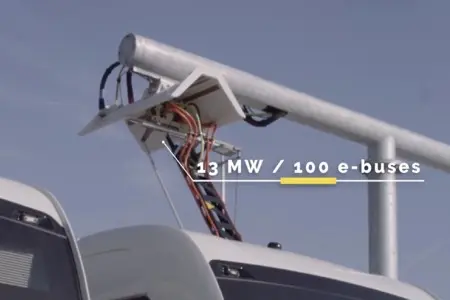
The charging time depends on battery pack architecture and the power level of the charger. High-power 600kW systems can restore up to 80% range in less than 10-15 minutes.
Deploying roof-mounted pantographs requires structural engineering, automated guide alignment, and integration with depot energy management software systems.
Common inquiries regarding compliance, grid connections, and system deployments in Japan.
Partner with MIDA Group for high-power DC fast-charging solutions. Our engineering team provides end-to-end design, manufacturing, and technical compliance support customized for the Tokyo metropolitan area and global commercial networks.
Send Inquiry Now ⚡