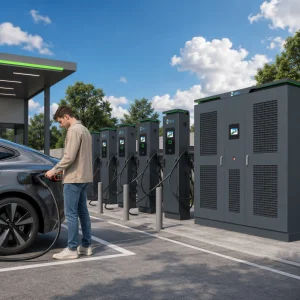
High-reliability Level 3 DC chargers customized for coastal commercial fleets, luxury resorts, and high-salinity island environments.
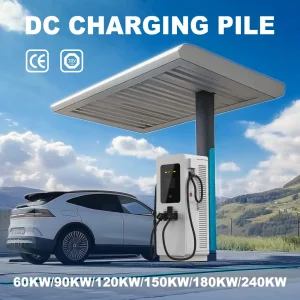
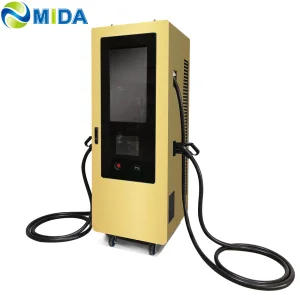
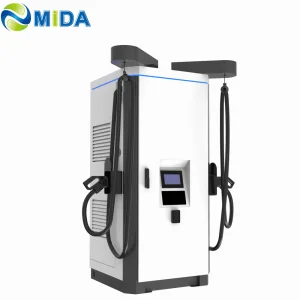
The Republic of Maldives stands at the forefront of the global climate crisis, aiming for a pioneering net-zero carbon emissions target. Given that transport—both land-based in metropolitan hubs like Malé and Hulhumalé and sea-based between islands—relies heavily on fossil fuels, electrification is no longer an option; it is an economic and environmental imperative. However, deploying charging infrastructure in an archipelago of over a thousand islands presents unique environmental and grid engineering challenges.
Coastal and over-water installations encounter relentless exposure to salt mist, high humidity, and abrasive sands. Standard charging stations degrade rapidly, causing component failures and electrical leakage.
Unlike continuous continental grids, Maldivian islands depend on localized diesel generators and solar-diesel hybrid microgrids. Sudden, high-power DC charging loads can stress and destabilize these networks without intelligent load management.
By pairing DC chargers with Battery Energy Storage Systems (BESS) and Solar PV installations, operators can store energy during daylight peaks and discharge safely to EVs and electric vessels without relying on diesel backup.
To meet these requirements, MIDA Group delivers customized charging solutions built to survive the harshest environments while safeguarding the stability of island power grids. Through marine-grade coatings, advanced ingress protection, and smart grid coordination, we supply charging equipment designed specifically for the unique geographical and infrastructure profile of the Maldives.
Explore our diverse equipment categories, ranging from micro-chargers for resort buggies to megawatt stations for inter-atoll ferry operations.
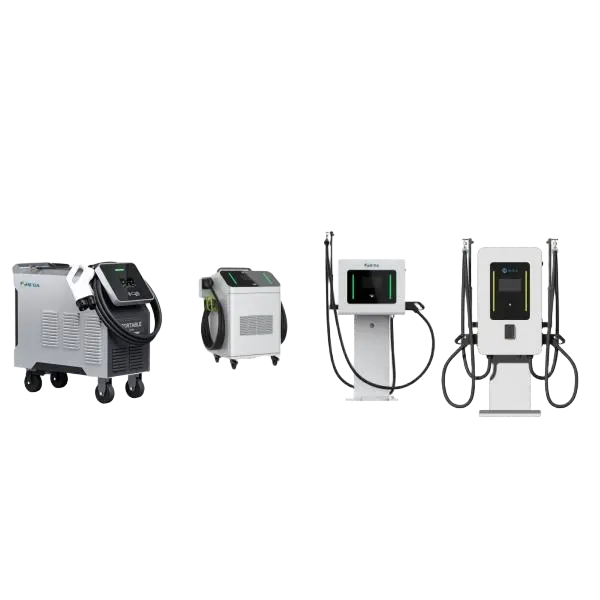
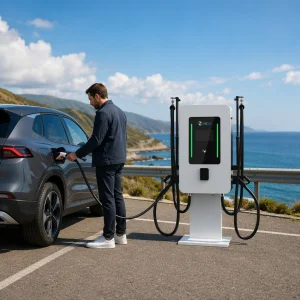
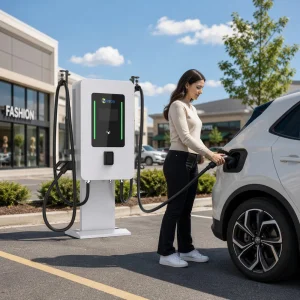
Highly efficient wall-mounted and pedestal units (7kW to 22kW) with smart card authentication and dynamic grid load balancing. Perfect for hospitality environments.
View Products →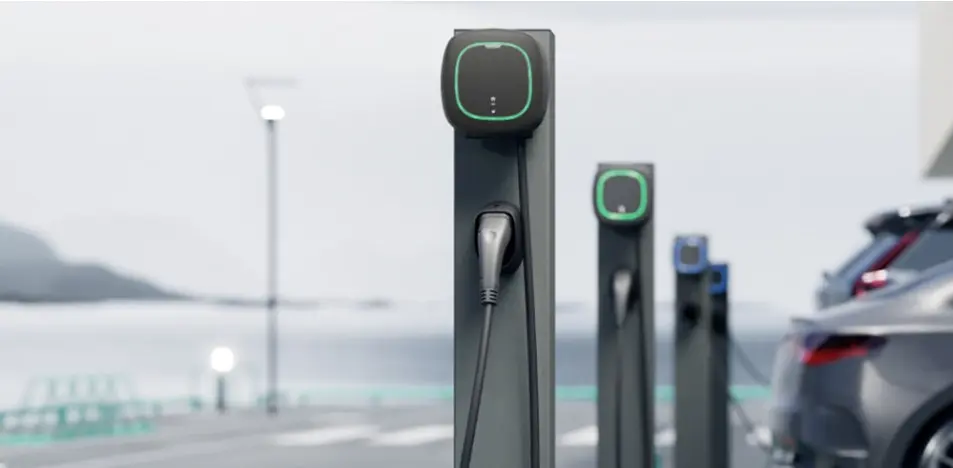
High-power density compact units. Deployable in tight spaces, workshops, resort maintenance bays, and fleet hubs requiring fast turnaround without extensive construction.
View Products →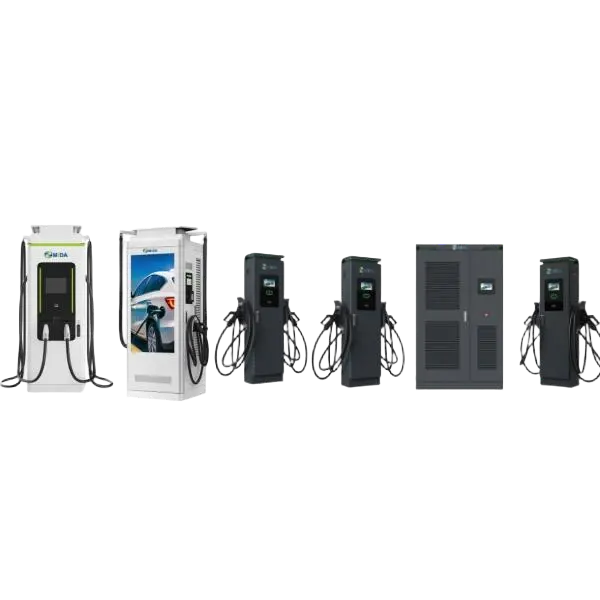
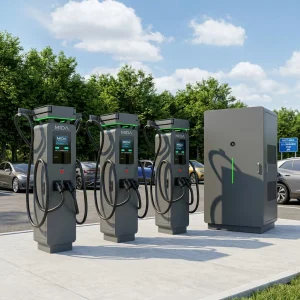
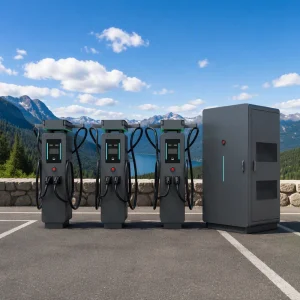
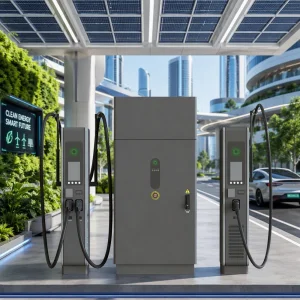
Ultra-fast public charging stations supporting OCPP 1.6J/2.0.1. Engineered with liquid-cooled cables and split cabinets to manage intense thermal limits in high ambient temperatures.
View Products →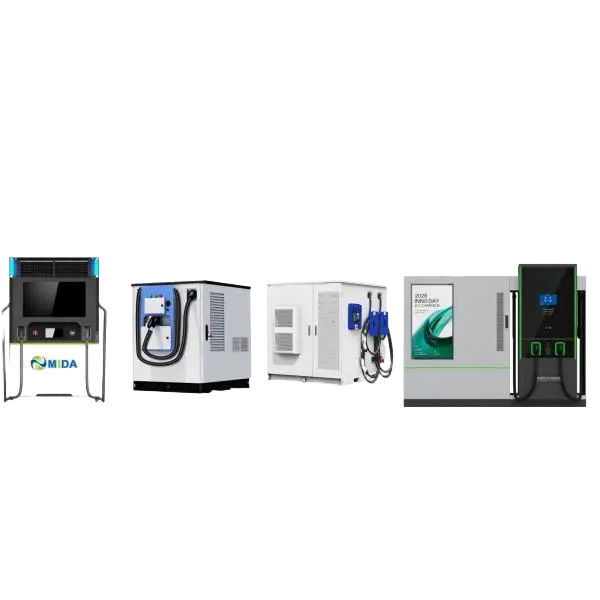
Off-grid and weak-grid energy storage hubs. Designed to integrate solar PV generation and supply continuous EV charging while mitigating peak demand spikes on island generators.
View Products →Shanghai Mida Cable Group Ltd. operates globally through its wholly owned, highly specialized subsidiaries: Shanghai Mida EV Power Co., Ltd., Shenzhen Mida EV Power Co., Ltd., and Shanghai Mida New Energy Co., Ltd.
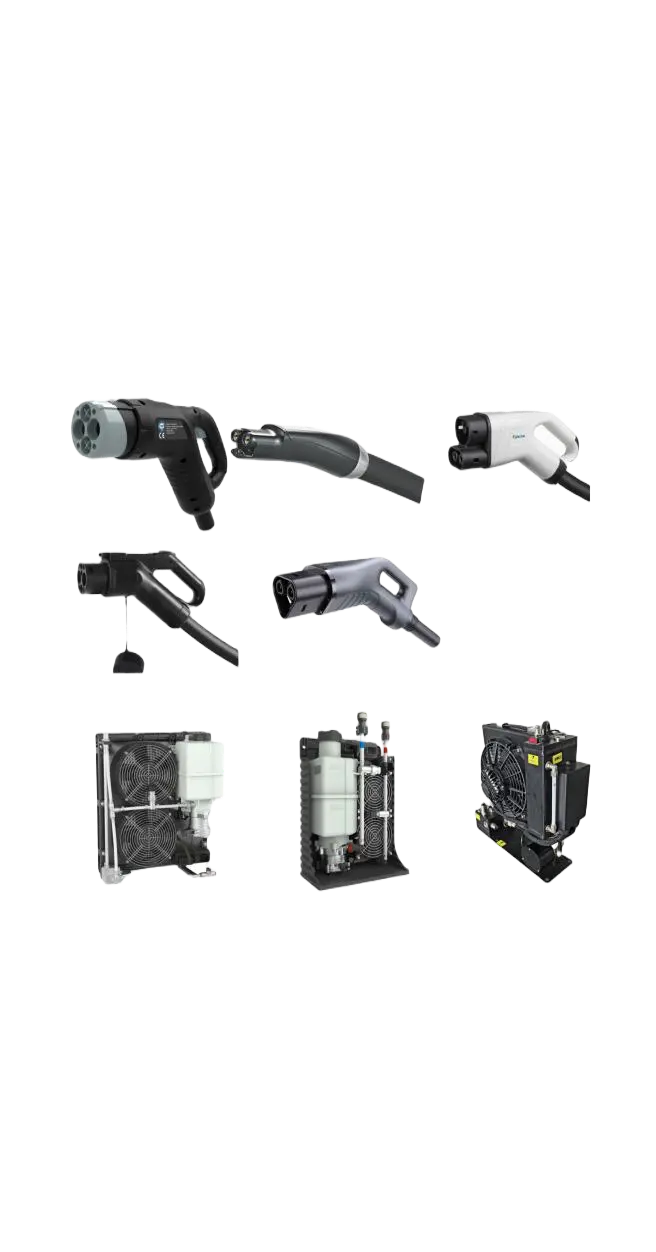
Mida Cable manufactures a comprehensive range of EV charging cables, including 16A–80A J1772 cables, 16A–63A IEC 62196-2 Type 2 cables, and DC fast charging cables: CCS1 (80A–500A), CCS2 (125A–1000A), CHAdeMO (125A–300A), GBT (200A–1000A), and NACS connectors (250A–600A).
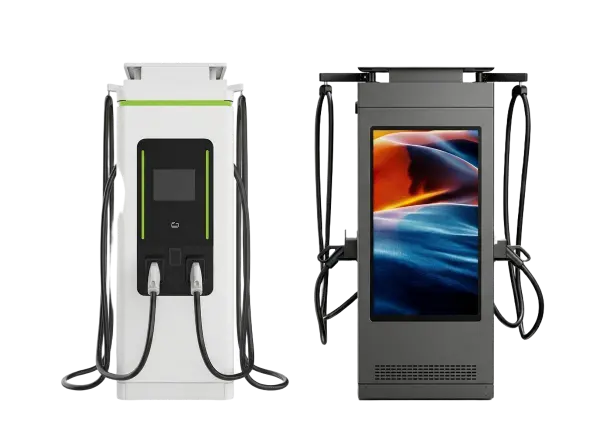
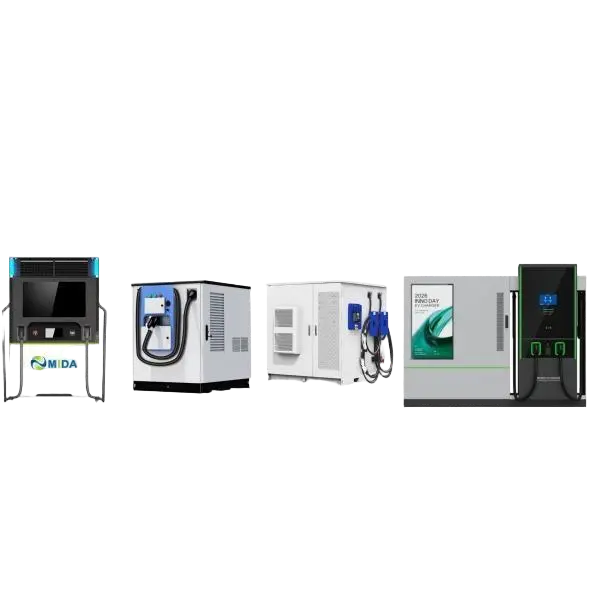
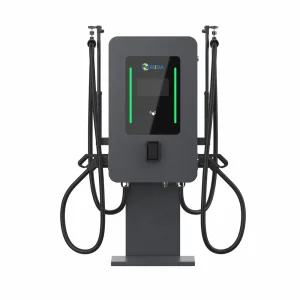
MIDA EV Power produces a full lineup of EV charging stations, such as 7kW–50kW mobile chargers, 3.6kW–7.2kW portable DC chargers, 360kW–1440kW split-type DC fast chargers, 20kW–50kW wall-mounted DC chargers, and 60kW–480kW floor-standing DC fast charging stations.
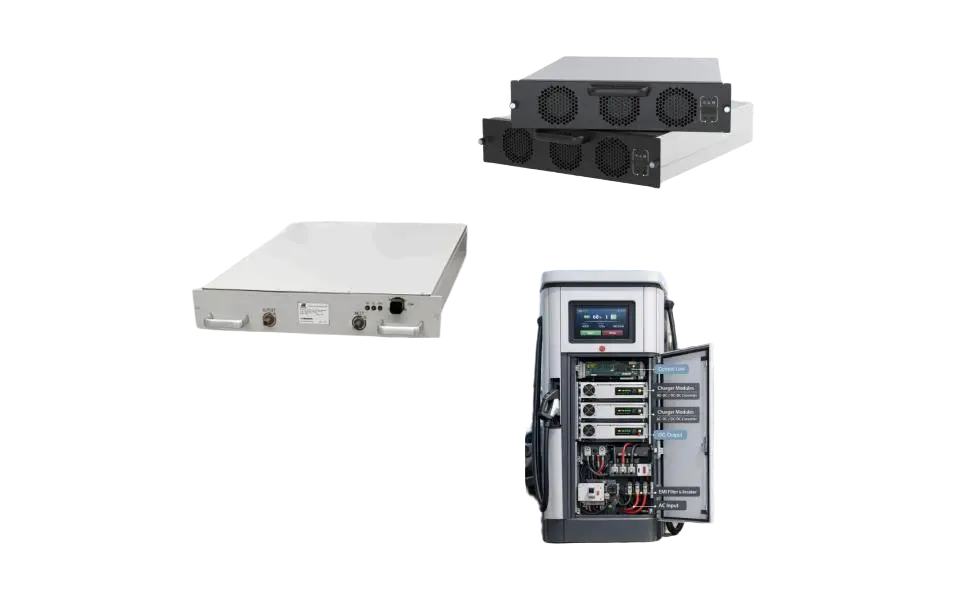
MIDA New Energy specializes in EV charger power modules, offering 20kW–60kW standard modules, 40kW–125kW liquid-cooled modules, 30kW–62.5kW bidirectional modules, and 20kW–45kW V2G charging modules.
Consult Our Engineering Team
Operating charging hardware in a tropical archipelago with 90%+ humidity, ambient temperatures reaching 40°C+, and direct exposure to oceanic salt spray requires specialized engineering. Traditional charging piles designed for temperate zones degrade quickly under these conditions. MIDA Group's chargers are specifically engineered to address these local environmental challenges.
For installations in seaside resorts, ferry docks, and island ports, MIDA employs C5-M (Very High Marine) anti-corrosion protection standards. Enclosures are manufactured using hot-dip galvanized steel or premium aluminum alloys, finished with dual-layer specialized powder coatings. Internal PCBs, power modules, and sensors undergo conformal coating to seal out moisture, salt ions, and biological pathogens.
High ambient heat combined with the thermal output of high-power fast charging can trigger thermal throttling, reducing charging speed and degrading system lifespans. MIDA integrates liquid-cooled charging loops and smart ventilation modules to sustain maximum charging rates even under prolonged exposure to direct sunlight. Liquid cooling ensures that the cable remains thin, flexible, and safe for resort guests and fleet staff to handle.
Our split-type charging stacks feature dynamic power allocation. When multiple vehicles or electric boats connect, the system automatically redistributes power dynamically across connectors based on state-of-charge (SoC). This protects the local island microgrid from dangerous load spikes, reducing total system demand and preventing generator overloading.
Technical capabilities across our power module, marine connector, and charging station portfolios.
| Product Line | Supported Power Ratings | Environmental Protection | Target Applications in the Maldives |
|---|---|---|---|
| EV Charging Power Modules | 20kW, 30kW, 40kW, 50kW, 60kW, 80kW, 125kW (Liquid-Cooled) | Conformal coating, IP65 protection classes | Local system integration, micro-inverter panels, custom charger hubs. |
| DC Charging Connectors | CCS1 (80A-500A), CCS2 (125A-1000A), NACS (250A-600A), MCS (1500A) | High IP rating mated, thermal sensor integration | Electric speedboats, inter-island ferries, heavy logistics vans. |
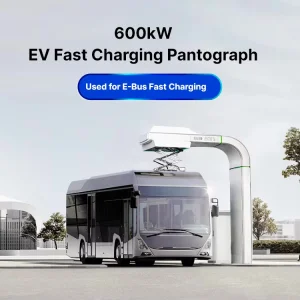
| DC Fast Charger Stations | 60kW to 480kW (Standard Cabinet), 600kW to 1680kW (Split Liquid-Cooled) | C5-M corrosion rating, IP65 structure | Municipal bus stations in Malé, airport transport, marine harbors. |
| Energy Storage Stations (BESS) | 60kWh to 2000kWh integrated battery bank systems | Integrated HVAC, automated thermal monitoring | Luxury island resorts, solar integration hubs, off-grid eco-sites. |
To maximize green investment ROI, the deployment of DC charging hardware must align with the primary economic drivers of the Maldives: high-end tourism, marine logistics, and inter-island passenger transit.
The Maldives relies extensively on maritime transportation. Transitioning local speedboats and dhonis to electric drivetrains requires high-performance marine DC chargers. Implementing standard MCS (Megawatt Charging Systems) or high-capacity CCS2 chargers at harbors ensures rapid turnaround times for vessels, maintaining consistent travel schedules across the atolls.
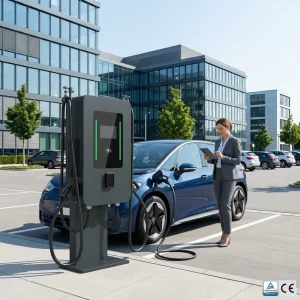
Premium resorts are increasingly replacing utility and transport fleets with electric alternatives. MIDA's wall-mounted, low-noise DC chargers provide fast recharging for resort staff vehicles, buggies, guest shuttles, and recreational watercraft without disrupting the peaceful resort environment.
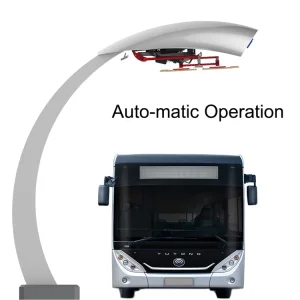
Velana International Airport and urban transit routes in Malé and Hulhumalé handle high vehicle traffic. Installing heavy-duty DC fast chargers (120kW–240kW) supports commercial electric buses and airport ground equipment, significantly lowering urban air pollution and operational overhead.
Because island microgrids have limited surge capacity, installing high-power chargers without smart controls can cause power quality issues. Our charging hubs integrate directly with local Energy Management Systems (EMS). By utilizing real-time dynamic load balancing, the chargers scale their output based on current grid demand. This maximizes solar utilization during peak generation hours and mitigates grid instability without requiring expensive battery system upgrades.
Technical articles, industry updates, and insights on the future of electric bus and boat charging technology.
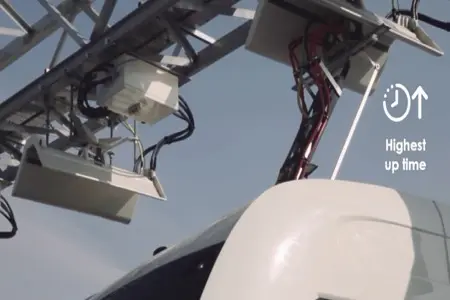
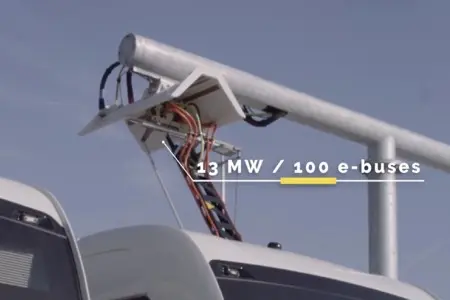
Technical details regarding compliance, installation, grid management, and anti-corrosion protection in island environments.
Deploy high-power, liquid-cooled, and modular charging stations to scale island transport and luxury resort infrastructure.
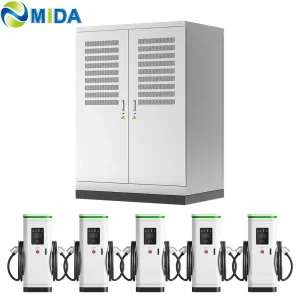
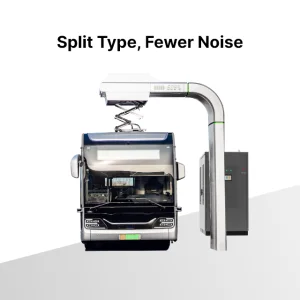
Partner with MIDA Group for marine-grade, high-reliability charging infrastructure. Our engineers provide full system optimization plans tailored to your local grid constraints.
Send Inquiry Now