
Engineered to comply with Japanese grid specifications, offering high-efficiency power modules, CHAdeMO standards compatibility, and advanced seismic structural protection.
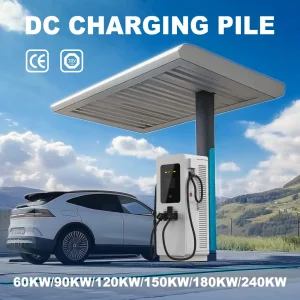
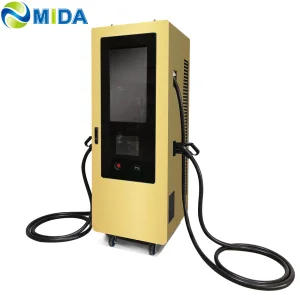
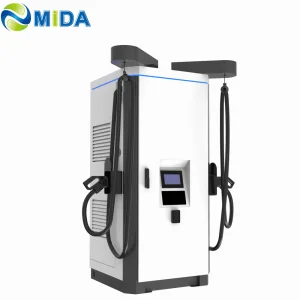
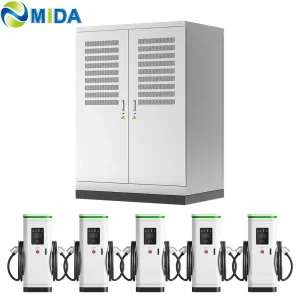
Japan’s Ministry of Economy, Trade and Industry (METI) has accelerated its national carbon-neutral target by setting an ambitious goal: installing 300,000 EV charging points by 2030, including a significant mandate of 30,000 high-power DC fast chargers. This rapid scale-up is backed by extensive government subsidies under the Clean Energy Vehicle (CEV) Infrastructure program, which covers up to 50% of the equipment costs and standard installation fees for public-access sites, logistics hubs, and commercial complexes.
Unlike Western markets dominated by CCS2 and NACS standards, Japan relies heavily on the local CHAdeMO protocol for domestic vehicles while progressively integrating dual-standard systems (CCS + CHAdeMO) at transit terminals and international freight depots. As a global DC charger manufacturer, MIDA Group specializes in integrating native CHAdeMO standard compliance with next-gen high-power charging (HPC) technologies, helping operators secure METI subsidies while ensuring seamless grid integration and peak-load management.
A world-class leader in EV charging technology, engineering precision cables, high-power modules, and intelligent DC charging cabinets.
Shanghai Mida Cable Group Ltd. operates through its wholly owned subsidiaries: Shanghai Mida EV Power Co., Ltd., Shenzhen Mida EV Power Co., Ltd., and Shanghai Mida New Energy Co., Ltd. We provide end-to-end R&D and manufacturing capacity to deliver high-reliability charging infrastructure globally.
Mida Cable manufactures a comprehensive range of EV charging cables, including 16A–80A J1772 cables, 16A–63A IEC 62196-2 Type 2 cables, and high-performance DC fast charging cables: CCS1 (80A–500A), CCS2 (125A–1000A), CHAdeMO (125A–300A), GBT (200A–1000A), and NACS connectors (250A–600A).
Send Inquiry Now
From residential AC chargers to megawatt-scale battery energy storage systems, discover our core technologies.
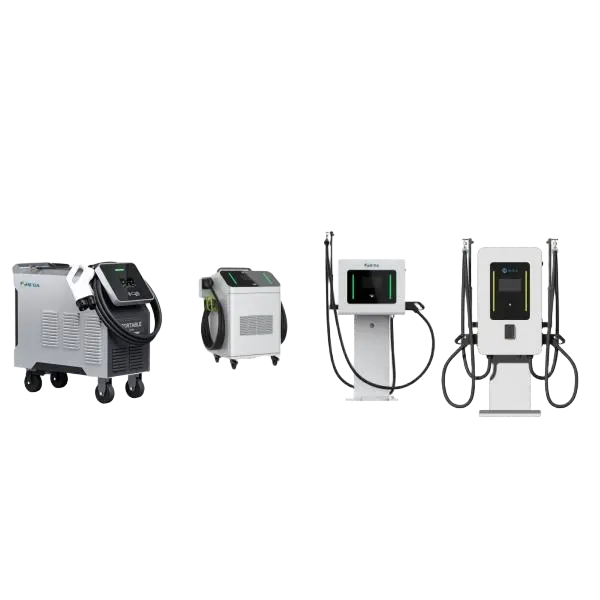
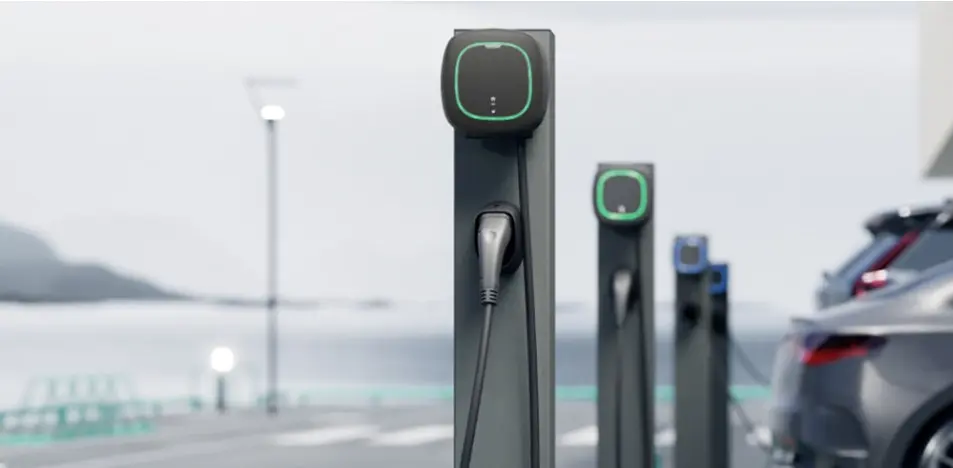
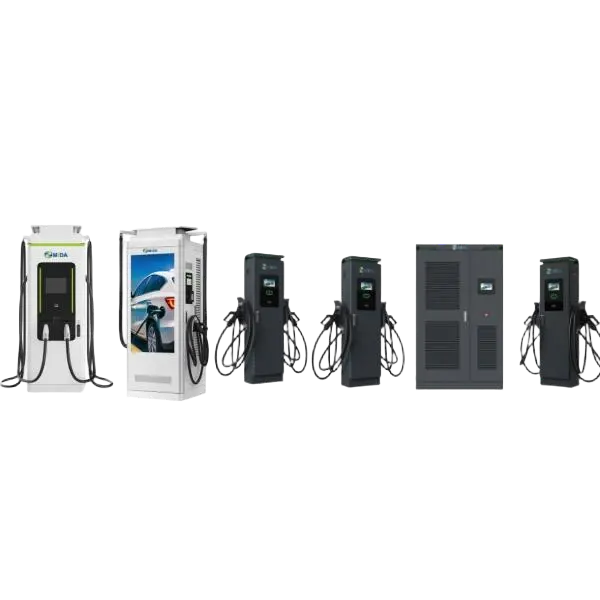
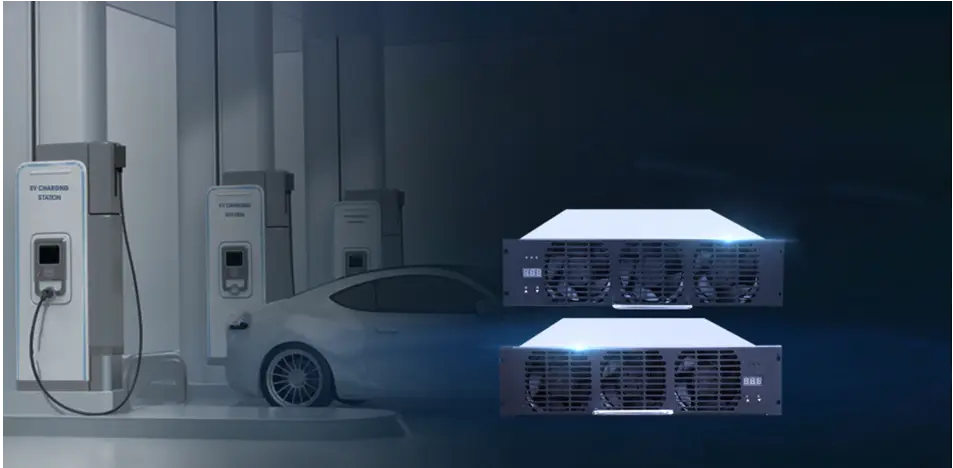
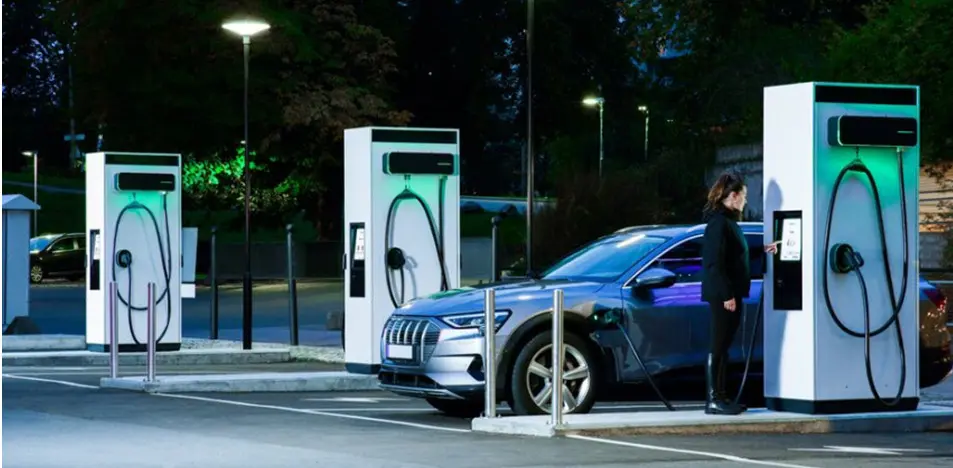
MIDA Group designs, manufactures, and integrates crucial subsystems of EV charging ecosystems, providing customized engineering for global factories.
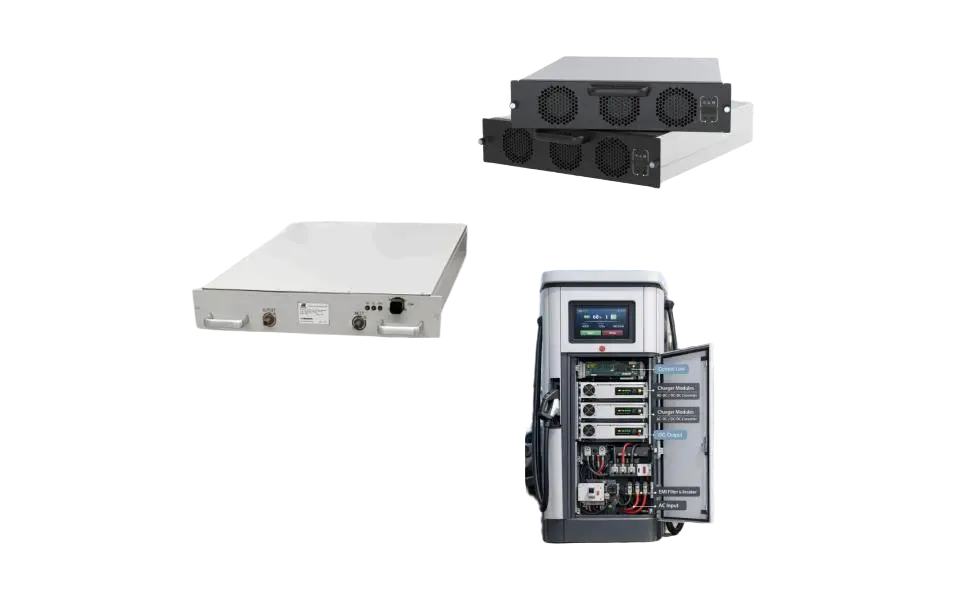
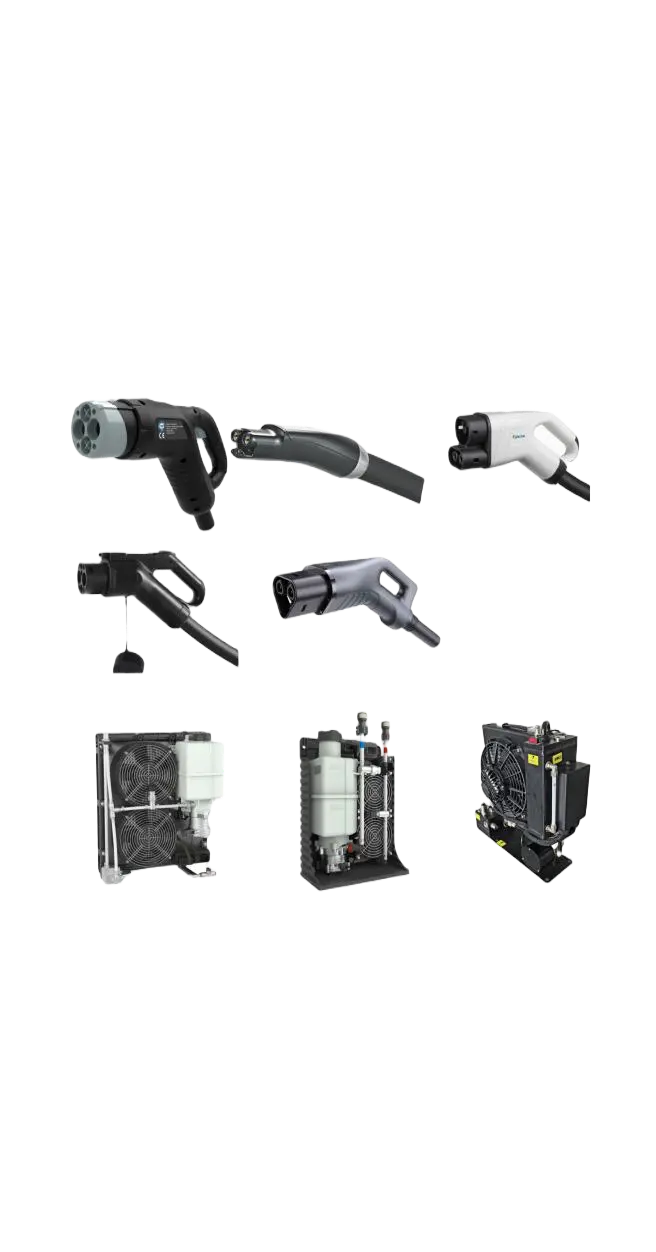
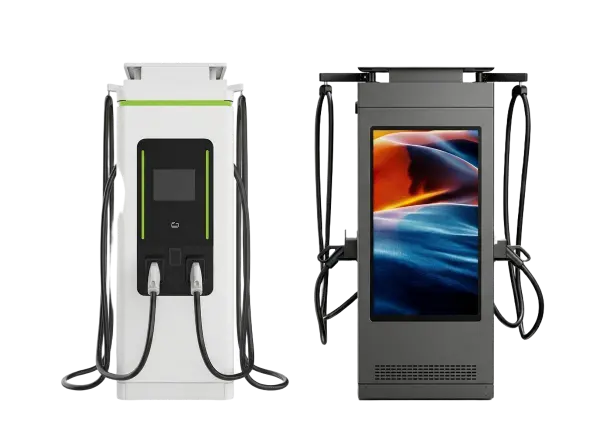
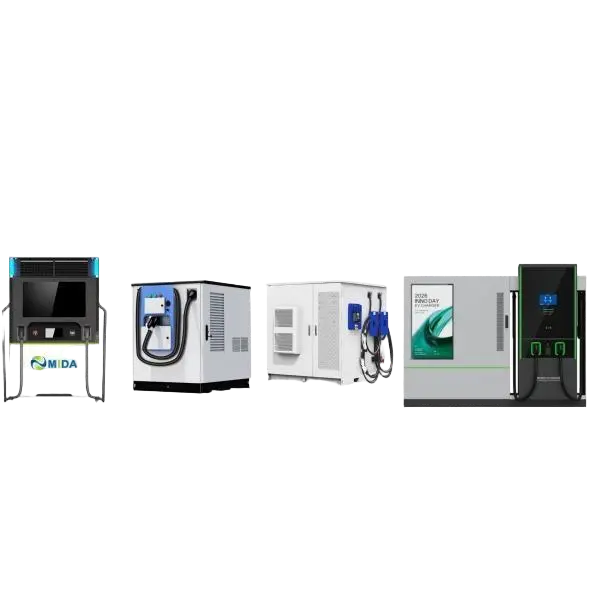
The global EV industry is transitioning away from standard air-cooled 150kW chargers toward Liquid-Cooled ultra-fast charging systems (600kW to 1000kW+). When charging at currents exceeding 300A, traditional air-cooled cables become excessively heavy, hot, and difficult for end-users to manage. By utilizing specialized cooling liquid circulating inside the cable, the diameter of the charging copper conductors is reduced, rendering the cable light, flexible, and extremely safe to handle.
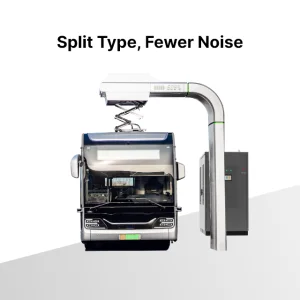
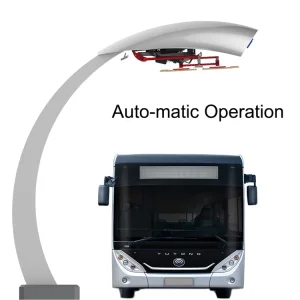
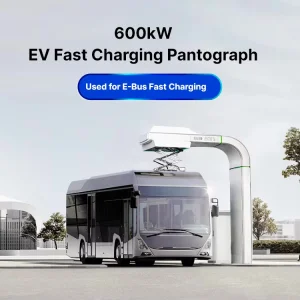
For fleet operations such as logistics depots, bus stations, and municipal transport networks, the adoption of Pantograph Systems (Up/Down) has become the preferred standard. MIDA Group's split-type pantograph cabinets allow automated, ultra-fast charging for electric buses during route terminal layovers, delivering up to 600kW of power in under 10 minutes without physical human intervention.
| Charger Type | Cooling Tech | Optimal Use Cases in Japan | Max Power Output | Grid Impact Mitigation |
|---|---|---|---|---|
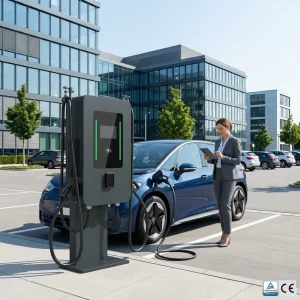
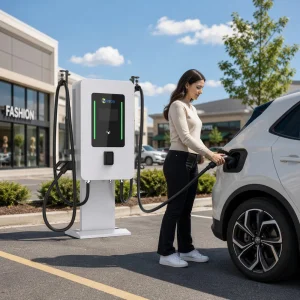
| Integrated DC Piles | Forced Air-Cooled | Commercial parking lots, hotels, shopping mall parking | 60kW - 240kW | Dynamic Load Balancing via software |
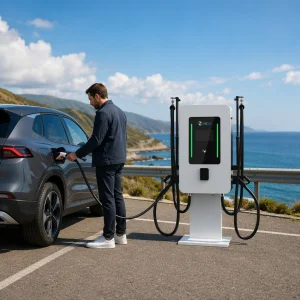
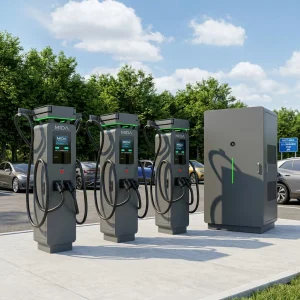
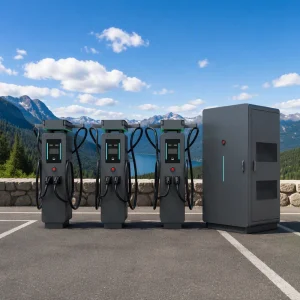
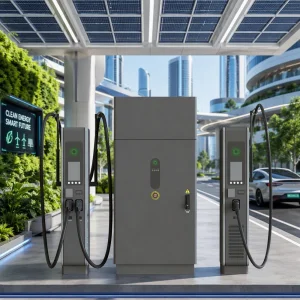
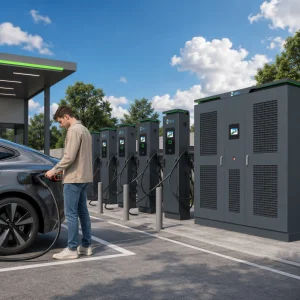
| Split-Cabinet Systems | Liquid-Cooled / Air-Cooled | Highway Service Areas (SAPA), urban hub fast terminals | 360kW - 1000kW | Dedicated grid transformers, multi-channel power distribution |
| BESS Charging Station | Integrated Liquid Cooling | Remote locations, weak grids, disaster relief zones | Up to 480kW | Peak shaving, zero grid-load during peak rates |
| Pantograph Chargers | Liquid-Cooled Cable / Dome | Electric Bus Depots, heavy-duty mining, ports | 300kW - 600kW | Scheduled peak charging, high-voltage substations |
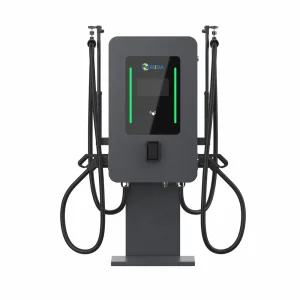
In highly dense urban centers like Tokyo and Osaka, land availability is at a premium. Consequently, huge charging cabinets are impractical. MIDA Group's Split-Cabinet design offers the ideal solution: the large power matrix cabinet is placed in a remote basement or service area, while compact, space-saving charging dispensers (plugs or CHAdeMO/CCS cables) are installed at the actual parking bays. Furthermore, integration with Local Energy Storage System (BESS) ensures that operators can provide 120kW+ fast charging even in locations where grid upgrades are restricted by Tepco or Kepco utility regulations.
Stay informed about the latest technological advancements in public transit charging, automated pantographs, and fast-charging grid dynamics.
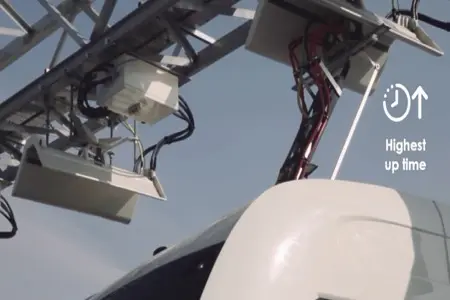
What are the advantages of an e-bus pantograph dome? In contrast to classic plug-in charging systems, e-bus pantographs allow automated charging without human intervention, maximizing fleet route uptime.
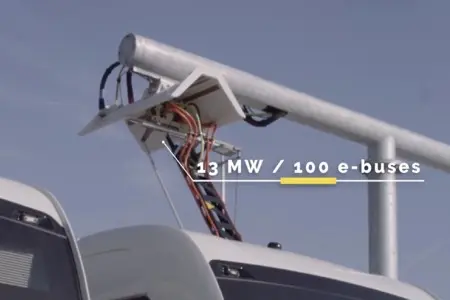
How long does it take to charge with an e-bus pantograph? The charging time depends on the battery capacity and the station configuration, typically achieving 80% charge in 10-15 minutes.
How to Install the Pantograph Up Charger System Dome for Electric Bus. Step-by-step structural guidelines, alignment sensors, and high-voltage grid connections for municipal depots.
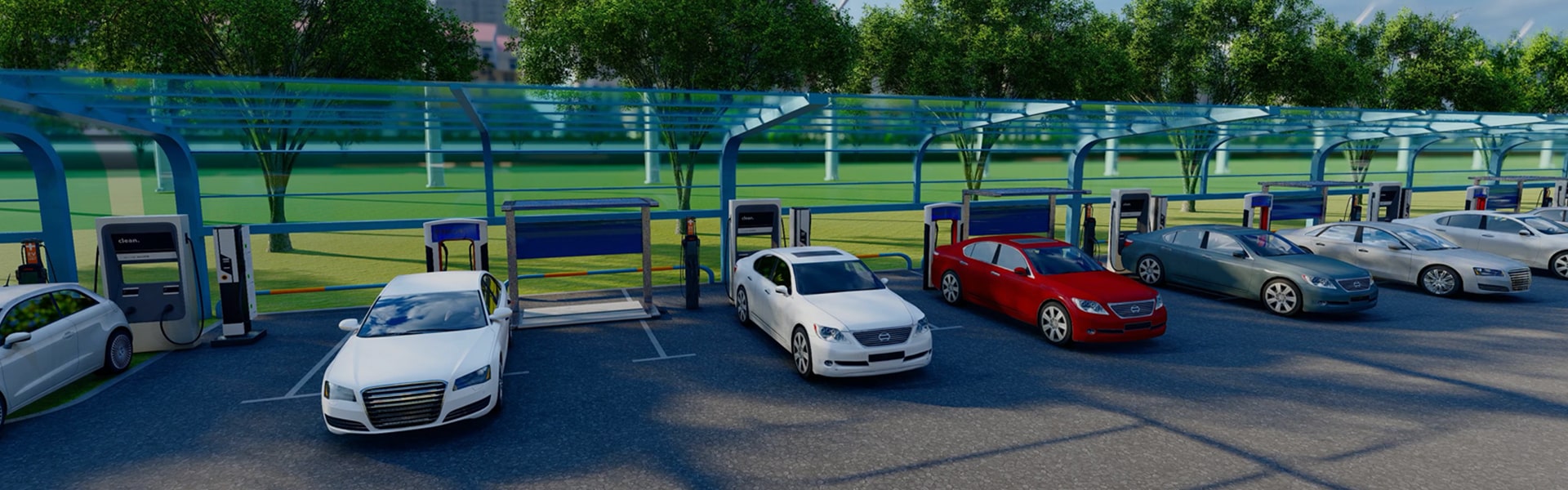
Get professional technical answers regarding Japanese EV standards, hardware configurations, and factory customizations.
Select from our globally certified liquid-cooled split units, pantograph systems, and heavy-duty bus charging depots.
Consult with our lead hardware engineers today. We provide full customization, standard compliance verification, and direct-from-factory pricing for commercial networks, corporate logistics hubs, and residential installations.
Get Technical Consultation & Quotation