Explore our leading range of high-efficiency DC fast chargers, fully compliant with the United Arab Emirates EV grid regulations and specialized to withstand intense heat and sand conditions.
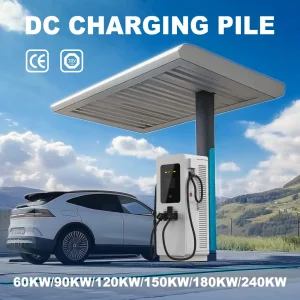
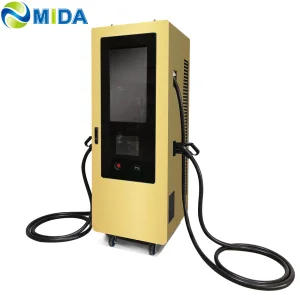
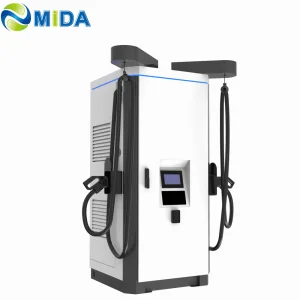
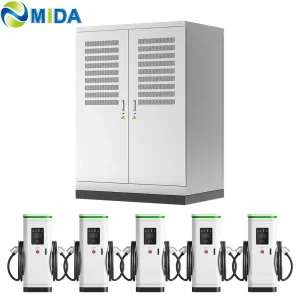
The United Arab Emirates is at the vanguard of the Middle East's transition from carbon dependency to a high-technology, diversified economy. Guided by the UAE Net Zero 2050 Strategic Initiative and regional blueprints such as the Dubai Green Mobility Strategy 2030, the demand for robust charging infrastructure has pivoted from a municipal amenity to a core national utility. The Ministry of Energy and Infrastructure is aggressively pushing for the unification of the country's EV network, establishing ambitious targets for public fleet electrification, regional logistics hubs, and residential chargers.
However, the GCC region presents unique challenges that off-the-shelf Western charging hardware cannot address. High-temperature derating, airborne particulates, and intense solar load demand DC charging systems engineered with military-grade resilience. As a premier global DC charger station manufacturer, MIDA Group delivers high-power systems explicitly configured to thrive in ambient temperatures exceeding 50°C, ensuring continuous 100% duty cycle operation without structural failure.
Regulatory Focus: All MIDA hardware designed for the UAE market aligns with the strict safety and interoperability guidelines issued by the Dubai Electricity and Water Authority (DEWA), Abu Dhabi Department of Energy (DoE), and the Emirates Authority for Standardization and Metrology (ESMA).
By integrating state-of-the-art power modules and liquid-cooled pathways, MIDA Group offers charging hubs capable of delivering up to 1200 kW of split-system charging. This matches the charging needs of the newest wave of ultra-high-voltage passenger EVs and heavy-duty electric logistics fleets operating across the E11 highway (Sheikh Zayed Road) connecting Abu Dhabi and Dubai.
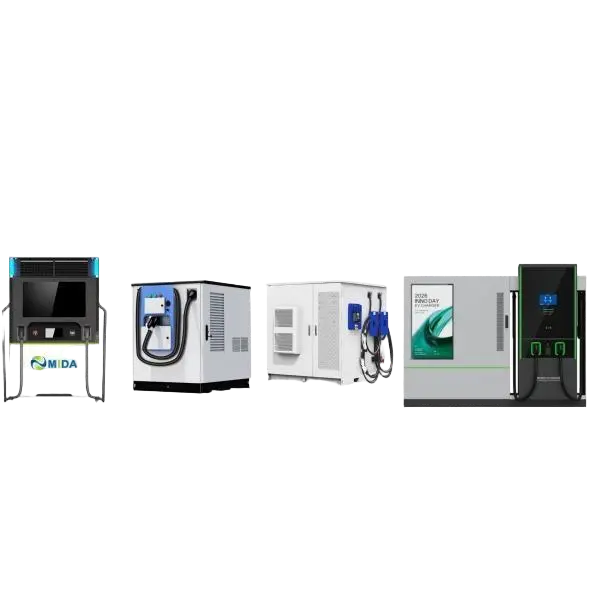
Select from our comprehensive product groups, developed to scale smart cities and fast-track highway charging networks.
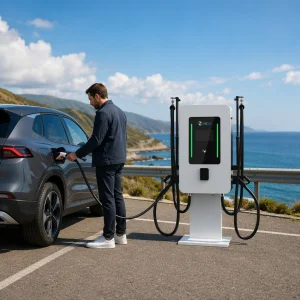
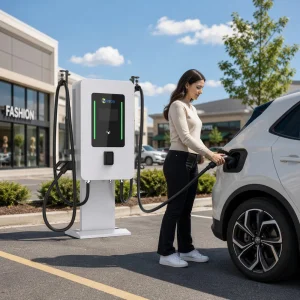
Available in 7kW, 20kW, 30kW, 40kW, 60kW, and 80kW configurations. Optimized for workplace parking, hospitality valets, and premium residential spaces across Dubai and Abu Dhabi.
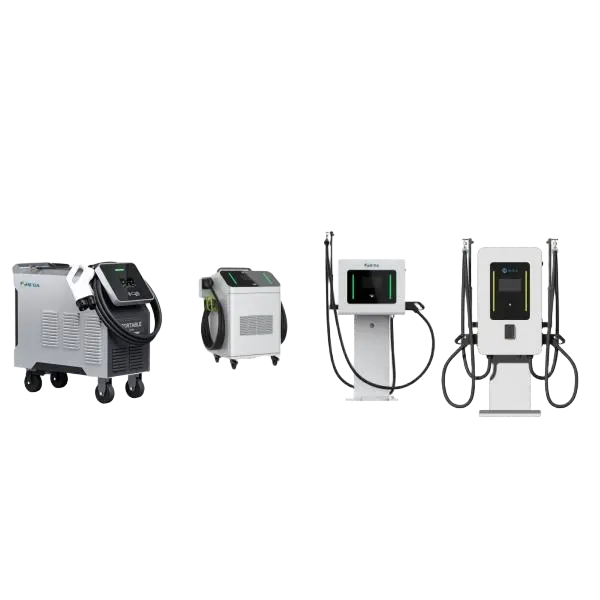
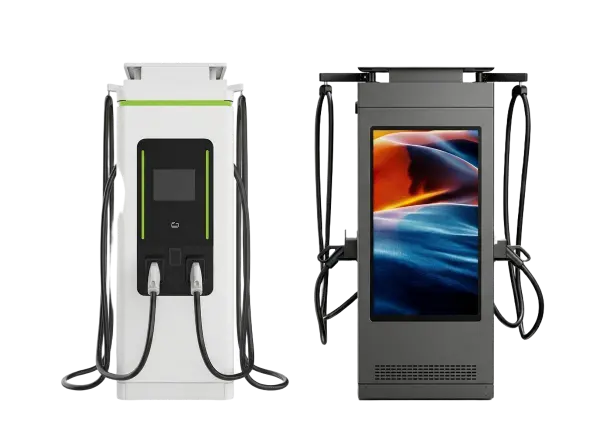
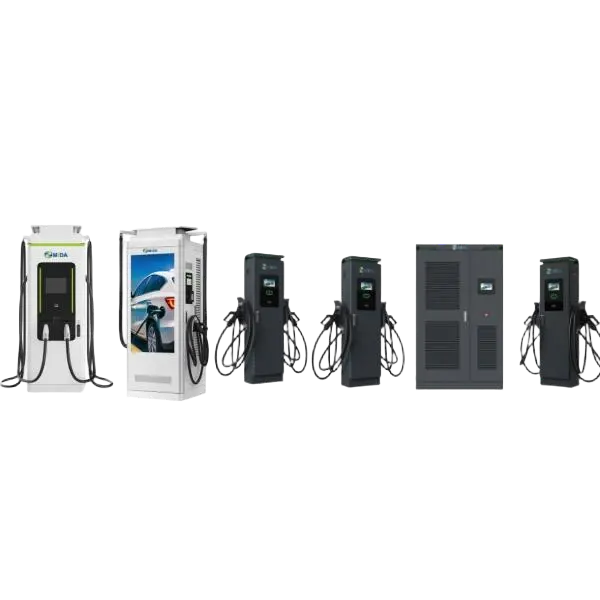
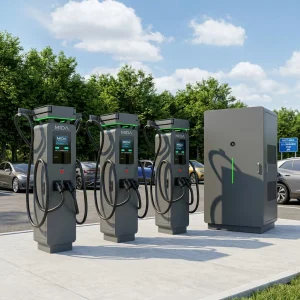
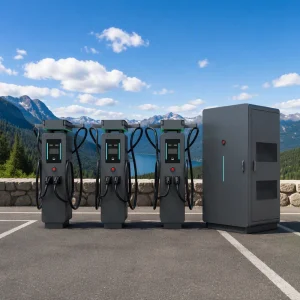
From 60kW–480kW standalone systems up to 360kW–1440kW split-type charging stacks. Engineered for rapid highway refill hubs and high-frequency commercial fleets.
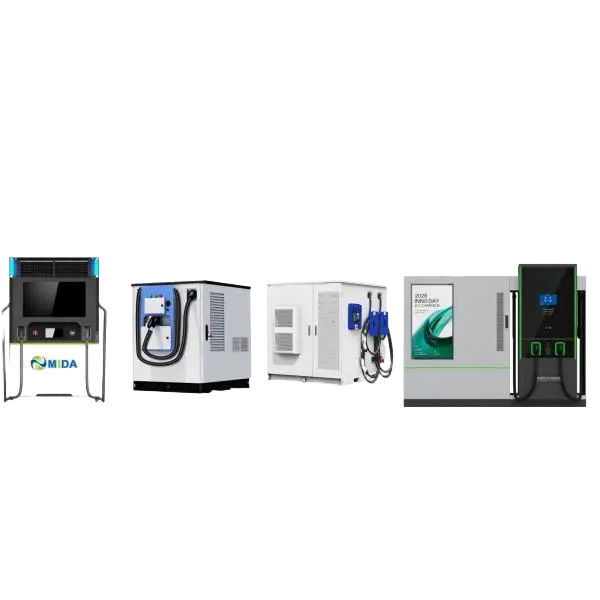
60kWh, 261kWh, 418kWh, 625kWh, up to 2MkWh configurations. Solve grid peak constraints in remote desert regions by buffering energy using solar storage integration.

Shanghai Mida Cable Group Ltd. operates through its wholly owned subsidiaries: Shanghai Mida EV Power Co., Ltd., Shenzhen Mida EV Power Co., Ltd., and Shanghai Mida New Energy Co., Ltd.
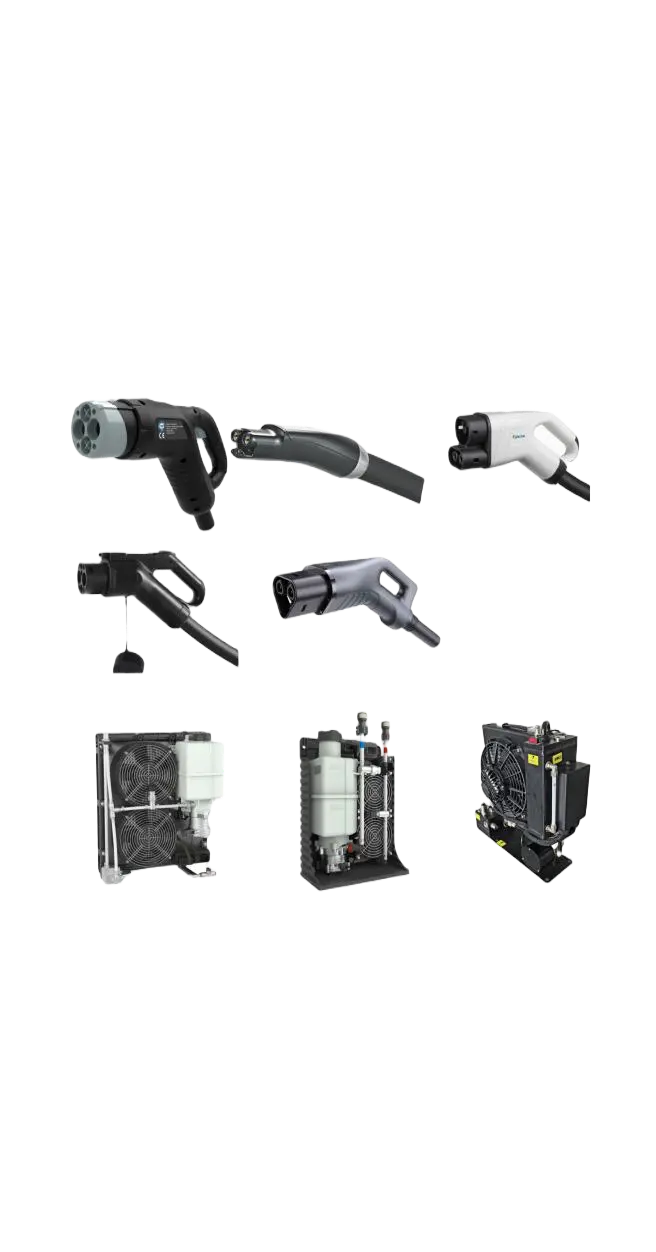
Mida Cable manufactures a comprehensive range of EV charging cables, including 16A–80A J1772 cables, 16A–63A IEC 62196-2 Type 2 cables, and DC fast charging cables: CCS1 (80A–500A), CCS2 (125A–1000A), CHAdeMO (125A–300A), GBT (200A–1000A), and NACS connectors (250A–600A).
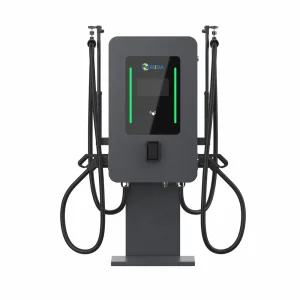
MIDA EV Power produces a full lineup of EV charging stations, such as 7kW–50kW mobile chargers, 3.6kW–7.2kW portable DC chargers, 360kW–1440kW split-type DC fast chargers, 20kW–50kW wall-mounted DC chargers, and 60kW–480kW floor-standing DC fast charging stations.
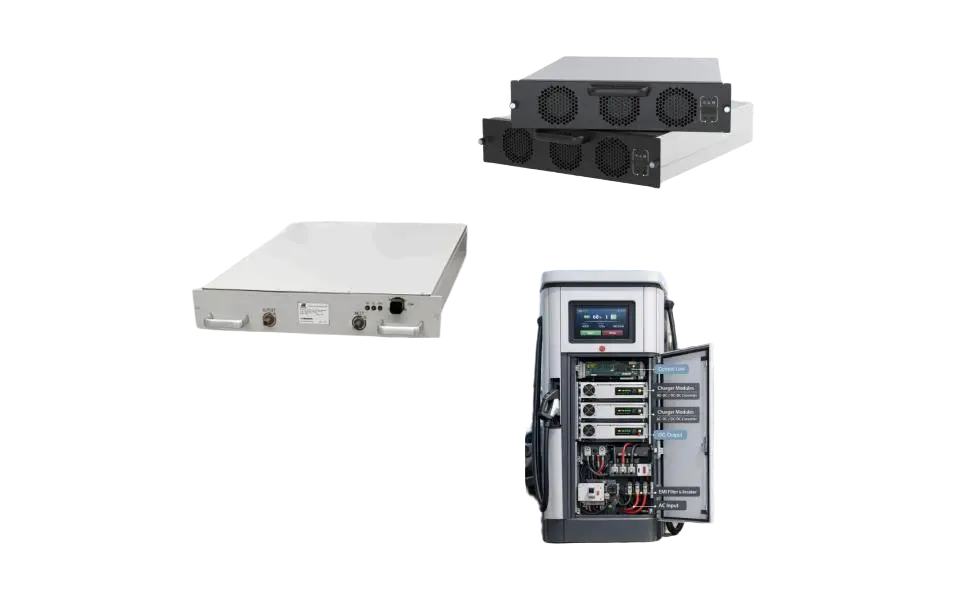
MIDA New Energy specializes in EV charger power modules, offering 20kW–60kW standard modules, 40kW–125kW liquid-cooled modules, 30kW–62.5kW bidirectional modules, and 20kW–45kW V2G charging modules.
Operating a high-power charging hub in the Middle East demands strict architectural planning and specific engineering mitigations. Ambient air temperatures in the UAE regularly hover around 50°C in peak summer. Under such conditions, standard silicon-based power modules experience rapid thermal accumulation, leading to severe output derating or component failure. MIDA Group has addressed these pain points through three core innovations:
Using custom water-glycol heat exchangers, our liquid-cooled CCS2 dispensers support up to 600A continuous current. The internal coolant keeps the cable weight manageable for consumers while keeping terminal contacts cool, even under full sun exposure.
Airborne dust and fine sand are highly abrasive and can cause electrical shorting. Our modular power cabinets feature isolated, sealed cooling air ducts, separating the electronic components from the desert environment to dramatically extend the station life cycle.
By integrating dynamic power routing matrices, our split charger systems allocate energy to parked vehicles in real-time, depending on demand, battery SoC, and grid heat thresholds, maximizing efficiency and saving operational costs.
Information Gain: Modern GCC smart city grids are shifting to dynamic charging rate structures. MIDA's complete support of OCPP 2.0.1 and ISO 15118 allows for direct interface with regional grid operator protocols, enabling immediate, automated vehicle authentication and localized load-shaving profiles.
Discover the critical components engineered by MIDA Group to supply turnkey system integrators and regional operators.
To support high EV adoption, deployment strategies must match specific usage patterns in the Gulf region. MIDA Group provides customized technology stacks configured for key commercial environments:
Long-distance travel between Abu Dhabi, Dubai, and the Northern Emirates requires megawatt-level high-power stations. Installing split-architecture dispensers with dynamic power allocation minimizes dwell time, allowing heavy passenger vehicles and logistics vans to recharge to 80% SoC in under 15 minutes.
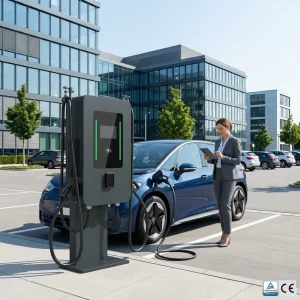
Mall complexes, luxury resorts, and corporate skyscrapers require high-efficiency, small-footprint charging. MIDA’s space-saving wall-mounted DC fast chargers and dual-gun stations fit easily on parking garage columns, delivering high power without reducing parking space.
Remote highway services and luxury desert resorts often face grid limitations. By deploying MIDA’s BESS Charging Systems, site operators can capture local solar energy, store it, and deliver up to 400kW fast charging without expensive grid upgrades.
Review the complete hardware portfolio engineered by MIDA Group for municipal transit networks, public operators, and depot charging setups.
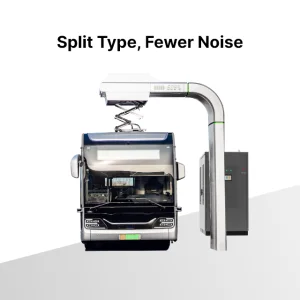
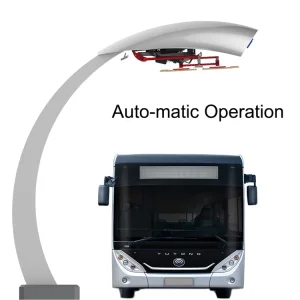
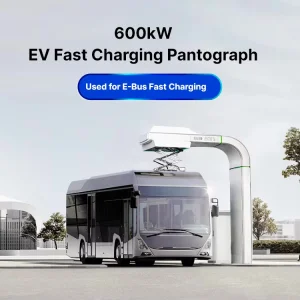
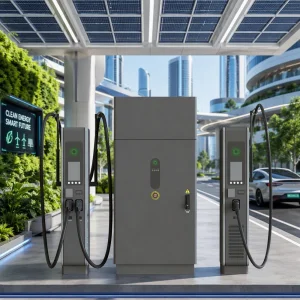
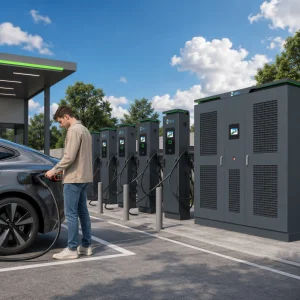
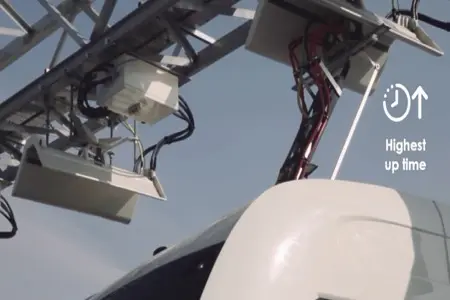
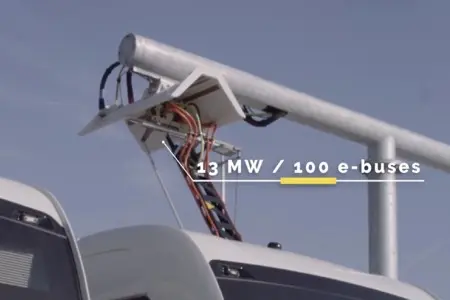
Decarbonizing public transport networks is a primary focus for Dubai's RTA and Abu Dhabi's ITC. Traditional plug-in chargers, while useful, present bottleneck risks in bus depots due to human handling and limited charging speeds. MIDA Group's automated overhead pantograph systems address these concerns, offering hands-free high-power charging for e-bus fleets.
Featuring mechanical connections that lower from an overhead gantry (pantograph-down) or raise from the bus roof (pantograph-up), these systems charge heavy-duty transit buses during short passenger stops or fast overnight layovers. The entire automated charging process complies with standard protocols, including OCPP and ISO 15118 wireless communication, to ensure maximum safety.
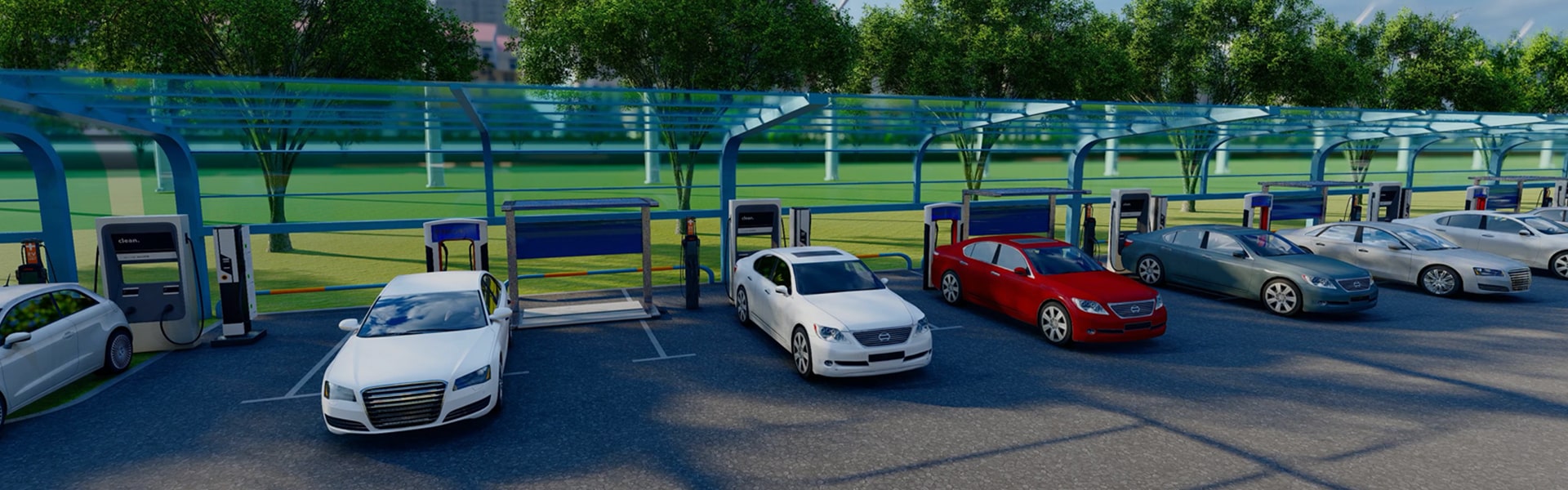
Read our latest technical insights, fleet project announcements, and engineering studies on urban transit electrification.
Get detailed, expert answers regarding specifications, climate compliance, installation, and procurement in the GCC region.