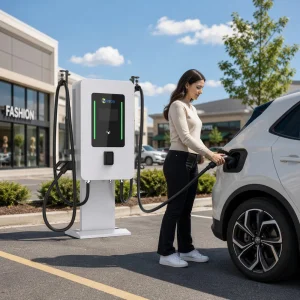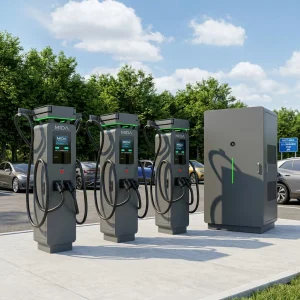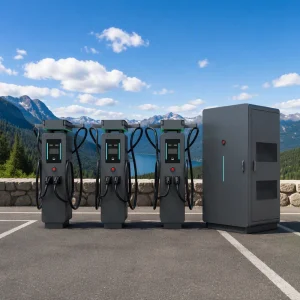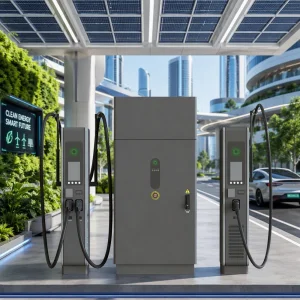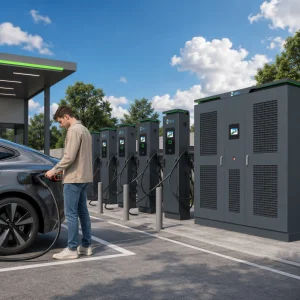
DC Charger Station Manufacturer & Factories for the Chile Market

Empowering Santiago's Electro-corridors, Atacama Solar microgrids, and High-Altitude Mining Fleets with Megawatt Class Split Architecture & CCS2 DC Charging Infrastructure.

Chile-Ready High-Power DC Chargers

Engineered for high altitude, CCS2 standardization, and heavy-duty operation across Santiago and the Antofagasta mining corridors.
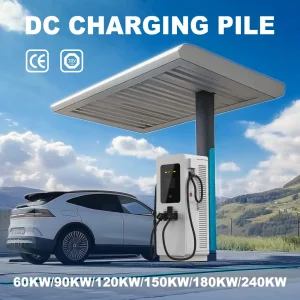
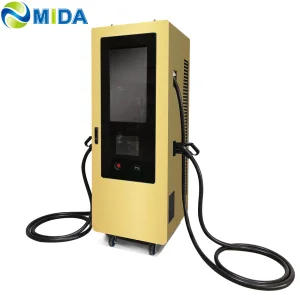
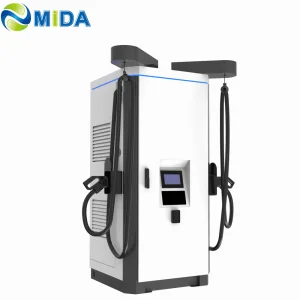
Chile Smart EV DC Charger Fast Charging Station

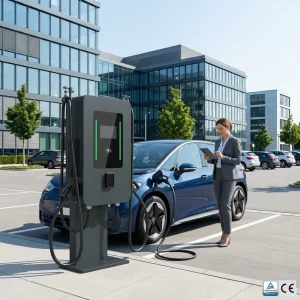
Chile Smart EV DC Charger 150kW, 180kW, 200kW, 240kW, 300kW, 360kW, 420kW fast charging station Manufacturer, Factory

View Technical Spec
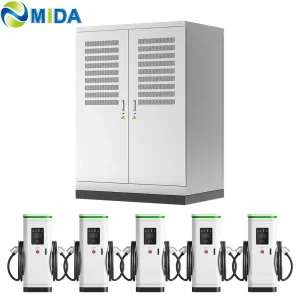
Chile Best Factory Fast EV Charger Supplier

Best China Factory 120KW 180kW 240kw Fast EV Charger Advertising Charging Station Suppliers, Factory

View Technical Spec
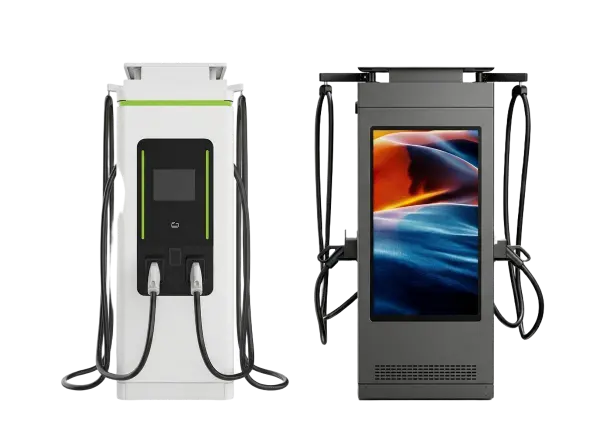
Chile Level 3 EV Charger Manufacturers

China China Level 3 EV Charger 240kW 350kW DC Fast Charging Station Manufacturers, Supplier

View Technical Spec
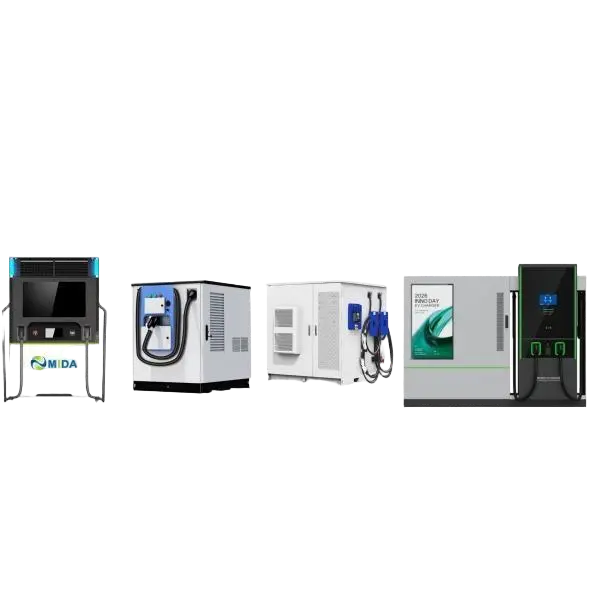
Chile CCS Fast EV Charger Manufacturers

Best China CCS Split Cabinet Fast EV Charger Pile 600kw 720kw DC Charging Station Manufacturers, Supplier

View Technical Spec

1. The Chilean Electromobility Landscape: A Strategic Commercial Overview

Chile stands as the undisputed pioneer of public and industrial transit electrification in Latin America. Guided by the ambitious Estrategia Nacional de Electromovilidad, Chile aims for 100% of its urban public transport to be emission-free by 2035, and 100% of light and medium commercial vehicles by 2045. The Santiago Metropolitan Region (RED Mobility) already hosts one of the largest electric bus fleets outside of China, demanding robust, high-performance DC fast charging solutions. However, deploying charging infrastructure in Chile presents unique geographic and industrial challenges, from the coastal environments of Valparaíso to the extremely high-altitude and dust-heavy mine sites in the Atacama Desert.

To successfully integrate massive EV fleets, Chilean industrial players, fleet operators, and public works concessions require DC Fast Charging stations that conform to local regulations (SEC certification protocols) and standard European interfaces (primarily CCS2 Type 2). Reliability at high altitudes (>3,000 meters above sea level) requires chargers with derating tolerance, high-efficiency thermal management, and reliable remote OCPP 1.6J/2.0.1 integrations to interface with local grid management systems.

2. Global EV Charging Infrastructure: The Megawatt Era

The global EV infrastructure market is transitioning rapidly from basic 50kW chargers to Ultra-Fast Charger Stacks ranging from 360kW to 1000kW+, and Megawatt Charging Systems (MCS) designed for heavy shipping and mining fleets. Key trends driving this shift include:

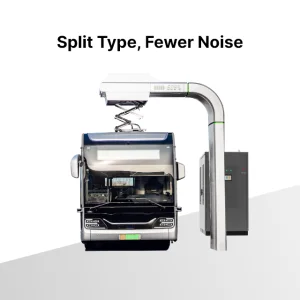
  • Split Architecture Systems: Placing the heavy, heat-generating power modules in a centralized utility cabinet and utilizing lightweight, modular dispensers at the user endpoint. This reduces spatial footprints and optimizes grid connection.
  • Liquid Cooling Technology: Allowing lightweight cables to handle up to 500A-1000A without overheating, slashing recharge times to under 15 minutes for logistics fleets.
  • BESS-Integrated Charging: Deploying battery energy storage systems alongside chargers to mitigate peak demand charges and balance volatile grids without expensive utility upgrades.

96%+

Module Power Efficiency

3000m+

High-Altitude Operating Range

OCPP 2.0.1

Smart Integration Ready

IP55/IP65

Harsh Environment Protection

WHO IS MIDA GROUP?

Shanghai Mida Cable Group Ltd. operates through its wholly owned subsidiaries: Shanghai Mida EV Power Co., Ltd., Shenzhen Mida EV Power Co., Ltd., and Shanghai Mida New Energy Co., Ltd.

We are a vertically integrated manufacturer specializing in EV cables, high-power DC connectors, and utility-scale fast-charging stations. Our cable division manufactures a comprehensive range of EV charging cables, including 16A–80A J1772, 16A–63A IEC 62196-2 Type 2, and high-current DC fast charging cables (CCS1 up to 500A, CCS2 up to 1000A, CHAdeMO up to 300A, GBT up to 1000A, and NACS connectors up to 600A). Our power systems division, MIDA EV Power, produces 7kW–50kW mobile chargers, 360kW–1440kW split-type DC fast chargers, and smart energy storage charging systems.

Through our dedicated power module division, MIDA New Energy, we research and manufacture the core heart of DC chargers: high-efficiency 20kW-60kW standard air-cooled modules, 40kW-125kW liquid-cooled modules, and bidirectional V2G power units. This allows MIDA to control the entire manufacturing process, guaranteeing reliable quality and cost-competitiveness.

MIDA Group Core Product Segments

Vertically integrated systems covering EV cable production, component assembly, and mega-power DC charging stations.
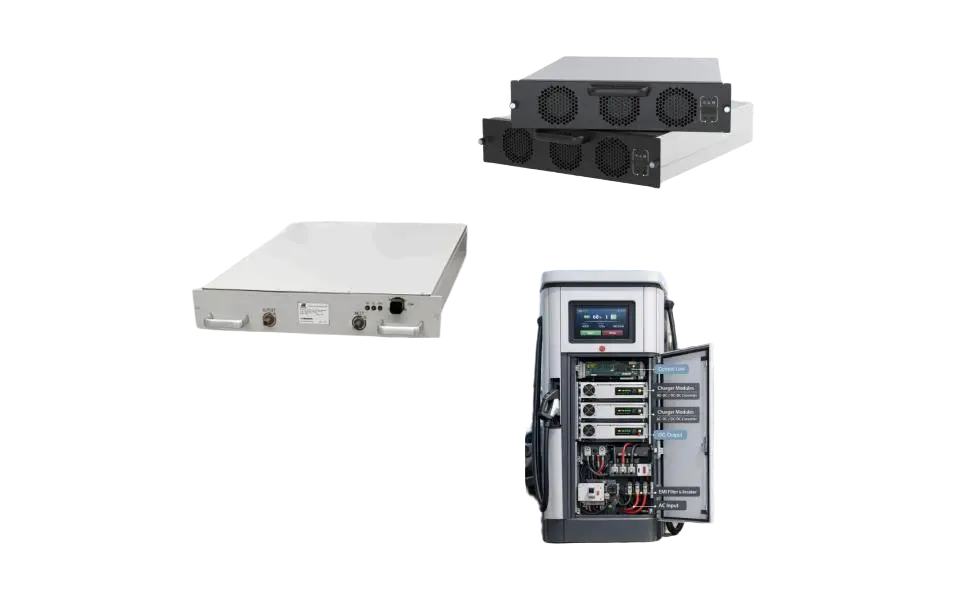
EV Charging Power Modules

  • 30kW to 80kW AC/DC charging modules
  • 40kW to 125kW Liquid-Cooled modules
  • 20kW to 45kW Bidirectional V2G modules
  • High efficiency >96.5% with wide voltage range
EV Charging Power Module

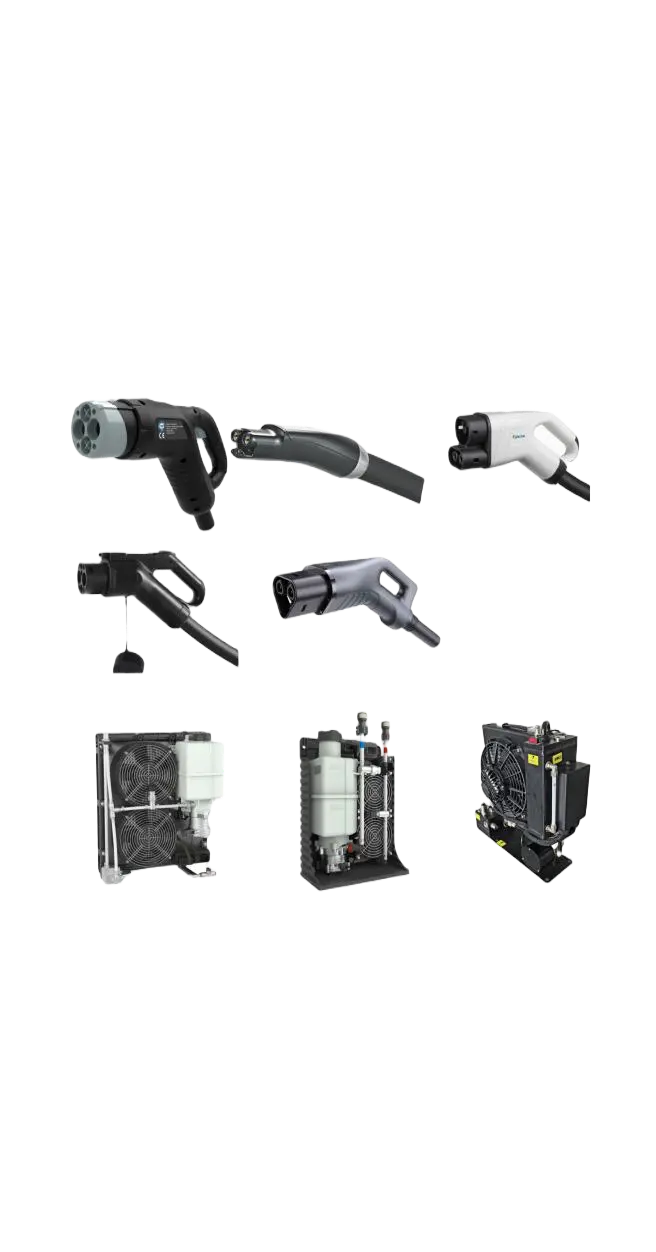
DC Charging Connectors

  • 500A-600A liquid-cooled CCS1 & CCS2 plugs
  • 125A-350A NACS & CHAdeMO connectors
  • 1500A Megawatt MCS & ChaoJi connector
  • Complete integrated cooling unit systems
DC Charging Connector

DC Fast Charger Stations

  • 20kW to 80kW wall-mounted DC units
  • 60kW to 480kW floor-standing stations
  • 600kW to 1080kW liquid-cooled mega chargers
  • 360kW to 1680kW split-type bus hubs
DC Fast Charger Station

BESS Energy Storage Systems

  • 15kW-480kW mobile trailer battery chargers
  • 60kW-400kW integrated storage cabinets
  • Solar-plus-storage integration systems
  • Lithium Iron Phosphate (LFP) chemistry
Energy Storage Charging Station

3. China Manufacturing Efficiency: Elevating Chilean Infrastructure ROI

Deploying infrastructure in Chile requires significant initial capital expenditure (CAPEX). Sourcing DC charger systems from MIDA's advanced Chinese manufacturing facilities allows operators to maximize ROI through several key advantages:

Supply Chain Integration: Because MIDA manufactures the power modules, the liquid-cooled cables, and the structural enclosures in-house, we eliminate the 15-20% margin stack typical of Western system integrators who assemble parts from various third-party vendors. This ensures seamless hardware-firmware integration, leading to higher reliability and lower maintenance costs (OPEX).

Mass Scale Production: China’s robust industrial ecosystem guarantees rapid component sourcing and strict production schedules. MIDA's factories run automated testing cycles, chamber stress tests for extreme climates, and comprehensive quality control processes, ensuring that even large-scale, split-system commercial orders are delivered in weeks rather than months.

4. Localized Application Scenarios in Chile

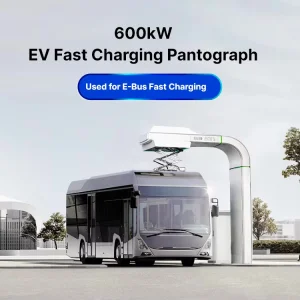
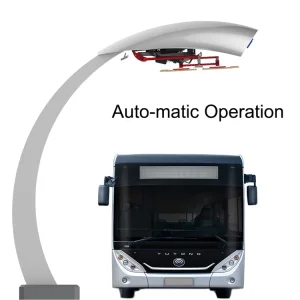
  • Municipal E-Bus Fleets (Santiago & Valparaíso): High-power split-type chargers (360kW-600kW) with overhead pantograph systems facilitate fast, automated charging at depot terminals, minimizing operational downtime for the RED bus system.
  • High-Altitude Mining Corridors: Mining operations require heavy vehicles to work continuously at high altitudes. MIDA's liquid-cooled DC fast chargers, rated up to 1000kW, feature altitude derating adjustments and dust-proof IP65 electronics, ensuring reliable performance in harsh desert and mountain conditions.
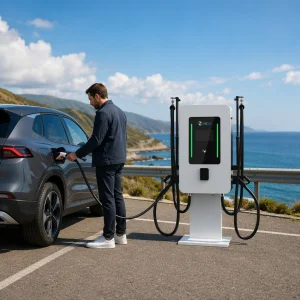
  • Highway Charging Corridors (Ruta 5): Integrated battery storage (BESS) charging piles allow highway concessionaires to install 240kW+ ultra-fast chargers in remote areas where grid capacity is limited, avoiding costly grid upgrades.

Technical Insights & Industrial Updates

E-bus pantograph systems and heavy-duty logistics depot charging developments.
e-bus pantograph advantage

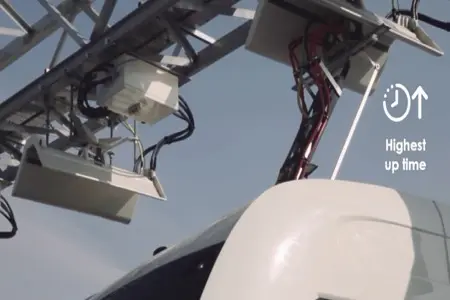
What are the advantages of an e-bus pantograph dome?

In contrast to classic plug-in charging systems, e-bus pantographs allow hands-free, high-power energy transfer at high voltages, significantly optimizing bus schedules and fleet utilization rates.
e-bus pantograph charging time

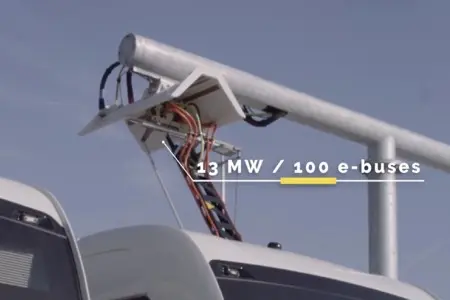
How long does it take to charge with an e-bus pantograph?

The charging time depends on the battery capacity and the station's output power. Using MIDA's 600kW split pantograph systems, transit buses can charge from 20% to 80% in under 12 minutes.

install pantograph up charger

How to Install the Pantograph Up Charger System Dome

Installing a "Pantograph Up" system requires precise structural coordination, high-power grid integration, and alignment testing. MIDA provides field support to ensure perfect deployment.

Commercial & Industrial DC Charging Fleet Solutions

Complete lineup of CCS2, Liquid-Cooled, and Pantograph DC chargers optimized for the Chilean mining, transit, and logistics sectors.
Chile Heavy Duty EV Charging Station 700kW-1500kW

China China EV Charging Station 700kW 1500kW GB/T CCS2 Split DC Charging Hub Suppliers, Factory

View Technical Spec
Chile Electric Bus Super Charger 300kW-600kW

Best 300kw 600kw Super Charger Pantograph System Electric Bus EV Charging Station Factory, Factories

View Technical Spec
Chile Split Type Pantograph Charger Station

Best High Power 300kw 600kw Split Type Pantograph Charger Station for EV Bus Manufacturers, Suppliers

View Technical Spec
Chile Ultra Fast Charging Pantograph Charger 600kW

Best 600KW Ultra Fast Charging Pantograph Charger for Electric Bus Charging Station Suppliers, Factories

View Technical Spec
Chile Wall-mounted DC Fast Charger 60kW 80kW

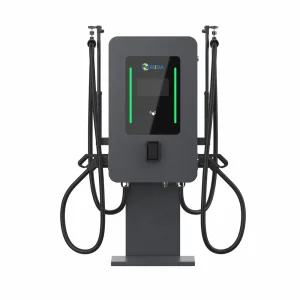
China MIDA 60kW 80kW Wall-mounted DC Fast Charger Dual Gun EV Charging Station Suppliers, Factories

View Technical Spec
Chile Level 3 DC Fast Charging Station 40kW 60kW

Best 40kW 60kW Level 3 DC Fast Charging Station ISO 15118-20 Wall Mounted EV Charger Manufacturers, Factory

View Technical Spec
Chile Customized CCS1 NACS Wall Mounted DC Station

China Level 3 DC Charger 60kw 80kW Customized CCS1 NACS Wall Mounted DC Charging Station Manufacturer, Factories

View Technical Spec
Chile Wall Mounted OCPP2.0 DC Charger Station

Best TUV ETL RCM 40KW 60kW 80kW Wall Mounted EV Charger OCPP2.0 DC Charger Station Manufacturer, Supplier

View Technical Spec
Chile CCS2 Liquid Cooled EV Charger 600kW-800kW

Best CCS2 Liquid Cooled EV Charger 600kW 800kW Ultra Fast Charging Station Manufacturer, Supplier

View Technical Spec
Chile Split EV Charger Dispenser Stack

China DC Split EV Charger 600kW 720kW 800kW Dispenser DC Charging Station Stack Manufacturer, Supplier

View Technical Spec
Chile Liquid Cooled DC EV Charging Stack

China Liquid Cooled Charging Pile Split EV Charger 600kW 800kW 960kW DC EV Charging Stack Manufacturers, Suppliers

View Technical Spec
Chile Supercharger Stack 1000kW-1200kW

Best Liquid Cooled Split EV Charger 1000KW 1200KW DC Charging Piles Supercharger Stack Factory, Factories

View Technical Spec

5. Future Trends: Grid Resilience & V2G Integration in Chile

As Chile's grid capacity faces regional imbalances—with abundant solar energy generated in the north (Atacama) and high industrial consumption centered around Santiago—smart charging and energy storage systems (BESS) are becoming essential. By utilizing bidirectional V2G power modules, commercial fleets can act as virtual power plants (VPP), feeding power back into the grid during peak periods to generate auxiliary revenue. Additionally, integrating solar generation with battery storage systems ensures that remote highway charging stations can remain operational independently of grid constraints, paving the way for sustainable long-haul electric transport.

Deep Industry Technical Q&A (FAQ)

Addressing compliance, engineering challenges, and deployment logistics for Chile's electromobility sector.

Q1: Which EV charging standard is legally mandated for the Chile market?
Under the guidelines set by Chile’s Superintendencia de Electricidad y Combustibles (SEC), the standard charging interface is European CCS2 (IEC 62196-3) for DC fast charging, and Type 2 (IEC 62196-2) for AC charging. Sourcing manufacturers that guarantee compliant CCS2 configurations is critical for local SEC certification.
Q2: How do high-altitude conditions in Chilean mine sites affect DC chargers?
At altitudes above 2,000 meters (such as mining operations in Calama or El Teniente), thin air reduces the insulation dielectric properties and cooling efficiency of electronic components. MIDA's high-altitude designs adjust clearance distances and incorporate derating strategies alongside liquid cooling to ensure reliable continuous performance at heights up to 4,000 meters.
Q3: What are the benefits of split-type DC charger cabinets compared to all-in-one stations?
Split-type cabinets house the power modules and heat-generating cooling systems away from the user interface. Lightweight dispensers are placed at the charging bays, making them ideal for space-constrained urban depots. This architecture also simplifies maintenance and enables modular power scaling.
Q4: Why is liquid-cooling necessary for high-power DC systems exceeding 360kW?
When current exceeds 250A-300A, standard copper cables generate significant heat. Liquid-cooling circulates coolant through the cable and connector, keeping temperatures safe while handling currents up to 600A-1000A. This allows charging cables to remain lightweight and easy to handle.
Q5: Does MIDA support the OCPP 2.0.1 protocol for fleet management systems?
Yes, our entire line of DC fast charging stations natively supports the OCPP 1.6J and OCPP 2.0.1 JSON protocols. This ensures compatibility with local fleet management systems, dynamic load balancing, and smart grid integrations.
Q6: How does dynamic power allocation optimize multi-dispenser charging?
Our smart power cabinets use dynamic power matrix allocation to distribute total capacity based on the real-time battery status and charging curves of connected vehicles. For example, a 360kW system can allocate 240kW to one vehicle and 120kW to another, maximizing overall efficiency.
Q7: Can MIDA’s DC chargers operate with local off-grid solar and BESS systems?
Yes. We specialize in off-grid solar-plus-storage integration. Our DC systems can connect directly to BESS storage cabinets, shielding the grid from peak demand spikes and enabling fast charging in remote areas with limited grid access.
Q8: What global safety and quality certifications do MIDA products carry?
MIDA’s manufacturing facilities are certified to ISO 9001 and ISO 14001 standards. Our cables, connectors, and DC charger stations carry internationally recognized CE, TUV, ETL, and RCM marks, simplifying the SEC approval process in Chile.
Q9: How do your V2G bidirectional modules improve operating margins for fleet depots?
Bidirectional modules enable Vehicle-to-Grid (V2G) power flow. Fleet operators can charge vehicles during off-peak periods when electricity rates are lower, and feed energy back to the grid during peak hours to generate utility credits.
Q10: What is the typical lead time for custom high-power split systems from your factory?
Thanks to our vertically integrated supply chain, manufacturing typically takes 4 to 6 weeks. Logistics and sea freight to San Antonio or Valparaíso take approximately 30 to 35 days, enabling rapid deployment schedules.

Ready to Electrify Your Chilean Fleet Operations?

Contact our engineering sales team to design custom, SEC-compliant liquid-cooled charger systems, high-altitude configurations, or split pantograph terminals.

Send Inquiry Now