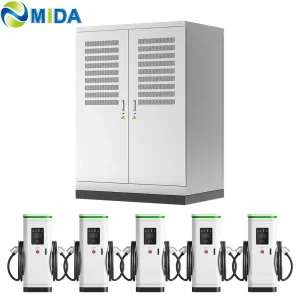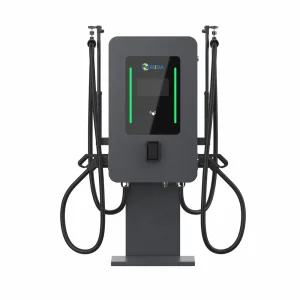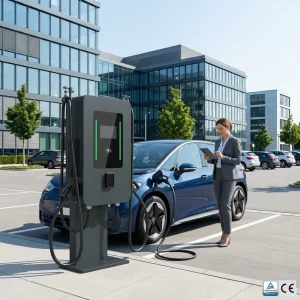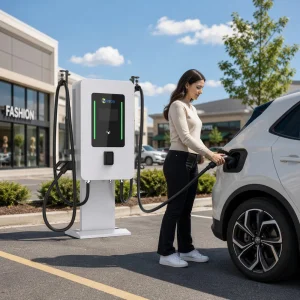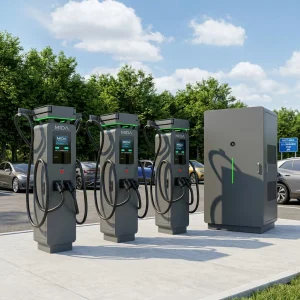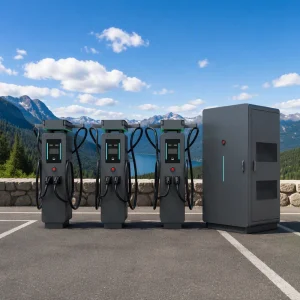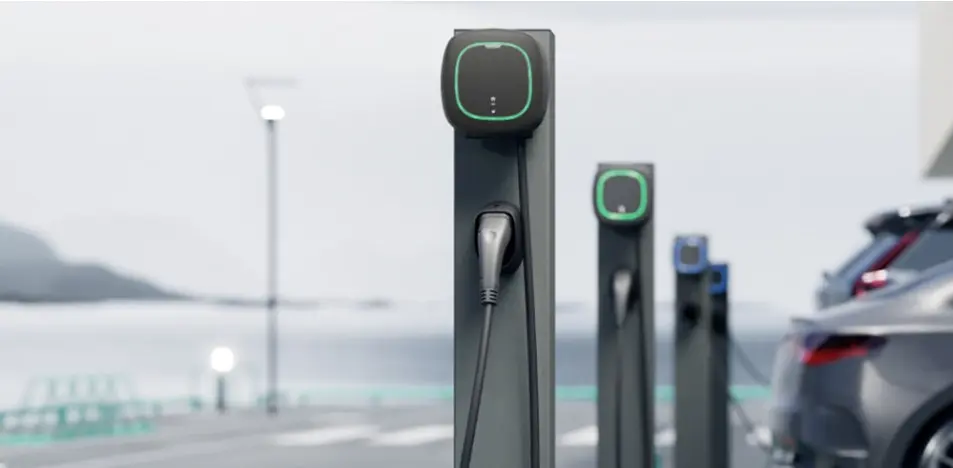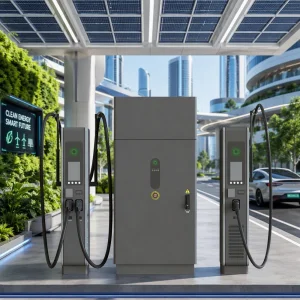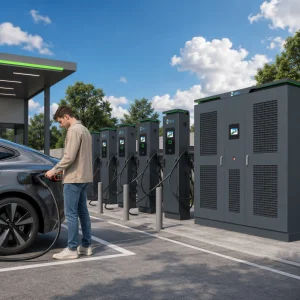
Pre-engineered DC fast chargers optimized for Sri Lanka's challenging grid dynamics and industrial environments.
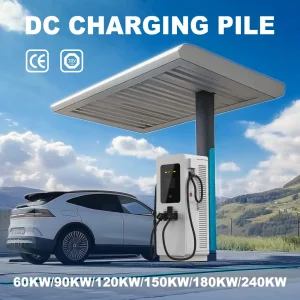
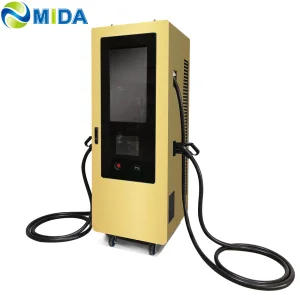
As Sri Lanka commits to decarbonizing its transport sector and expanding electric vehicle (EV) adoption across municipal and commercial fleets, the Ceylon Electricity Board (CEB) faces unprecedented grid challenges. Frequent grid voltage fluctuations, transmission deficits, and peak-hour demands often limit the direct connection of high-power DC fast charging terminals.
This is where Battery Energy Storage Systems (BESS) become indispensable. By decoupling the grid supply from high-power charging demands, our integrated BESS charging hubs serve as local energy reservoirs. They charge during off-peak periods when electricity tariffs are favorable and discharge during peak demand hours, providing uninterrupted 120kW to 600kW charging without straining the local sub-stations.
Discover how BESS-powered DC chargers address specific industrial bottlenecks globally and locally in South Asia.
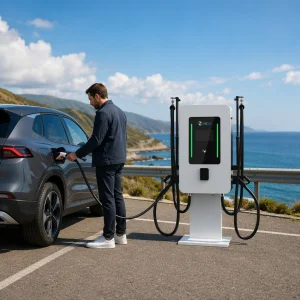
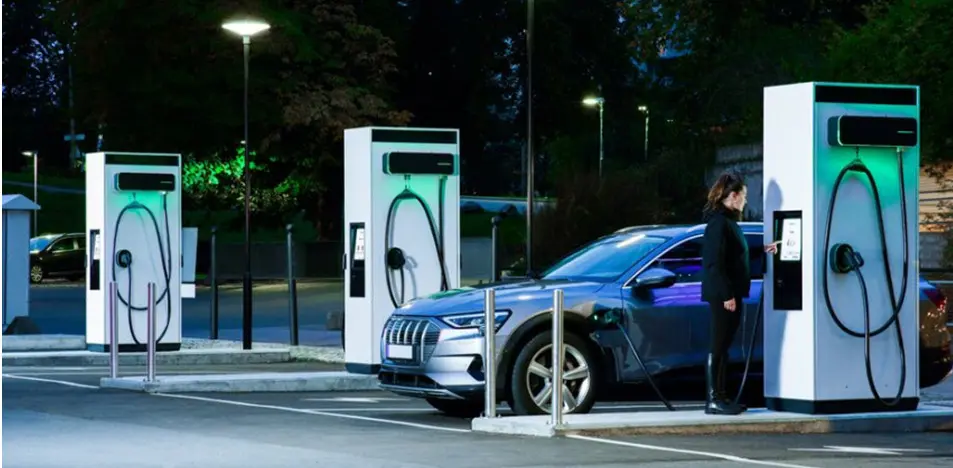
Coastal destinations like Galle and wildlife sanctuaries in Yala require rapid EV chargers to service electric tourist buses and SUVs. Due to remote, weak feeder lines, a 60kWh to 261kWh BESS paired with a 60kW DC charger ensures premium charging speeds without requiring multi-million rupee grid upgrades.
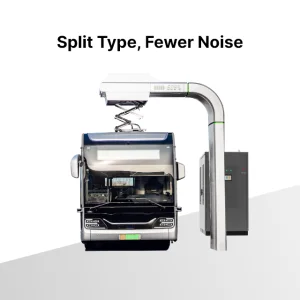
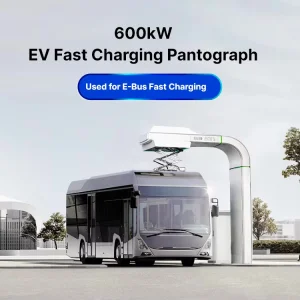
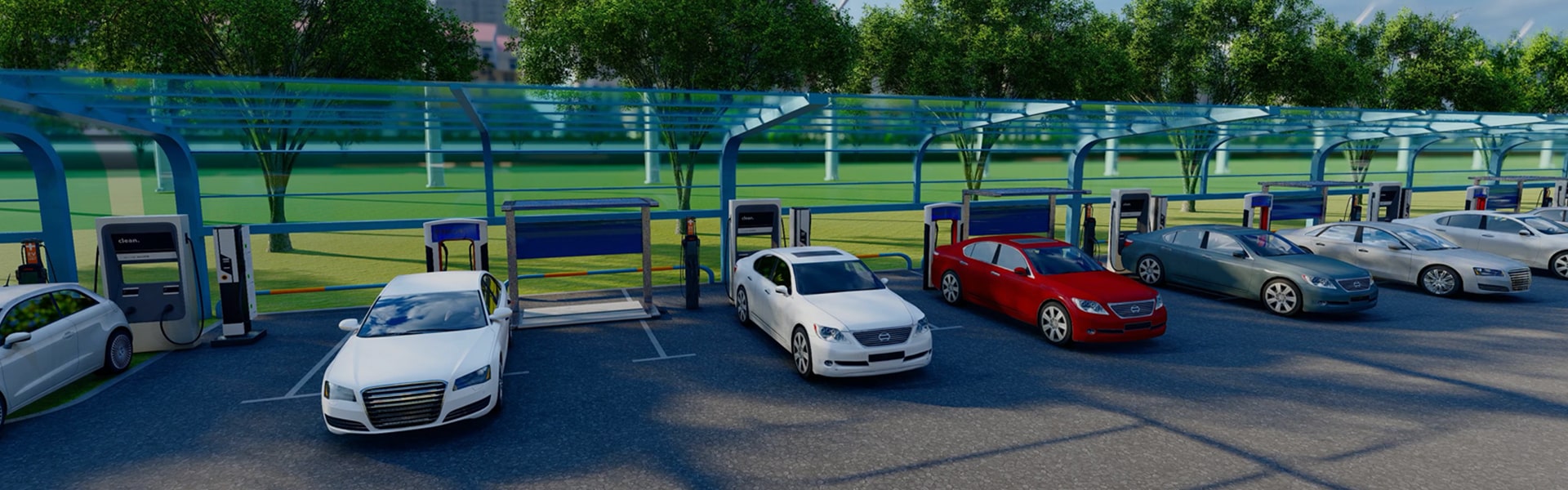
Colombo's public transport modernization projects require high-power pantograph charging systems. Integrating a split-type 600kW–1200kW DC supercharger stack with a containerized 1MWh BESS guarantees rapid charging for electric buses while keeping grid draw flat.
Manufacturing hubs within the Katunayake Free Trade Zone rely on uninterrupted power for logistics fleets. BESS charging systems allow operations to keep moving regardless of local load-shedding schedules, increasing overall plant throughput.
Direct integration of power components, cables, and energy storage blocks manufactured by MIDA Group.
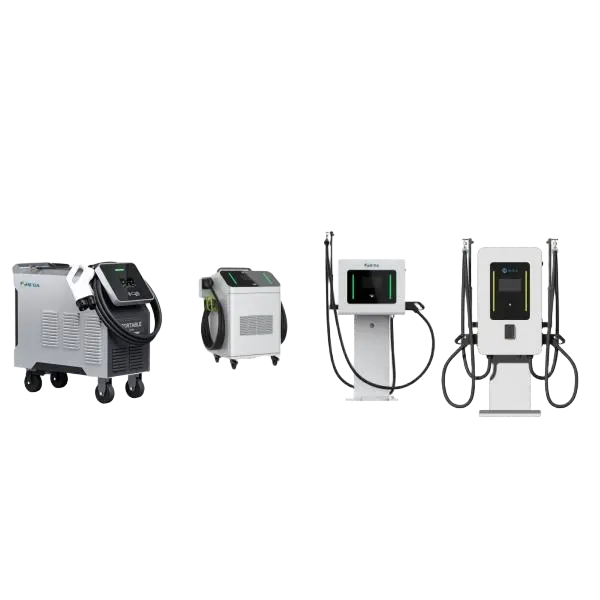
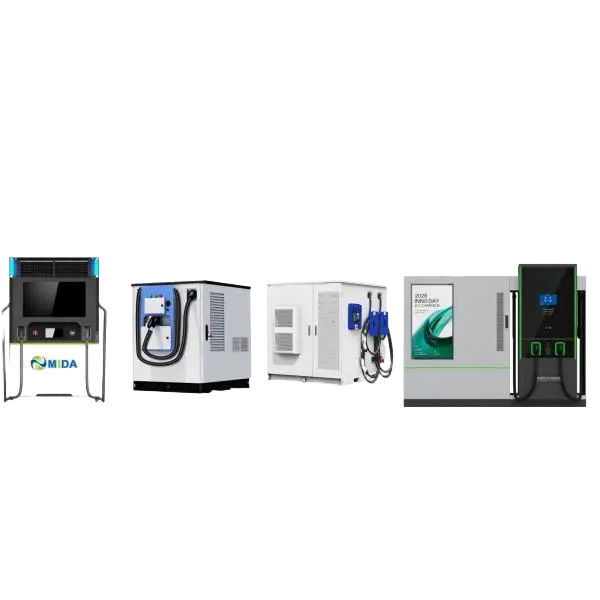
Shanghai Mida Cable Group Ltd. operates through its wholly owned subsidiaries: Shanghai Mida EV Power Co., Ltd., Shenzhen Mida EV Power Co., Ltd., and Shanghai Mida New Energy Co., Ltd. Together, we bring an integrated vertically optimized supply chain for the complete EV infrastructure network.
Mida Cable manufactures a comprehensive range of EV charging cables, including 16A–80A J1772 cables, 16A–63A IEC 62196-2 Type 2 cables, and DC fast charging cables: CCS1 (80A–500A), CCS2 (125A–1000A), CHAdeMO (125A–300A), GBT (200A–1000A), and NACS connectors (250A–600A).
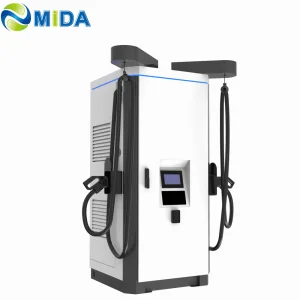
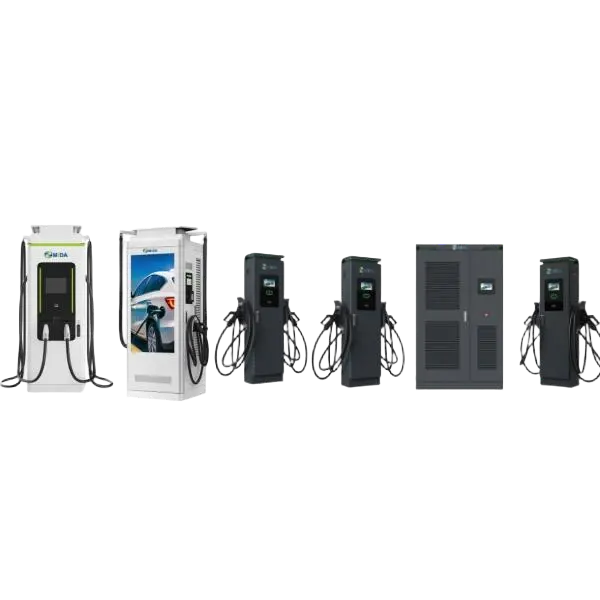
MIDA EV Power produces a full lineup of EV charging stations, such as 7kW–50kW mobile chargers, 3.6kW–7.2kW portable DC chargers, 360kW–1440kW split-type DC fast chargers, 20kW–50kW wall-mounted DC chargers, and 60kW–480kW floor-standing DC fast charging stations.
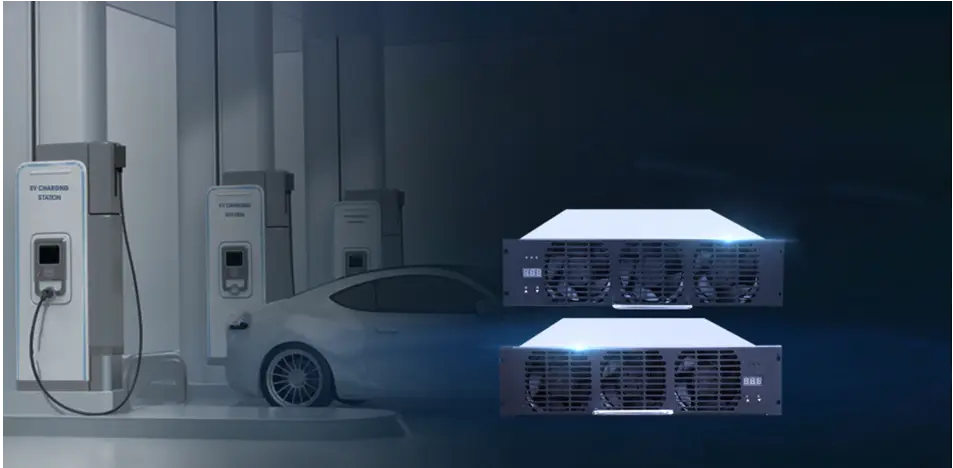
MIDA New Energy specializes in EV charger power modules, offering 20kW–60kW standard modules, 40kW–125kW liquid-cooled modules, 30kW–62.5kW bidirectional modules, and 20kW–45kW V2G charging modules.

Why procurement teams globally choose MIDA Group for high-density BESS and DC hardware installations.
The manufacturing efficiency of Chinese factories is not merely about labor scale; it is about absolute vertical supply chain integration. At MIDA Group, we control every subsystem of our charging and energy storage units. From copper extrusion in our cable facilities to power electronics board assembly in our dust-free SMT lines and thermodynamic structural analysis of our liquid cooling units, every component is developed and matched in-house.
For engineering firms in Sri Lanka and globally, this brings crucial advantages:
Review standard parameters for our main system categories to support your engineering requirements.
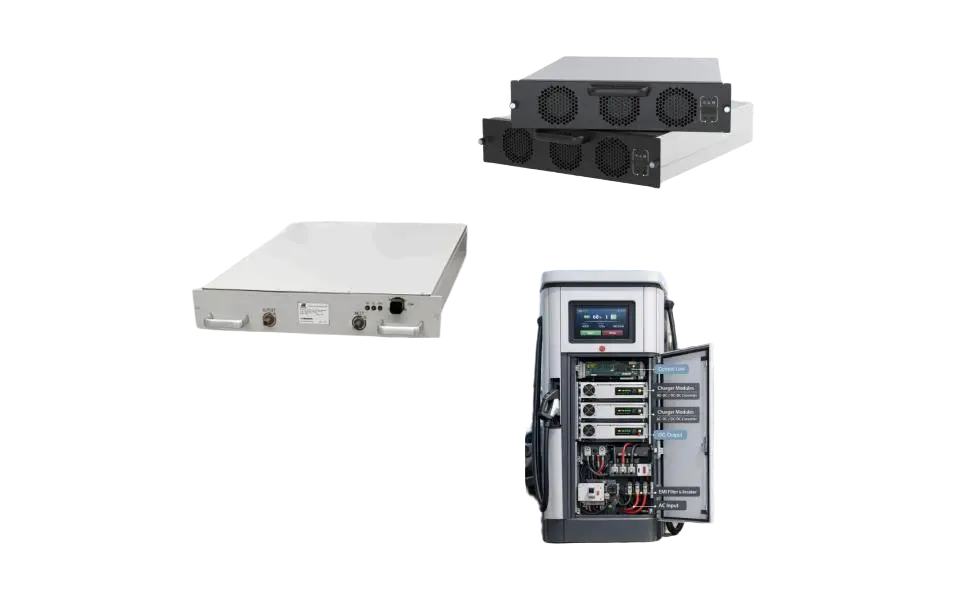
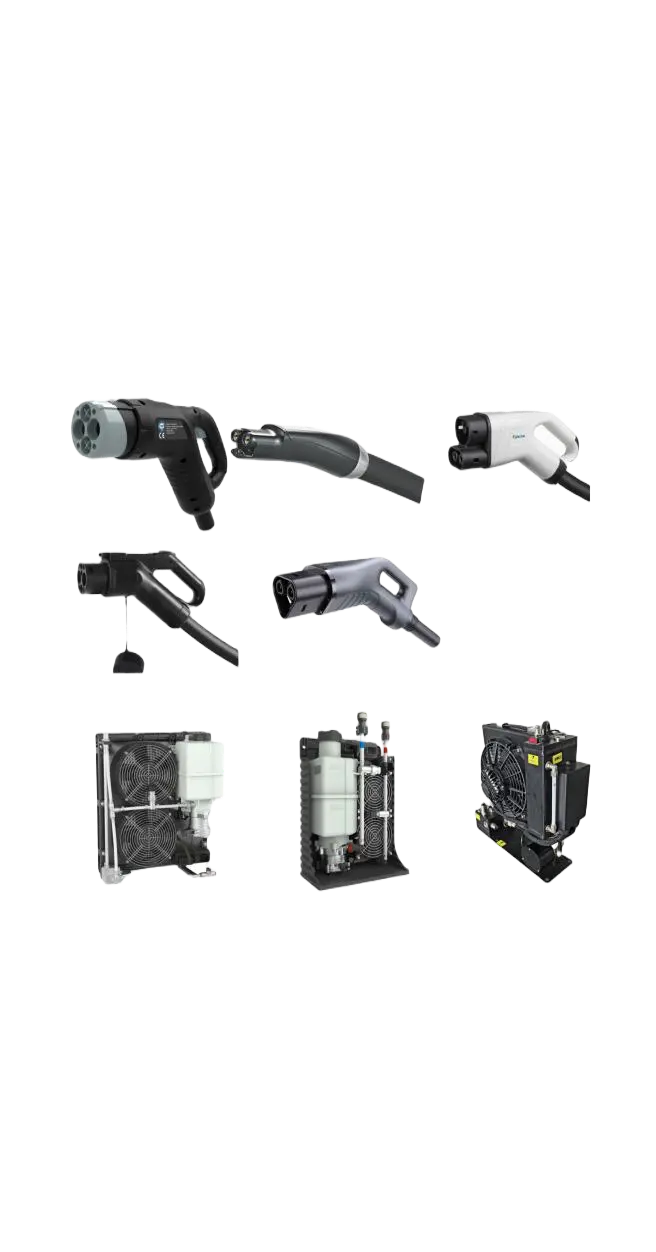
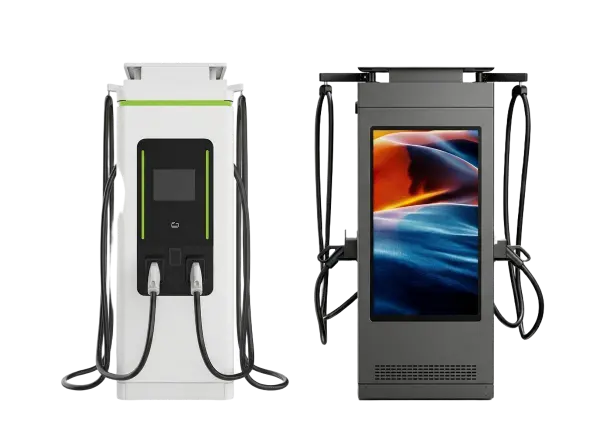
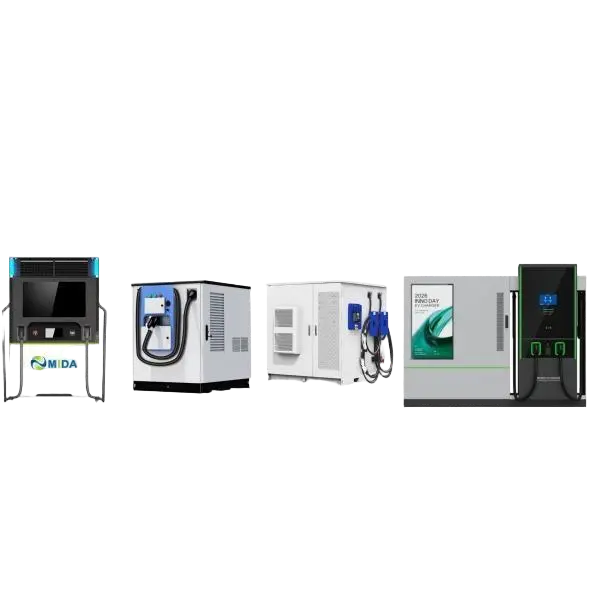
Stay updated with our research papers regarding electric bus pantograph charging solutions and structural design.
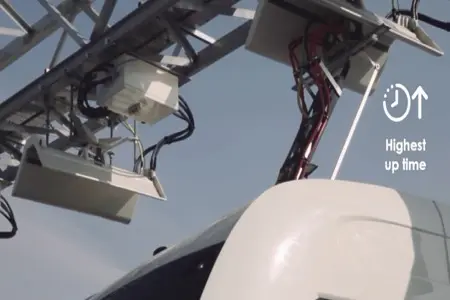
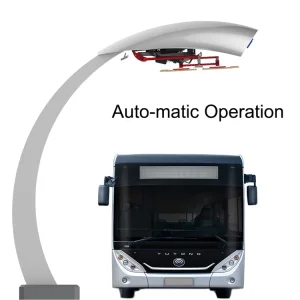
What are the advantages of an e-bus pantograph dome? In contrast to classic plug-in charging systems, e-bus pantograph systems offer automated connection capability, high-voltage operation, and space-saving depot layouts.
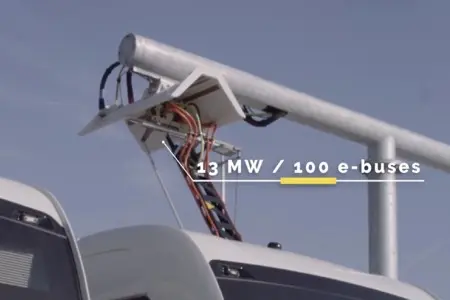
How long does it take to charge with an e-bus pantograph? The charging time depends on the battery capacity and the station rating, typically ranging from 5 to 15 minutes for opportunity charging at route terminals.
How to Install the Pantograph Up Charger System Dome for Electric Bus. A comprehensive guide detailing concrete foundation preparation, overhead structural dome alignment, and high-power substation integration steps.
Critical answers for EPC contractors, developers, and utility planners in the South Asian grid market.
Designed for public transport systems, municipal fleets, and high-frequency charging plazas.