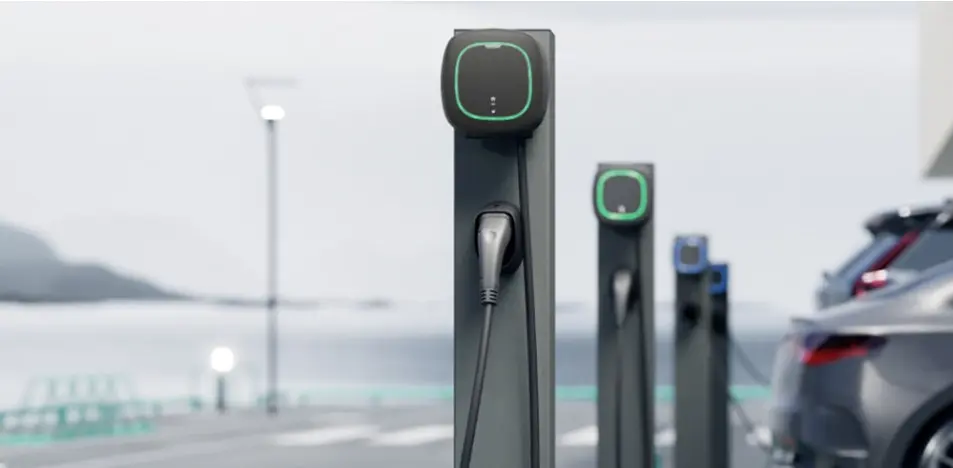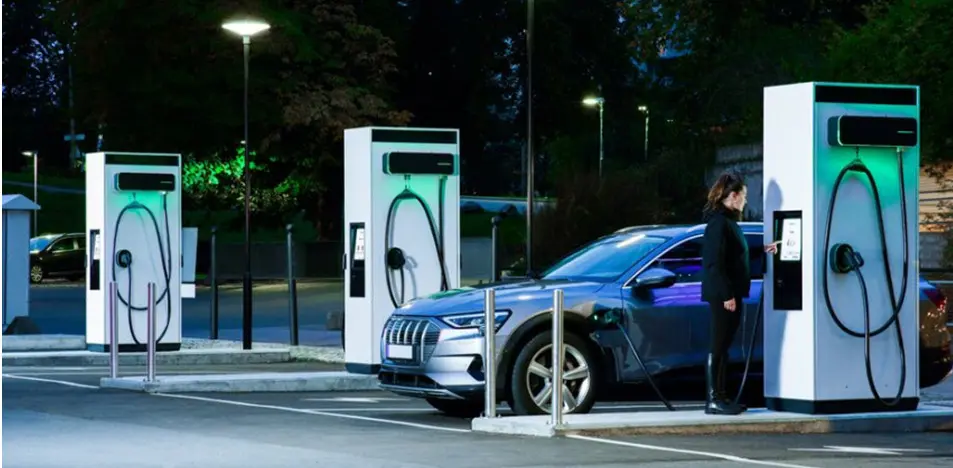
Deploy reliable Level-3 and ultra-fast charging systems engineered to withstand German grid stresses.
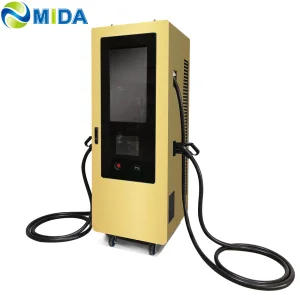
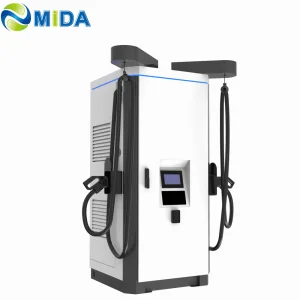
The German energy landscape is undergoing its most radical transformation to date (Energiewende). As coal generation phases out and the deployment of volatile renewable energy source (RES) generation accelerates under the German Renewable Energy Sources Act (EEG), the local electric grid faces unprecedented frequency stability issues. Meanwhile, the rapid electrification of heavy-duty transport corridors and bus depots mandates multi-megawatt connections that local distribution system operators (DSOs) cannot provision without years of delay.
Integrated BESS and EV Charging is the Solution. By buffering low-voltage or medium-voltage grid points with Lithium Iron Phosphate (LFP) Battery Energy Storage Systems, charge point operators (CPOs) and fleet administrators can deliver peak power outputs of up to 1.2MW while limiting peak grid draw to just 150kW. This results in significant capital cost reductions and eliminates long regulatory bottlenecks.
Stay ahead of regulations and grid codes with modern charging systems integrated with next-gen smart technology.
Native integration of the ISO 15118-20 protocol enables secure Plug & Charge and bidirectional energy transfer (V2G/V2H). Our DC charging structures support high-frequency grid balancing commands directly via OCPP 2.0.1 integrations.
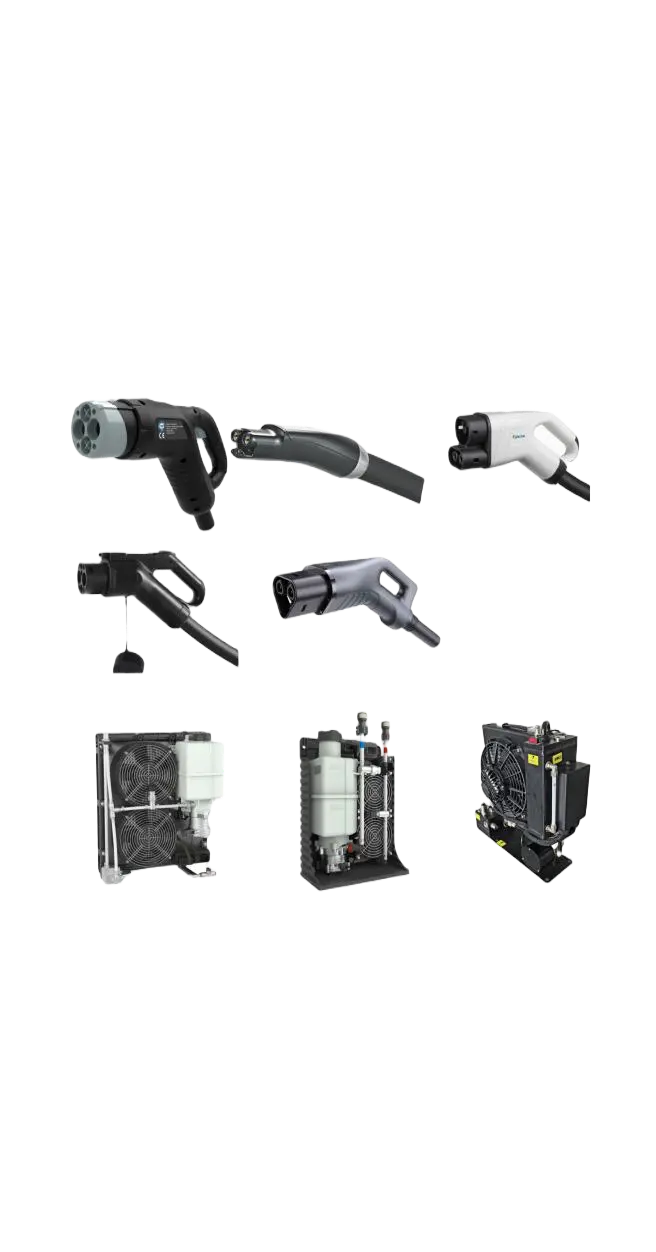
To serve the logistics corridor on German highways (e.g., A1, A2, A9), our ultra-fast systems operate with active liquid-cooled cabling. Delivering up to 1000A continuous current to reduce truck charging times to under 30 minutes.
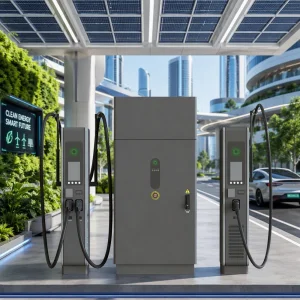
By directly coupling Solar PV modules, Lithium Iron Phosphate batteries, and EV charge dispensers onto a common DC bus, we reduce round-trip conversion losses by 6-8% compared to traditional AC-coupled setups.
Shanghai Mida Cable Group Ltd. operates through its wholly owned subsidiaries: Shanghai Mida EV Power Co., Ltd., Shenzhen Mida EV Power Co., Ltd., and Shanghai Mida New Energy Co., Ltd.
Mida Cable manufactures a comprehensive range of EV charging cables, including 16A–80A J1772 cables, 16A–63A IEC 62196-2 Type 2 cables, and DC fast charging cables: CCS1 (80A–500A), CCS2 (125A–1000A), CHAdeMO (125A–300A), GBT (200A–1000A), and NACS connectors (250A–600A).
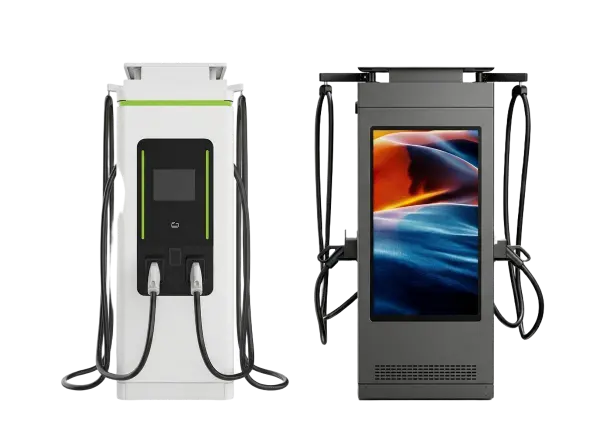
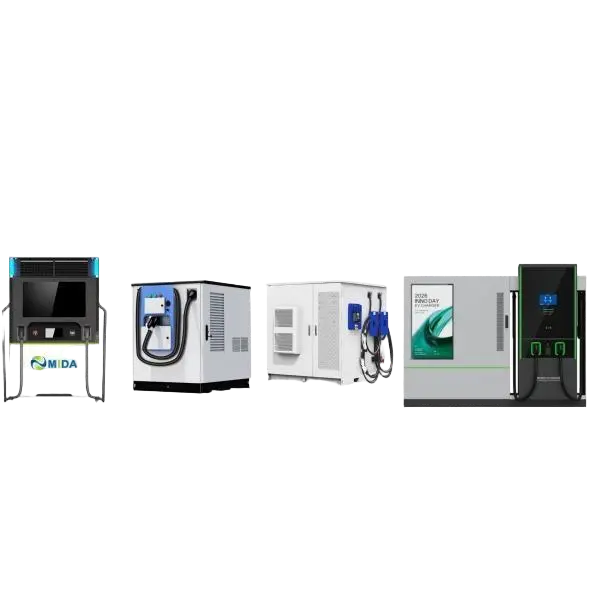
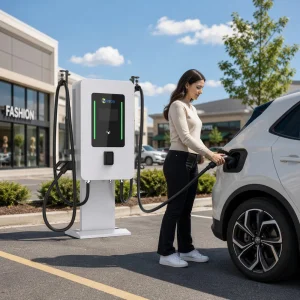
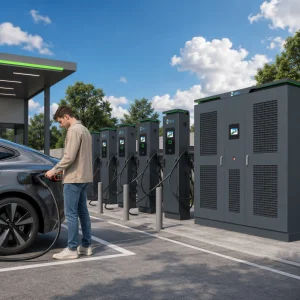
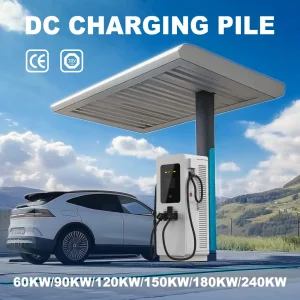
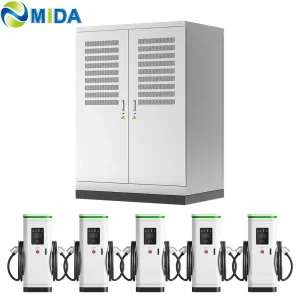
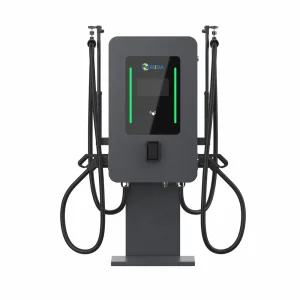
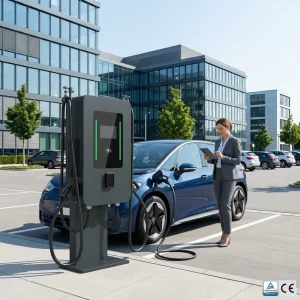
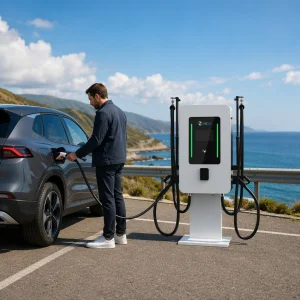
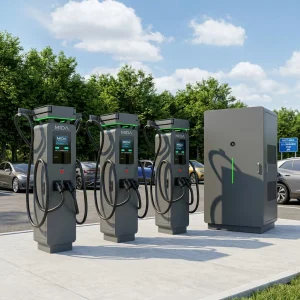
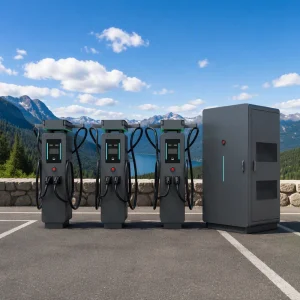
MIDA EV Power produces a full lineup of EV charging stations, such as 7kW–50kW mobile chargers, 3.6kW–7.2kW portable DC chargers, 360kW–1440kW split-type DC fast chargers, 20kW–50kW wall-mounted DC chargers, and 60kW–480kW floor-standing DC fast charging stations.
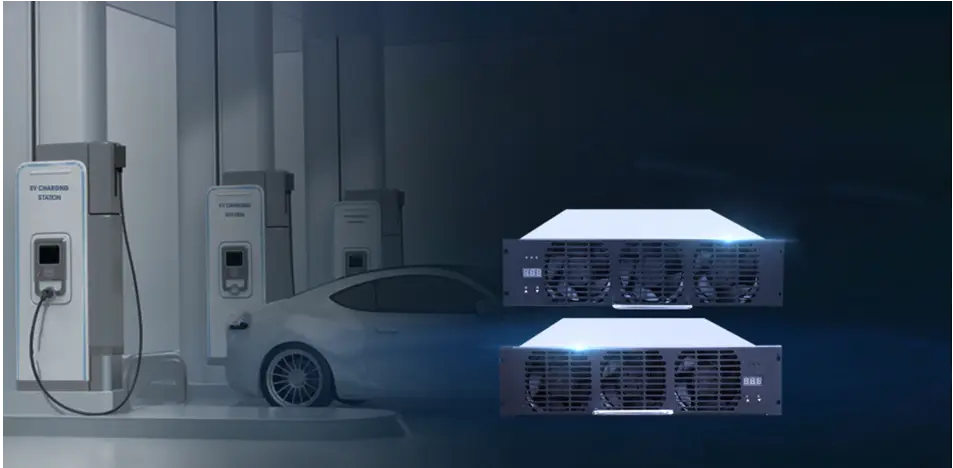
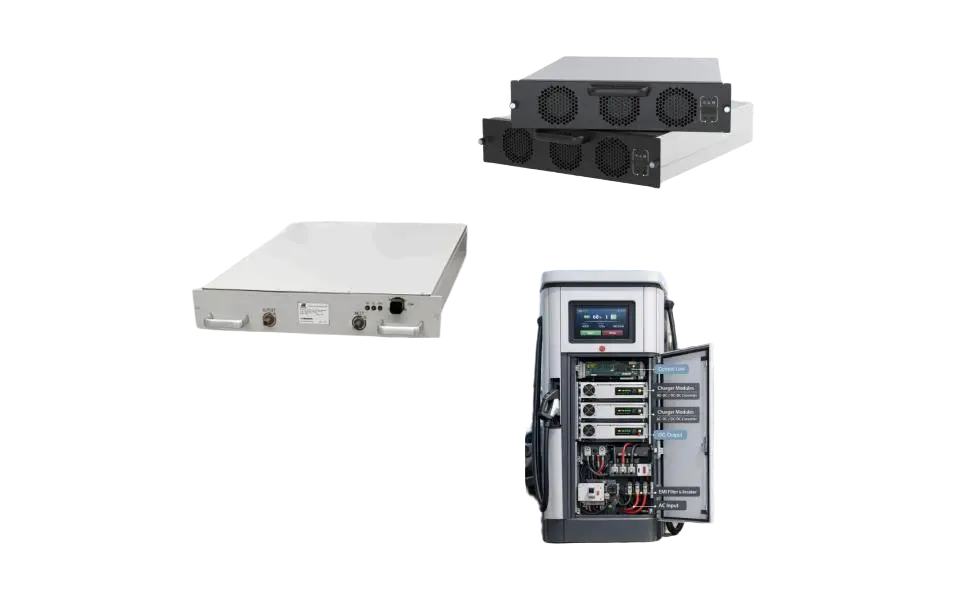
MIDA New Energy specializes in EV charger power modules, offering 20kW–60kW standard modules, 40kW–125kW liquid-cooled modules, 30kW–62.5kW bidirectional modules, and 20kW–45kW V2G charging modules.

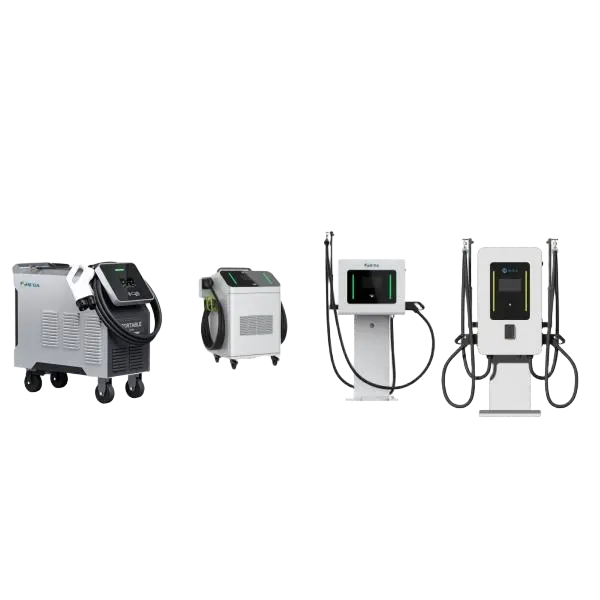
Versatile EV Charging setups: AC chargers and mobile platforms spanning 7kW, 20kW, 30kW, 40kW, 60kW, and 80kW.
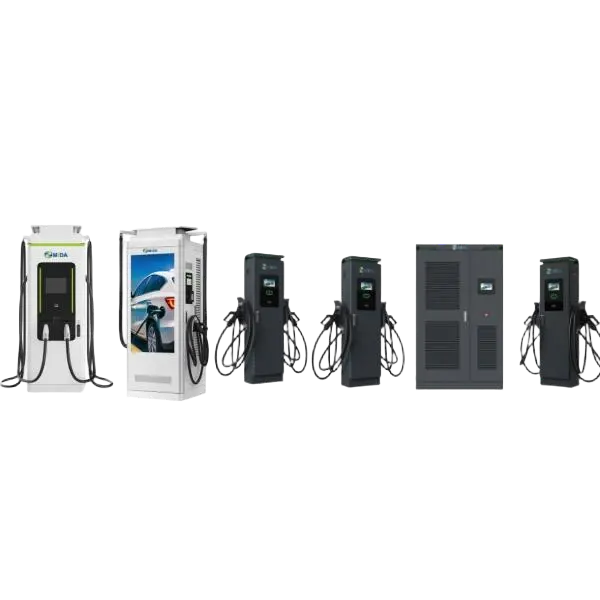
High-power modular architecture: customizable outputs ranging from 60kW–480kW up to heavy utility stacks of 360kW–1440kW.
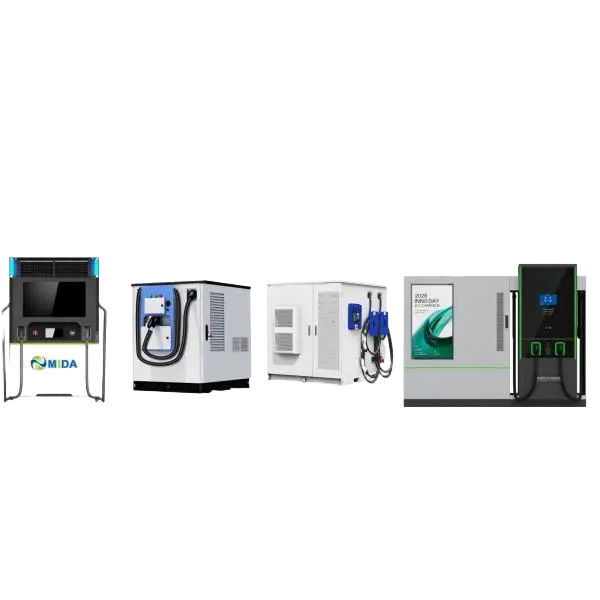
Grid-buffering solutions with integrated LFP cells: scalable blocks from 60kWh, 261kWh, 418kWh, 625kWh, up to 2MWh+ containers.
Engineered for efficiency, scaling, and heavy continuous operations in logistics hubs, utility grids, and bus depots.
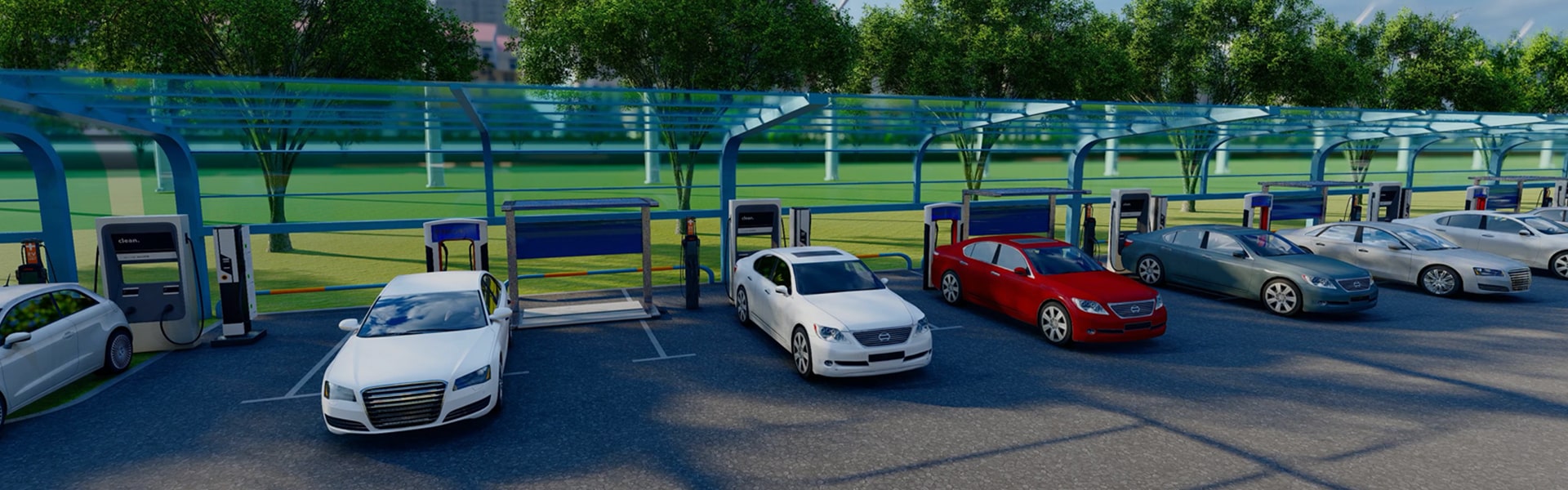
Deploying energy infrastructure in Germany requires meeting strict technical regulations and legal frameworks. Non-compliant units risk disconnection by local distribution network operators. MIDA solutions are designed to comply with local certifications, ensuring reliable integration.
MIDA's advanced manufacturing bases in Shanghai and Shenzhen optimize production efficiency. Vertical integration helps manage cost, quality, and delivery timelines.
By producing internal power modules, cooling units, and cables, we avoid supply bottlenecks and lower total cost of ownership (TCO) for German developers.
Review technical configurations and case deployments for public transit authorities and municipal networks.
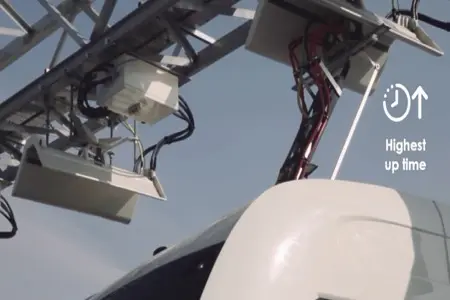
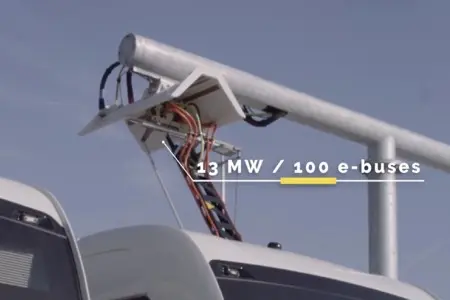
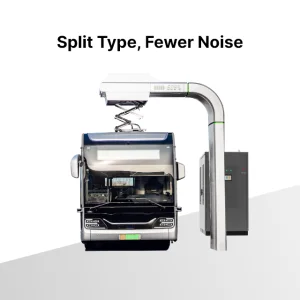
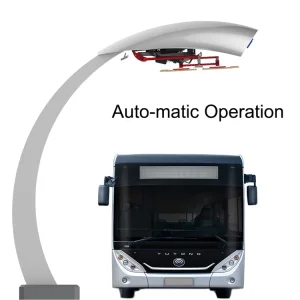
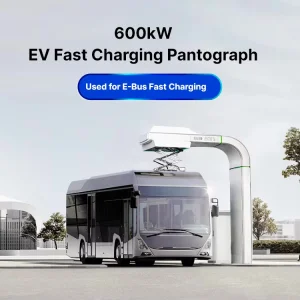
Automated charging systems offer advantages over manual plug-in setups. Pantographs support high-power, hands-free charging during stops.
Charging time depends on battery capacity, chemistry, and output power. Our 600kW systems charge standard transit buses during scheduled layovers.
Installing overhead systems requires grid coordination, structural engineering, and standard compliance. MIDA assists partners with implementation.
Modular DC fast chargers, liquid-cooled charging cabinets, and heavy-duty electric bus pantograph systems designed for public and fleet infrastructure projects.
Find answers to common technical, regulatory, and mechanical questions about deploying BESS configurations in Germany.
Connect with our engineering team for technical evaluations, pricing proposals, and assistance with German grid code compliance.
Send Inquiry Now