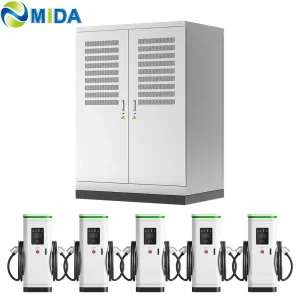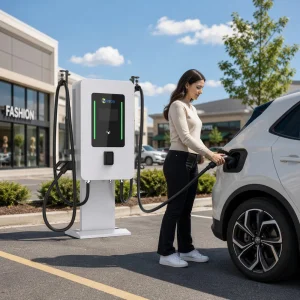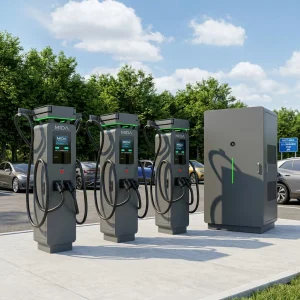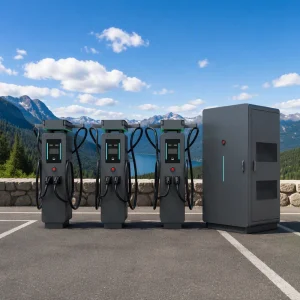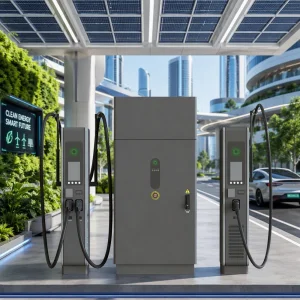
Navigating grid challenges with integrated solar, battery storage, and dynamic Level 3 charging infrastructures.
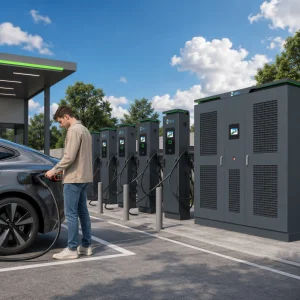
High-power modular EV chargers engineered to sustain stable charging outputs under unstable grid conditions.
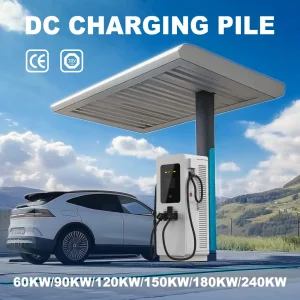
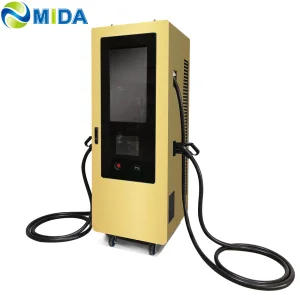
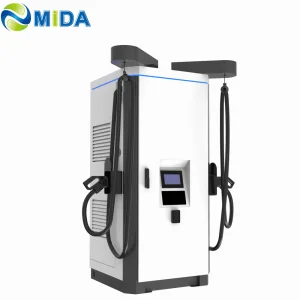
A Comprehensive Analysis of Grid Challenges, BESS (Battery Energy Storage) Integration, and localized High-Power Charging Solutions.
Pakistan is experiencing a pivotal structural shift in its energy framework. The combined push from the government's National Electric Vehicle Policy (NEVP) and rising traditional fuel tariffs has stimulated unprecedented corporate interest in electric mobility. However, implementing high-speed DC charging stations presents immediate challenges to Pakistan's existing electrical infrastructure. Local distributors like K-Electric, LESCO, and FESCO often face grid instability, periodic load shedding, and voltage drops.
To maintain zero downtime for commercial EV fleets and public stations in cities like Karachi, Lahore, and Islamabad, the integration of BESS (Battery Energy Storage Systems) is not merely an optional upgrade; it is an absolute technical necessity. By pairing 15kW-480kW Mobile ESS chargers or high-capacity 800kWh-2000kWh solar-tied battery storage arrays with EV DC fast chargers, local operators can store power during low-demand periods or via solar panels. This stored energy is then deployed during peak times, shielding the grid and delivering a steady, high-amp charge to vehicles.
Why choose Chinese factories for your Pakistani BESS & DC charging network? As a global hub for lithium battery supply chains and high-power electronics engineering, Chinese manufacturers deliver unrivaled economic and technical advantages:
Modern EV deployment requires more than simple plug-and-play operations; it demands custom microgrid setups. Integrating high-capacity BESS with EV charging stations is highly effective for the following localized scenarios:
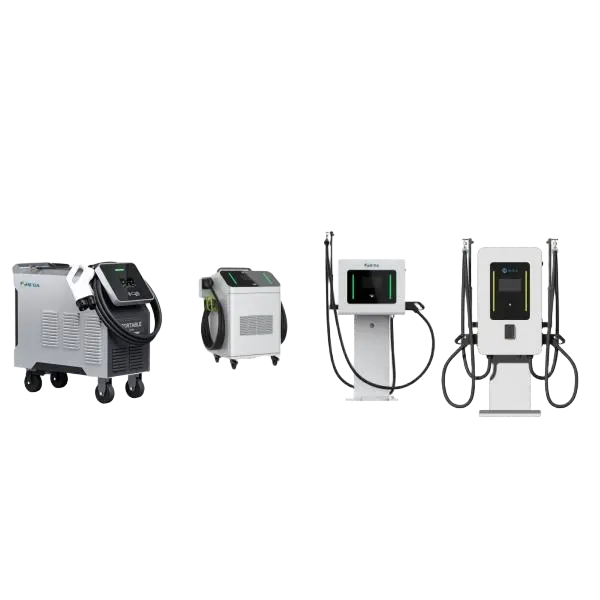
Explore our integrated product portfolio spanning AC chargers, high-power DC systems, and utility-grade energy storage systems.
Residential, workplace, and hotel charging setups. Built for low maintenance and high uptime.
 View More
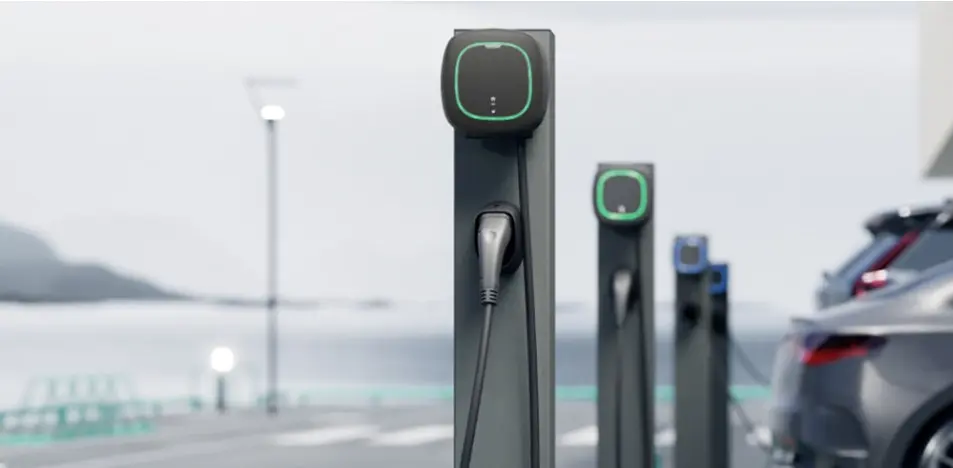
Compact Level 3 fast DC chargers. Perfect for auto dealerships, workshops, and commercial fleets.
 View More
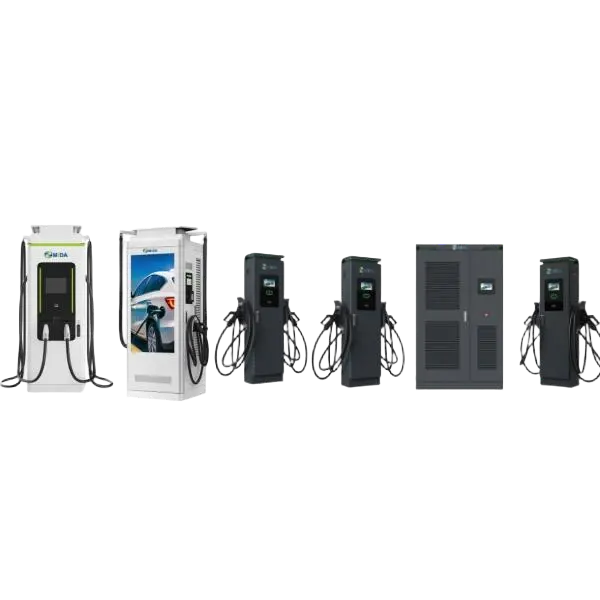
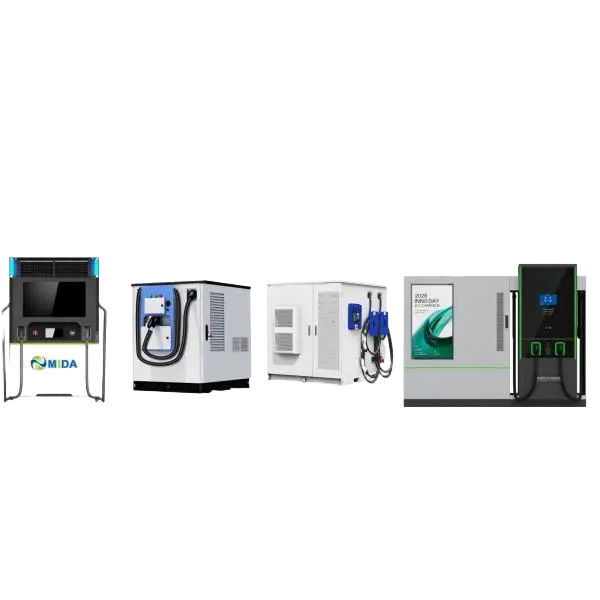
High-speed commercial charging. Supports multi-protocol CCS2, CHAdeMO, GBT, and liquid-cooled lines.
 View More
Utility-grade hybrid solar energy storage systems. Stabilizes remote and heavy-duty grid installations.
 View More
Shanghai Mida Cable Group Ltd. operates through its wholly owned subsidiaries: Shanghai Mida EV Power Co., Ltd., Shenzhen Mida EV Power Co., Ltd., and Shanghai Mida New Energy Co., Ltd.
Mida Cable manufactures a comprehensive range of EV charging cables, including 16A–80A J1772 cables, 16A–63A IEC 62196-2 Type 2 cables, and DC fast charging cables: CCS1 (80A–500A), CCS2 (125A–1000A), CHAdeMO (125A–300A), GBT (200A–1000A), and NACS connectors (250A–600A).
MIDA EV Power produces a full lineup of EV charging stations, such as 7kW–50kW mobile chargers, 3.6kW–7.2kW portable DC chargers, 360kW–1440kW split-type DC fast chargers, 20kW–50kW wall-mounted DC chargers, and 60kW–480kW floor-standing DC fast charging stations.
MIDA New Energy specializes in EV charger power modules, offering 20kW–60kW standard modules, 40kW–125kW liquid-cooled modules, 30kW–62.5kW bidirectional modules, and 20kW–45kW V2G charging modules.
We supply global developers with fully certified subsystems, charging modules, heavy connectors, and turnkey storage options.
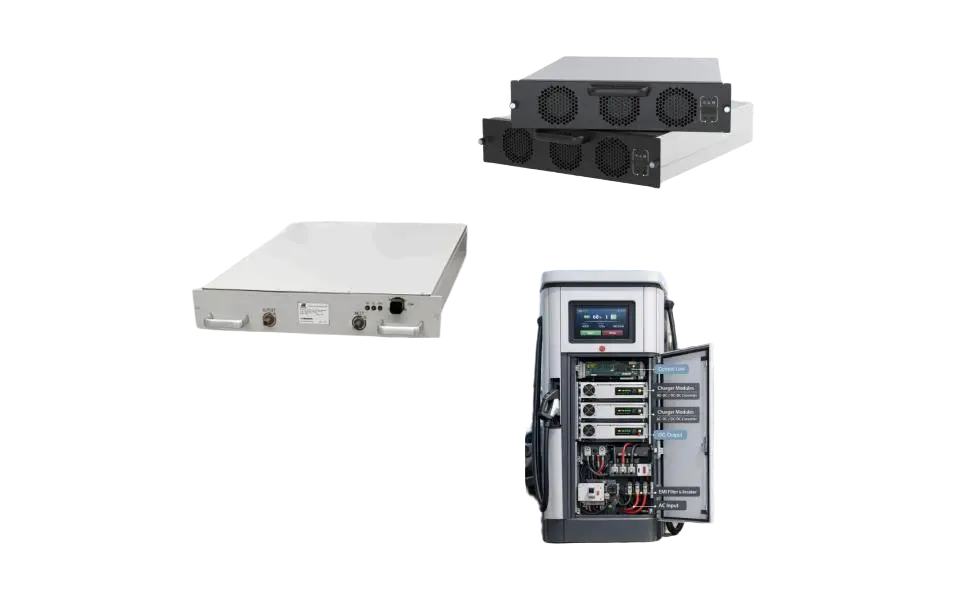
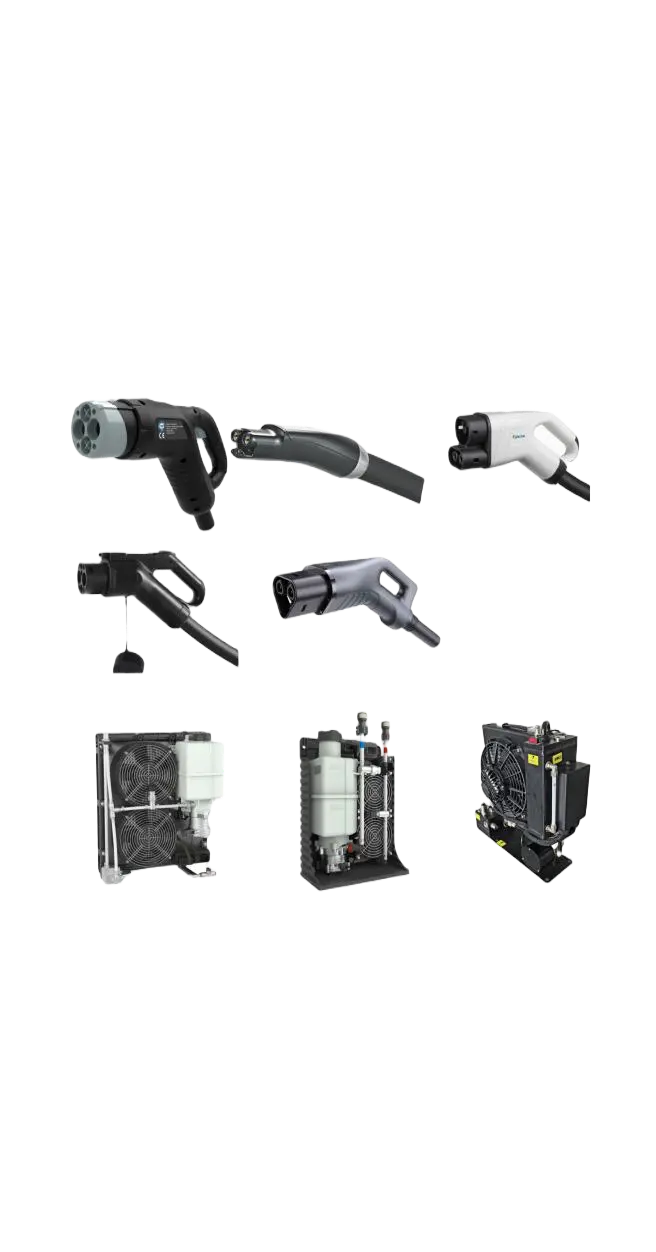
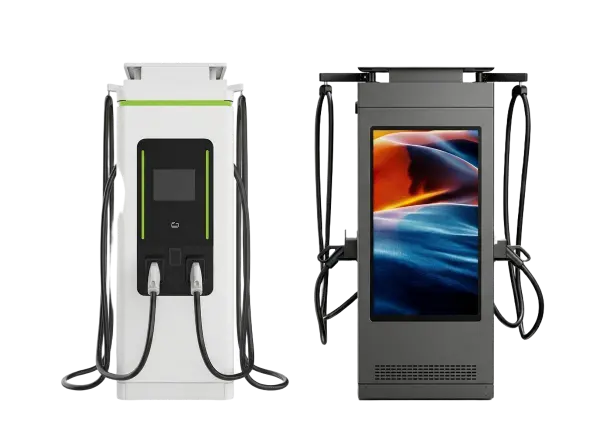
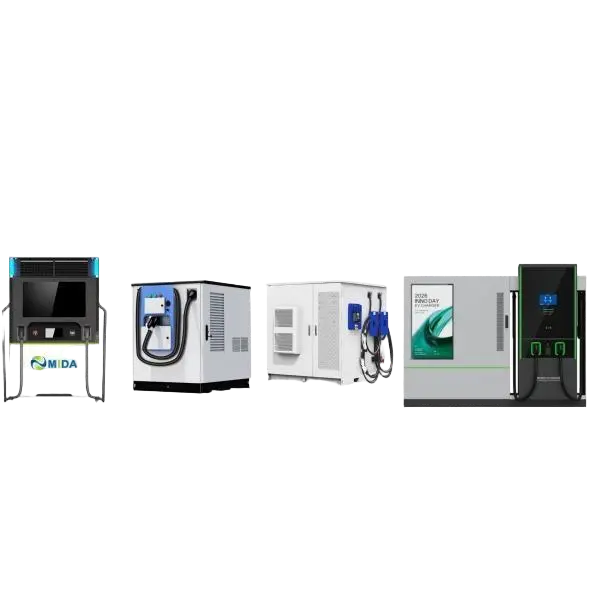
Engineered for extreme operating environments, heavy public transport load cycles, and commercial fleet depots.
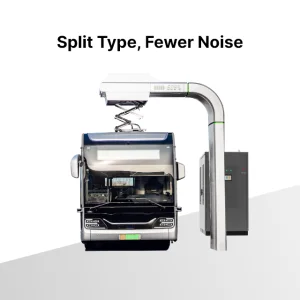
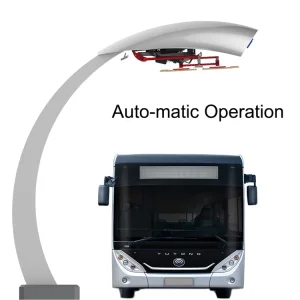
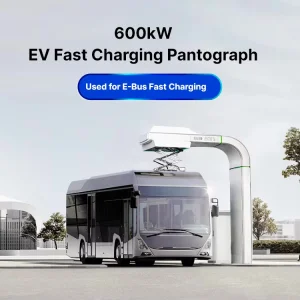
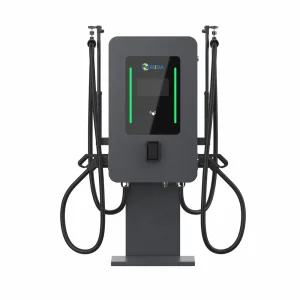
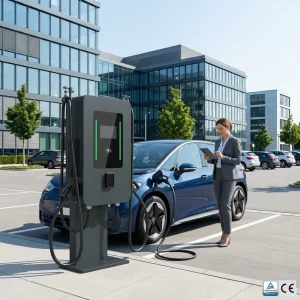
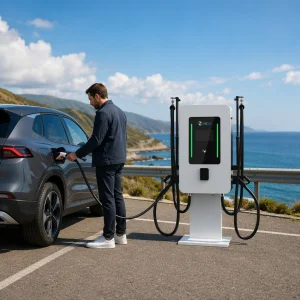
Engineered for extreme heat, heavy duty cycles, and ultra-fast charging needs.
Deep dives into the technical specifications of public heavy-transit EV charging infrastructure.
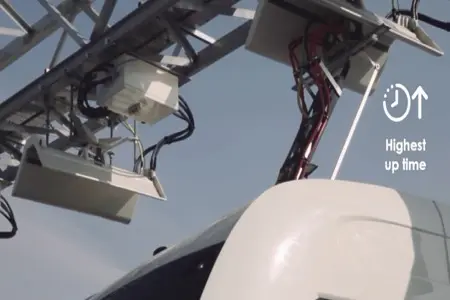
What are the advantages of an e-bus pantograph dome? In contrast to classic plug-in charging systems, e-bus pantographs allow automated connection, massive current throughput, and zero-footprint overhead installation.
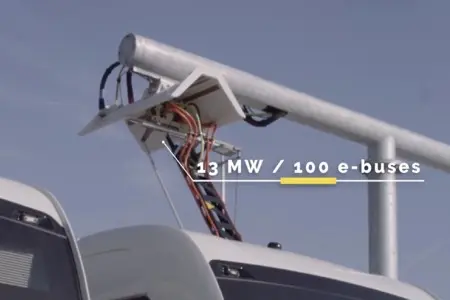
How long does it take to charge with an e-bus pantograph? The charging time depends on the battery capacity and the station output, allowing rapid top-offs during scheduled route layovers.
How to Install the Pantograph Up Charger System Dome for Electric Bus. Installing a "Pantograph Up" system requires rigorous alignment and structure design, matching mechanical and electrical parameters for safety.
Common inquiries from Pakistani procurement departments, municipal planners, and commercial project managers.
Contact our technical sales team for personalized architectural design assistance, compliance verification, shipping procedures, and customized BESS/DC charger quotes.
Send Inquiry Now