Highly robust, zero-emission charging stations integrated with dynamic power balancing engineered to sustain Istanbul's unique grid challenges.
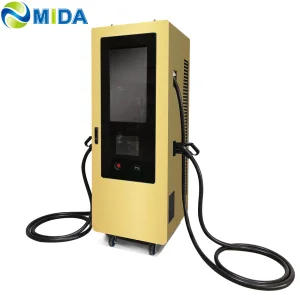
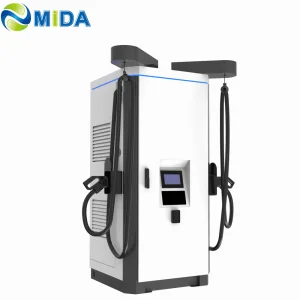
Istanbul stands uniquely poised as the megacity bridging Europe and Asia, operating as the financial and logistical epicenter of Turkey. However, this transit primacy brings immense industrial challenges. Under the Turkish National Energy Plan and EMRA (Energy Market Regulatory Authority) guidelines, municipal transportation systems, cargo companies, and heavy industrial hubs in zones like Hadımköy, Tuzla, and Dudullu are aggressively transitioning to heavy electric commercial fleets and public electric buses (İETT).
The Bottleneck: The historical and rapidly expanding urban topography of Istanbul poses severe local grid limitations. Peak load demand during mega-fleet recharge cycles can easily exceed substation thresholds, causing voltage sags. This is where Battery Energy Storage Systems (BESS) become imperative. By functioning as high-capacity energy buffers, BESS charges during low-tariff off-peak times and discharges during peak demands, enabling high-power DC fast charging (120kW up to 1000kW+) without triggering costly utility grid upgrades.
Integrating BESS reduces dependency on Turkey's TEİAŞ high-voltage distribution bottlenecks. It offers seamless power supply backup, mitigating risks of blackouts during peak summer and winter grid strains across both European and Asian sides of Istanbul.
How international standards shape the localization of high-power charging infrastructures in Turkey.
Global procurement teams now mandate liquid-cooled charging cables for chargers above 500kW. This minimizes thermal resistance, allowing continuous heavy bus/truck charging at 1000A without overheating risks in busy port terminals.
Next-generation charging stations act as virtual power plants. Using bidirectional power modules, stored power from EV batteries can feed back into the campus grid (Vehicle-to-Grid) during emergency outages, creating new revenue streams.
Catering to dynamic corporate growth, modern BESS features scalable battery capacities—from 60kWh to 2MWh containerized solutions—tailored for hyper-local expansion without complete system redesigns.
Shanghai Mida Cable Group Ltd. operates through its wholly owned subsidiaries: Shanghai Mida EV Power Co., Ltd., Shenzhen Mida EV Power Co., Ltd., and Shanghai Mida New Energy Co., Ltd. We provide high-end manufacturing capacity integrated with modern Industry 4.0 production environments to ensure unmatched resilience, efficiency, and customized engineering.
Mida Cable manufactures a comprehensive range of EV charging cables, including 16A–80A J1772 cables, 16A–63A IEC 62196-2 Type 2 cables, and DC fast charging cables: CCS1 (80A–500A), CCS2 (125A–1000A), CHAdeMO (125A–300A), GBT (200A–1000A), and NACS connectors (250A–600A).
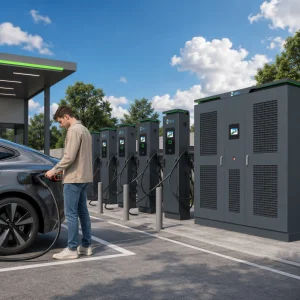
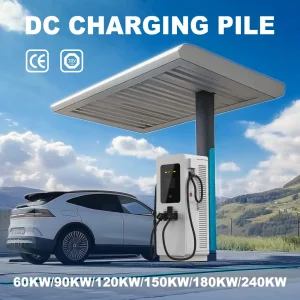
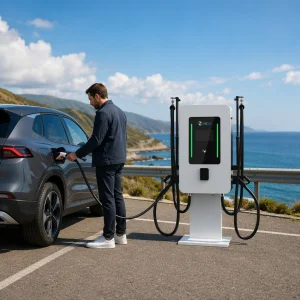
MIDA EV Power produces a full lineup of EV charging stations, such as 7kW–50kW mobile chargers, 3.6kW–7.2kW portable DC chargers, 360kW–1440kW split-type DC fast chargers, 20kW–50kW wall-mounted DC chargers, and 60kW–480kW floor-standing DC fast charging stations.
MIDA New Energy specializes in EV charger power modules, offering 20kW–60kW standard modules, 40kW–125kW liquid-cooled modules, 30kW–62.5kW bidirectional modules, and 20kW–45kW V2G charging modules.

Explore our engineering capabilities across power modules, liquid-cooled cooling units, DC Fast Chargers, and BESS integrated systems.
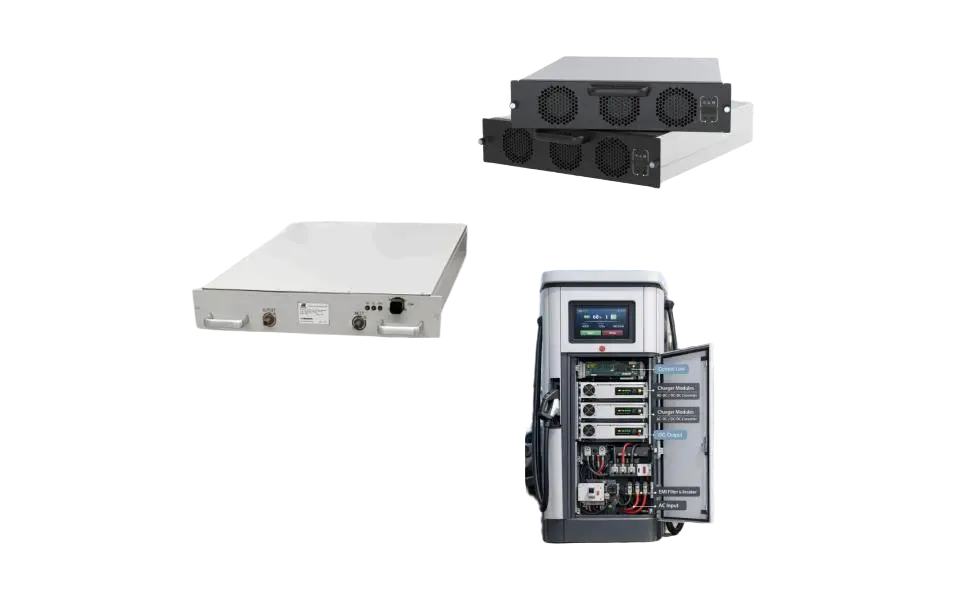
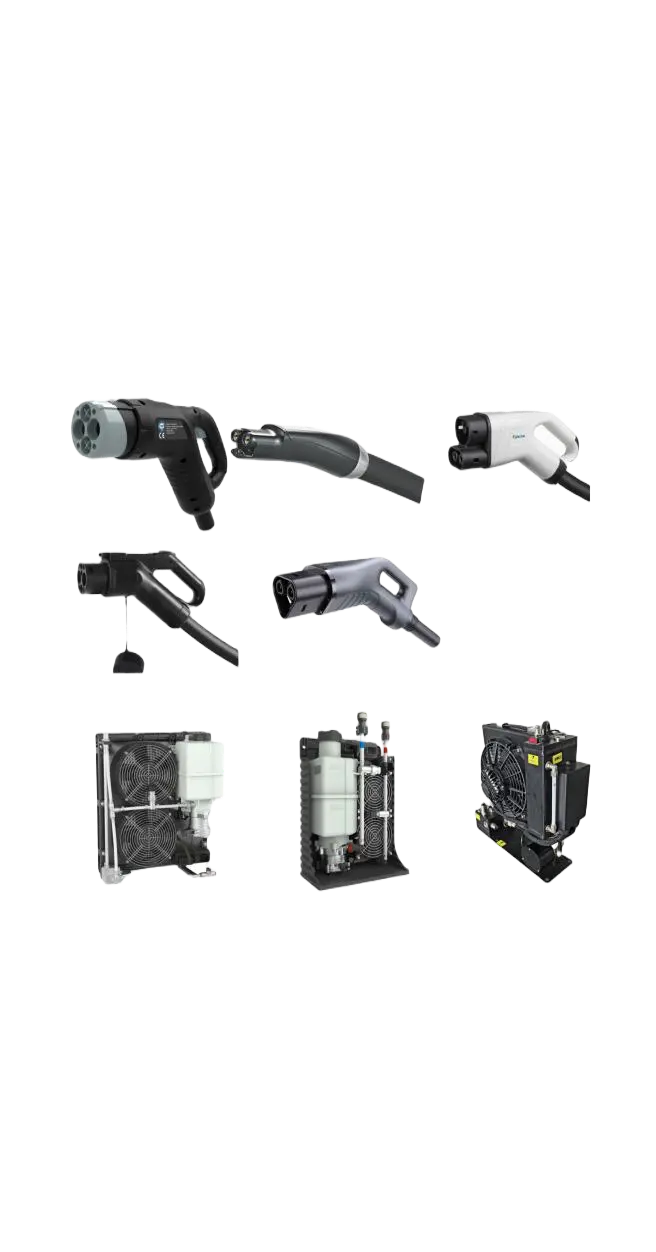
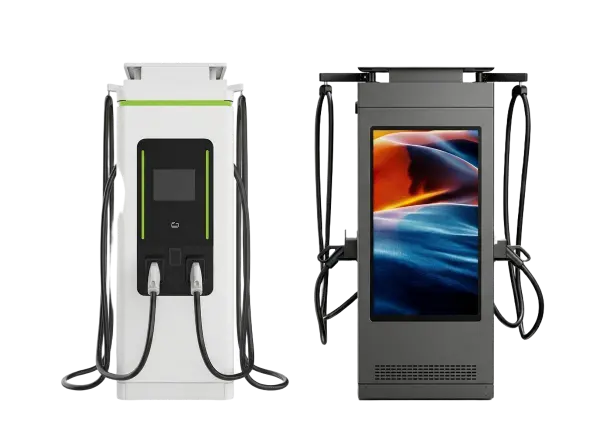
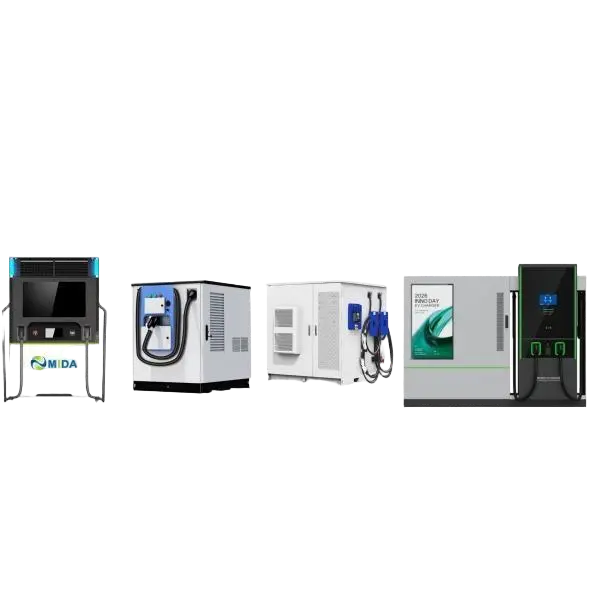
Why sourcing your BESS and DC Fast Charger components from MIDA Group ensures operational security.
Unlike system integrators that assemble outsourced components, MIDA manufactures the entire critical stack: from liquid-cooled EV charging cables, highly precise plug connectors, to proprietary bidirectional conversion power modules. This eliminates intermediate supplier markups, accelerates custom engineering cycles, and ensures absolute product compatibility.
Leveraging China's Industry 4.0 initiatives, our assembly lines deploy automated robotic precision, digital twin simulation software, and AI-driven quality checking. This maintains a zero-defect standard on high-power products and streamlines production turnaround times, enabling swift deliveries to high-demand markets like Turkey.
All systems designed for the Istanbul and broader European markets strictly conform to CE, TUV, ETL, RCM, and ISO 15118-20 specifications. Complete OCPP 2.0.1 compliance ensures seamless telemetry reporting to any modern charge point management software platform.
Practical deployment frameworks engineered specifically to counter regional grid obstacles and energy demands.
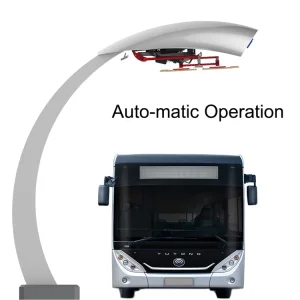
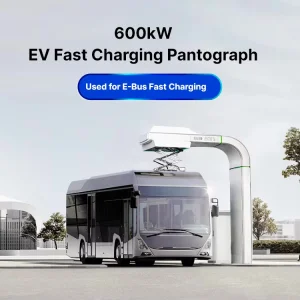
Deploying high-power split pantograph charging stations (300kW - 600kW) paired with 2MWh containerized BESS setups inside municipal transit depots. The BESS buffers power during low-load intervals, eliminating grid strain when multiple municipal buses recharge simultaneously.
Industrial logistics centers handling massive heavy cargo trucks from Europe require rapid high-speed charging. Utilizing MIDA's split-type liquid-cooled systems (600kW - 1200kW) allows heavy trucks to achieve 80% charge within 20 minutes, ensuring operational schedules remain uninterrupted.
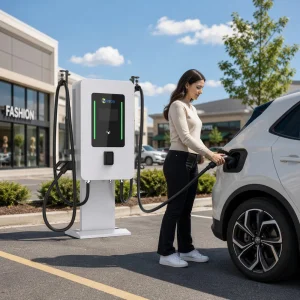
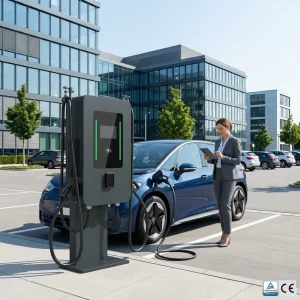
Shopping complexes and corporate office parks in Levent or Maslak use our space-efficient wall-mounted or floor-standing chargers. Integrated with advertising screens and local battery storage, these stations maximize revenue while preventing building grid overload.
Engineered for high performance, maximum safety, and longevity under demanding grid conditions.
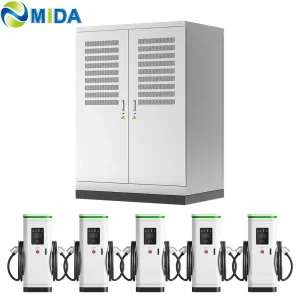
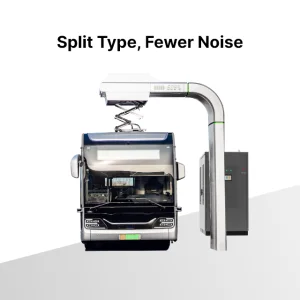
Premium solutions catering to heavy logistics hubs and metropolitan high-frequency transit centers.
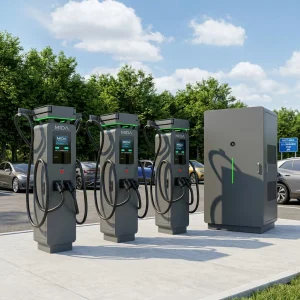
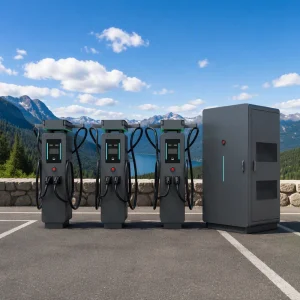
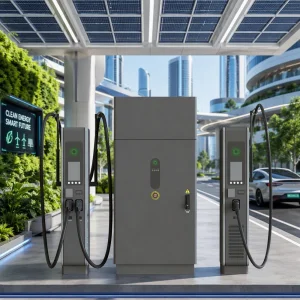
Stay up to date with the latest technological developments in mass transit and charging systems.
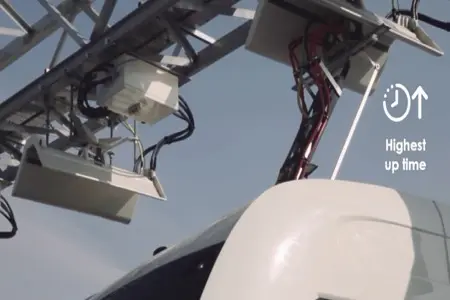
What are the advantages of an e-bus pantograph dome? In contrast to classic plug-in charging systems, e-bus pantograph solutions deliver high-power automated power feeds without operator safety risks, perfect for heavy municipal lines.
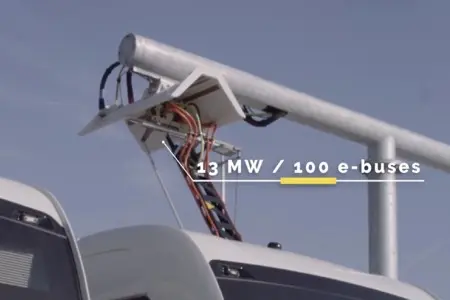
How long does it take to charge with an e-bus pantograph? The charging time depends on the battery capacity and the station's configuration, usually restoring 80% range within 10 to 15 minutes of dynamic high-voltage energy transfer.
How to Install the Pantograph Up Charger System Dome for Electric Bus. Installing a “Pantograph Up” system dome requires expert alignment with local substation transformers and structurally sound foundation bases in municipal depots.
Answering major grid integration, technical regulation, and supply chain questions from our global commercial buyers.