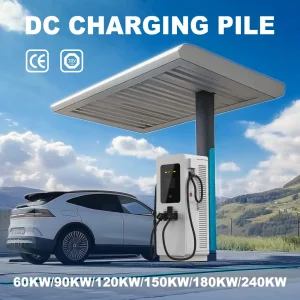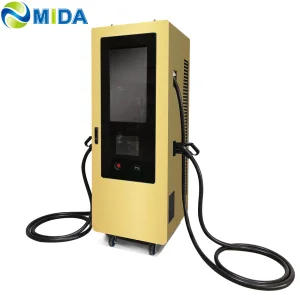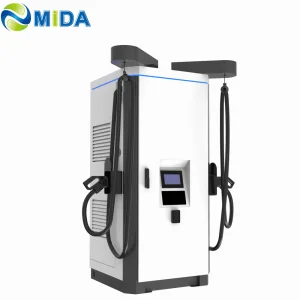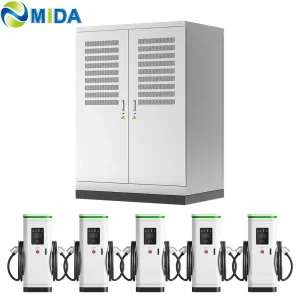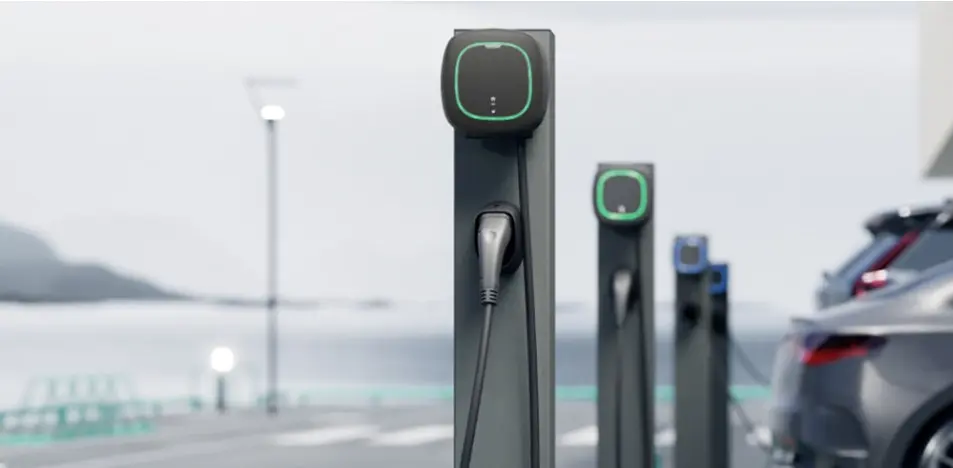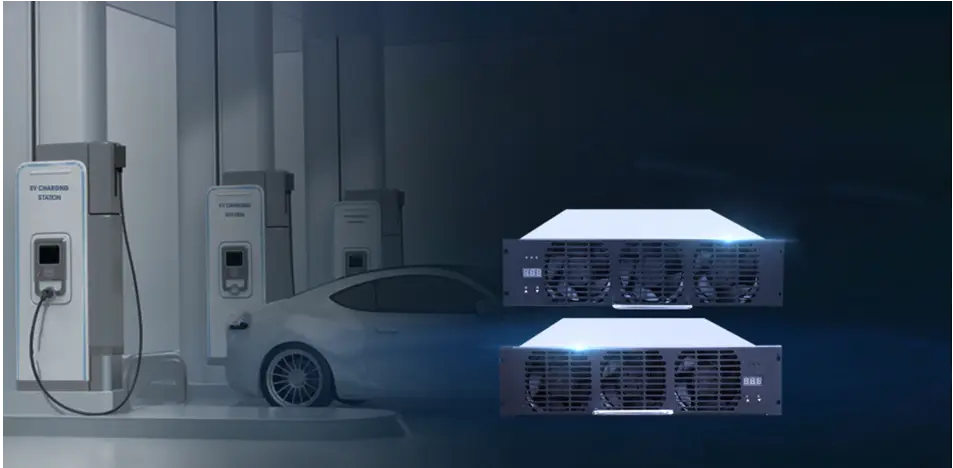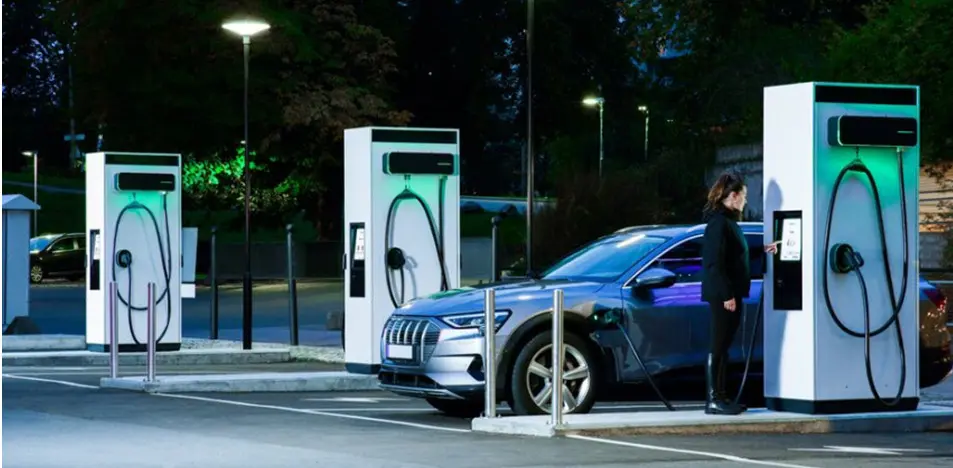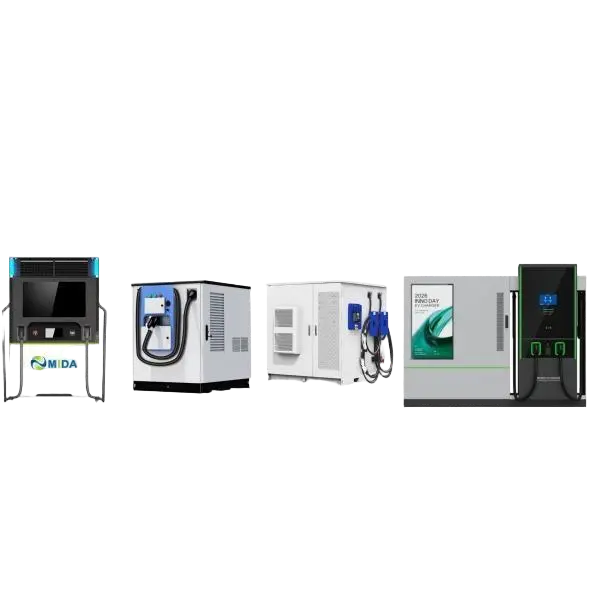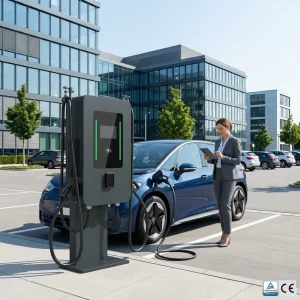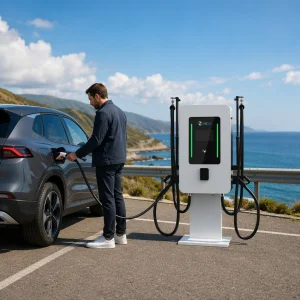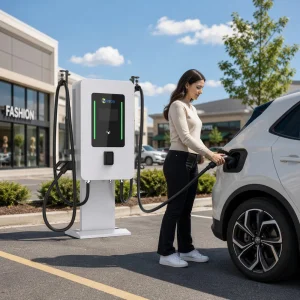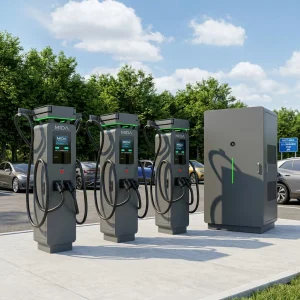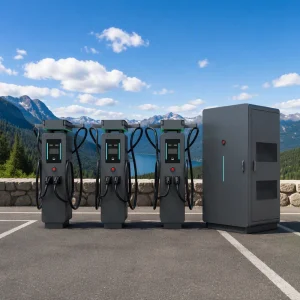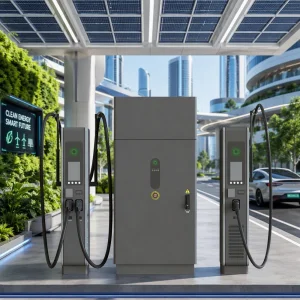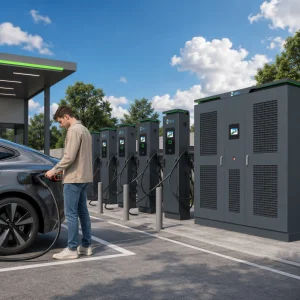
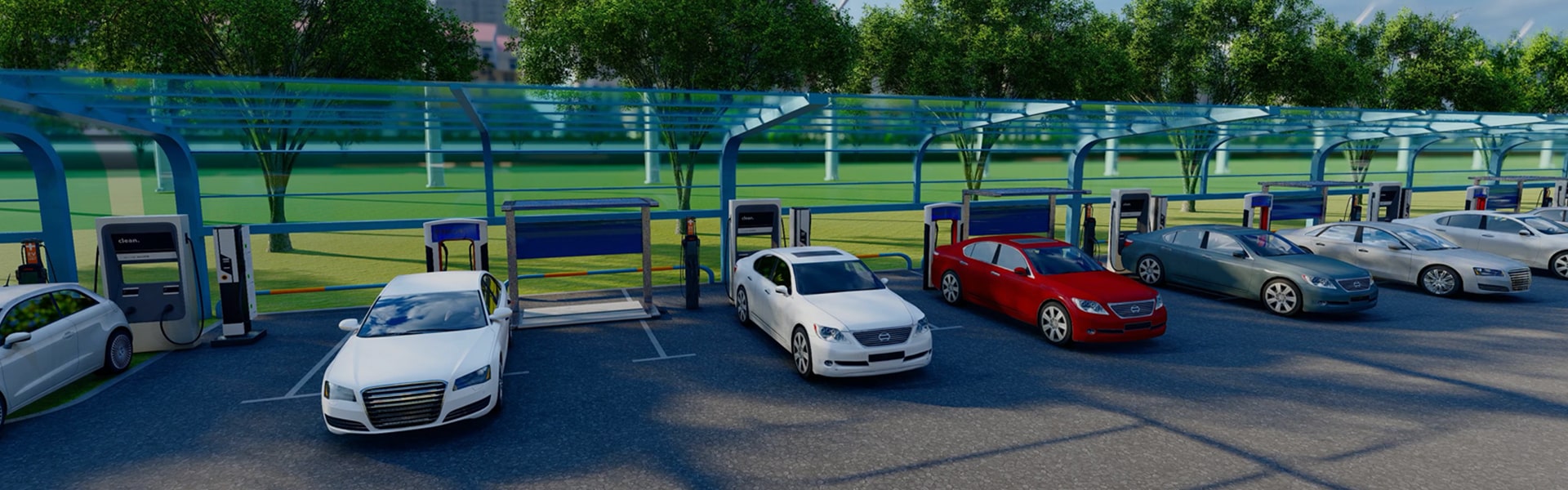
High-efficiency DC charging stations optimized for integration with grid systems and local Battery Energy Storage (BESS).
A technical assessment of grid resilience, localized BESS engineering, and extreme weather mitigation.
Norway stands as the undisputed global pioneer in electric vehicle adoption. However, this massive, accelerated shift presents unique electrical challenges. While Norway benefits from nearly 100% renewable domestic power production—predominantly hydropower—its geographical distribution and local grid infrastructure often struggle under the simultaneous peak demands of multi-megawatt EV charging corridors.
A key technical hurdle is the co-existence of two distinct grid configurations: the IT grid (Isolated Terra) at 230V, which constitutes approximately 70% of the Norwegian low-voltage distribution network, and the standard European TN grid (Terre-Neutre) at 400V. High-power DC fast charging systems inherently prefer 400V TN setups. When deploying ultra-fast chargers (150kW to 600kW) along remote mountainous routes, fjord ports, or highway corridors, connecting directly to an IT network can trigger severe phase imbalances, harmonic distortions, and voltage drops.
Battery Energy Storage Systems (BESS) act as the ultimate buffer. By storing energy continuously at a low, stable draw from the grid and discharging it at high rates during vehicle charging events, BESS mitigates local network overload, eliminates expensive grid upgrades, and provides active frequency response services to the national operator, Statnett.
In sub-zero conditions characteristic of Norwegian winters in regions like Innlandet or Troms og Finnmark, battery chemistry experiences decreased ion mobility, leading to reduced discharge efficiency and slower charging rates. Advanced BESS solutions deployed in Norway must incorporate:
A look into our state-of-the-art manufacturing plants, system design architecture, and global distribution network.
Shanghai Mida Cable Group Ltd. operates through its wholly owned subsidiaries: Shanghai Mida EV Power Co., Ltd., Shenzhen Mida EV Power Co., Ltd., and Shanghai Mida New Energy Co., Ltd.
Mida Cable manufactures a comprehensive range of EV charging cables, including 16A–80A J1772 cables, 16A–63A IEC 62196-2 Type 2 cables, and DC fast charging cables: CCS1 (80A–500A), CCS2 (125A–1000A), CHAdeMO (125A–300A), GBT (200A–1000A), and NACS connectors (250A–600A).
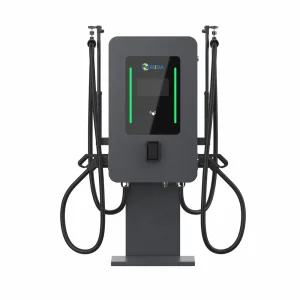
MIDA EV Power produces a full lineup of EV charging stations, such as 7kW–50kW mobile chargers, 3.6kW–7.2kW portable DC chargers, 360kW–1440kW split-type DC fast chargers, 20kW–50kW wall-mounted DC chargers, and 60kW–480kW floor-standing DC fast charging stations.
MIDA New Energy specializes in EV charger power modules, offering 20kW–60kW standard modules, 40kW–125kW liquid-cooled modules, 30kW–62.5kW bidirectional modules, and 20kW–45kW V2G charging modules.

Designed for scalable deployment across municipalities, logistics hubs, and grid-isolated environments.
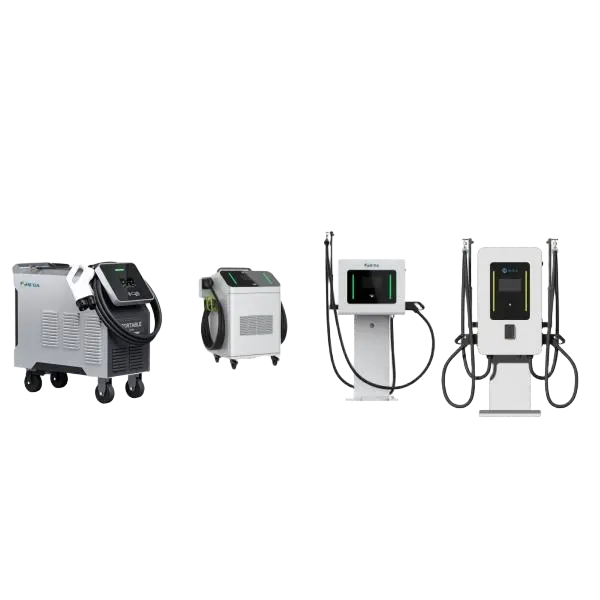
Compact, high-efficiency options ranging from 7kW to 80kW. Ideal for private fleet depots, corporate parks, and urban parking structures in Norway.
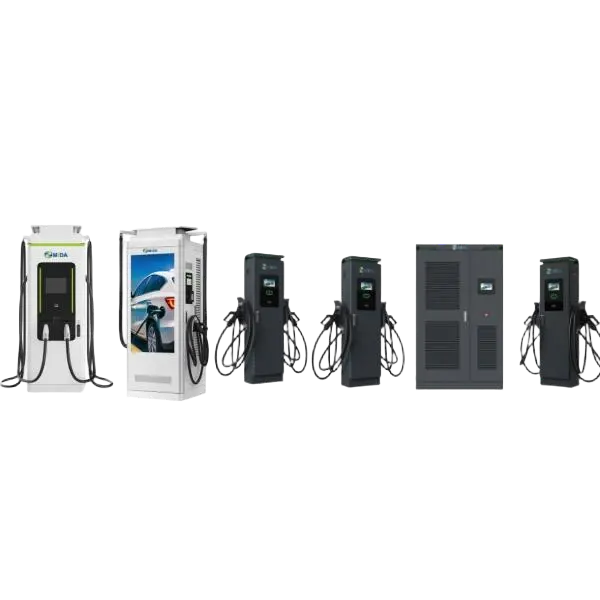
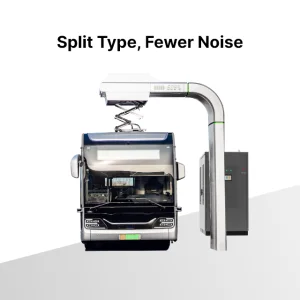
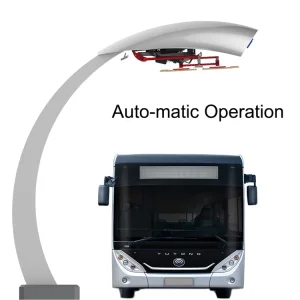
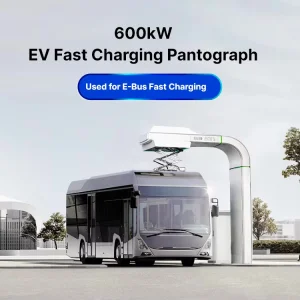
Scalable floor-standing systems from 60kW up to 1440kW. Tailored for heavy commercial vehicles, transit buses, and corridor charging hubs.
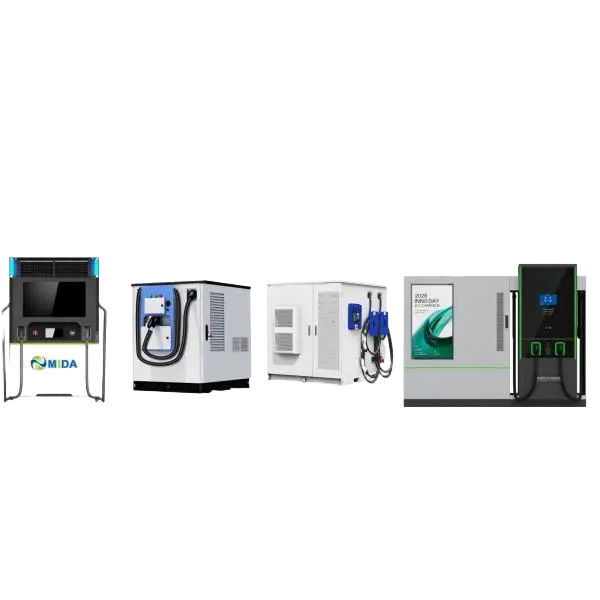
Integrated energy storage capacities from 60kWh to 2MWh+. Engineered for peak shaving, virtual power plant (VPP) services, and low-capacity grids.
How battery-buffered charging structures solve real-world infrastructure problems.
Maritime transport along Norway's vast coastlines is undergoing intense electrification. Electric passenger and car ferries require immediate, high-intensity power injections during short docking windows (often less than 15 minutes). Drawing 1MW to 3MW directly from weak coastal distribution grids is impossible without destabilizing the regional electricity supply.
MIDA's megawatt-level BESS systems, integrated alongside split-cabinet DC dispensers, act as localized reservoirs. They slow-charge from the local grid while the ferry is at sea and discharge at ultra-high current rates the moment the ship docks, assuring safe, uninterrupted transit.
Key national routes crossing mountain plateaus (such as Hardangervidda or Dovrefjell) face extreme isolation and sub-zero temperatures for over half the year. EV drivers traverse these routes expecting reliable high-speed charging.
With weak grid tie-ins in these remote areas, standard fast chargers would trigger protective breaker trips. Installing a MIDA containerized BESS charging system provides the necessary buffer capacity to support multi-vehicle fast charging, operating flawlessly down to -35°C through insulation, active HVAC systems, and high-energy-density cells.
The next phase of Norway's energy infrastructure is the transition of EVs from passive loads to active grid assets. V2G (Vehicle-to-Grid) technologies, utilizing bidirectional DC/AC power modules (such as MIDA New Energy's 20kW-45kW V2G modules), allow parked vehicles to inject power back into local commercial buildings or the national grid during peak periods.
By coordinating BESS with bidirectional EV charging, fleet operators can participate in peak-shaving programs, load-leveling services, and arbitrage models—buying power from the grid during low-cost wind/hydro generation windows and exporting it back when energy demand and prices soar.
Our complete technological ecosystem covers every level of the power conversion chain:
Fully compliant with European standards (CE, TUV, OCPP) and designed for heavy commercial operations.
State-of-the-art thermal engineering to sustain peak energy flows with zero performance degradation.
Reviewing European testing protocols, local utility rules, and OCPP interoperability.
For deployment in Norway and the wider European Economic Area (EEA), charging hardware must adhere to stringent electrical safety and performance standards. All MIDA Group charging units carry certifications including CE (Conformité Européenne), TUV, and RCM, verifying alignment with international standards:
The Norwegian public charging network relies heavily on centralized platforms like Mer, Recharge, Eviny, and Circle K. Achieving seamless operation across these networks requires native integration of OCPP (Open Charge Point Protocol) 1.6J and 2.0.1.
MIDA's implementation of OCPP 2.0.1 enables advanced functionalities:
Stay informed with the latest updates from our research division regarding heavy transit electrification.
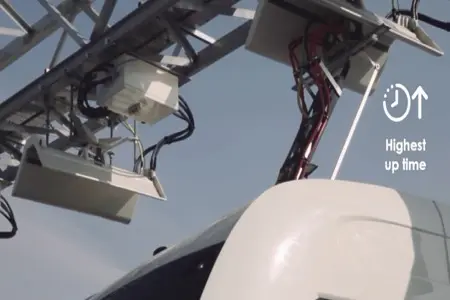
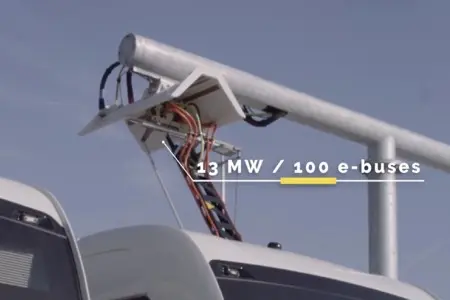
Answering crucial technical questions from engineers, operators, and utility managers in Norway.
Contact our project engineering team today for custom BESS sizing, technical drawings, and grid integration plans tailored to your fleet or network location.
Send Inquiry Now