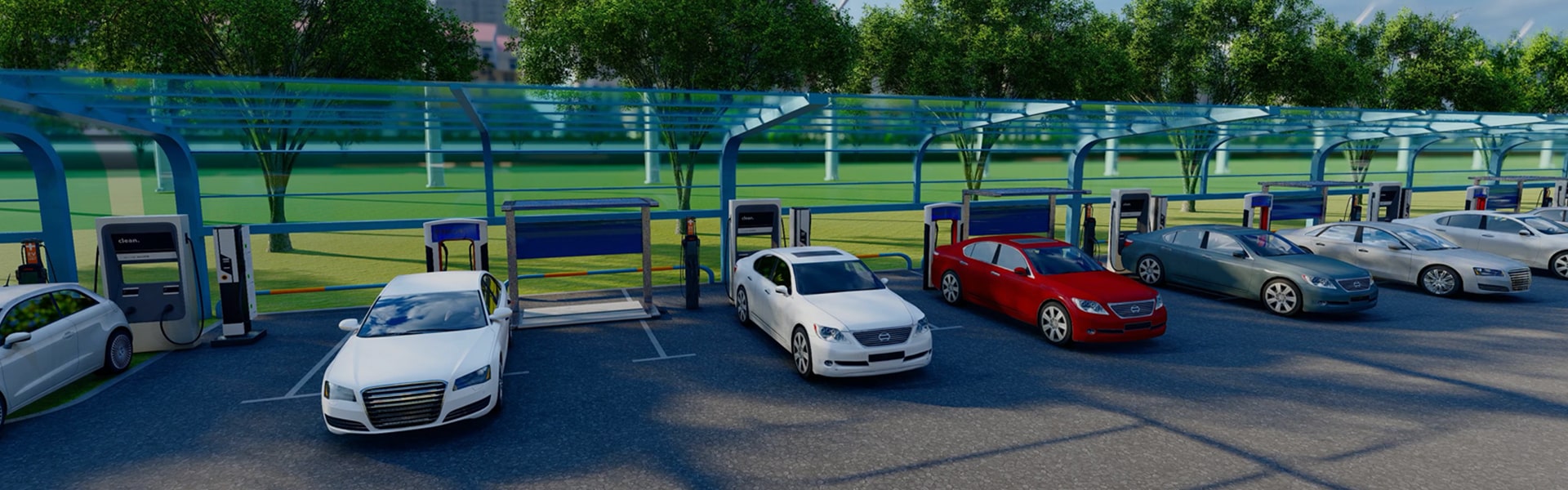
Pioneering charging solutions designed to overcome Boston's local grid constraints through intelligent load buffering and modular power architectures.
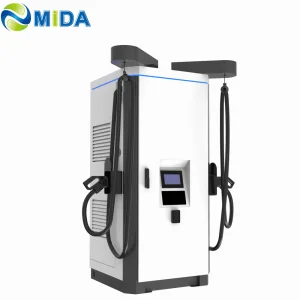
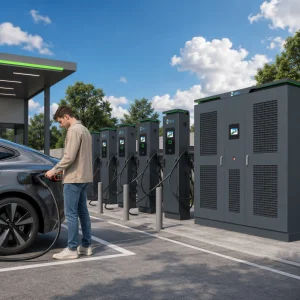
Evaluating utility grid realities, building ordinance compliance, and the structural necessity of battery-buffered charging.
The transition toward electric transportation within Boston is accelerating under the pressure of aggressive state policies and municipal regulations. The Massachusetts Decarbonization Roadmap mandates Net-Zero greenhouse gas emissions by 2050, complemented locally by Boston's BERDO 2.0 (Building Energy Reduction and Disclosure Ordinance). BERDO 2.0 imposes strict emissions limits on commercial buildings over 20,000 square feet, penalizing non-compliance. Consequently, commercial real estate developers, industrial fleet managers, and logistics hubs in Boston are shifting towards high-capacity DC fast charging systems.
However, deploying high-power charging (HPC) stations—ranging from 150kW to over 1MW—poses significant operational challenges. Boston's electrical grid, managed largely by Eversource, features localized capacity constraints, particularly in dense industrial corridors such as East Boston, South Boston Bypass Road, and Chelsea. Retrofitting old infrastructure with megawatts of grid capacity often requires extensive utility upgrades, leading to multi-year interconnection delays and capital expenditures exceeding hundreds of thousands of dollars.
This is where Battery Energy Storage System (BESS) Charging Stations become essential. By pairing local battery storage (from 60kWh up to 2MWh scale) with high-output DC charging systems, operators can establish a buffer zone between the station and the grid. During off-peak hours, the BESS draws a steady, low-power current to charge its internal batteries. When an electric vehicle or commercial fleet truck plugs in for high-power DC fast charging (up to 360kW or liquid-cooled 600kW), the system delivers the energy from both the BESS and the grid simultaneously. This reduces peak demand spikes and minimizes utility demand charges, which can account for up to 70% of electricity bills in New England.
Deep architectural analysis of BESS-buffered DC Fast Charging, thermal management, and future V2G/ISO 15118-20 protocols.
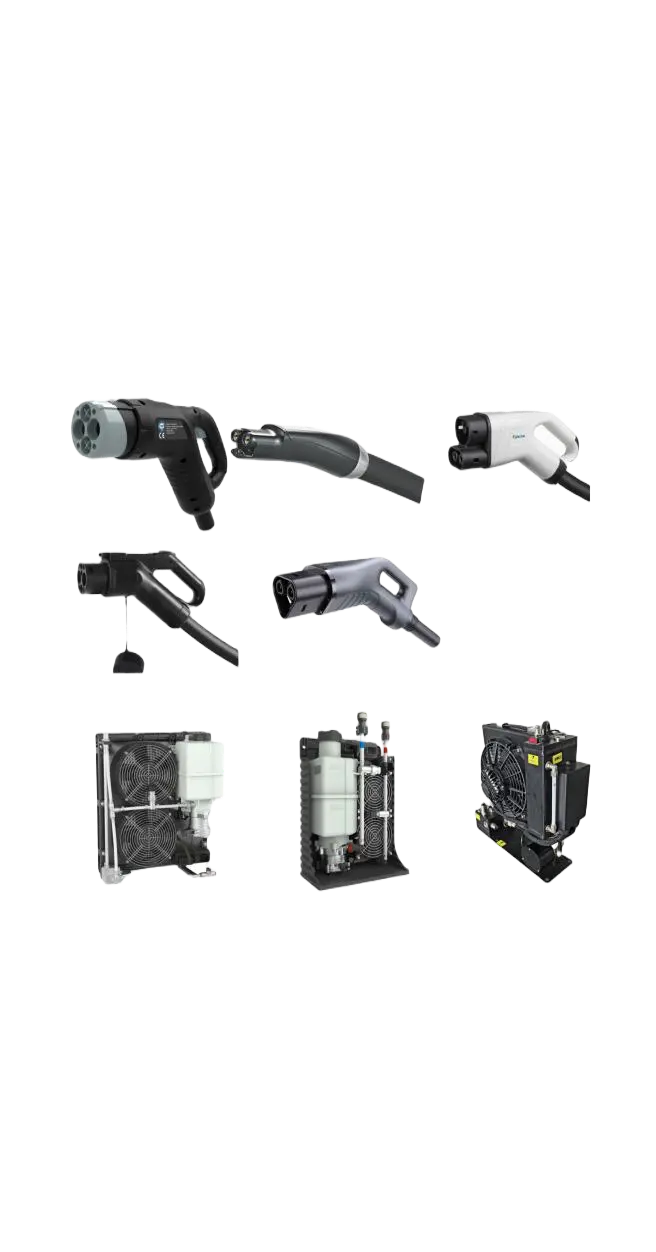
In high-power charging, managing heat is critical. At charge rates exceeding 300kW, conventional air cooling is insufficient for maintaining optimal operating temperatures for power modules and connectors. We employ advanced split-type liquid cooling units (up to 72kW of thermal heat extraction capacity) integrated with liquid-cooled cables and CCS1/CCS2/NACS connectors. By pumping specialized glycol-based coolants through the connector contacts and power modules, the system maintains contact temperatures below 55°C, ensuring continuous 500A-1000A output without thermal throttling.
Next-generation charging stations serving Boston must support advanced software interaction protocols. Our hardware is built on an open OCPP 2.0.1 architecture, allowing seamless communication with third-party billing, grid management, and fleet dispatch networks. Furthermore, the integration of ISO 15118-20 ("Road vehicles — Vehicle to grid communication interface") enables secure Plug & Charge functionality and bidirectional power flow (V2G - Vehicle-to-Grid). This transforms electric vehicle fleets into mobile battery reserves, allowing fleet operators to sell energy back to the Eversource grid during times of peak system stress, turning a cost center into a source of revenue.
Safety is the primary consideration for BESS installations in dense metropolitan areas like Boston. Our integrated energy storage units rely on Lithium Iron Phosphate (LFP) chemistry, which offers superior thermal stability and cycle life compared to traditional NMC (Nickel Manganese Cobalt) alternatives. To satisfy the stringent requirements of the Boston Fire Department (BFD) and local code officials, our BESS units undergo rigorous UL 9540A testing to evaluate thermal runaway fire propagation, ensuring complete containment and safety within commercial sites.
Consult with our engineering directors on grid interconnect, code compliance, and custom BESS sizing.
From AC destination chargers to multi-megawatt battery energy storage stacks, find the right configuration for your project.
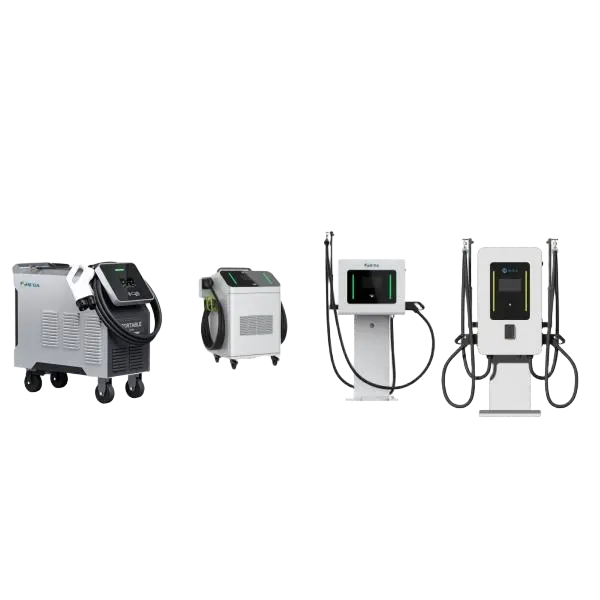
Reliable Level 2 Fleet & Workplace Systems
Designed for multi-family complexes, employee parking spaces, and commercial facilities requiring extended dwell times. Engineered for durability under harsh New England winter conditions.
 Request Design Documents
Custom Compact Fast Chargers: 7kW to 80kW
Perfect for light commercial fleets, car dealerships, and maintenance depots requiring space-saving high-power charging options. Easily installed on walls or pedestals with OCPP integration.
 Download Engineering Sheets
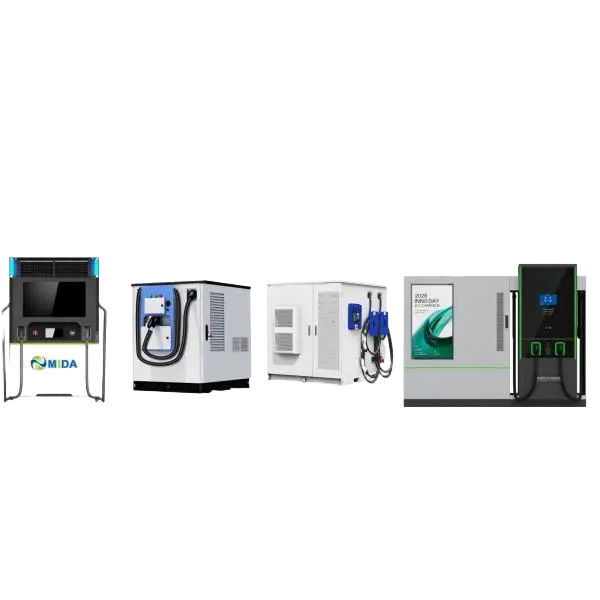
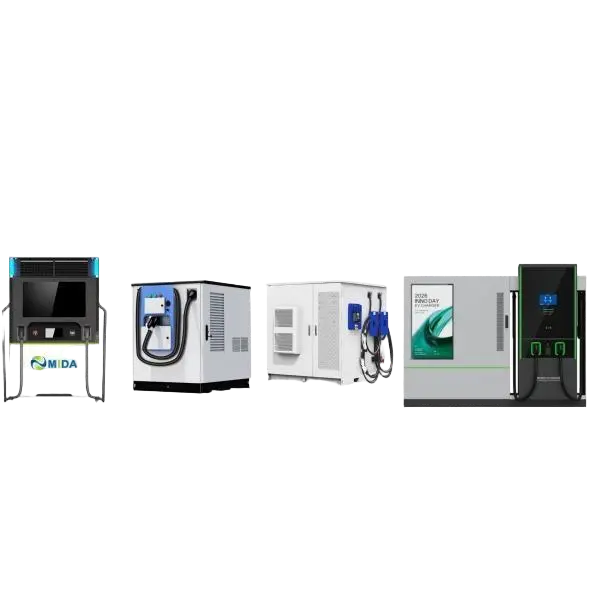
60kWh to 2MWh Battery Storage Integrated Stations
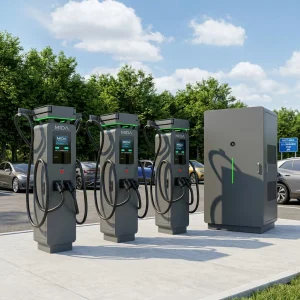
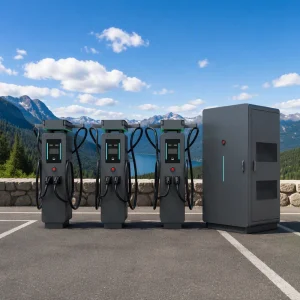
The ultimate solution to bypass utility capacity limits. Provides peak shaving, load balancing, and backup power configurations, enabling fast deployment of DC fast chargers in capacity-constrained areas.
 Consult a Storage Engineer
Shanghai Mida Cable Group Ltd. serves global markets through its dedicated, wholly owned subsidiaries: Shanghai Mida EV Power Co., Ltd., Shenzhen Mida EV Power Co., Ltd., and Shanghai Mida New Energy Co., Ltd. Our integrated corporate structure manages every step of the process, from raw cable extrusion and power module R&D to final assembly and UL-compliant testing of high-power charging hubs.
Mida Cable manufactures a comprehensive range of EV charging cables, including 16A–80A J1772 cables, 16A–63A IEC 62196-2 Type 2 cables, and heavy-duty DC fast charging cables: CCS1 (80A–500A), CCS2 (125A–1000A), CHAdeMO (125A–300A), GBT (200A–1000A), and NACS connectors (250A–600A) compatible with the latest charging networks.
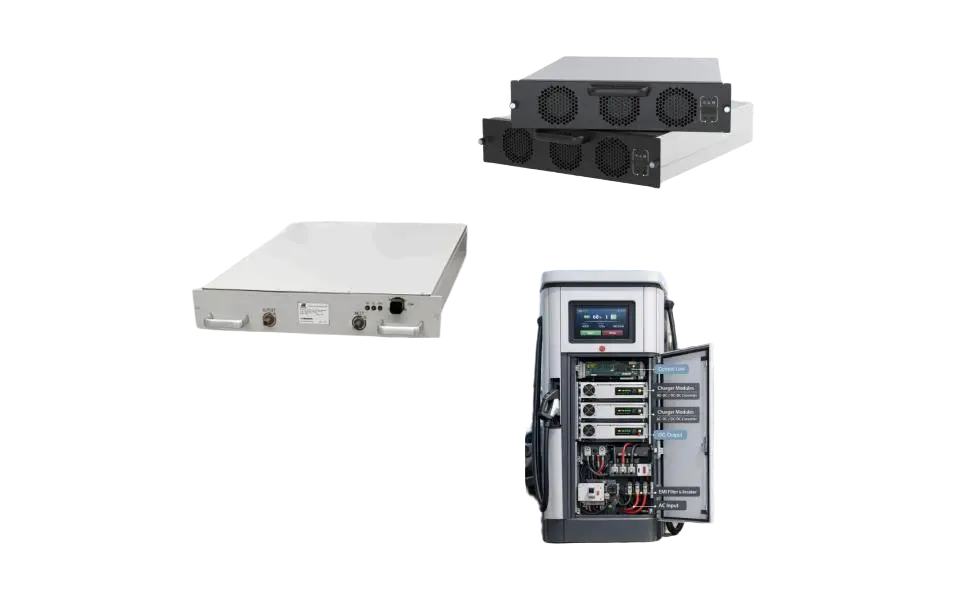
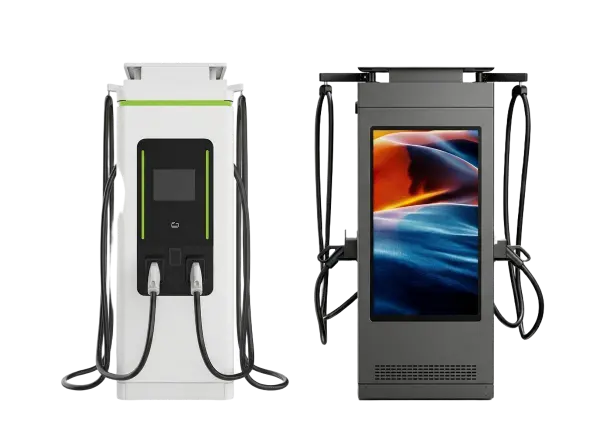
Our power systems subsidiary, MIDA EV Power, produces a complete range of hardware, including 7kW–50kW mobile chargers, 3.6kW–7.2kW portable DC chargers, 360kW–1440kW split-type DC fast chargers, 20kW–50kW wall-mounted DC chargers, and 60kW–480kW floor-standing DC fast charging stations designed for commercial vehicle depots.
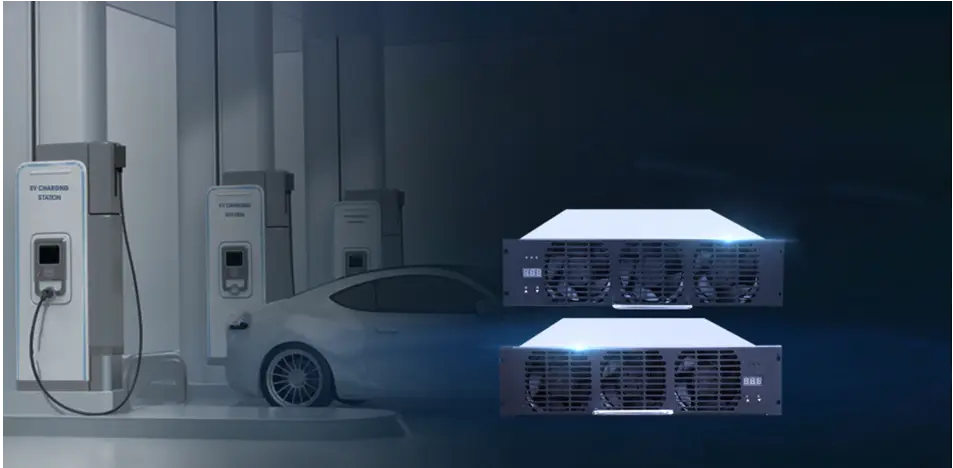
MIDA New Energy specializes in EV charger power modules, offering 20kW–60kW standard modules, 40kW–125kW liquid-cooled modules, 30kW–62.5kW bidirectional modules, and 20kW–45kW V2G charging modules.
Send Inquiry NowHow vertical integration and localized supply networks translate to faster lead times and high reliability for Boston operators.
The global EV supply chain is complex, and project delays often stem from component shortages. As a vertically integrated manufacturer, MIDA Group operates localized production lines in Shenzhen and Shanghai, mitigating these supply risks. By manufacturing our own charging cables, liquid-cooled connectors, power modules, and sheet metal enclosures in-house, we reduce reliance on third-party suppliers. This allows us to offer lead times of 4 to 6 weeks, compared to the industry standard of 16 to 24 weeks.
Our manufacturing facilities leverage China's advanced battery ecosystem. We source premium LFP cells directly from leading battery manufacturers (such as CATL and BYD), integrating them into our liquid-cooled thermal management systems. This direct access allows us to deliver high-quality energy storage systems (BESS) at a competitive cost per kilowatt-hour, helping Boston fleet managers and project developers achieve a faster return on investment (ROI).
Expert engineering answers addressing grid codes, local permitting, system design, and commercial deployment.
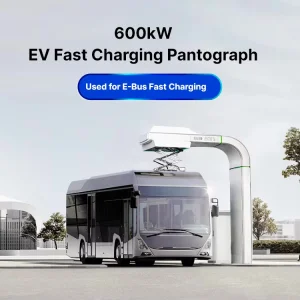
Read the latest developments on electric bus overhead pantographs, fast charging times, and installation procedures.

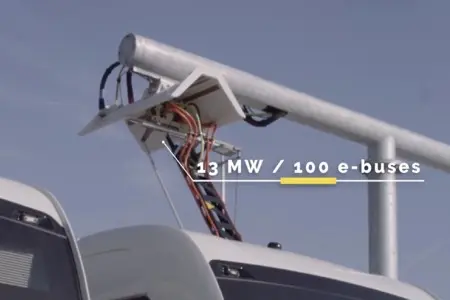
Complete lineup of transit, depot, and high-power split charging hardware compatible with global connector standards.
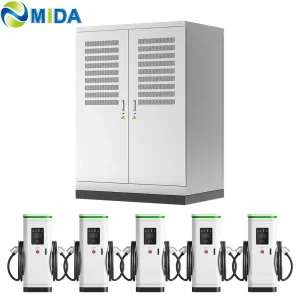
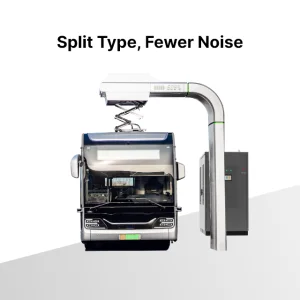
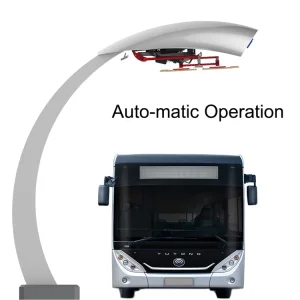
Partner with a leading global manufacturer to design, build, and deploy grid-buffered charging hardware in Boston and New England.