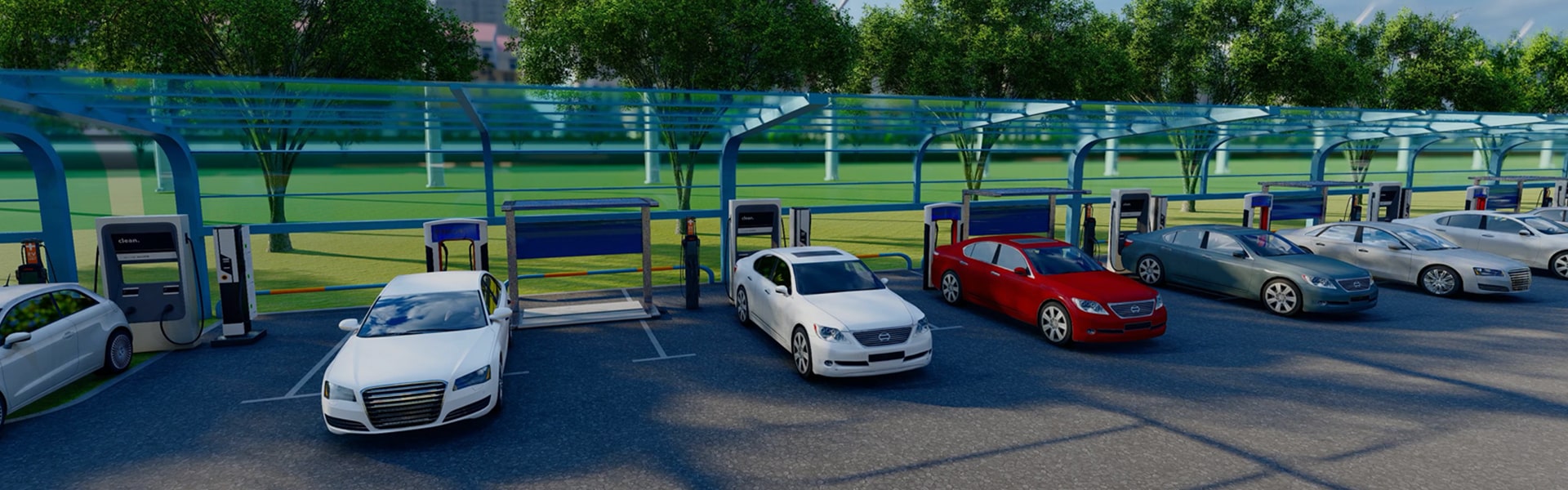
Deploying smart, grid-stabilized fast-charging stations across Poland's trans-European transport network corridors. Engineered for high performance and strict UDT compliance.
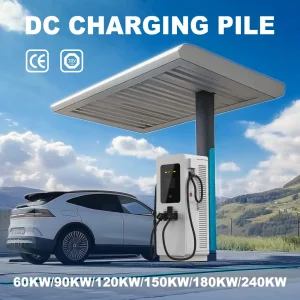
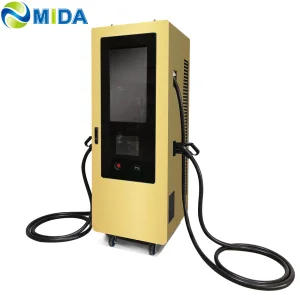
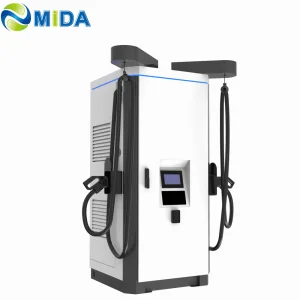
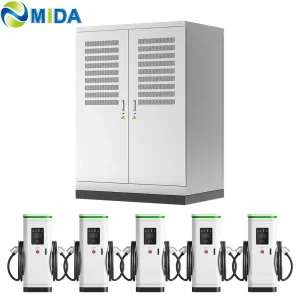
As Central Europe's logistics heartland, Poland is experiencing an unprecedented demand for high-power electric vehicle (EV) charging stations. However, developers and charging network operators face a structural bottleneck: grid connection limitations (warunki przyłączeniowe). High capacity connections are slow to approve and expensive to build, often delaying projects by up to 24 months.
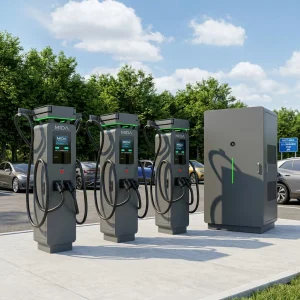
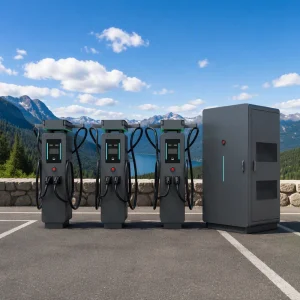
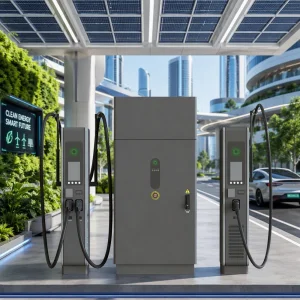
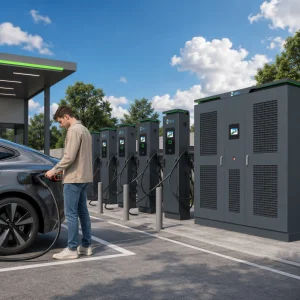
By pairing MIDA's Battery Energy Storage Systems (BESS) with our state-of-the-art DC Fast Chargers, operators can completely bypass grid connection constraints. Our integrated BESS charging systems draw constant, low-level power from the existing grid to charge local batteries. When an EV initiates high-power fast charging, the BESS discharges rapidly to supply up to 360kW without putting sudden stress on the local grid infrastructure.
Reliable destination charging stations tailored for residential, hospitality, and fleet parking deployments in Poland.
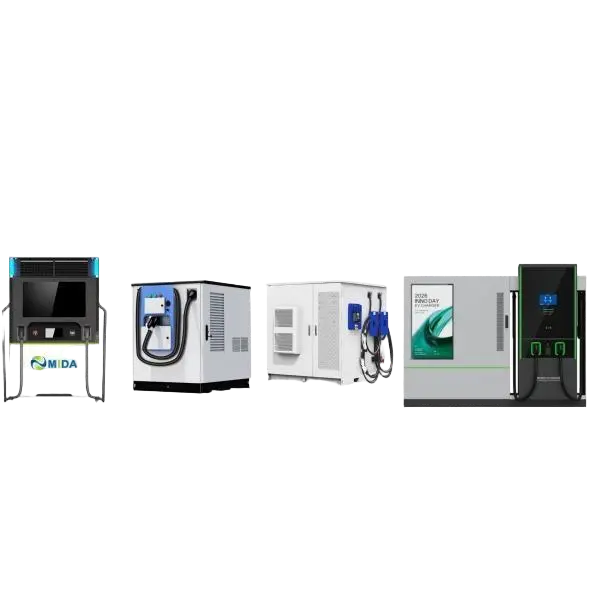
Versatile EV charging formats ranging from 7kW to 80kW for fast local mobility servicing.
Heavy-duty charging architectures from 60kW to 1440kW split systems for high-throughput depots.
60kWh to 2MWh+ high density Lithium Iron Phosphate energy storage units with multi-gun configurations.
Shanghai Mida Cable Group Ltd. operates through its wholly-owned specialized subsidiaries: Shanghai Mida EV Power Co., Ltd., Shenzhen Mida EV Power Co., Ltd., and Shanghai Mida New Energy Co., Ltd. We leverage our end-to-end electrical engineering capabilities to serve complex B2B markets in Europe and beyond.
Mida Cable manufactures a comprehensive range of EV charging cables, including 16A–80A J1772, 16A–63A IEC 62196-2 Type 2 cables, and heavy-duty DC fast-charging cables: CCS1 (80A–500A), CCS2 (125A–1000A), CHAdeMO (125A–300A), GBT (200A–1000A), and NACS connectors (250A–600A).
Our dedicated division, MIDA EV Power, manufactures a complete lineup of DC charging infrastructure including 7kW–50kW mobile chargers, 360kW–1440kW split-type systems, and integrated BESS platforms designed to stabilize regional electrical networks.
MIDA New Energy specializes in power electronics, offering modular components that form the heart of our integrated energy storage and DC charging structures.
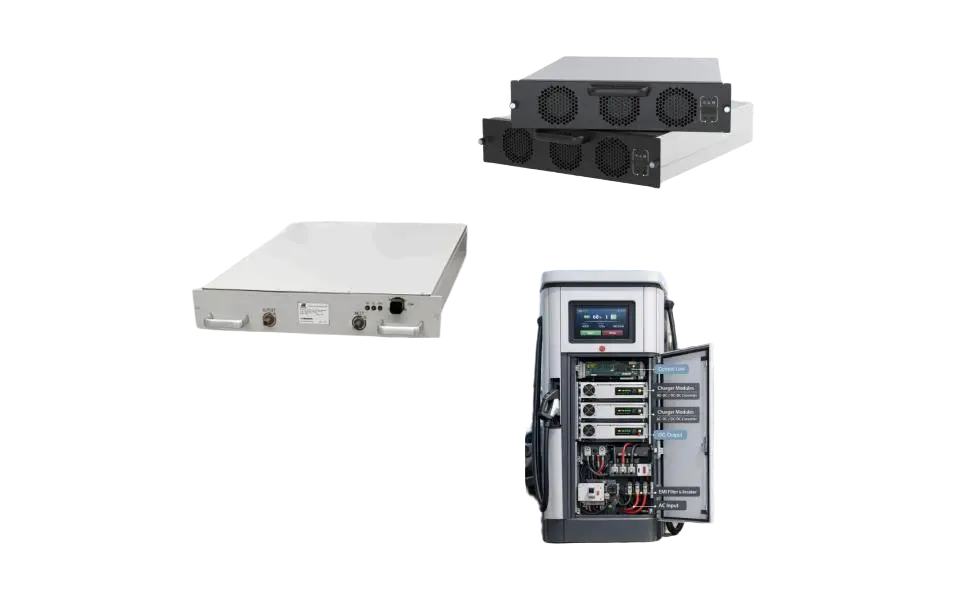
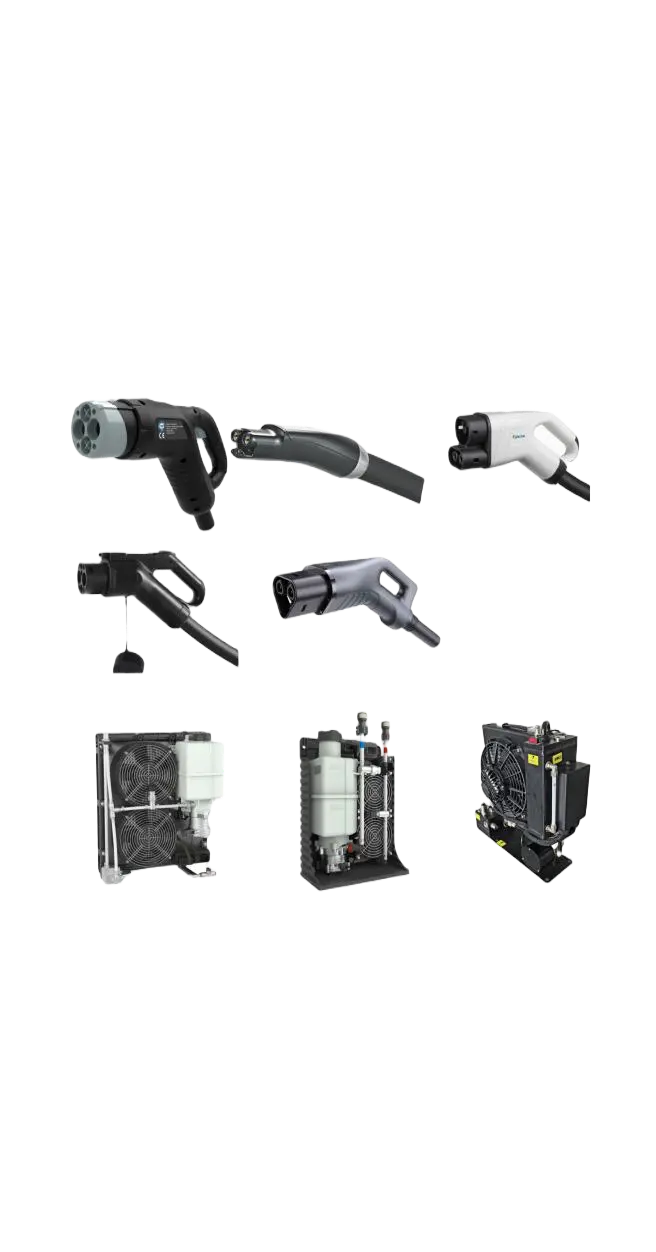
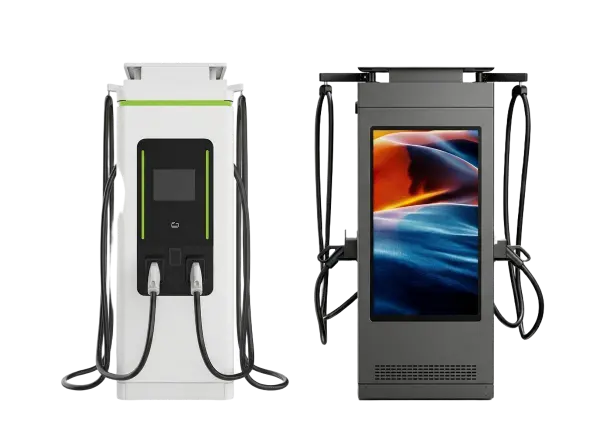
MIDA implements a strict Factory 4.0 layout across all primary manufacturing lines. By combining automated robotic cabling assemblies with premium manufacturing processes, we minimize human-error risk and ensure every DC fast charger and BESS system complies with strict European guidelines.
In Poland and Central Europe, regional operators face long lead times from European manufacturers. MIDA addresses this market bottleneck through our highly robust global supply chain, allowing us to supply components with shorter lead times and guaranteed long-term warranty and local technical support.
Our extended hardware fleet is engineered to support regional Polish transport hubs, municipal e-bus networks, and highway fast-charging concessions.
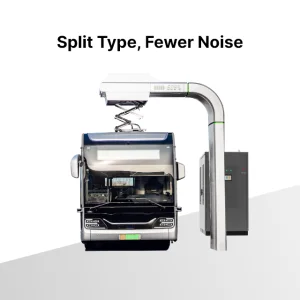
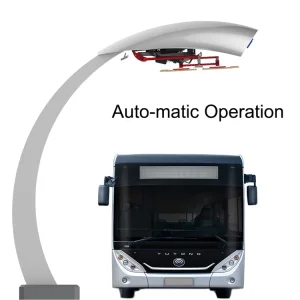
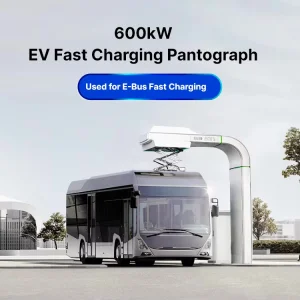
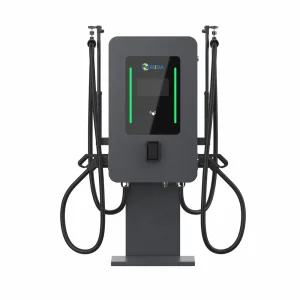
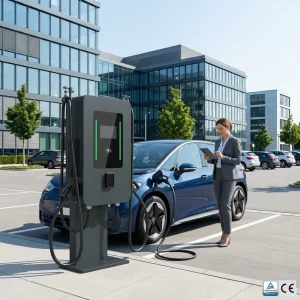
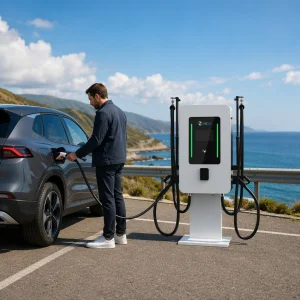
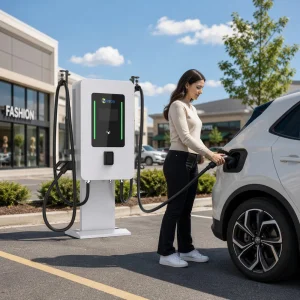
Integrating advanced liquid-cooling engineering to prevent thermal throttle during high-current charging cycles.
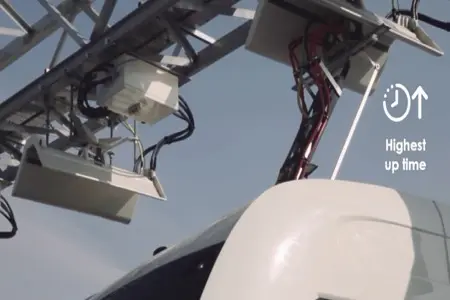
Unlike classic plug-in charging systems, e-bus pantographs allow automatic, hands-free high-power charging at terminal stations.
View More →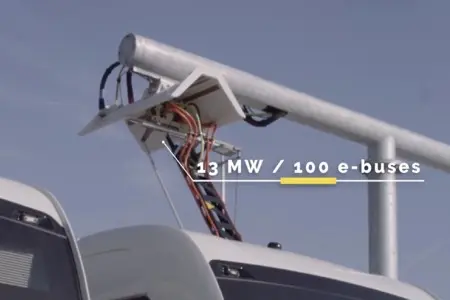
Charging duration depends on the capacity of the battery pack and output capability, commonly taking 5-10 minutes for opportunity charging.
View More →
A detailed structural walkthrough outlining overhead civil engineering, electrical configurations, and municipal compliance standards.
View More →Review the key differences between grid upgrades and our integrated BESS charging systems when deploying ultra-fast chargers in Poland.
| Evaluation Parameter | Direct Grid Connection (Direct MV/LV Upgrade) | MIDA Integrated BESS Charging System |
|---|---|---|
| Typical Lead Time (Poland Grid Operator) | 12 to 24 Months (Subject to local grid permit queues) | 3 to 6 Months (Utilizes existing low-voltage capacity) |
| Civil Construction Overhead | High (Substation build, extensive trenching, transformer installation) | Low to Moderate (Self-contained cabinet / drop-in concrete pad) |
| Peak Demand Penalty Fees (Tauron, PGE, etc.) | High (Charged based on peak capacity draws) | Zero (BESS buffers peak load, presenting flat grid consumption) |
| Renewable (PV/Wind) Co-location | Complex (Requires reverse grid flow approval) | Seamless Integration (Local PV charges BESS directly) |
| Emergency Backup Functionality | No (Blackout stops all charging) | Yes (Full microgrid capabilities for local transport continuity) |
All equipment must carry the CE mark, conform to low voltage and electromagnetic compatibility (EMC) directives, and comply with safety standards like IEC 61851 and IEC 62477. In Poland, charging stations must undergo approval by the Office of Technical Inspection (Urząd Dozoru Technicznego - UDT) before starting commercial operations. MIDA's hardware lineup is designed to simplify this process.
Polish utilities impose capacity charges based on the maximum power drawn from the grid. By charging the battery during off-peak hours (when electricity rates are lower) and discharging it during peak EV charging events, operators can bypass high capacity charges. This process, known as peak shaving, reduces monthly energy bills.
Yes. Our BESS cabinets feature bidirectional DC/DC converters and support direct solar PV string inputs. This design allows solar energy to charge the batteries directly, minimizing conversions and maximizing the round-trip efficiency of your green energy.
MIDA uses top-grade Lithium Iron Phosphate (LiFePO4) cells. Under standard operation, the batteries deliver up to 6000 cycles at 80% Depth of Discharge (DoD) before capacity drops to 80% of its original rating. This translates to more than 10-15 years of active operational life in typical commercial charging scenarios.
Our BESS and DC charger enclosures feature built-in thermal management systems. The liquid-cooled battery packs include active heating and cooling loops, keeping the cells within their optimal temperature window (15°C to 30°C) even when outside temperatures drop below -20°C.
Connect with MIDA's project design engineers today. We provide full hardware specifications, single-line diagrams, and customized BESS configuration calculations tailored to your site's grid conditions.
Send Inquiry Now