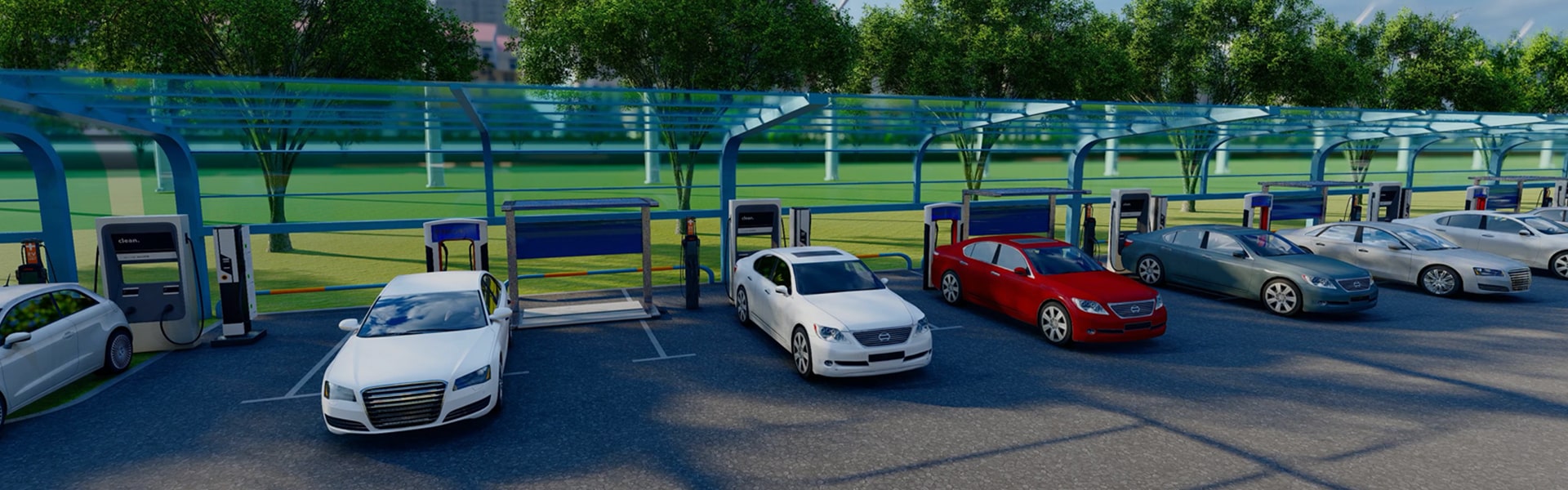
Engineered for High Reliability and Compatible with Emerging Charging Standards in the Ethiopian Public and Commercial Transit Sectors.
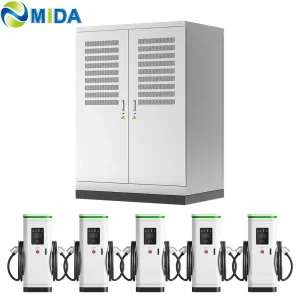
Ethiopia is undergoing a monumental transition in the transportation and energy sectors. Spurred by a historic legislative decision to restrict the import of internal combustion engine (ICE) passenger vehicles, the nation is pivoting directly toward electric mobility. Leveraging the immense power generation potential of the Grand Ethiopian Renaissance Dam (GERD) and other clean hydroelectric sources, Ethiopia boasts remarkably low electricity generation costs. However, transferring this abundant hydro-energy from generation plants to vehicle charging ports requires a highly resilient grid, a feat that poses systemic challenges to existing distribution infrastructure.
While the country generates massive clean power, urban distribution grids in hubs like Addis Ababa, Adama, Hawassa, and Dire Dawa suffer from voltage instability, peak-demand stress, and periodic outages. Introducing high-power DC fast chargers directly to this grid could trigger localized overloading, voltage sags, and grid instability. This is where Battery Energy Storage System (BESS) integrated charging stations become crucial. By serving as an energy buffer, BESS charges during low-load periods and discharges during high-demand EV charging cycles, alleviating stress on the local utility network and guaranteeing continuous power flow to transport operators.
When selecting a BESS and charging station supplier, engineering quality, cost efficiency, and end-to-end support are primary parameters. Chinese manufacturers offer unmatched supply chain integration, housing cell production, BMS (Battery Management Systems), power conversion systems (PCS), and EV chargers under one roof. This cohesive ecosystem yields highly reliable systems that are fully optimized for harsh climates and remote diagnostics. Key advantages include:
Shanghai Mida Cable Group Ltd. operates through its wholly owned subsidiaries: Shanghai Mida EV Power Co., Ltd., Shenzhen Mida EV Power Co., Ltd., and Shanghai Mida New Energy Co., Ltd.
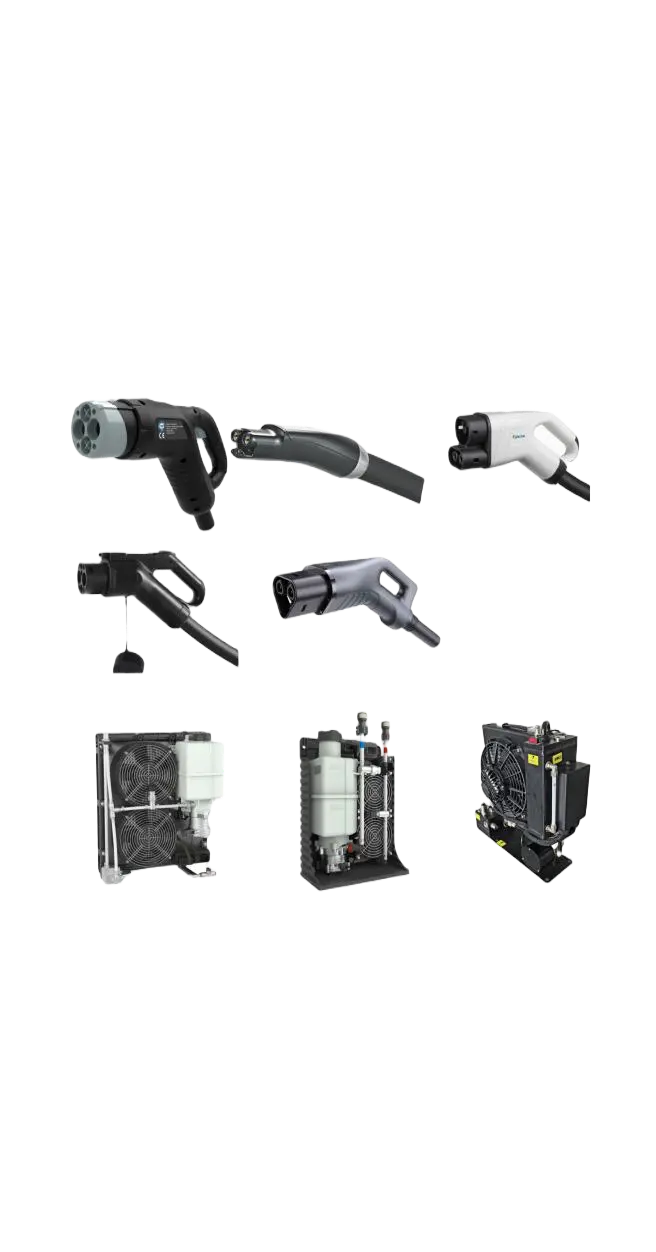
Mida Cable manufactures a comprehensive range of EV charging cables, including 16A–80A J1772 cables, 16A–63A IEC 62196-2 Type 2 cables, and DC fast charging cables: CCS1 (80A–500A), CCS2 (125A–1000A), CHAdeMO (125A–300A), GBT (200A–1000A), and NACS connectors (250A–600A).
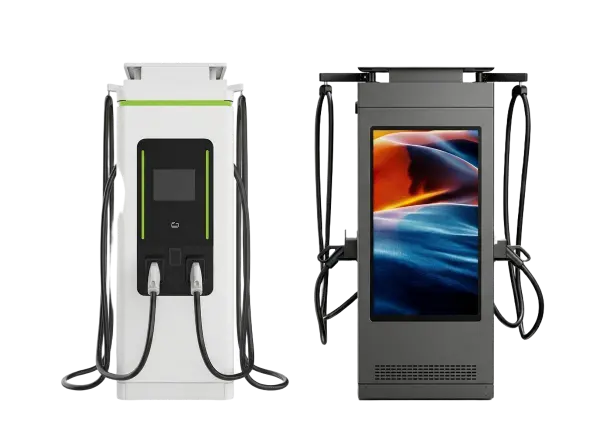
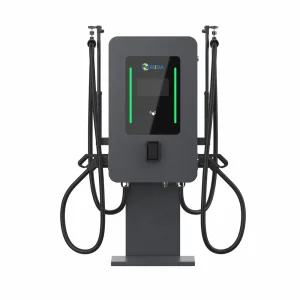
MIDA EV Power produces a full lineup of EV charging stations, such as 7kW–50kW mobile chargers, 3.6kW–7.2kW portable DC chargers, 360kW–1440kW split-type DC fast chargers, 20kW–50kW wall-mounted DC chargers, and 60kW–480kW floor-standing DC fast charging stations.
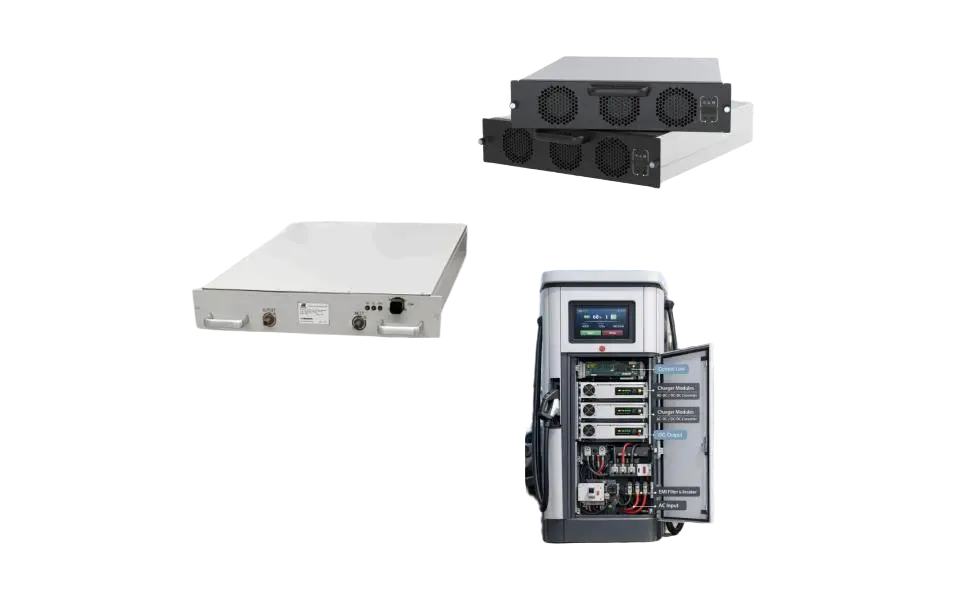
MIDA New Energy specializes in EV charger power modules, offering 20kW–60kW standard modules, 40kW–125kW liquid-cooled modules, 30kW–62.5kW bidirectional modules, and 20kW–45kW V2G charging modules.

Explore our core product portfolios designed to meet diverse energy and transportation needs across East Africa.
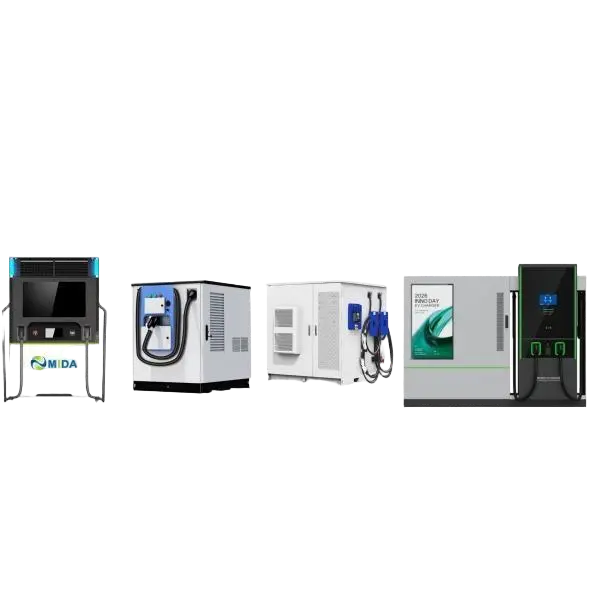
Deploying energy storage and charging technologies requires aligning with local commercial realities and transport frameworks. Here are four high-impact application scenarios designed for the Ethiopian energy landscape:
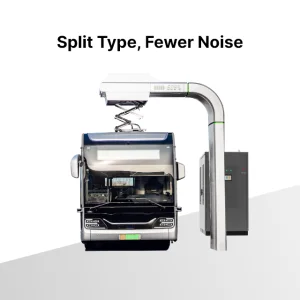
The capital's public transport system, including the Sheger Public Transport Service, is transitioning to electric buses to reduce municipal fuel expenditure. Charging a massive fleet of 12-meter electric buses requires megawatt-level power draws during depot turnaround windows. High-power split-type pantograph systems combined with containerized BESS can buffer power directly from the grid during high-demand daytime periods. This setup ensures that vehicles charge quickly and safely without straining the local substation.
Ethiopia's flagship industrial centers, such as Hawassa, Bole Lemi, and the Eastern Industrial Zone, operate extensive fleets of logistics vehicles and employee transport vans. These industrial parks often run independent solar microgrids. Integrating a BESS charging station enables these facilities to harvest excess solar energy during peak sunshine hours and discharge it to corporate fleets overnight, achieving a true net-zero transport ecosystem.
The Addis Ababa-Djibouti logistics corridor handles over 90% of Ethiopia’s foreign trade. Transitioning freight trucks on this highway to electric options represents a massive fuel savings potential. However, charging stations along these remote expressways must rely on robust energy buffers due to sparse grid infrastructure. A modular BESS charging system acts as a decentralized energy hub, storing energy slowly from weak local grids and outputting it rapidly at 350kW+ levels to class-8 heavy trucks.
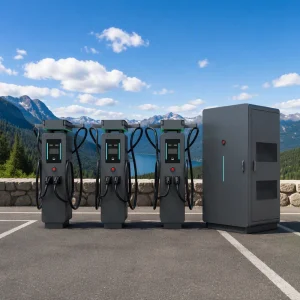
In conservation and tourism areas where quiet, emission-free operation is highly valued, hybrid solar-BESS configurations are optimal. These systems supply silent charging capabilities for electric safari and light utility vehicles, eliminating the need to haul diesel to remote locations.
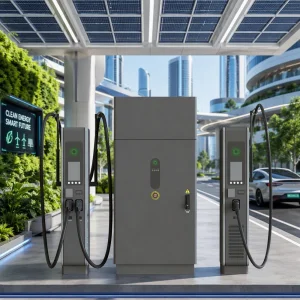
From residential charging to ultra-fast public charging networks, explore our structural charging options.
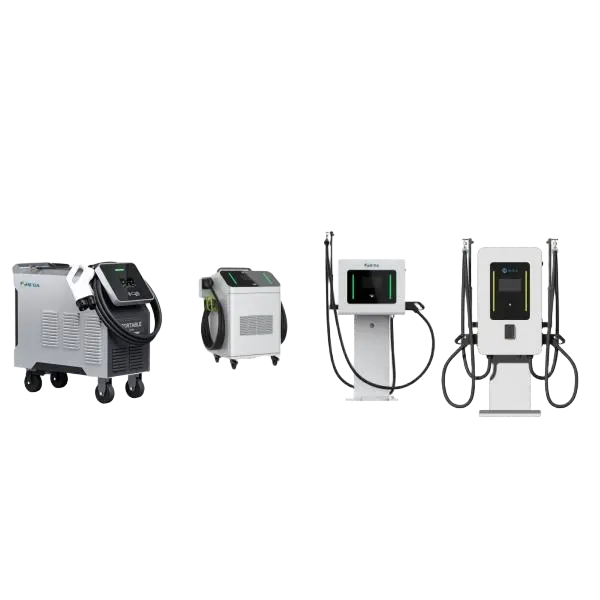
Power Range: 7kW | 20kW | 30kW | 40kW | 60kW | 80kW
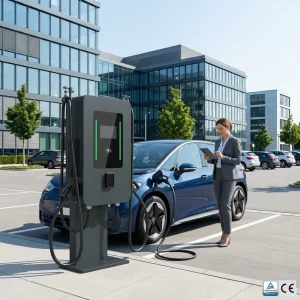
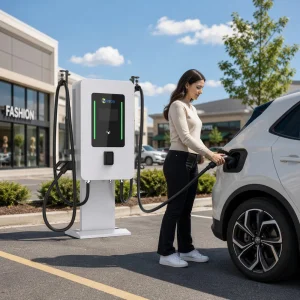
Ideal for compact commercial parking, small delivery fleets, and home installations.
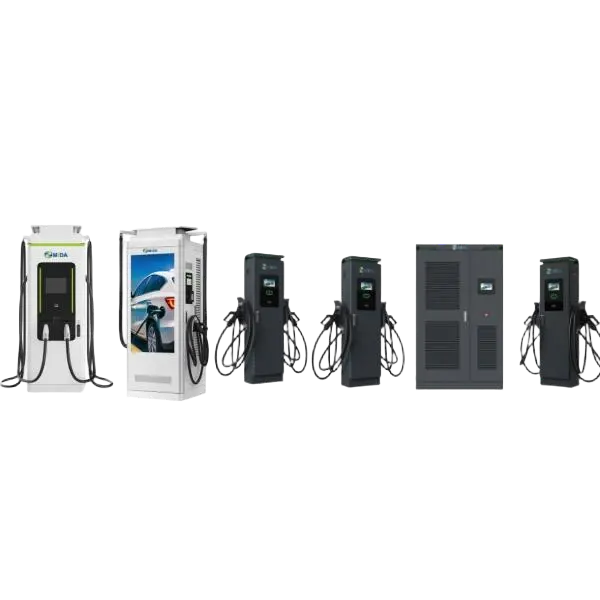
Power Range: 60kW-480kW | 360kW-1440kW
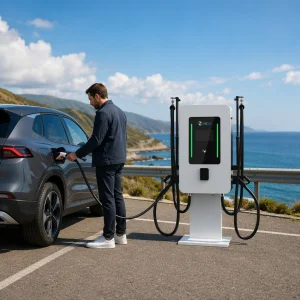
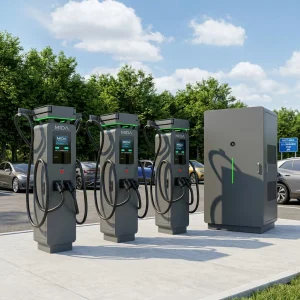
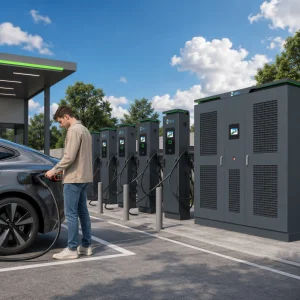
Designed for high-traffic highway plazas and centralized transit depots.
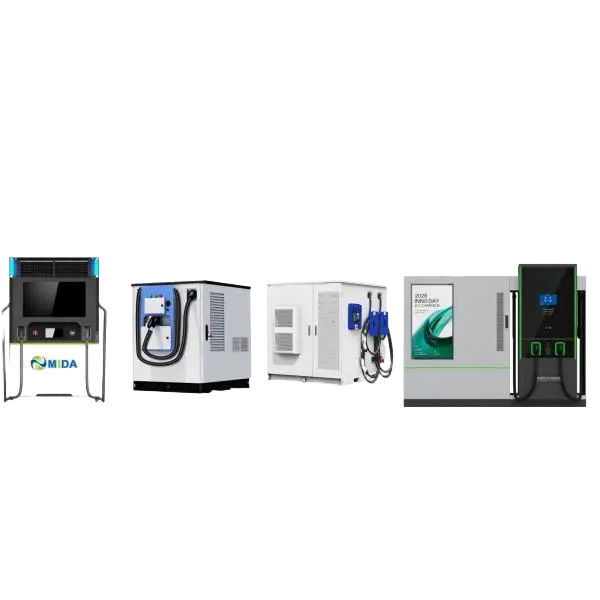
Storage Capacity: 60kWh | 261kWh | 418kWh | 625kWh | 2MkWh
High-voltage integrated battery storage arrays for buffer-assisted heavy-duty vehicle recharging.
Stay up to date with the latest advancements in electric bus pantographs, high-power charging, and dynamic energy solutions.

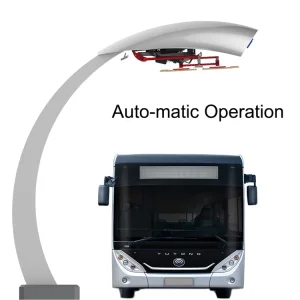
What are the advantages of an e-bus pantograph dome? In contrast to classic plug-in charging systems, e-bus pantograph technology enables high-power top-down automatic connections in transit applications, minimizing vehicle idle times...
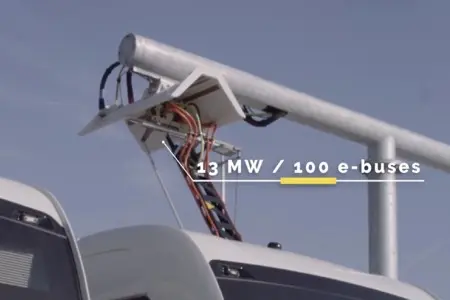
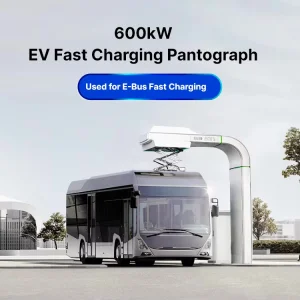
How long does it take to charge with an e-bus pantograph? The charging time depends on the battery capacity and the grid capacity. With active BESS support, chargers can safely ramp up output to 600kW+ to replenish city bus batteries in minutes...
How to Install the Pantograph Up Charger System Dome for Electric Bus. Installing a “Pantograph Up” system requires precise civil planning, anchor structures, grid matching, and advanced software calibration to ensure safety and stability...
Get answers to technical, commercial, and operational queries about deploying battery-integrated EV charging systems in the East African market.
High-efficiency, liquid-cooled, and split-type DC charger stacks designed for heavy-duty fleet operations, transit depots, and urban infrastructure projects.
Connect with our system engineers today to design custom, high-capacity, grid-buffered charging solutions tailored to your fleet or distribution project.
Request a Custom Design Proposal