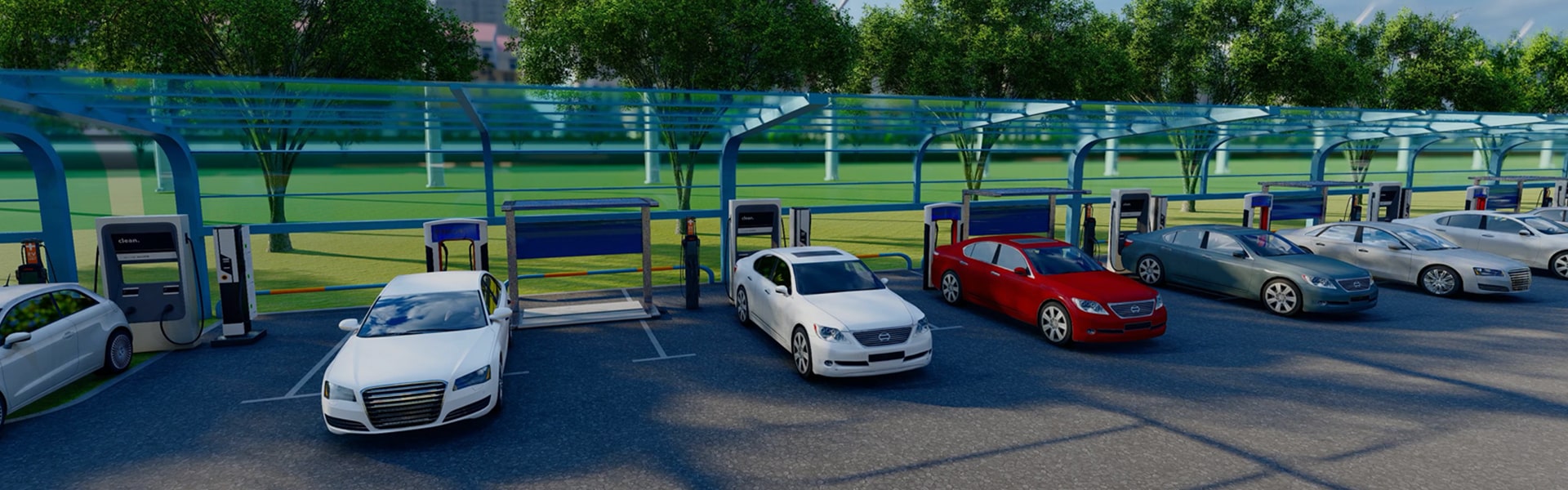
High-capacity direct current EV charging piles fully optimized for European commercial distribution hubs
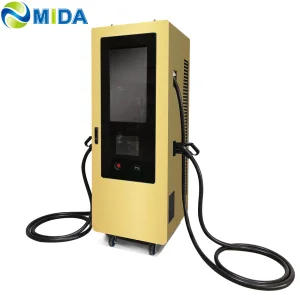
Unlocking Megawatt Charging Speeds Without Triggering Grid Overloads and Capacity Tariffs
Belgium's regional distribution system operators (DSOs) charge businesses heavily for peak demand spikes. BESS systems shaving off these peaks can reduce grid fees by up to 60%.
Adhering strictly to Synergrid C10/11 certification ensures all local energy storage interfaces, safety relays, and disconnect networks pass regional approvals effortlessly.
Supports Plug & Charge and smart charging profiles over standard protocols for dynamic load management and seamless corporate fleet integration.
As Belgium transitions towards a zero-emission commercial transport landscape, logistics hubs, industrial parks, and fleet operators face a critical bottleneck: the power grid's capacity limit. The local regulatory landscape, driven by regional grid managers like Fluvius in Flanders, Ores in Wallonia, and Sibelga in Brussels, increasingly penalties peak demand surges. Under Flemish capacity tariffs implemented in recent years, billing is directly linked to the highest monthly peak load. For an enterprise looking to deploy multiple 350kW DC Fast Chargers, the resultant peak demand charges can make the financial model of fleet electrification unviable.
This is where Battery Energy Storage System (BESS) Charging Stations serve as the ultimate technical and economical bridge. By integrating a stationary containerized battery system (e.g., LFP cells, ranging from 60kWh to over 2MWh capacities) with advanced charging power distribution units, enterprises can decouple high-power charging demands from the local utility grid.
Decades of cable manufacturing excellence translating to advanced charging solutions globally
Upgrading a local grid connection to support megawatt-level EV charging typically incurs high CAPEX (civil engineering, transformers, long wait times from distribution operators). An alternative is a localized microgrid setup incorporating on-site solar PV arrays, a containerized LFP BESS, and ultra-fast liquid-cooled DC chargers.
| Parameters / Solution | Standard Grid Upgrade (3.2MW) | MIDA BESS-Buffered System (600kW grid + 2MWh Storage) |
|---|---|---|
| Deployment Timeline | 12 to 24 Months (Approval & Grid expansion dependency) | 3 to 6 Months (On-site modular container placement) |
| Est. Infrastructure CAPEX | High (Substation, utility transmission, excavation costs) | Medium-High (Offset by state subsidies and modular hardware) |
| Monthly OPEX (Grid Fees) | Extremely High (Calculated based on 3.2MW peak demand) | Low (Peak-shaving saves >50% capacity fees) |
| Resiliency during Blackouts | None (System shuts down during grid failure) | Full (Can run in islanded mode, emergency backup power) |
| Solar Self-Consumption | Inefficient (Requires immediate export to grid at low tariffs) | Optimal (Stores excess solar for night fleet charging) |
Global and local organizations procuring equipment for European corridors demand compliance with strict metrics:
Explore the diverse core products manufactured by MIDA GROUP
Industrial Power Transmission Cables, Connector Assemblies & Storage System Integrator
Shanghai Mida Cable Group Ltd. operates through its wholly owned subsidiaries: Shanghai Mida EV Power Co., Ltd., Shenzhen Mida EV Power Co., Ltd., and Shanghai Mida New Energy Co., Ltd.
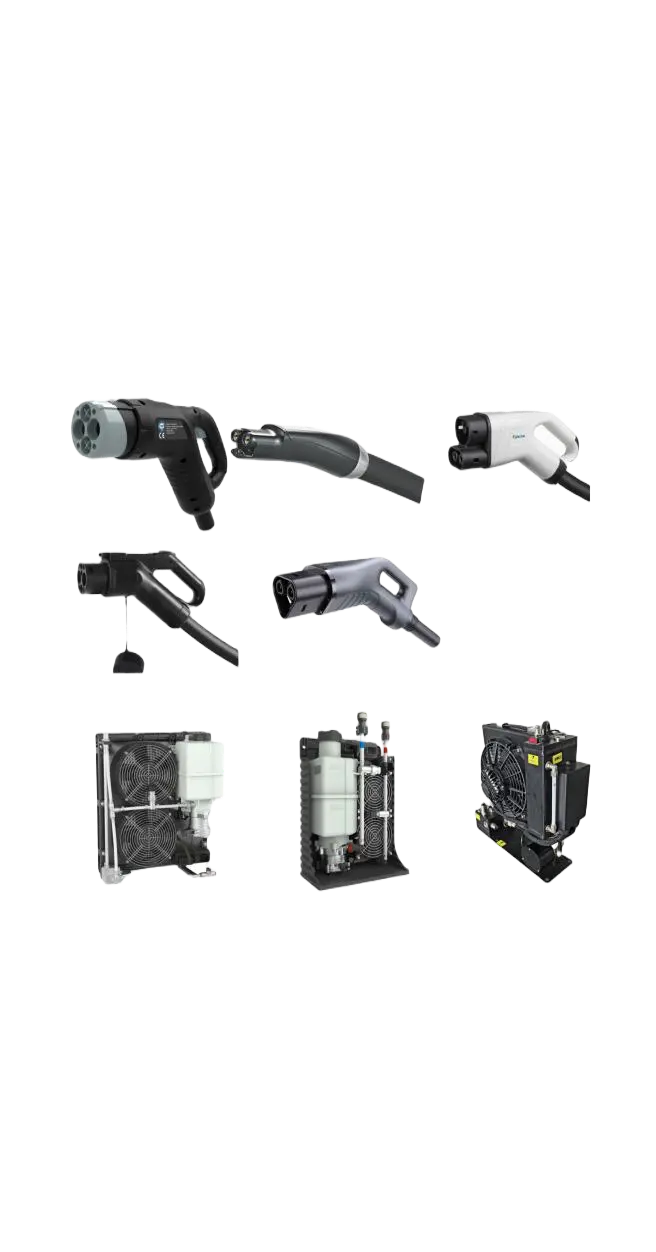
Mida Cable manufactures a comprehensive range of EV charging cables, including 16A–80A J1772 cables, 16A–63A IEC 62196-2 Type 2 cables, and DC fast charging cables: CCS1 (80A–500A), CCS2 (125A–1000A), CHAdeMO (125A–300A), GBT (200A–1000A), and NACS connectors (250A–600A).
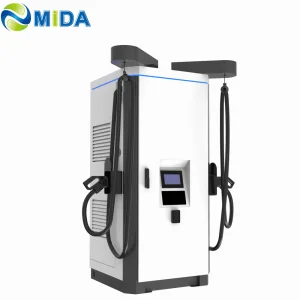
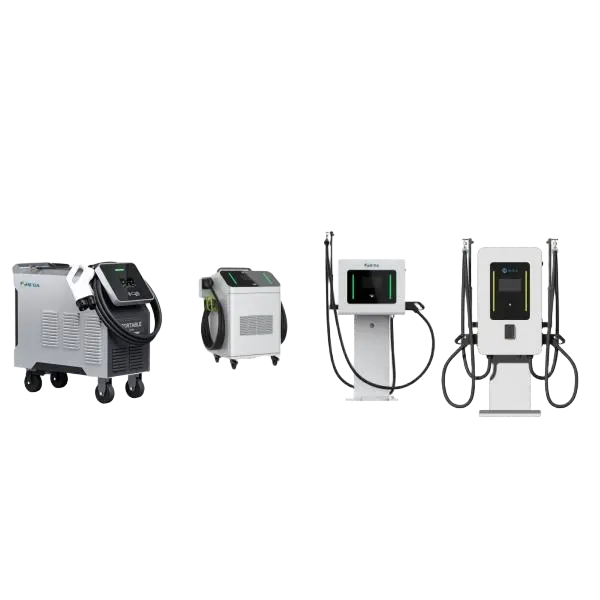
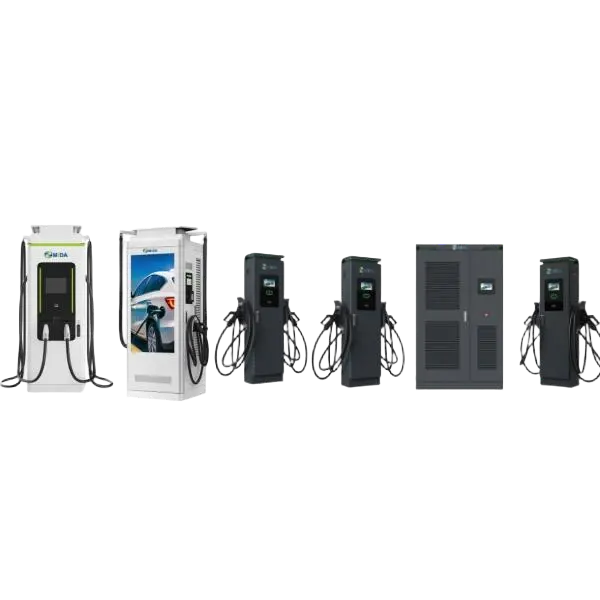
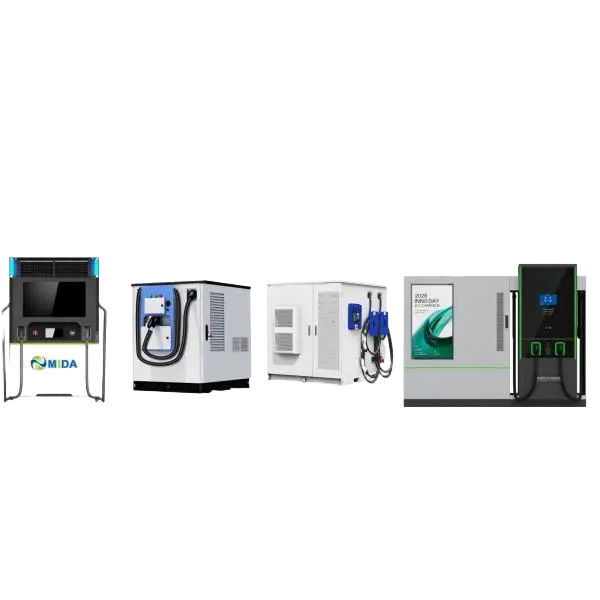
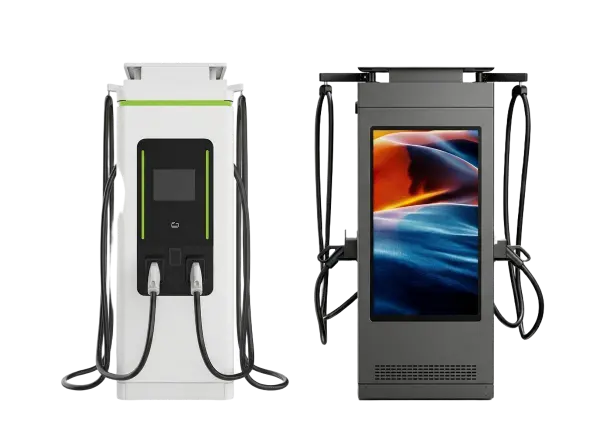
MIDA EV Power produces a full lineup of EV charging stations, such as 7kW–50kW mobile chargers, 3.6kW–7.2kW portable DC chargers, 360kW–1440kW split-type DC fast chargers, 20kW–50kW wall-mounted DC chargers, and 60kW–480kW floor-standing DC fast charging stations.
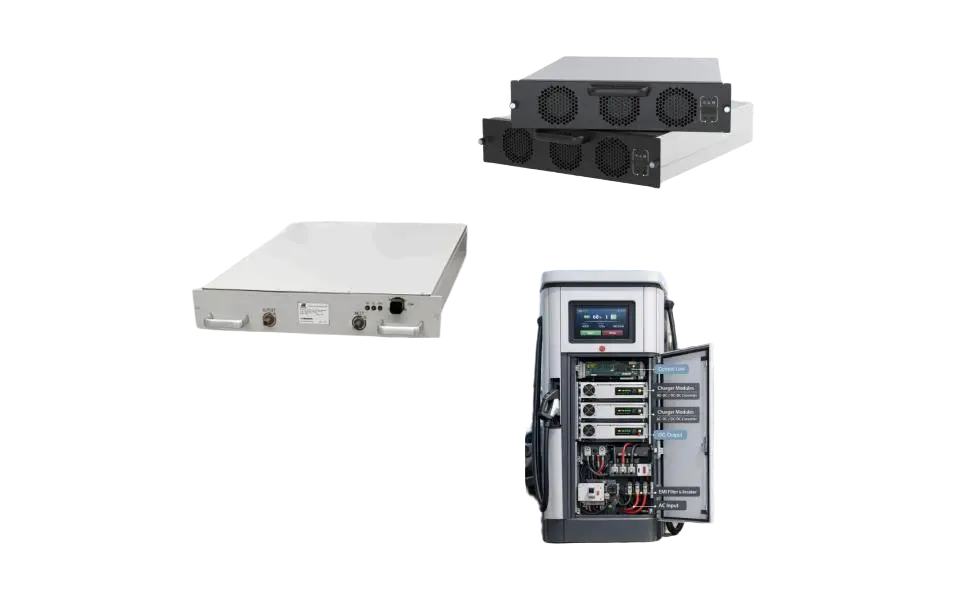
MIDA New Energy specializes in EV charger power modules, offering 20kW–60kW standard modules, 40kW–125kW liquid-cooled modules, 30kW–62.5kW bidirectional modules, and 20kW–45kW V2G charging modules.

Engineered Components & Integrated Modular Power Stations
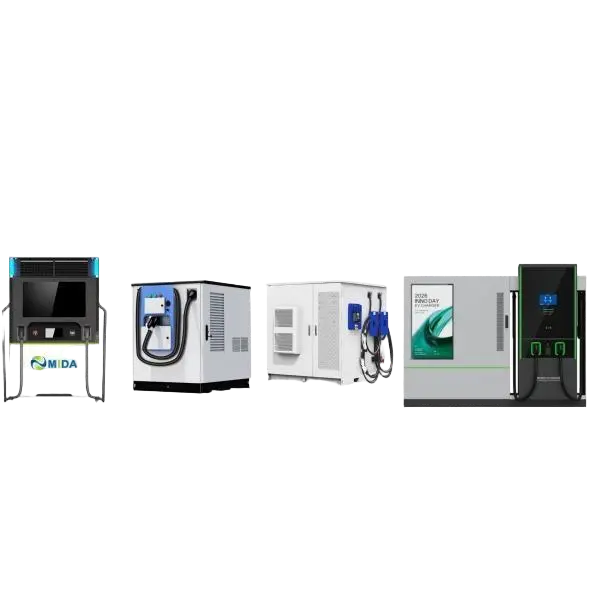
Installing energy storage equipment in industrial zones like Antwerp Port or Liège Logistics Hub requires compliance with strict safety directives. Fire protection and thermal runaway mitigations in BESS systems require advanced aerosol-based suppression systems, localized gas detection sensors, and compartmentalized mechanical physical barriers (compliant with European standard NFPA 855 and local environmental permits).
Furthermore, integration with SCADA systems utilized by Belgian transmission system operators is essential. Grid monitoring units must offer Modbus TCP/IP, CAN bus, and DNP3 interfaces to enable local utilities to curtail energy storage output under emergency grid congestion scenarios.
To maintain higher continuous charging speeds, liquid-cooled charging cables are quickly replacing traditional air-cooled configurations. This design utilizes a circulating synthetic coolant fluid that quickly dissipates heat from the heavy power conductor core.
MIDA's proprietary cooling unit architecture operates in tandem with smart power conversion topologies to enable split-charging hubs that can scale from 600kW to 1200kW output. The integrated thermal management loops ensure the power electronics operate at peak efficiencies, reducing conversion losses by up to 4.5% compared to standard configurations.
High power liquid-cooled dispensers, electric bus pantograph setups, and wall-mounted fast chargers
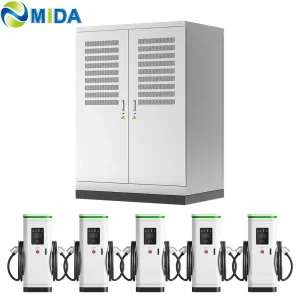
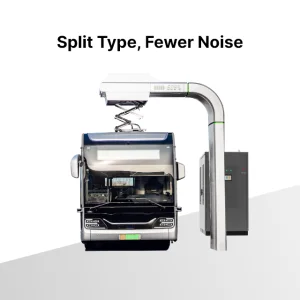
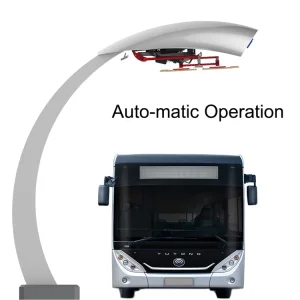
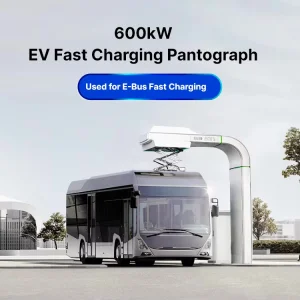
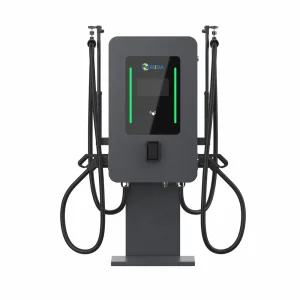
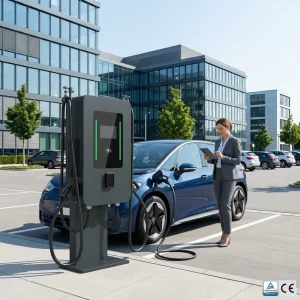
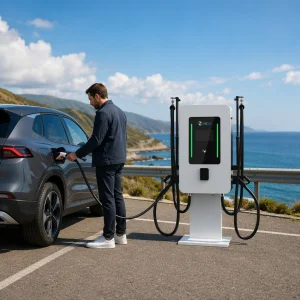
High power liquid-cooled dispensers, built for heavy electric vehicle logistics fleets and high throughput hubs
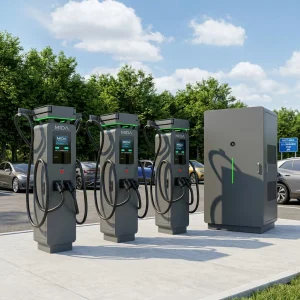
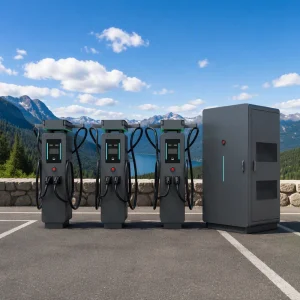
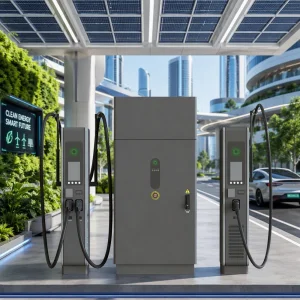
Technical Insights into Modern Pantograph & Megawatt Fleet Operations

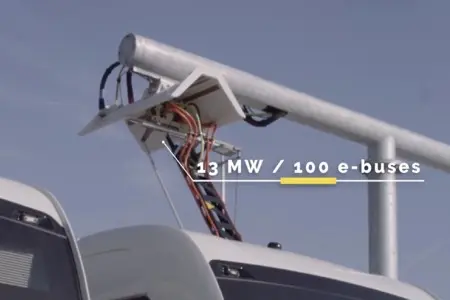
Technical and regulatory insights for deployment in Belgium and Europe