
Engineered for extreme performance, grid compatibility, and compliant integration with the Turkish electricity grid (EPDK) standards.
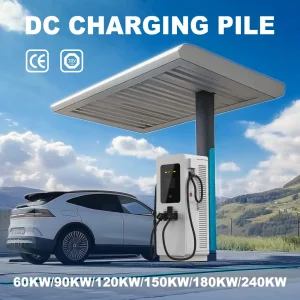
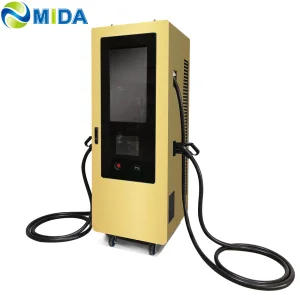
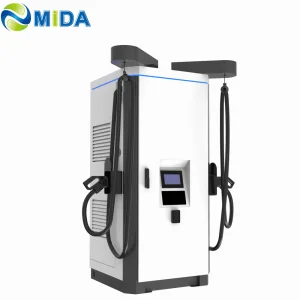
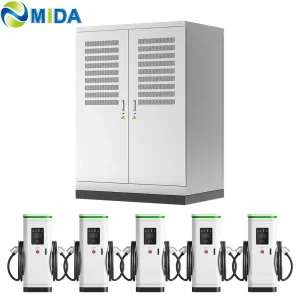
An expert analysis of the grid challenges, policy framework, and deployment benefits of Energy Storage integrated charging.
Turkey’s electric vehicle (EV) segment is undergoing an unprecedented boom, driven prominently by the roll-out of TOGG, Turkey's national EV brand, alongside municipal electrification initiatives and major highway corridors like the Otoyol networks. However, this sudden influx of high-capacity EVs has exposed severe grid constraints, particularly within metropolitan hubs like Istanbul, Ankara, and Izmir, as well as remote logistics routes. Traditional grid hookups struggle to handle the dynamic load demand of modern ultra-fast EV chargers (150kW to 600kW) without triggering voltage drops, peak-load surcharges, or expensive sub-station structural overhauls.
To circumvent the high capital expenditure of transformer upgrades, Turkey's leading charge point operators (CPOs) and industrial zones (OSB - Organize Sanayi Bölgeleri) are turning to BESS-integrated charging systems. By buffer-storing electricity from either local photovoltaic panels or the grid during off-peak hours (night-time tariffs), the BESS discharges during peak operational periods. This peak-shaving mechanism mitigates high demand charges from local utility distribution companies (TEDAŞ networks), enhances power quality, and provides a continuous, uninterrupted power supply for Level 3 super-charging installations.
An integrated BESS charging station combines high-density lithium iron phosphate (LFP) battery storage cabinets, a bidirectional Power Conversion System (PCS), an intelligent Energy Management System (EMS), and high-power DC fast-charging dispensers. This setup provides active and reactive power support, stabilizing the local MV/LV substation while supplying up to 1000V DC outputs to passenger cars, logistic fleets, and electric municipal buses.
Explore our structural categories designed to address varied commercial, residential, and fleet operational needs.
High-reliability AC EV chargers tailored for parking complexes, corporate offices, and workplace environments across Turkey.
Explore AC SystemsCompact high-performance chargers that combine the flexibility of mobile deployments with the sleek styling of wall mounts.
Explore Wall-MountedHeavy-duty, high-efficiency split-type DC charging hubs designed for highway corridors, gas stations, and massive EV depots.
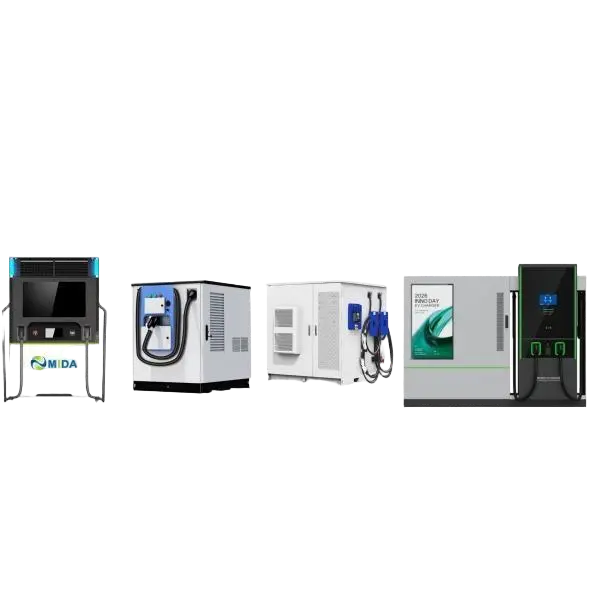
Explore DC Dispenser StacksComprehensive energy storage-coupled EV chargers designed to run independent of strict localized grid capacity limitations.
Explore BESS ConfigurationsUnifying cable engineering and state-of-the-art power electronics for premium international deployment.
Shanghai Mida Cable Group Ltd. operates through its wholly owned subsidiaries: Shanghai Mida EV Power Co., Ltd., Shenzhen Mida EV Power Co., Ltd., and Shanghai Mida New Energy Co., Ltd. Our unified structure bridges high-end raw cable extrusion, advanced connector manufacturing, and smart power electronic conversion modules to ensure reliable end-to-end performance.
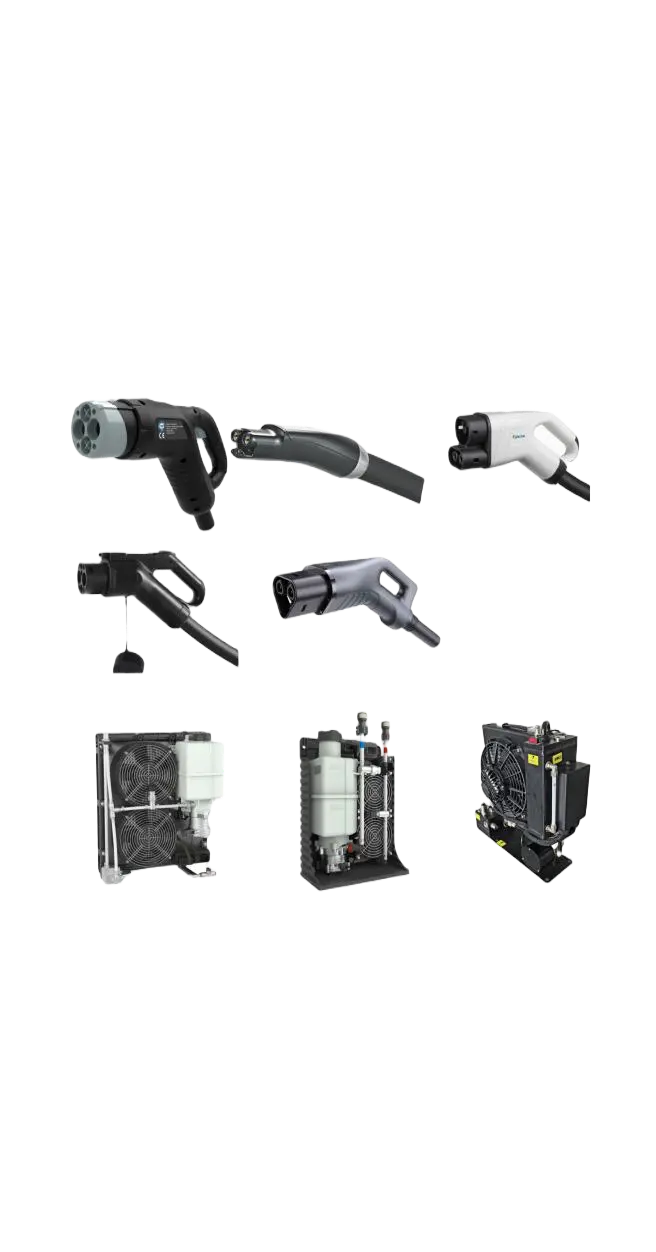
Mida Cable manufactures a comprehensive range of EV charging cables, including 16A–80A J1772 cables, 16A–63A IEC 62196-2 Type 2 cables, and heavy-duty DC fast charging cables: CCS1 (80A–500A), CCS2 (125A–1000A), CHAdeMO (125A–300A), GBT (200A–1000A), and NACS connectors (250A–600A) compatible with next-gen global specifications.
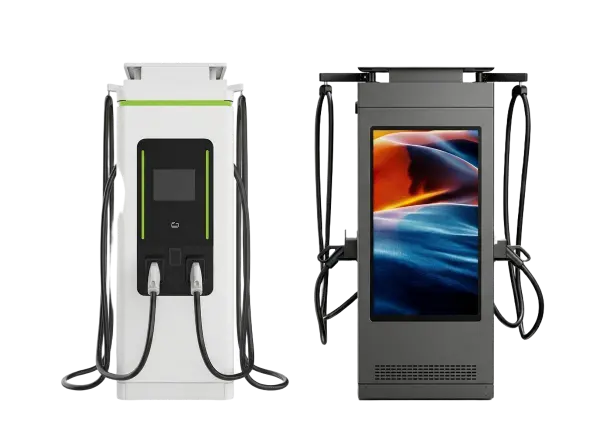
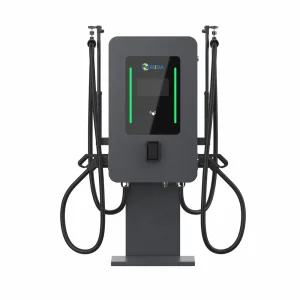
MIDA EV Power produces a full lineup of EV charging stations, such as 7kW–50kW mobile chargers, 3.6kW–7.2kW portable DC chargers, 360kW–1440kW split-type DC fast chargers, 20kW–50kW wall-mounted DC chargers, and 60kW–480kW floor-standing DC fast charging stations.
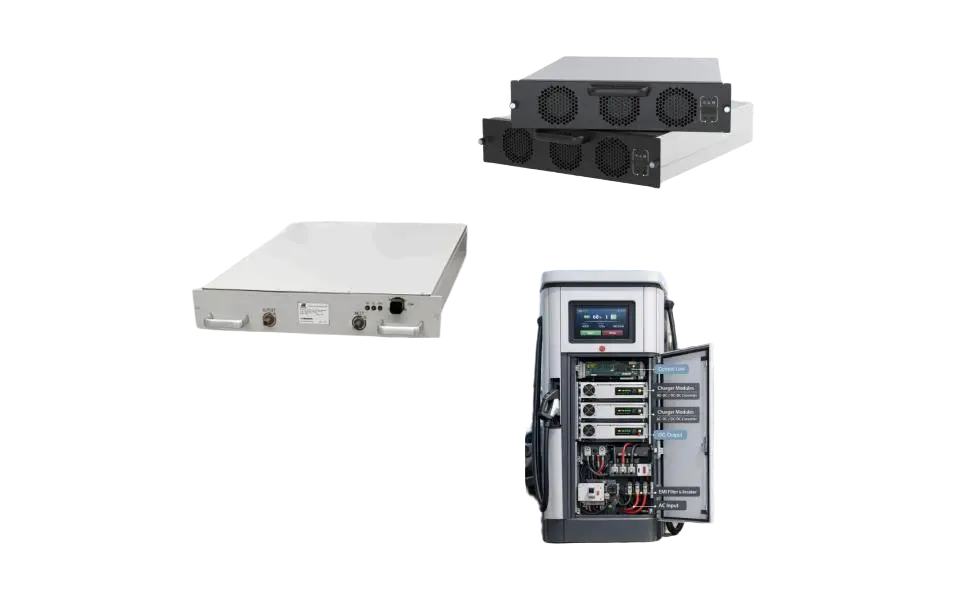
MIDA New Energy specializes in EV charger power modules, offering 20kW–60kW standard modules, 40kW–125kW liquid-cooled modules, 30kW–62.5kW bidirectional modules, and 20kW–45kW V2G charging modules designed to maximize reliability and reduce total ownership costs.

Premium internal sub-assemblies and connectors engineered to support OEMs, installers, and CPOs in Turkey.
Megawatt charging, liquid-cooled, and transit-ready infrastructure certified for heavy vehicle passenger transport and logistical corridors.
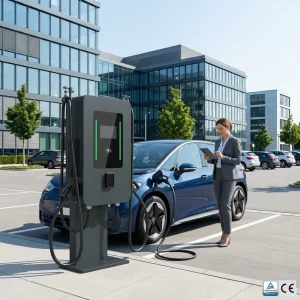
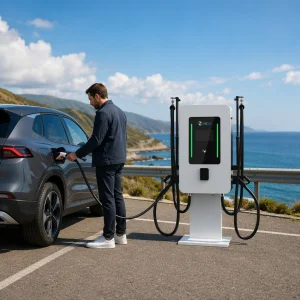
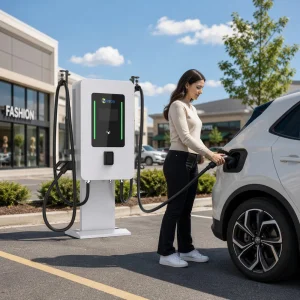
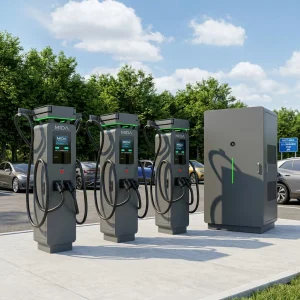
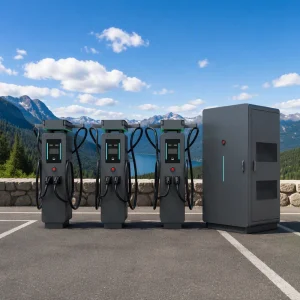
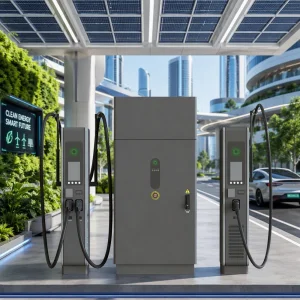
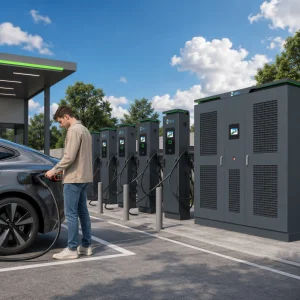
Ensuring flawless integration with the Turkey TEDAŞ network parameters and safety regulations.
| Technical Parameters | Specification Ranges / Standard Conformity | Turkey Utility Compliance (EPDK / TSE) |
|---|---|---|
| Nominal Grid Voltage | 400V AC ± 10%, 3-phase, 50Hz | Fully optimized for Turkey domestic MV/LV transformers |
| Communication Protocols | OCPP 1.6JSON, OCPP 2.0.1, Modbus TCP | Certified roaming compatibility for Turkey Trugo & ZES networks |
| Vehicle Interface Protocols | ISO 15118 (Plug & Charge / V2G), DIN 70121 | Mandatory compatibility for TOGG T10X & European CCS2 imports |
| Integrated Safety Features | RCD Type B (30mA AC / 6mA DC), SPD Type II, IMD (Insulation Monitoring) | TSE (Turkish Standards Institution) compliant grounding protection |
| BESS Configuration Options | LFP chemistry, Liquid cooled thermal run, 0.5C - 1C charge/discharge | EPDK compliant grid-buffer & peak shaving operating thresholds |
Hardware reliability is only as good as the local support network. We collaborate with authorized electrical engineering partners across Turkey's key industrial hubs, including Kocaeli, Bursa, and Izmir. By maintaining localized replacement parts and power module warehouses, we offer rapid response SLA support to safeguard operational continuity for high-uptime environments such as logistics depots, bus transit centers, and commercial hubs.
Discover how modern CPOs and municipal bodies in Turkey apply BESS-integrated ultra-fast charging.
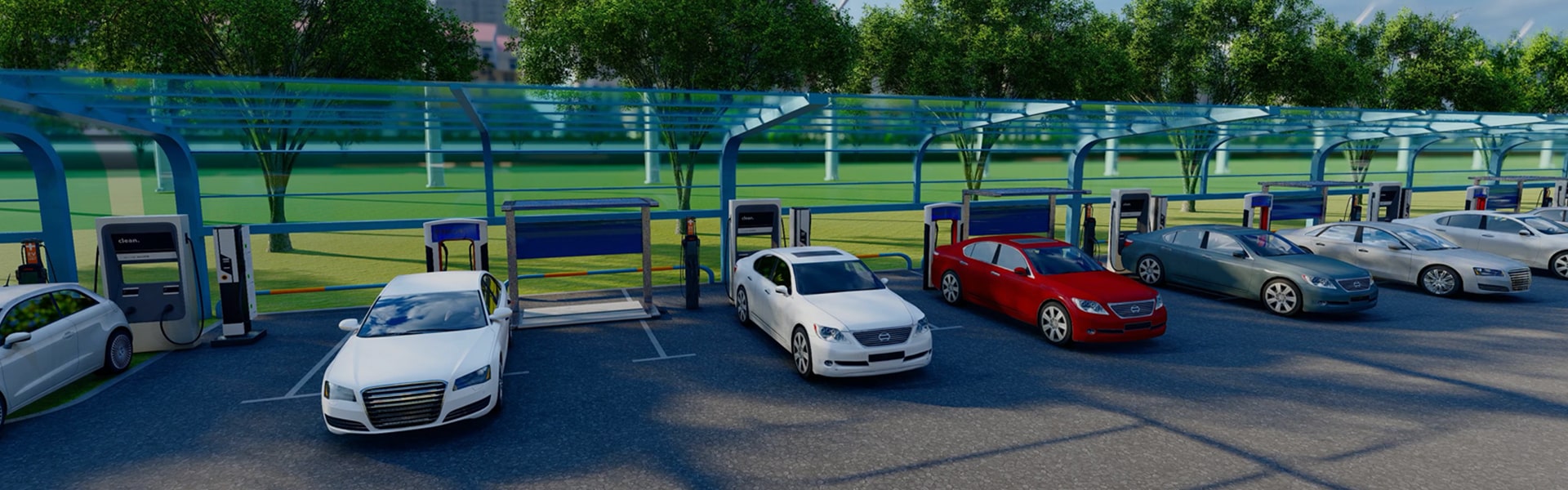
Integrating 625kWh LFP battery systems with a split-dispenser 480kW charging cabinet. The system allows simultaneous 150kW fast charging for up to 4 passenger EVs without requiring substation upgrades.
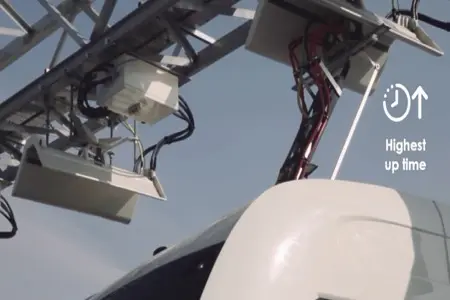
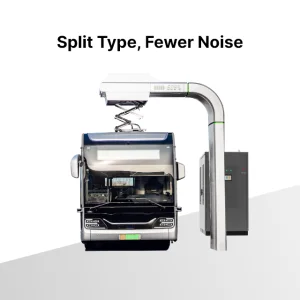
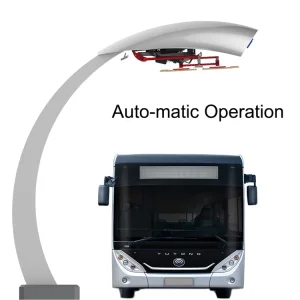
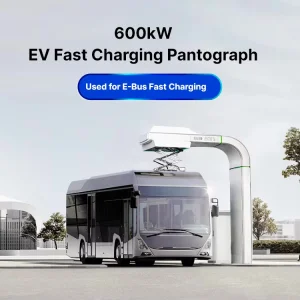
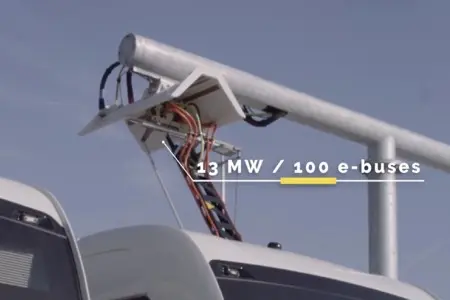
Utilizing high-power split-type pantograph chargers (300kW - 600kW) with bidirectional grid compensation. The system enables opportunity charging for public transport fleets during regular route rotations.
Deploying 2MWh containerized BESS coupled with solar arrays to charge heavy-duty logistics fleets. The setup shaves peak loads during high industrial consumption windows, reducing energy bills.
Explore technical concepts driving transit electrification and mass public vehicle charging networks.
In contrast to classic plug-in charging systems, e-bus pantograph connections provide hands-free contact, high power transfer rates, and rapid turnaround times suitable for public bus routes.
The charging time depends heavily on battery capacity and output power. With a 600kW ultra-fast pantograph, a typical electric transit bus can recover up to 80% charge in 10-15 minutes.
Installing a "Pantograph Up" system dome requires precise engineering alignment, heavy-duty foundation casting, robust sub-station cabling, and direct integration with local utility communication interfaces.
Get expert answers to common queries regarding grid connection, BESS configurations, and localized support in Turkey.
A1: High-power DC fast chargers (150kW to 600kW) place a significant sudden load on the local electricity grid. In Turkey, connection approvals from regional distribution companies (like BEDAŞ, AYEDAŞ, or Toroslar EDAŞ) can be slow or cost-prohibitive due to transformer capacity limits. Integrating a Battery Energy Storage System (BESS) acts as a local buffer, enabling high-speed charging without relying solely on peak power draw from the grid.
A2: Yes. Our charging systems support OCPP 1.6J/2.0.1 protocols, enabling compatibility with Turkish charge point operators (CPO) and national roaming frameworks. They carry European CE certifications, align with IEC 62196-2/3 connectivity guidelines, and conform to the safety principles mandated by the Turkish Standards Institution (TSE).
A3: Absolutely. The BESS features bidirectional AC/DC power converters (PCS) and an advanced Energy Management System (EMS). It can prioritize solar power output to charge batteries, utilizing grid energy only as a fallback during off-peak night rate schedules.
A4: We offer standard 2-year warranties on power modules and structural equipment, extendable via custom maintenance SLAs. Our local engineering partners in cities like Izmir, Kocaeli, and Ankara provide on-site technical diagnostics, preventative inspections, and fast component replacement.
A5: Our chargers use CCS2 connectors, the official standard across Turkey and Europe. They are fully compatible with vehicles like TOGG T10X, Tesla Model Y/3, Audi e-tron, BMW i-series, Porsche Taycan, as well as CCS2-compatible electric transit buses and heavy commercial vehicles.
Get in touch with our team of technical engineers. We provide comprehensive design, pricing structure, grid-buffer simulations, and customized proposals for your projects.