
Premium DC and liquid-cooled systems designed to balance localized power draw through cutting-edge grid-buffering architectures.
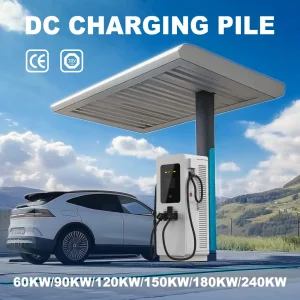
Smart dynamic power allocation charging units built with rugged cooling channels optimized for high peak temperature profiles across the GCC region.
Request Quote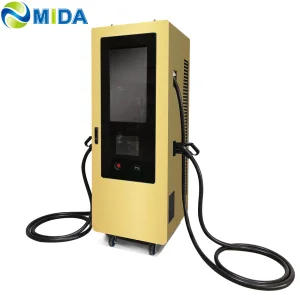
Dual-benefit design pairing ultra-fast DC dispensers with 43/55-inch high-brightness media panels suited for public plazas under intense sunlight.
Request Quote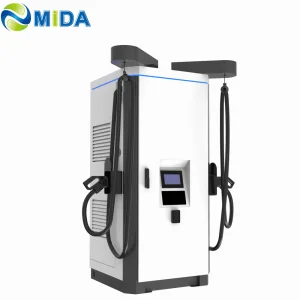
High-voltage highway corridor charging stations designed for passenger EVs and logistic vans, fully compatible with local utility safety frameworks.
Request Quote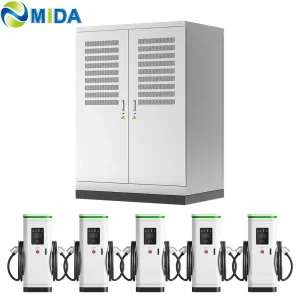
Decentralized power matrix systems separating power modules into climatic enclosures, maximizing cabinet lifecycle in high-dust industrial zones.
Request QuoteShanghai Mida Cable Group Ltd., through its dedicated operating subsidiaries—Shanghai Mida EV Power Co., Ltd., Shenzhen Mida EV Power Co., Ltd., and Shanghai Mida New Energy Co., Ltd.—stands at the absolute forefront of high-capacity EV charging interfaces, power conversion modules, and battery-buffered fast-charging architectures globally.
For more than a decade, our specialized engineering divisions have designed, simulated, and manufactured heavy-duty EV charging setups. Our catalog covers standard 16A to 80A J1772 systems, premium IEC 62196-2 Type 2 cables, and megawatt-ready DC fast charging connectors, including CSS1 (up to 500A), liquid-cooled CCS2 (up to 1000A), GBT (up to 1000A), and NACS standards (up to 600A).
To support massive electrification targets within Saudi Arabia and the wider GCC region, MIDA EV Power provides bespoke grid-connected and battery-buffered charging stations. We specialize in engineering solutions that mitigate peak demand charges, lower civil engineering overheads, and guarantee continuous maximum power delivery in high-ambient-temperature environments.

Analyzing grid optimization challenges and structural opportunities within Saudi Arabia’s accelerating commercial EV charging market.
Riyadh is undergoing rapid urban expansion under Saudi Vision 2030, transforming municipal transport, logistics, and residential spaces. However, the installation of multi-megawatt EV fast-charging stations poses immediate grid stabilization issues for the Saudi Electricity Company (SEC). Massive, unbuffered power draws can trigger localized voltage drops, disrupt distribution transformers, and incur steep peak-demand tariffs.
A traditional grid connection upgrade for a 1MW high-power EV charging hub can take months in approvals and require significant civil work. Battery Energy Storage Systems (BESS) bypass these limitations by functioning as a high-capacity buffer. By slowly charging from the grid during off-peak hours and discharging at high C-rates during peak vehicle replenishment cycles, BESS ensures consistent, fast charging without overloading local grids.
The Ministry of Energy's new regulations for electric vehicle charging infrastructure stress the importance of efficiency, grid safety, and smart integration. Incorporating battery storage into the charging topology directly lowers operational expenditure (OpEx) by preventing peak-period utility demand charges.
MIDA's integrated BESS systems combine advanced LFP (Lithium Iron Phosphate) battery chemistry with liquid-cooled thermal management, providing high safety, long cycle life, and reliable performance even during the hottest summer periods in Central Saudi Arabia.
How MIDA’s liquid-cooling technology and smart HVAC systems protect core electronics against intense desert heat.
Operating high-capacity batteries and power electronics in Riyadh requires robust thermal management. High ambient temperatures exceeding 45°C in summer can cause traditional air-cooled charging systems to throttle power output or experience premature component wear. MIDA resolves this issue through targeted active cooling designs:
Our liquid-cooled charging cabinets separate internal power modules from high ambient temperatures. The liquid cooling plate directs coolant along heat-producing surfaces, maintaining power modules within their optimal operating range of 25°C to 40°C even under high ambient loads.
Riyadh's environment demands defense against fine sand and dust. MIDA's outdoor charging enclosures utilize closed-loop cooling configurations. Internal air circulation never mixes with dust-heavy ambient air, protecting control boards, contactors, and electrical relays from particulate wear.
The LFP battery cells inside our BESS containers are protected by industrial-grade HVAC units. These units feature smart, variable-speed compressors that dynamically adjust cooling power based on real-time cell temperatures, keeping degradation rates low and protecting warranties.
Combining world-class production facilities with local support to ensure reliable BESS and DC charging projects.
MIDA Group serves international energy developers, municipal transit authorities, and highway concessionaires. Our production plants employ automated testing lines, dynamic load simulators, and environmental test chambers to ensure every power module and charging interface meets strict quality standards.
We provide comprehensive solutions that integrate solar power, battery energy storage, and EV charging (PV-Storage-Charging). This unified design is highly effective for Saudi Arabia's off-grid developments, desert resorts, remote industrial areas, and modern urban centers looking to maximize solar potential.
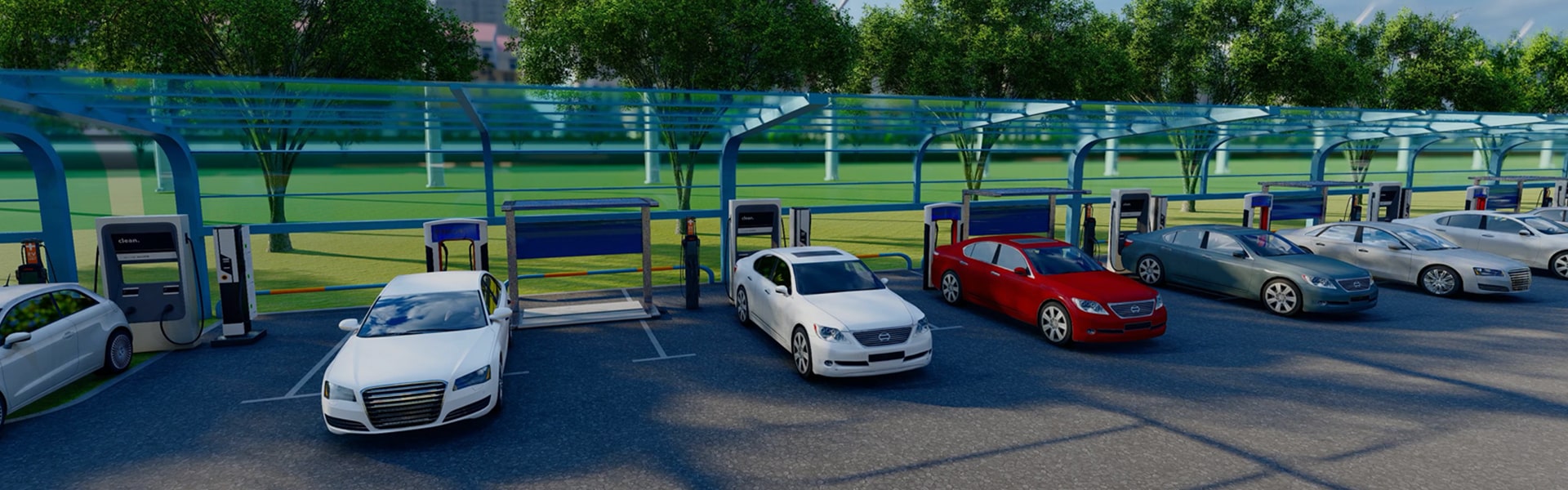
Customized BESS and charging solutions designed for specific commercial, transit, and industrial use cases.
Providing megawatt-level pantograph and split-cabinet charging systems for transit authorities, supporting high-uptime bus fleets operating in downtown Riyadh.
High-throughput charging buffers located along key freight corridors connecting Riyadh, Dammam, and Jeddah, reducing dwell times for heavy commercial EV fleets.
Compact wall-mounted and floor-standing stations designed for commercial centers, hotels, and institutional real estate seeking high LEED credentials.
Comprehensive systems manufactured to perform in high-demand, high-temperature operations.
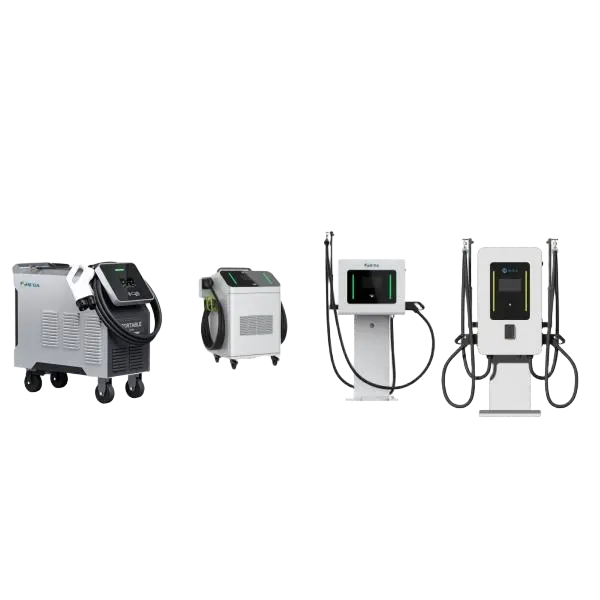
Robust configurations with OCPP 1.6J/2.0.1 compliance, designed for destination networks and fleet overnight charging.
Inquire Details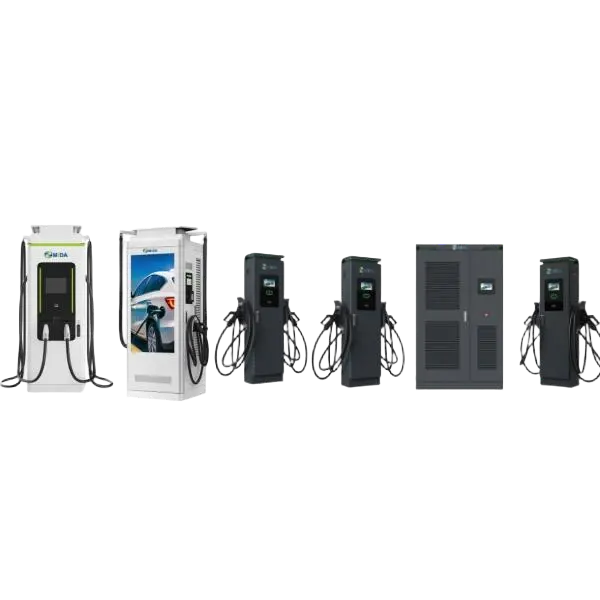
Dual capacity options ranging from 7kW to 80kW, combining small installation footprints with fast DC charging capability.
Inquire Details
Core ultra-fast systems ranging from 60kW to 1440kW, suitable for high-frequency municipal, logistics, and retail networks.
Inquire Details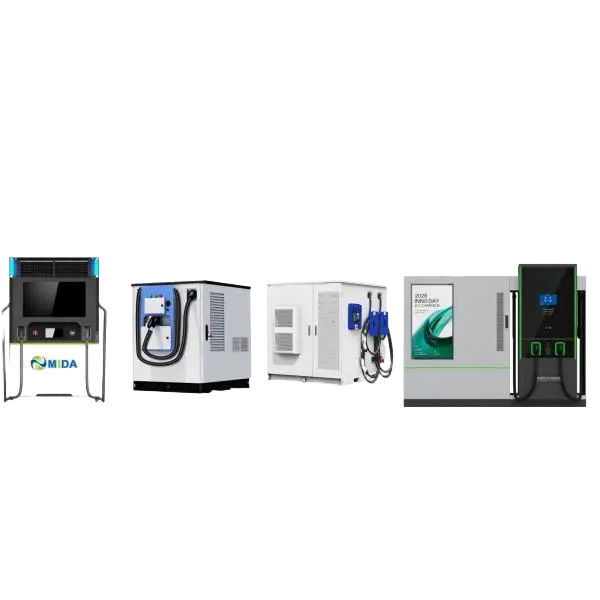
Integrated energy storage systems (60kWh to 2MWh+) providing local peak shaving and high C-rate charging buffers.
Inquire DetailsMIDA designs and manufactures the critical components that power modern EV infrastructure.
All MIDA charging platforms are fully certified to meet the technical and safety standards of the Saudi market.
Deploying public or commercial charging stations in Saudi Arabia requires strict adherence to local regulations. MIDA ensures smooth project approvals by matching the requirements of key national authorities:
Our charging systems carry full certification under the Saudi Standards, Metrology and Quality Organization (SASO) framework, specifically matching SASO IEC 61851-1 and 61851-23 standards.
Our built-in power modules feature reactive power compensation and low harmonic distortion (THD < 5%), fully meeting SEC’s technical regulations for grid connection.
BESS containers feature integrated fire suppression systems, including aerosol/Novec 1230 agent release, thermal runaway monitoring, and remote shutdown capabilities.
Continuous innovation in high-density energy storage, solid-state system safety, and ultra-high-speed power delivery.
As heavy trucking corridors and municipal logistics fleets transition to electric powertrains, current charging setups will need to evolve. MIDA is developing megawatt-class charging platforms (MCS) capable of delivering up to 1.5MW per port, using advanced liquid-cooling technologies.
In addition, our research centers are optimizing bidirectional grid support capabilities (V2G/V2H). In the future, large vehicle fleets in Riyadh will be able to function as distributed energy storage assets, helping to stabilize the national grid during peak air conditioning hours and reducing overall operating costs.
Explore our range of heavy-duty charging interfaces, split systems, and specialized transit charging systems.
High-power modular charging system designed for logistics centers, distributing capacity dynamically across multiple charging points.
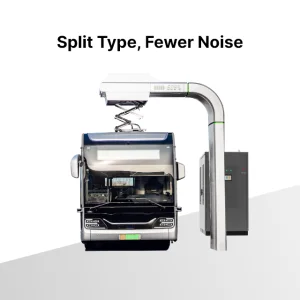
Automated overhead charging system designed for high-power depot replenishment, minimizing vehicle downtime.
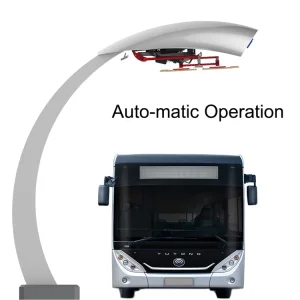
Features a separate power cabinet for easy maintenance in hot, dust-prone climates.
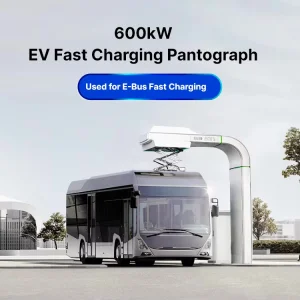
Engineered for quick, opportunity charging along busy municipal routes, featuring rugged electrical connectors.
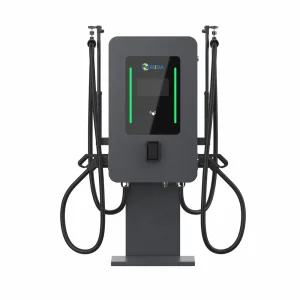
Compact wall-mount design with dual-outlet charging, optimized for parking garages and commercial fleets.
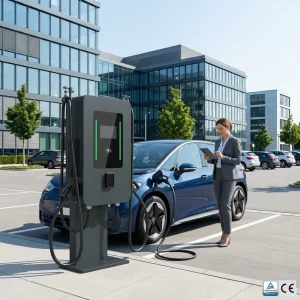
Complies with ISO 15118-20 standards, supporting secure communication and Plug & Charge authentication.
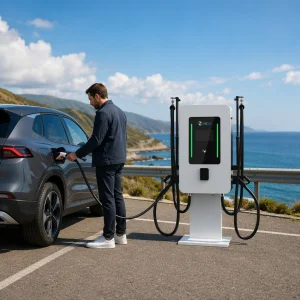
Multi-protocol charging station designed to accommodate diverse corporate fleets and international EV models.
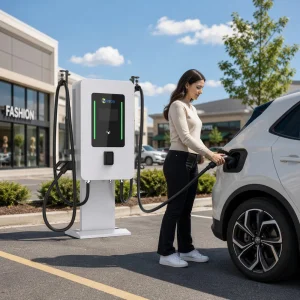
TUV, ETL, and RCM certified hardware featuring next-generation OCPP communication and smart local power management.
Premium high-power charging stacks engineered to maintain maximum continuous current in warm climates.
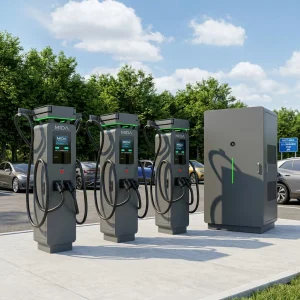
Active liquid-cooled cable system designed to safely deliver high-current charging without overheating.
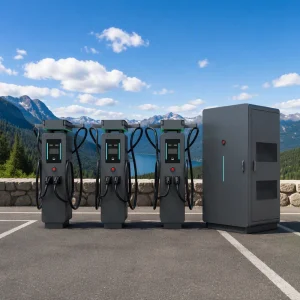
Decentralized charging stack designed to maximize power delivery across multiple parking bays.
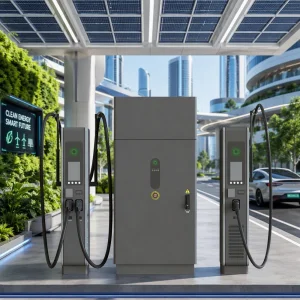
High-power modular design engineered to optimize cooling performance during high summer temperatures.
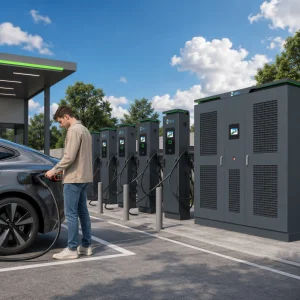
High-capacity charging system designed for logistics terminals and long-haul commercial transport.
Read our recent engineering reviews and technical guides regarding heavy vehicle charging infrastructure.

What are the advantages of an e-bus pantograph dome? In contrast to classic plug-in charging systems, e-bus pantograph systems offer automated connection, minimized labor overheads, and high safety profiles during high-current operations...
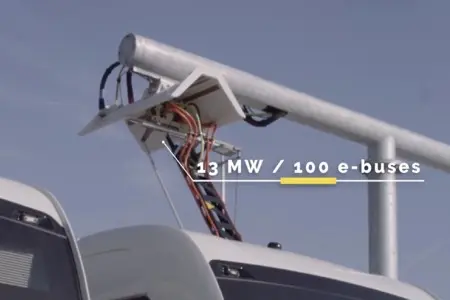
How long does it take to charge with an e-bus pantograph? The charging time depends on the battery capacity and the operating voltage of the vehicle's onboard management system. In high-power applications, dynamic charging...
How to Install the Pantograph Up Charger System Dome for Electric Bus. Installing a "Pantograph Up" system requires precise positioning, robust civil design to manage wind loads, and integration with depot power management cabinets...
Detailed information on grid compliance, thermal sizing, and local installation requirements in Riyadh.
Get in touch with our technical team to receive design advice, mechanical schematics, and pricing for your upcoming project in Riyadh.
Send Inquiry Now