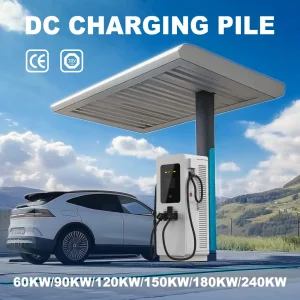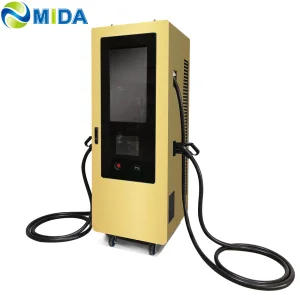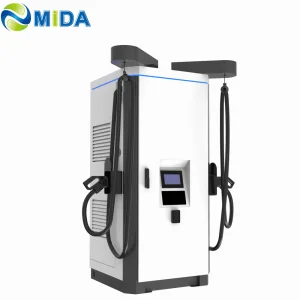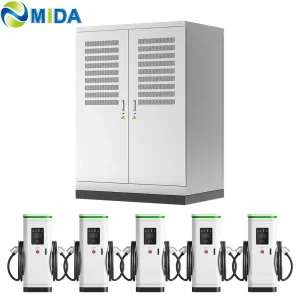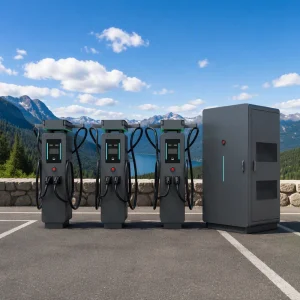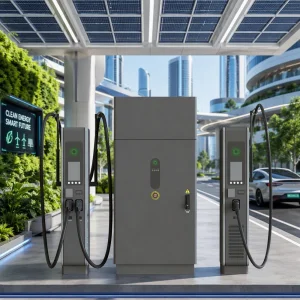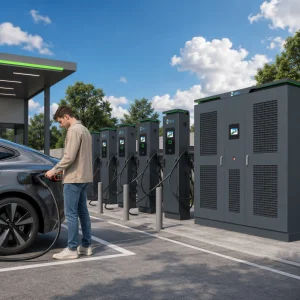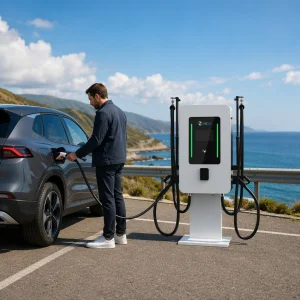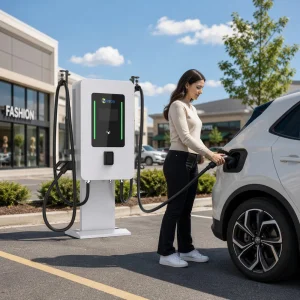
Engineered to support heavy utility, commercial fleets, and public transport projects across Maseru, Maputsoe, and Lesotho's industrial regions.
Lesotho, geographically nested within South Africa, faces distinct challenges and opportunities regarding energy infrastructure and green transition. While the nation boasts significant clean energy output from the Lesotho Highlands Water Project (LHWP), its reliance on power imports from South Africa's grid (Eskom) exposes local commercial and industrial hubs to external fluctuations and frequent grid stress. For mining facilities, transport networks, and urban enterprises in Maseru, integrating Battery Energy Storage Systems (BESS) with EV charging infrastructure is not merely a modern upgrade—it is a critical requirement for operational reliability.
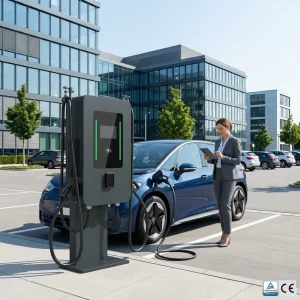
Establishing ultra-fast DC charging networks in Lesotho without energy storage is highly restrictive due to grid constraints. High-power chargers (spanning 120kW to over 600kW) demand substantial instantaneous power. Connecting these directly to localized grids can trigger voltage instability, high peak-demand charges, and system overloads. Integrated BESS solutions address this challenge by acting as energy reservoirs, storing electricity during off-peak periods or via integrated solar arrays, and discharging it at high rates during vehicle charging cycles. This process of peak-shaving and load-leveling enables operators to establish fast-charging hubs without relying on immediate grid upgrades.
Reduces reliance on local distribution networks by buffering peak loads during simultaneous high-power charging events.
Avoids expensive peak-time tariffs by drawing power during off-peak windows and discharging it dynamically.
Ensures continuous charging operations for logistics fleets and mining operations during grid disruptions.
Lesotho features the highest lowest point of any nation, with elevations ranging from 1,400 meters to over 3,000 meters above sea level. This high-altitude geography presents unique physical constraints that must be accounted for in power electronics design. Standard electrical gear often undergoes thermal and dielectric de-rating at high altitudes, which can impact standard EV charging stations. MIDA Group's systems are engineered specifically to address these environmental factors:
Through robust enclosure design and environmental protection ratings (IP55/IP65), our systems are built to withstand dust, mountain winds, and high-altitude moisture conditions, ensuring reliability for regional operators.
Shanghai Mida Cable Group Ltd. operates through its wholly owned subsidiaries: Shanghai Mida EV Power Co., Ltd., Shenzhen Mida EV Power Co., Ltd., and Shanghai Mida New Energy Co., Ltd.
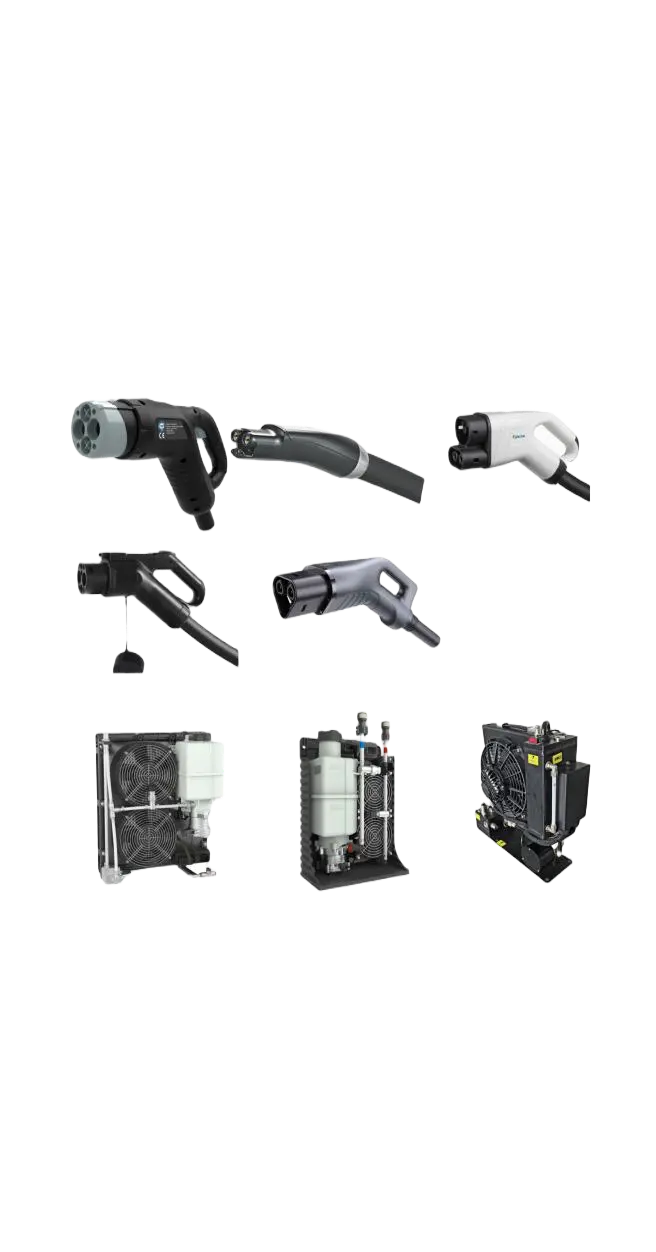
Mida Cable manufactures a comprehensive range of EV charging cables, including 16A–80A J1772 cables, 16A–63A IEC 62196-2 Type 2 cables, and DC fast charging cables: CCS1 (80A–500A), CCS2 (125A–1000A), CHAdeMO (125A–300A), GBT (200A–1000A), and NACS connectors (250A–600A).
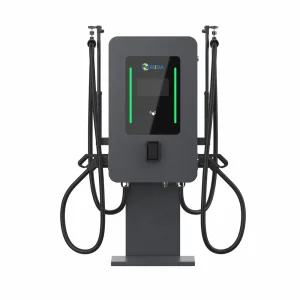
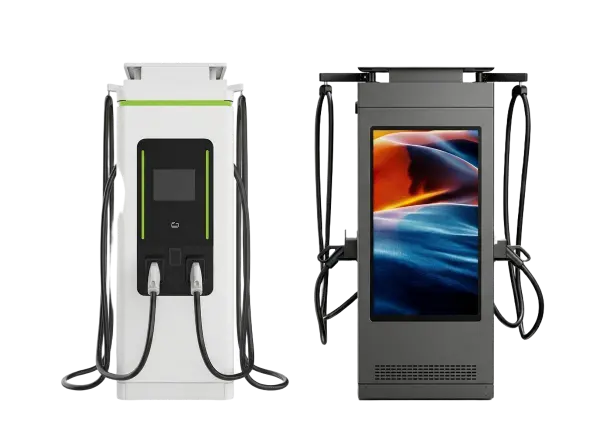
MIDA EV Power produces a full lineup of EV charging stations, such as 7kW–50kW mobile chargers, 3.6kW–7.2kW portable DC chargers, 360kW–1440kW split-type DC fast chargers, 20kW–50kW wall-mounted DC chargers, and 60kW–480kW floor-standing DC fast charging stations.
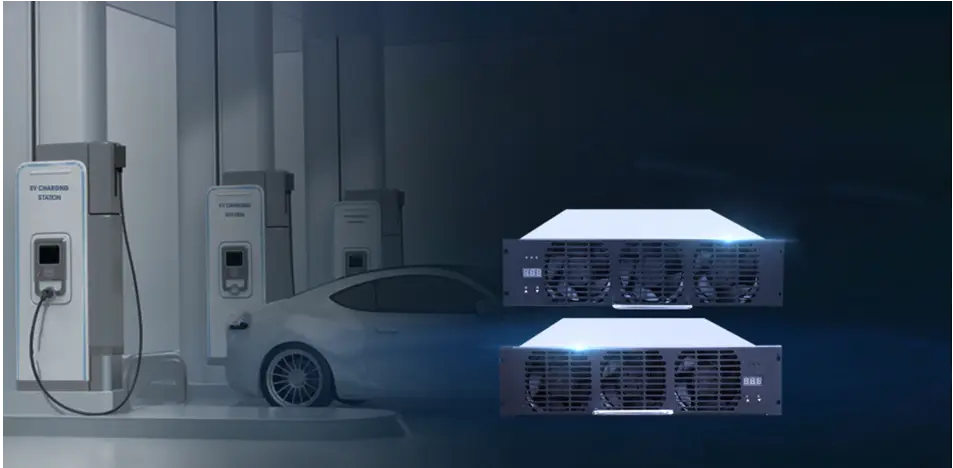
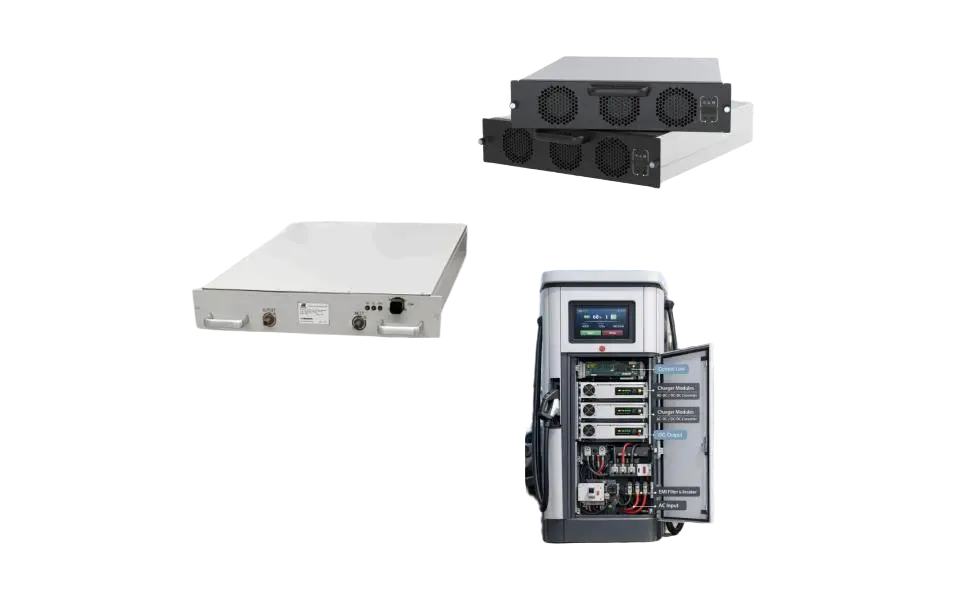
MIDA New Energy specializes in EV charger power modules, offering 20kW–60kW standard modules, 40kW–125kW liquid-cooled modules, 30kW–62.5kW bidirectional modules, and 20kW–45kW V2G charging modules.

Explore our core product groups designed for reliable, scalable deployment across various power requirements.
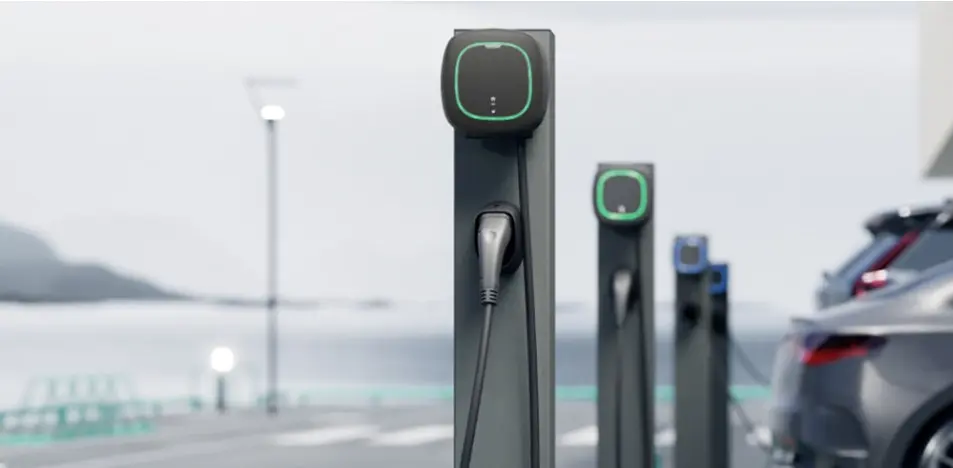
Reliable power options for commercial, workplace, and long-term parking installations.
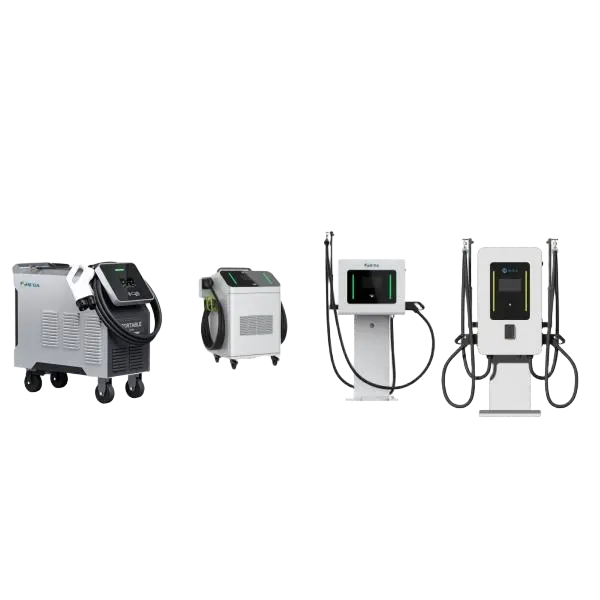
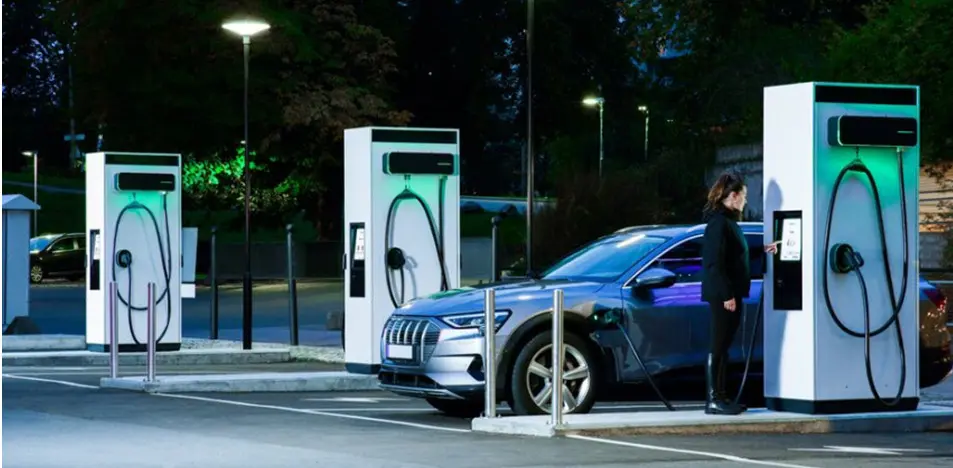
High-efficiency fast charging systems supporting multi-standard connectors.
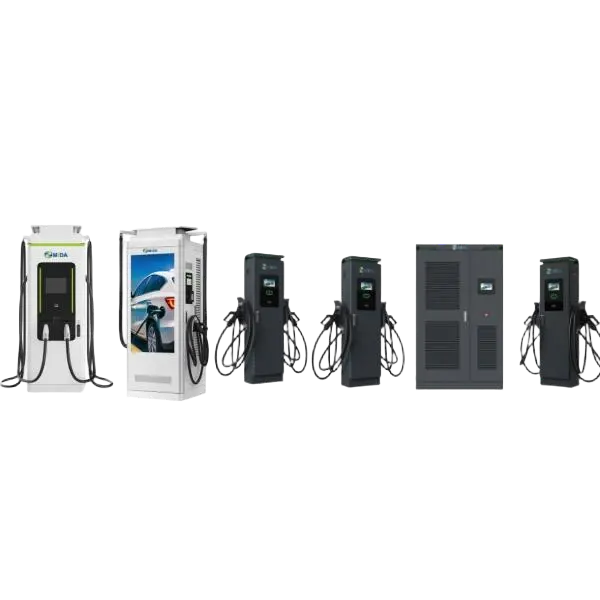
Grid-independent storage charging systems designed to handle demanding utility loads.
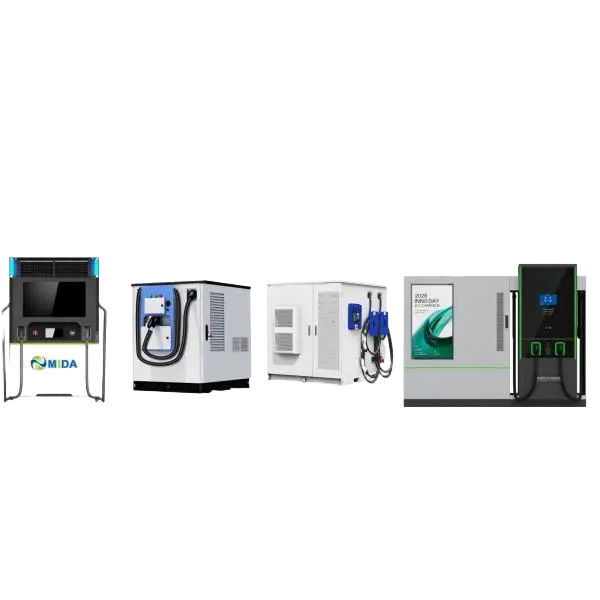
In the global energy transition, hardware reliability and supply chain speed are critical factors. MIDA Group leverages advanced manufacturing practices at our specialized production facilities to maintain high standards of quality and efficiency:
For industrial partners and procurement agencies in Lesotho, this combination of manufacturing capability and quality control offers dependable, high-efficiency equipment with stable lead times.
High-performance solutions designed to support modern charging networks and grid-scale energy storage systems.
High-efficiency conversion components
Heavy-duty liquid cooling and plugs
From mobile designs to ultra-fast hubs
High-capacity infrastructure designed to deliver maximum throughput under variable altitude and temperature conditions.
As the adoption of electric vehicles increases, specific local scenarios in Lesotho highlight the benefits of integrating energy storage systems (BESS) with high-capacity charging setups:
Lesotho's high-altitude diamond mines operate in remote locations with challenging grid access. Electrifying worker transit fleets and support vehicles helps lower diesel shipping costs and reduces operational emissions. High-capacity BESS systems (up to 2MWh) combined with 240kW+ Level 3 DC fast chargers provide stable power, buffering operations against grid volatility or peak demand fees in remote areas.
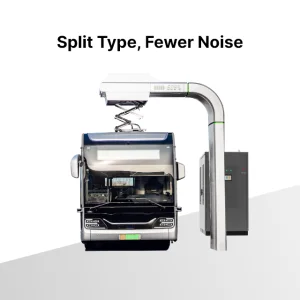
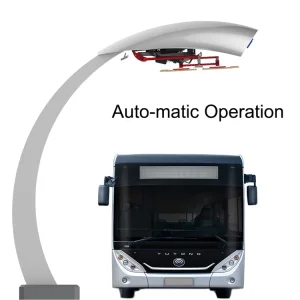
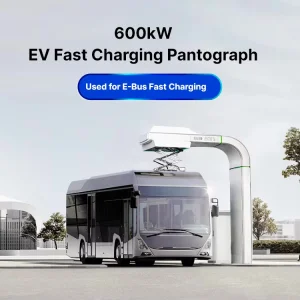
The transport route between Maseru and Maputsoe handles high volumes of daily commuters. Introducing electric buses and regional shuttle fleets requires reliable, fast charging. Integrating split-type superchargers and pantograph charging systems with localized energy storage allows transit operators to charge vehicles during short layovers without overtaxing local power grids.
Eco-tourism is a growing sector in areas like the Katse Dam and Sani Pass. Setting up solar-powered EV charging installations with integrated battery storage lets remote lodges offer fast-charging facilities to guests, while protecting fragile local power networks from voltage drops.
Stay updated on development trends in high-power pantograph transit systems and EV charging infrastructure.
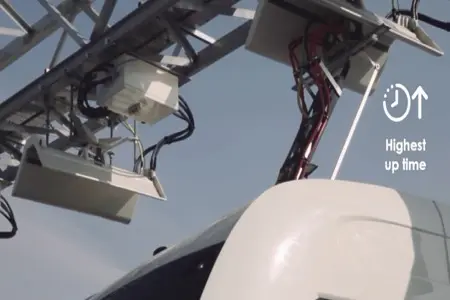
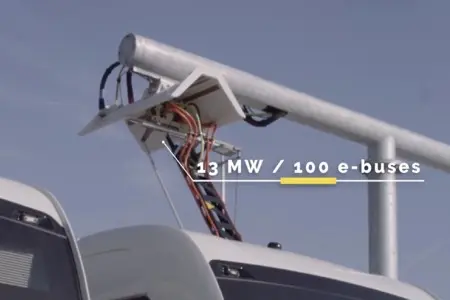
Delivering reliable, certified charging hardware and storage systems for international infrastructure projects.
Answers to common technical questions about implementing BESS and EV fast chargers in challenging environments.
From modular split cabinets to wall-mounted chargers, discover our solutions for fleet and municipal transit networks.
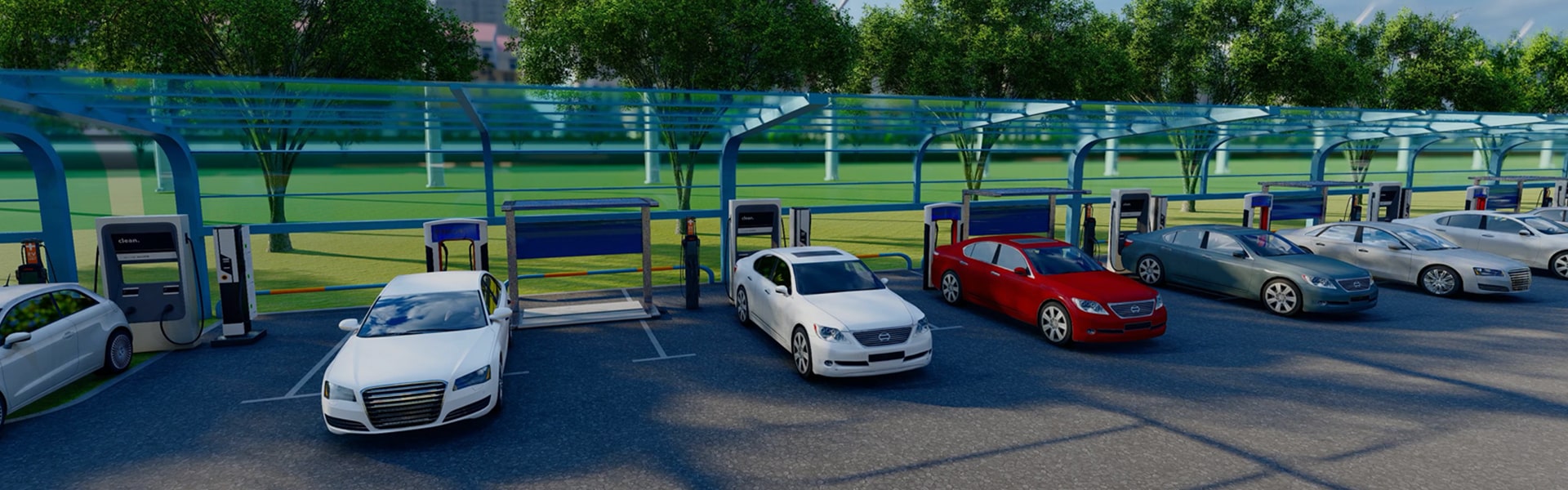
Whether you require grid-independent microgrids for mining sites, charging solutions for municipal transit fleets, or commercial charging stations, our engineering team can assist.
Send Inquiry Now