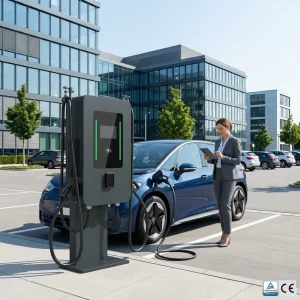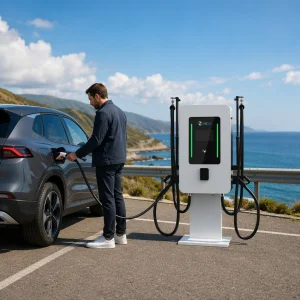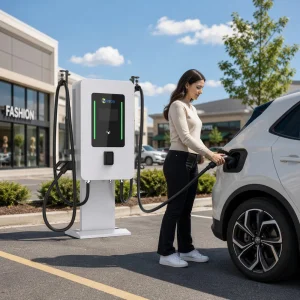
BESS Charging Station Manufacturer & Factory for Russia

Empowering Russia’s Heavy Industries, Mining Sectors, and Municipal Transit with Severe-Cold Proof Integrated Battery Energy Storage & Ultra-Fast DC EV Charging Systems.

Get Customized Solutions for Russia

Featured Extreme-Climate Charging Solutions for Russia

Engineered to survive temperatures down to -40°C, these core DC Fast Charging systems deliver uninterruptible power flow across industrial hubs and logistic centers.

Comprehensive Power Infrastructure Portfolios

Integrated solutions spanning high-frequency conversion, energy buffer storage, and smart power delivery systems.

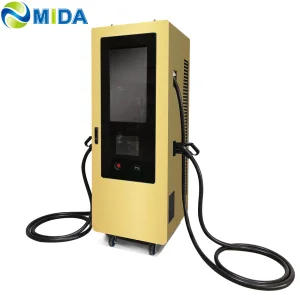
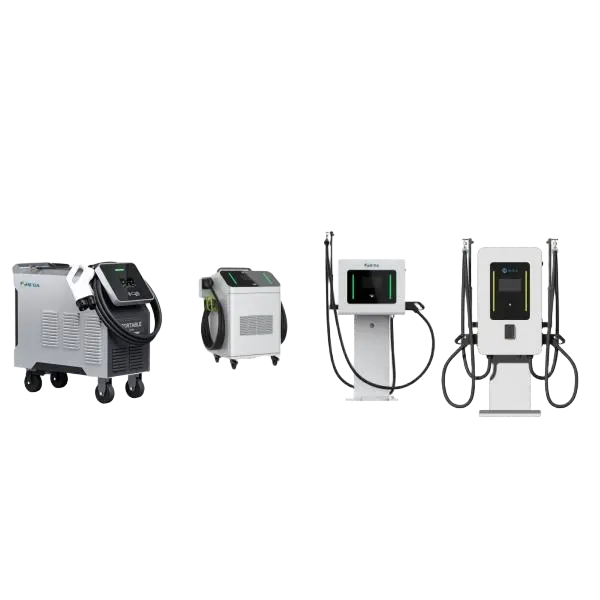
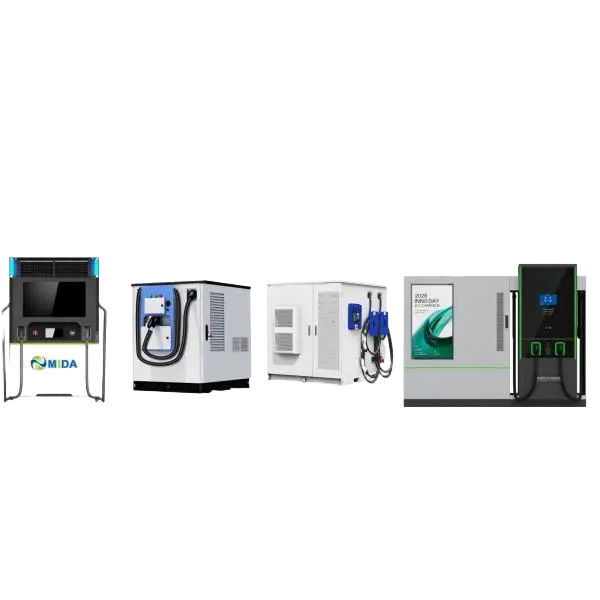
Wall-Mounted/Mobile EV Charger
7kW 20kW 30kW 40kW 60kW 80kW
Mobile Chargers
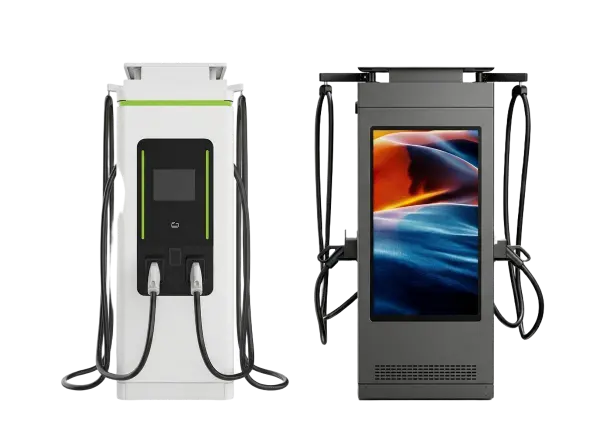
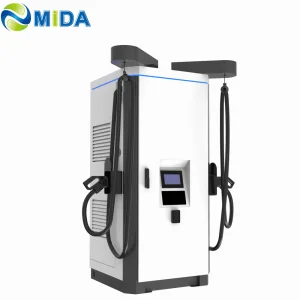
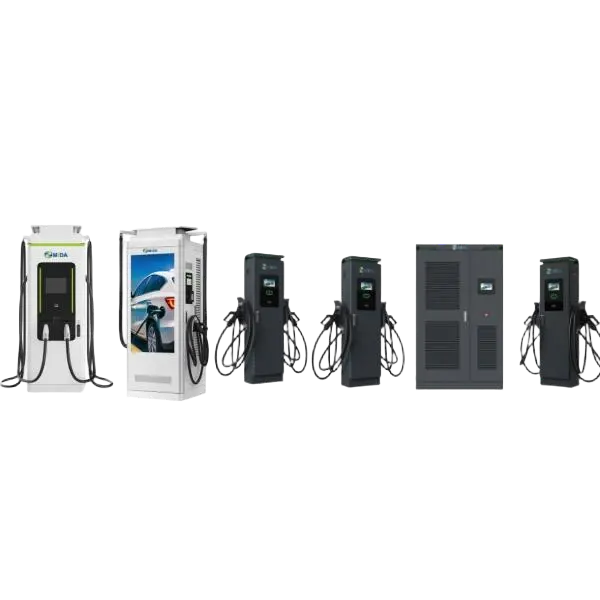
DC Charger Station
60kW-480kW 360kW-1440kW
DC Stations
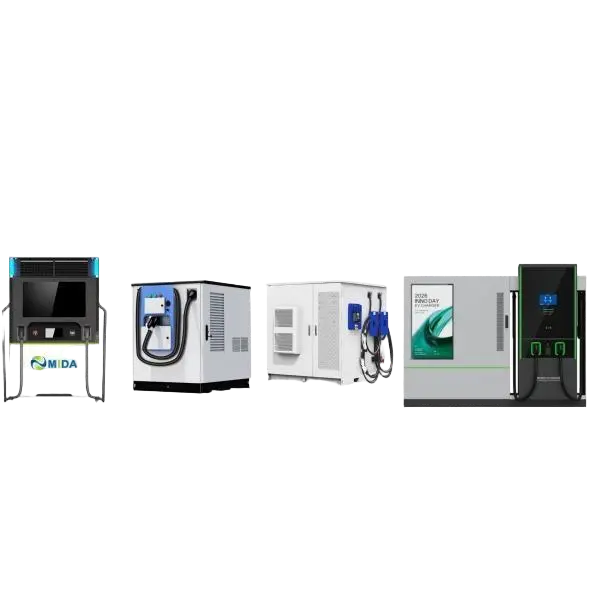
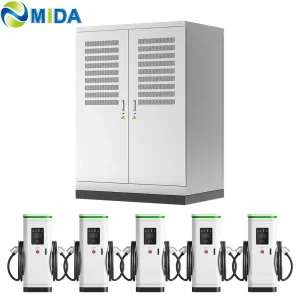
BESS Charging Station
60kWh 261kWh 418kWh 625kWh 2MkWh
BESS Stations

Whitepaper: BESS & High-Power Charging Integration for the Russian Federation

As the Russian Federation accelerates its regional electrification plans, commercial fleet operators, mining conglomerates, and municipal public transit authorities face a shared obstacle: the vast geographical span and extreme grid constraints typical of remote and urban Russian zones alike. Implementing mega-watt level DC fast-charging networks requires massive grid connections that regional utilities often cannot instantly provide. This whitepaper analyzes why integrated Battery Energy Storage Systems (BESS) coupled with DC Fast Charging Stations represent the only viable technological solution for the Russian landscape.

1. Commercial & Industrial Infrastructure Realities in Russia

Large-scale infrastructure deployment in regions such as the Urals, Siberia, and the Russian Far East involves navigating extensive logistics lines and decentralized power grids. Substation expansion is notoriously capital-intensive and time-consuming, sometimes requiring up to 24 months for regulatory clearances and installation. For industries operating electric trucks, heavy mining vehicles, and municipal electric buses (e-buses) in cities like Moscow, Saint Petersburg, or Novosibirsk, pulling megawatt-level peaks directly from the local municipal grid triggers extreme grid-unstability penalties.

Integrating BESS units (capacities ranging from 60kWh to over 2MWh) dynamically addresses this problem. By drawing a slow, steady charge from the grid during off-peak hours and discharging at ultra-high current rates during vehicle charging, BESS acts as an electrical buffer. This architecture allows developers to install 600kW to 1200kW superchargers even in locations where the grid connection is limited to just 100kW.

Technical Metric: Grid peak shaving via BESS integration reduces regional connection charges by up to 70% and completely prevents transient voltage drops in neighboring industrial operations.

2. Mitigating Sub-Zero Temperature Degraded Performance

Operating lithium-based battery storage and high-power power electronics in sub-zero winter temperatures (-30°C to -45°C) poses unique engineering challenges. Traditional battery chemistry suffers from severe capacity fade, dendrite formation during cold charging, and electrolyte freezing. To guarantee 24/7 reliability, our Russian-market BESS configurations incorporate:

  • Active Liquid Thermal Management Loops: A closed circuit circulating glycol-water mixture with dual-source heat pumps and auxiliary electrical heaters. This system maintains optimal battery cell temperatures (15°C to 25°C) even when ambient conditions plunge to -40°C.
  • Military-Grade Insulated Enclosures: IP55 double-walled cabins with high-density polyurethane insulation cores, safeguarding all internal switchgears, power modules, and storage racks from condensation and thermal shocks.
  • Low-Temp Formulation LFP Chemistry: Specialized Lithium Iron Phosphate cells that remain operationally efficient and structurally sound under severe winter environments.

3. Global Procurement Trends & TCO Optimization

Global procurement directors focus on total cost of ownership (TCO), system-level efficiency, and fast deployment times. Choosing a manufacturer that provides modular, containerized plug-and-play BESS charging systems significantly lowers localized installation labor costs. The ability to source everything from EV power modules to liquid cooling units and high-power connectors from a single factory dramatically minimizes component mismatch risks, leading to a much smoother commissioning phase.

-45°C
Operability Tested
95%
Round Trip Efficiency
1500kW
Max Charging Output
OCPP 2.0
Seamless Integration

4. Technical Standards & Localized Regulatory Compliance

Deploying energy systems within Russia requires strict alignment with EAC (Eurasian Conformity) marks and GOST standards. All power distribution units, isolation transformers, and high-voltage DC cabinets must feature robust overcurrent, ground-fault, and surge protection mechanisms suitable for local grid configurations. Additionally, the communication protocols must support Chinese GB/T interfaces, European CCS2 standards, and customizable telemetry settings to interface seamlessly with regional control rooms.

Welcome to MIDA GROUP

Shanghai Mida Cable Group Ltd. operates through its wholly owned subsidiaries: Shanghai Mida EV Power Co., Ltd., Shenzhen Mida EV Power Co., Ltd., and Shanghai Mida New Energy Co., Ltd.

Mida Cable manufactures a comprehensive range of EV charging cables, including 16A–80A J1772 cables, 16A–63A IEC 62196-2 Type 2 cables, and DC fast charging cables: CCS1 (80A–500A), CCS2 (125A–1000A), CHAdeMO (125A–300A), GBT (200A–1000A), and NACS connectors (250A–600A).

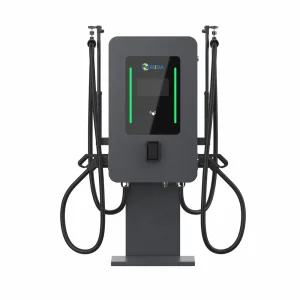
MIDA EV Power produces a full lineup of EV charging stations, such as 7kW–50kW mobile chargers, 3.6kW–7.2kW portable DC chargers, 360kW–1440kW split-type DC fast chargers, 20kW–50kW wall-mounted DC chargers, and 60kW–480kW floor-standing DC fast charging stations.

MIDA New Energy specializes in EV charger power modules, offering 20kW–60kW standard modules, 40kW–125kW liquid-cooled modules, 30kW–62.5kW bidirectional modules, and 20kW–45kW V2G charging modules.

Mida EV Power Logo

Product Line Matrix

Explore our optimized product pillars, engineered to deliver peak efficiency for commercial fleet operators and industrial projects.
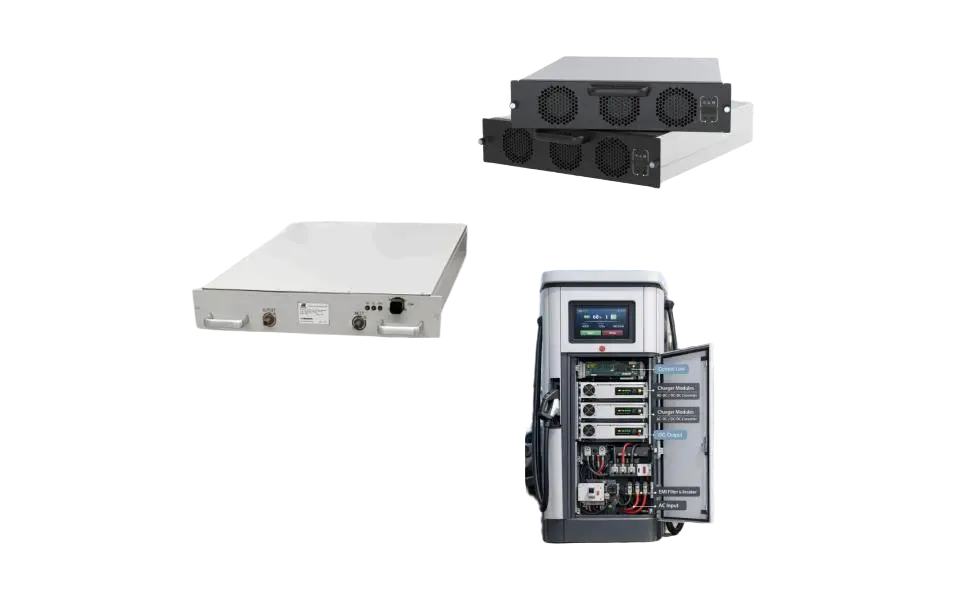
EV Charging Power Module

  • 30kW 40kW 50kW 60kW 80kW AC DC EV Charger Module
  • 30kW 40kW 50kW 60kW DC DC EV Charger Module
  • 40kW 60kW 75kW 125kW Liquid Cooled Power Module
  • 20kW 22kW 30kW 40kW 45kW V2G Power Module
  • 30kW 40kW 50kW 60kW MPPT Power Module
  • 20kW 50kW 62.5kW Bidirectional AC DC Power Module
View Modules
Power Module

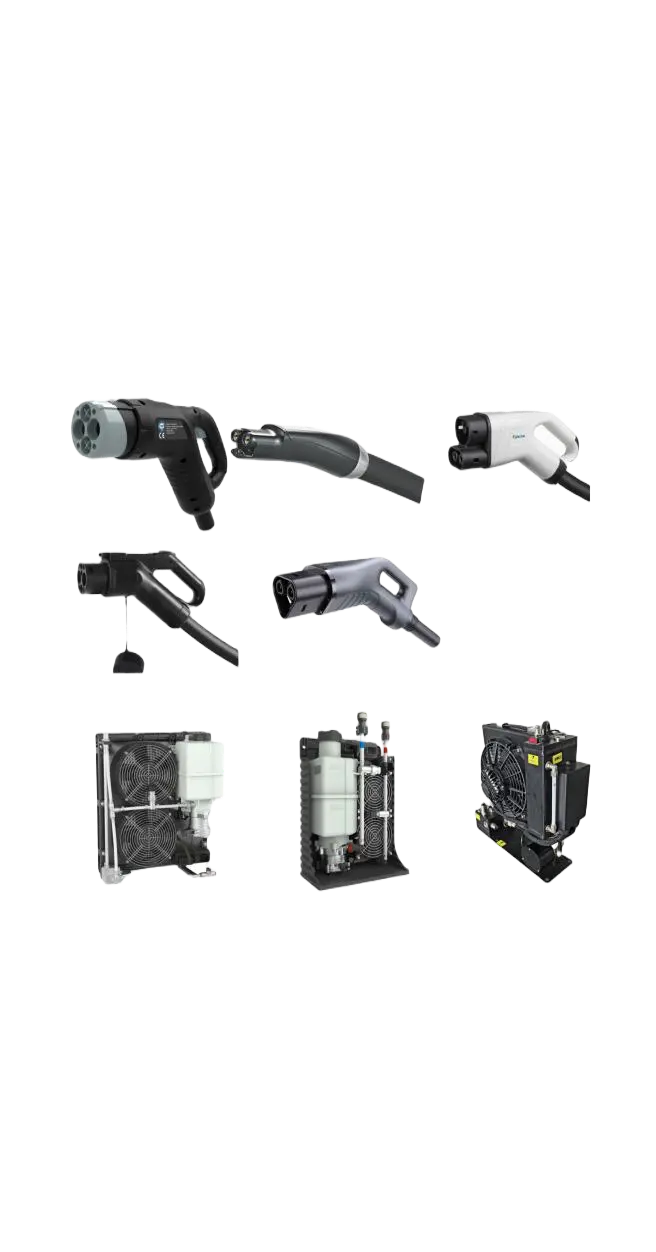
DC Charging Connector & Liquid Cooling Unit

  • 500A 600A CCS1 & CCS2 & GBT Connector
  • 125A 250A 300A 350A NACS & CHAdeMO Connector
  • 1500A MCS Connector & CHAOJI Connector
  • 3.5kW 4.5kW 6kW 9kW Integrated Liquid Cooling Unit
  • 2.4kW 3.5kW Split Type Cooling Unit
  • 25kW ~72kW Cooling Unit for HPC Charging
View Connectors
Connectors & Cooling Units

DC Fast Charger Station

  • 7kW~ 60kW Mobile DC Charging Station
  • 20kW ~80kW Wall Mounted DC Charging Station
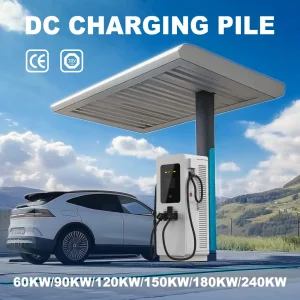
  • 60kW ~480kW Floor Mounted Charging Station
  • 60kW~240kW Advertising Charging Station (43inch , 55inch )
  • 600kW ~1080kW Liquid Cooled Charging Station
  • 360kW ~ 1680kW Split Type DC Charging Station
View Stations
DC Stations

Energy Storage Charging Station

  • 15kW~480kW Mobile ESS Charging Station
  • 60kW ~ 400kW Integrated ESS Charging Piles
  • 65kWh~200kWh Emergency Rescue Charging Station
  • 165kwh Automatic Charging Robot
  • 800kwh~2000kwh Solar Energy Charging System
View BESS Solutions
BESS Charger Systems

Corporate Insights & Technology News

Stay informed about global transit technologies, electric bus fleet integrations, and heavy-duty pantograph implementations.
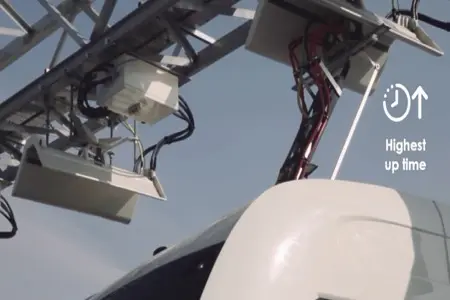
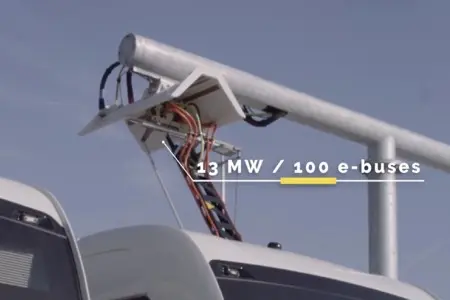
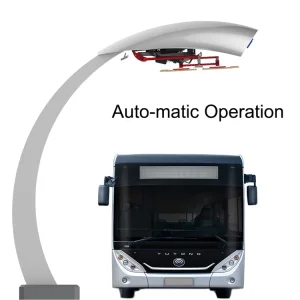
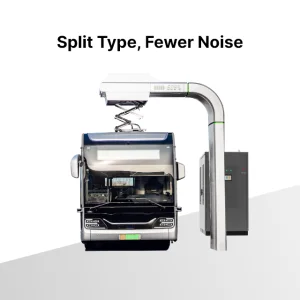
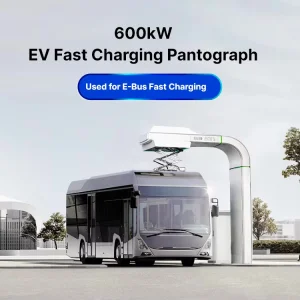
E-Bus Pantograph Advantages
What are the advantages of an e-bus pantograph dome? In contrast to classic plug-in charging systems, e-bus pantographs offer automated operations and high power throughput.
E-Bus Pantograph Charge Times
How long does it take to charge with an e-bus pantograph? The charging time depends on the battery capacity, chemistry, and thermal management, typically ranging from 5 to 20 minutes for terminal top-ups.
How to install Pantograph System
How to Install the Pantograph Up Charger System Dome for Electric Bus: A step-by-step technical guide covering civil design, electrical connectivity, and safety compliance.
Explore Transit Projects

Technical Q&A: BESS Charging Stations in Cold Climates

Crucial engineering and procurement answers for operators deploying infrastructure across extreme northern regions.

How does low temperature affect the cycle life of BESS charging stations in Russia?
Operating LFP lithium cells below 0°C without thermal preparation triggers lithium plating on the anodes, which causes permanent capacity loss and short circuits. Our integrated BESS stations use automated pre-heating scripts to warm cells to 15°C prior to charging, maintaining normal cell chemistry, safe operating parameters, and a system life of over 6,000 cycles at 80% Depth of Discharge (DoD).
What are the key differences between GBT and CCS2 connections in cold climates?
Both GBT and CCS2 connectors support high power outputs. However, cold conditions can cause cable sleeves and seals to stiffen and crack. Our cables feature TPU (Thermoplastic Polyurethane) jackets, ensuring flexibility down to -40°C. Additionally, liquid-cooled charging loops maintain appropriate temperatures in the connector contact pins during 500A+ operations.
Can these BESS stations charge heavy-duty mining machinery and electric trains?
Yes. By utilizing split-cabinet configurations, our systems can deliver outputs up to 1500kW via Megawatt Charging System (MCS) protocols. The integrated battery storage buffers the massive draw, enabling fast-charging cycles for large haulers and industrial vehicles without overloading local regional grids.
What fire suppression systems are integrated within the containerized BESS?
Safety is paramount. Every container features multi-point gas and smoke sensors alongside aerosol-based (NFPA 2010 compliant) fire suppression systems. Integrated temperature-monitoring sensors at the module level detect abnormal thermal runaways early, triggering localized shut-off loops.

Ready to Deploy BESS Charging Solutions in Russia?

Connect with our senior systems engineers today. We supply turnkey, modular containers matching EAC requirements, low-temperature batteries, and high-frequency DC fast charger topologies.

Send Inquiry Now
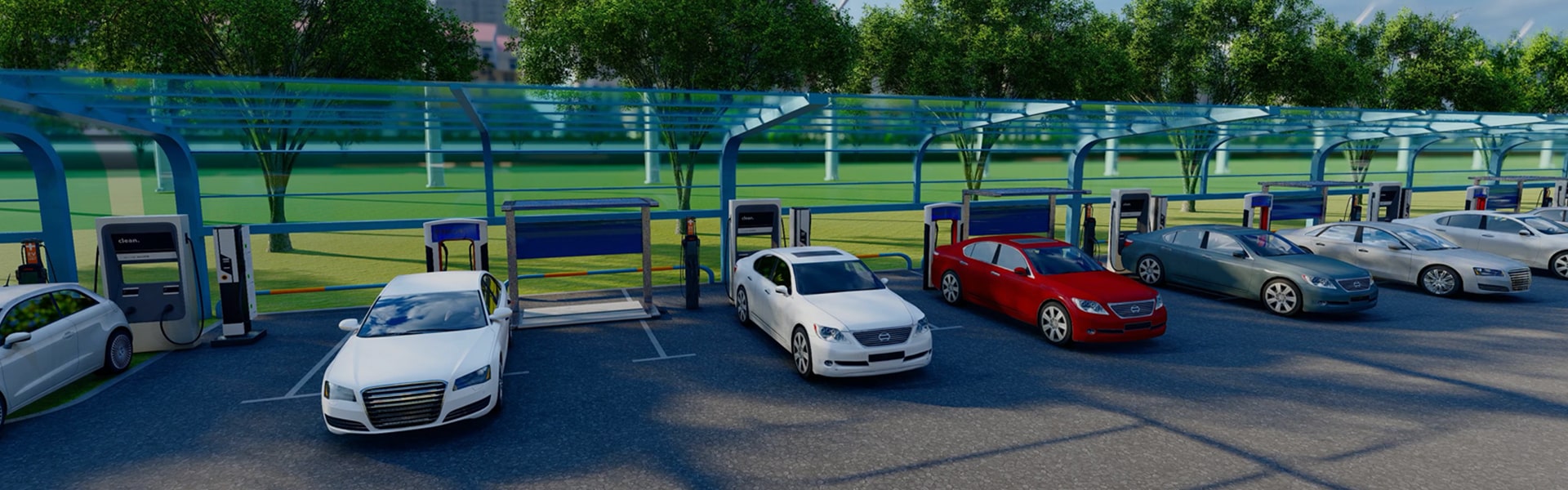
Mida Factory & Power Grid Assembly Line