
Engineered for high-ambient thermal performance, wide-input voltage safety thresholds, and seamless microgrid BESS integration.
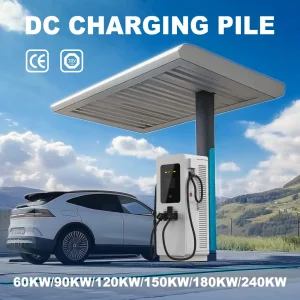
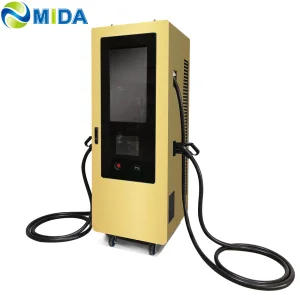
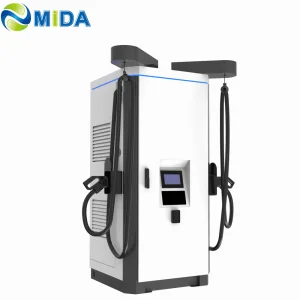
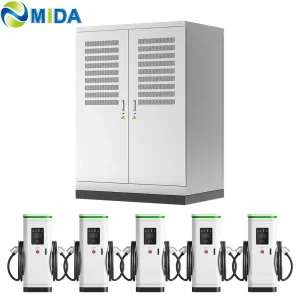
As India rapid-tracks its transition toward clean transportation under the PM-eBus Sewa initiative, FAME scheme directives, and municipal EV mandates, the local power grid faces an unprecedented challenge. Drawing multiple megawatts of electricity directly from local distribution transformers (DTs) to fuel commercial EV fleets, electric transit buses, and public highway corridors is becoming physically and financially unviable in major metros like Delhi, Mumbai, Bengaluru, and Chennai.
This is where BESS (Battery Energy Storage System) Integrated Charging Stations step in as a vital microgrid solution. By buffering grid power during off-peak times and delivering ultra-fast power bursts to electric buses and cars during peak demand, BESS stations minimize demand charges, eliminate grid connection lag times, and shield sensitive utility grids from localized voltage dropouts.
Operating charging networks in India requires navigating highly distinct geographical, operational, and financial parameters:
International fleet operators, infrastructure funds, and energy developers demand solutions that go beyond standalone hardware. Procurement protocols prioritize high uptime warranties, modular scalability, and open software compatibility.
Whether the installation site is an intercity logistic corridor in Western India or a municipal transit depot in Mumbai, procurement teams check for OCPP 1.6J/2.0.1 compliance to enable open charge-point communication. They look for split-cabinet architectures that separate the bulky power transformation stage (located away from traffic) from the space-saving user dispensers, maximizing real estate utility.
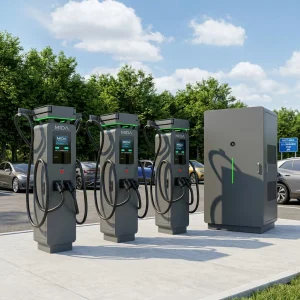
Our factories produce four primary macro solutions tailored to resolve grid limits:
Shanghai Mida Cable Group Ltd. operates through its wholly owned subsidiaries: Shanghai Mida EV Power Co., Ltd., Shenzhen Mida EV Power Co., Ltd., and Shanghai Mida New Energy Co., Ltd.
Our core mission is delivering vertically integrated components that power the clean transit revolution. From state-of-the-art cables and liquid-cooled CCS connectors to fully integrated BESS containers and modular DC fast charging stacks, MIDA ensures safety, reliability, and unparalleled technical compliance at every grid touchpoint.
Mida Cable manufactures a comprehensive range of EV charging cables, including 16A–80A J1772 cables, 16A–63A IEC 62196-2 Type 2 cables, and high-power DC fast charging cables: CCS1 (80A–500A), CCS2 (125A–1000A), CHAdeMO (125A–300A), GBT (200A–1000A), and NACS connectors (250A–600A).
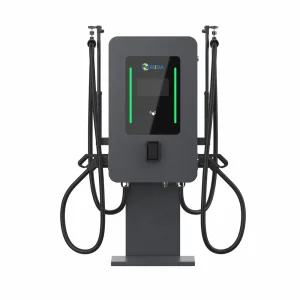
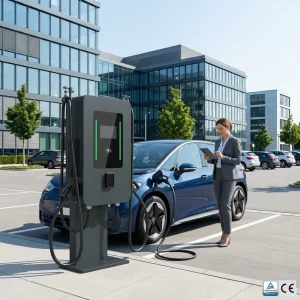
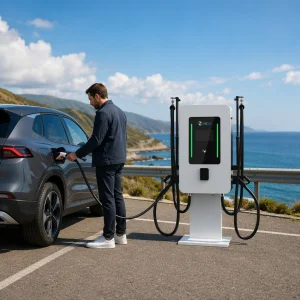
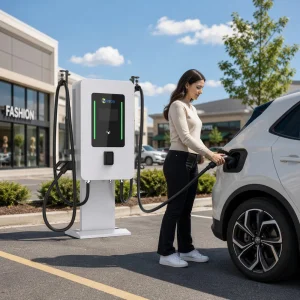
MIDA EV Power produces a full lineup of EV charging stations, such as 7kW–50kW mobile chargers, 3.6kW–7.2kW portable DC chargers, 360kW–1440kW split-type DC fast chargers, 20kW–50kW wall-mounted DC chargers, and 60kW–480kW floor-standing DC fast charging stations.
MIDA New Energy specializes in EV charger power modules, offering 20kW–60kW standard modules, 40kW–125kW liquid-cooled modules, 30kW–62.5kW bidirectional modules, and 20kW–45kW V2G charging modules.

A unified product ecosystem built to supply every phase of your high-voltage DC infrastructure.
The Indian electrical grid is rapidly evolving. The transition from fossil fuels requires charging equipment to support bidirectional energy flow and grid-balancing technologies. Our roadmap incorporates high-power charging, dynamic grid interactions, and modular battery systems.
Vehicle-to-Grid (V2G) technology transforms electric vehicle fleets from passive loads into active, decentralized energy storage resources. During high grid strain, our 30kW - 62.5kW bidirectional modules enable fleet operators to discharge vehicle battery power back to the grid at profitable utility rates.
High ambient temperatures in India can degrade battery performance and lower converter efficiency. To address this, we utilize closed-loop liquid-cooled power systems. Our integrated liquid-cooling units feature adaptive fans and low-conductivity refrigerants, allowing continuous operation at 600kW+ even in extreme temperatures.
All MIDA systems comply with international and local standards, including AIS 138-1 / AIS 138-2 safety regulations, Central Electricity Authority (CEA) guidelines, and standard testing protocols. Our control boards run advanced OCPP communication protocols, ensuring seamless compatibility with Indian CPO billing systems, local solar installations, and distribution grids.
Explore our industrial range of high-efficiency EV charging hardware designed for heavy-duty transit and commercial hubs.
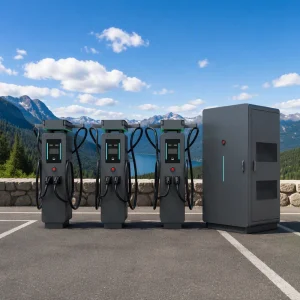
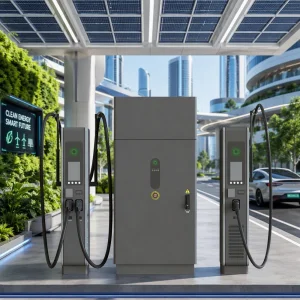
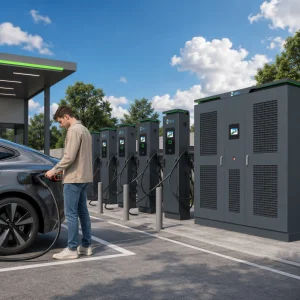
Insights on heavy transit charging, pantograph technology, and efficiency design.
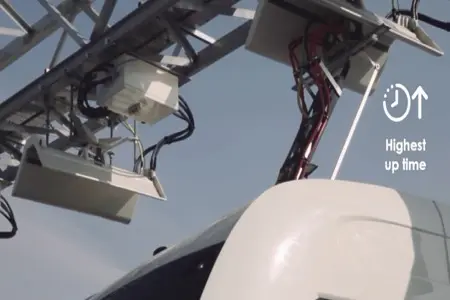
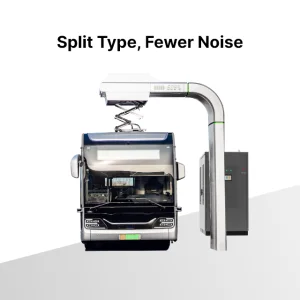
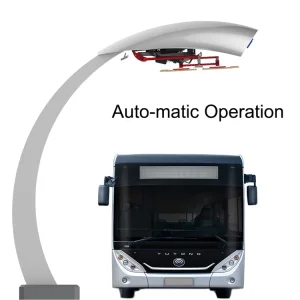
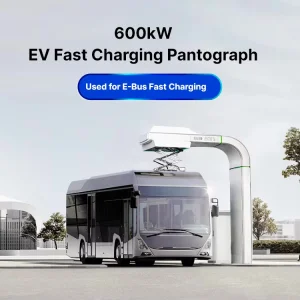
What are the advantages of an e-bus pantograph dome? In contrast to classic plug-in charging systems, e-bus pantographs enable automated overhead charging at depots, reducing manual handling and labor requirements while boosting safety.
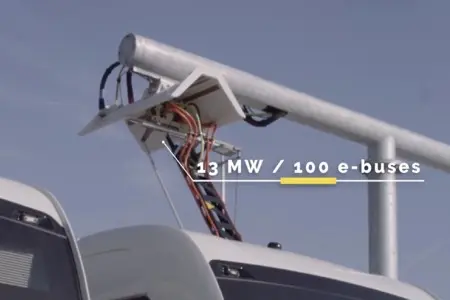
How long does it take to charge with an e-bus pantograph? The charging time depends on the battery capacity and the station output power. Operating at 600kW, it can replenish up to 80% capacity within 10 to 15 minutes.
How to Install the Pantograph Up Charger System Dome for Electric Bus. Installing a "Pantograph Up" system requires rigorous alignment protocols, concrete foundation design, and proper low-voltage interface configuration.
Expert clarifications regarding the deployment of BESS Integrated Chargers and heavy-duty DC equipment.
Whether you are setting up a logistics depot, municipal bus route, or public fast-charging network, our engineers can help you configure a cost-effective, high-reliability charging system.
Request Technical Consult & Price Catalog