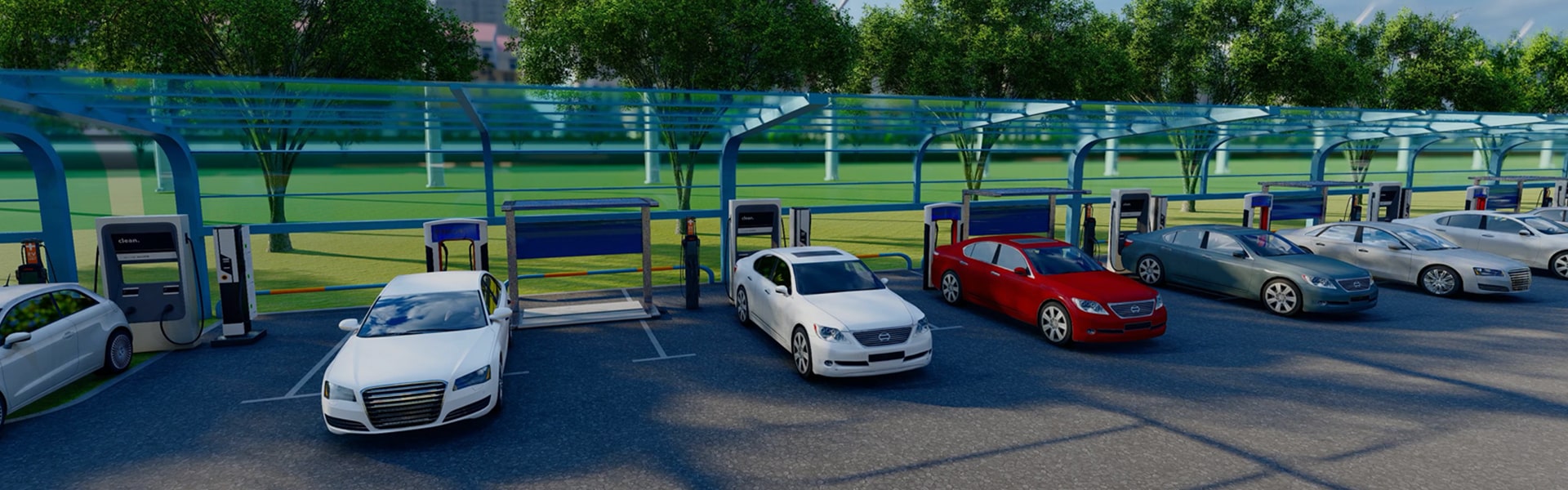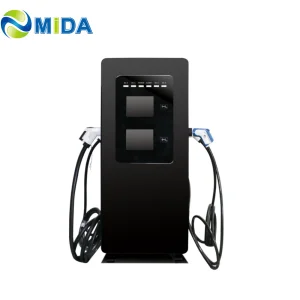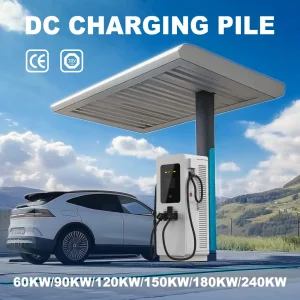
Explore our leading industrial-grade DC fast charging stations designed for global public utility networks and enterprise commercial hubs.
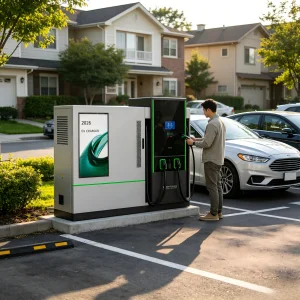
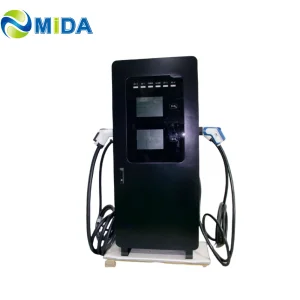
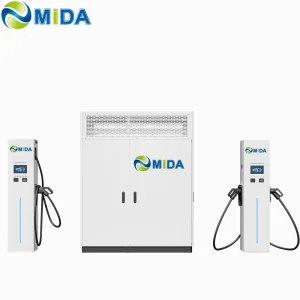
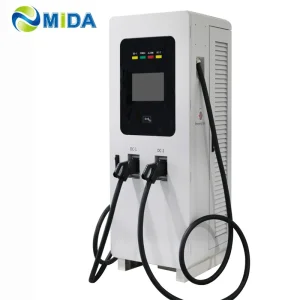
Shanghai Mida Cable Group Ltd., alongside its wholly-owned subsidiaries (Shanghai Mida EV Power Co., Ltd., Shenzhen Mida EV Power Co., Ltd., and Shanghai Mida New Energy Co., Ltd.), represents the vanguard of technological integration within the global Electric Vehicle Supply Equipment (EVSE) ecosystem. Our operational framework encompasses the entire value chain—ranging from the precision engineering of ultra-high-power raw cables to the implementation of state-of-the-art power electronics, Megawatt Charging Systems (MCS), and complex Battery Energy Storage Systems (BESS).
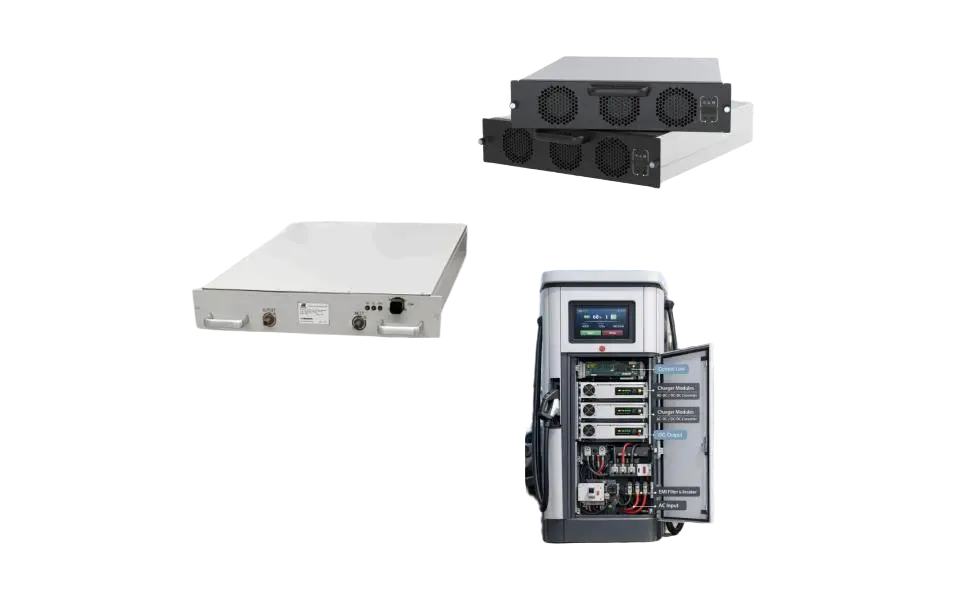
By leveraging our distinct multi-subsidiary architecture, MIDA Group coordinates continuous R&D innovations that address the evolving pain points of Charge Point Operators (CPOs), fleet logistics networks, and heavy-duty transport corridors. Our specialized units target different product verticals: Mida Cable leads in raw electrical conduits and liquid-cooled CCS/NACS connectors; MIDA EV Power builds robust, modular fast-charging station assemblies; and MIDA New Energy focuses on advanced bidirectional, V2G, and liquid-cooled charging modules that form the heart of modern charging systems.

How MIDA Group combines regional industrial clusters, complete vertical integration, and extensive raw material sourcing to deliver global competitive value.
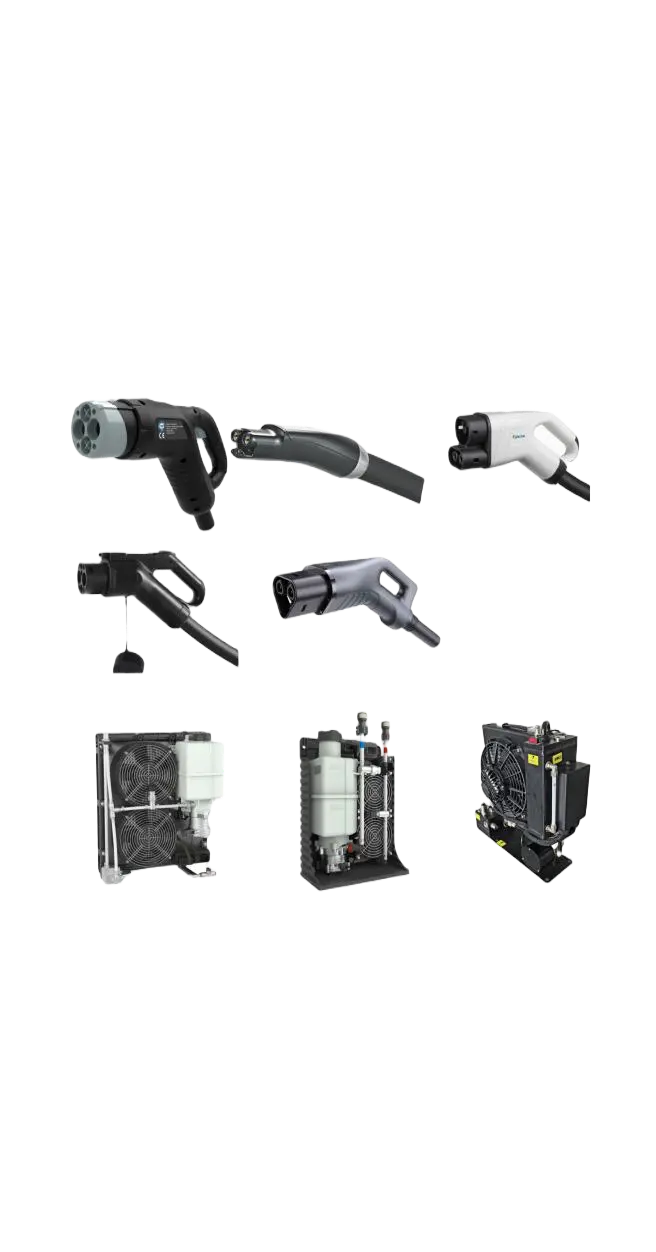
Unlike assembly-only manufacturers, MIDA Cable produces its own CCS1, CCS2, NACS, and Liquid-Cooled connectors. This direct oversight of copper extrusion, polymer compounding, and pin plating minimizes losses and stabilizes thermal resistance profiles during high-current operations.
Our dual-center development strategy pairs Shanghai’s systemic high-voltage design capability with Shenzhen’s rapid prototyping of high-density switching components. This allows for dynamic adaptations in software architecture, system controls, and power efficiency optimizations.
By designing our own modular sub-assemblies (e.g., bidirectional AC/DC modules and V2G units), we eliminate dependencies on third-party suppliers. This translates into reliable lead times, lower BOM costs, and highly standardized replacement parts for maintenance.
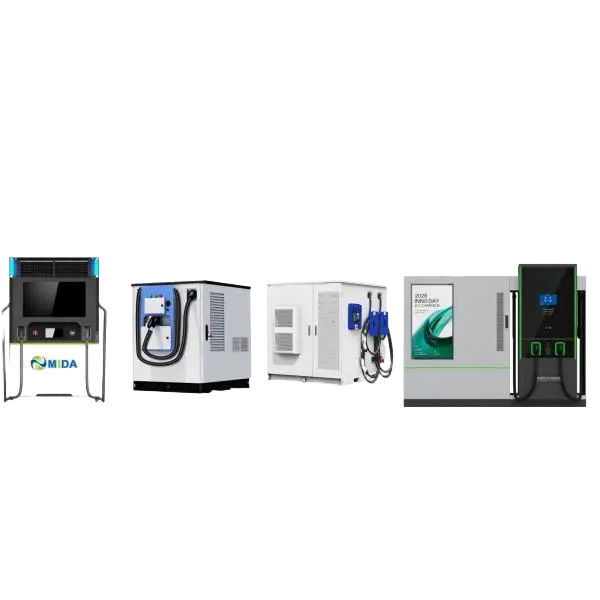
Tailored high-power EV charging solutions developed by MIDA Group’s specialized divisions.
High-durability AC charging systems designed for multi-family residential complexes, office parks, and commercial parking infrastructures.
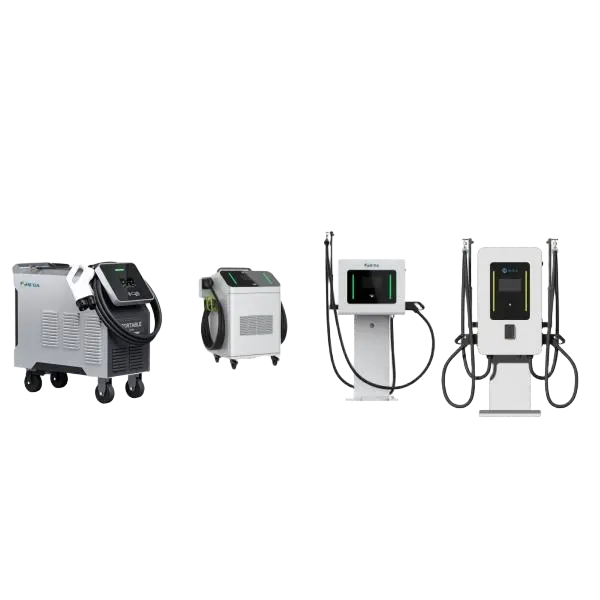
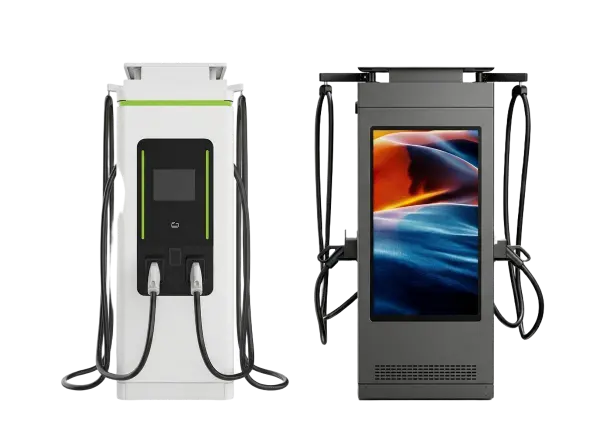
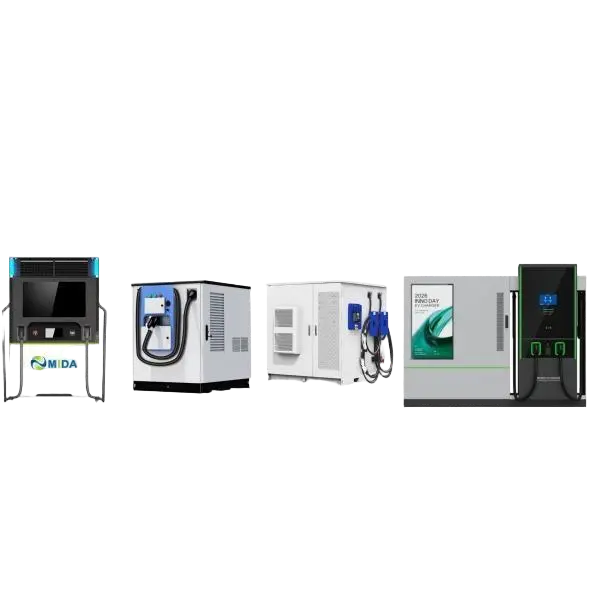
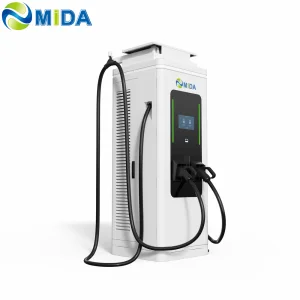
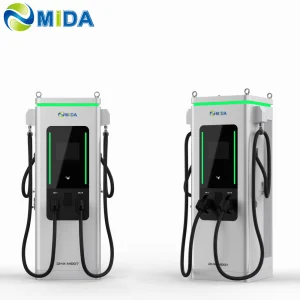
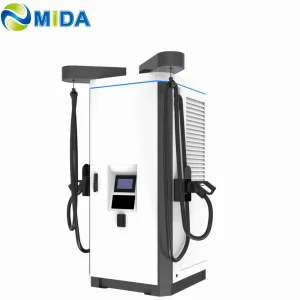
Compact high-speed DC charging stations suitable for space-restricted environments, private fleet depots, and mobile emergency backup systems.
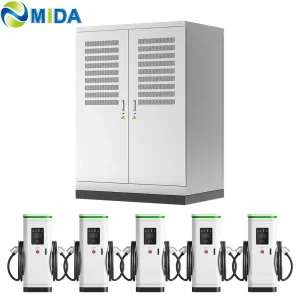
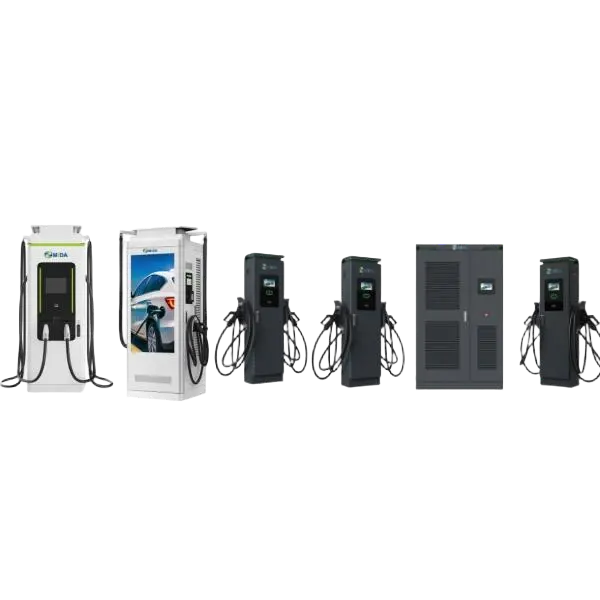
Megawatt-class split charging architectures configured for high-throughput highway corridors, public utilities, and rapid e-bus systems.
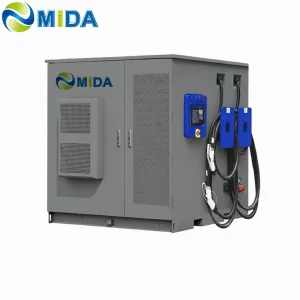
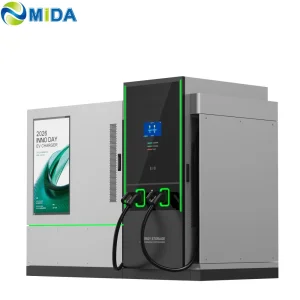
Designed to solve peak utility pricing and local grid capacity constraints. This system combines integrated lithium battery storage, solar MPPT control interfaces, and high-power DC distribution into a cohesive microgrid solution.
Ensuring compliance with localized electric grids, secure communication frameworks, and international safety regulations.
MIDA EV chargers are designed to comply with UL 2231-1/-2, CE (LVD/EMC), and ETL requirements. These certifications ensure rigorous protection mechanisms, including DC leak detection, surge protection, ground fault monitoring, and overtemperature throttling, safeguarding both vehicles and charging equipment.
Our software stack supports the Open Charge Point Protocol (OCPP) 1.6J and 2.0.1. This compatibility enables features like smart profile management, load balancing, real-time remote diagnostics, and automated payment gateways (including ISO 15118 Plug & Charge standard implementations).
For European public networks requiring legal-for-trade billing, MIDA provides integrated DC energy meters that comply with PTB and MID certifications. This setup ensures transparent energy measurements, secure signature generation, and compliance with strict fiscal regulations.
Engineered for high performance, thermal efficiency, and long-term reliability in demanding grid conditions.
How market dynamics shape our technology development, from heavy-duty depot charging to utility-interactive smart grids.
As heavy commercial EV fleets demand shorter charging windows, standard air-cooled systems reach their thermal limits. Liquid-cooled infrastructure handles continuous currents up to 600A-1000A through slim, lightweight cables. This design minimizes heat-related degradation, ensuring 96%+ efficiency even at peak output.
MIDA's bidirectional AC/DC charging stations use ISO 15118-20 interfaces, allowing EVs to serve as distributed energy resources. During peak load periods, EVs can feed energy back into the local grid, generating revenue for operators and providing balancing services to utilities.
Integrating BESS units allows charging stations to store power during low-demand hours. This stored energy supports high-speed DC charging during peak periods without straining the local distribution network, helping operators avoid demand charges and costly substation upgrades.
Stay up to date with MIDA Group's latest engineering milestones, product rollouts, and technical guides.
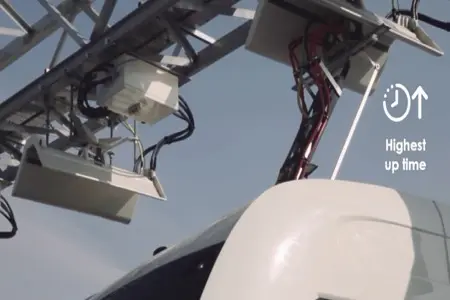
What are the advantages of an e-bus pantograph dome? In contrast to classic plug-in charging systems, e-bus pantograph connections support automated high-power charging at regular transit stops.
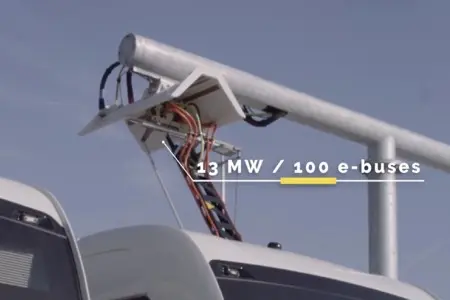
How long does it take to charge with an e-bus pantograph? The charging time depends on the onboard battery capacity, operational duty cycles, and the charging station's peak output power.
How to Install the Pantograph Up Charger System Dome for Electric Buses: A comprehensive guide detailing technical requirements, electrical connections, and safety protocols for transit agencies.
Explore our high-capacity DC fast charging systems and integrated storage solutions for demanding fleet operations.
Common questions from distributors, Charge Point Operators, and fleet managers regarding manufacturing, standards, and import logistics.
How MIDA's hardware architectures adapt to specific commercial use cases worldwide.
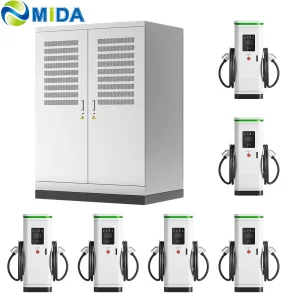
To reduce driver wait times along high-speed corridors, operators require high-power DC infrastructure. MIDA's split-type architectures (360kW to 1440kW) allow dynamic power sharing across multiple outputs, adjusting delivery based on each vehicle's state-of-charge (SoC).
Commercial transit operations depend on strict scheduling and high reliability. Our liquid-cooled 600kW to 1080kW systems, compatible with automated pantographs, provide fast overhead charging during layovers, helping transit agencies maintain consistent schedules.
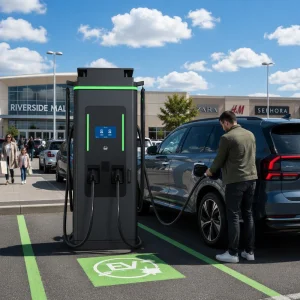
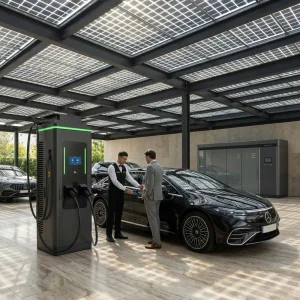
For locations with limited grid supply, MIDA's BESS-integrated solar MPPT chargers combine local generation with fast-charging capabilities. This minimizes utility connection requirements while offering visitors high-speed charging powered by stored energy.
Leverage MIDA Group's vertical integration, advanced R&D, and complete EV charging solutions to scale your network infrastructure globally.
Request Configuration Sheet