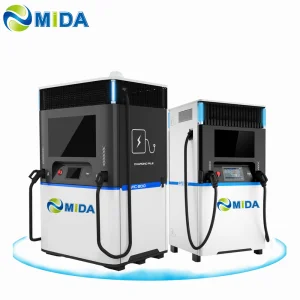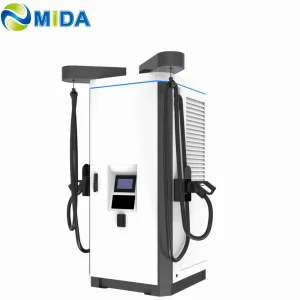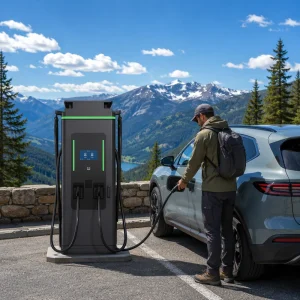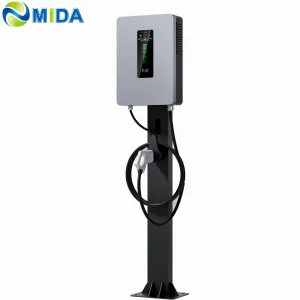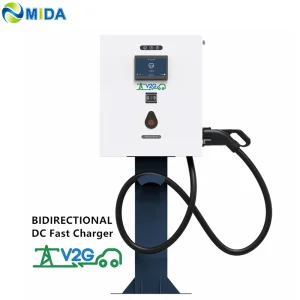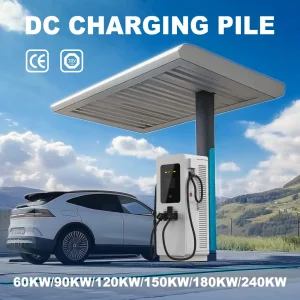
Explore our premium grade DC fast charging solutions designed for utility-scale deployment, transit terminals, and commercial hubs.
Understanding the transition to ultra-high-power dispensing, grid balancing, and localized deployment topologies.
The global electric vehicle infrastructure landscape is undergoing a massive phase change. The market is shifting rapidly from low-power destination charging to ultra-high-power (UHP) dynamic dispensing hubs. Charge Point Operators (CPOs), fleet logistics directors, and municipal energy stakeholders face immediate challenges. They must design systems that not only charge passenger vehicles but also power heavy-duty class 8 logistics trucks, transit buses, and multi-platform commercial vehicles.
"The challenge of tomorrow's EV infrastructure is not merely about pushing raw kilowatts; it is about intelligent, sub-millisecond dynamic load balancing, grid integration via Battery Energy Storage Systems (BESS), and thermal management systems that can support prolonged high-amperage output without degradation."
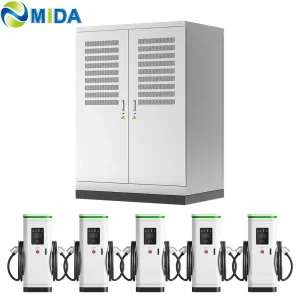
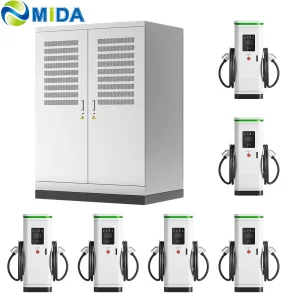
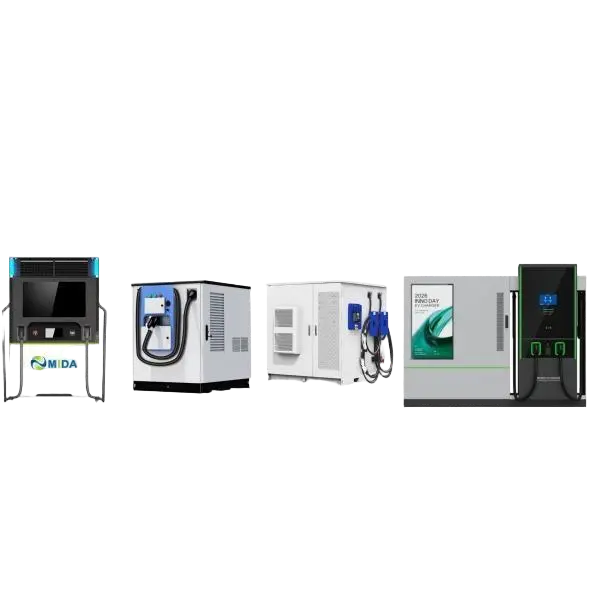
For fleet applications and highway corridors, standard 50kW and 120kW stations are no longer sufficient to maintain operational throughput. The introduction of 800V and 1000V architecture in modern electric vehicles requires DC chargers that can continuously output high amperage. Achieving 350kW to 1440kW output demands split-type architectures. Here, centralized power cabinets handle the AC-to-DC conversion, and remote satellite dispensers handle the user interface and cable cooling. This modular approach optimizes land usage, minimizes thermal stress, and allows for scalable infrastructure projects.
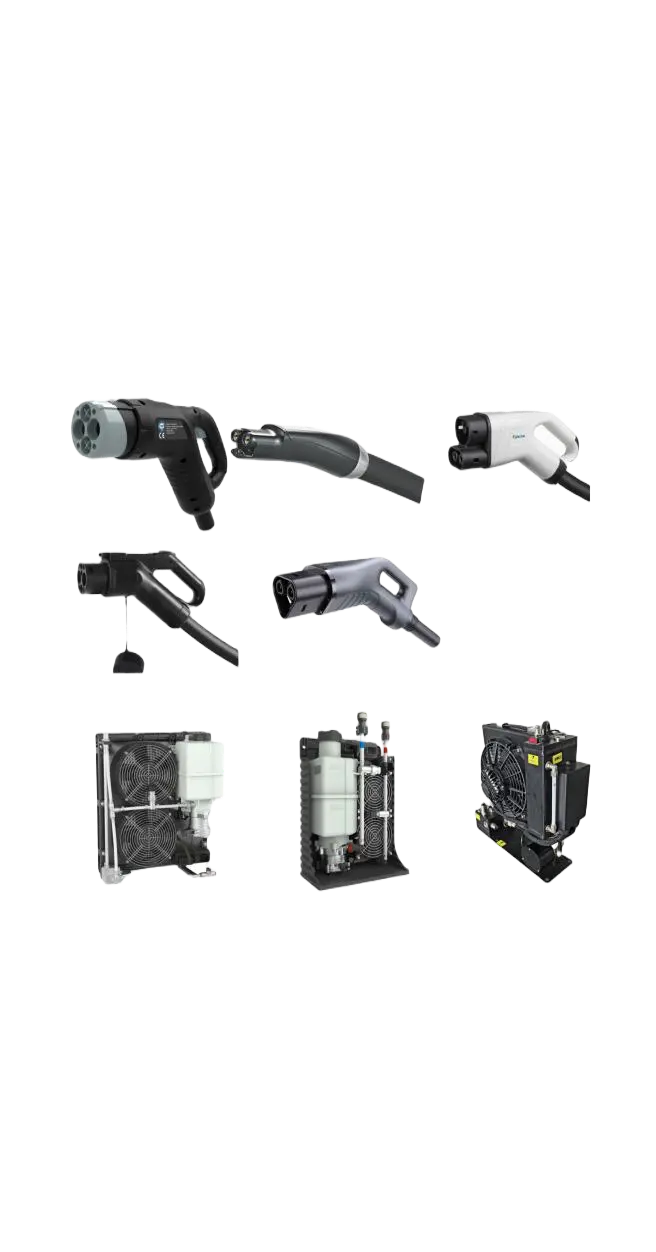
At current levels exceeding 200A, traditional forced-air cooled copper charging cables become too heavy and unwieldy for consumer use due to the thick copper wire needed to mitigate resistive heat. Liquid-cooled charging technology resolves this constraint. By circulating a cooling fluid (often a glycol-water mixture or synthetic oil) through integrated channels inside the cable and connector, manufacturers can reduce copper cross-sections while safely maintaining currents up to 600A continuously. This design keeps cable weights manageable and avoids high temperatures at the contact pins, ensuring safe operation during high-power charging sessions.
A vertically integrated EV charging infrastructure pioneer, manufacturing cables, connectors, power modules, and intelligent DC stations.
ESTABLISHED EV INFRASTRUCTURE PIONEER
Shanghai Mida Cable Group Ltd. operates through its wholly owned subsidiaries: Shanghai Mida EV Power Co., Ltd., Shenzhen Mida EV Power Co., Ltd., and Shanghai Mida New Energy Co., Ltd. This strategic division enables complete control over the entire research, development, and production lifecycle of EV charging infrastructure.
Mida Cable manufactures a comprehensive range of EV charging cables, including 16A–80A J1772 cables, 16A–63A IEC 62196-2 Type 2 cables, and DC fast charging cables: CCS1 (80A–500A), CCS2 (125A–1000A), CHAdeMO (125A–300A), GBT (200A–1000A), and NACS connectors (250A–600A).
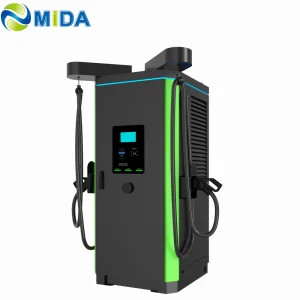
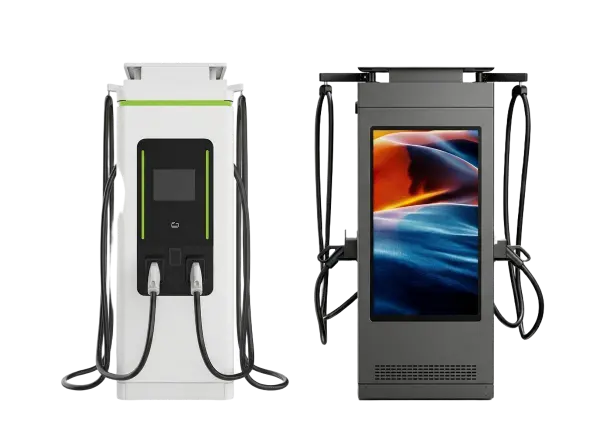
MIDA EV Power produces a full lineup of EV charging stations, such as 7kW–50kW mobile chargers, 3.6kW–7.2kW portable DC chargers, 360kW–1440kW split-type DC fast chargers, 20kW–50kW wall-mounted DC chargers, and 60kW–480kW floor-standing DC fast charging stations.
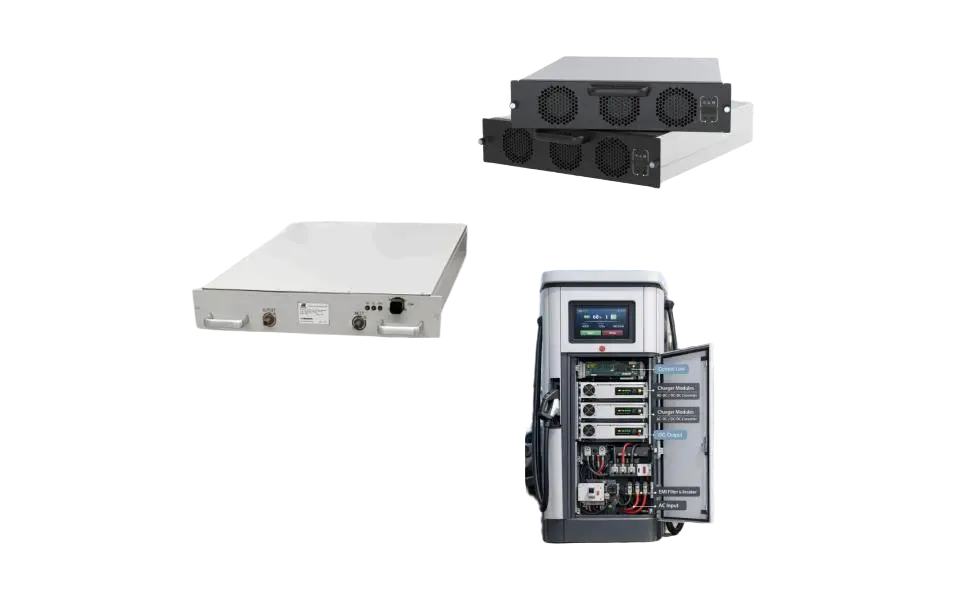
MIDA New Energy specializes in EV charger power modules, offering 20kW–60kW standard modules, 40kW–125kW liquid-cooled modules, 30kW–62.5kW bidirectional modules, and 20kW–45kW V2G charging modules.

Targeted EV charging components and integrated platforms engineered to withstand rugged operating conditions worldwide.
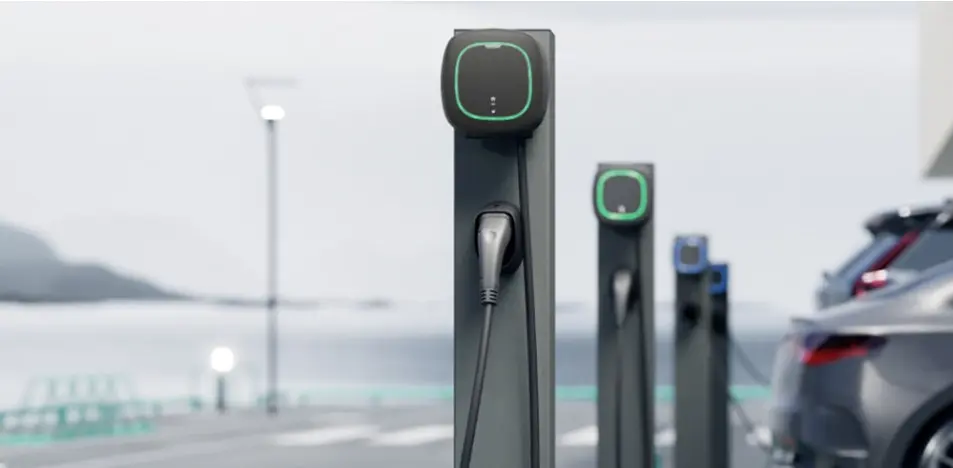
Precision engineered residential, commercial, and workplace charging solutions. Offering dynamic load management and smart connectivity.
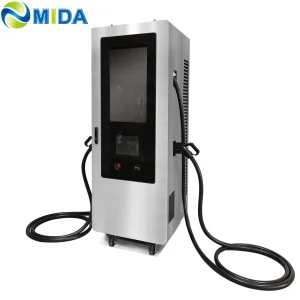
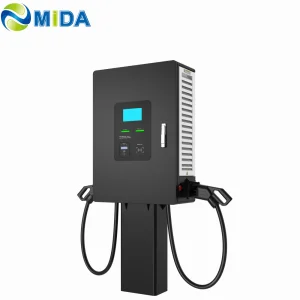
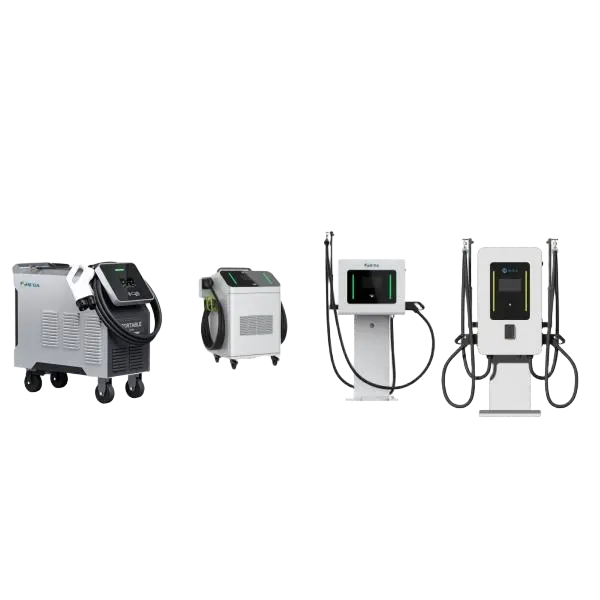
Flexible wall-mounted and portable DC systems. Designed for workshops, private garages, road-side assistance, and test bays.
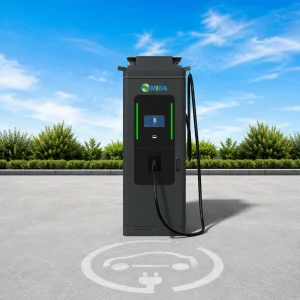
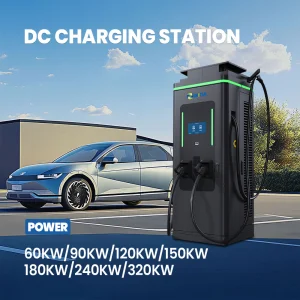
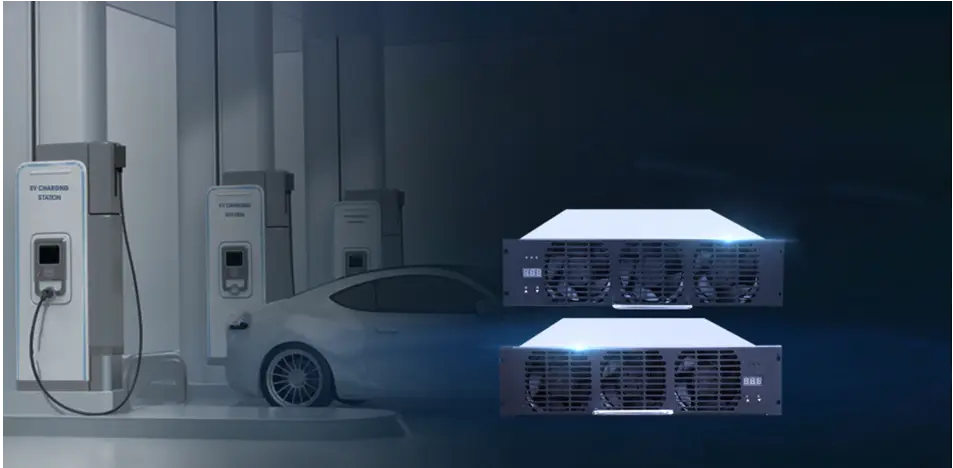
High-capacity public charging network systems. Ideal for highway hubs, logistics depots, and municipal installations.
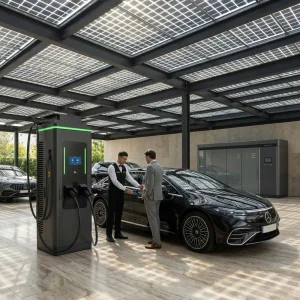
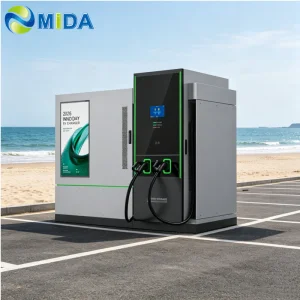
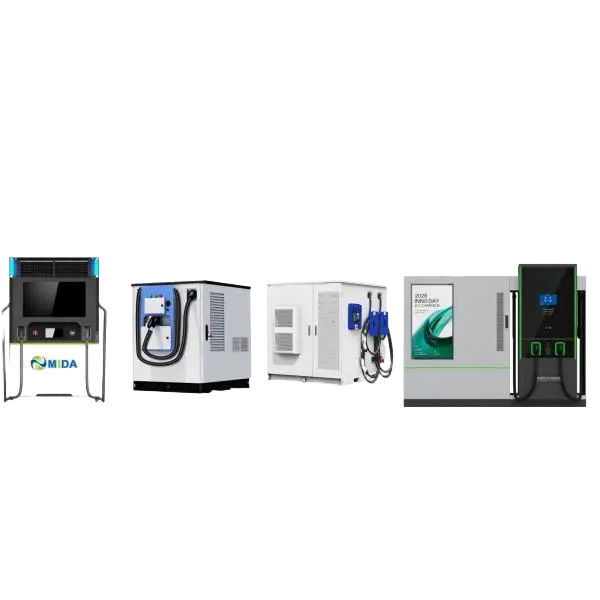
Grid-buffered Battery Energy Storage System (BESS) integrated chargers. Buffer grid demand during peak pricing and utilize solar offsets to achieve true off-grid rapid EV charging.
Why domestic production centers in Shanghai and Shenzhen form the backbone of global high-power charging reliability.
The manufacturing ecosystem in China for EV infrastructure is more than just assembly plants; it is a highly integrated Supply Chain 4.0 network. Domestic factories benefit from proximity to core raw materials, semiconductor manufacturers, copper processing facilities, and advanced power electronics test centers. This allows Mida to manage lead times, optimize component specifications, and rapidly scale output to meet unexpected demand.
Most manufacturers buy components from third parties and assemble the final product, which can lead to compatibility issues. In contrast, Mida Group's internal divisions design and manufacture the cables, charging plugs, power conversion modules, and controller software under a single quality control standard. This vertical integration ensures that communication protocols between the vehicle connector, cooling system, and power module align perfectly, reducing signal loss and hardware mismatches during operation.
Every DC station manufactured in our facilities undergoes rigorous thermal cycling, salt-mist environmental degradation testing, and high-voltage insulation checks. Our split-type systems are built to withstand temperatures ranging from -35°C to +55°C, ensuring reliable operation in northern European winters or Middle Eastern deserts. IP55 and IP65 cabinet ratings protect internal electronics from sand ingress, heavy rainfall, and high humidity, minimizing maintenance calls for field technicians.
| Feature Spec | MIDA Standard Range | Industrial High-Power Range | Megawatt-Scale / Split Type |
|---|---|---|---|
| Output Power (kW) | 20kW – 60kW | 120kW – 480kW | 600kW – 1440kW |
| System Output Voltage | 150V – 1000V DC | 150V – 1000V DC | 200V – 1250V DC |
| Cooling Topology | Forced Air Cooling | Liquid & Smart Air Cooling | Liquid Cooled Hubs & Cable |
| Interface Support | CCS1 / CCS2 / NACS / CHAdeMO | CCS2 / NACS / GB/T | CCS2 / GB/T / MCS / ChaoJi |
| Communication Protocol | OCPP 1.6J / ISO 15118 Ready | OCPP 1.6J / OCPP 2.0.1 / DLB | OCPP 2.0.1 / ISO 15118 / V2G |
Explore the design specifications of our major component divisions, developed for system integrators and electrical engineers.
Essential checklist for operators to navigate global grid compliance, dynamic load management, and standardizations.
Purchasing charging equipment for international projects requires careful alignment between technical specs and local regulations. Selecting a supplier involves verifying that the equipment meets regional safety, compatibility, and fiscal reporting standards.
Before importing equipment to North America or Europe, ensure the hardware holds the required certifications for grid connection and public use:
For smart grid integration, standard OCPP 1.6J remains popular for core backend communication. However, newer deployments require OCPP 2.0.1. This standard provides enhanced device monitoring, diagnostic capabilities, and native support for the ISO 15118 protocol. This integration enables "Plug and Charge" functionality, allowing vehicles to automatically authenticate and begin charging without an RFID card or mobile app, streamlining the charging process for users.
Stay up to date with industrial transit advances, overhead charging pantograph systems, and fleet megawatt power integration.
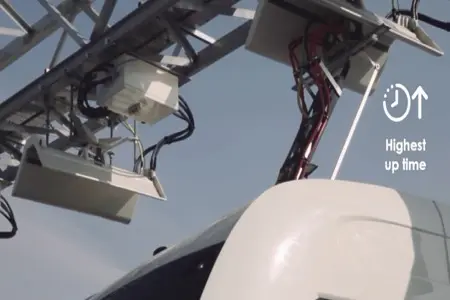
What are the advantages of an e-bus pantograph dome? In contrast to classic plug-in charging systems, e-bus pantograph dome architectures facilitate reliable overhead high-power charging, removing the need for manual cable handling by transit drivers.
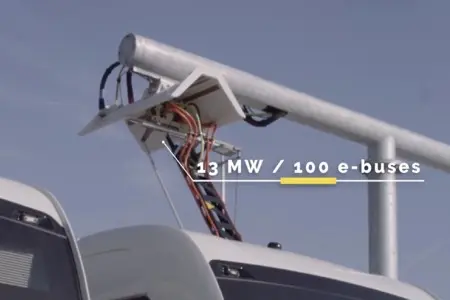
How long does it take to charge with an e-bus pantograph? The charging time depends on the battery capacity and the station's power output. In transit routes, opportunity charging can replenish up to 50% capacity in 6 to 10 minutes at 450kW.
How to Install the Pantograph Up Charger System Dome for Electric Bus. Installing a “Pantograph Up” system dome requires structural alignment with overhead bus terminals, high-power grid feeds, and communication modules to automate the docking sequence.
Direct technical answers addressing the operational issues faced by electrical engineers and infrastructure designers.
Explore our integrated solar, portable, and extreme high-power charging solutions designed to scale with your business.