
Home >
DC Charger Station >
China Ultra Fast Split DC Charger 1200KW 1440KW CCS2 GBT Integrated Charging Unit Manufacturers, Factories
1 / 5
China Ultra Fast Split DC Charger 1200KW 1440KW CCS2 GBT Integrated Charging Unit Manufacturers, Factories
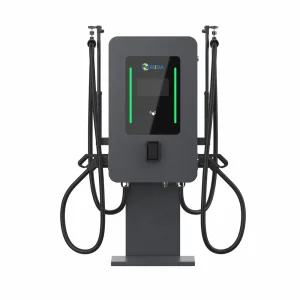
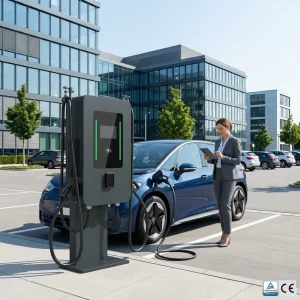
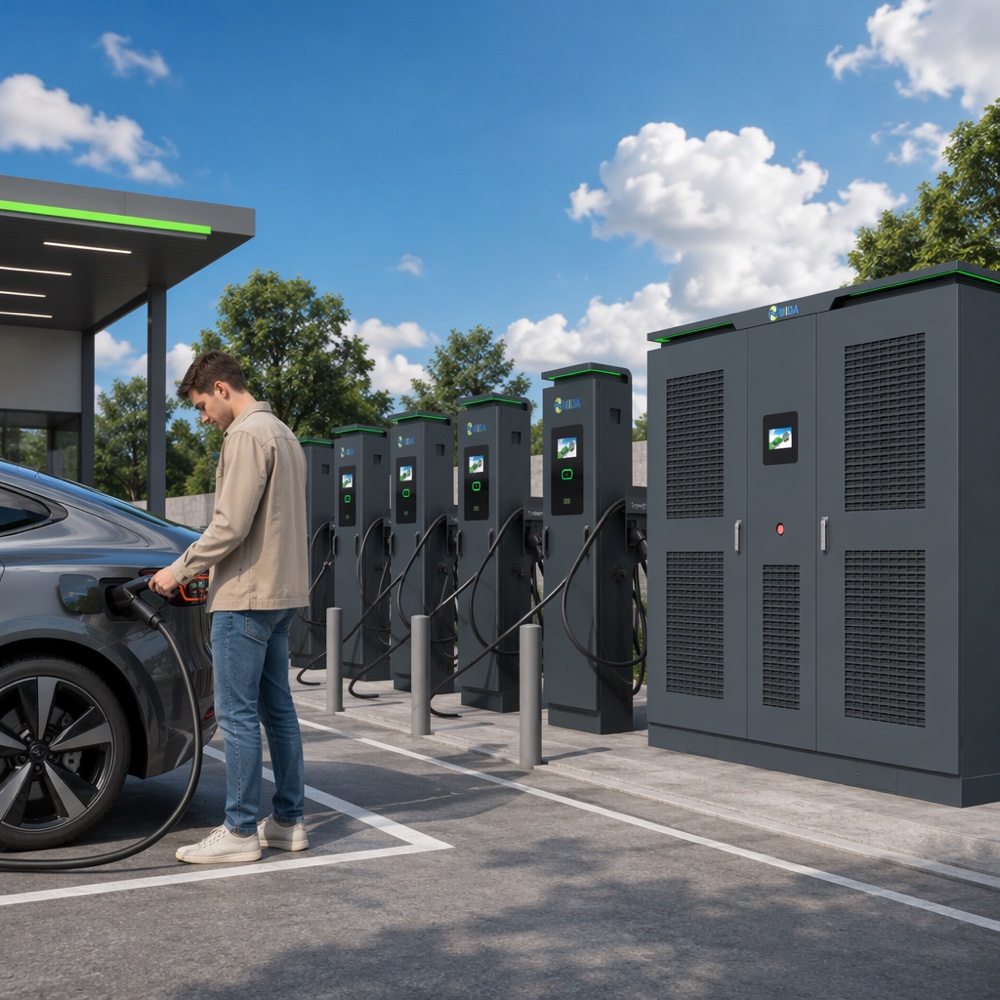
High Power 1200kW 1440kw CCS2 GBT NACS DC Fast EV Charger,multitude of Fast EV Charger factories, DC Fast EV Charger wholesalers,distributors & traders.Ultra Fast Charger 1000kW 1200kW 1440kW Intelligent Flexible Charging Array split liquid cooled DC fast charger, 1500A 1500V output , ideal for heavy duty logistics trucks and Fleet Charging. The DC charging station with liquid-cooled charging.1440kw Ultra-High Power Split DC EV Fast Charging Equipment
Supports CCS, CHAdeMO, GB/T, and AC connectors. Charging up to 3 vehicles at the same time
Dual CCS2, GB/T, CHAdeMO DC Connector with Split Rapid Charger Station
480kw 600kw 800kw 1200kw 1440kw DC Charging Station With CCS2 GB/T CHAdeMO NACS Plug
Split DC Charger Station 360kw 480kw 600kw 720kw 1000KW 1200KW 1440KW DC Ultra Fast Electric Vehicle Charger Station
Interface & Connectivity Features
8’’ LCD touch screen with multi-language interface
Secure authentication and payment through RFID, mobile Apps, or POS
CCS2 GB/T Plug & Charge optional
GPRS, COM, CAN2.0 communication capabilities
480kw 600Kw 720kW 800kW CCS2 GB/T Split DC EV Fast Charging Station Charger, Split DC Fast EV Charger Station, 600kW 720kw 800kW Public Charging Station, DC Split Charging Systems Floor-mounted 480kw 720kw 800kw Commercial Electric Vehicle Charging Stations
1000kw 1200kw 1440kW Split EV Charging Stack DC EV Charging Station
Multi-standard DC Charging Station
Simultaneously charging up to 3 EVs with dynamic capabilities.
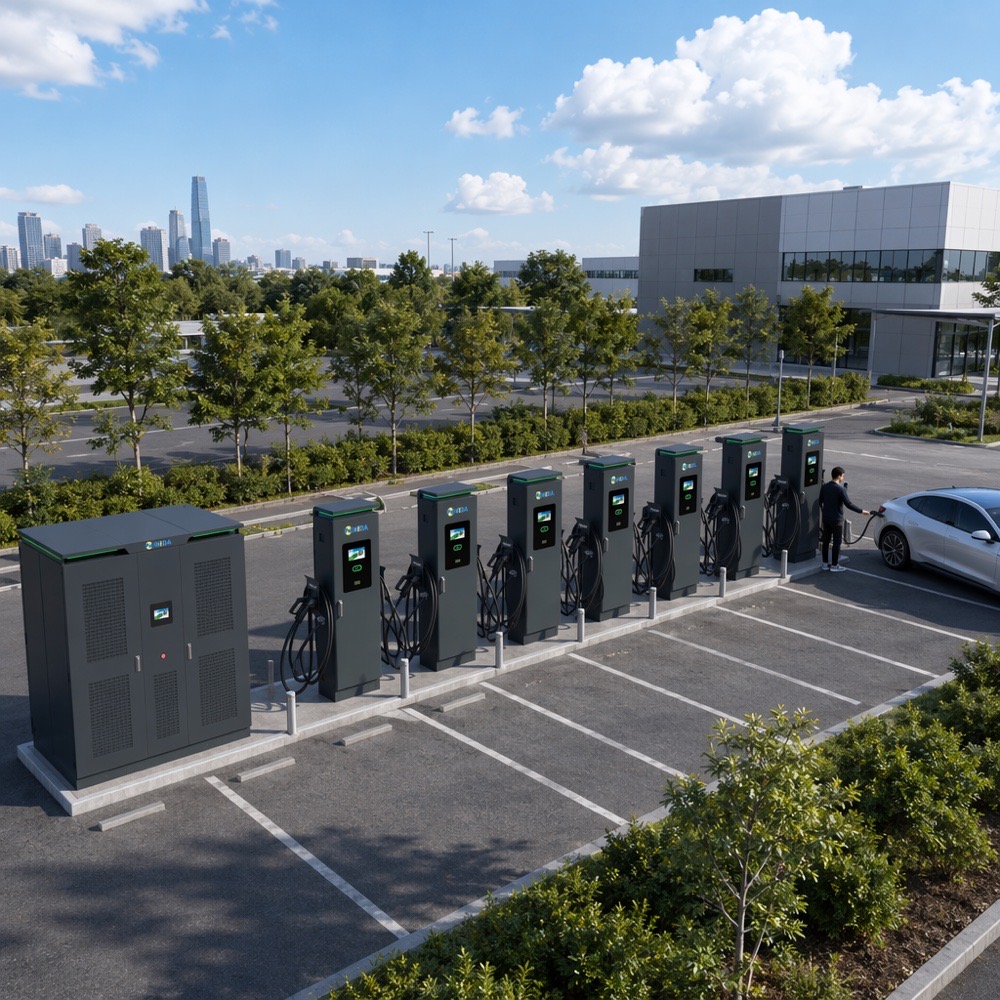
Flexible configurations 600KW 720KW 800kW 1000KW 1200KW 1440KW DC Charging Station
Supporting CCS, CHAdeMO, GB/T, and NACS Plug
Ethernet, Wi-Fi, 4G connection
OCPP 1.6J & OCPP 2.0 compatibility
Smart charging supports dynamic load balancing
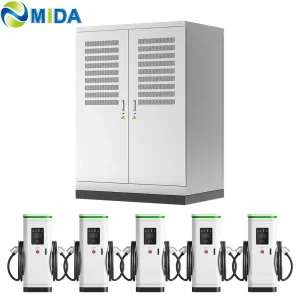
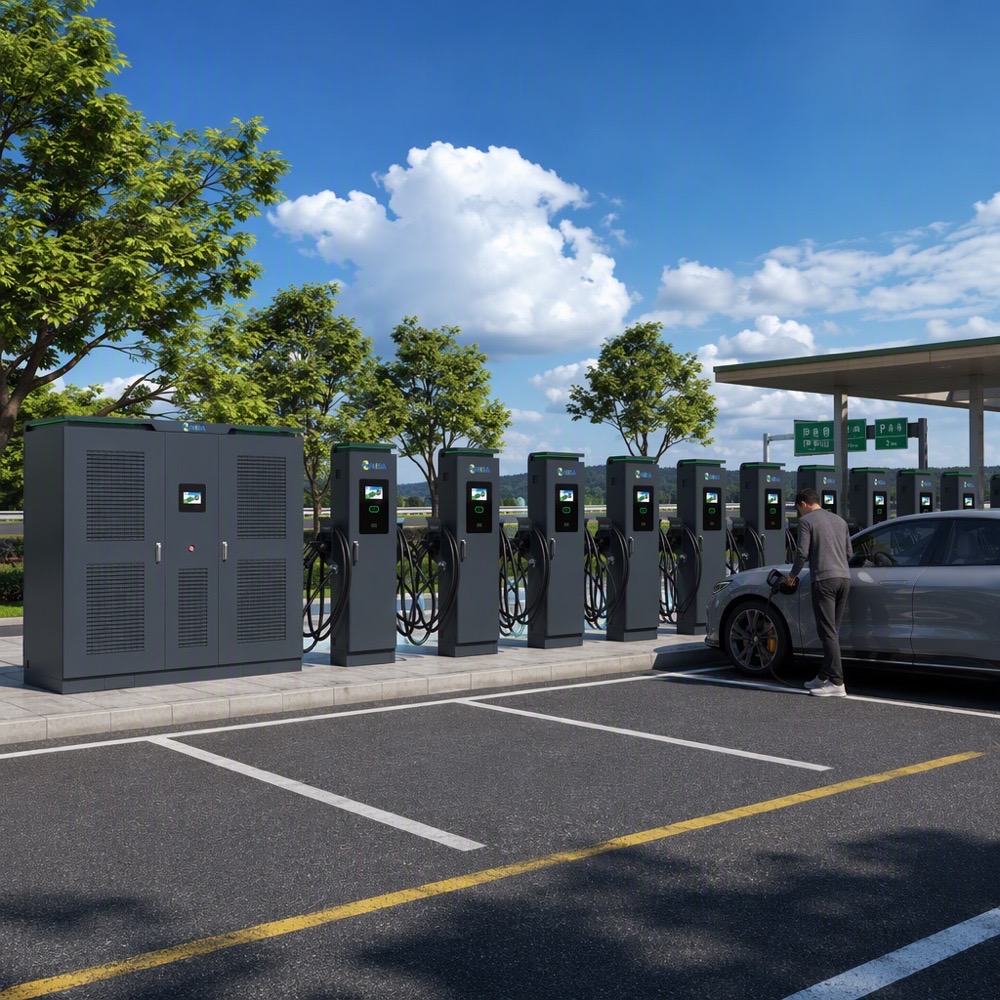
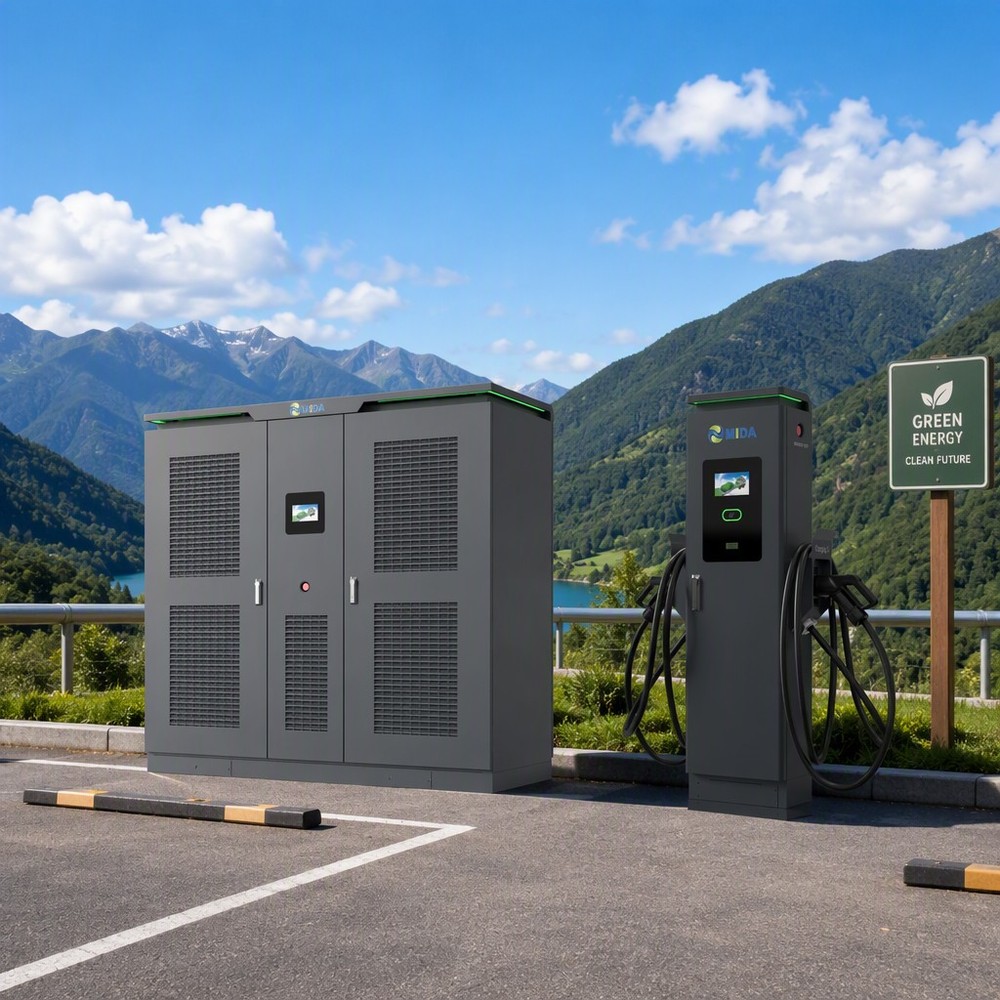
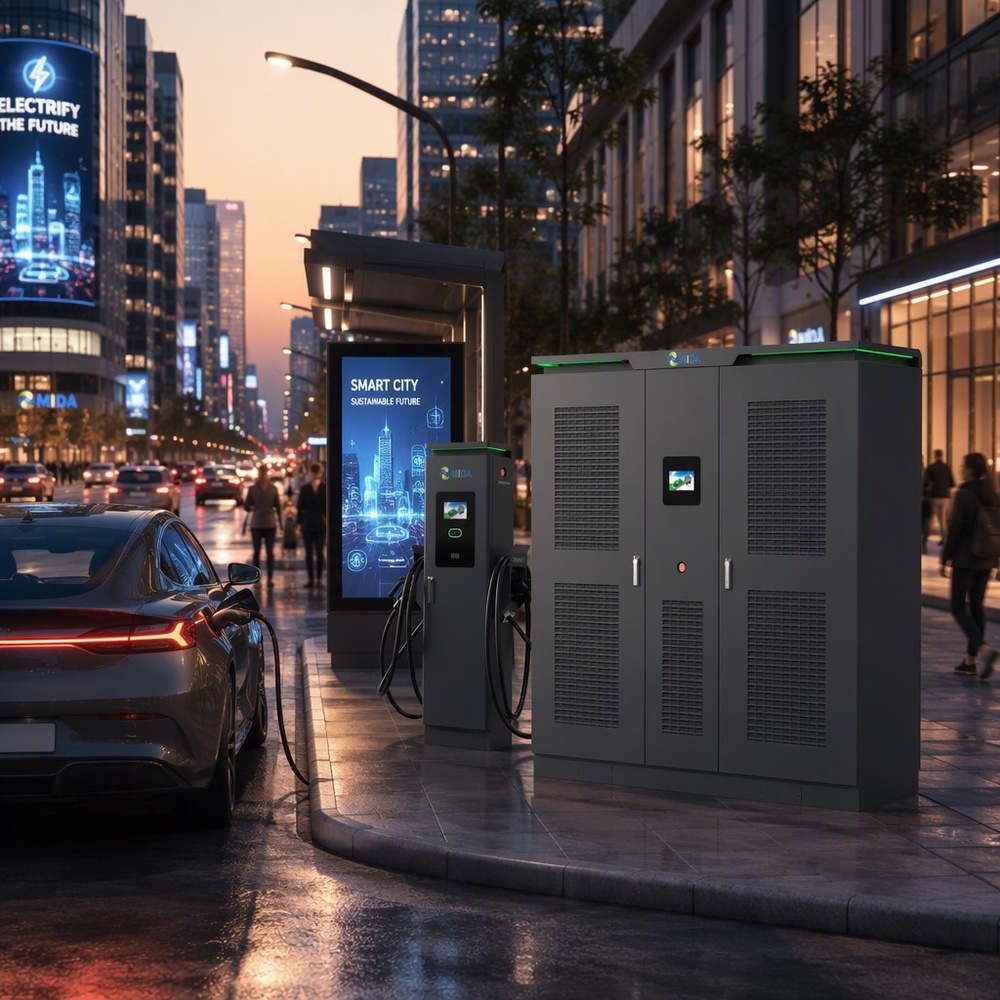
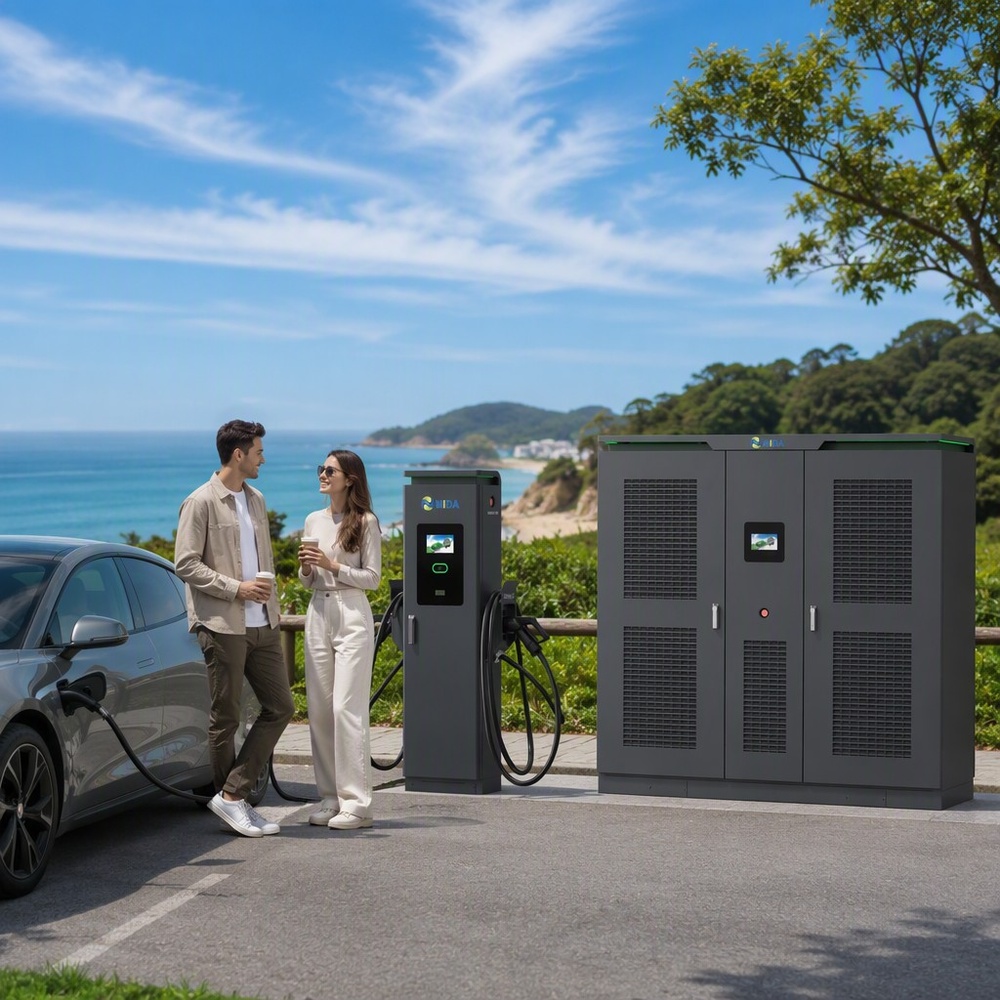
Megawatt-Class Split-Type DC Supercharger (1200kW / 1440kW)
Reshaping the Heavy Transportation Electricity Landscape, Defining a New Benchmark for Ultra-Fast Charging. 1440kW DC Integrated Charging Unit Dual-Gun Fast Charger, Commercial Floor-Mounted EV Charging Pile.
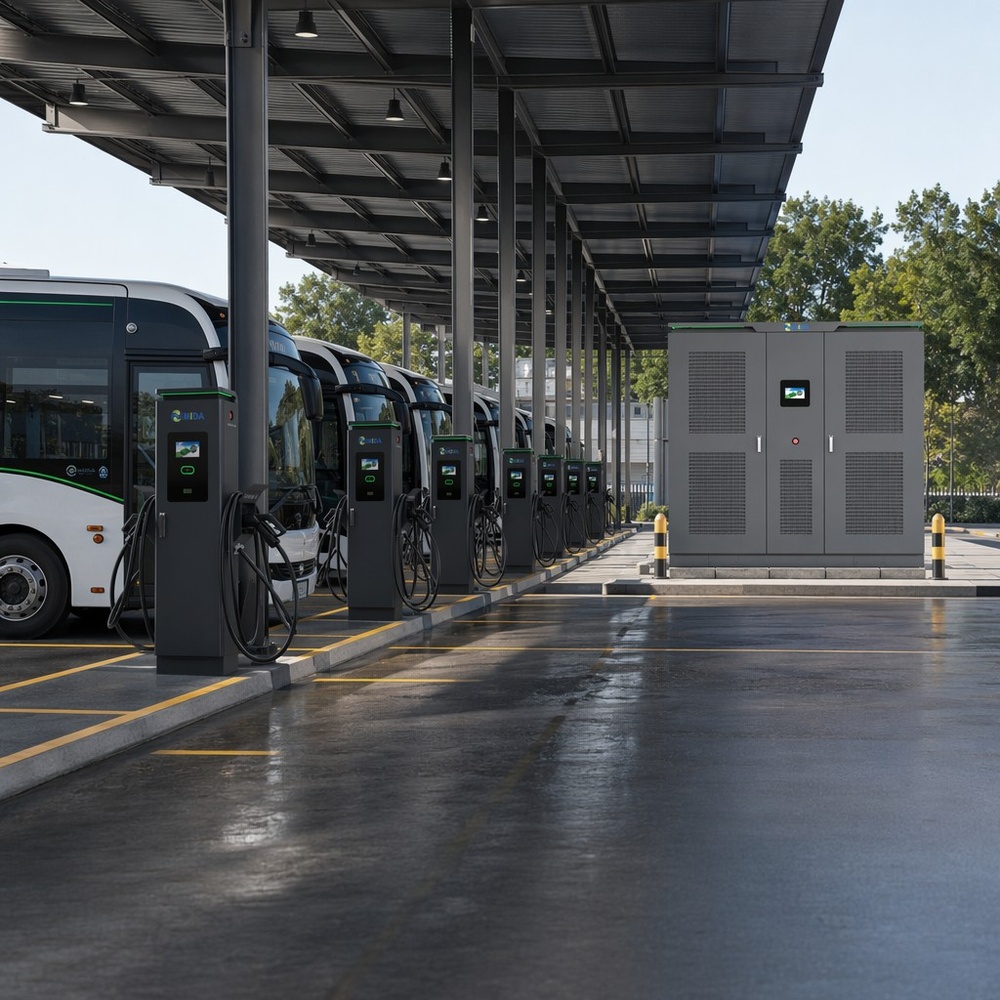
With the rise of electrification in heavy-duty trucks, port machinery, and long-haul buses, electric charging has reached a turning point, evolving from "minute-level" to "second-level" charging speeds. The 1200kW / 1440kW split-type supercharger is designed for high-throughput, high-load commercial logistics hubs and supercharging stations, representing the current pinnacle of global charging power density.
Core Technological Advantages
Ultra-Fast Megawatt Power, the Future Within Reach
The system provides a maximum rated power of 1440kW, perfectly compatible with the next-generation megawatt-class charging standard (MCS). The single-gun output current, combined with liquid cooling technology, can exceed 600A-800A, achieving the ultimate experience of "10 minutes of charging for 400 kilometers of range," completely eliminating the range anxiety of heavy truck fleets.
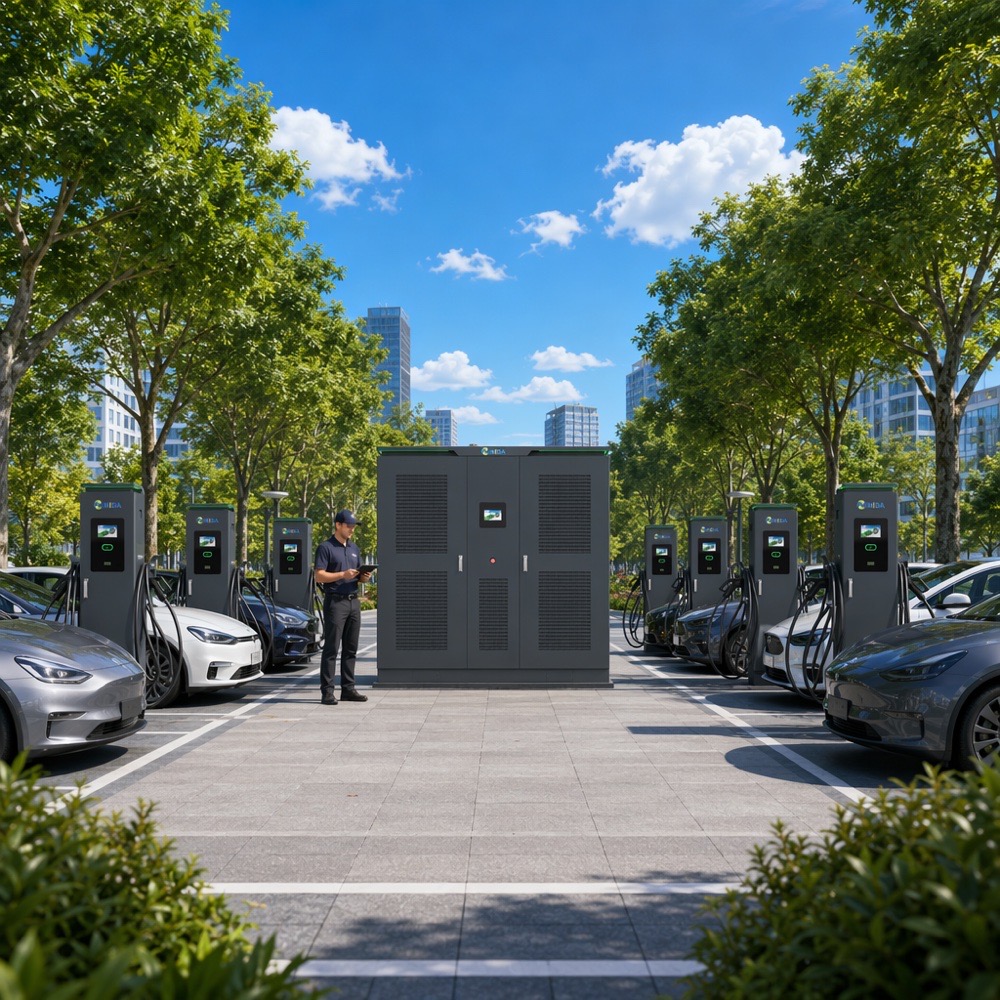
Adopting an advanced "host + terminal" split design, the host incorporates a highly integrated SiC (silicon carbide) power module, coupled with a dynamic power allocation algorithm (Matrix Switching), which can real-time schedule energy flow based on the vehicle's remaining battery capacity (SOC). The system supports multi-channel supercharging terminal collaborative operation, ensuring that each connected vehicle receives optimal charging power, greatly improving the overall turnover rate and return on investment (ROI) of the charging station.
High-Voltage Topology, Efficiency First
The overall output voltage range is up to 200V-1250V DC, perfectly backward compatible with mainstream 400V models, and forward-lookingly supports 800V/1000V high-voltage platforms. Thanks to its self-developed isolated air duct technology and efficient topology logic, the system's peak efficiency is ≥ 96.5%, saving operators tens of thousands of US dollars in total cost of ownership (TCO) annually.
The EV Charger 1200kW/1440kW supercharger stack is not just a charging device, but the core heart of future green logistics infrastructure.
Technical Summary Table
Specification
HPC 1200kW
HPC 1440kW
Architecture
Split-Type (Cabinet + Satellites)
Max Output Voltage
150V - 1000V DC
150V - 1000V DC
Max Output Current
600A (Liquid-Cooled)
800A (Liquid-Cooled)
Efficiency
≥ 96.5%
≥ 96.5%
Power Modules
SiC High-Frequency IP65
Communication
OCPP 1.6J / 2.0.1 / ISO 15118
Protection Grade
Cabinet IP55 / Module IP65
Frequently Asked Questions (FAQ)
Which charging standard connectors are compatible with these charging systems?
The charging stations are designed to support multiple standards including CCS (CCS2), CHAdeMO, GB/T, NACS, and AC connectors, allowing for comprehensive compatibility with most global electric vehicles.
How many electric vehicles can charge at the same time?
The systems are engineered to charge up to 3 vehicles simultaneously, relying on a smart dynamic load balancing feature to optimize the distribution of energy.
What makes the split matrix architecture design advantageous?
The "host + terminal" design utilizes SiC (silicon carbide) power modules and dynamic power allocation algorithms (Matrix Switching). It continuously schedules electricity depending on each vehicle's real-time State of Charge (SOC), maximizing charging efficiency and increasing the ROI.
Are high-voltage EV platforms supported?
Yes. The systems feature wide output voltage configurations supporting voltages up to 1000V DC (and up to 1250V DC depending on dynamic architectures), which makes them backward-compatible with 400V models and forward-compatible with emerging 800V/1000V high-voltage platforms.
What is the overall operating efficiency of the high-power chargers?
Due to isolated air duct designs and efficient topology architectures, the peak efficiency rating reaches ≥ 96.5%, helping operators save significantly on dynamic energy loss and Total Cost of Ownership (TCO).