1 / 5



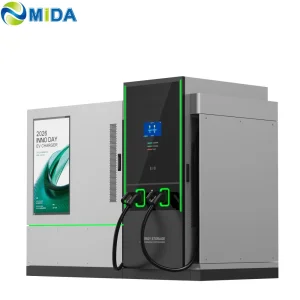
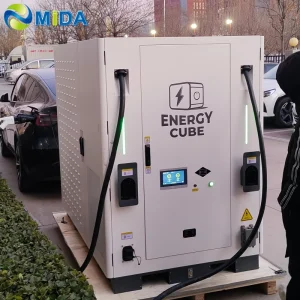
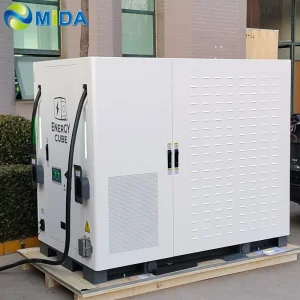
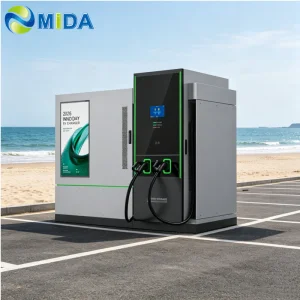
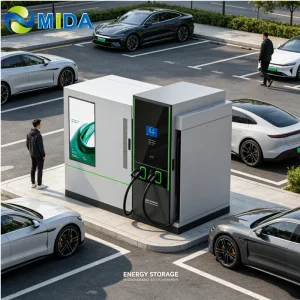
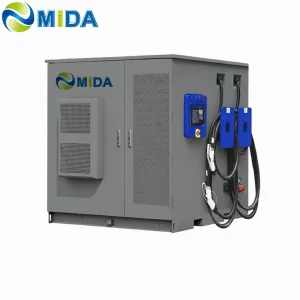
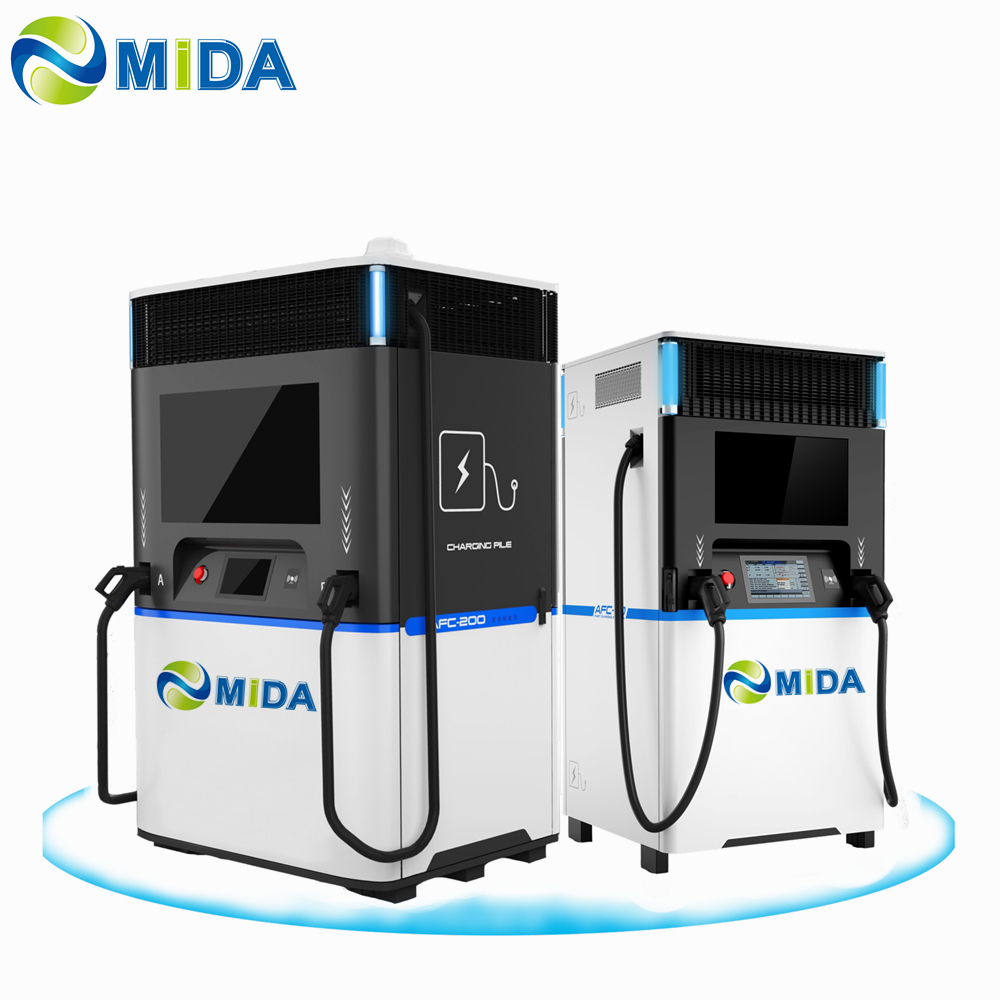
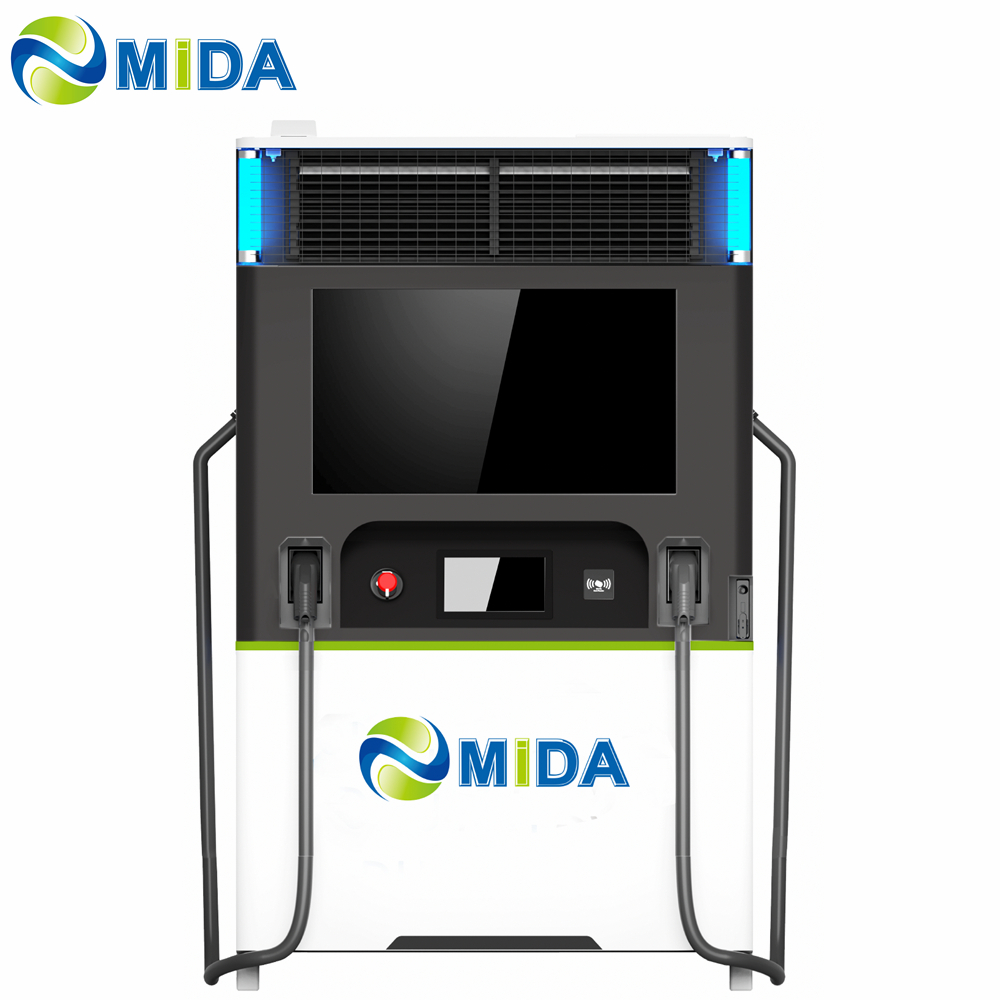
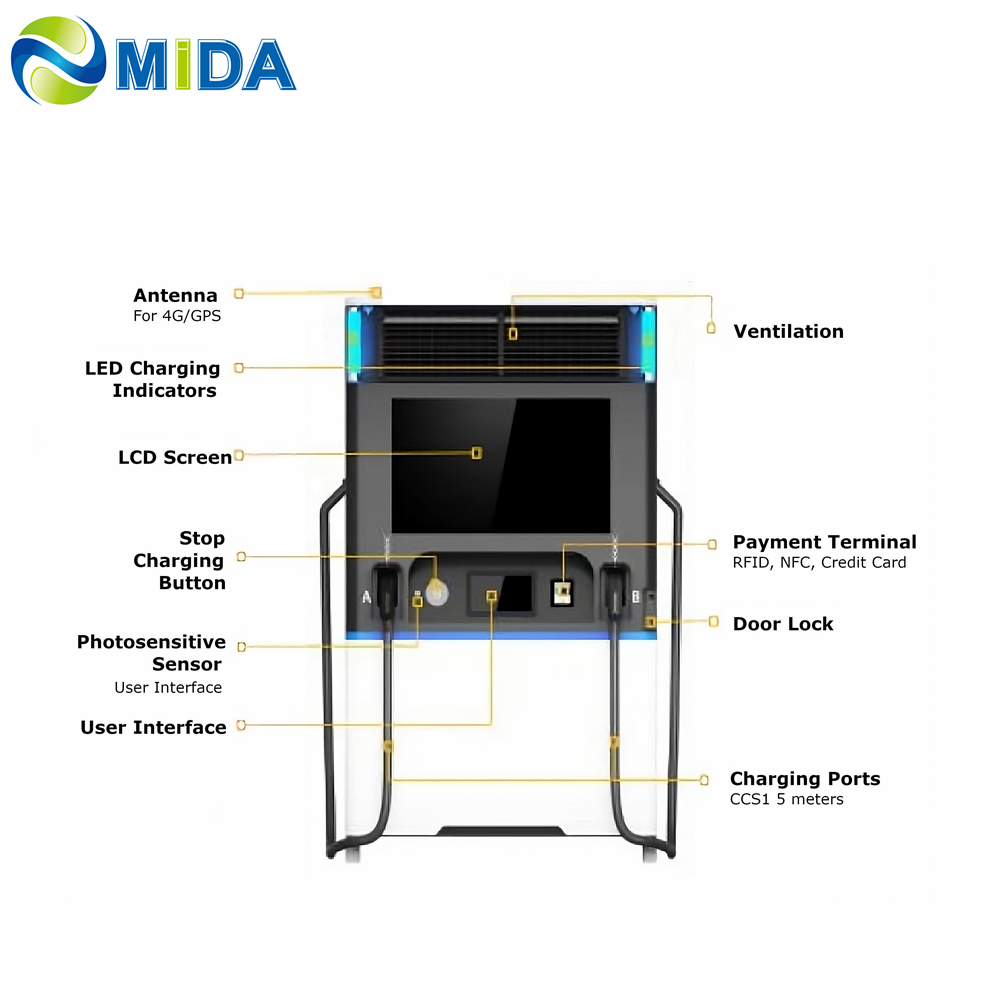
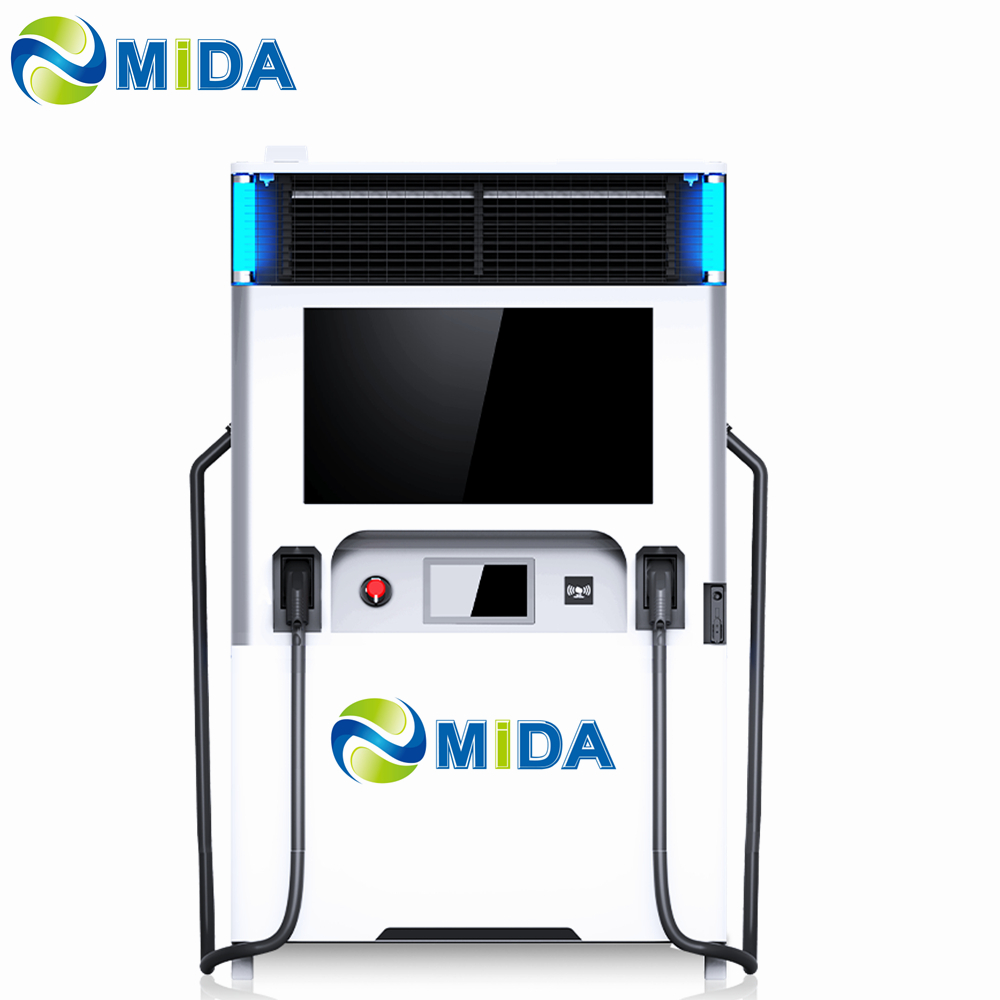
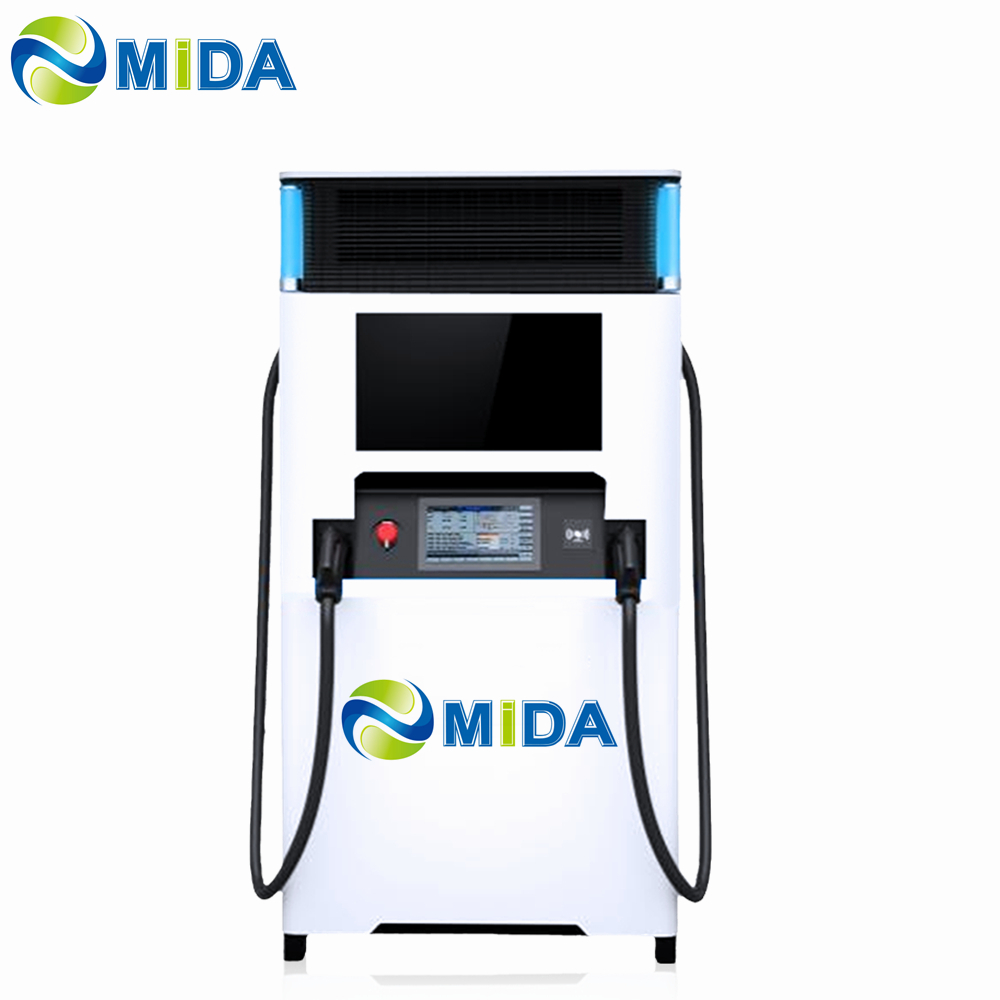
The 120kWh 60kW CCS2 and GBT compatible BESS charging station is an integrated energy storage and fast charging solution tailored for new energy vehicle charging, commercial power supply and peak-shaving energy scenarios. Equipped with a 120kWh high-capacity built-in battery energy storage system and a 60kW rated charging power, this device balances efficient energy conversion and stable energy reserve, solving the problems of insufficient grid capacity and peak-hour charging congestion effectively.
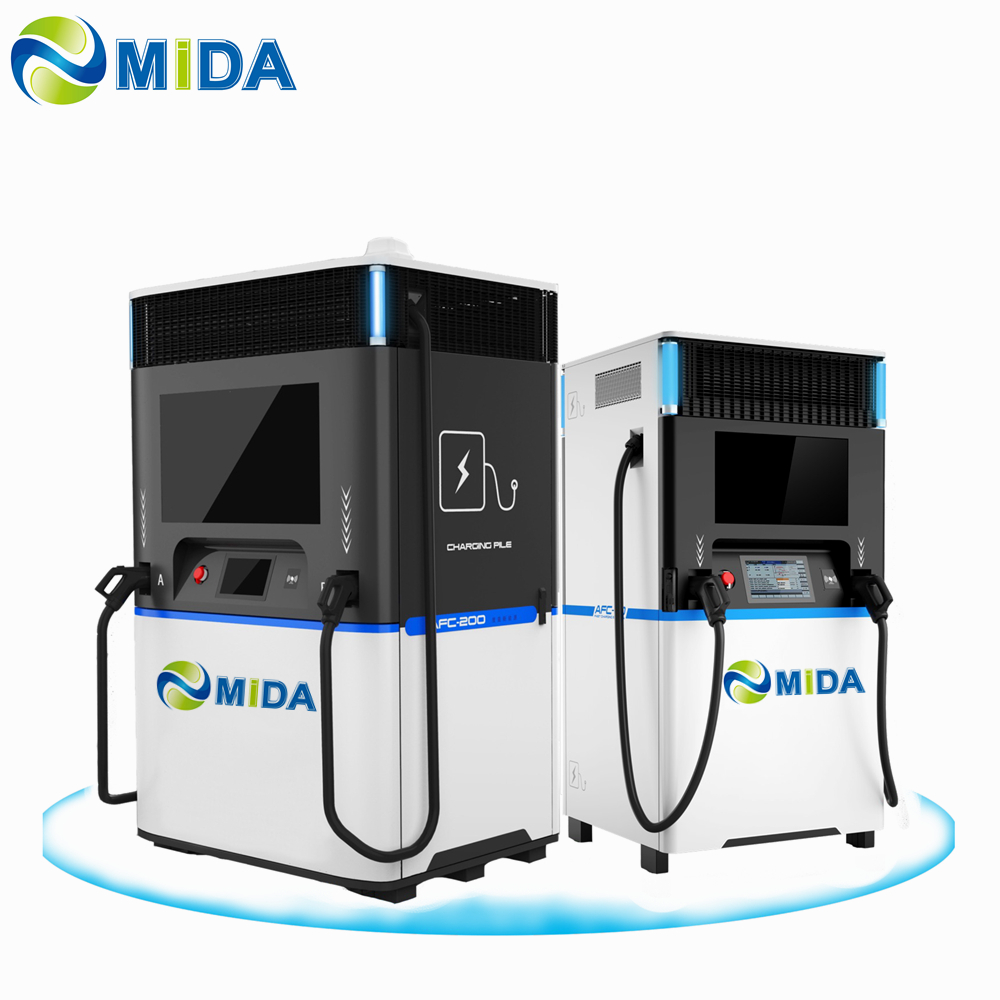
The European standard 200kw/120kW integrated BESS charger Station is mainly used for charging commercial vehicles such as electric heavy-duty trucks and electric buses, as well as special vehicles.
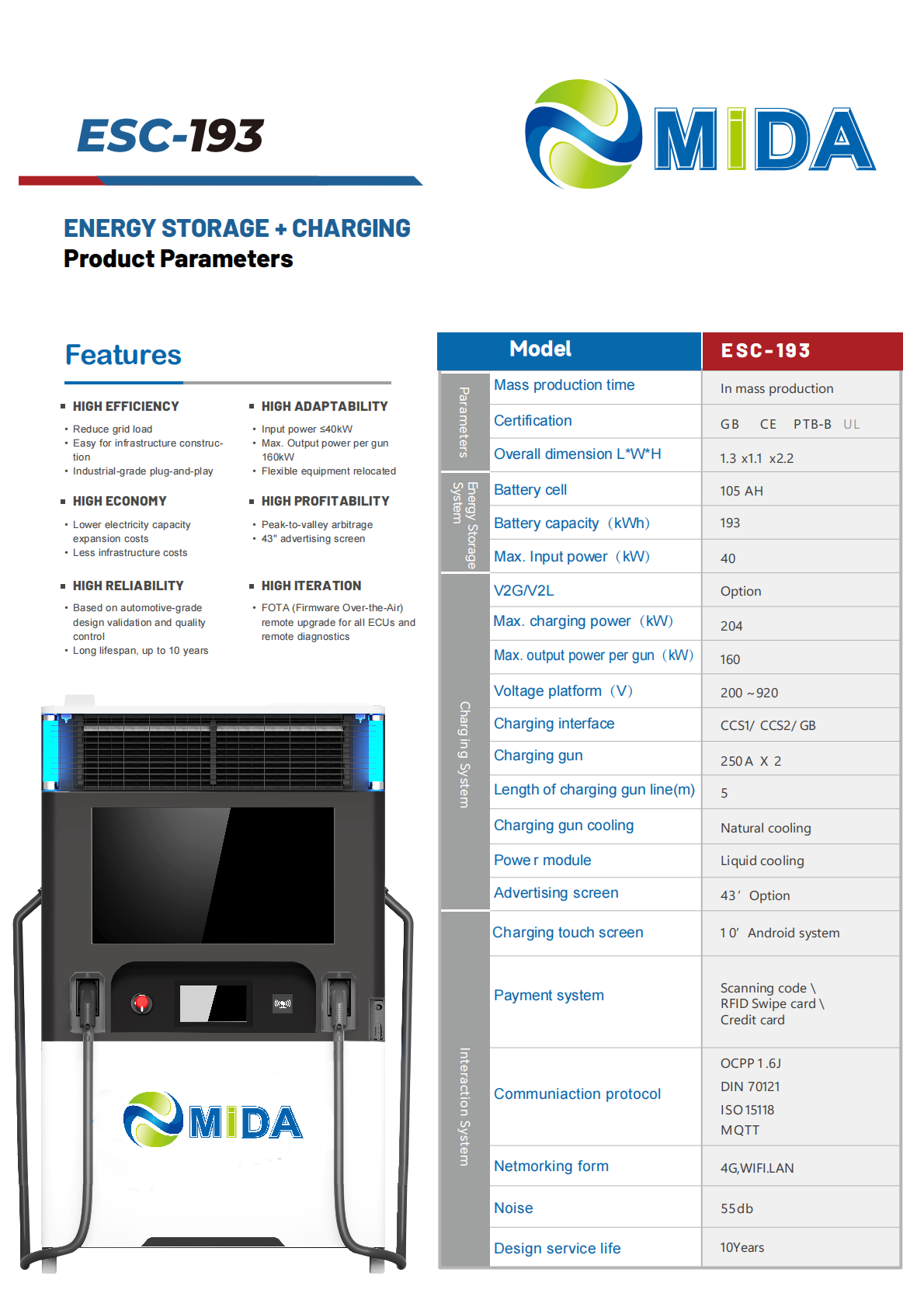
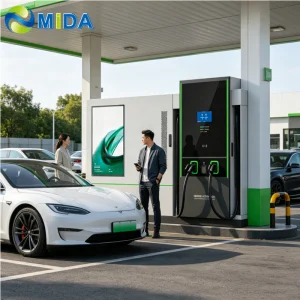
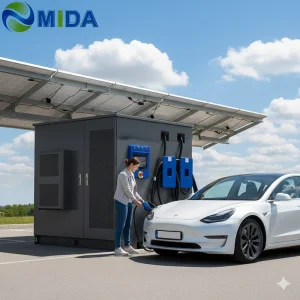
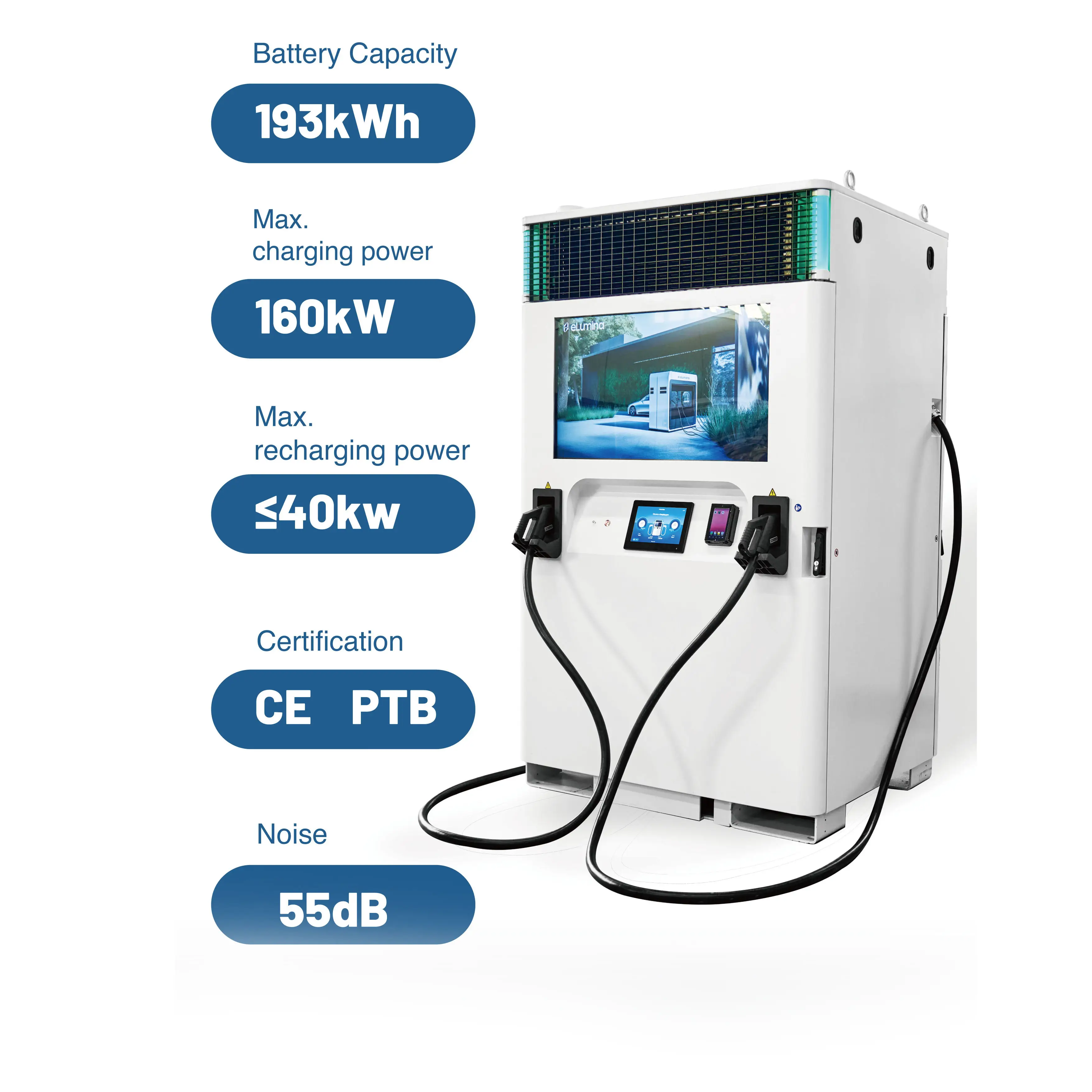
As the global appetite for electric vehicles (EVs) surges, the strain on existing power grids has become the industry's bottleneck. Enter the 200kWh BESS Integrated Solar Charging Station—a sophisticated energy ecosystem that combines photovoltaic generation, battery storage, and high-speed charging into a single, intelligent unit. This system, featuring a 200kWh Battery Energy Storage System (BESS) paired with 120kW and 160kW dual charging outputs, is not merely a charger; it is a micro power plant designed for energy independence, grid relief, and operational profitability.
At the heart of this station lies the 200kWh Lithium-Ion Battery Bank. Unlike traditional chargers that draw directly from a sometimes unstable grid, this buffer storage acts as a reservoir. It captures energy during off-peak hours when electricity tariffs are low (peak shaving) or harvests free solar energy from canopy-mounted PV panels. This stored energy is then dispatched to vehicles via two distinct power tiers: 120kW for rapid passenger vehicle charging (adding ~100km of range in 5-10 minutes) and 160kW for heavy-duty EVs or fleet vehicles requiring a faster turnaround.
The system’s intelligence lies in its dynamic power allocation. When a 160kW bus and a 120kW sedan plug in simultaneously, the BESS prevents grid overload by blending solar, battery, and grid inputs seamlessly. During peak utility hours, the station can operate entirely in "island mode," relying solely on the 200kWh battery and solar array, effectively reducing demand charges by up to 40%.
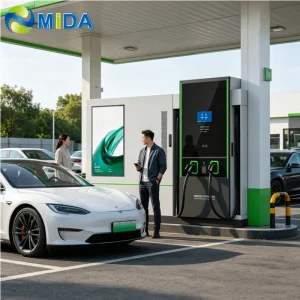
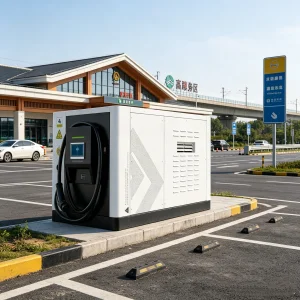
Traditional charging stations are liabilities during blackouts; this BESS unit is an asset. In grid-down scenarios, the stored energy provides emergency backup for essential services. Furthermore, the 200kWh capacity supports "time-shifting"—charging the battery overnight when wind power is abundant and discharging it during daytime traffic peaks. For commercial applications (highway plazas, logistics hubs, apartment complexes), this translates to lower operational costs, higher charging reliability, and the ability to participate in grid frequency regulation markets.
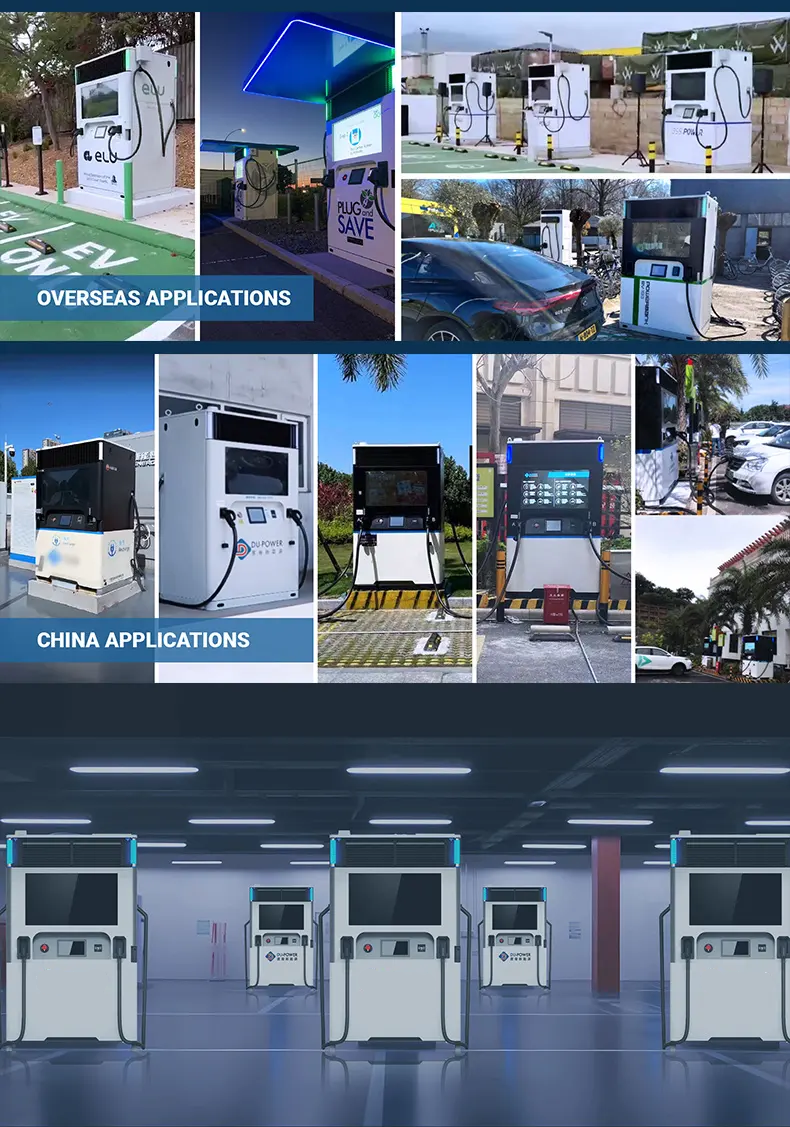
The system supports bi-directional charging (V2G-ready) and operates silently with liquid thermal management, ensuring a 10+ year cycle life. Whether deployed in a remote solar farm or an urban parking garage, this integrated solution bridges the gap between renewable generation and transportation demand. By decoupling charging events from real-time grid constraints, the 200kWh/120kW/160kW station delivers the future of energy: decentralized, resilient, and zero-emission. It transforms every parking spot from a simple load into a distributed energy resource.