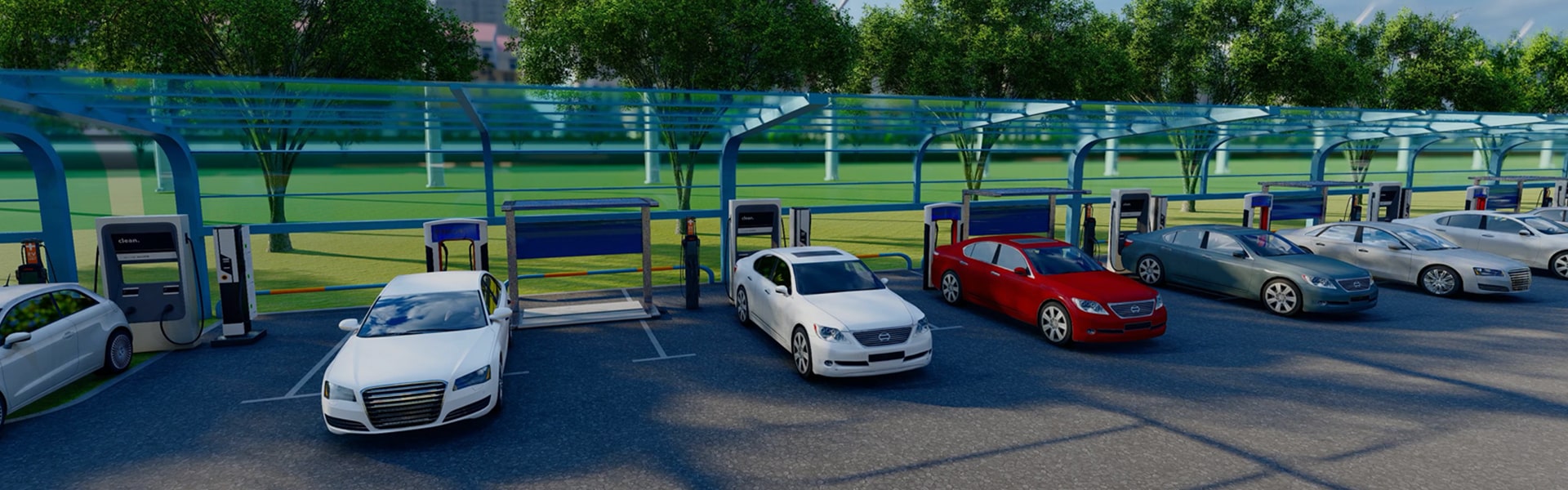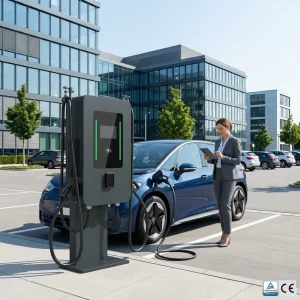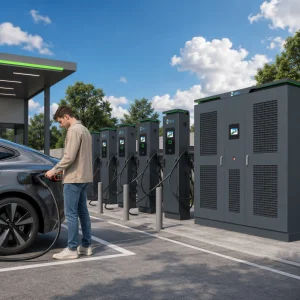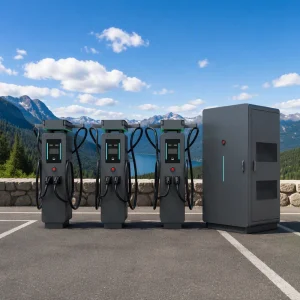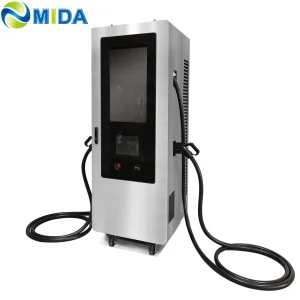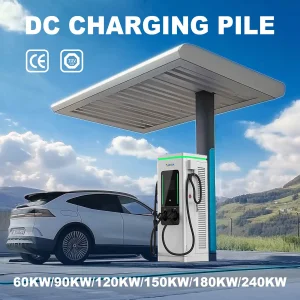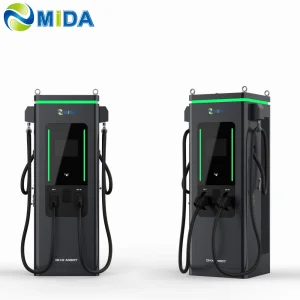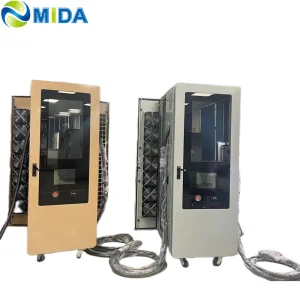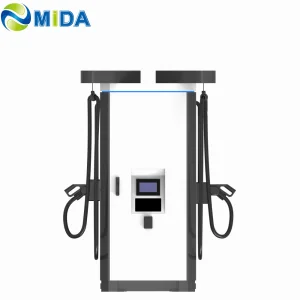
High-voltage, multi-connector charging stations featuring advanced liquid-cooling and dynamic load balancing architectures.
The global transition toward medium and heavy-duty electric vehicle (EV) fleets has triggered an unprecedented surge in the demand for High-Power Charging (HPC) infrastructure. Enterprise buyers—ranging from multi-modal logistics conglomerates and public transit operators to highway service networks—are shifting away from lower-capacity Level 3 stations to standardizing on 360kW DC fast charging systems. A 360kW rating represents a critical tipping point in vehicle turnaround economics, capable of adding up to 300 kilometers of range to commercial vehicles in under 15 minutes.
In the procurement matrix of large enterprises, several key requirements dictate manufacturer selection:
China, as the epicentre of high-power electronics manufacturing, plays an indispensable role in securing the supply chains of global CPOs. By selecting a leading China 360kW DC EV charger manufacturer, international enterprises gain access to advanced hardware topologies, certified components, and cost efficiencies that accelerate return on investment (ROI).
Explore our core charging station technologies designed to serve AC, DC, and grid-buffered charging environments.
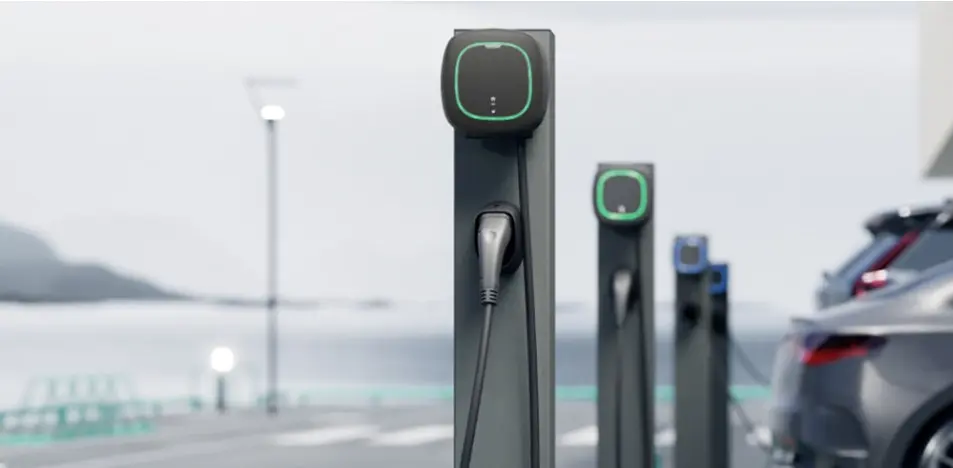
High-reliability AC charging devices ideal for long-stay parking, light commercial depots, and workplace spaces.
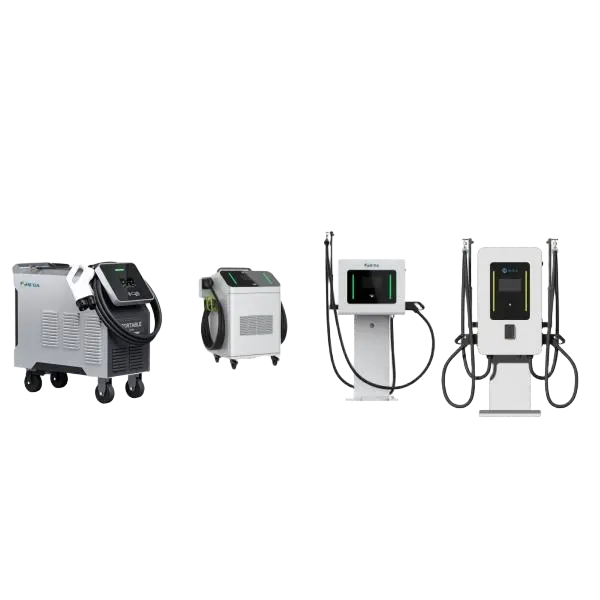
 Compact & On-the-Go
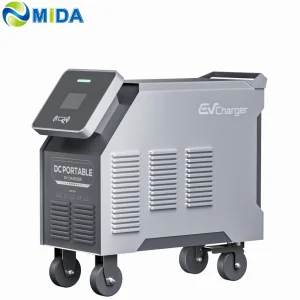
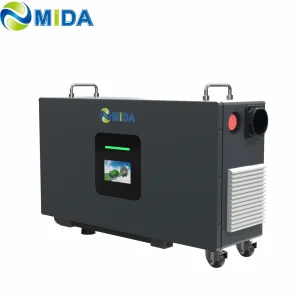
Flexible emergency and mobile-ready charging units designed for workshops and fleet operations.
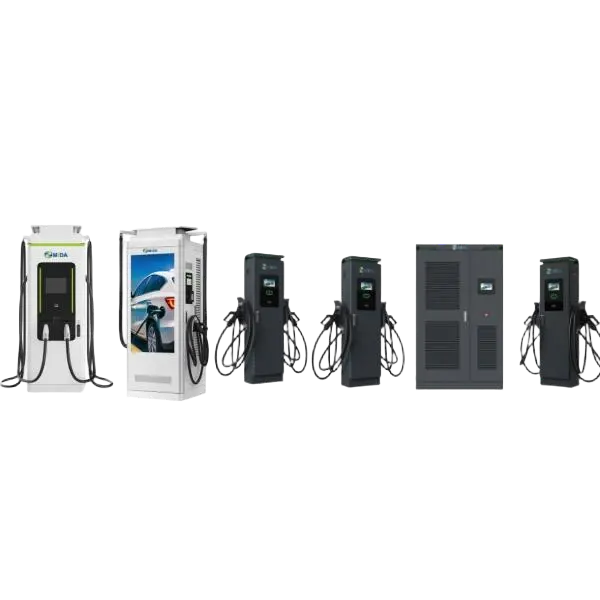
 Ultra Fast Systems
Industrial-grade fast chargers for corridor grids and fast-turnaround depot operations.
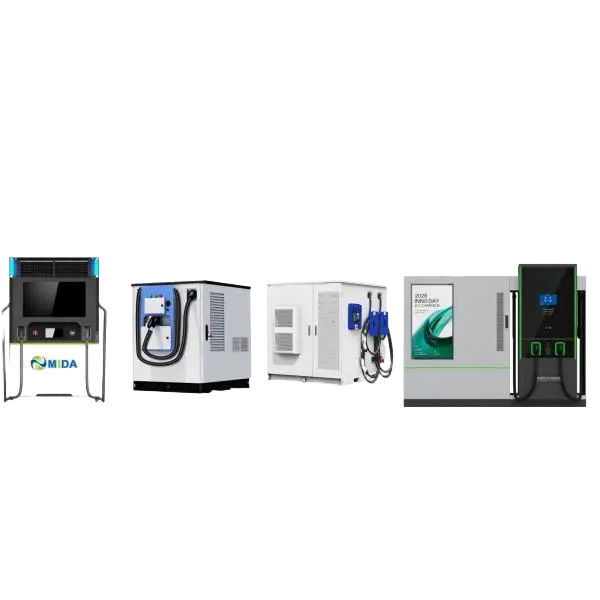
 Grid-Tied Storage
Battery energy storage systems paired with DC charging outputs to reduce peak grid stress.
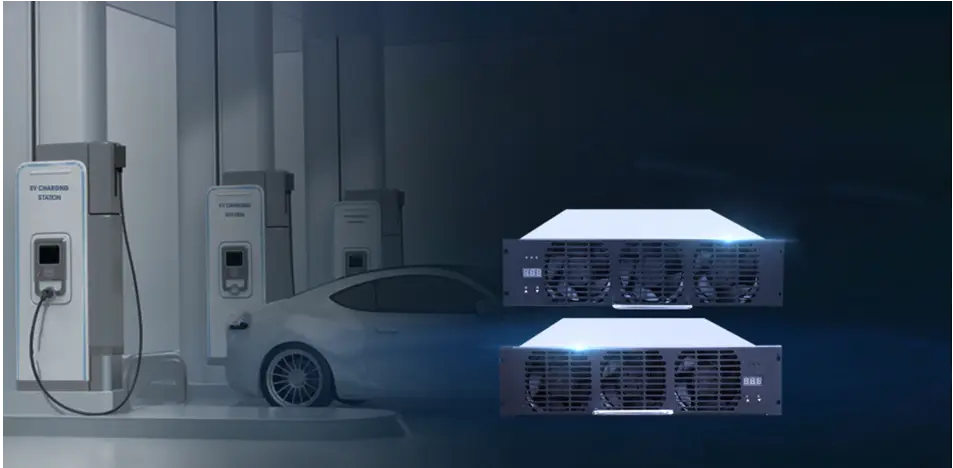
Inside a 360kW DC Fast Charger, the power conversion topology determines system efficiency, heat profile, and long-term durability. Modern high-power configurations have moved away from traditional silicon IGBTs toward Silicon Carbide (SiC) MOSFETs. SiC technology enables significantly higher switching frequencies, reduces switching losses by up to 50%, and operates at higher thermal thresholds. This results in compact power modules (typically 30kW, 40kW, or 60kW modules stacked inside a single cabinet) with overall conversion efficiencies exceeding 96.5%.
"A shift toward liquid-cooled charging loops and connectors is essential as currents cross the 350A threshold. Liquid cooling keeps cable diameters manageable, allowing operators to offer flexible, light cables to end-users without compromising on the 360kW continuous delivery."
Another major architectural choice lies in All-in-One Cabinets versus Split-Type (Dispenser + Power Stack) topologies. While integrated cabinets consolidate the footprint, split-type systems house the power modules and electronics in an insulated utility cabinet up to 100 meters away from the user-facing dispensers. This dynamic grid allocation design minimizes acoustic noise at the charging point, keeps the charger interface simple, and shields the core power hardware from weather and physical damage.
Configured with 30kW, 40kW, or 60kW hot-swappable modules. Should one module fail, the system continues to operate at a slightly reduced power level rather than shutting down completely.
Circulates a cooling medium directly to the connector terminals. Allows continuous delivery of 500A at up to 1000V without thermal degradation or stiff cable handling.
Allocates power in 1kW increments based on the vehicle's battery management system (BMS) curves, allowing multiple connected vehicles to charge simultaneously without grid overload.
A vertically integrated pioneer in electric vehicle charging components and high-power station manufacturing.
Shanghai Mida Cable Group Ltd. operates through its wholly owned subsidiaries: Shanghai Mida EV Power Co., Ltd., Shenzhen Mida EV Power Co., Ltd., and Shanghai Mida New Energy Co., Ltd.
Mida Cable manufactures a comprehensive range of EV charging cables, including 16A–80A J1772 cables, 16A–63A IEC 62196-2 Type 2 cables, and DC fast charging cables: CCS1 (80A–500A), CCS2 (125A–1000A), CHAdeMO (125A–300A), GBT (200A–1000A), and NACS connectors (250A–600A).
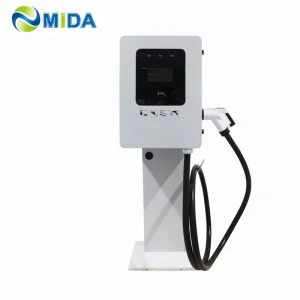
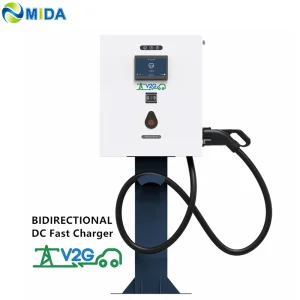
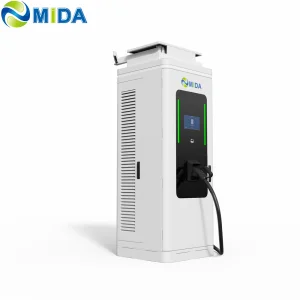
MIDA EV Power produces a full lineup of EV charging stations, such as 7kW–50kW mobile chargers, 3.6kW–7.2kW portable DC chargers, 360kW–1440kW split-type DC fast chargers, 20kW–50kW wall-mounted DC chargers, and 60kW–480kW floor-standing DC fast charging stations.
MIDA New Energy specializes in EV charger power modules, offering 20kW–60kW standard modules, 40kW–125kW liquid-cooled modules, 30kW–62.5kW bidirectional modules, and 20kW–45kW V2G charging modules.

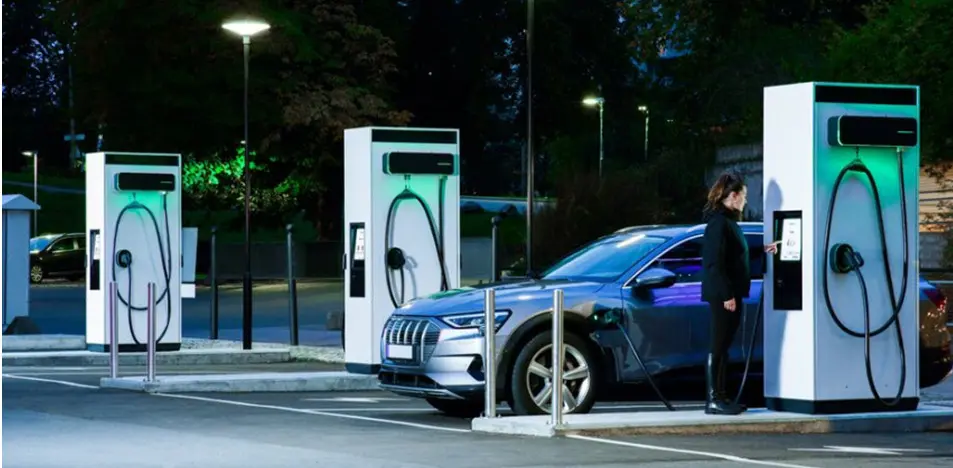
Integrating multiple 360kW DC charging piles at a single location requires a holistic grid management strategy. Deploying a depot with six 360kW stations introduces a peak demand of over 2.1 Megawatts. Without smart integration, this can lead to high demand charges and grid instabilities.
Modern charging hubs address this constraint by combining three core systems:
Furthermore, high-voltage fleet infrastructures demand reliable safety features, including Continuous Insulation Monitoring Devices (IMDs), residual current detectors (RCD Type B), and emergency shutdown circuits designed to isolate the DC high-voltage rail in milliseconds during a ground fault.
An overview of our standard hardware lines, providing complete charging infrastructure solutions from cables to megawatt stacks.
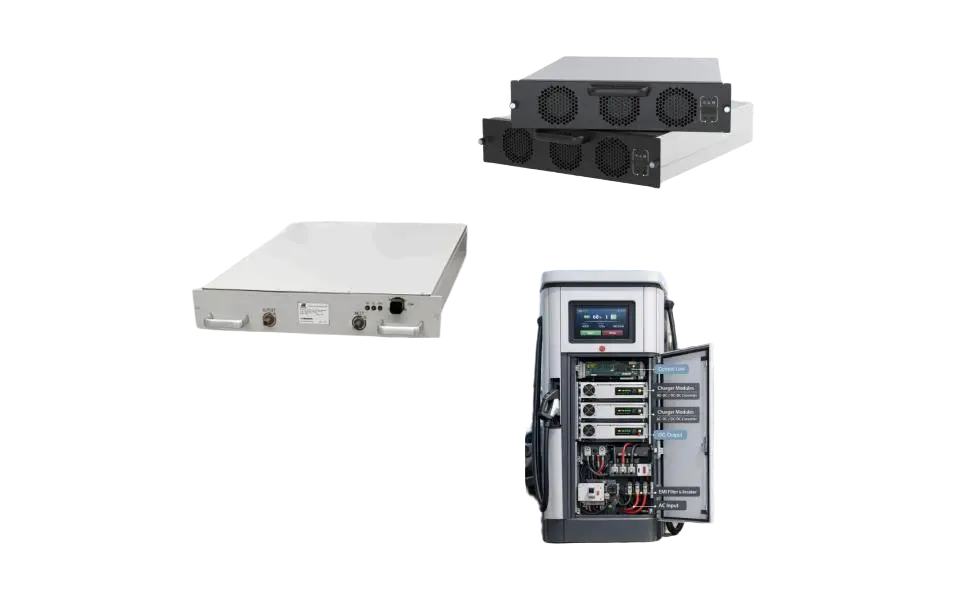
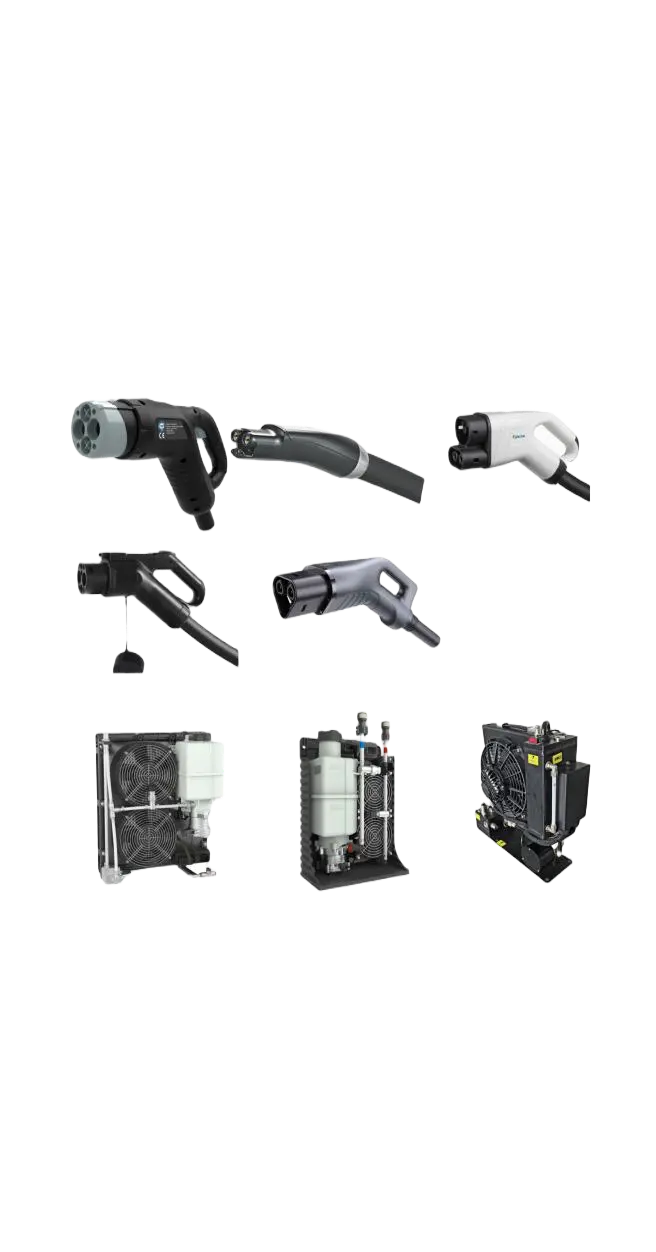
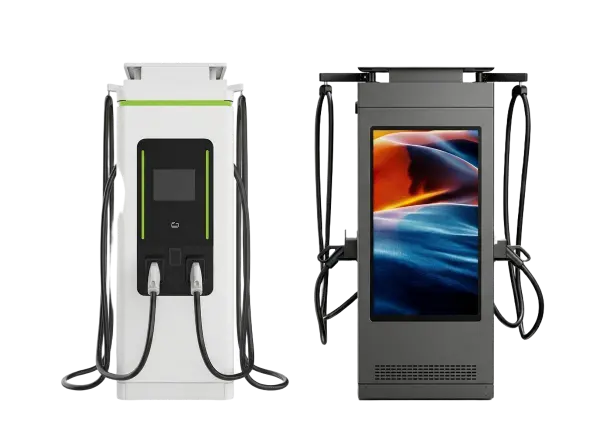
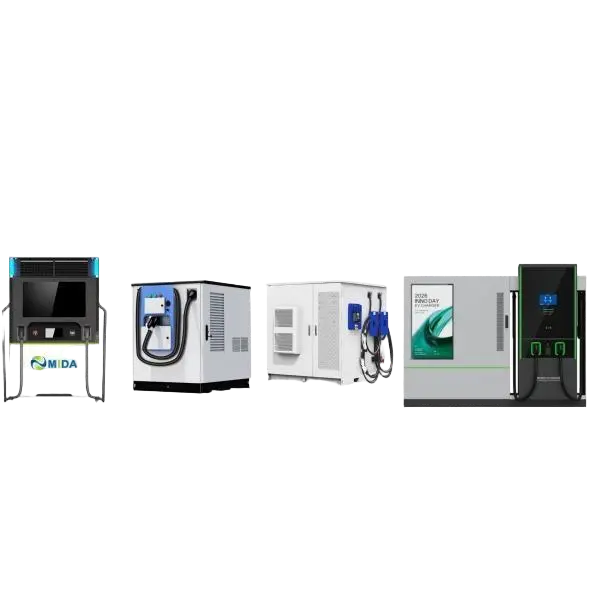
Deploying infrastructure globally requires navigating diverse national regulatory environments. The 360kW DC EV charger is designed for modular compatibility with global grid inputs and vehicle connector interfaces.
Key certification requirements include:
Looking to the future, the EV industry is transitioning from High-Power Charging (HPC) at 360kW toward the Megawatt Charging System (MCS), which reaches up to 1.5MW. This standard is designed to meet the high energy demands of heavy duty vehicles, long-haul commercial trucks, and maritime vessels. The infrastructure deployed today will act as the baseline for these modular, future-proof upgrades.
Insights into heavy vehicle connection systems and automatic overhead charging solutions.
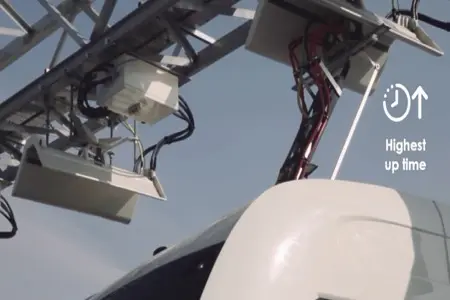
What are the advantages of an e-bus pantograph dome? In contrast to classic plug-in charging systems, e-bus pantograph systems offer automated connection for high-power urban transport...
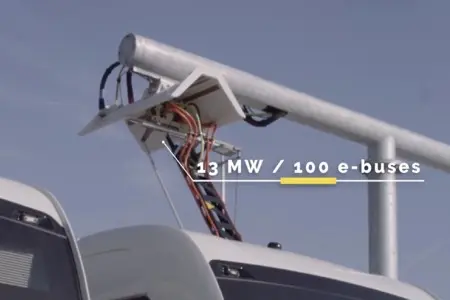
How long does it take to charge with an e-bus pantograph? The charging time depends on the battery capacity and the dynamic output of the power cabinets, often achieving full top-ups in minutes...
How to Install the Pantograph Up Charger System Dome for Electric Bus. Installing a "Pantograph Up" system dome requires specialized structural support and connection points aligned with the vehicle roof rails...
Find answers to key technical, integration, and procurement questions regarding 360kW DC Fast Chargers.
A 360kW charger can be configured in a single-connector format to deliver the full 360kW output to one vehicle, or split into dual or quad outputs. Dual configurations dynamically distribute power—such as 180kW+180kW, 240kW+120kW, or other modular increments—based on real-time vehicle battery demand.
Forced-air cooling is suitable for power outputs below 150kW-200kW, but higher currents require thicker, heavier cables. Liquid cooling uses a specialized coolant line within the cable, allowing the station to deliver continuous currents of 400A-500A. This keeps the cable thin, light, and easy to handle for operators.
Yes, our modern 360kW DC EV charger platforms are fully compliant with ISO 15118, enabling secure encrypted communications, automated billing, and Plug & Charge capabilities. This removes the need for physical RFID cards or manual mobile app authentication.
Integrated cabinets house all power modules and user interfaces in a single unit. Split-type configurations separate the user-facing dispensers from the main power stacks, which can be placed up to 100 meters away. This modular design helps save valuable driveway space and simplifies site layout planning.
From portable workshop units to high-power commercial depots, find the right hardware for your charging needs.