1 / 5

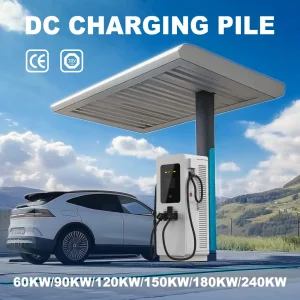
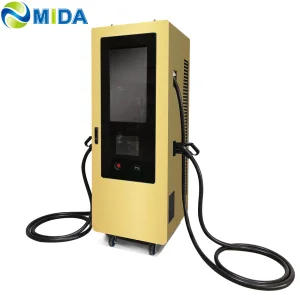
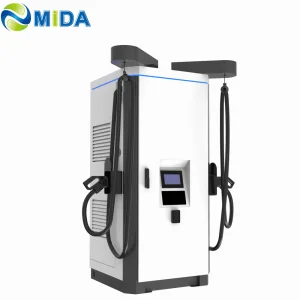
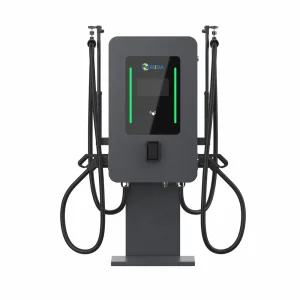
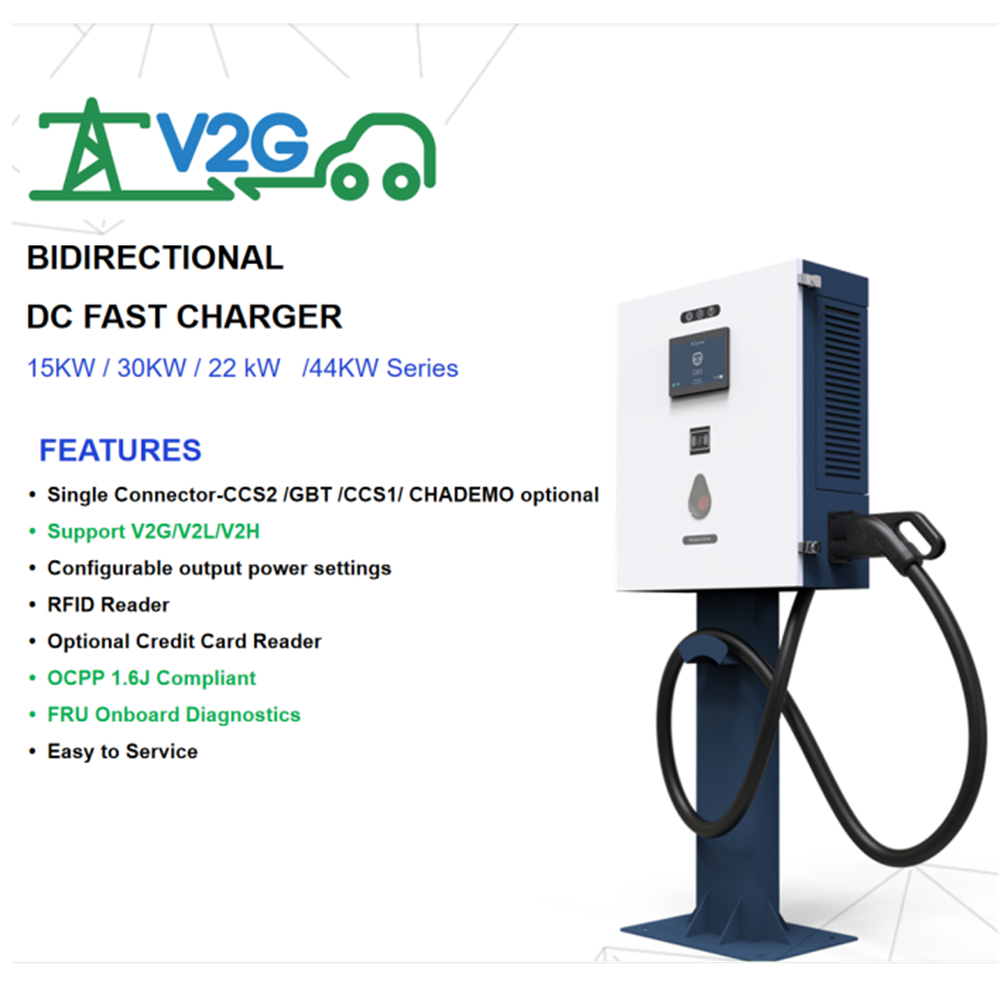
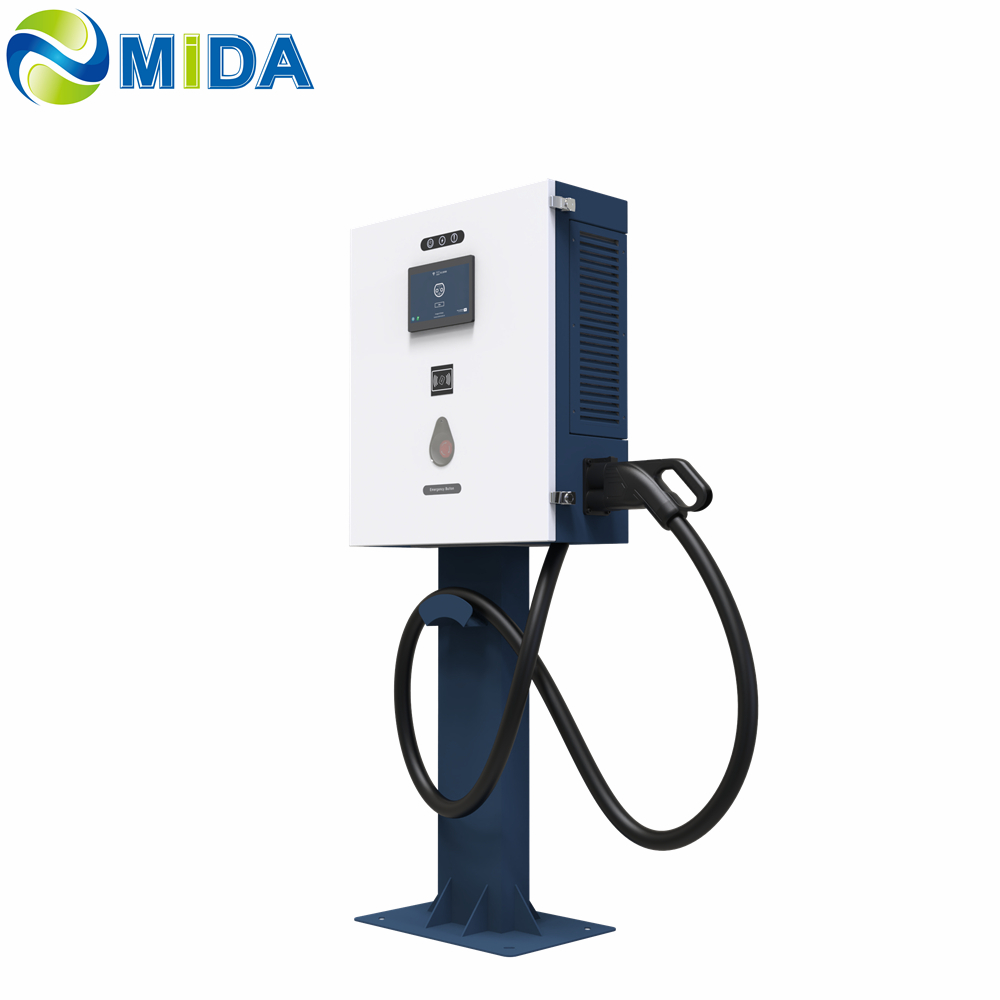
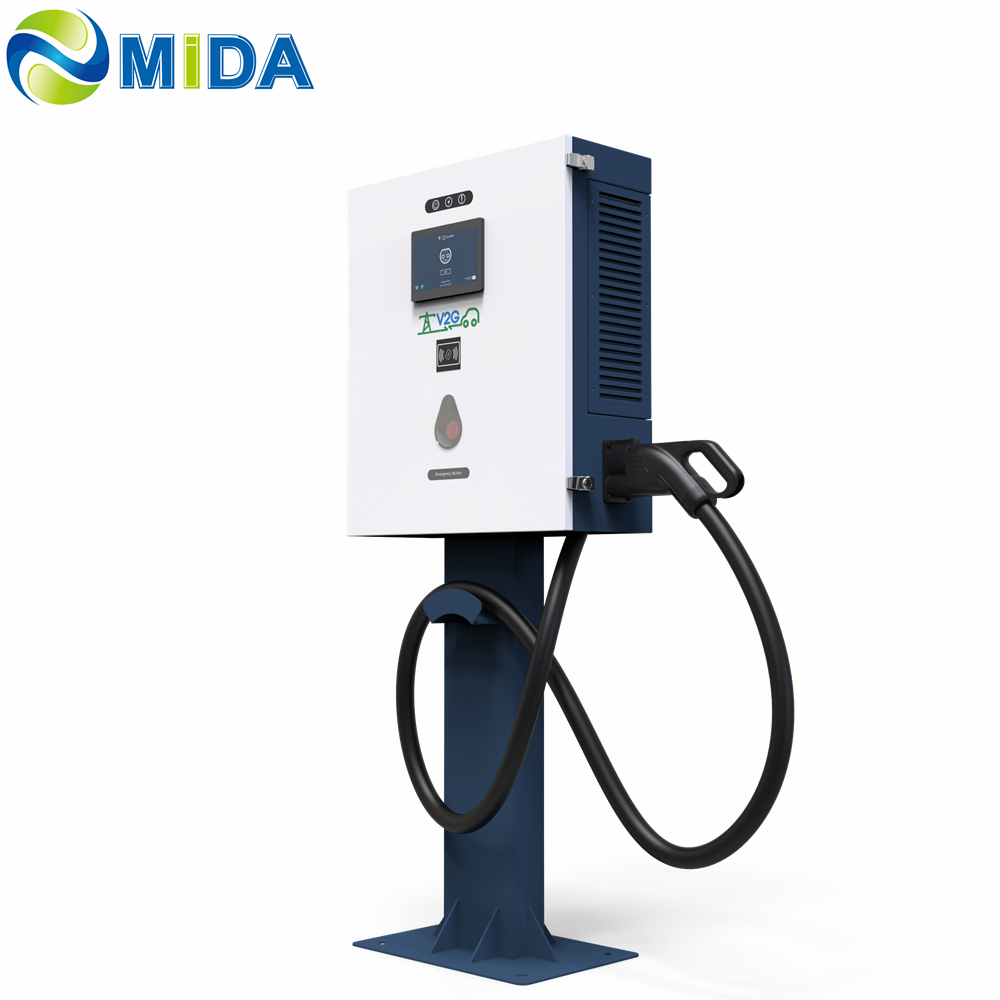
22kW 30kW 44 kW is the perfect EV charging companion, now and in the future.
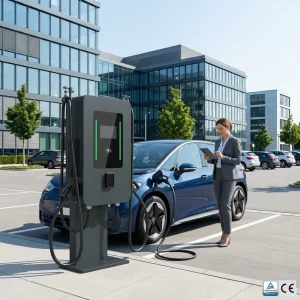
With a NEMA 3R-rated enclosure, the charger can be safely operated indoors and outdoors.
Adjust your charger AC input situations where your power supply may be limited.
Save energy costs by taking advantage of low electricity rates.
Help stabilize the power grid by providing energy peak demand.
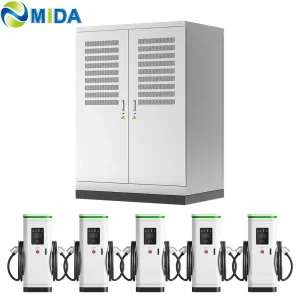
Integrate your charging infrastructure to your existing battery energy storage system.
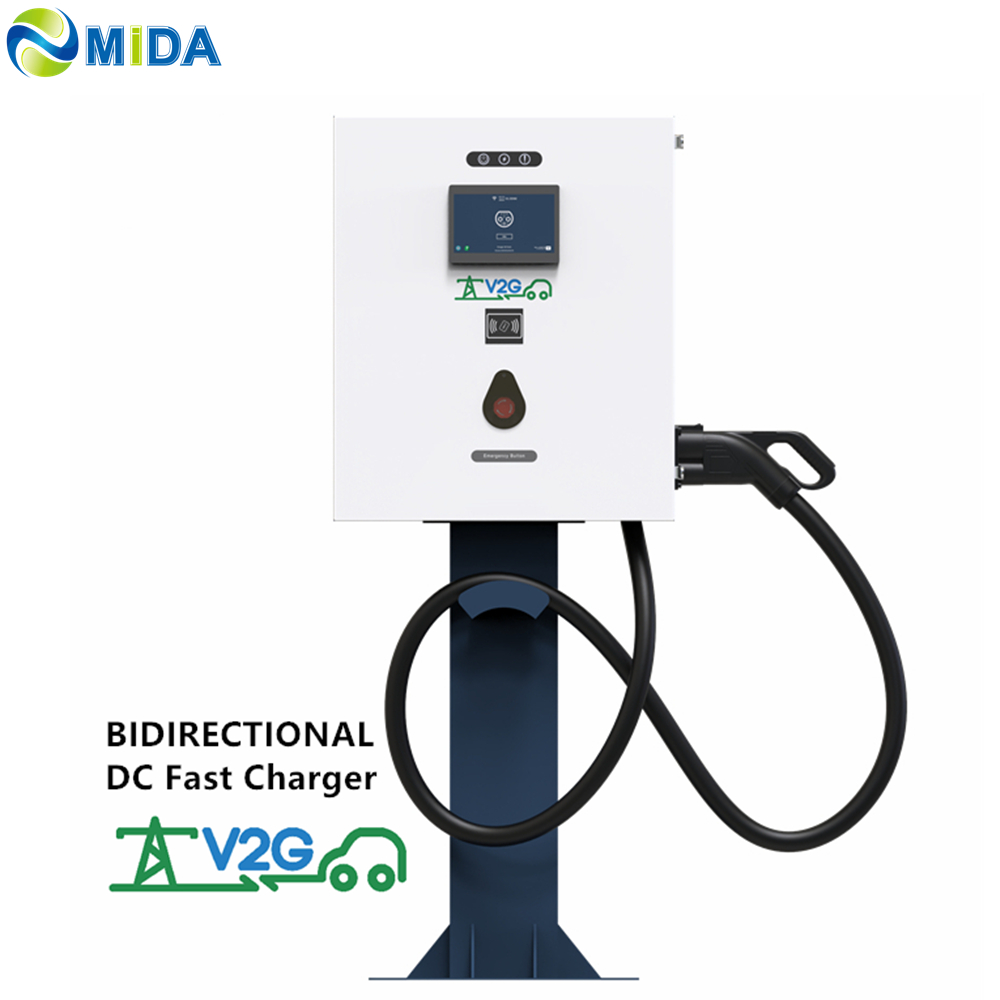
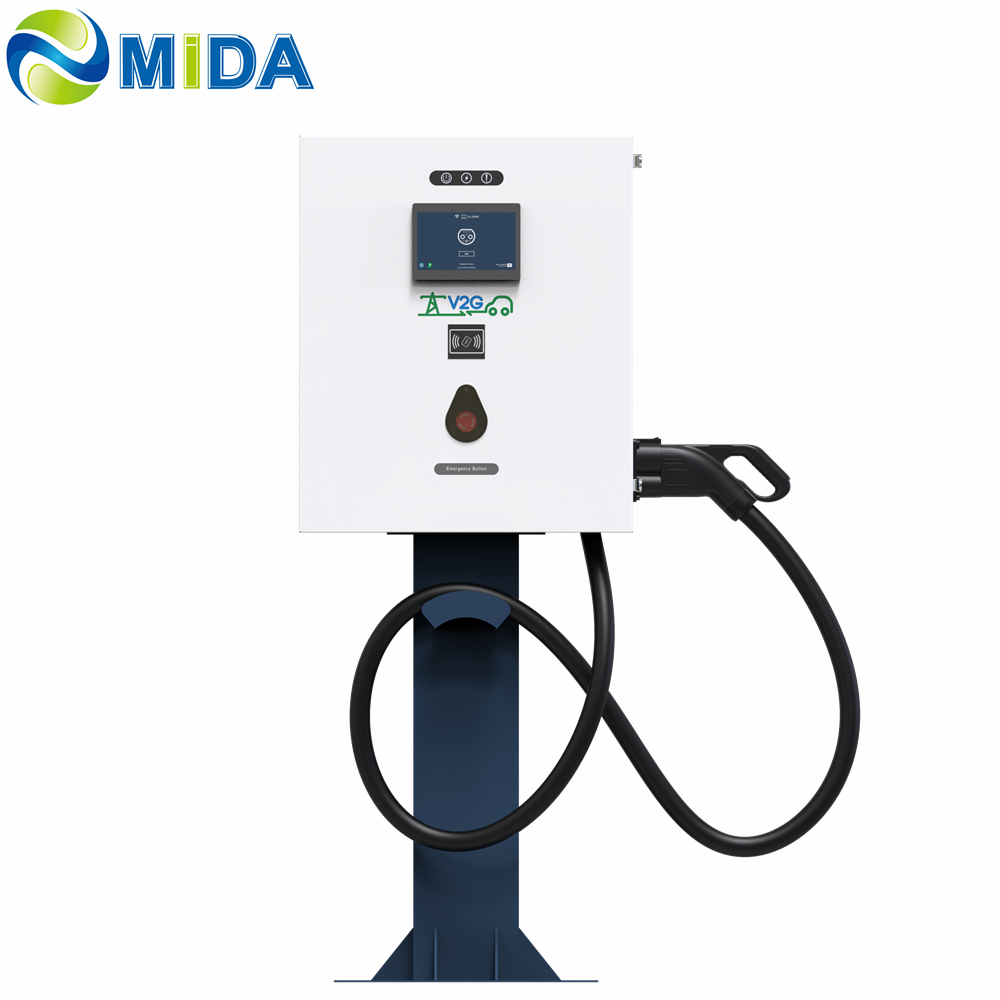
22kW 44kW V2G Chargers Vehicle to Grid Bidirectional EV Charger Station
A V2G (Vehicle-to-Grid) charger station facilitates bidirectional energy flow between electric vehicles (EVs) and the power grid. V2G (Vehicle-to-Grid) charger enables bidirectional power flow between an electric vehicle (EV) and the power grid, allowing EVs to both charge and discharge energy back into the grid. This technology helps balance energy demand and supply, potentially reducing reliance on fossil fuels and offering drivers the opportunity to sell excess energy back to the grid.
Vehicle-to-grid (V2G) is a technology that has the potential to revolutionize the energy system.
Renewable energy plays a vital role in the fight against global warming. However, the volatility of renewable energy can lead to energy system instability, necessitating significant amounts of energy storage capacity. Vehicle-to-grid (V2G) technology can help electric vehicles better manage renewable energy demand and balance the energy system.
Vehicle-to-grid (V2G) is a technology that feeds energy from electric vehicle (EV) batteries back into the power grid. With V2G, EV batteries can be discharged based on various signals, such as nearby energy production or consumption.
V2G technology supports bidirectional charging, making it possible to both charge EV batteries and feed stored energy back into the grid. While bidirectional charging and V2G are often used interchangeably, there are subtle differences between the two.
Bidirectional charging refers to two-way charging (charging and discharging), while V2G technology only allows energy from the vehicle battery to flow back into the grid.
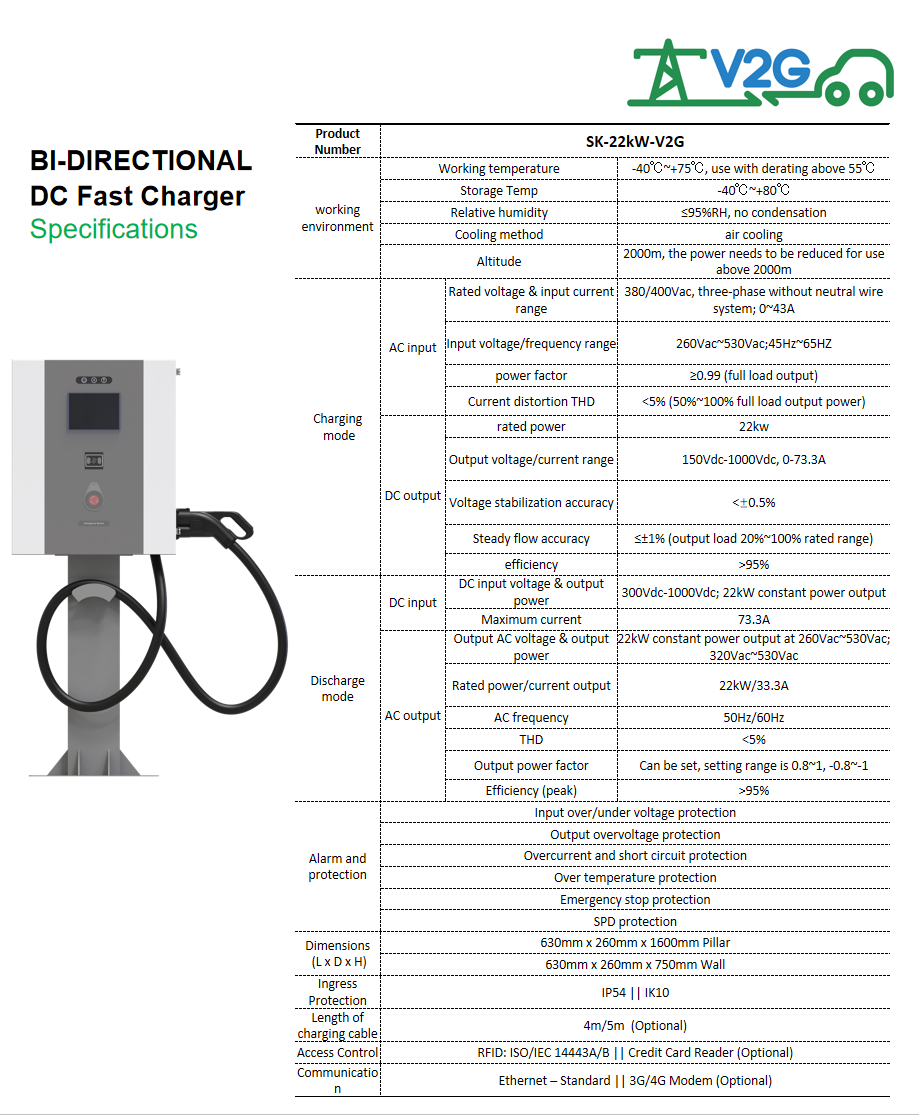
The core of a bidirectional electric vehicle charger is the ability to enable bidirectional energy flow. Unlike traditional electric vehicle chargers, which can only transfer power from the grid or solar system to the vehicle, bidirectional chargers can also transfer energy from the electric vehicle back to the home (vehicle-to-home, or V2H) or the grid (vehicle-to-grid, or V2G). This technology is an evolution of vehicle-to-load (V2L) technology, already used in many electric vehicles in Australia, and can be used to power external devices and appliances.
V2H allows your electric vehicle to function like a home battery, storing excess solar energy during the day and delivering it to your home at night. This reduces reliance on grid power and helps lower household energy costs.
V2G enables electric vehicle owners to feed stored energy back into the grid, stabilizing power supply during peak demand periods. Some energy companies offer rewards or points for participating in V2G programs, making it a potential source of passive income.
V2L is a more basic version of bidirectional charging, allowing EV owners to power external devices such as camping gear, tools, or emergency equipment. This feature is ideal for off-grid adventures or power outages.
Bidirectional charging refers to two-way energy flow (both charging and discharging the battery). V2G (Vehicle-to-Grid) specifically describes the process of feeding that stored energy from the vehicle back into the public power grid.
Yes, this charger is designed with a NEMA 3R-rated enclosure, ensuring safe operation for both indoor and outdoor environments.
V2H allows your EV to function as a home battery storage system. You can charge the vehicle during the day using cheap solar power or low-rate grid power, and then power your home from the EV battery during expensive peak rate hours.
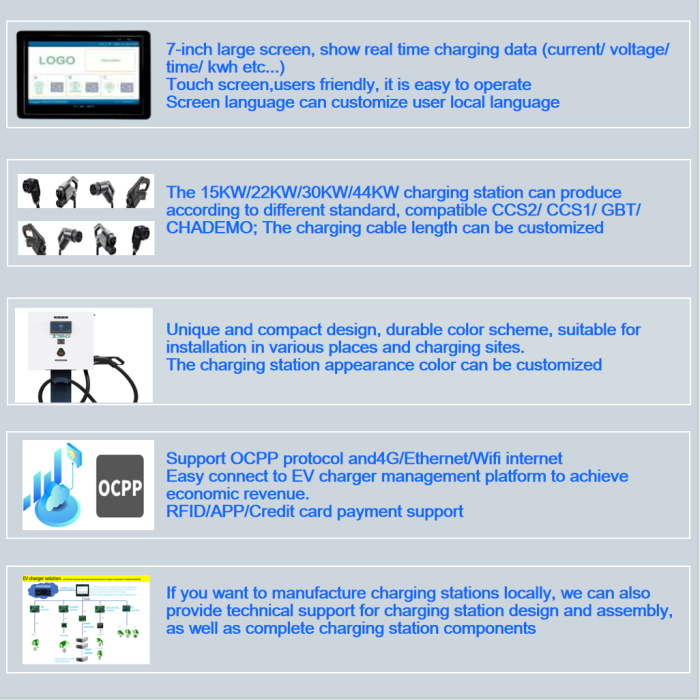
The charger stations are available in 22kW, 30kW, and 44kW configurations, supporting flexible installation options based on power supply requirements.
The station is compatible with major international standards including CCS1, CCS2, CHAdeMO, and GB/T connectors, making it widely applicable for various electric vehicles.