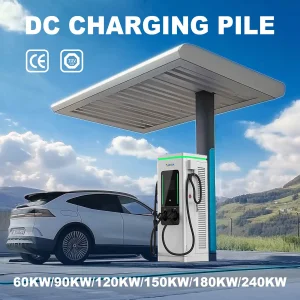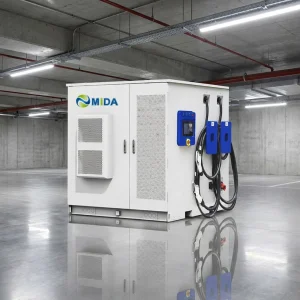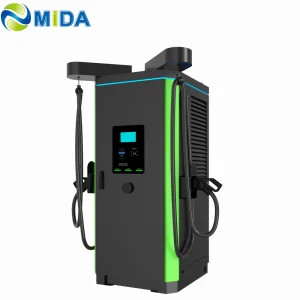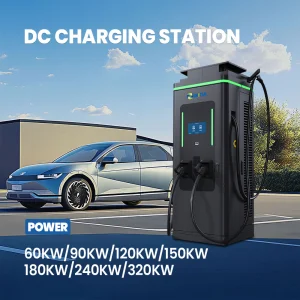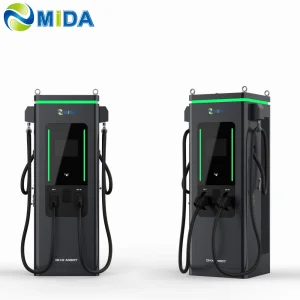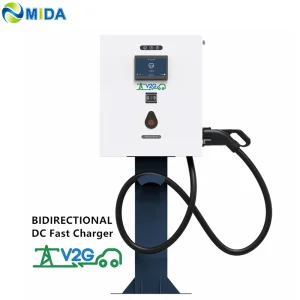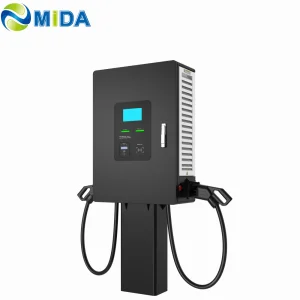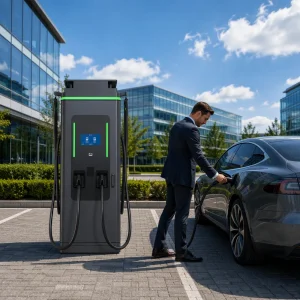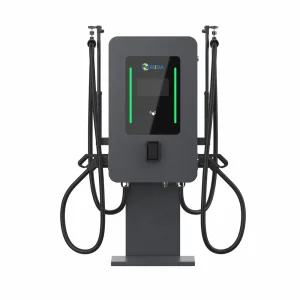
Engineered for high power density, scalability, and unmatched uptime. Explore our flagship models configured for regional grid compliances.
As EV battery architecture transitions to 800V-1000V platforms, Wallbox and centralized DC chargers are undergoing a significant paradigm shift.
Moving from traditional IGBT modules to SiC technology reduces switching losses by up to 70%. It enables smaller footprint layouts, increases power density in compact wallboxes (up to 40kW in single wall cabinets), and maintains module conversion efficiency above 96.5% under varying load conditions.
High-Power Charging (HPC) above 300kW generates intense heat. By routing integrated liquid-cooling loops through the power modules and dynamic charging cables, we prevent thermal throttling, sustain maximum power curves, and significantly extend the lifecycle of internal components.
Bi-directional power modules (e.g., our 20kW-45kW V2G modules) convert clean vehicles into mobile distributed energy storage systems (BESS). This facilitates peak-shaving, load flattening, and grid-revenue models for modern smart energy infrastructure.
| Technology Vector | Legacy EV Charging (Air-Cooled IGBT) | Next-Gen Wallbox / Split DC System (SiC / Liquid Cooled) | System Uptime & Efficiency Gain |
|---|---|---|---|
| Power Conversion Efficiency | 92% - 94% | 96.5% - 97.8% | Reduces thermal dissipation loss by 50% |
| Max Safe Voltage Rating | 500V DC | 1000V - 1500V DC (HPC Compliant) | Allows rapid charge rates on 800V EV architectures |
| Dynamic Cable Capability | Max 200A (Passive cooling) | 500A - 1000A (Active liquid cooling) | Reduces typical charging time to under 15 minutes |
| Communication Protocols | OCPP 1.6J Basic | OCPP 2.0.1 & ISO 15118 (Plug & Charge ready) | Hardened PKI cybersecurity, automated billing |
Commercial and industrial fleet deployment requires holistic planning that stretches beyond stand-alone hardware. Our DC fast charging systems interface directly with Building Management Systems (BMS) and dynamic grid configurations.
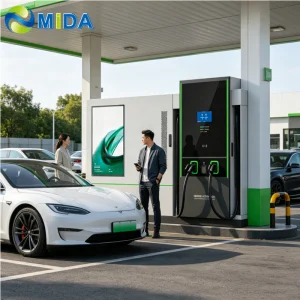
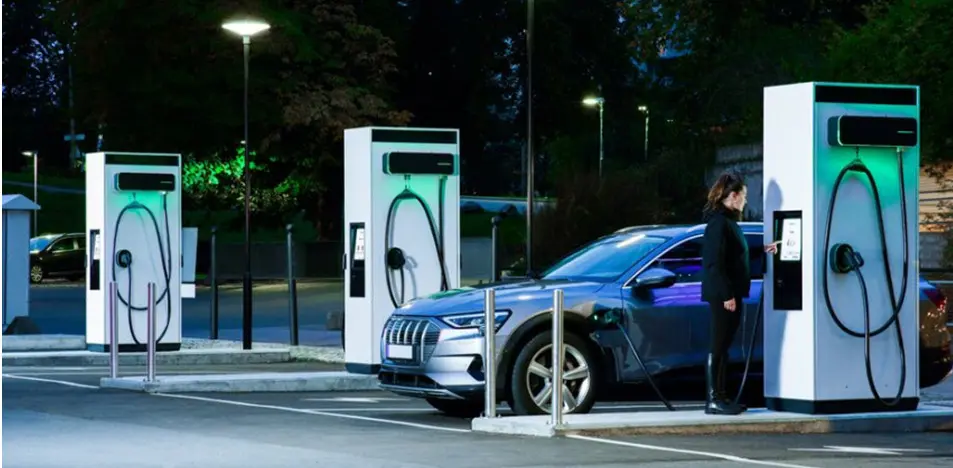
Configured with high-power HPC dispensers capable of delivering split 300kW/400kW outputs. This ensures heavy electric trucks return to route schedules with minimal dwell time.
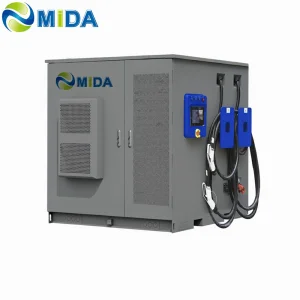
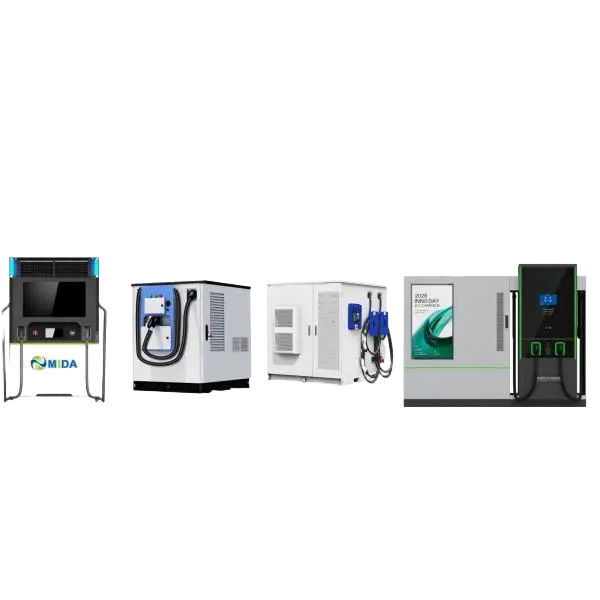
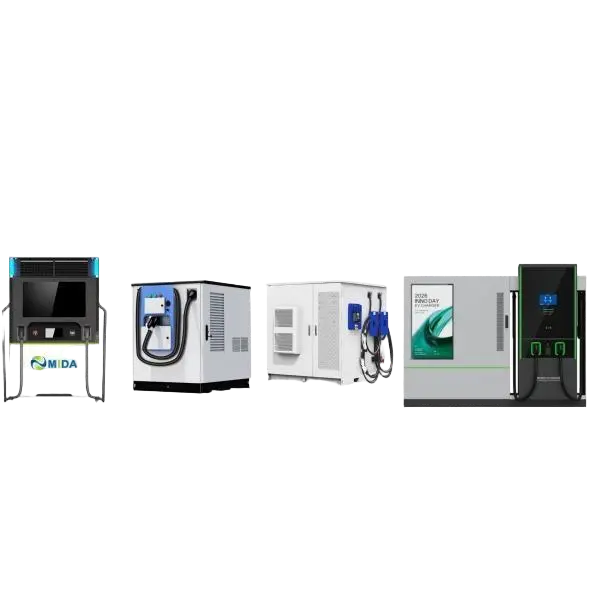
For zones with local grid capacity restrictions, our integrated BESS charging stations (ranging up to 2MWh capacities) serve as energy reservoirs, buffering high peaks to prevent costly grid-demand penalties.
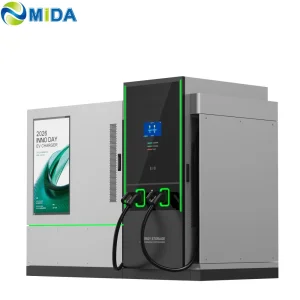
Integrating dynamic load balancing (DLB) software alongside high-visibility interactive advertising modules (43" and 55" display screens) for high-traffic environments.
Our algorithms monitor grid capacity and vehicle battery SOC (State of Charge) in real-time. When multiple vehicles plug in, the system dynamically reroutes modular power blocks in 20kW increments to where they are needed most, ensuring no single vehicle is starved for juice while maintaining grid safety boundaries.
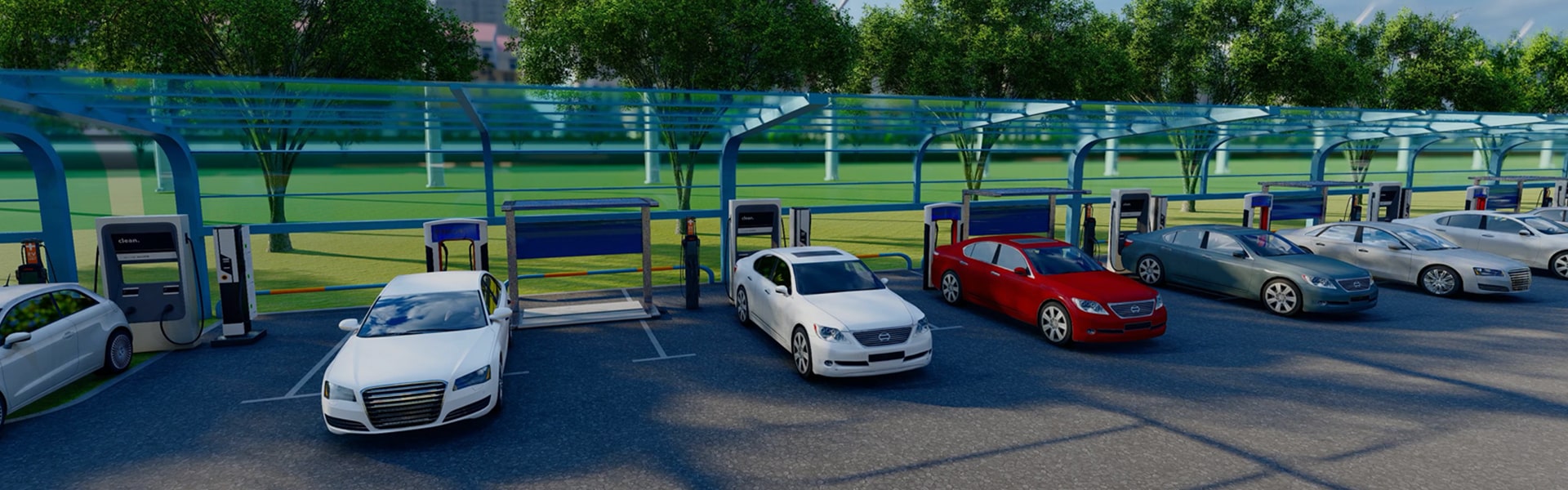
Shanghai Mida Cable Group Ltd. operates through its wholly owned subsidiaries: Shanghai Mida EV Power Co., Ltd., Shenzhen Mida EV Power Co., Ltd., and Shanghai Mida New Energy Co., Ltd.
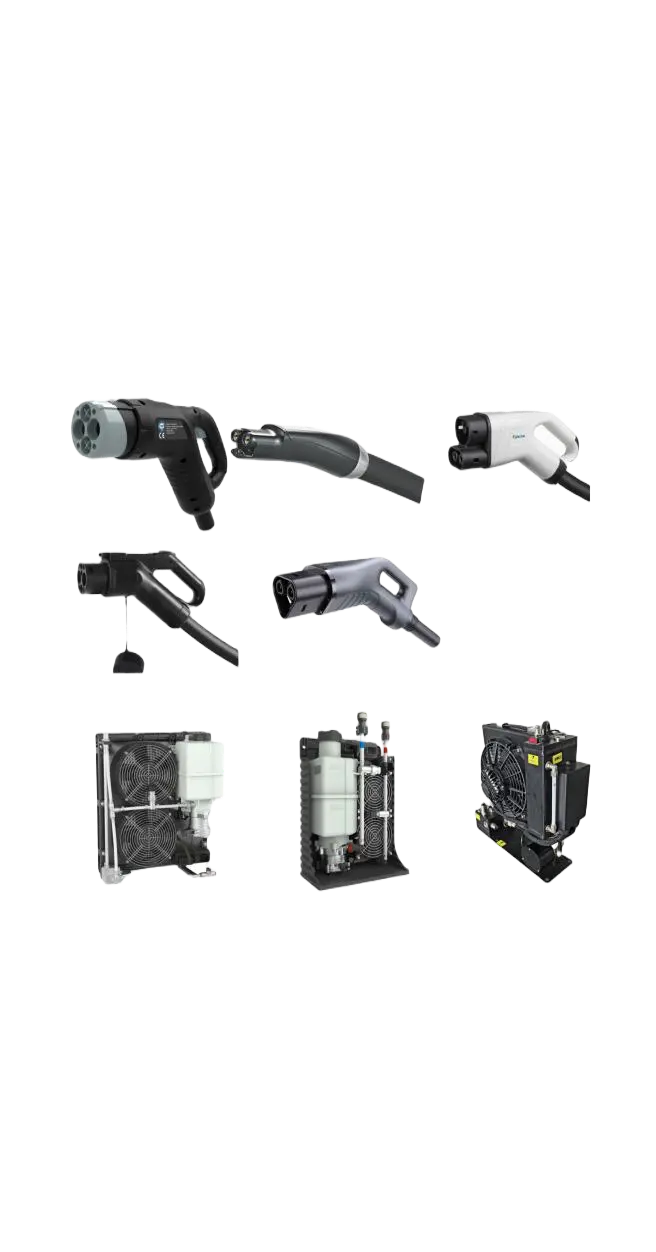
Mida Cable manufactures a comprehensive range of EV charging cables, including 16A–80A J1772 cables, 16A–63A IEC 62196-2 Type 2 cables, and DC fast charging cables: CCS1 (80A–500A), CCS2 (125A–1000A), CHAdeMO (125A–300A), GBT (200A–1000A), and NACS connectors (250A–600A).
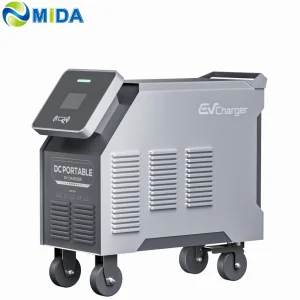
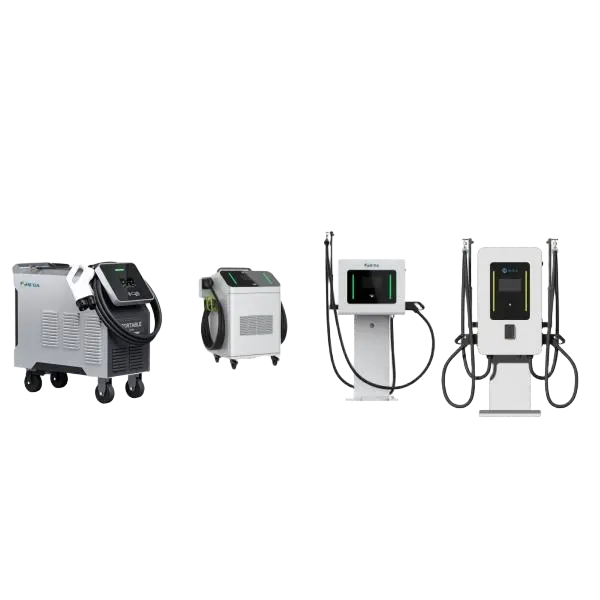
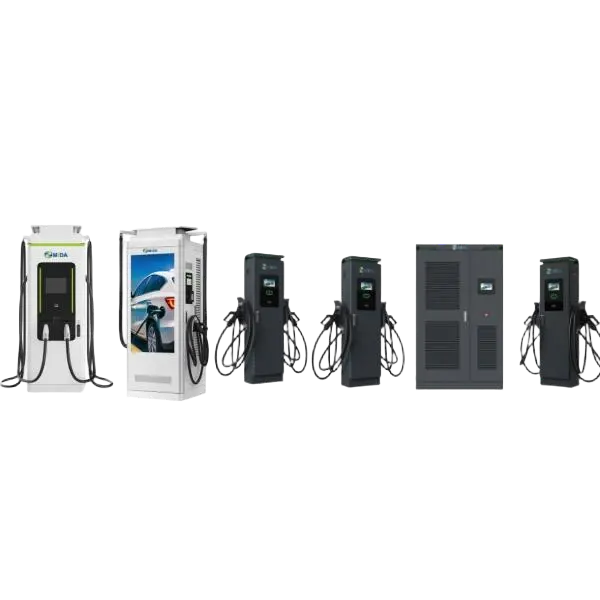
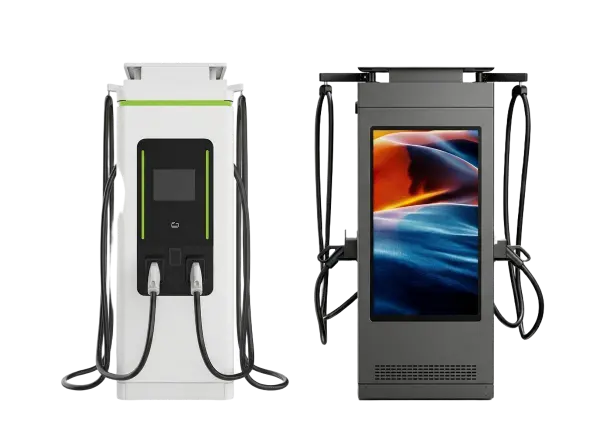
MIDA EV Power produces a full lineup of EV charging stations, such as 7kW–50kW mobile chargers, 3.6kW–7.2kW portable DC chargers, 360kW–1440kW split-type DC fast chargers, 20kW–50kW wall-mounted DC chargers, and 60kW–480kW floor-standing DC fast charging stations.
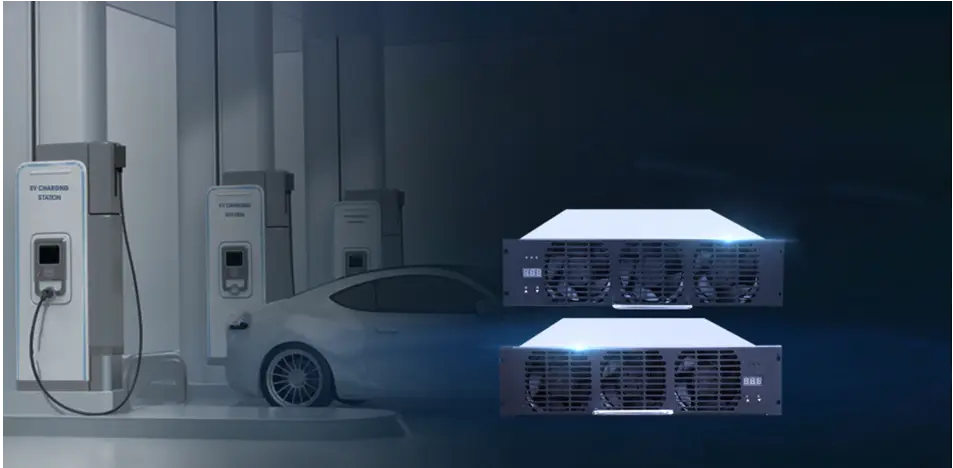
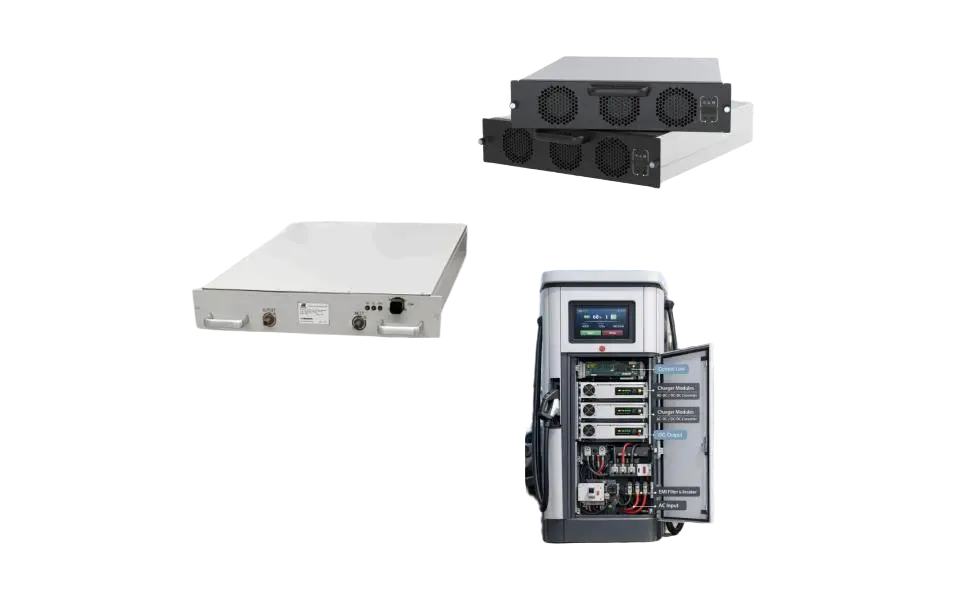
MIDA New Energy specializes in EV charger power modules, offering 20kW–60kW standard modules, 40kW–125kW liquid-cooled modules, 30kW–62.5kW bidirectional modules, and 20kW–45kW V2G charging modules.

Providing high-efficiency energy distribution systems across three key charging categories.
Power output ranges: 7kW | 20kW | 30kW | 40kW | 60kW | 80kW
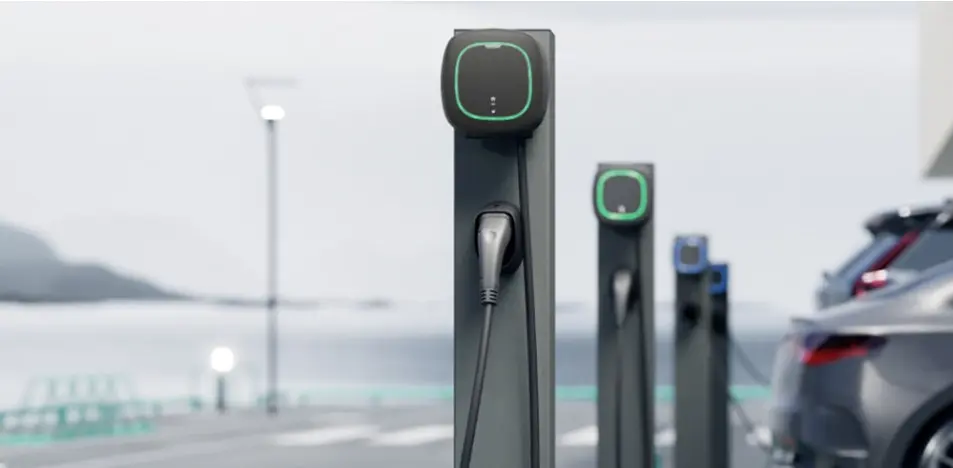
Range capabilities: 60kW-480kW | 360kW-1440kW
Storage configurations: 60kWh | 261kWh | 418kWh | 625kWh | 2MWh
Combining raw manufacturing capacity with precise automated testing parameters to guarantee consistent quality output.
Our ISO 9001, ISO 14001, and IATF 16949 certified manufacturing plants in Shanghai and Shenzhen utilize high-speed robotic SMT lines for module assembly. By minimizing human intervention during delicate component positioning, we maintain a module failure rate (DPMO) of below 100 PPM.
Every single power module and completed cabinet undergoes a mandatory full-load burn-in program inside temperature-controlled testing chambers for a minimum of 24 consecutive hours. Over 30 check-points including dynamic voltage insulation resistance, protective grounding continuity, and harmonic distortion rates are electronically logged.
Engineered to deliver high uptime and seamless compatibility with all modern automotive charging protocols.
The foundational energy core of high-performance chargers.
Heavy-duty connectors and localized thermal management systems.
Turnkey hardware platforms configured for rapid public or fleet deployment.
Smart, storage-backed charging hardware for off-grid operations.
Ensuring compliance with local grid codes, environmental demands, and safety certifications across major markets.
Our complete range of CCS2 DC Wallboxes and chargers carry full CE, TUV, and UKCA certification. They comply with IEC 61851-1, IEC 61851-23, and IEC 61851-24 specifications, including mandatory built-in 6mA DC residual current protection (RCD) to guarantee safe domestic and industrial operation.
To support the rapidly expanding EV market in the USA and Canada, our units are engineered to meet UL 2202 and UL 2231 standards. We offer custom manufacturing with native NACS (Tesla standard) connectors, as well as CCS1 variants featuring energy billing certification (CTEP / NTEP).
Our enclosures feature IK10 mechanical impact resistance and ratings up to IP55 / IP65 for dust and moisture protection. They are designed to operate continuously in extreme environments, from -30°C arctic conditions to +50°C desert heat with minimal derating.
Stay informed with our latest technological developments and implementations in heavy-duty transit infrastructure.

In contrast to classic plug-in charging systems, e-bus pantograph dome connections automate energy transfer, enabling high-voltage, high-current charging without manual intervention or cable wear.
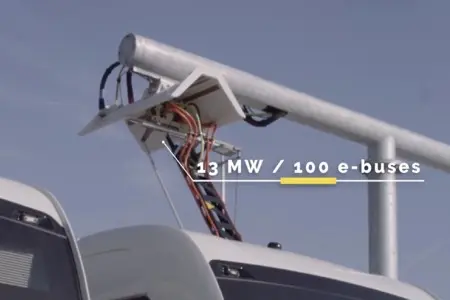
The charging time depends on the battery capacity and the maximum capacity of the station. Dynamic high-output connections can recharge large transit bus batteries in 10-15 minute intervals.
Installing a "Pantograph Up" dome system requires precise alignment, electrical grid coordination, structural support, and integration with local telematics networks.
Addressing the key technical, regulatory, and supply chain queries of our enterprise buyers.
Explore our diverse range of portable, wall-mounted, and vehicle-to-grid systems.