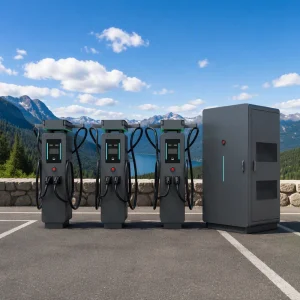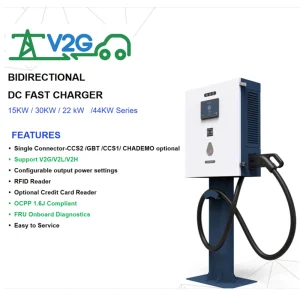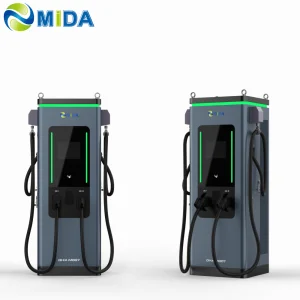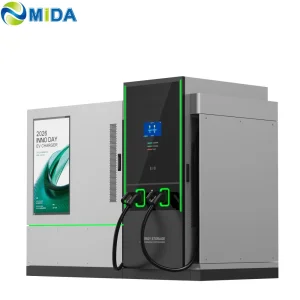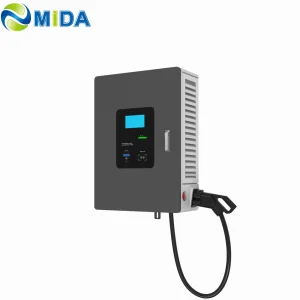
Explore our premier line of High-Power Charging (HPC) stacks, wall-mounted stations, and integrated Battery Energy Storage Systems (BESS).
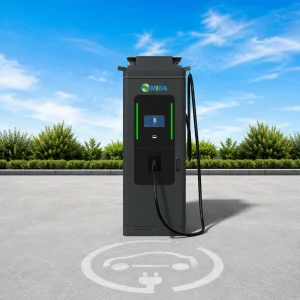
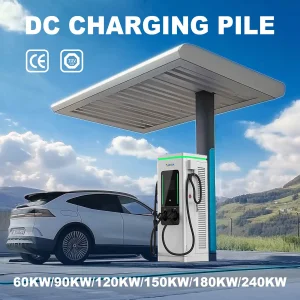
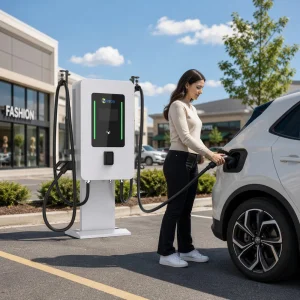
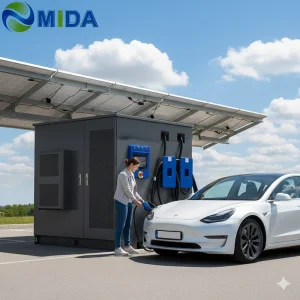
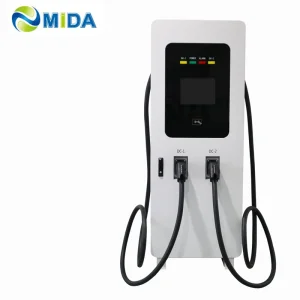
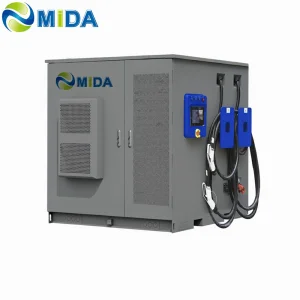
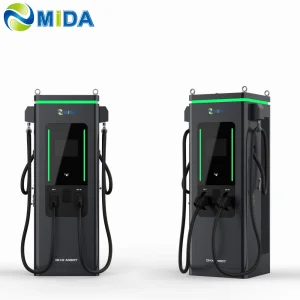
The global electric vehicle (EV) infrastructure is shifting from localized low-power units to centralized high-power architectures. High-Power Charging (HPC) networks demand high efficiency, rapid turnaround times, and optimal grid compatibility. Traditional integrated DC chargers—housing both the power transformation module and the user interface inside a single chassis—face space, maintenance, and thermal management constraints in high-demand environments. This bottleneck has catalyzed the adoption of the Split DC Charging System architecture.
Max Split Matrix Output
Liquid-Cooled Connector Capacity
Protocol Compliance
Plug & Charge Integrated
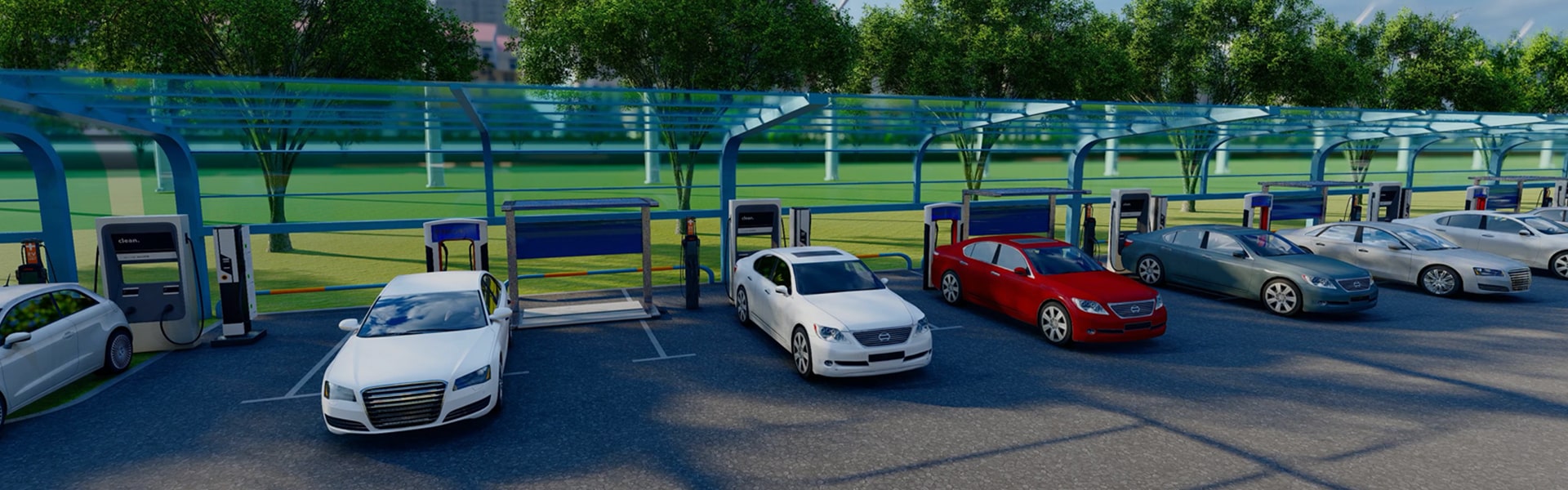
In logistics hubs, bus depots, and highway service stations, space at the parking bay is limited. Split charging separates the bulky AC-DC power conversion stack (installed remotely in a utility area) from the user-facing charging dispenser (satellites). This structural separation optimizes land usage, lowers installation costs, reduces audible noise at the charging point, and enables dynamic power allocation across multiple dispensers.
Regulatory frameworks such as the European Alternative Fuels Infrastructure Regulation (AFIR) and the National Electric Vehicle Infrastructure (NEVI) formula program in the United States mandate reliable, scalable, and high-power accessibility. Consequently, operators are choosing split charging topologies to future-proof their installations and reduce Total Cost of Ownership (TCO).
The core innovation of the Split DC Charging Stack lies in its modular power cabinet and dynamic matrix distribution. Instead of binding dedicated power modules to a specific charging cord, the system aggregates multiple high-frequency switching power modules into a centralized pool. A proprietary controller routes power dynamically based on the state of charge (SoC), battery temperature, and maximum power capability of each connected vehicle.
Consolidating rectification stages reduces footprint at the point of charge and simplifies preventative maintenance. Systems scale up to 1440kW to meet heavy-duty transport demands.
High-current demands generate substantial heat. Active liquid cooling in modules (40kW to 125kW) and charging cables ensures safe, continuous output up to 1000A without thermal degradation.
For instance, when a heavy truck requiring 400kW and a light commercial vehicle needing 80kW connect to the same split system, the central stack allocates the exact number of power modules needed to satisfy both vehicles. This dynamic sharing maximizes utility rates, eliminates energy waste, and reduces grid demand spikes.
A vertically integrated global pioneer in electric vehicle charging components and high-power infrastructure.
Shanghai Mida Cable Group Ltd. operates through its wholly owned subsidiaries: Shanghai Mida EV Power Co., Ltd., Shenzhen Mida EV Power Co., Ltd., and Shanghai Mida New Energy Co., Ltd. This corporate structure integrates cable engineering, power electronics research, and station manufacturing under one unified entity, ensuring consistent product quality, strict standards compliance, and supply chain control.
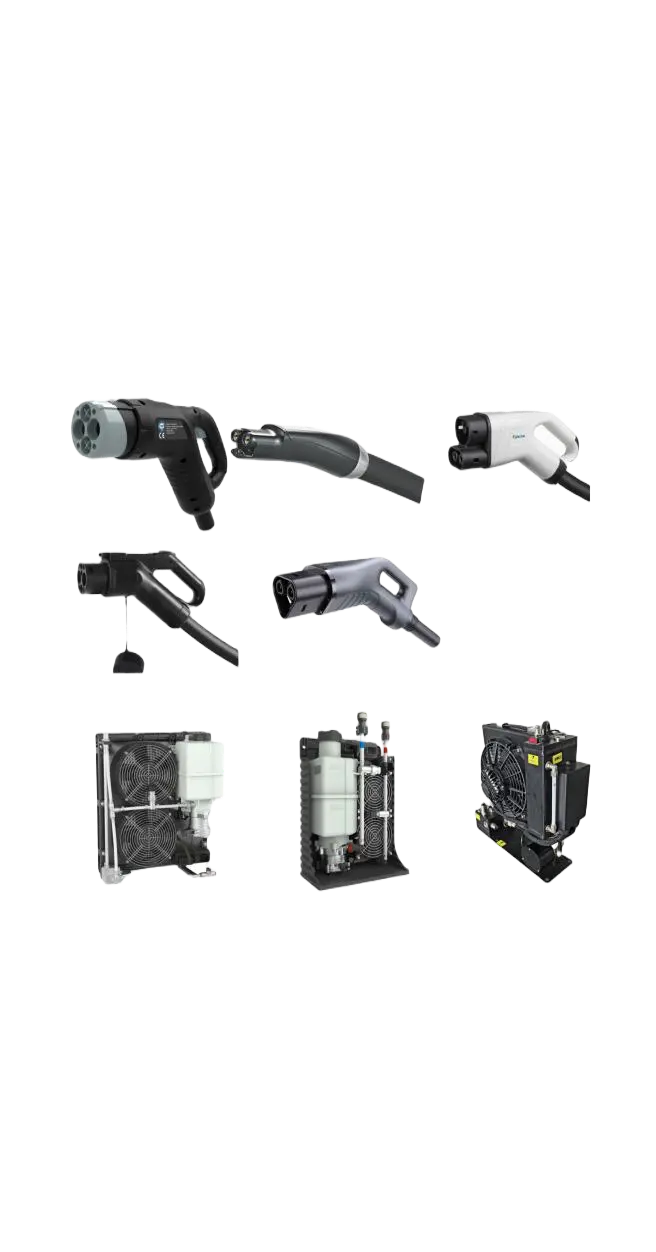
Mida Cable manufactures a comprehensive range of EV charging cables, including 16A–80A J1772 cables, 16A–63A IEC 62196-2 Type 2 cables, and heavy-duty DC fast charging cables: CCS1 (80A–500A), CCS2 (125A–1000A), CHAdeMO (125A–300A), GBT (200A–1000A), and NACS connectors (250A–600A).
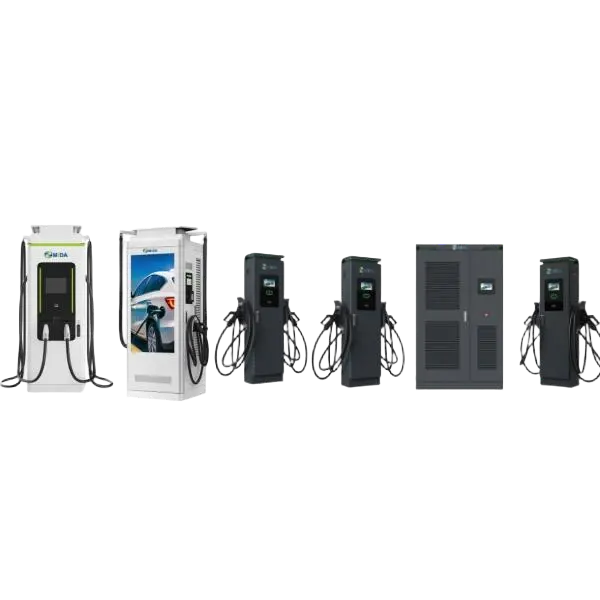
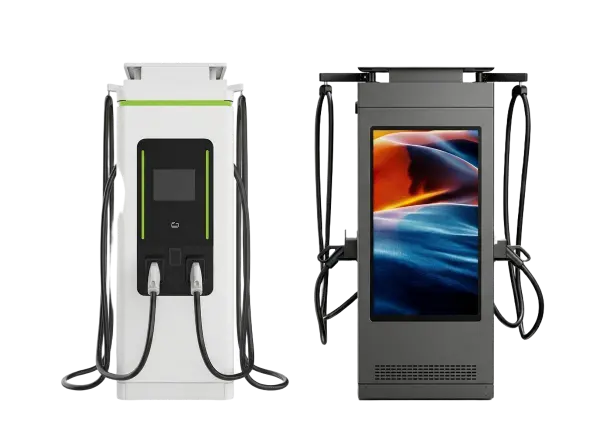
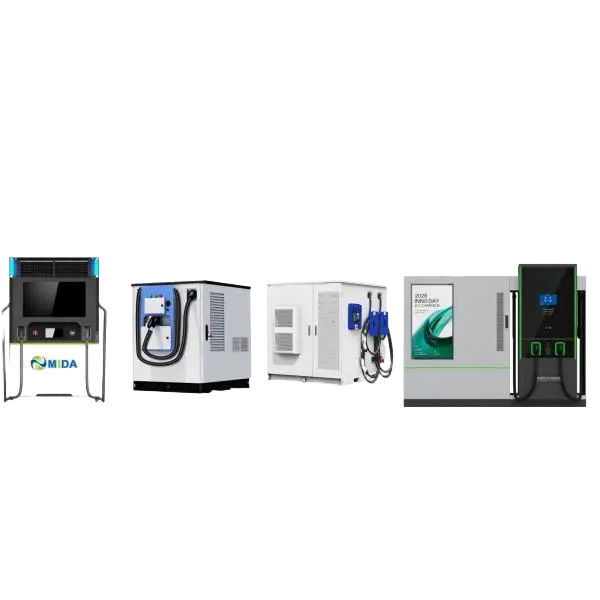
MIDA EV Power produces a full lineup of EV charging stations, such as 7kW–50kW mobile chargers, 3.6kW–7.2kW portable DC chargers, 360kW–1440kW split-type DC fast chargers, 20kW–50kW wall-mounted DC chargers, and 60kW–480kW floor-standing DC fast charging stations.
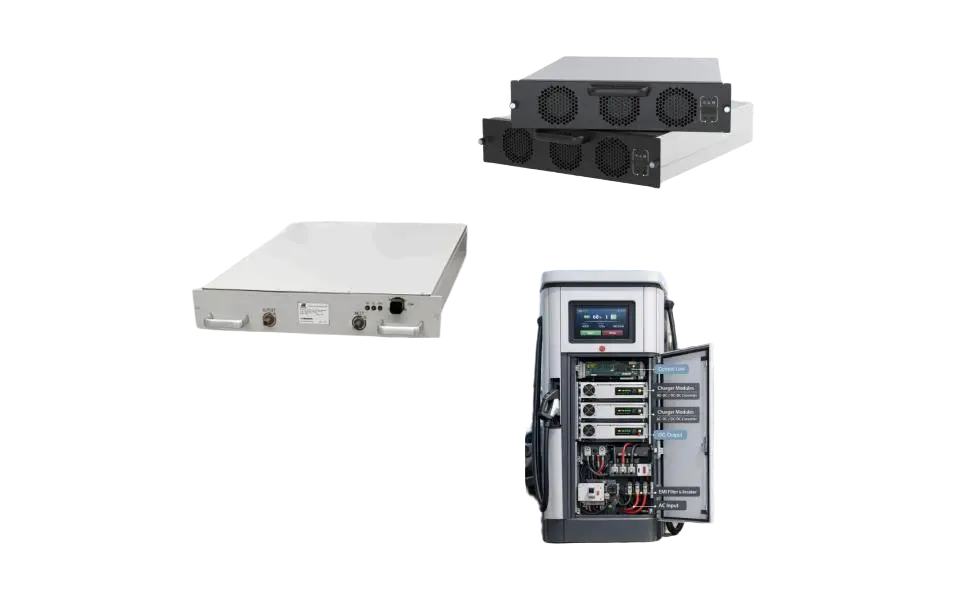
MIDA New Energy specializes in EV charger power modules, offering 20kW–60kW standard modules, 40kW–125kW liquid-cooled modules, 30kW–62.5kW bidirectional modules, and 20kW–45kW V2G charging modules.

Discover our main product categories, designed to scale with the requirements of regional operators and global charging networks.
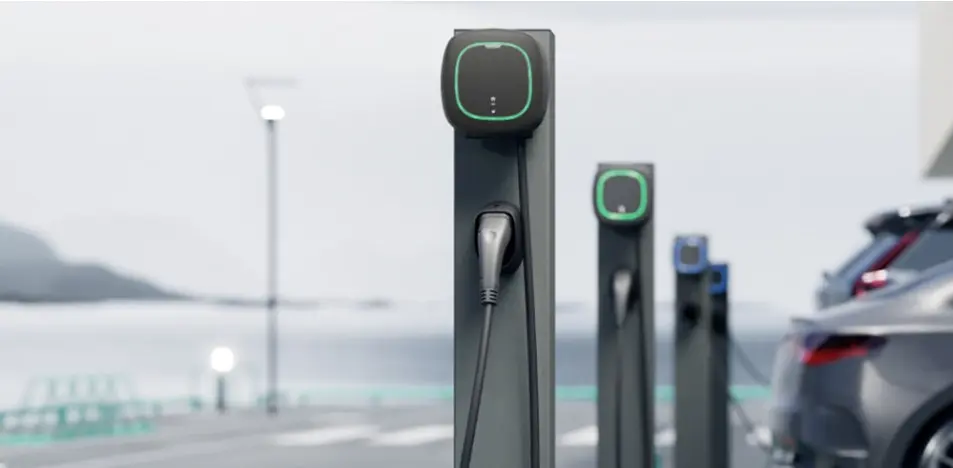
Smart AC Charging Solutions
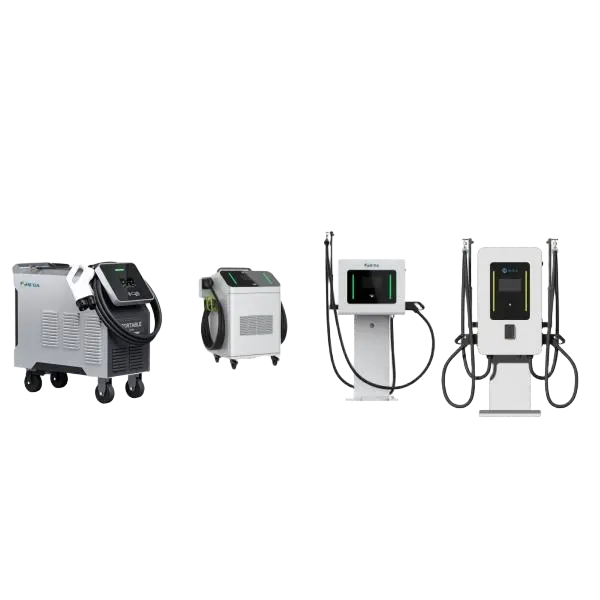
7kW 20kW 30kW 40kW 60kW 80kW
60kW-480kW & 360kW-1440kW
High-Efficiency Rectifiers
High-Current Interface Technology
Commercial Power Systems
60kWh to 2MkWh Energy Storage
Deploying electric vehicle supply equipment (EVSE) requires custom engineering to match local grid conditions, vehicle profiles, and geographic climates. Mida Group provides end-to-end solutions that address these challenges.
Highway charging stations need high peak power delivery to minimize dwell times. Integrating the 360kW–1680kW Split Type DC Charging Station allows operators to place streamlined, lightweight user satellite dispensers next to the highway lanes while installing the heavy power cabinets in a protected utility enclosure. Utilizing liquid-cooled NACS or CCS2 cables allows vehicles to charge at currents up to 1000A, adding hundreds of kilometers of range in minutes.
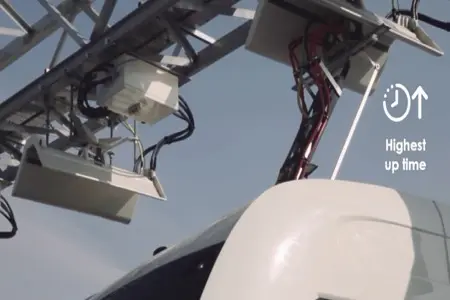
Public transit and delivery fleets require structured, high-volume charging, typically overnight. Standard layouts require long cable runs and complex layouts. Split DC charging platforms solve this by using one centralized power cabinet to run multiple overhead pantographs or ground-level dispensers. The centralized system dynamically shares power, directing energy to the lowest-charge batteries first to ensure the entire fleet is ready for the morning shift.
Connecting multiple ultra-fast chargers to the local grid can lead to high demand charges and voltage stability issues. Mida Group's BESS Charging Station combines lithium battery storage (65kWh to 2MWh) with our split charging stacks. This configuration stores energy during off-peak hours and discharges it during peak charging events. This reduces grid connection requirements and lowers operational costs.
The electric vehicle industry is moving toward megawatt-level power delivery and bidirectional grid integration. This evolution is defined by several key technological trends:
Stay updated on technological developments, installation guides, and advancements in pantograph charging systems.
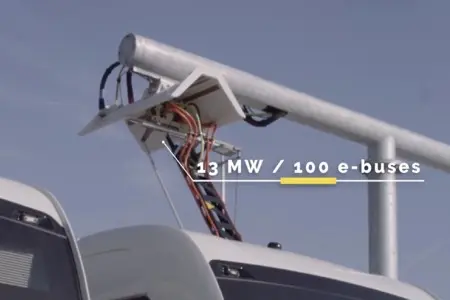
Answers to key technical questions about split DC charging architectures and installation.
Our high-power chargers, V2G bidirectional stations, and split dispensers are built for global markets.