Direct supply from state-of-the-art Chinese manufacturing plants. High-output, multi-standard compliant systems.
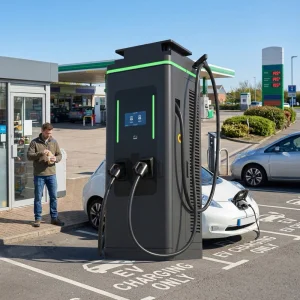
The international push toward zero-emission vehicle (ZEV) commercial fleets has transformed vehicle charging from a minor amenity into a major capital expenditure (CAPEX) infrastructure challenge. Enterprise fleet managers, logistics hub planners, and charging point operators (CPOs) must carefully balance upfront hardware expenditures with ongoing operations and maintenance (OPEX) demands.
Analyzing costs across various charger types—ranging from 60kW DC public stations up to heavy-duty 600kW split-type overhead pantographs—requires examining the underlying components: power modules, dynamic energy allocation software, and high-current connectors. A clear understanding of these cost drivers helps minimize grid upgrade fees while maximizing fleet uptime.
Understanding the critical components that impact design, production, and long-term operating costs.
The core of DC fast chargers lies in the AC-to-DC conversion modules (available in 20kW, 30kW, 40kW, 60kW, and up to 125kW liquid-cooled formats). Upgrading from legacy silicon IGBTs to newer Silicon Carbide (SiC) MOSFETs increases thermal tolerance and elevates power conversion efficiency to 96.5%+. This reduces waste heat and saves thousands in annual operational energy losses.
High-power charging above 150kW generates significant heat. Integrating active air cooling or closed-loop liquid-cooled cooling units (ranging from 3.5kW to 72kW capacities) prevents thermal throttling. Liquid-cooled cables (rated from 400A to 1000A) allow for thinner, lighter, and more manageable profiles while safely handling high currents.
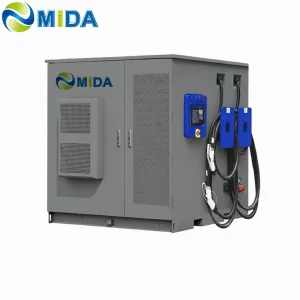
Connecting high-power multi-port chargers can overwhelm local electrical grids. Integrating Battery Energy Storage Systems (BESS) (from 60kWh to 2MWh capacities) offsets utility demand charges by peak shaving. This allows stations to supply high peak currents from stored power, mitigating the need for costly utility transformer upgrades.
China's dominant position in the EV infrastructure supply chain stems from localized ecosystems of specialized raw material producers, advanced semiconductor packaging plants, and highly integrated assembly lines. This concentration allows factories to control costs while maintaining high quality standards.
Shanghai Mida Cable Group Ltd. leverages this structure through its dedicated operating divisions: Shanghai Mida EV Power Co., Ltd., Shenzhen Mida EV Power Co., Ltd., and Shanghai Mida New Energy Co., Ltd. By vertically integrating raw cable production (like J1772, IEC 62196-2, CCS1, CCS2, CHAdeMO, GBT, and NACS connectors) with internal power module assembly and charging station chassis fabrication, MIDA minimizes intermediate logistics and markup costs.
This localized cluster model ensures stable access to copper, engineering resins, and power microchips, protecting production from global supply shocks while maintaining competitive pricing across the product lineup.
A comprehensive manufacturer of high-current power distribution components, charging modules, and integrated energy storage stations.
Shanghai Mida Cable Group Ltd. operates through its wholly owned subsidiaries: Shanghai Mida EV Power Co., Ltd., Shenzhen Mida EV Power Co., Ltd., and Shanghai Mida New Energy Co., Ltd.
Manufactures a comprehensive range of EV charging cables, including 16A–80A J1772 cables, 16A–63A IEC 62196-2 Type 2 cables, and DC fast charging cables: CCS1 (80A–500A), CCS2 (125A–1000A), CHAdeMO (125A–300A), GBT (200A–1000A), and NACS connectors (250A–600A).
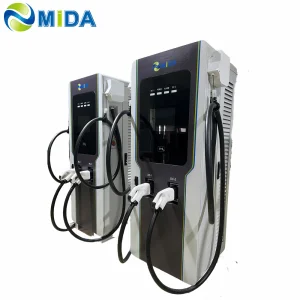
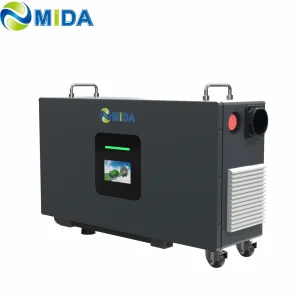
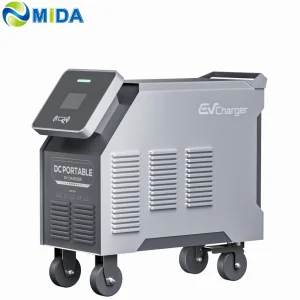
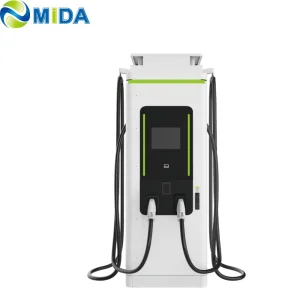
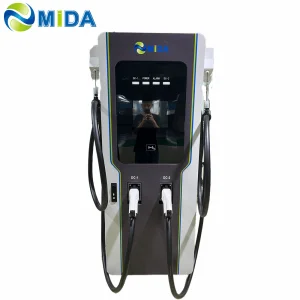
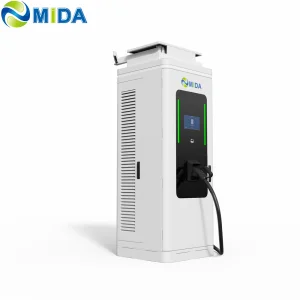
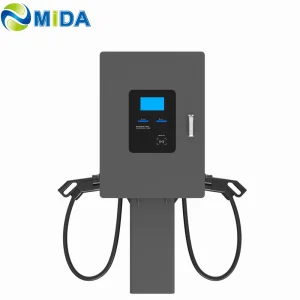
Produces a full lineup of EV charging stations, such as 7kW–50kW mobile chargers, 3.6kW–7.2kW portable DC chargers, 360kW–1440kW split-type DC fast chargers, 20kW–50kW wall-mounted DC chargers, and 60kW–480kW floor-standing DC fast charging stations.
Specializes in EV charger power modules, offering 20kW–60kW standard modules, 40kW–125kW liquid-cooled modules, 30kW–62.5kW bidirectional modules, and 20kW–45kW V2G charging modules.
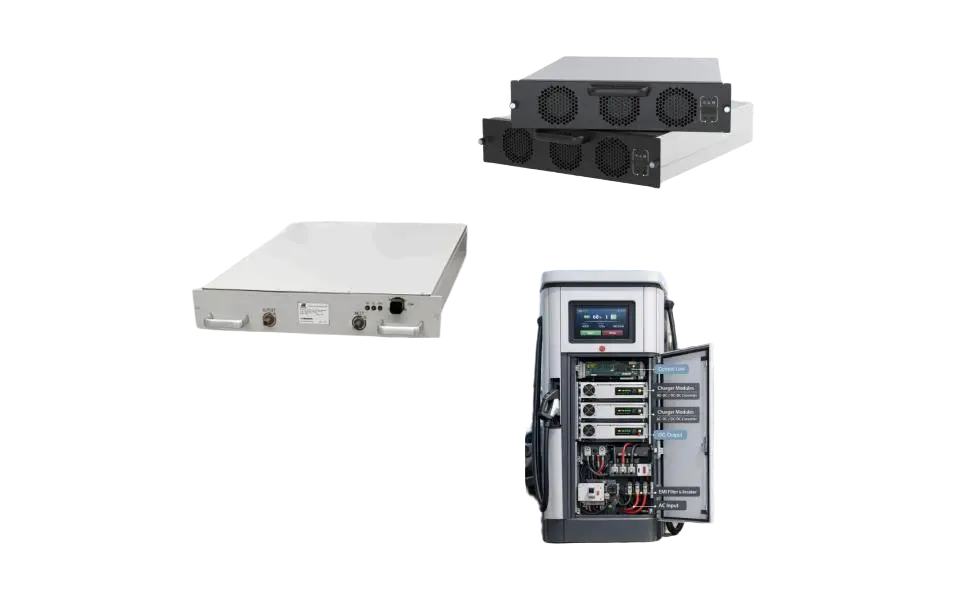
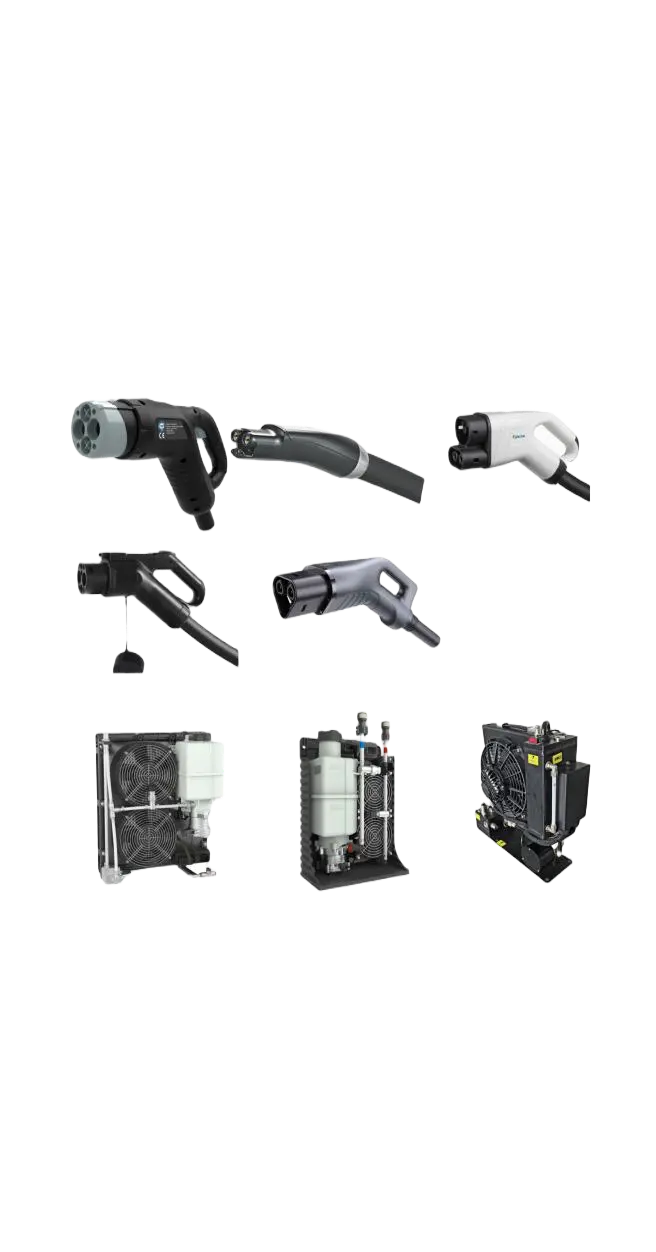
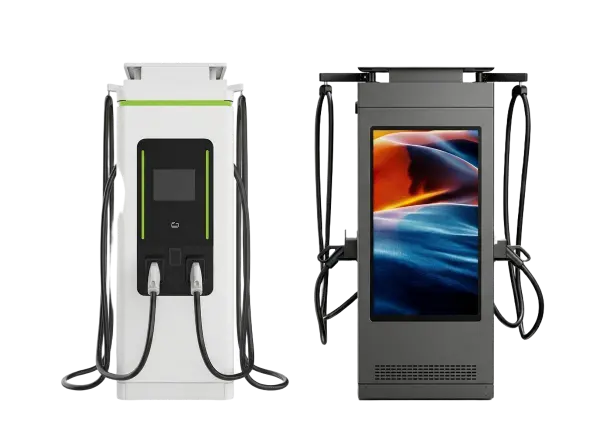
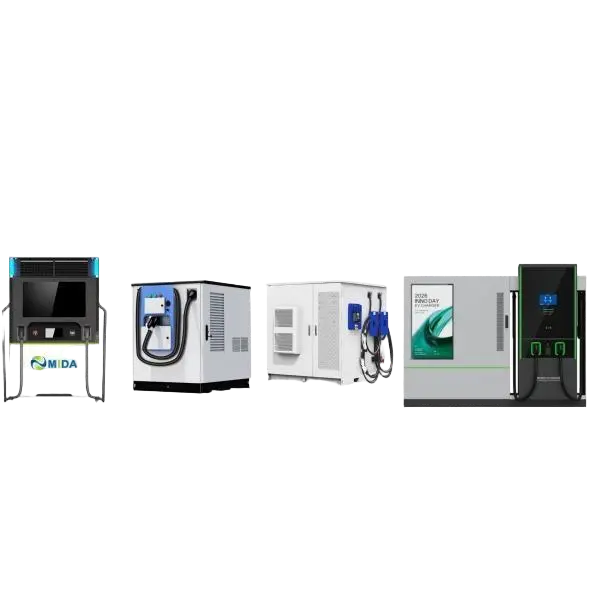
Adapting hardware configurations to local grid profiles, physical layout constraints, and operational needs.
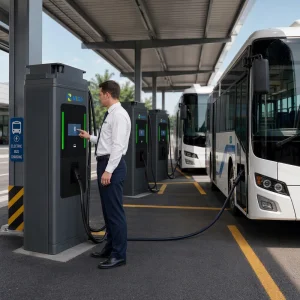
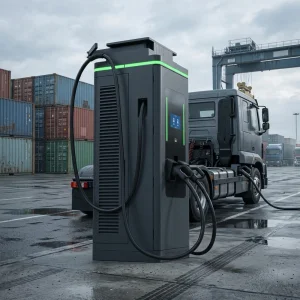
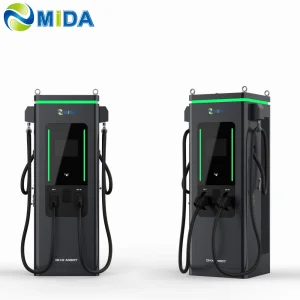
Logistics operators running medium and heavy-duty trucks require fast turnaround times. Standard floor-standing systems (like the 160kW-320kW dual CCS2 integrated units) allow two trucks to charge simultaneously. Utilizing dynamic power-sharing algorithms reduces the size of the required grid connection, saving up to 25% in network integration costs.
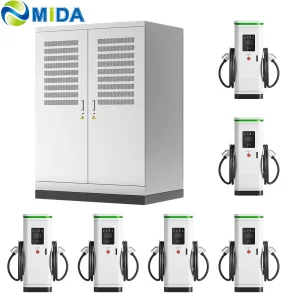
For long-distance corridors, split-architecture DC charging systems (ranging from 360kW to 1440kW) decouple power module cabinets from user-facing dispensers. By locating the main power cabinets in utility yards and running liquid-cooled cables to slim dispensers at the stalls, operators can optimize space usage and reduce installation costs.
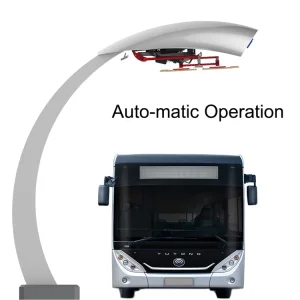
Urban transit authorities rely on high-power top-down or bottom-up pantograph chargers (300kW to 600kW) for rapid mid-route charging during scheduled layovers. Automating the connection through overhead mechanical assemblies reduces mechanical wear compared to manual heavy-cable plugs, improving station reliability.
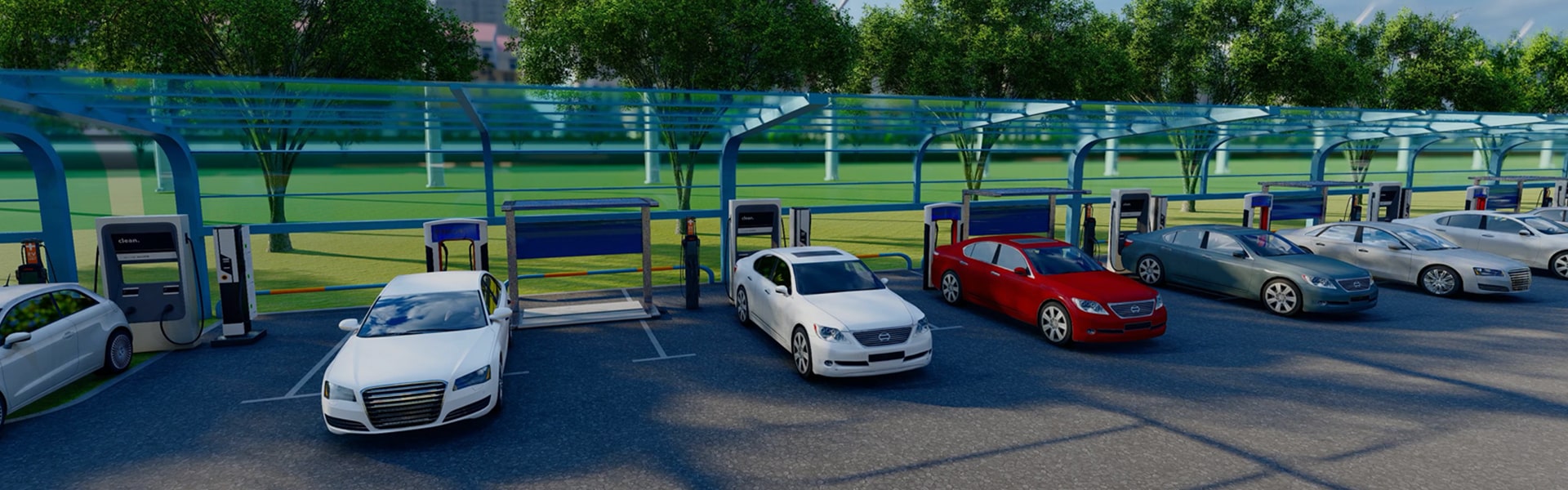
The next generation of charging infrastructure will likely shift toward Megawatt Charging Systems (MCS) designed for heavy-duty commercial fleets and marine transport. Operating at up to 1250V and 3000A, MCS demands advanced thermal design, solid-state transformers, and highly integrated controls.
At the same time, V2G (Vehicle-to-Grid) architectures are transitioning from small pilot programs to large-scale deployments. Bidirectional modules (such as the 20kW-62.5kW units) allow fleets of parked vehicles to serve as localized energy storage, supporting the grid during peak demand periods. This can turn charging networks into potential revenue-generating assets.
Additionally, integrating localized microgrids with MPPT (Maximum Power Point Tracking) solar-coupled inputs allows stations to prioritize on-site renewable energy. This reduces both carbon intensity and operating costs relative to standard utility tariffs.
How we ensure safe, legal, and interoperable connections across different utility grids worldwide.
Hardware must integrate seamlessly with billing platforms, fleet scheduling software, and utility demand managers. Utilizing open communication standards like OCPP 1.6J and OCPP 2.0.1 allows charging points to communicate across different software systems, preventing vendor lock-in.
For communication between the charger and the vehicle, compliance with ISO 15118 and DIN 70121 is essential. This enables "Plug and Charge" capabilities, allowing the vehicle to handle authentication and billing automatically upon plugging in, without requiring external apps or RFID cards.
High-power DC charging stations must meet strict safety guidelines. Compliance with CE, UL, TUV, and Japan's PSE ensures systems can withstand electrical overloads, environmental exposure, and seismic events.
From an electrical grid perspective, stations must prevent grid distortion. Incorporating active harmonic filters maintains the Total Harmonic Distortion (THD) under 5%, complying with IEEE 519 standards and protecting adjacent building equipment from electrical noise.
| Standard / Certification | Geographic Focus | Technical Scope | Compliance Benefit |
|---|---|---|---|
| ISO 15118 | Global / Europe / US | Vehicle-to-Grid (V2G) Communication Protocols | Enables secure Plug & Charge auto-billing, bidirectional power exchange, and smart charging. |
| OCPP 1.6J / 2.0.1 | Global | Charger-to-CMS Backoffice Protocol | Ensures interoperability between different charging hardware and software management systems. |
| UL 2202 / UL 2594 | North America | Safety Standard for DC / AC Charging Equipment | Required for municipal permits and utility interconnection incentives in the United States and Canada. |
| CE / EN 61851 | European Union | Safety & Electromagnetic Compatibility (EMC) | Certifies that equipment meets EU health, safety, and environmental protection standards. |
| IEEE 519 Compliance | Global | Harmonic Limits in Electrical Power Systems | Maintains low THD (<5%), avoiding utility penalties and protecting building distribution transformers. |
Stay informed with the latest engineering insights and deployment guides from our technical team.
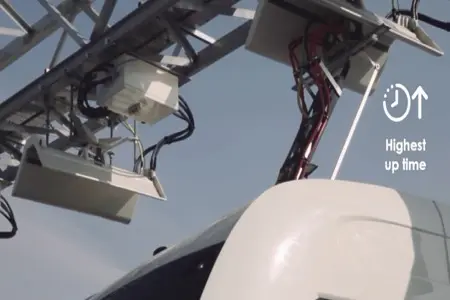
In contrast to classic plug-in charging systems, e-bus pantographs offer high-power automation. They handle high currents during short layover stops, reducing manual cable handling and wear in heavy fleet operations.

The charging time depends on the battery capacity and the station's power output. High-power units (300kW to 600kW) can top up a standard electric bus transit battery in 10 to 30 minutes during route breaks.
Installing a "Pantograph Up" system requires proper alignment of the structural overhead dome, stable concrete foundations, and high-capacity electrical cabling from the primary power cabinet.
Addressing common questions about commercial and industrial charging infrastructure investments.
Specialty mobile chargers, high-capacity wallboxes, and grid-supporting energy storage models.