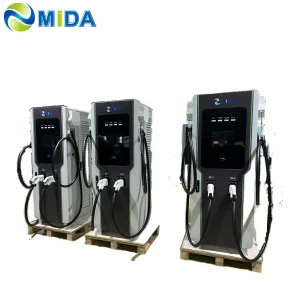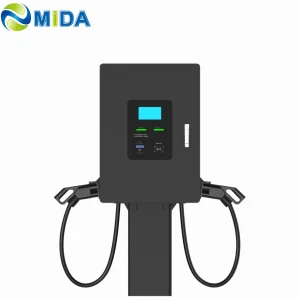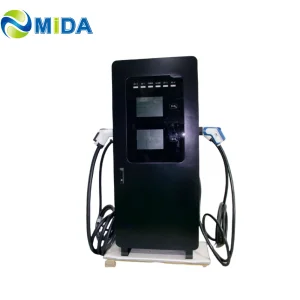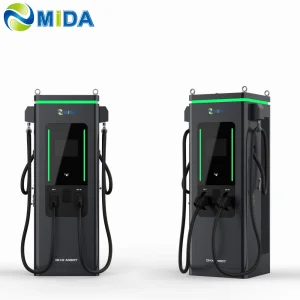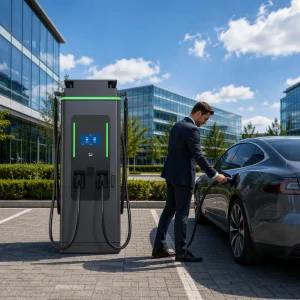
The global e-mobility landscape is transitioning from slow alternating current (AC) replenishment to high-power direct current (DC) fast-charging infrastructure. As automotive original equipment manufacturers (OEMs) standardize on 800V and 1000V high-voltage architectures to enable sub-15 minute recharge cycles, the demand on fast charging technology has intensified. The primary market drivers are no longer simply "energy dispensers", but grid-integrated charging hubs that leverage intelligent power distribution, thermal control, and bidirectional capability.
Today, municipal planning, transit authorities, and highway logistics networks face a major challenge: how to build future-proof charging infrastructure without over-taxing local power grids. The integration of high-power rectifiers (often ranging from 360kW up to 1440kW split-architectures) requires a sophisticated balance of active power filtering, ultra-low harmonic distortion (THD < 5%), and dynamic matrix-based power sharing. This ensures optimal power distribution to multiple charging dispensers concurrently.
In mature electric vehicle markets like North America and Europe, operators require alignment with major regulatory and connectivity frameworks, including OCPP 1.6J, OCPP 2.0.1, CE, UL, and FCC certifications. Crucially, the introduction of the Megawatt Charging System (MCS) for commercial fleets and the transition to the North American Charging Standard (NACS) are reshaping plug dynamics worldwide.
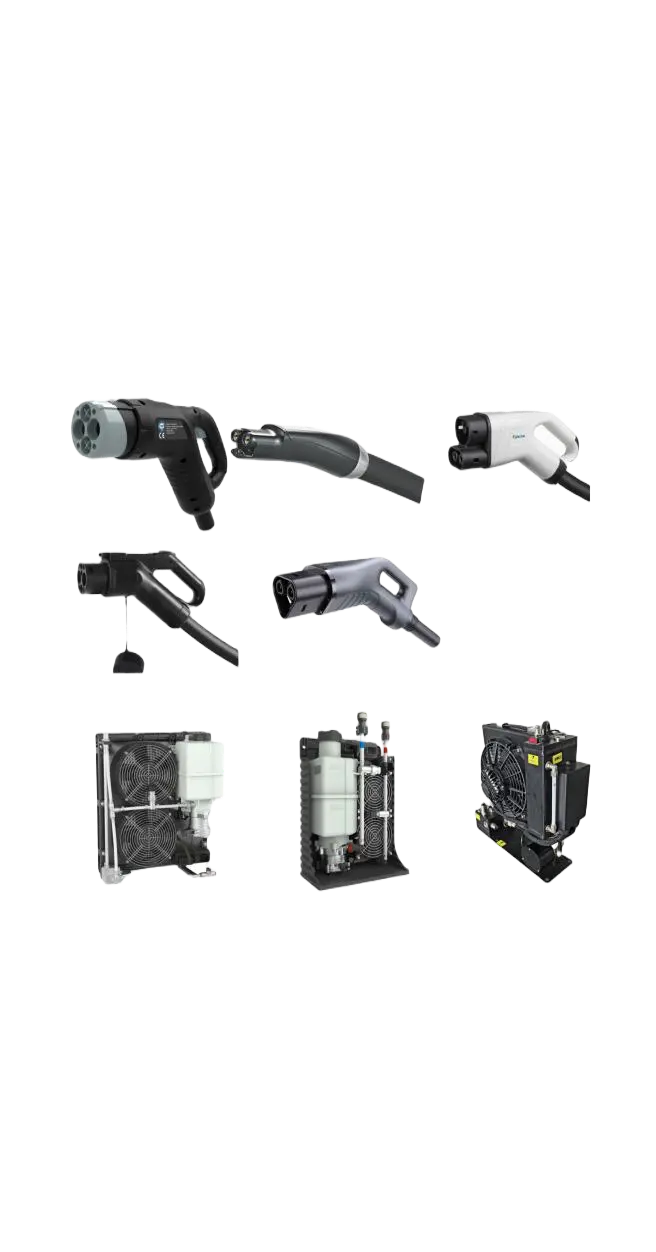
To establish competitive advantages, tier-one charge point operators (CPOs) look for manufacturers who control the vertical chain: from custom liquid-cooled connectors and high-density power modules to cloud-connected management controllers. Our factory-level integration controls thermal dissipation, electrical efficiency (exceeding 96.5% peak), and digital communications to secure low Total Cost of Ownership (TCO) and maximize uptime.

Shanghai Mida Cable Group Ltd. operates through its wholly owned subsidiaries: Shanghai Mida EV Power Co., Ltd., Shenzhen Mida EV Power Co., Ltd., and Shanghai Mida New Energy Co., Ltd. This strategic division of labor guarantees specialized focus across the three core vectors of EV technology: premium cabling systems, intelligent charging systems, and advanced power electronics modules.
Mida Cable manufactures a comprehensive range of EV charging cables, including 16A–80A J1772 cables, 16A–63A IEC 62196-2 Type 2 cables, and DC fast charging cables: CCS1 (80A–500A), CCS2 (125A–1000A), CHAdeMO (125A–300A), GBT (200A–1000A), and NACS connectors (250A–600A).
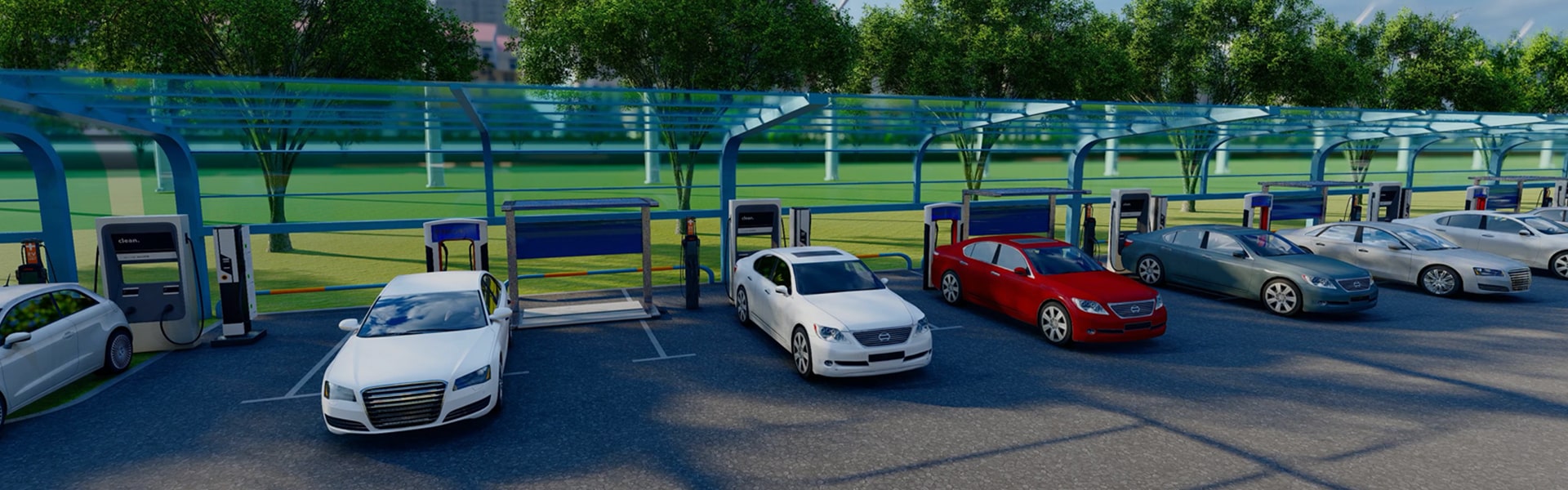
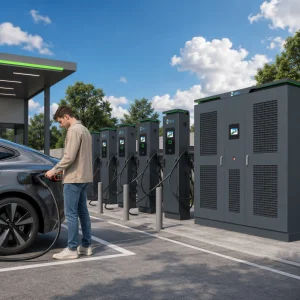
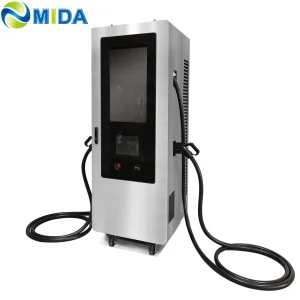
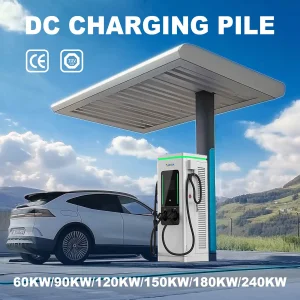
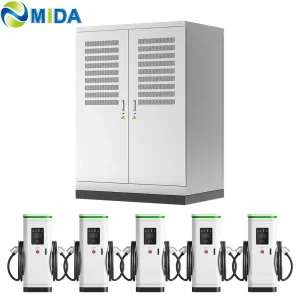
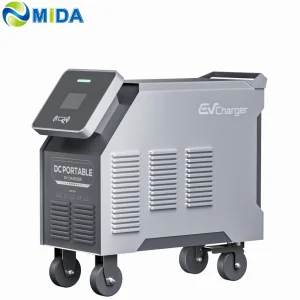
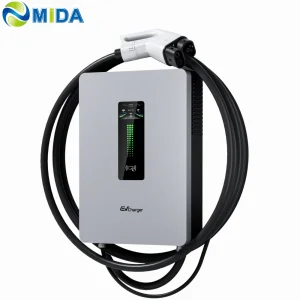
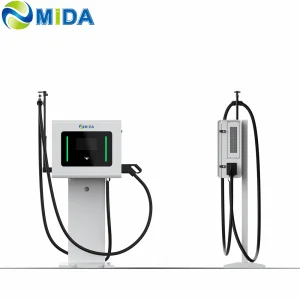
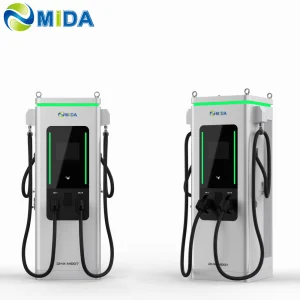
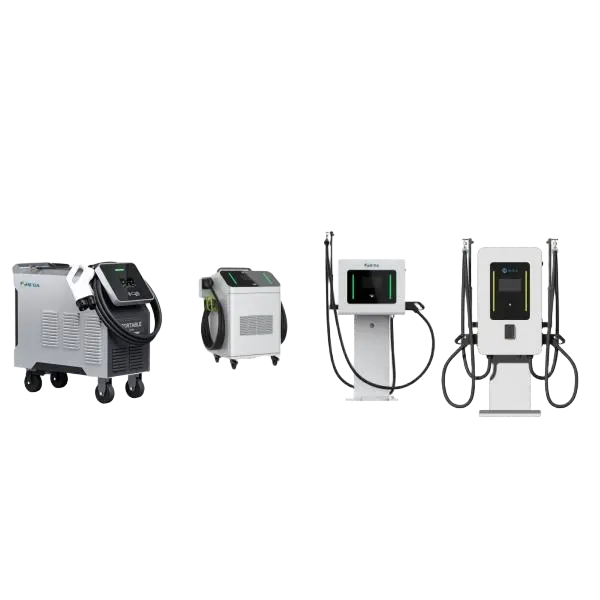
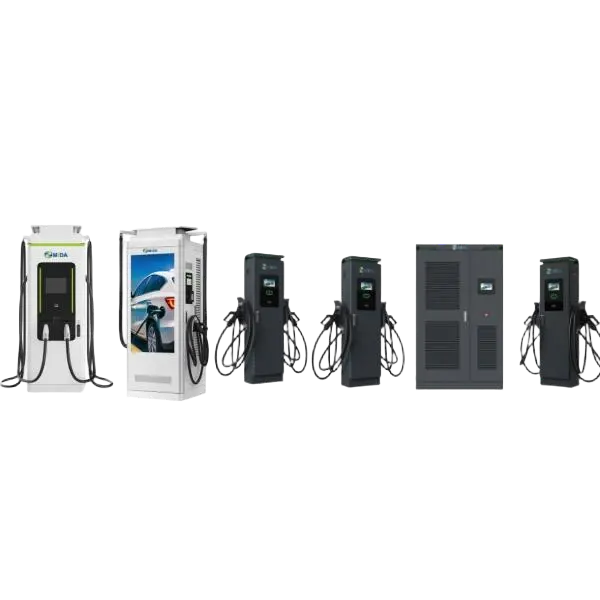
MIDA EV Power produces a full lineup of EV charging stations, such as 7kW–50kW mobile chargers, 3.6kW–7.2kW portable DC chargers, 360kW–1440kW split-type DC fast chargers, 20kW–50kW wall-mounted DC chargers, and 60kW–480kW floor-standing DC fast charging stations.
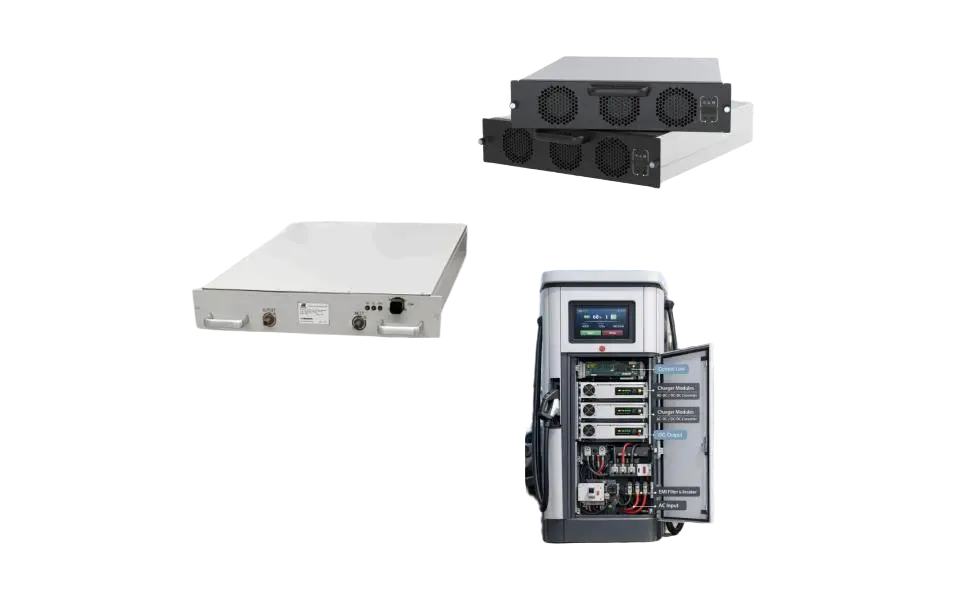
MIDA New Energy specializes in EV charger power modules, offering 20kW–60kW standard modules, 40kW–125kW liquid-cooled modules, 30kW–62.5kW bidirectional modules, and 20kW–45kW V2G charging modules.
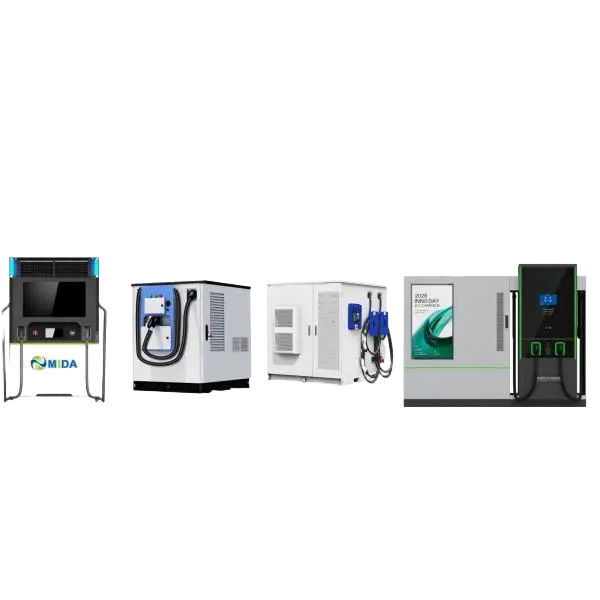
Optimizing utility-scale charging infrastructure requires matching structural cost-efficiency with uncompromising safety and technical standards. Operating out of primary manufacturing hubs in Shanghai and Shenzhen, MIDA Group leverages China's industrial clusters for power electronics, semiconductors, and specialized liquid cooling components.
This localized supply chain allows our factories to achieve structural efficiencies that shorten lead times for massive infrastructure deployments. Unlike simple assemblers, MIDA manufactures the power modules and cable/connector components in-house. This degree of vertical integration guarantees that the cable connectors, power modules, and central processing controllers function in lockstep—preventing communication lag and reducing diagnostic O&M overheads.
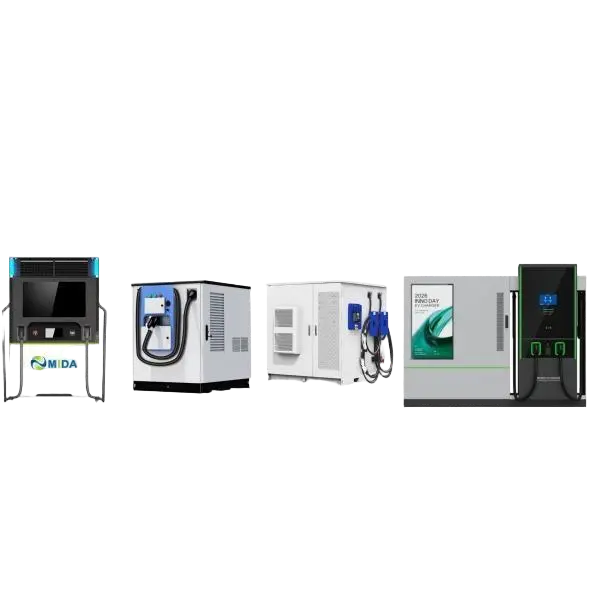
B2B procurers, including fleet operators and utility companies, require customizable solutions that match local grid limitations and billing practices. MIDA Group's systems address specific localized application scenarios:
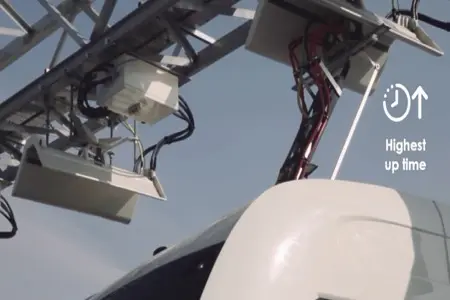
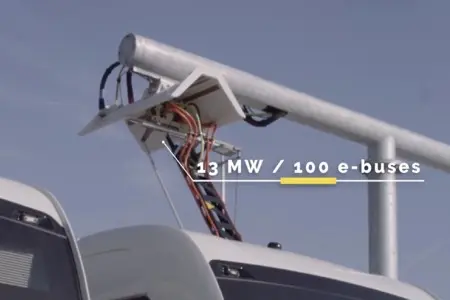
For operations involving heavy-duty electric trucks or delivery fleets, charging uptime is critical. Deployments of our China HPC CCS DC Charging Station 300kW 400kW and 1500A MCS Megawatt Chargers provide rapid energy replenishment. The integrated split-power matrix allocates charging capacity based on real-time vehicle battery management system (BMS) requests, avoiding site-wide power overshoots.
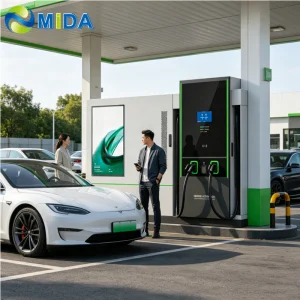
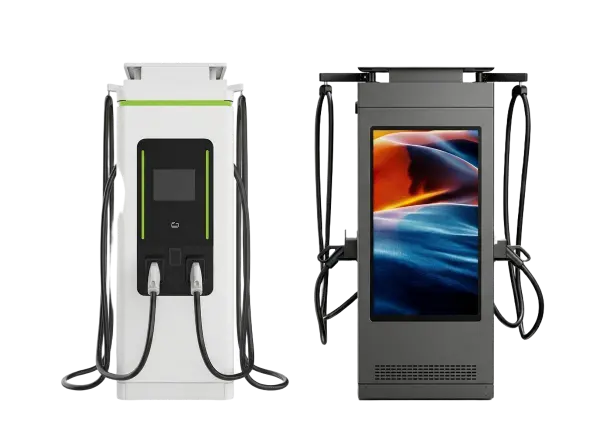
CPOs looking to build profitable public networks need durable, high-visibility equipment. Our 60kW–180kW DC Chargers with integrated 43-inch and 55-inch advertising displays and POS payment systems offer a dual-stream revenue model (selling energy and dynamic advertising media). Support for the OCPP 1.6J/2.0.1 protocols allows operators to link charging nodes to billing platforms and backend networks.
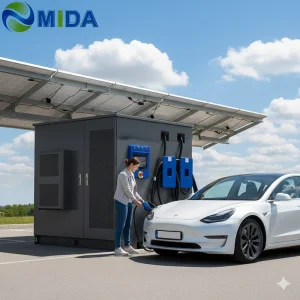
For remote areas or municipal grids with limited supply capacity, standard high-power installations are impossible without grid upgrades. MIDA's 241kWh–418kWh Battery Energy Storage System (BESS) Charging Stations provide a smart workaround. By charging internal battery storage during low-demand periods and discharging to EVs at up to 240kW during peak periods, operators reduce peak-demand utility charges and avoid grid stress.