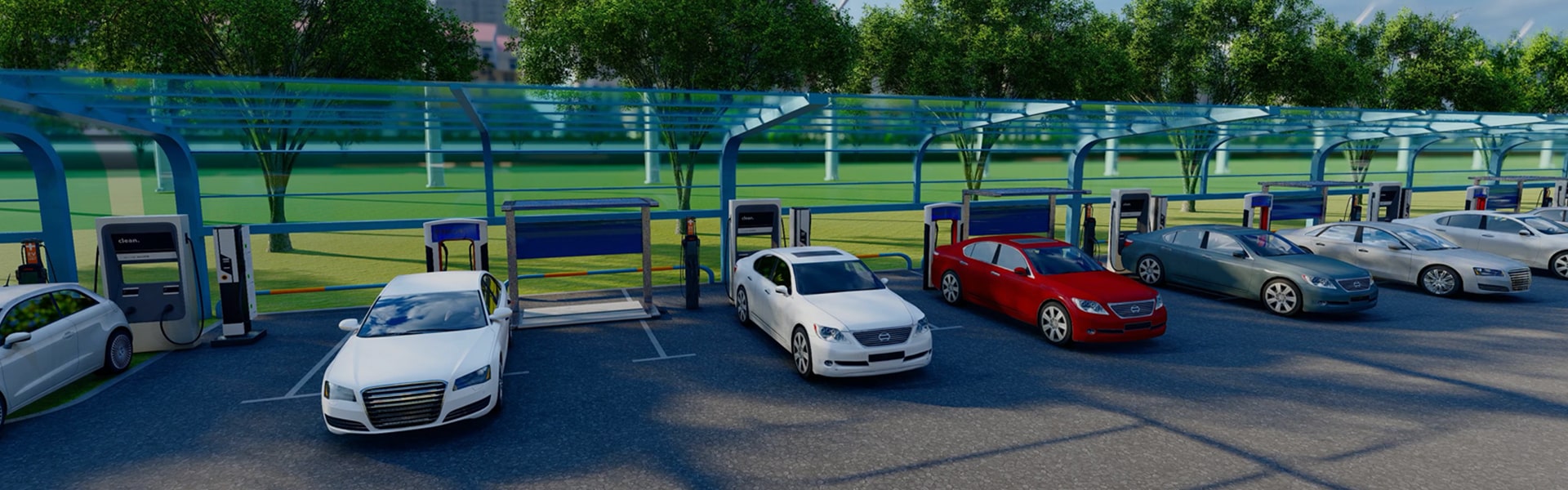
Premium solutions spanning ultra-fast DC piles, commercial fleet chargers, and solar-integrated storage stations engineered for global standards.
Global Export Countries & Regions
Megawatts Annual Production Capacity
Strict Hardware Defect Rate Guarantee
Compliance with OCPP, CE, UL & TUV
As the automotive sector transitions from internal combustion engines to electrification, electric vehicle supply equipment (EVSE) has evolved from basic auxiliary appliances into critical smart grid endpoints. Residential and localized EV charging stations, once seen as mere domestic conveniences, are now central nodes in a complex distributed energy resource (DER) network. The surging demand for dynamic load balancing, bidirectional integration (Vehicle-to-Grid/V2G), and ultra-fast charging indicates a paradigm shift in how energy is consumed, stored, and redistributed.
Globally, regulators are mandating the integration of EV charging infrastructure in new residential, commercial, and multi-family structures. In the European Union, the Alternative Fuels Infrastructure Regulation (AFIR) requires systematic deployments across transit networks, while in the United States, NEVI funding and state-level building codes dictate strict compliance requirements for local chargers. Consequently, B2B procurement officers, real estate developers, and municipal utility planners are seeking high-efficiency manufacturing partners capable of delivering hardware that is robust, software-flexible, and globally certified.
Active grid synchronization via advanced OCPP integration, enabling seamless load shedding and peak shaving protocols.
Innovative liquid-cooling systems that allow high-current operations without degrading connector integrity.
Full support for global coupling mechanisms including CCS1, CCS2, CHAdeMO, GBT, and NACS (SAE J3400).
Shanghai Mida Cable Group Ltd. operates through its wholly owned subsidiaries: Shanghai Mida EV Power Co., Ltd., Shenzhen Mida EV Power Co., Ltd., and Shanghai Mida New Energy Co., Ltd. This multi-disciplinary organizational architecture enables MIDA to verticalize its supply chain, driving innovations from premium raw alloy cabling to advanced modular power converter assemblies.
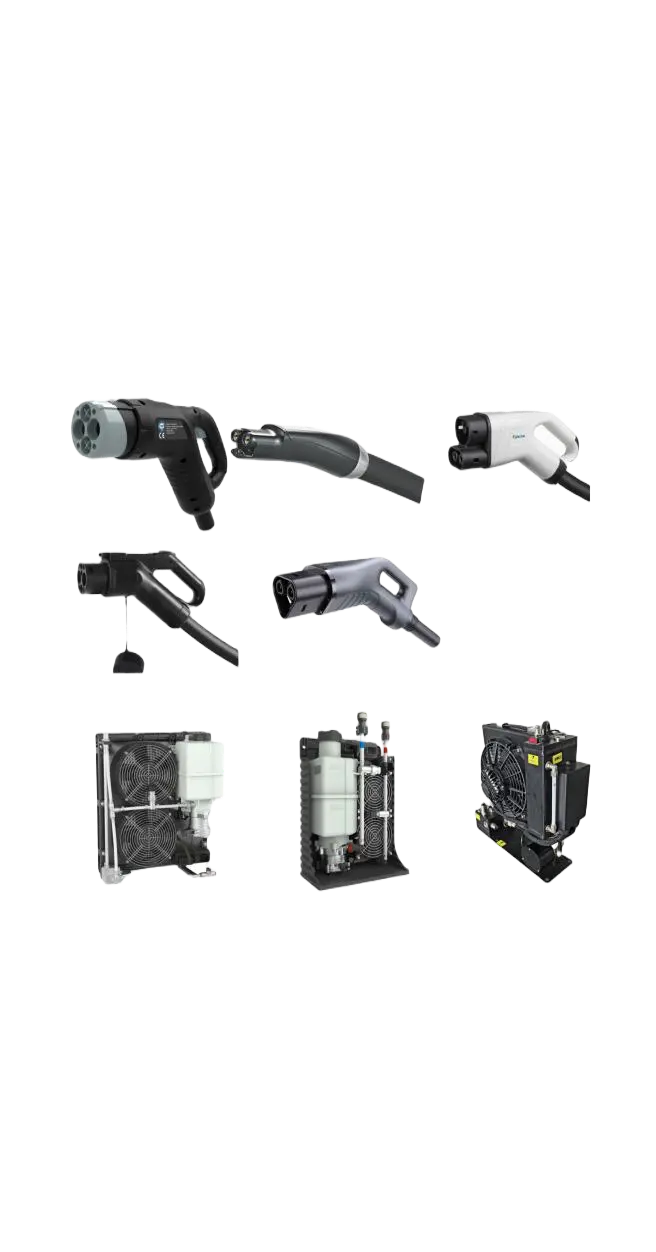
Mida Cable manufactures a comprehensive range of EV charging cables, including 16A–80A J1772 cables, 16A–63A IEC 62196-2 Type 2 cables, and DC fast charging cables: CCS1 (80A–500A), CCS2 (125A–1000A), CHAdeMO (125A–300A), GBT (200A–1000A), and NACS connectors (250A–600A).
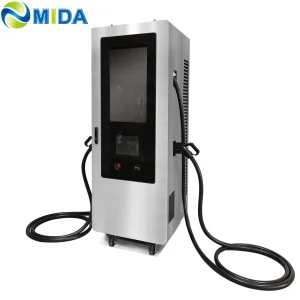
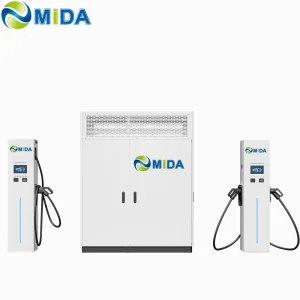
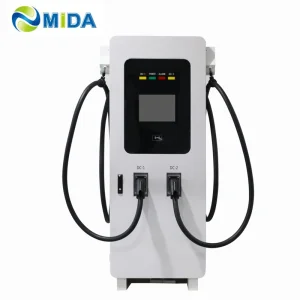
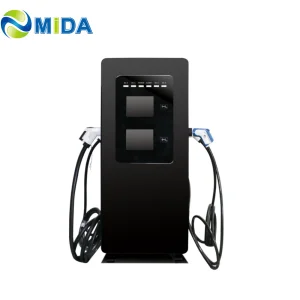
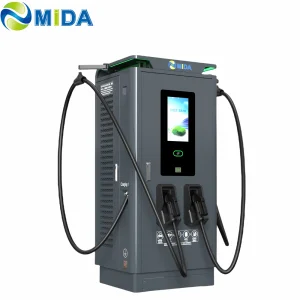
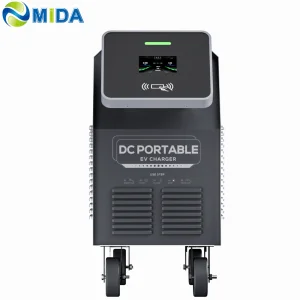
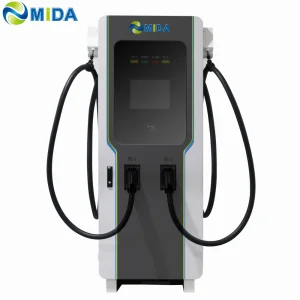
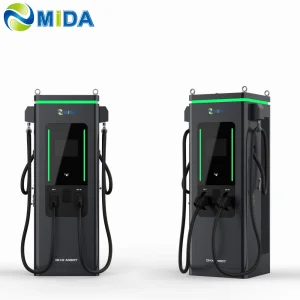
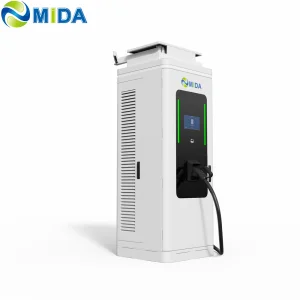
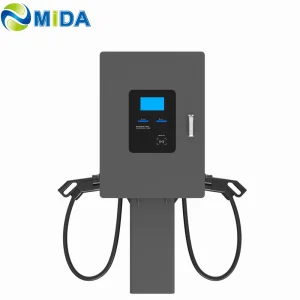
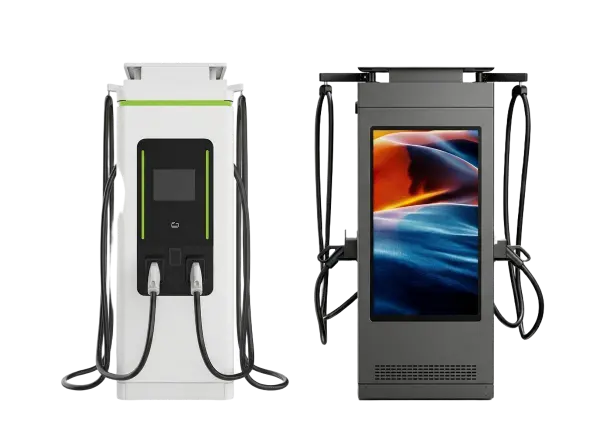
MIDA EV Power produces a full lineup of EV charging stations, such as 7kW–50kW mobile chargers, 3.6kW–7.2kW portable DC chargers, 360kW–1440kW split-type DC fast chargers, 20kW–50kW wall-mounted DC chargers, and 60kW–480kW floor-standing DC fast charging stations.
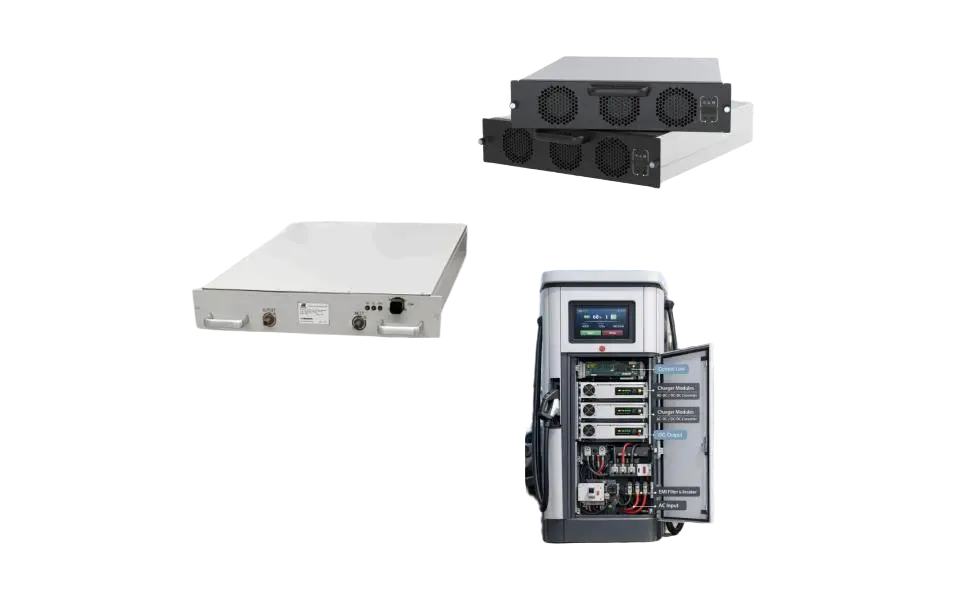
MIDA New Energy specializes in EV charger power modules, offering 20kW–60kW standard modules, 40kW–125kW liquid-cooled modules, 30kW–62.5kW bidirectional modules, and 20kW–45kW V2G charging modules.

Engineered to deliver exceptional thermal stability and advanced firmware integration for residential, commercial, and public applications.
High performance AC chargers for everyday applications. Available in 7kW, 20kW, 30kW, 40kW, 60kW, and 80kW variations.
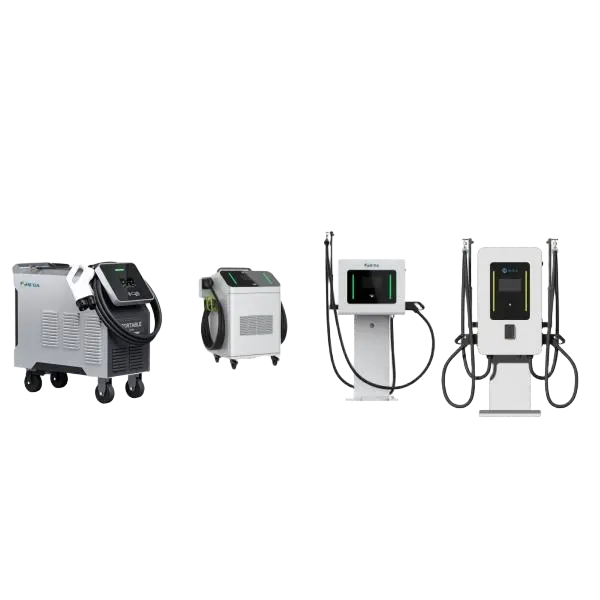
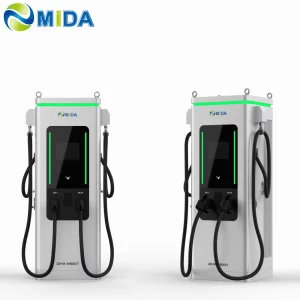
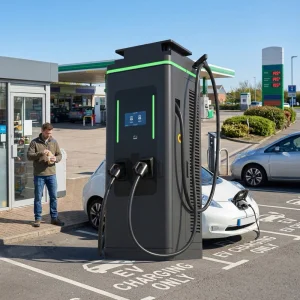
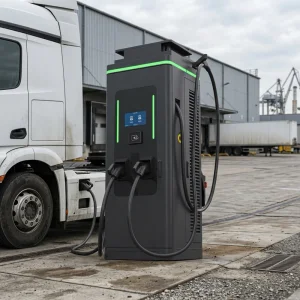
State-of-the-art fast charging stations offering industry-leading dynamic power allocation and rapid charge curves.
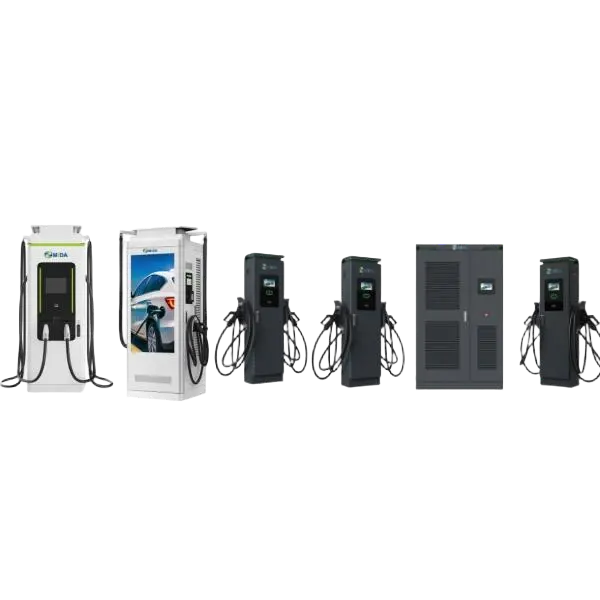
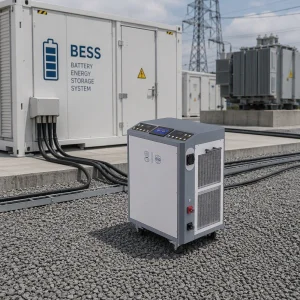
Battery Energy Storage Systems designed for weak grids, heavy duty fleet operations, and local peak load shaving.
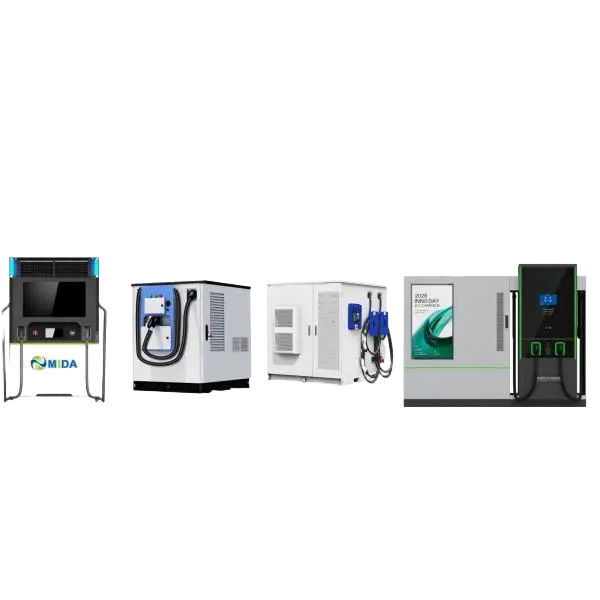
Why do leading European and American infrastructure developers partner with Chinese manufacturers like MIDA Group? The answer lies in supply chain integration, R&D agility, and production efficiency. China’s EV ecosystem features a highly integrated vertical cluster of critical component manufacturers. From raw mineral processing for copper cabling to high-power Silicon Carbide (SiC) MOSFET semiconductor integration, all elements are situated in proximity to our factories.
This geographic concentration reduces transportation times, expedites rapid hardware prototyping, and insulates production lines from geopolitical or logistical delays. MIDA’s production facilities leverage advanced automated assembly lines, robotic winding machinery, and dynamic high-power simulated load bank testing arrays to maintain high operational standards.
At the heart of any high-power EVSE is the power module. MIDA New Energy’s design team pioneered the development of 40kW to 125kW liquid-cooled power modules that isolate internal components from environmental contaminants, eliminating the failures common to traditional air-cooled modules. This is critical for coastal regions prone to salt spray, dusty industrial environments, and extreme high-temperature locations where standard cooling methods struggle.
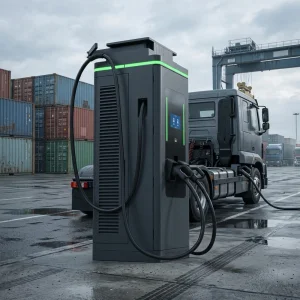
Furthermore, our integrated liquid cooling units, ranging from 3.5kW to 72kW capacities, regulate the operating temperature of our 500A-1000A liquid-cooled CCS2 and GBT connectors. By maintaining cable operating temperatures below critical thresholds, we prevent thermal throttling, ensuring that electric heavy-duty vehicles, transit buses, and passenger cars receive uninterrupted high-current charging.
Direct supply-side metrics for hardware engineers and procurement managers.
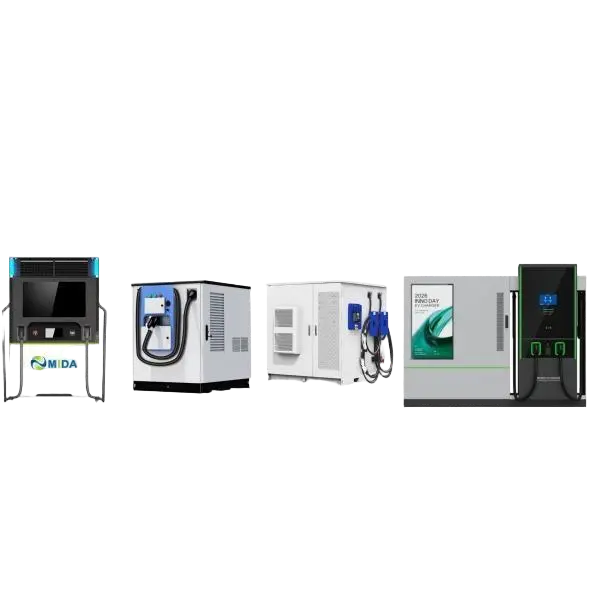
Modern electrical grids were not engineered to handle the concentrated load profile of rapid EV fast charging. Successful infrastructure deployment requires tailoring hardware to specific, localized contexts:
Procuring EV infrastructure involves navigating a complex web of certifications, standards, and electrical codes. B2B buyers must evaluate several critical factors during vendor selection:
1. Compliance and Certification Standards: Charger systems must hold valid certifications for the target market. These include TUV CE for European markets, UL listings for North America, and specific regional approvals (such as PTB MID for billing accuracy in Germany). MIDA’s products undergo testing to ensure compliance with these international standards.
2. Interoperability & Software Integrations: A charger must communicate effectively with central management software (CSMS). Hardware must natively support OCPP 1.6J or 2.0.1 over secure WebSocket connections to enable features like dynamic tariff management, remote diagnostic routines, and over-the-air (OTA) firmware updates.
The latest operational updates, design paradigms, and installation methods directly from MIDA Group.
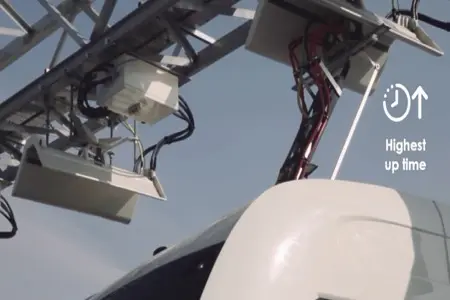
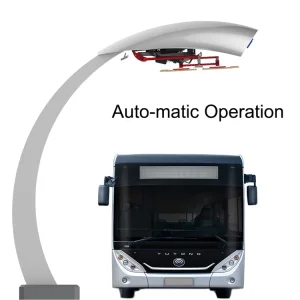
In contrast to classic plug-in charging systems, e-bus pantograph domes allow for hands-free high-power charging at depots and terminal stops, reducing mechanical wear and enhancing driver safety.
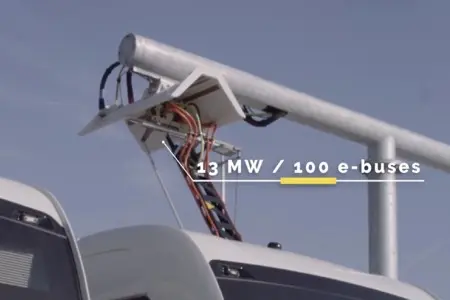
Charging times depend heavily on battery chemistry, overall capacity, and peak megawatt capabilities. Standard pantograph systems can deliver significant charge increases during short layovers.
Installing a “Pantograph Up” system requires careful civil engineering, precise structural alignment, and robust integration with the high-voltage distribution board.
Detailed technical answers for hardware designers, utility operators, and fleet purchasing managers.
Premium options featuring high power density, liquid-cooled architectures, and advanced simulation diagnostic tools.