Deploy high-performance, liquid-cooled, and air-cooled charging systems engineered to optimize vehicle uptime and power utility.
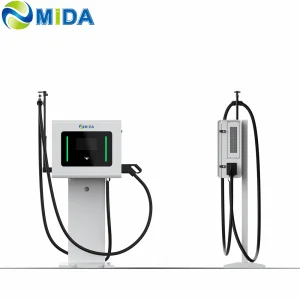
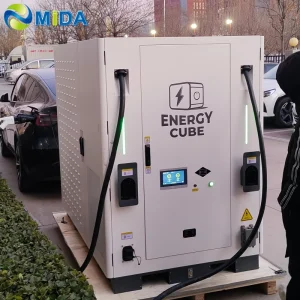
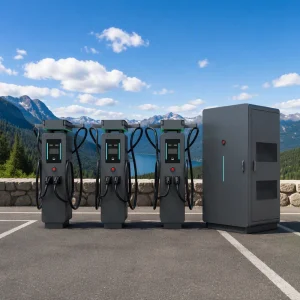
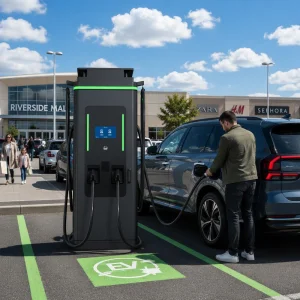
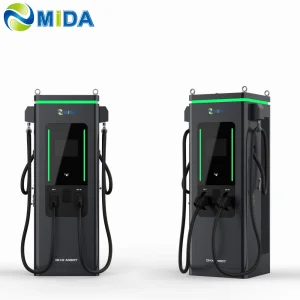
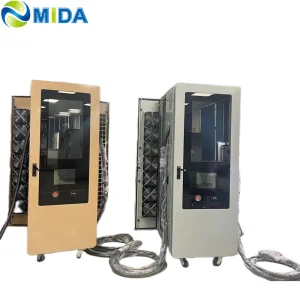
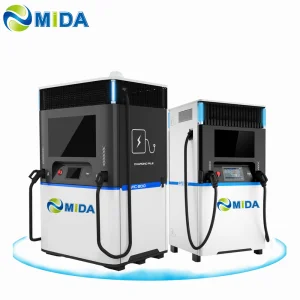
A technical exploration into why the 240kW power classification balances investment cap, charging curves, and load distribution efficiency.
In the rapidly transforming landscape of electric mobility, fleet operator demands have shifted. Basic AC overnight chargers and standard 50kW DC chargers are no longer sufficient to maintain strict schedules for logistics fleets, transit authorities, and high-frequency public hubs. The deployment of the 240kW DC fast charging station represents the optimal cross-section between capital expenditure (CAPEX) efficiency and high-output performance.
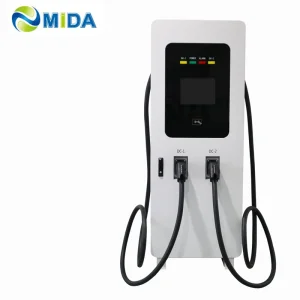
A 240kW system operates at the high-efficiency threshold of medium-voltage distribution systems, allowing operators to deploy multiple dispensaries without triggering massive localized grid reinforcement penalties. Functioning with dynamic power-sharing architecture, a single 240kW dual-outlet unit can dynamically distribute power to charge two vehicles simultaneously at 120kW each, or direct the full 240kW of energy to a single vehicle utilizing advanced liquid-cooled charging cables. This versatility makes it an indispensable asset for highways, logistics yards, and commercial parking structures.
Maximum Power Output
System Conversion Efficiency
1.6J / 2.0.1 Protocol Compliant
All-Weather Protection Rating
At 240kW, standard forced-air cooling reaches its physical limits in compact cabinets. The best-engineered 240kW stations rely on highly integrated thermal designs. These designs combine internal cooling mechanisms for the EV charging power modules with optional external liquid cooling systems for the cables. High power delivery generates heat inside the cabinet, which is dissipated by high-pressure, speed-controlled fans. These fans monitor temperature rise across the modular power racks. If one module experiences a thermal spike, the smart controller reroutes the load to adjacent modules, maintaining active charging and preventing system downtime.
A premier global manufacturing leader in high-performance EV charging cables, hardware, power modules, and localized energy infrastructure.
Shanghai Mida Cable Group Ltd. operates through its wholly owned subsidiaries: Shanghai Mida EV Power Co., Ltd., Shenzhen Mida EV Power Co., Ltd., and Shanghai Mida New Energy Co., Ltd. This integration brings research, development, and manufacturing of cable technology, station design, and power modules together under one corporate banner.
Our industrial production capabilities include:

Why sourcing from top-tier Chinese manufacturers yields significant technical and economic advantages.
The global energy transition demands localized compliance, but relies heavily on the maturity of East Asian production pipelines. As a vertically integrated manufacturer, Mida Group leverages China's advanced supply chain ecosystems. This allows us to deliver high-performance 240kW DC Fast Chargers at a competitive total cost of ownership (TCO) compared to regional suppliers.
By manufacturing our own liquid-cooled cables, power modules, and electrical cabinets internally, we prevent intermediate price markups and maintain quality control across the production process.
Our engineers can adapt cabinet layouts, modify firmware protocols (e.g., adding local payment systems), and custom-brand products to meet CPO requirements within weeks rather than months.
All hardware undergoes burn-in trials, high-pot tests, and multi-hour automated cycle tests. This ensures our charging stations maintain high MTBF (Mean Time Between Failures) ratings.
Modern electrical networks face major integration hurdles with standard fast chargers. Our 240kW stations address grid stability concerns. Integrated smart load algorithms allow the charging station to dynamically reduce its energy pull during peak hours. This function works via communication with local utility providers through OpenADR protocols. This protects utility transformers while allowing fleet operators to avoid peak-demand utility pricing. Operators can also choose to integrate localized solar systems and battery backup cabinets. This configuration captures energy during off-peak times and discharges it during high-speed charge sessions, protecting the local grid layout.
Explore the components that form the foundation of our high-voltage fast charging solutions.
Ensuring reliable operation under varying regulatory frameworks and extreme environments.
High-voltage infrastructure deployment requires strict adherence to international electrical codes. MIDA's line of 240kW chargers is engineered to meet varying regional certification standards, including CE, UL, and localized grid connection requirements. These systems feature type-tested surge protection, leakage monitors, and insulation monitoring devices (IMD) to protect users and connected vehicles from damage.
In addition to electrical safety, modern chargers must comply with cybersecurity regulations. Mida Group's 240kW platforms feature encrypted firmware that secures communication between the charger, the vehicle, and back-office management software. This compliance protects operators against network attacks, safeguarding user data and grid systems.
Stay updated with the latest technological developments in municipal fleet charging and pantograph systems.
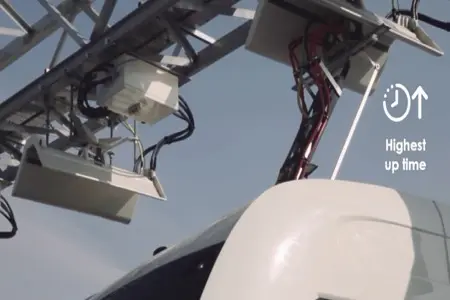
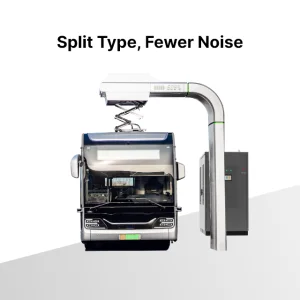
What are the advantages of an e-bus pantograph dome? In contrast to classic plug-in charging systems, e-bus pantograph systems offer automated connection and higher current transfers...
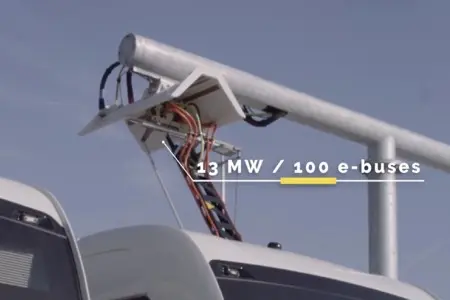
How long does it take to charge with an e-bus pantograph? The charging time depends on the battery capacity and the station's maximum output power, typically achieving 80% charge within...
How to Install the Pantograph Up Charger System Dome for Electric Bus: High-level infrastructure setups require specialized civil and structural coordination to ensure...
Answers to common technical, commercial, and operational questions from global buyers and engineers.
Installation timelines vary based on local permits and utility connections, typically ranging from 4 to 12 weeks. The cost breakdown includes the charging hardware, civil engineering (concrete pad, trenching), grid connection updates, and software integration fees.
Yes, our 240kW stations support dynamic power allocation. If two vehicles are connected, the smart power management controller routes energy dynamically (e.g., 120kW each, or split based on each vehicle's State of Charge (SoC)), optimizing charging times across both bays.
Air-cooled systems use internal cabinet fans to maintain operating temperatures, which is reliable and cost-effective for standard deployments. Liquid-cooled systems utilize liquid-glycol loops, allowing for thinner cables and higher heat dissipation. This makes them ideal for hot climates or continuous, high-current use.
Yes, our charging systems support multiple connector configurations, including CCS1, CCS2, GBT, and NACS (SAE J3400) cables. We build and test NACS-native cables and dispensers to match the requirements of both legacy and next-generation vehicle fleets.
OCPP 2.0.1 offers improved message security, enhanced device management, and support for plug-and-charge features. It also enables better communication with smart grids, allowing operators to monitor station diagnostics and control energy use in real time.
Browse our range of high-power hardware, energy storage systems, and transit vehicle chargers.