High-efficiency DC fast chargers and energy-storage systems engineered for public networks, logistics hubs, and heavy transport depots.
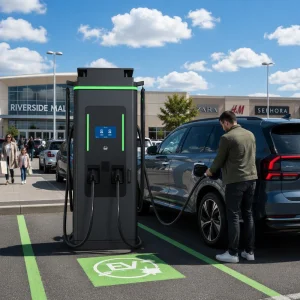
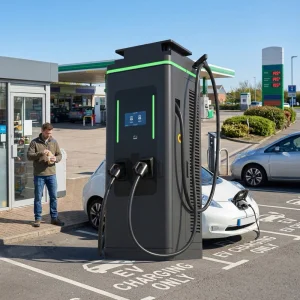
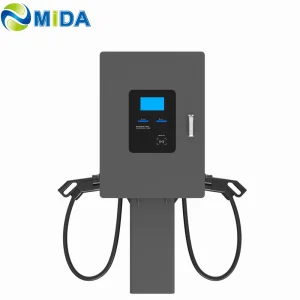
The accelerating transition from internal combustion engines to electrified transport networks has turned public EV charging infrastructure into a critical pillar of geopolitical energy strategy. Nation-states and private operators are facing an unprecedented challenge: deploying megawatt-range high-speed dispensing technology while maintaining regional grid stability. To meet these demands, modern EV charging hubs must evolve beyond simple electricity dispensers. They are transforming into complex microgrids that combine high-current liquid-cooled dispensers, bidirectional power-conversion circuits, local Battery Energy Storage Systems (BESS), and smart scheduling middleware.
In the European Union and the United States, regulatory directives such as the Alternative Fuels Infrastructure Regulation (AFIR) and the National Electric Vehicle Infrastructure (NEVI) program require high-power DC hubs to be installed at set intervals along major transport corridors. These public charging stations must meet strict uptime guarantees, support open communication protocols (such as OCPP 1.6J and OCPP 2.0.1 JSON), and provide dynamic local load management. Meanwhile, heavy-duty commercial vehicles, public bus fleets, and inner-city logistics networks require dedicated charging systems. These demand extreme reliability, high-power output (ranging from 120kW up to 1.4MW), and automated interface systems like pantographs to optimize turn-around times.
Developing future-proof charging infrastructure requires overcoming three primary technical challenges: managing thermal stress during ultra-fast charging, ensuring high power density within compact cabinets, and integrating local energy buffer systems. As passenger cars move toward 800V architectures and commercial vehicles adopt MW-level chargers, the industry is transitioning to specialized liquid-cooled dispensing stations.
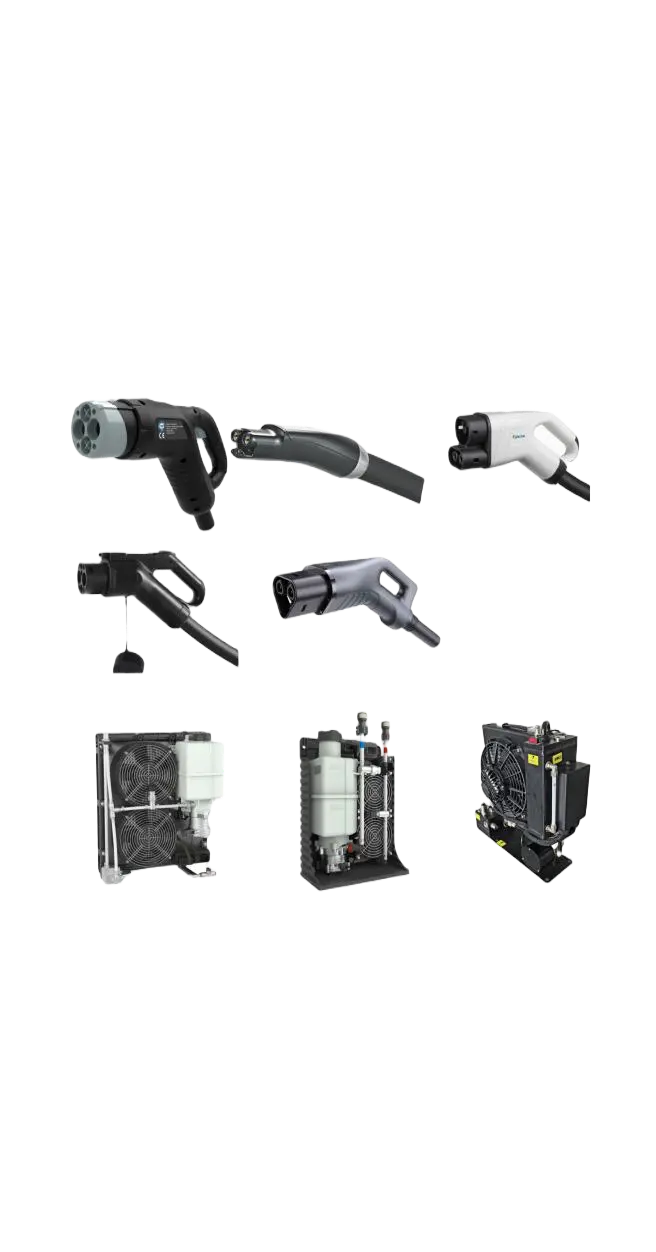
Standard air-cooled charging systems face thermal limitations above 250A, resulting in bulky, heavy cables that are difficult for users to handle. Modern ultra-high-power dispensing systems use synthetic fluid or water-glycol mixtures flowing inside the cable jacket and around the connector terminals. This active cooling allows continuous operations up to 600A (and even 1000A in short bursts) with lightweight, flexible cables.
Using bidirectional Active Front-End (AFE) topologies within power modules allows public charging stations to function as decentralized virtual power plants. By utilizing Vehicle-to-Grid (V2G) technology, parked vehicles can discharge surplus energy back into the local distribution grid during peak demand. This helps stabilize grid frequency, lowers building operating costs, and provides new revenue streams for charge point operators (CPOs).
Shanghai Mida Cable Group Ltd. serves as a leading vertical integrator of electric vehicle charging infrastructure. Through its wholly owned operational subsidiaries—Shanghai Mida EV Power Co., Ltd., Shenzhen Mida EV Power Co., Ltd., and Shanghai Mida New Energy Co., Ltd.—the company manages the entire product lifecycle from initial research and development to global certification and high-volume factory assembly.
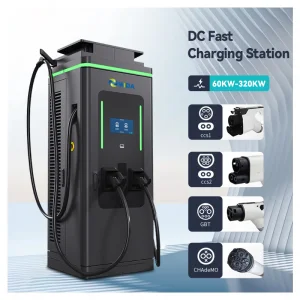
Mida Cable manufactures a comprehensive range of EV charging cables, including 16A–80A J1772 cables, 16A–63A IEC 62196-2 Type 2 cables, and DC fast charging cables: CCS1 (80A–500A), CCS2 (125A–1000A), CHAdeMO (125A–300A), GBT (200A–1000A), and NACS connectors (250A–600A).
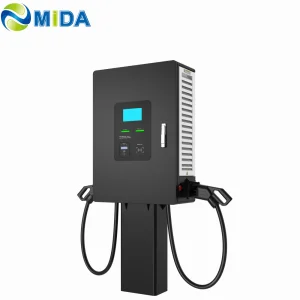
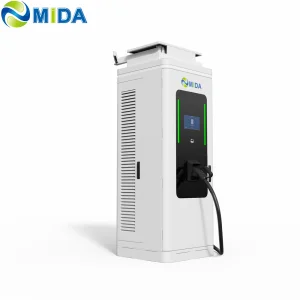
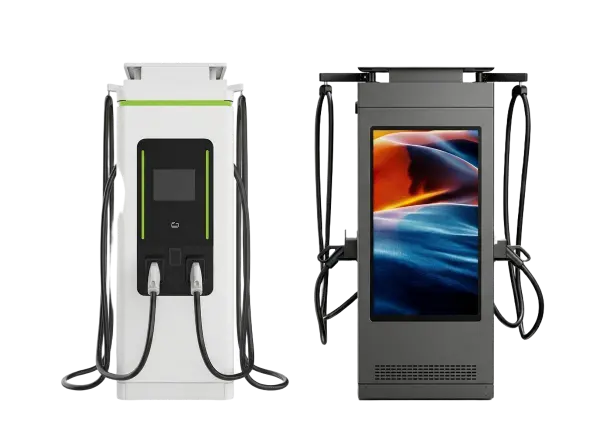
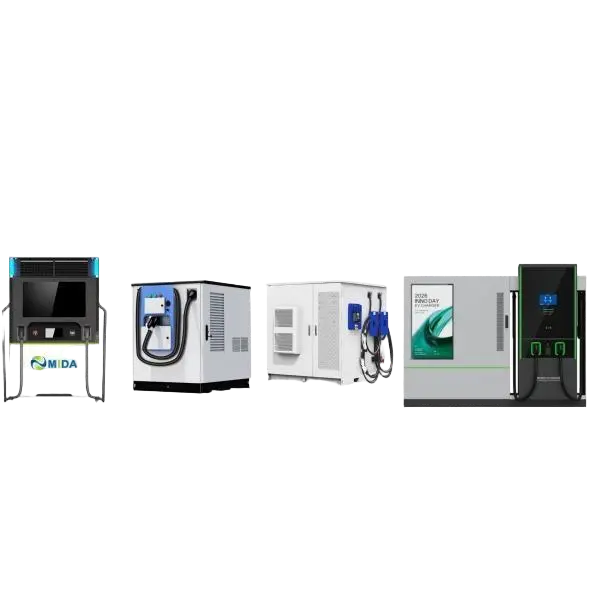
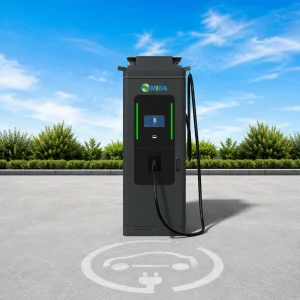
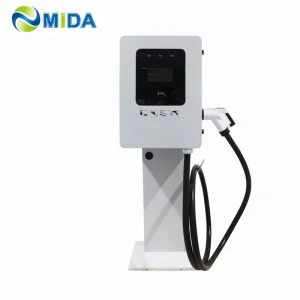
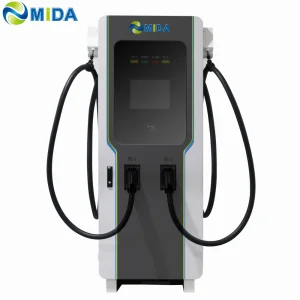
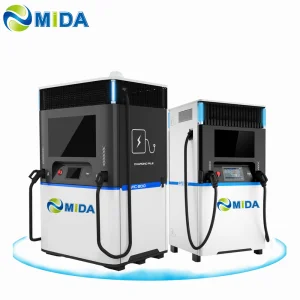
MIDA EV Power produces a full lineup of EV charging stations, such as 7kW–50kW mobile chargers, 3.6kW–7.2kW portable DC chargers, 360kW–1440kW split-type DC fast chargers, 20kW–50kW wall-mounted DC chargers, and 60kW–480kW floor-standing DC fast charging stations.
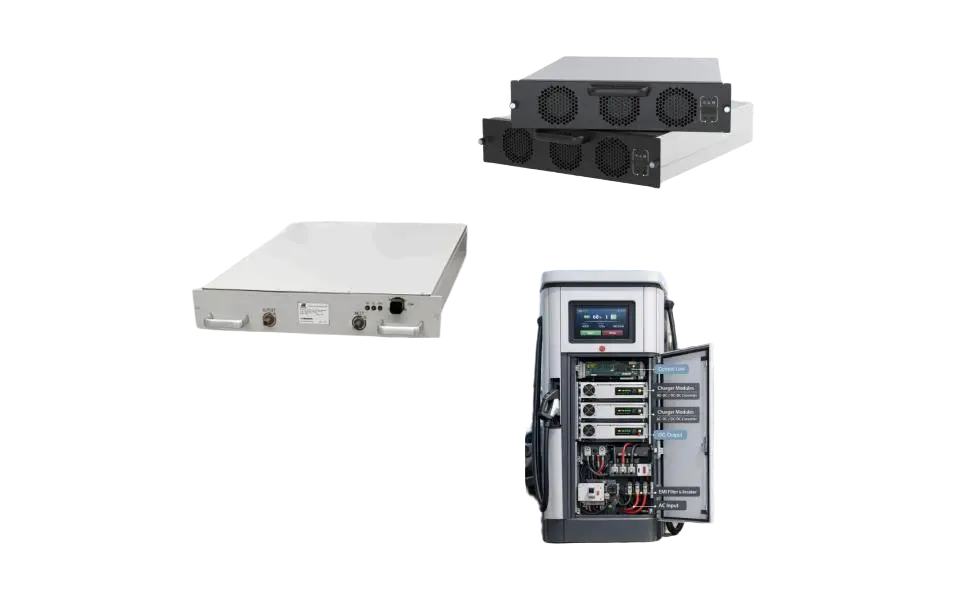
MIDA New Energy specializes in EV charger power modules, offering 20kW–60kW standard modules, 40kW–125kW liquid-cooled modules, 30kW–62.5kW bidirectional modules, and 20kW–45kW V2G charging modules.

Designed for commercial, municipal, and industrial applications. Our products comply with strict international grid and metering regulations.
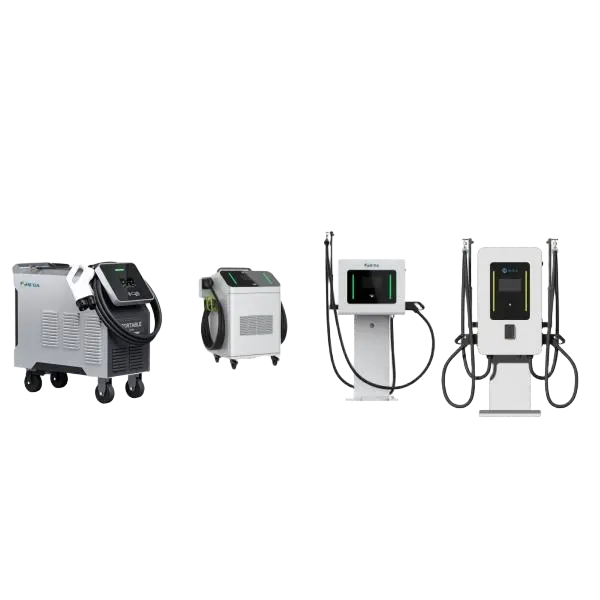
High-Power Standalone & Split Units
60kW-480kW & 360kW-1440kW
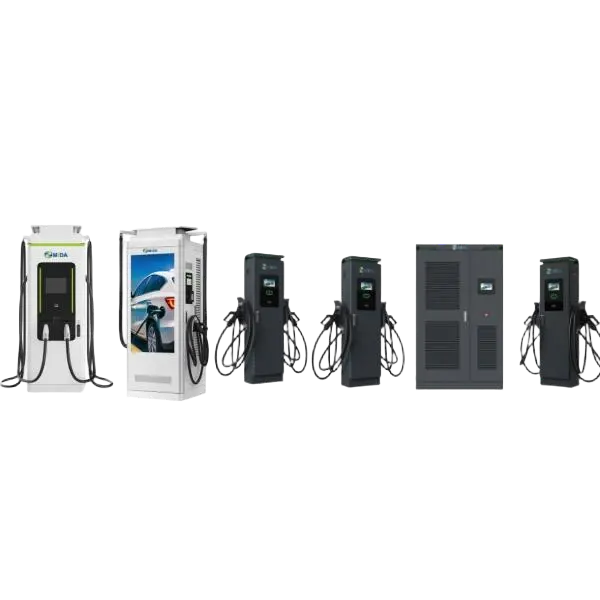
Energy Storage Integrated Systems
60kWh, 261kWh, 418kWh to 2MWh+
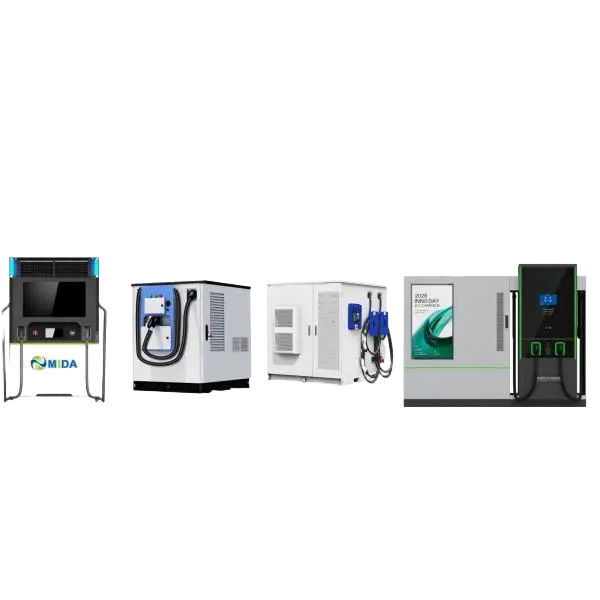
Explore our specialized components and systems engineered for maximum durability, performance, and safety.
Technical studies, installation guides, and operational updates from our engineering department.

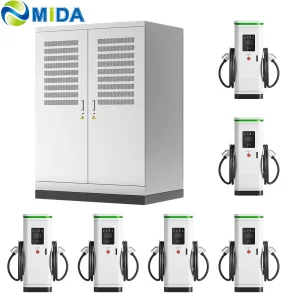
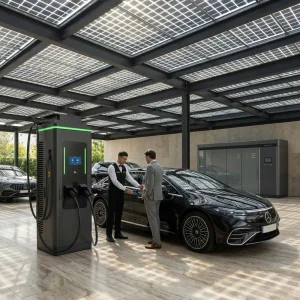
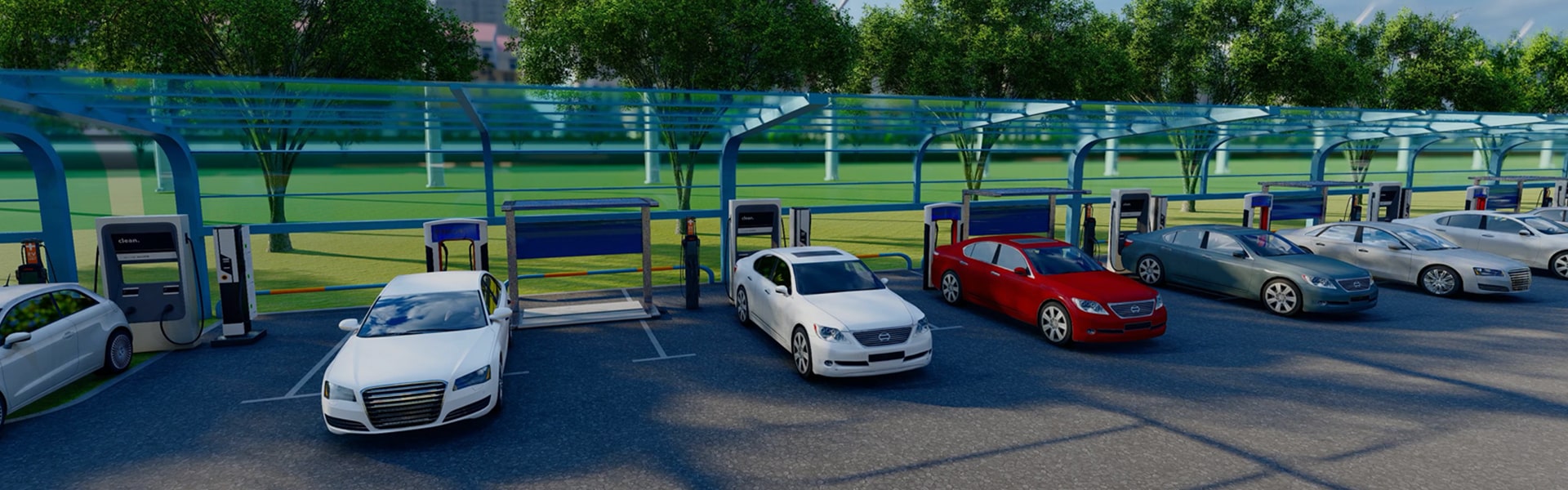
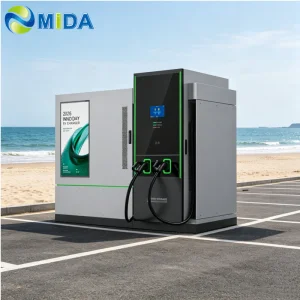
High-power corridors require continuous operation with high reliability under harsh weather conditions. To meet this demand, our 360kW–1440kW split-type DC charging systems separate the power electronics cabinet from the user dispenser. The power cabinets can be placed in secure utility yards up to 100 meters away, shielding them from noise, vehicle collisions, and dust. The slim dispensing pedestals fit easily on standard parking islands, providing user-friendly cable management systems and secure terminal payment systems.
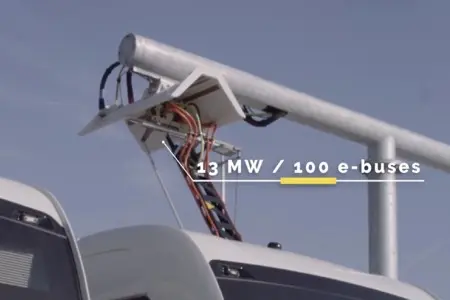
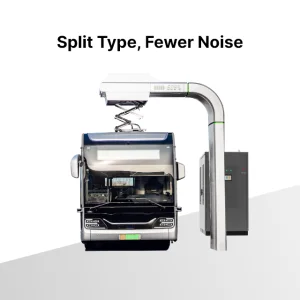
Municipal bus systems operate on strict timetables that require rapid, high-power charging during scheduled stops. Our 300kW–600kw Super Charger Pantograph Systems automate charging operations, allowing drivers to recharge without leaving the vehicle cab. High-current connections deploy from overhead gantries, transferring energy at currents up to 1000A directly into the roof-mounted receivers.
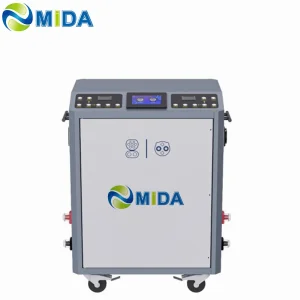
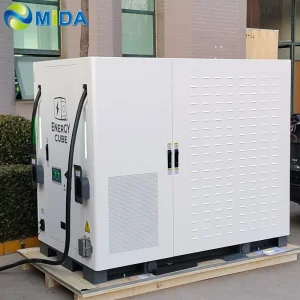
Remote sites and areas with limited grid capacity often face high costs when upgrade work is needed. Our Battery Energy Storage System (BESS) chargers combine local solar power generation with local lithium battery storage. Systems like the 200kWh/120kW Mobile EV Charger and 261kWh/120kW BESS Integrated Stations use internal battery buffers to deliver high-power DC fast-charging outputs without overloading weak, low-capacity utility connections.
Technical insights from our engineering and compliance teams on global grid deployments.
Compact wallboxes, solar hybrid converters, BESS microgrids, and high-power transit charging systems.
Whether you require Custom OEM/ODM branding, specific grid integration protocols, or tender-compliant certifications, MIDA Group has you covered.