Product Features
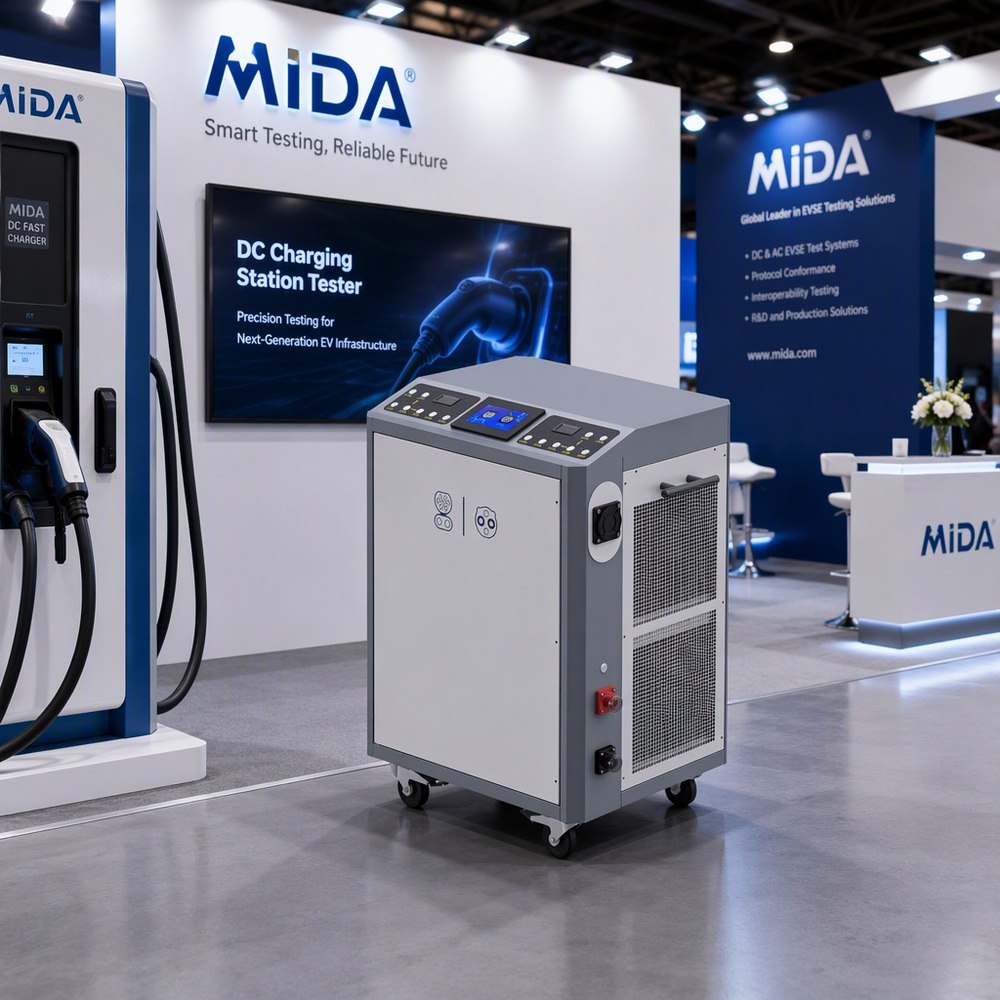
CCS NACS CHAdeMO DC Charger Station Tester Systems
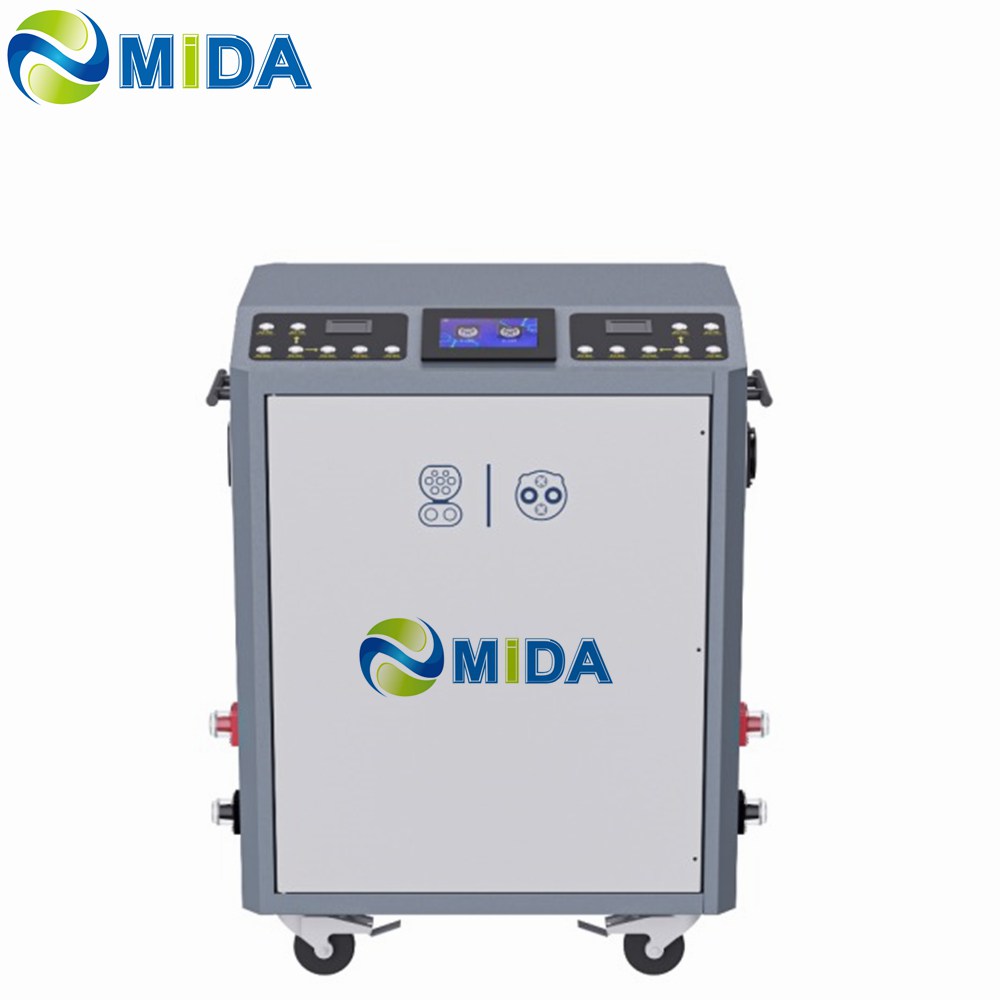
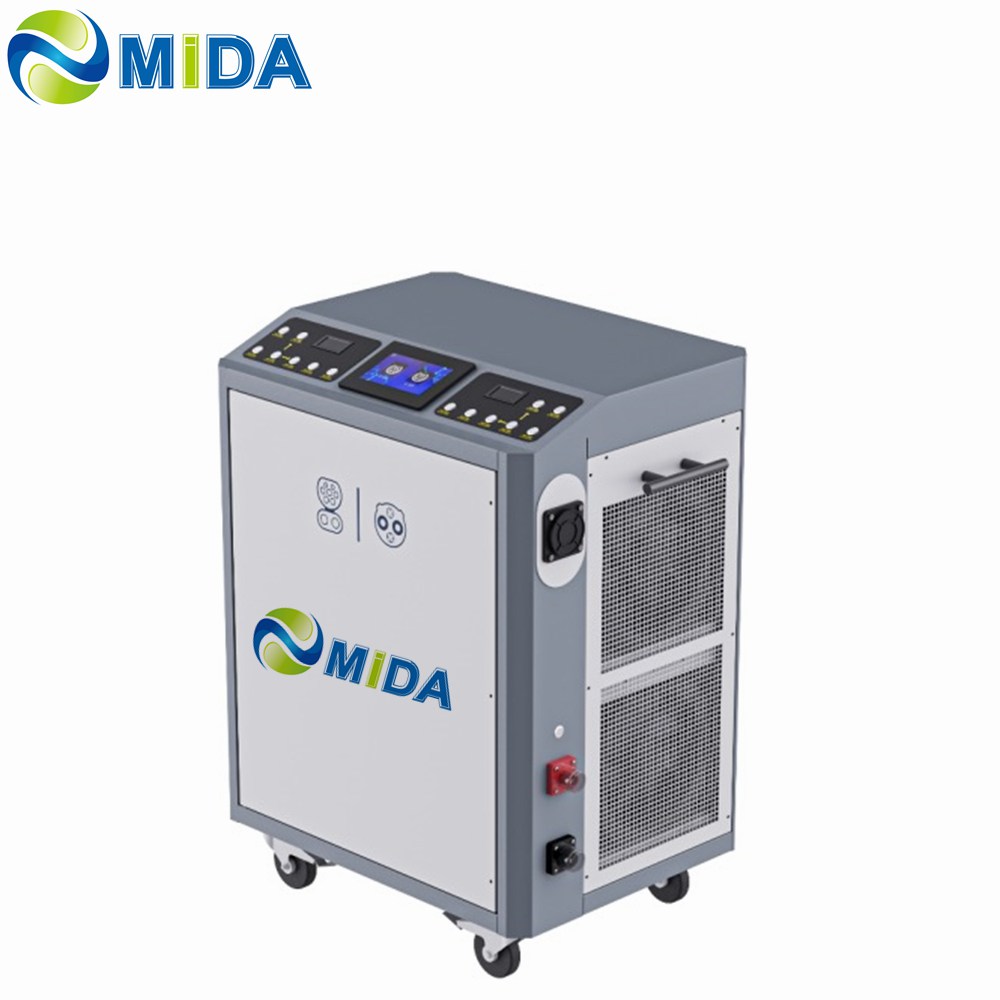
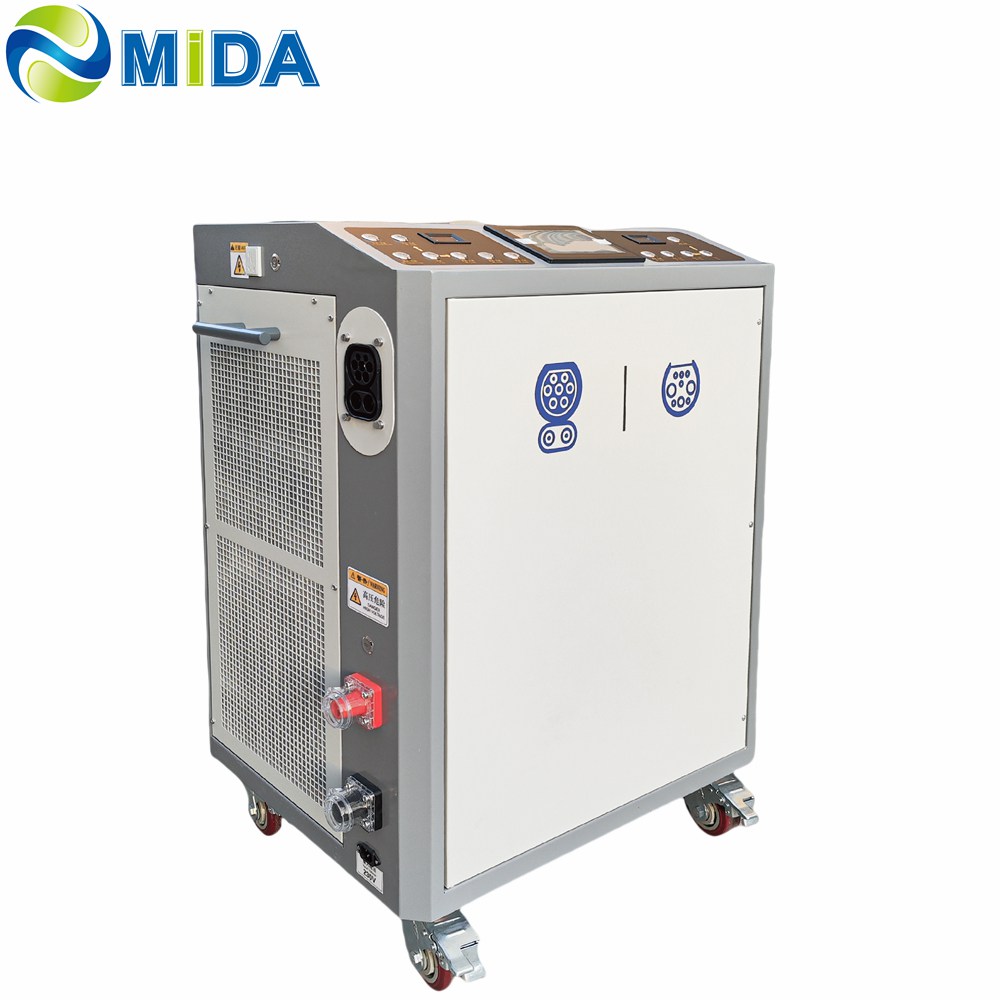
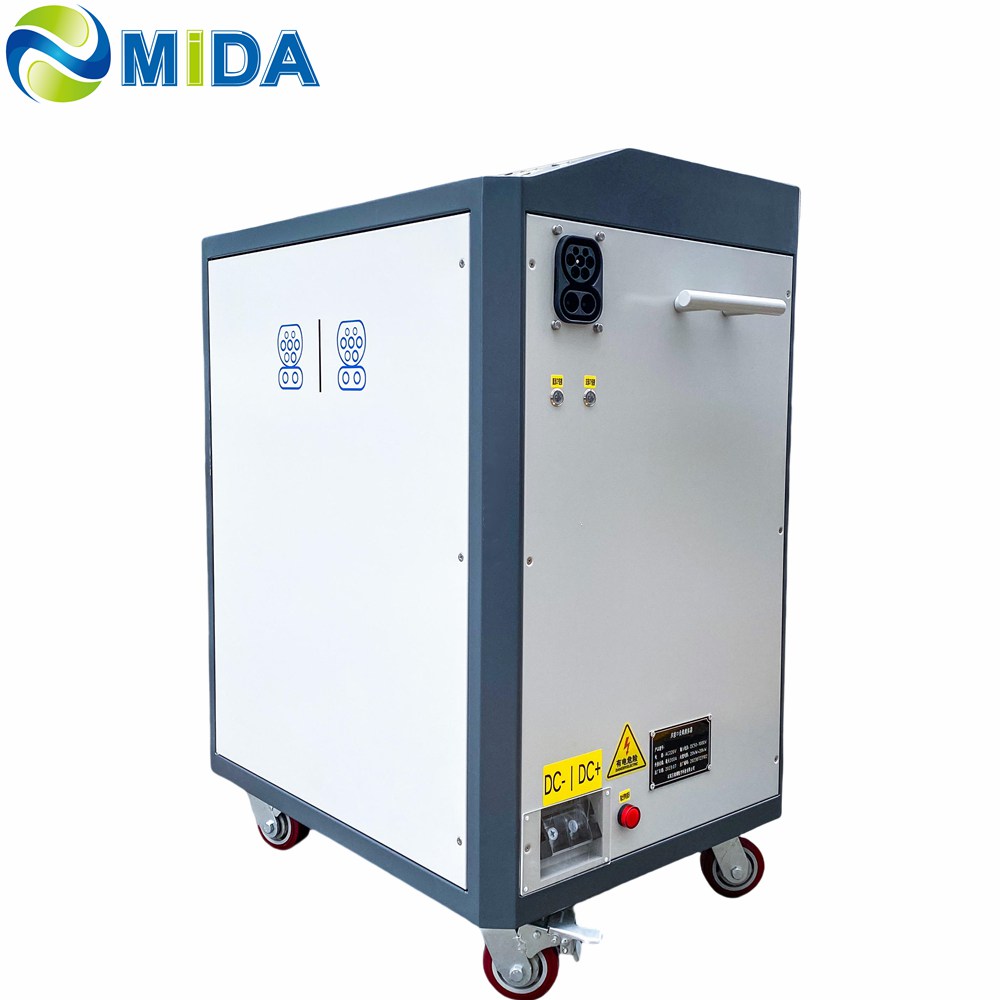
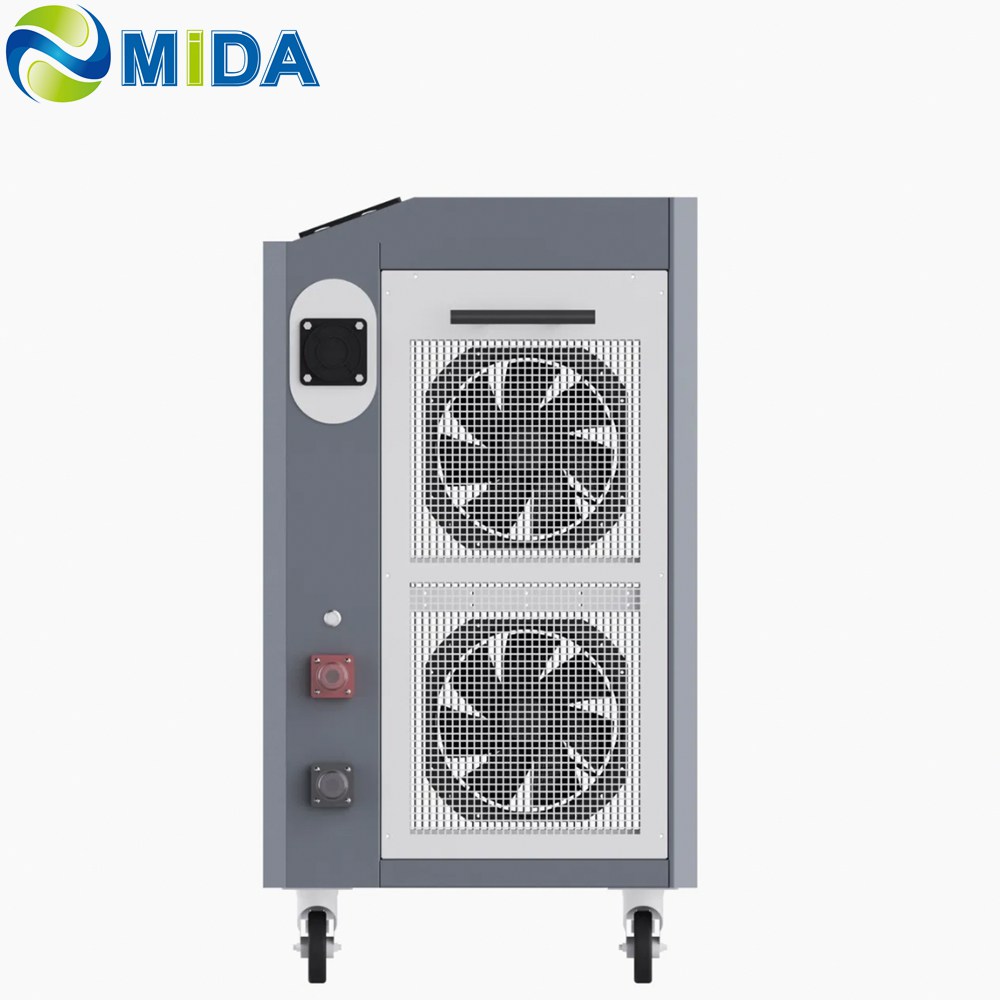
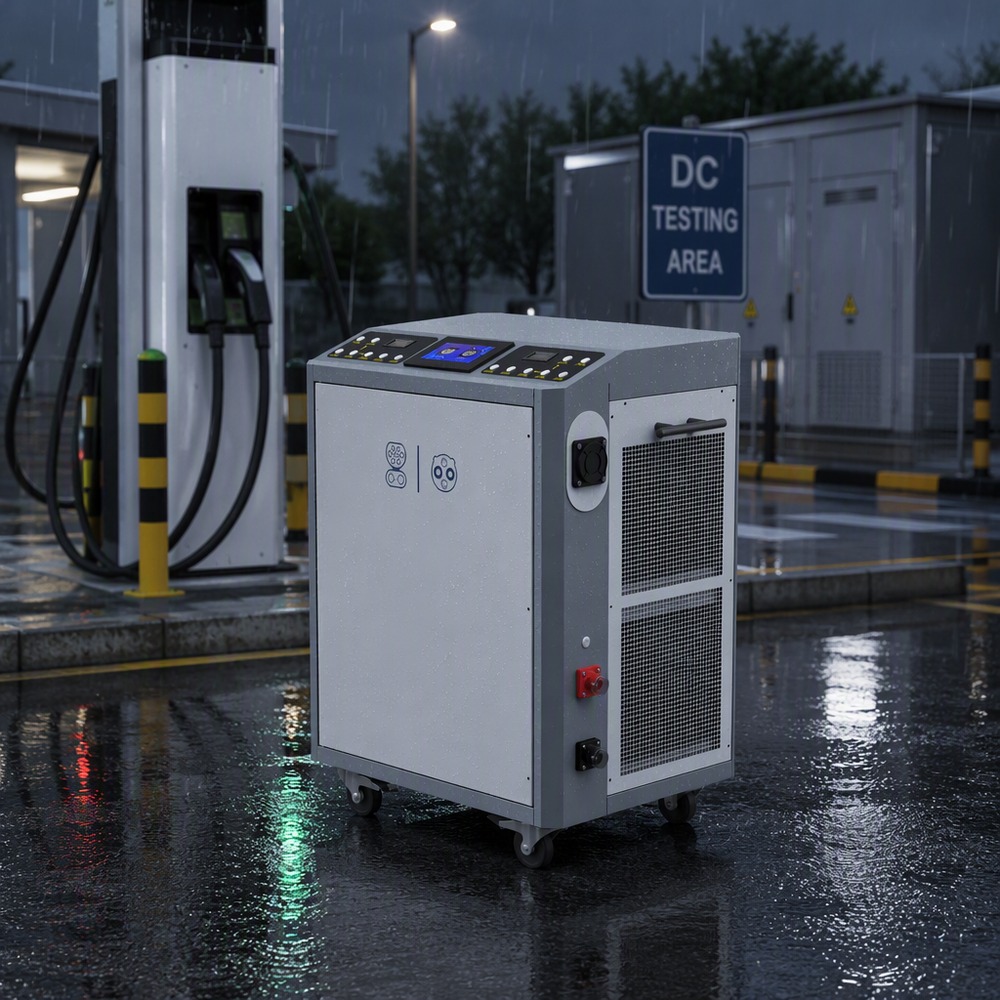
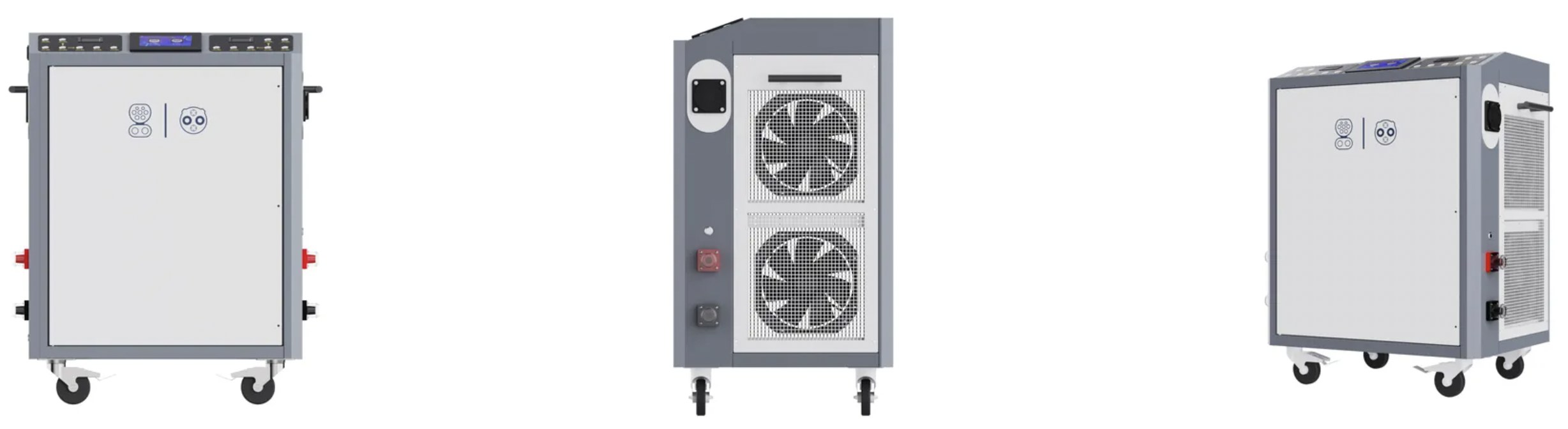
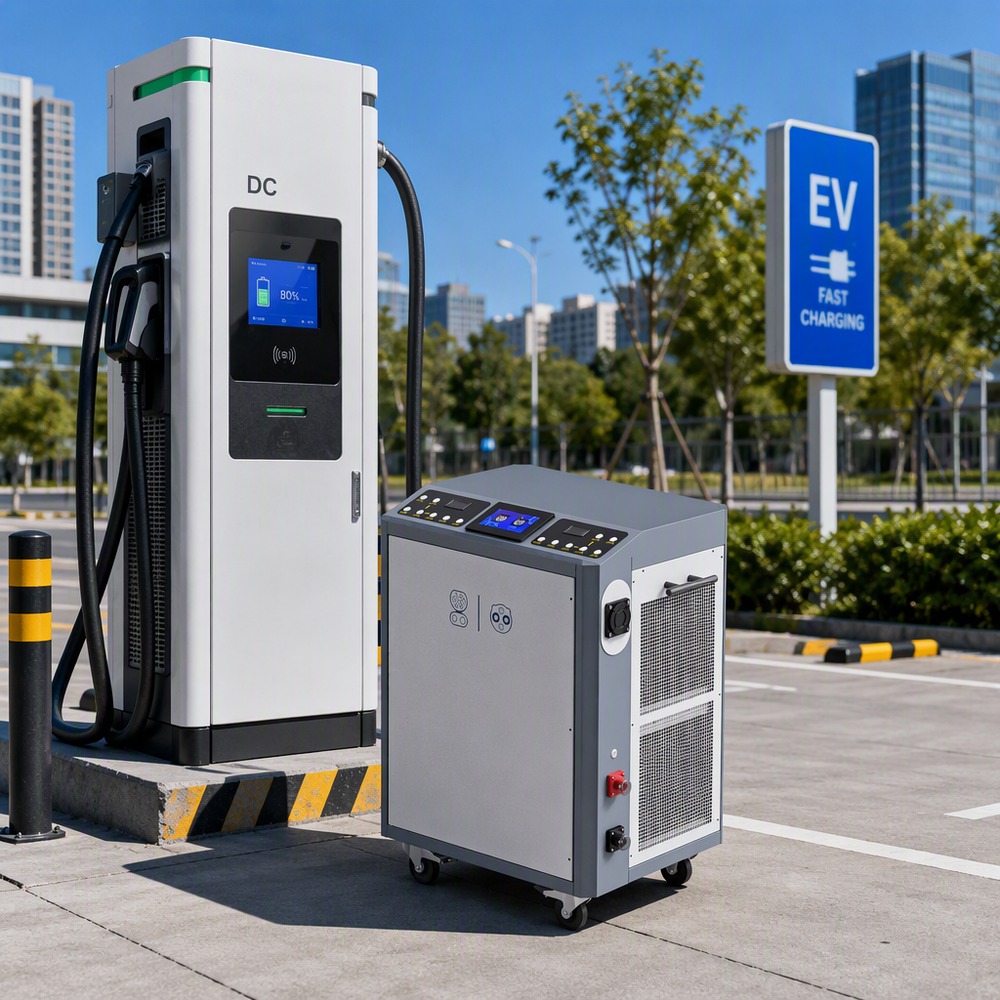
The DC EV charger tester supports GB/T, CHAdeMO, CCS1, CCS2 and Tesla. It can be used in various scenarios such as factory debugging of EV charger, on-site EV charger testing, laboratory EV charger testing, and EV charger R&D testing. It adopts a touch screen plus button design, and distinguishes the color indicators. When the button is pressed, the indicator light will light up. Comes with resistive load; various charging interfaces can be freely combined, CCS1 and CCS2 interfaces are universal for AC and DC; independent cooling air duct design; simple interface.
Specification
All-in-One DC EV Charger Tester: The Universal Testing Standard.
A DC charging station tester is an instrument used to verify the functionality, safety, and accuracy of DC electric vehicle (EV) charging stations. It is typically validated by simulating electric vehicles and performing various tests such as power, communication protocols, and safety checks. These testers are crucial for the installation, debugging, maintenance, and performance verification of DC chargers to ensure their compliance with national and international standards.
Types and functions of DC charging station testers
Integrated portable tester:
These compact devices integrate multiple testing functions and typically come with built-in or expandable loads, making it convenient for a single person to conduct on-site testing.
Integrated AC/DC tester:
Some devices can test both AC and DC chargers simultaneously and have high energy measurement accuracy.
Load box:
The tester can be used in conjunction with an adjustable resistor load box to perform high-power testing and verify the performance of the charger under load.
Battery Management System (BMS) Simulator:
Some professional testers include BMS simulators to check the communication between chargers and vehicle batteries.
Measurement and calibration tools:
Specialized equipment can be used for on-site calibration to ensure that the measurement accuracy of the charging station meets regulatory requirements.
Main features and functions
Load testing:
Simulate the power demand of an electric vehicle using an internal or external load box.
Communication testing:
Use a specific communication protocol to verify whether the communication between the charging station and the vehicle is correct.
Safety and installation inspection:
It can test safety characteristics such as insulation resistance and grounding continuity, and perform general installation inspections.
Performance and accuracy verification:
Measure the accuracy of energy output and check for issues such as work errors and clock errors.
Compatibility:
Supports various charging standards and connectors, such as GB/T, CCS, and CHAdeMO.
What protocol standards does this DC Charger Tester support?
The tester features multi-protocol support and is fully compatible with international standards including GB/T, CHAdeMO, CCS1, CCS2, and NACS/Tesla.
In which scenarios can the DC charging station tester be used?
It is highly versatile and suitable for factory debugging, on-site testing, laboratory evaluations, and research & development (R&D) testing.
What types of safety tests can this system perform?
The system inspects crucial safety factors including insulation resistance, grounding continuity, and other generic installation safety requirements.
How does the tester handle high-power loads and thermal issues?
The system features a built-in resistive load configuration combined with an independent cooling air duct design to ensure durability and stable performance under continuous load testing.
Can this system test both AC and DC stations?
Yes, some integrated AC/DC configuration options allow you to test AC and DC ports, and the universal CCS1 and CCS2 interfaces support both testing modes.
Is the user interface easy to operate for global users?
Yes, it features a highly responsive touch screen alongside manual buttons with status color indicators, as well as a user-friendly bilingual interface designed to improve operational efficiency.