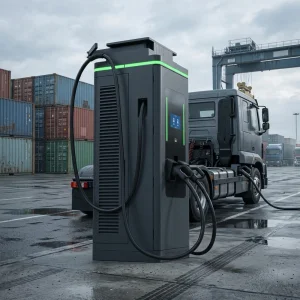
Global Commercial & Industrial EV Infrastructure Shift
The global transition to electric mobility is no longer constrained to urban private fleets. Heavy transport networks, logistical freight channels, mining concessions, and municipal transit grids are electrifying at exponential rates. This shift highlights a major structural challenge: static grid dependency. Laying stationary multi-megawatt connections requires intensive capital expenditure, multi-year permitting queues, and localized utility upgrades that frequently delay operational deployment.
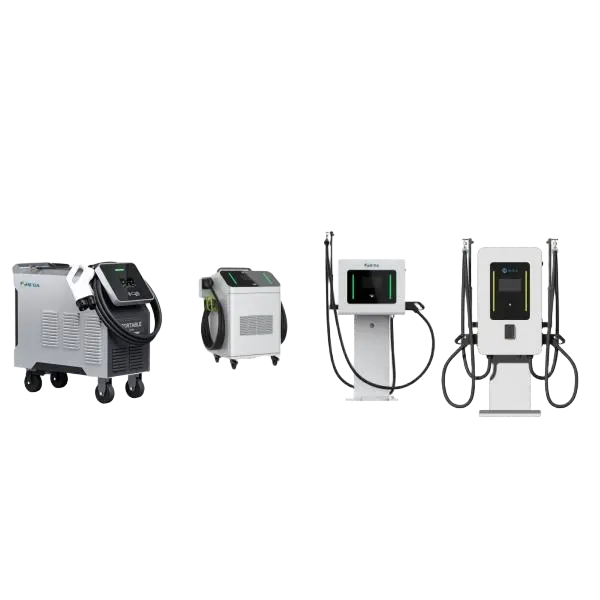
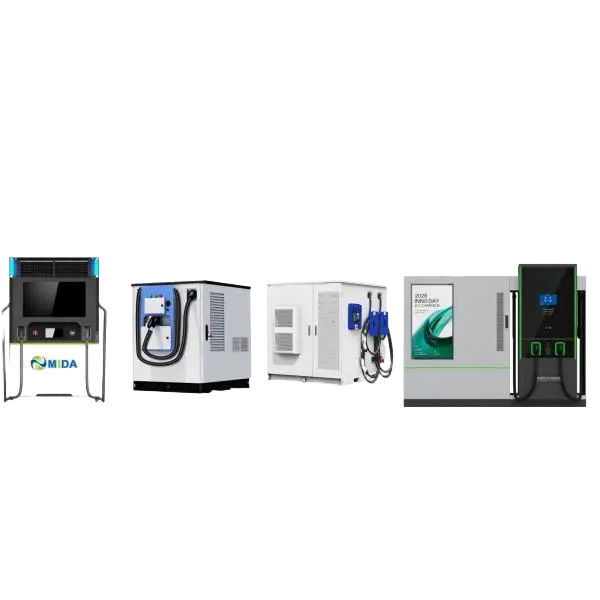
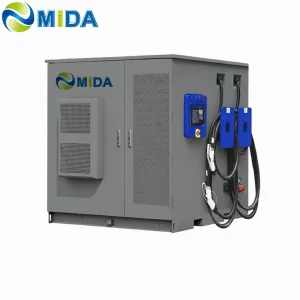
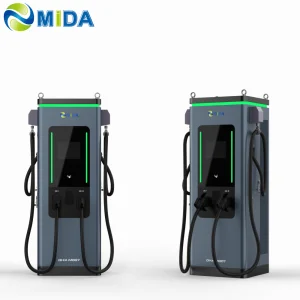
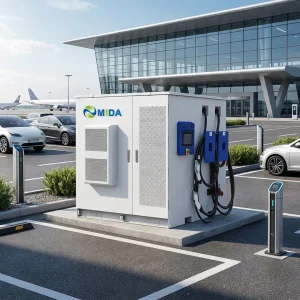
Consequently, Mobile EV Charging Stations integrated with Battery Energy Storage Systems (BESS) are transforming from temporary backup systems to core operational infrastructure assets. By decoupling peak charging draw from real-time grid availability, mobile units empower modern fleet operators to deploy rapid DC charging networks on demand. This approach mitigates peak demand charges and eliminates static grid infrastructure bottlenecks.
Mobile EV Charging Station Industry Trends
Advanced engineering within the off-grid electric vehicle supply equipment (EVSE) sector has spurred three dominant industry trends:
- Energy-Storage Coupling (BESS Mobile Chargers): Modern systems integrate high-density Lithium Iron Phosphate (LFP) chemistry directly into the charger chassis. By buffering power, these mobile stations draw low-current AC feed from standard grid connections while delivering high-output DC charging (up to 480kW) to vehicles on demand.
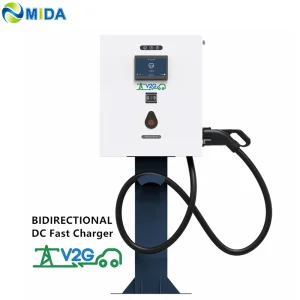
- Bidirectional V2G & V2X Functionality: Fleet vehicles are starting to function as distributed energy assets. Leveraging bidirectional V2G power modules allows systems to return power to the fleet depot microgrid or to utility grids during peak pricing intervals, offering a source of operational monetization.
- Liquid-Cooled Thermal Architectures: High-power output heats up components quickly. Transitioning from conventional air-cooled assemblies to integrated liquid-cooled modular assemblies allows continuous operations above 600kW without thermal throttling, maintaining a compact foot-print.