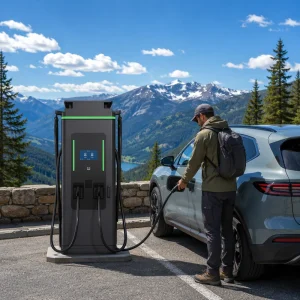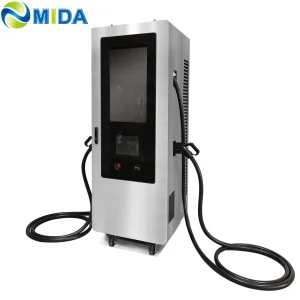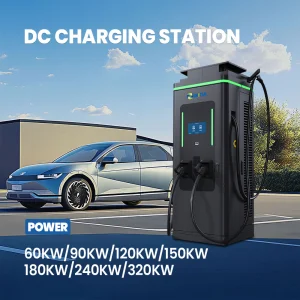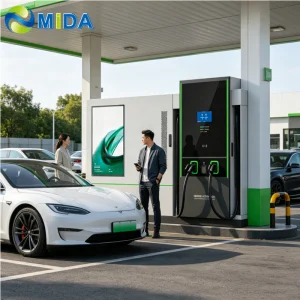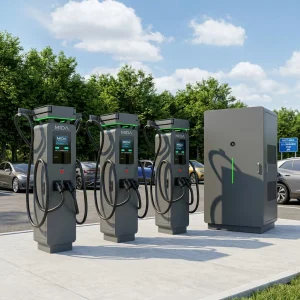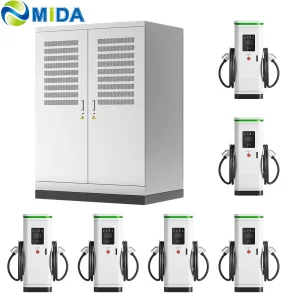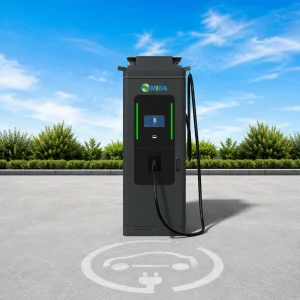
As the global transition to electric mobility accelerates, the commercial and industrial charging landscape is witnessing a structural shift. Historically, public infrastructure focused heavily on ultra-fast, high-power DC stations (150kW to 360kW) for highway corridors, and low-power AC level 2 chargers for residential use. However, a significant gap exists in urban, semi-public, and fleet parking environments. This gap is perfectly bridged by the 30kW DC Fast Charging Station.
Unlike 150kW+ chargers that demand dedicated medium-voltage transformers and grid upgrades, a 30kW DC Fast Charger operates comfortably on standard low-voltage three-phase electrical connections. This enables commercial properties, dealerships, and fleet depots to install fast DC capabilities without incurring prohibitive infrastructure costs.
For fleet operations (delivery vans, corporate vehicles, urban taxi networks), an 8-hour AC charge is too slow, and a 350kW liquid-cooled station is an over-investment that stresses battery thermal systems. A 30kW DC station replenishes a typical 60kWh commercial EV battery from 20% to 80% in approximately 1 hour, making it the ideal choice for "dwell-time" charging.
B2B procurement professionals focus heavily on Return on Investment (ROI) and Total Cost of Ownership (TCO). A 30kW DC charging system provides direct-current charging efficiency, bypasses the limitations of vehicle-specific onboard AC chargers, and requires significantly less CapEx than high-power equivalents.
When procuring 30kW DC fast charging stations globally, Chinese manufacturing hubs—particularly in Shenzhen, Shanghai, and Zhejiang—represent the pinnacle of cost efficiency, technical agility, and quality assurance. This leadership is not merely built on labor costs, but on vertical integration and advanced component ecosystem engineering.
Shanghai Mida Cable Group Ltd. operates through its wholly owned subsidiaries: Shanghai Mida EV Power Co., Ltd., Shenzhen Mida EV Power Co., Ltd., and Shanghai Mida New Energy Co., Ltd.
Mida Cable manufactures a comprehensive range of EV charging cables, including 16A–80A J1772 cables, 16A–63A IEC 62196-2 Type 2 cables, and DC fast charging cables: CCS1 (80A–500A), CCS2 (125A–1000A), CHAdeMO (125A–300A), GBT (200A–1000A), and NACS connectors (250A–600A).
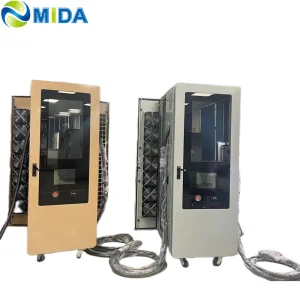
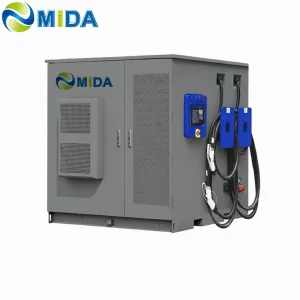
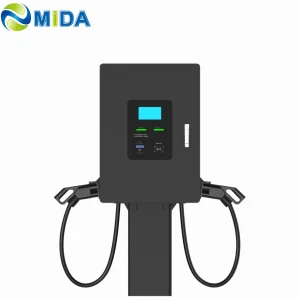
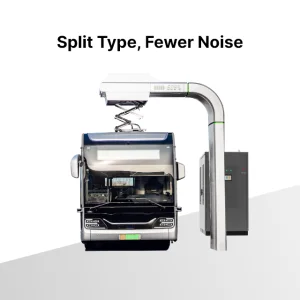
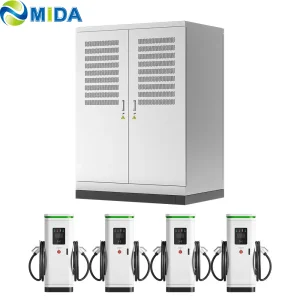
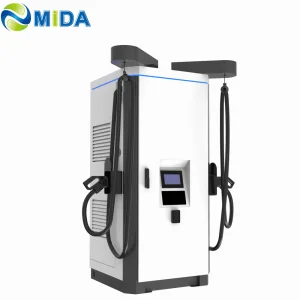
MIDA EV Power produces a full lineup of EV charging stations, such as 7kW–50kW mobile chargers, 3.6kW–7.2kW portable DC chargers, 360kW–1440kW split-type DC fast chargers, 20kW–50kW wall-mounted DC chargers, and 60kW–480kW floor-standing DC fast charging stations.
MIDA New Energy specializes in EV charger power modules, offering 20kW–60kW standard modules, 40kW–125kW liquid-cooled modules, 30kW–62.5kW bidirectional modules, and 20kW–45kW V2G charging modules.

Explore our high-performance component engineering, power modules, and integrated charging stations designed for long-term grid integration.
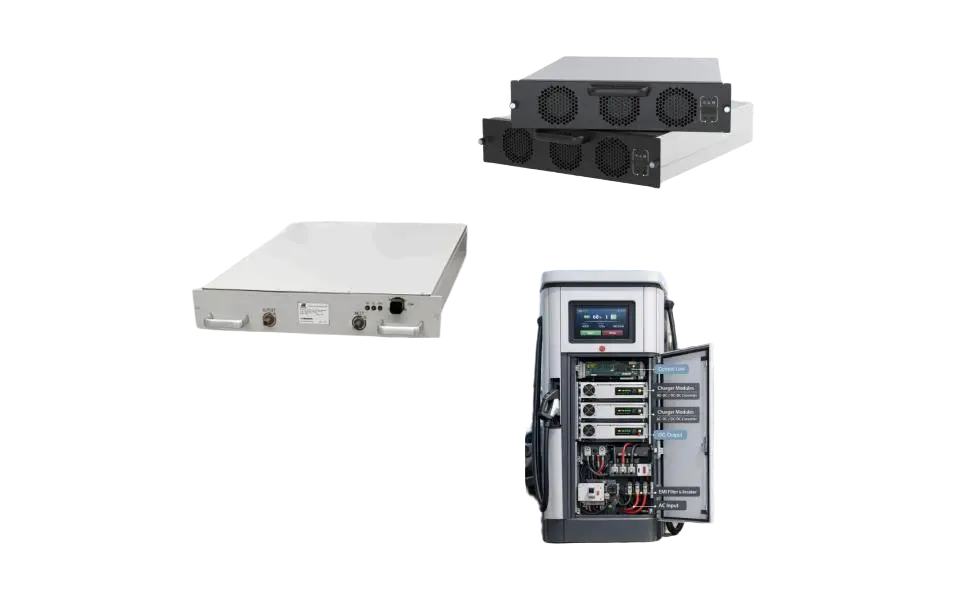
High frequency switching power conversion modules for custom charger integration.
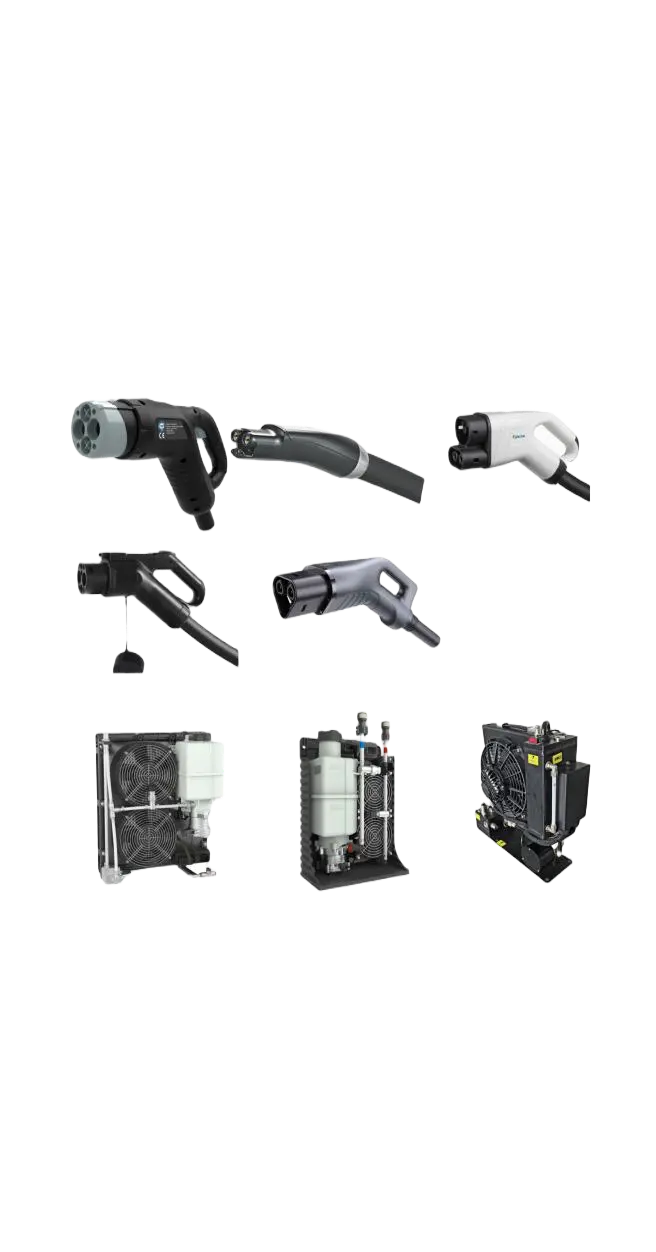
High-power liquid-cooled charging gun and matching thermal control units.
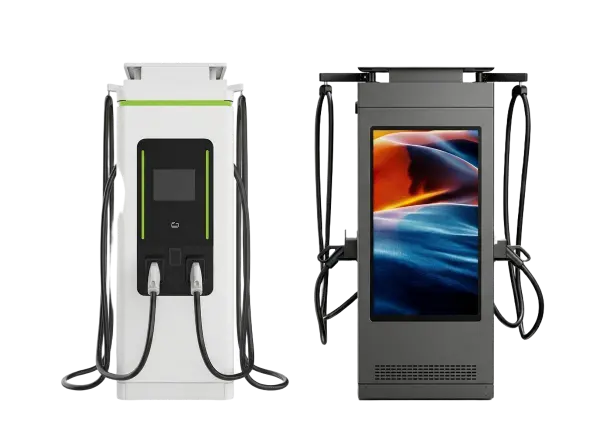
Integrated standalone fast chargers with wall-mount or floor-standing designs.
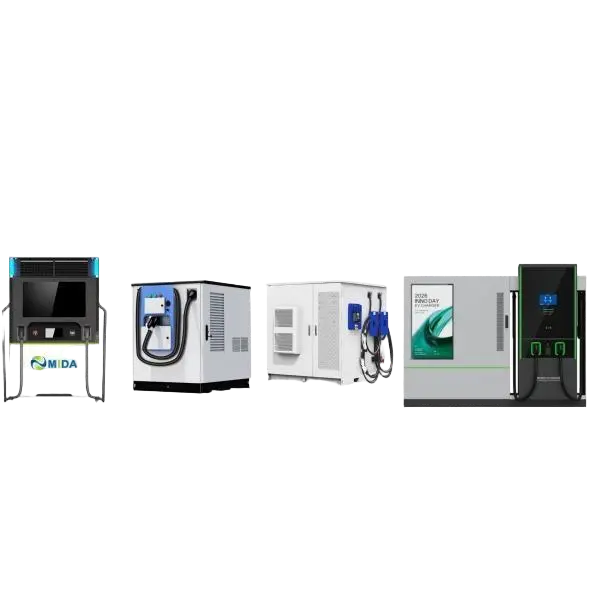
Battery Energy Storage Systems paired with ultra-fast charging technology.
Integrating a 30kW DC Fast Charger requires understanding localized utility regulations, traffic patterns, and vehicle types. Here are the most prominent scenarios where the 30kW system delivers maximum utility:
For last-mile delivery vehicles, parcel vans, and local service providers, overnight charging is key. However, if a vehicle needs mid-day replenishment during driver shifts, standard AC is insufficient. A 30kW fast-charging unit allows swift top-ups within 45 minutes, keeping operational uptime optimized without blowing the site's peak power threshold.
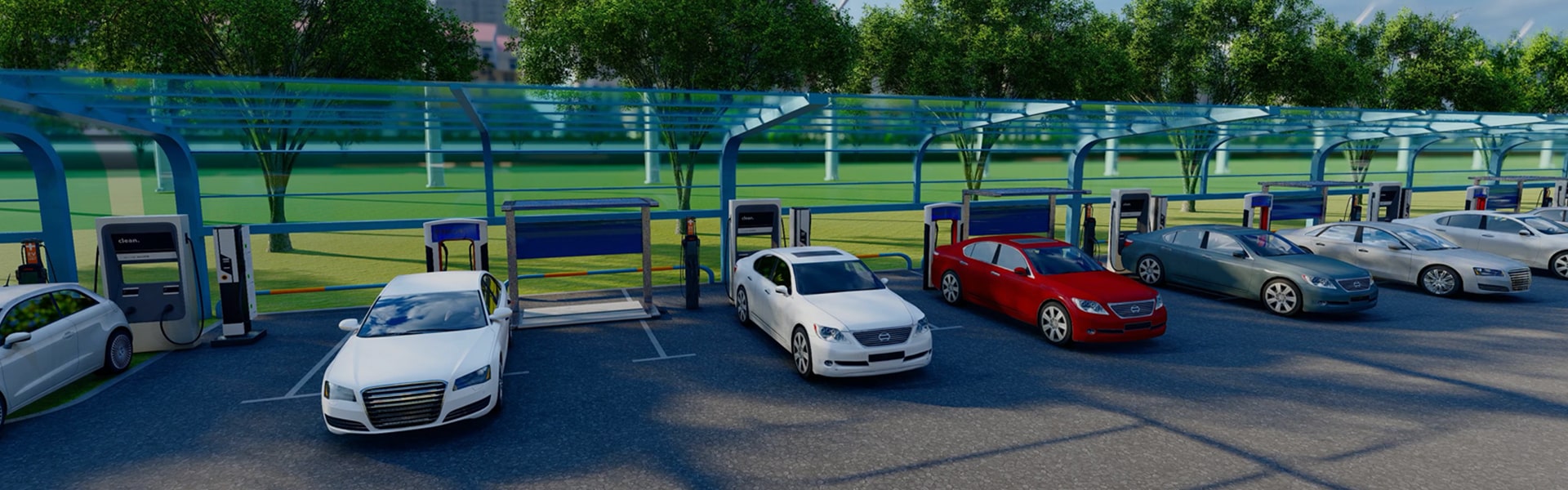
The average consumer spends between 45 to 90 minutes at a retail plaza. Providing a 30kW DC charger ensures that the driver can gain an extra 100-150 km of range during their shopping visit. This serves as a significant customer acquisition magnet for commercial property managers.
In residential parking structures, power availability is limited. Installing a 30kW system with Dynamic Load Balancing (DLB) allows multiple vehicles to share the load dynamically, preventing breaker trips while delivering much faster charge cycles than Level 2 AC chargers.
As the EV ecosystem matures, hardware specifications are evolving to meet grid limitations and consumer demands. Manufacturers must adapt to these paradigms:
Vehicle-to-Grid (V2G) and Vehicle-to-Home (V2H) technologies are transitioning from pilots to mainstream deployment. Using bidirectional AC/DC power modules (such as MIDA's 20kW-62.5kW units) enables fleet vehicles to function as mobile battery storages, feeding power back to the grid during peak pricing hours.
Newer generations of 30kW modules utilize Silicon Carbide (SiC) MOSFETs instead of traditional Silicon IGBTs. SiC semiconductors offer superior thermal conductivity, higher switching speeds, and efficiency rates exceeding 96.5%, dramatically reducing heat dissipation requirements inside the charger cabinet.
Battery Energy Storage Systems (BESS) are increasingly integrated directly with charging stations. In sites where grid capacity is strictly limited (e.g., remote highways or aged urban zones), a local battery pack buffers the grid, allowing the station to deliver continuous 30kW to 120kW charging peaks without drawing directly from the grid.
Following Tesla’s open-sourcing of the North American Charging Standard (NACS), international B2B buyers must purchase hardware that supports dual connectors (CCS2 + NACS or CCS1 + NACS) natively, alongside compliant communication protocols (ISO 15118).
To avoid standard field issues, engineering buyers must evaluate several technical criteria when choosing a factory partner: