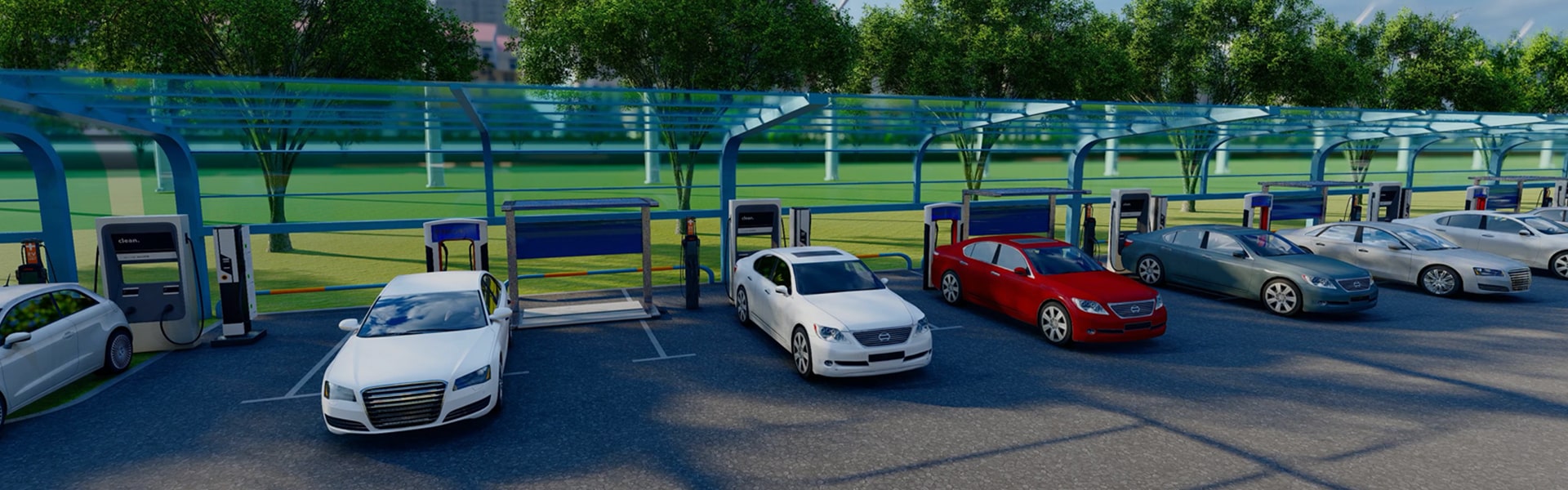
Explore our high-performance DC fast charger stations and modular liquid-cooled architectures designed for global compatibility and continuous reliability.
Shanghai Mida Cable Group Ltd. operates through its wholly owned subsidiaries: Shanghai Mida EV Power Co., Ltd., Shenzhen Mida EV Power Co., Ltd., and Shanghai Mida New Energy Co., Ltd. Our integrated group architecture covers the entire spectrum of new energy deployment, from advanced transmission lines to automated high-power charging modules and smart destination piles.
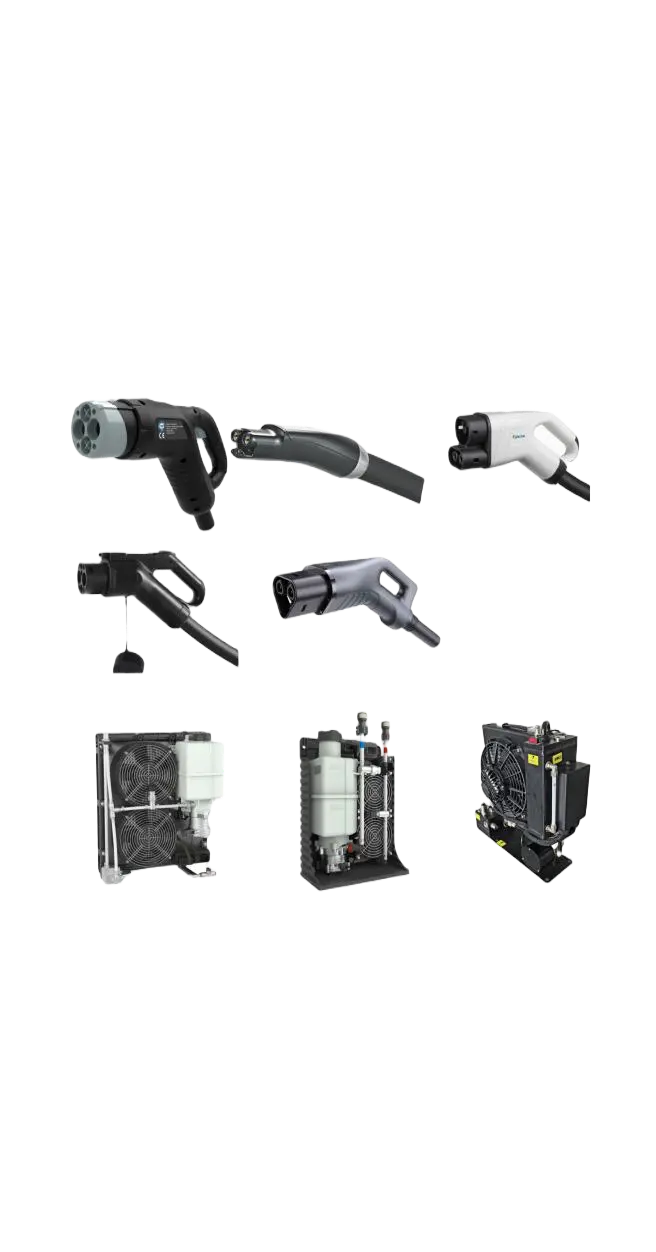
Mida Cable manufactures a comprehensive range of EV charging cables, including 16A–80A J1772 cables, 16A–63A IEC 62196-2 Type 2 cables, and DC fast charging cables: CCS1 (80A–500A), CCS2 (125A–1000A), CHAdeMO (125A–300A), GBT (200A–1000A), and NACS connectors (250A–600A). Our engineering standards guarantee structural reliability, low contact resistance, and optimal thermo-regulation during ultra-high power delivery.
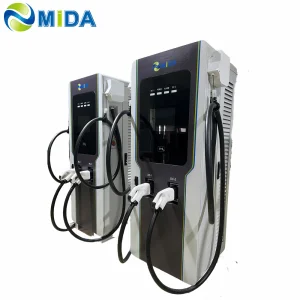
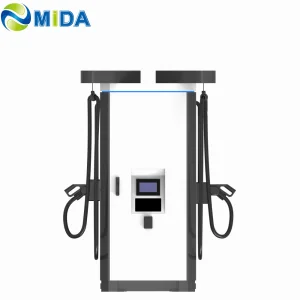
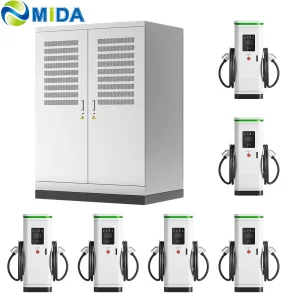
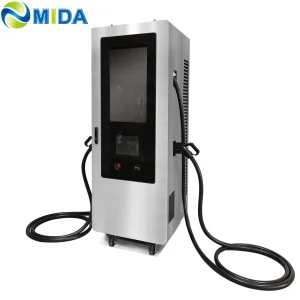
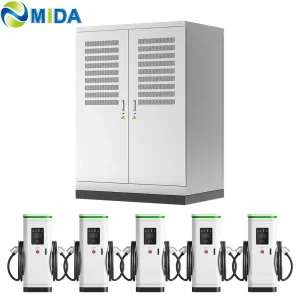
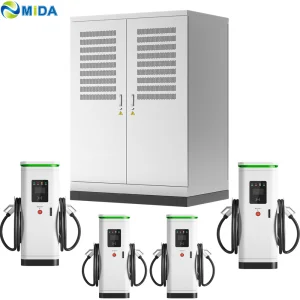
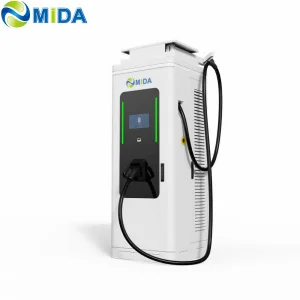
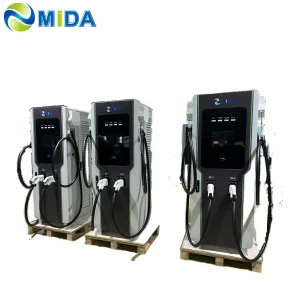
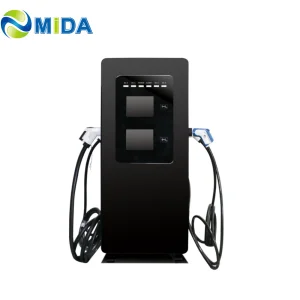
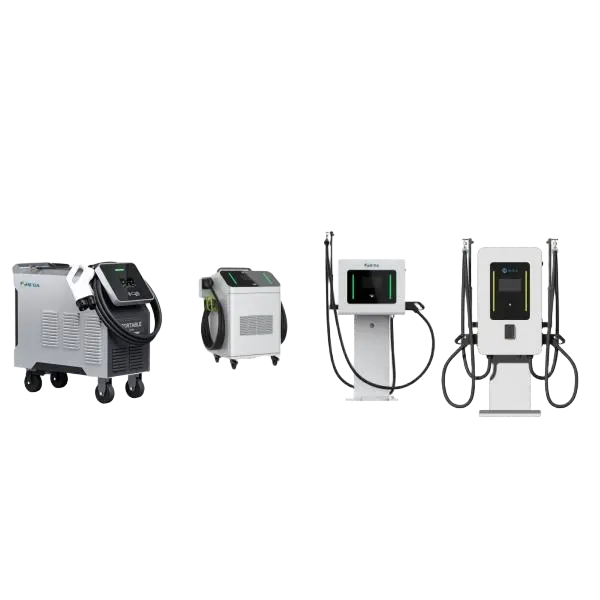
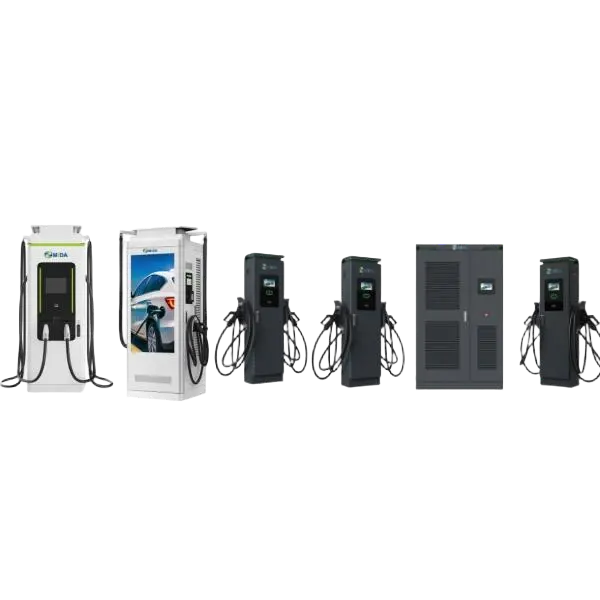
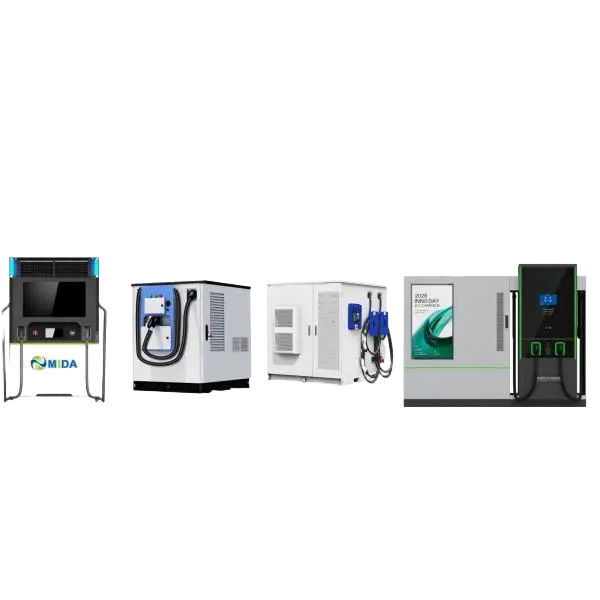
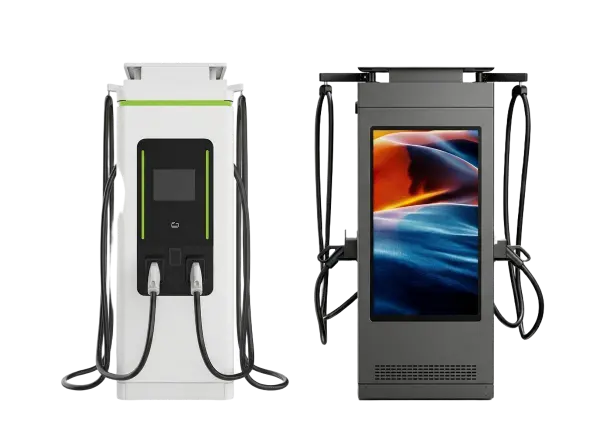
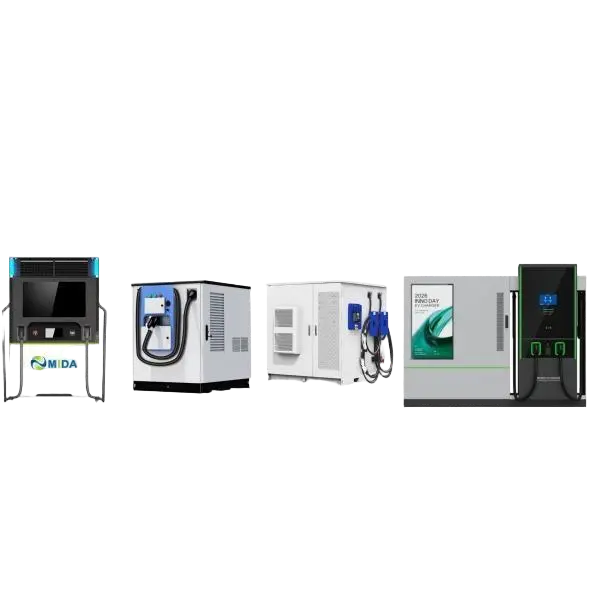
MIDA EV Power produces a full lineup of EV charging stations, such as 7kW–50kW mobile chargers, 3.6kW–7.2kW portable DC chargers, 360kW–1440kW split-type DC fast chargers, 20kW–50kW wall-mounted DC chargers, and 60kW–480kW floor-standing DC fast charging stations.
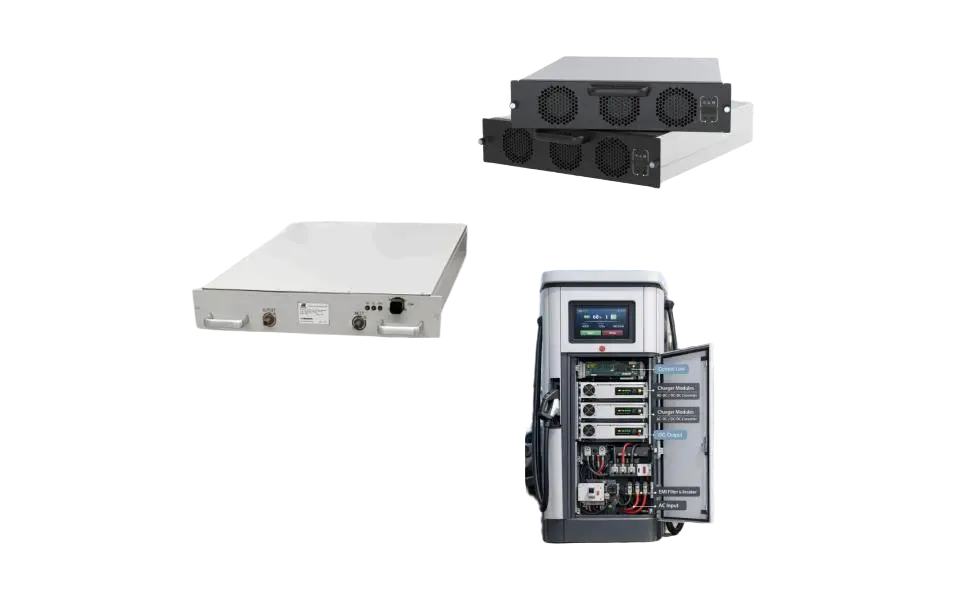
MIDA New Energy specializes in EV charger power modules, offering 20kW–60kW standard modules, 40kW–125kW liquid-cooled modules, 30kW–62.5kW bidirectional modules, and 20kW–45kW V2G charging modules.

A statistical breakdown of how MIDA technologies meet international EV network expectations.
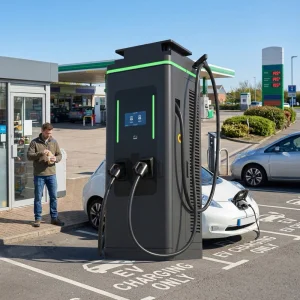
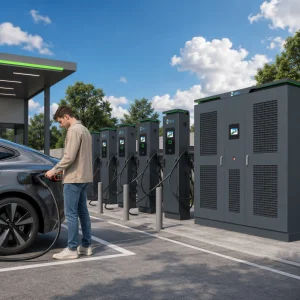
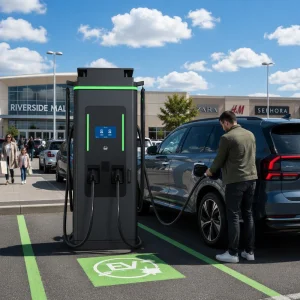
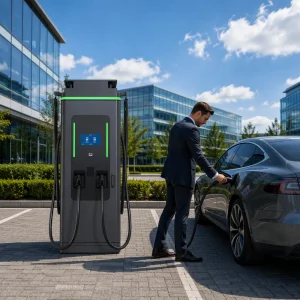
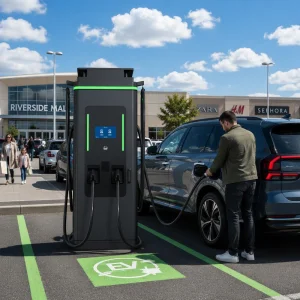
The global EV infrastructure rollout is undergoing a strategic shift from raw speed charging to smart, application-specific deployment. While megawatt-level charging cabinets are essential for highway travel hubs, the 40kW DC Charging Station is the key link for mid-point, fleet, and destination networks. Located at commercial properties, fleet depots, and multi-unit dwellings, these systems provide fast, reliable power without requiring the expensive grid upgrades needed for high-power megawatt installations.
By delivering direct current bypassing the limitations of vehicles' onboard AC chargers (which are typically capped at 7kW or 11kW), a 40kW DC station can deliver 80–120 miles of range in just over an hour. This makes it an ideal fit for dwell-time business models where visitors park for 60 to 120 minutes, including shopping complexes, retail spaces, fitness centers, corporate parking, and airport drop-offs.
The transition to electric mobility is driven by diverse regional incentives, vehicle configurations, and grid realities. In Europe, the Euro 7 standards and strict corporate ESG policies demand commercial properties provide public chargers. Our 40kW stations natively support CCS2 and OCPP 1.6J/2.0.1 protocols to align with local requirements. In North America, the rapid adoption of NACS (SAE J3400) requires factories to supply dual-plug setups (CCS1 + NACS) with integrated dynamic power allocation, protecting real estate operators from future-proofing expenses.
Meanwhile, in Latin America, Southeast Asia, and the Middle East, high ambient temperatures and dusty conditions demand resilient hardware design. This is where MIDA's specialized engineering becomes valuable. Our IP54 and IP55 enclosures, coupled with wide temperature operation limits (-30°C to +50°C), ensure uninterrupted performance in extreme environments.
Provides a faster ROI for site hosts. Minimizes expensive utility transformers, substation reviews, and trenching costs while delivering fast charging speeds.
Integrates with building energy management systems. Limits demand spikes through automated scheduling, helping site owners avoid high utility demand charges.
Supports CCS1, CCS2, GBT, and NACS interfaces. Compliant with international standards and compatible with light, medium, and heavy-duty vehicles.
Our solutions range from compact wall-mounted modules to high-power energy storage systems.
 View More
 View More
 View More
A key factor in a 40kW DC charging system's reliability is its internal architecture. Standard solutions often use a single 40kW monolithic block, which can cause total system failure if one component fails. Our factories construct systems using modular power blocks, combining two 20kW or 30kW modules. This approach provides redundancy: if one module goes offline, the station continues running at a lower capacity rather than shutting down completely. This structural design helps fleet operators maintain high reliability standards.
Operating chargers at high power levels creates significant thermal loads. We manage heat with forced-air paths and isolated chambers to keep sensitive electronics separate from air intake streams. For extreme settings, MIDA offers integrated Liquid Cooled Power Modules (available in 40kW, 60kW, and up to 125kW capacities). These liquid-cooled options feature quiet, dust-proof cooling and minimal maintenance, helping them run reliably in warm environments.
Modern charging stations are designed to serve as grid-connected energy assets. Our 20kW–45kW V2G (Vehicle-to-Grid) modules support bidirectional power transfer. This allows fleet operators to use vehicle battery packs to stabilize local grids, discharge power during peak utility rates, and reduce the total cost of ownership (TCO) for delivery vans and municipal fleets.
Explore our core product lines designed to meet your EV power transmission, transformation, and distribution needs.
Sourcing chargers from China requires confirming certification compliance for your local market. For the EU, CE marking and EN 61851-1/23/24 safety standards are mandatory, alongside OCPP 1.6J/2.0.1 compliance. In North America, UL 2202 and UL 2594 safety standards and FCC Part 15 subpart B Class A certificates are required. MIDA's factories ensure all assemblies meet standard testing guidelines before shipping, which helps simplify port clearance processes.
A reliable supplier must follow strict factory acceptance testing (FAT). At MIDA, our quality management includes automated optical inspections (AOI), full-load burn-in tests, high-voltage insulation tests, and environmental chamber cycling. We document these steps with traceable data logs for each power module. Our facilities also support third-party inspections to verify build quality before shipping.
The charging landscape is changing quickly as light-duty vehicles adopt the NACS standard and heavy-duty trucks prepare for Megawatt Charging Systems (MCS). Meanwhile, modern charging stations are increasingly designed to integrate with microgrids. By pairing 40kW DC chargers with onsite solar PV and battery storage (BESS), operators can reduce grid dependency, manage utility costs, and maintain active charging networks even during grid outages.
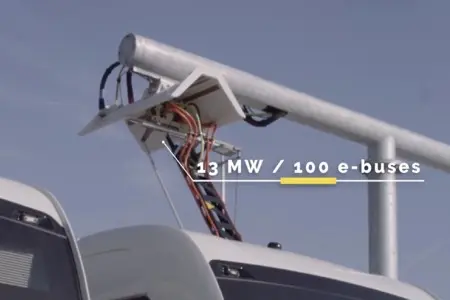
Stay informed about our latest technical innovations and deployments in electric bus transit and infrastructure design.

Answering common questions about technical deployment, electrical compliance, and system optimization.
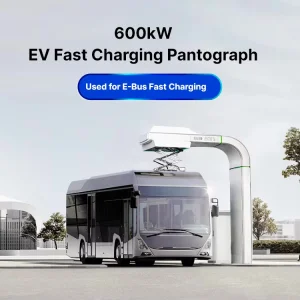
Compare our high-capacity DC fast chargers, split power cabinets, and heavy-duty bus charging systems.