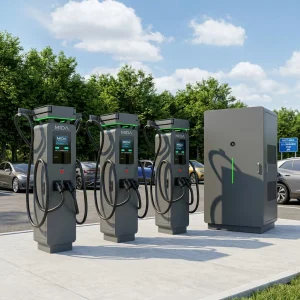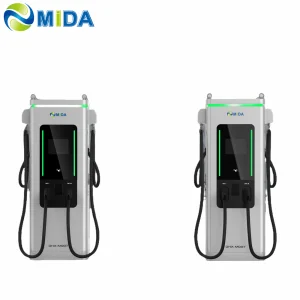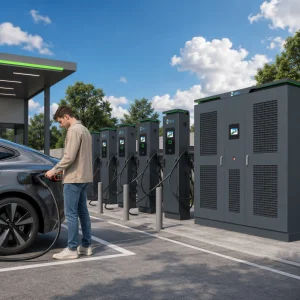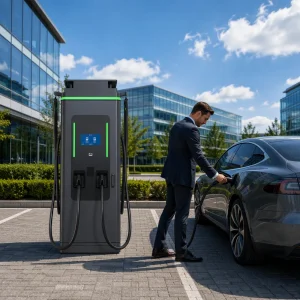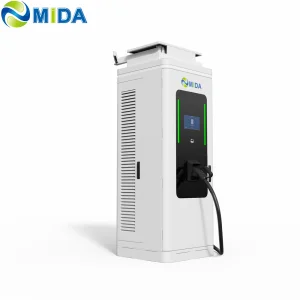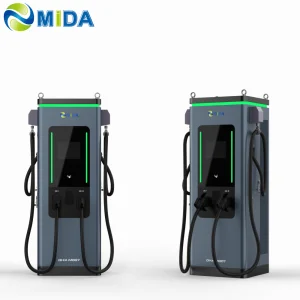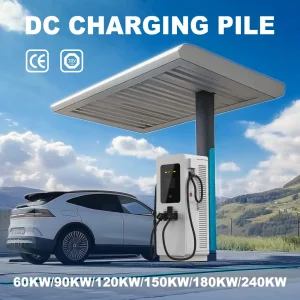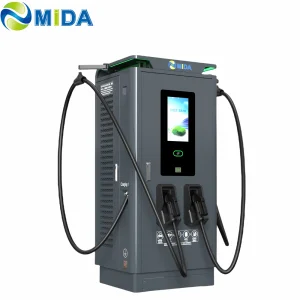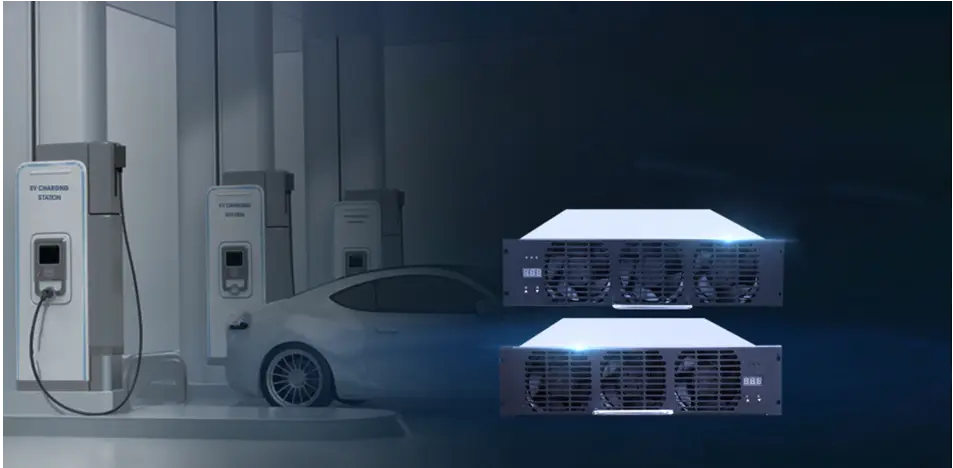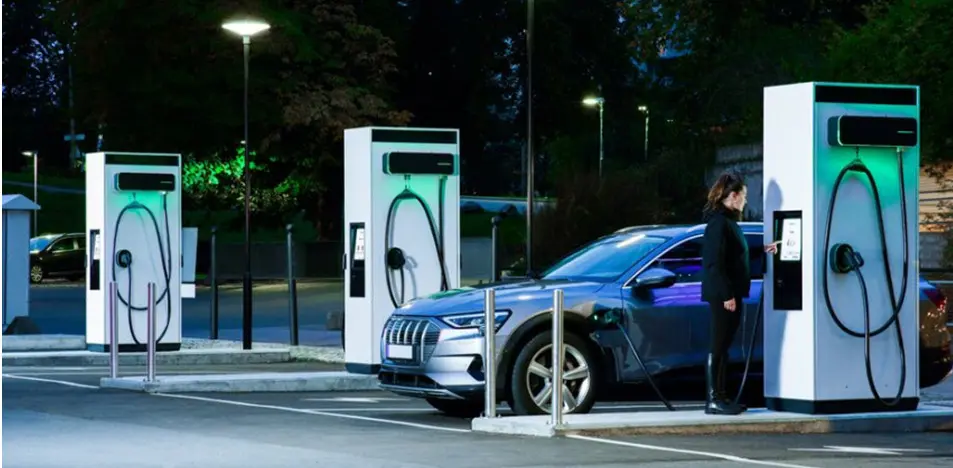
High-efficiency, commercially optimized EVSE hardware direct from our advanced manufacturing facility
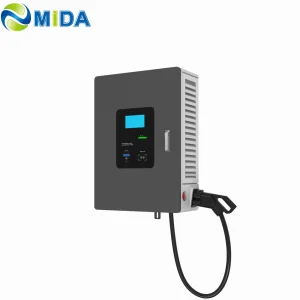
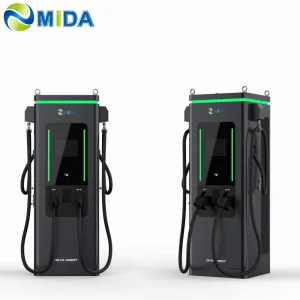
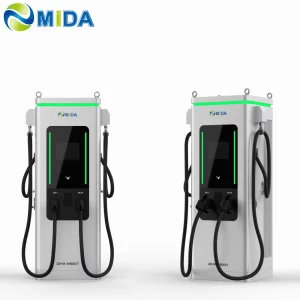
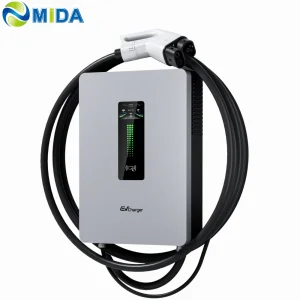
The global shift towards commercial vehicle electrification has established 50kW DC charging stations as the golden standard for mid-power infrastructure. This specific power node offers a balanced compromise between massive infrastructure capital expenditure (CAPEX) and acceptable charging speed. High-power highway hubs require mega-watt scale feeds, whereas destination retail parking, urban logistics centers, commercial fleet depots, and public service bays find 50kW DC chargers to be highly cost-effective and operationally versatile.
Under regulations like Europe’s Alternative Fuels Infrastructure Regulation (AFIR) and the United States' NEVI standards, public charge points are mandated to scale rapidly. 50kW stations represent the sweet spot for grid connectivity: they do not typically demand dedicated mid-voltage substations, meaning faster approvals, easier grid-tie integration, and significantly lower local utility installation barriers. Furthermore, the average dwell time in retail, dining, and municipal office complexes (45 to 90 minutes) matches the delivery time of a 50kW charging curve, replenishing approximately 150-250 kilometers of range during a single typical visit.
Charge Point Operators (CPOs) and EVSE buyers look for 50kW solutions that offer high uptime, modular power modules for quick servicing, and broad interoperability across standards including CCS2, CCS1, CHAdeMO, GB/T, and NACS. China's mature EV supply chain has centralized the production of power conversion components, enabling manufacturers to deliver industrial-grade hardware at highly competitive price-to-performance ratios. Working directly with a tier-1 Chinese factory ensures access to customized solutions, localized certification support (TUV, CE, UL), and comprehensive warranties.
Shanghai Mida Cable Group Ltd. operates through its wholly owned subsidiaries: Shanghai Mida EV Power Co., Ltd., Shenzhen Mida EV Power Co., Ltd., and Shanghai Mida New Energy Co., Ltd. This strategic division enables us to handle every phase of EVSE supply chain development—from advanced cable extrusion and high-current connectors to power conversion module R&D and full station packaging.
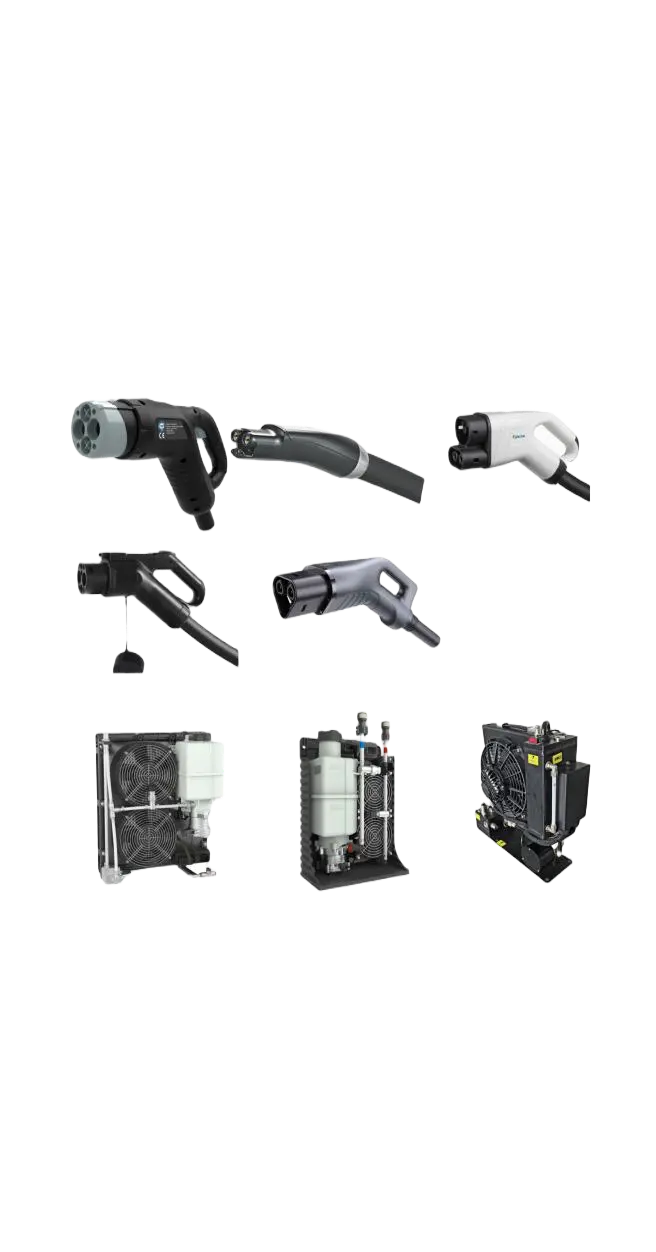
Mida Cable manufactures a comprehensive range of EV charging cables, including 16A–80A J1772 cables, 16A–63A IEC 62196-2 Type 2 cables, and high-power DC fast charging cables: CCS1 (80A–500A), CCS2 (125A–1000A), CHAdeMO (125A–300A), GB/T (200A–1000A), and NACS connectors (250A–600A).
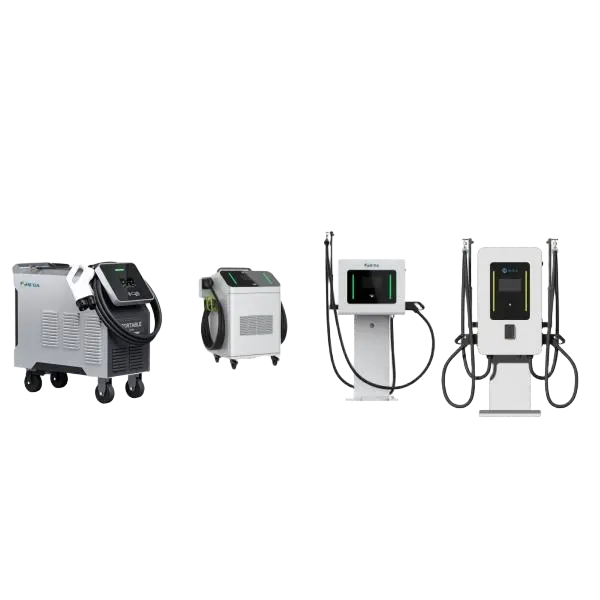
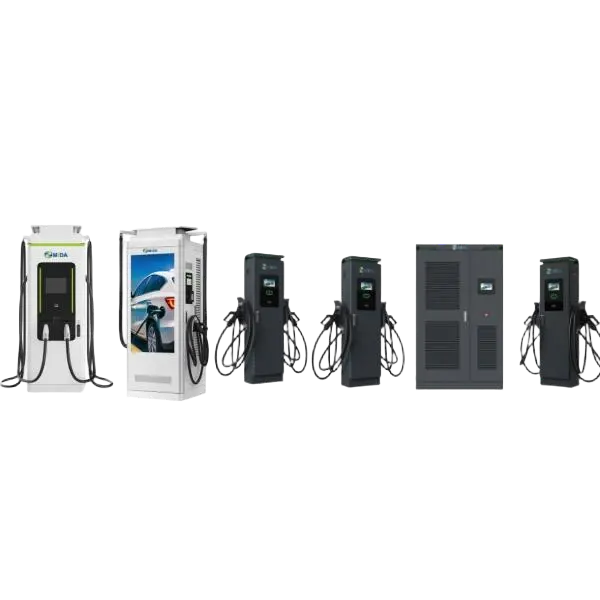
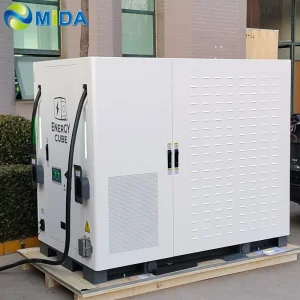
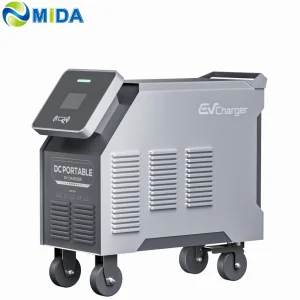
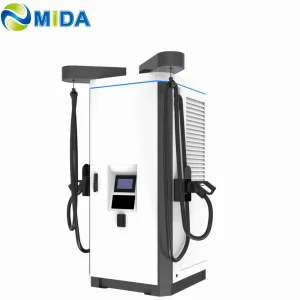
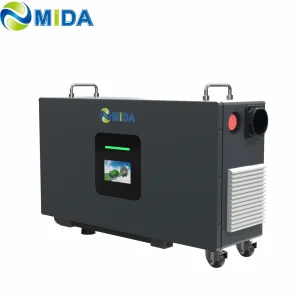
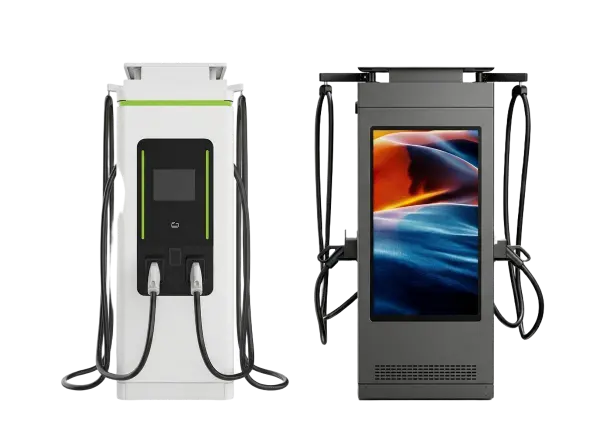
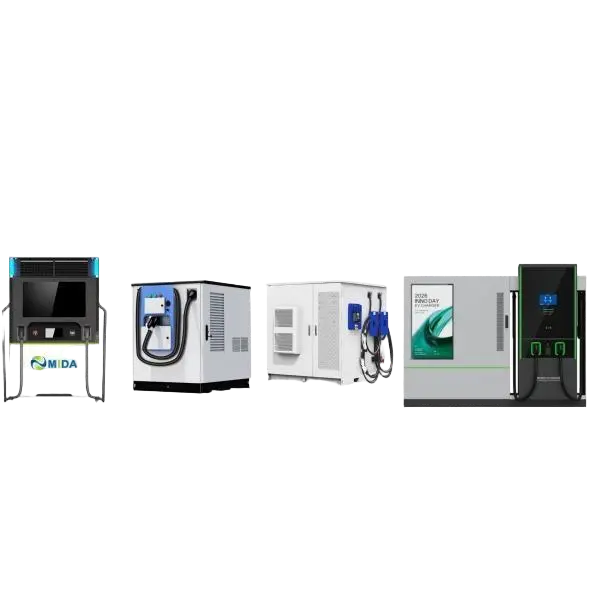
MIDA EV Power produces a full lineup of EV charging stations, such as 7kW–50kW mobile chargers, 3.6kW–7.2kW portable DC chargers, 360kW–1440kW split-type DC fast chargers, 20kW–50kW wall-mounted DC chargers, and 60kW–480kW floor-standing DC fast charging stations.
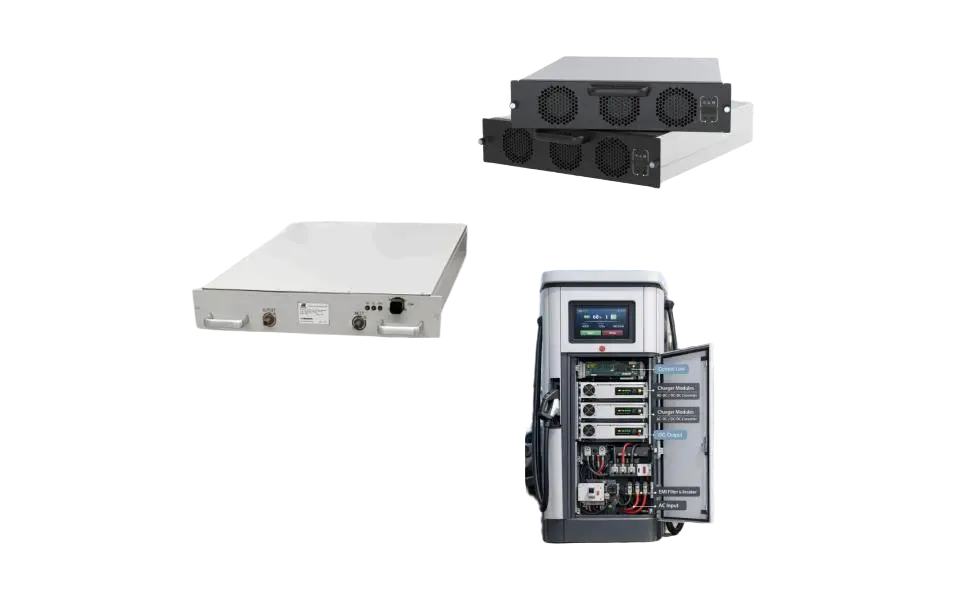
MIDA New Energy specializes in EV charger power modules, offering 20kW–60kW standard modules, 40kW–125kW liquid-cooled modules, 30kW–62.5kW bidirectional modules, and 20kW–45kW V2G charging modules.

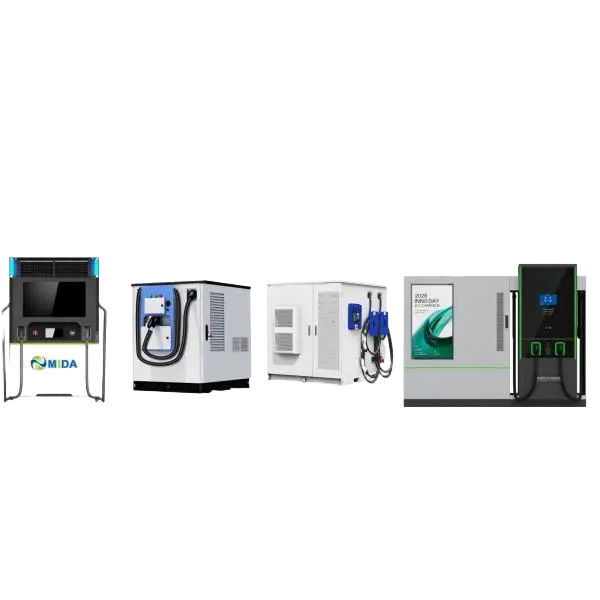
Flexible hardware formats designed to accommodate different space limitations, grid constraints, and operational business models
The foundation of any 50kW DC fast charger lies in its internal power electronic architecture. Traditional systems relied heavily on parallel configurations of small 10kW or 15kW silicon diode modules, which restricted thermal efficiency and reduced the system's mean time between failures (MTBF). Modern industrial systems from MIDA leverage our proprietary 20kW, 30kW, and 40kW AC/DC charging modules, enabling 50kW capacities to be reached using fewer modules. This reduces communication bus complexity and heat concentration.
Our transition to Silicon Carbide (SiC) MOSFETs within our modules represents a significant leap forward in power density. SiC technology enables higher switching frequencies, reducing the physical size of inductors and capacitors, minimizing overall cabinet footprints, and keeping conversion efficiencies above 96.5%. For challenging environments, we provide both standard forced-air cooled setups and closed-loop liquid-cooled power modules that isolate sensitive electronics from dust, salt air, and corrosive chemicals.
A fast charging system is only as reliable as its cable and connector. Under high duty cycles, standard copper cables suffer from thermal degradation and voltage drops. As a leading manufacturer of high-current DC cables, Shanghai Mida Cable Group ensures that every 50kW unit features double-insulated, highly flexible cables. The integration of temperature sensors directly inside our CCS1, CCS2, CHAdeMO, and NACS connectors prevents thermal runaways, automatically throttling power if plug-in terminals exceed safe operational levels.
Explore our specialized technologies built for industrial integration and global power conversion markets
Stay updated with our latest industrial developments and transit electrification solutions
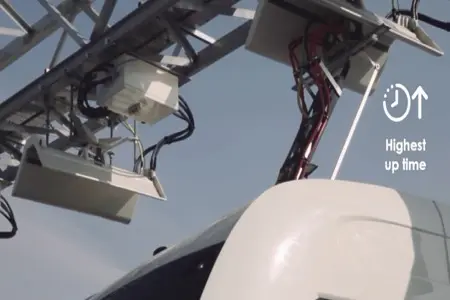
What are the advantages of an e-bus pantograph dome? In contrast to classic plug-in charging systems, e-bus pantograph solutions optimize rapid top-up times directly at terminal stations...
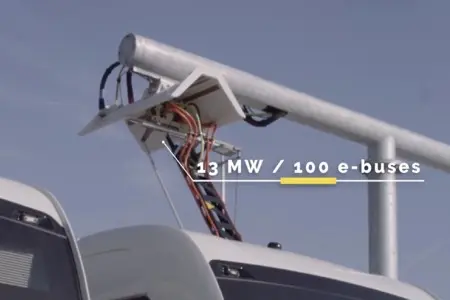
How long does it take to charge with an e-bus pantograph? The charging time depends on the battery capacity and the dynamic pantograph-up interface system, achieving rapid turnaround times...
How to Install the Pantograph Up Charger System Dome for Electric Bus. Installing a "Pantograph Up" system requires structural synchronization with depot grids, safety testing, and compliance protocols...
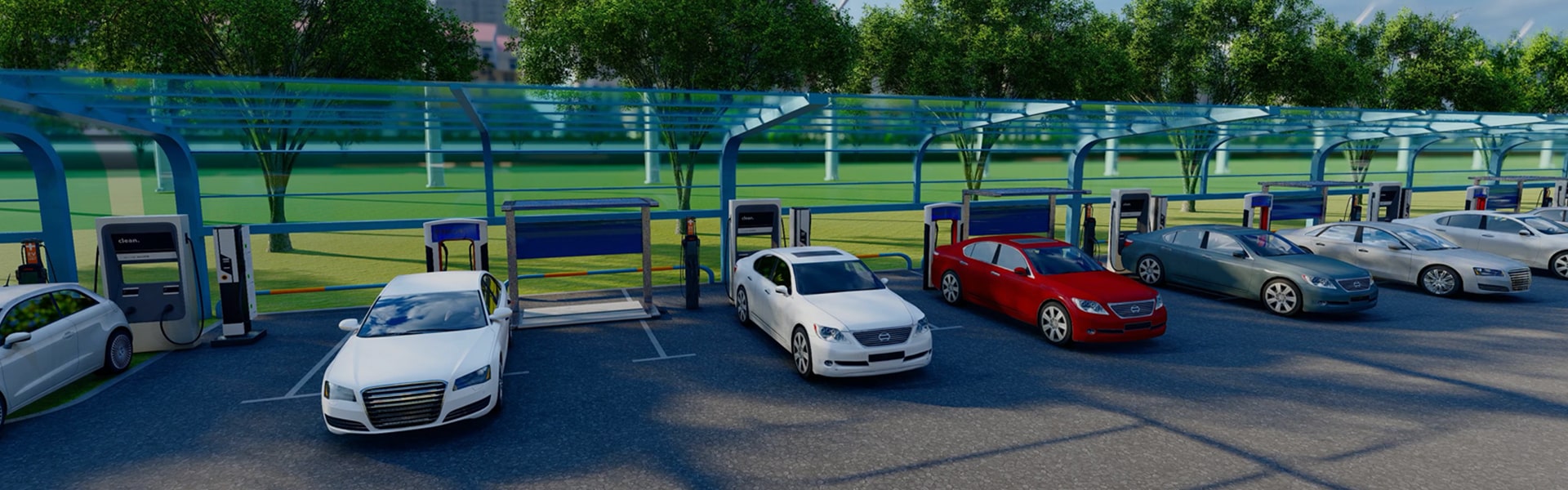
Deploying public fast-charging infrastructure requires matching the hardware configuration to local driver behavior and commercial site limitations. Some of the most common applications for 50kW systems include:
In regions with weak grids or high demand charges, installing multiple 50kW chargers can trigger expensive peak-demand penalties. MIDA’s BESS Charging Stations address this issue by integrating local battery storage. These systems charge the internal batteries during low-cost, off-peak periods, and then discharge that stored power when vehicles plug in. This protects local utility connections and ensures consistent fast charging even during peak grid demand.
Technical and logistics questions answered by MIDA's senior engineering team
50kW DC chargers offer a cost-effective alternative for sites where vehicles dwell for 45 to 90 minutes, such as retail parking, corporate offices, and fleet depots. They require significantly less grid infrastructure compared to 150kW+ chargers, avoiding the need for dedicated high-voltage grid substations and expensive demand charges.
Yes, our chargers support multiple global standards, including CCS1 (North America), CCS2 (Europe), CHAdeMO (Japan), GB/T (China), and the emerging Tesla-centric NACS standard. They can be built with dual-connector options to charge multiple vehicle types at once.
OCPP (Open Charge Point Protocol) enables chargers to communicate with any third-party back-office billing, management, or telemetry software. This gives operators the flexibility to switch networks, manage load balancing, process payments, and run diagnostics remotely without being locked into proprietary software.
Dynamic Load Management continuously monitors building electrical loads and distributes the available power among active EV chargers. This prevents the charging network from overloading local breakers, saving operators from expensive grid capacity upgrades.
Next-generation split chargers, supercharger stacks, and solar-integrated options for heavy-duty applications