Deploying high-power, high-availability charging points with global interface standardization and smart connectivity frameworks.
Shanghai Mida Cable Group Ltd. serves as a vertically integrated manufacturer through its specialized, wholly-owned operating divisions: Shanghai Mida EV Power Co., Ltd., Shenzhen Mida EV Power Co., Ltd., and Shanghai Mida New Energy Co., Ltd.
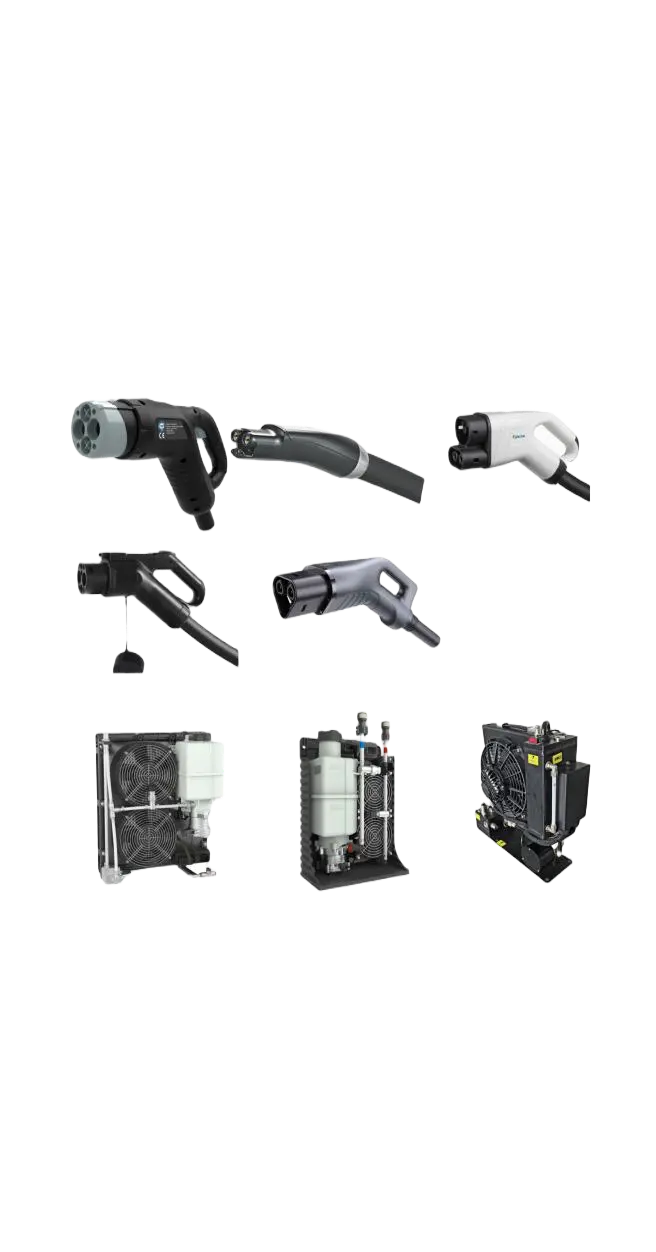
Mida Cable designs and manufactures commercial-grade EV charging cables and connectors: J1772 (16A–80A), IEC 62196-2 Type 2 (16A–63A), and global DC fast charging connectors including CCS1 (80A–500A), CCS2 (125A–1000A), CHAdeMO (125A–300A), GBT (200A–1000A), and NACS (250A–600A).
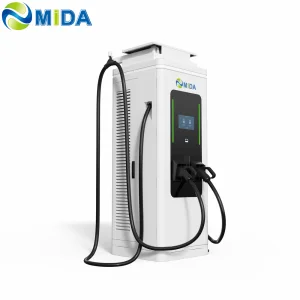
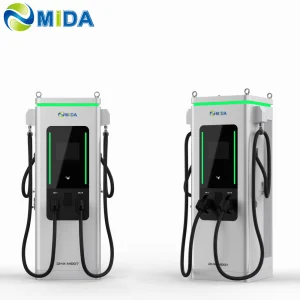
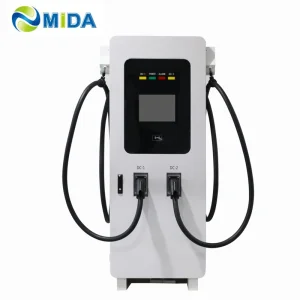
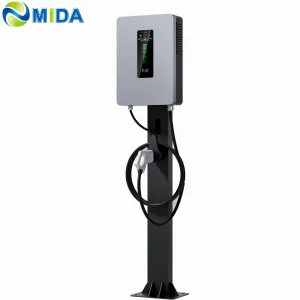
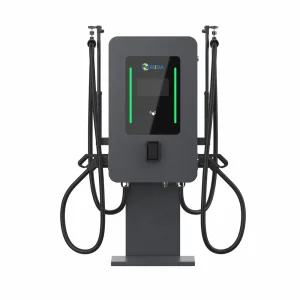
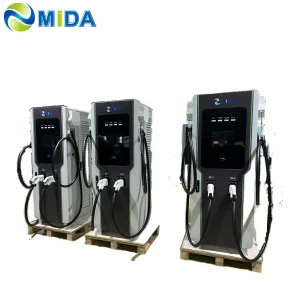
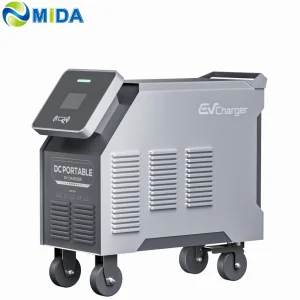
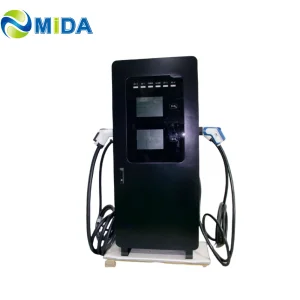
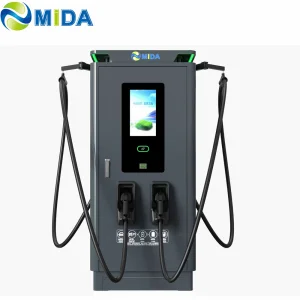
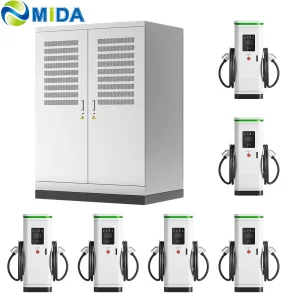
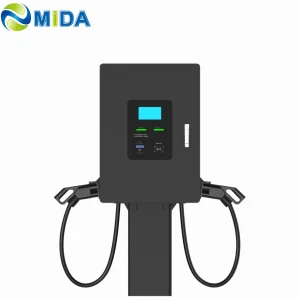
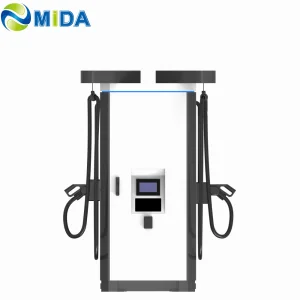
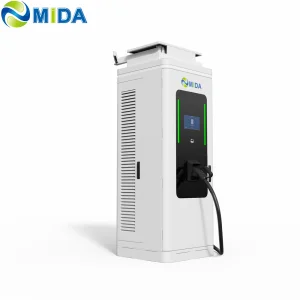
MIDA EV Power designs modular infrastructure hardware including 7kW–50kW mobile chargers, 3.6kW–7.2kW portable DC fast systems, 360kW–1440kW split-type ultra-fast charging stacks, 20kW–50kW wall-mounted DC systems, and 60kW–480kW commercial floor-mounted piles.
MIDA New Energy focuses on engineering EV charger power modules, developing 20kW–60kW air-cooled standard modules, 40kW–125kW active liquid-cooled modules, 30kW–62.5kW bidirectional smart modules, and 20kW–45kW specialized Vehicle-to-Grid (V2G) systems.

The global transition toward high-voltage electric vehicles necessitates scalable DC charging structures. At the core of every ultra-fast DC charger is the high-frequency switching rectifying module. The 40kW EV Power Module represents the industry's sweet spot in power density, thermodynamic balance, and modular grid integration. By employing wide-bandgap (WBG) silicon carbide (SiC) semiconductors, these units minimize dynamic switching losses and support ultra-wide constant output ranges, transitioning seamlessly from 150V to 1000V. This architecture enables charging stations to service low-voltage passenger hybrids and 800V premium commercial EV architectures with equal efficiency.
Historically, the EV infrastructure sector relied on 15kW and 20kW power modules. However, as public demand for faster charging speeds increases and average vehicle battery capacities surge, charging pile manufacturers face space constraints and assembly complexity. Transitioning to a unified 40kW module layout reduces the internal busbar connections and communication nodes, lowering thermal failure points by nearly 40%. The trend is clear: operators are demanding larger power units configured in parallel backplanes to build 120kW, 240kW, or 360kW systems with fewer modules, improving MTBF (Mean Time Between Failures) and lowering maintenance overhead.
By doubling the power density relative to traditional 20kW blocks, the 40kW module allows manufacturers to assemble high-capacity EVSE (Electric Vehicle Supply Equipment) inside standard structural footprints. This maintains existing chassis sizes while doubling output capacity without requiring additional cooling real estate.
C-level executives, global utility companies, and charging station installers prioritize specific key performance indicators (KPIs) when sourcing suppliers. Chief among these is grid compliance. Shanghai Mida's 40kW power modules are engineered to maintain a Total Harmonic Distortion (THD) of under 5% at full load, with a Power Factor (PF) exceeding 0.99. This protects municipal grids from harmonic pollution and prevents phase imbalances. Furthermore, smart dual-DSP digital control technology enables localized reactive power compensation and real-time load distribution, ensuring compliance with IEEE 519 and local grid connection regulations.
Thermal mitigation determines the lifespan of silicon components. Our 40kW air-cooled modules employ intelligent, independent wind channel designs that shield internal electronics from ambient dust and salt fog. For harsh environments like coastal stations or sand-dense regions, our liquid-cooled 40kW to 125kW modules feature closed-loop cooling plates, eliminating external air exchange. This design delivers IP65 ingress protection and maintains structural silence (below 50dB), making it ideal for urban installations and high-end residential networks.
From component cables to megawatt-level energy storage charging systems, we deliver certified end-to-end components.
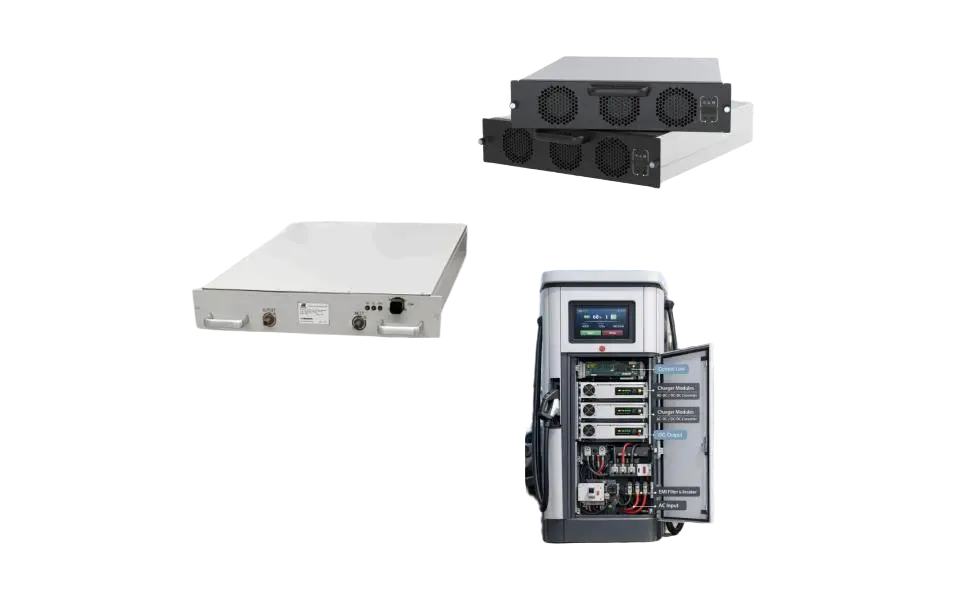
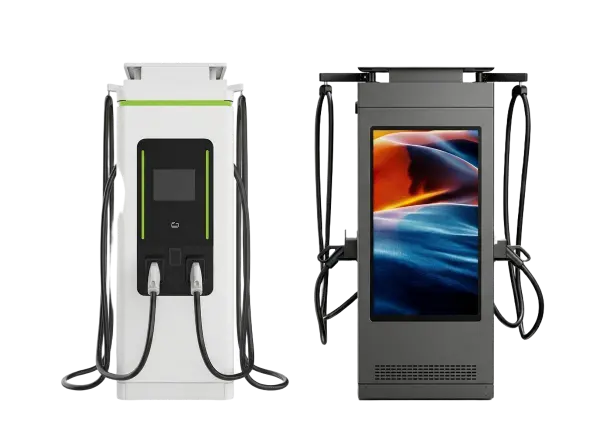
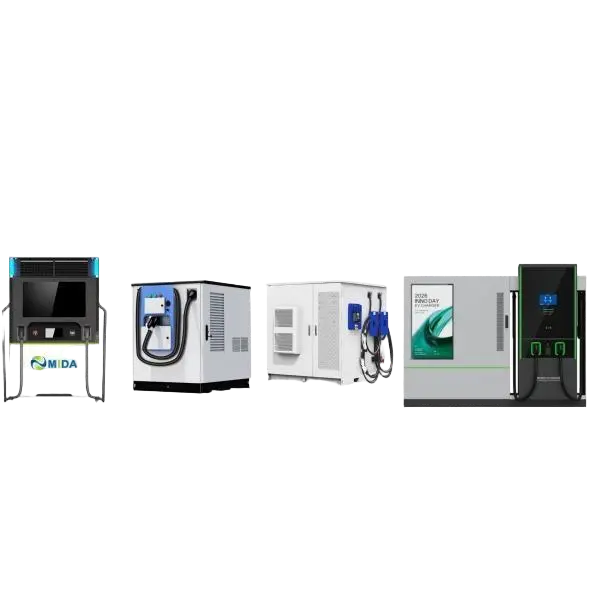
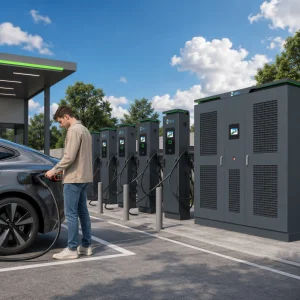
Modern transit depots, commercial logistics hubs, and highway plazas require complex infrastructure strategies. Sourcing a standard 40kW module is only the first step. Our team designs complete macro charging environments where DC charging modules interface directly with Battery Energy Storage Systems (BESS) and local photovoltaic (PV) generation arrays. This reduces peak demand fees and dynamic grid instability. Through integrated Modbus and OCPP 2.0.1 protocols, our hardware communicates with local fleet dispatchers, managing charging rates according to real-time utility rates and vehicle scheduling.
As regulatory agencies implement zero-emission fleet mandates, the role of parked electric vehicles is shifting from load consuming to active load balancing. MIDA’s bidirectional 30kW, 40kW, and 62.5kW power modules are engineered to support Vehicle-to-Grid (V2G) and Vehicle-to-Everything (V2X) applications. By utilizing active power factor correction and bidirectional LLC resonant conversion topologies, these modules enable EV batteries to feed energy back to commercial buildings or local distribution grids. This transforms charging stations into virtual power plants (VPPs) that generate revenue during high-tariff periods.
Navigating global compliance certificates presents a significant hurdle for importing equipment. Shanghai Mida maintains certifications with recognized testing laboratories including UL, ETL, CE, CB, and TÜV. Our 40kW modules are built to meet international standards such as ISO 15118, DIN 70121, and OCPP compliance. To support international project rollouts, we provide localized field application engineering (FAE) support, multi-language technical documentation, and plug-and-play validation testing. This helps minimize field configuration errors and speeds up local commissioning times.
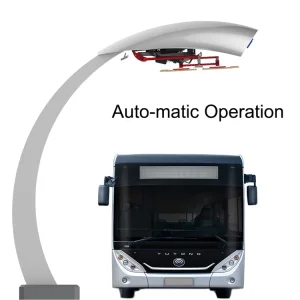
Stay up to date with industrial transit trends, pantograph setups, and technical advancements from MIDA.
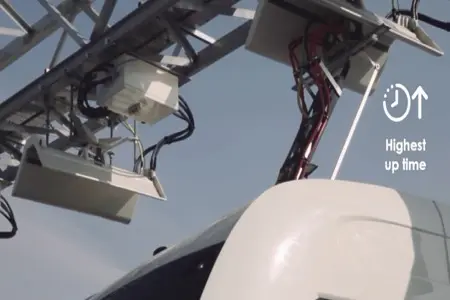
In contrast to classic plug-in charging systems, e-bus pantograph connections allow high-power automated contact without manual handling, raising throughput speeds in depot terminals.
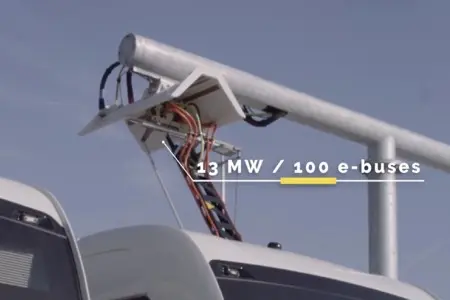
The charging duration depends heavily on battery capacity and output voltage. By utilising 600kW systems powered by modular blocks, buses can charge within 5-10 minutes.
Detailed deployment criteria for mechanical positioning, automated alignment sensors, control box links, and safety interlock switches for heavy-duty transit stations.
Answers to common engineering and commercial integration questions regarding our 40kW modules.
From portable units to liquid-cooled ultra-chargers, here are our international market configurations.